












A lot of Atlanta homeowners arrive at the same point. The renovation is underway, the architectural shell looks clean, and the old furniture suddenly feels noisy. Not loud in color. Loud in shape, finish, proportion, and quality. A sofa bought in a hurry now looks bloated. A dining set that once felt practical now reads as generic. The room is calmer, but the furnishings still aren’t.
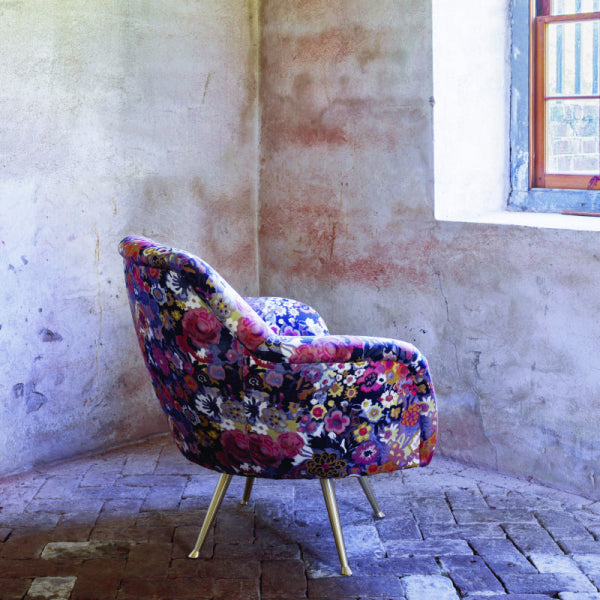
That’s when modern minimalism starts to make sense. Not the stripped, severe version that leaves a house feeling unfinished. The better version. The one built around fewer, better things. A sculptural chair with a proper frame. A well-fitted sofa in a textile that gets better with use. A rug that softens the architecture without crowding it.
In affluent neighborhoods like Buckhead, Alpharetta, Roswell, and Sandy Springs, that approach fits the way people live. They want a home that feels edited, but not sterile. They want designer furniture that can hold up to everyday use. They want luxury sofas, premium sectionals, and heirloom-quality furniture that still feels personal.
Beyond Less is More Embracing Today's Luxury Minimalism
A well-executed minimalist room rarely starts with restraint alone. It starts with standards.
The homeowner may think they’re shopping for a new sofa, but the core question is broader. What deserves space in the room? That shift matters. It moves the conversation away from filling square footage and toward selecting pieces with enough presence, integrity, and comfort to justify their footprint.
Why this style keeps growing
Minimalism has moved far beyond trend status. The global minimalist furniture market reached USD 52.6 billion in 2024 and is projected to reach USD 81.1 billion by 2030, with a 7.7% CAGR from 2025 to 2030. In 2023, North America held about 35% of the market share, which reflects strong demand for premium, sustainable furnishings in this category, according to Grand View Research's minimalist furniture market report.
That growth tracks with what buyers are already doing. They’re leaning toward cleaner rooms, stronger materials, and pieces that age well instead of being replaced quickly.
Practical rule: Minimalism only feels luxurious when every visible piece earns its place.
What affluent buyers are really looking for
Homeowners are not trying to make their homes look empty. They’re trying to make them feel settled.
That often means:
- Less visual chatter from over-decorated furniture, busy fabrics, and throwaway accent pieces
- More permanence through solid woods, natural fibers, custom upholstery, and designer-quality construction
- Better function from furniture that supports the body, fits the room, and doesn’t date itself in two seasons
Mass-market “minimalist” furniture often disappoints when it gets the outline right but misses the substance. The silhouettes are clean, yet the scale is awkward. The upholstery looks flat. The seat comfort drops off quickly. The finish lacks depth. You end up with a room that looks pared back but feels underwhelming.
A more helpful way to think about the look comes from the idea of mastering minimalism. The strongest interiors don’t erase personality. They edit it.
The luxury version of minimalism
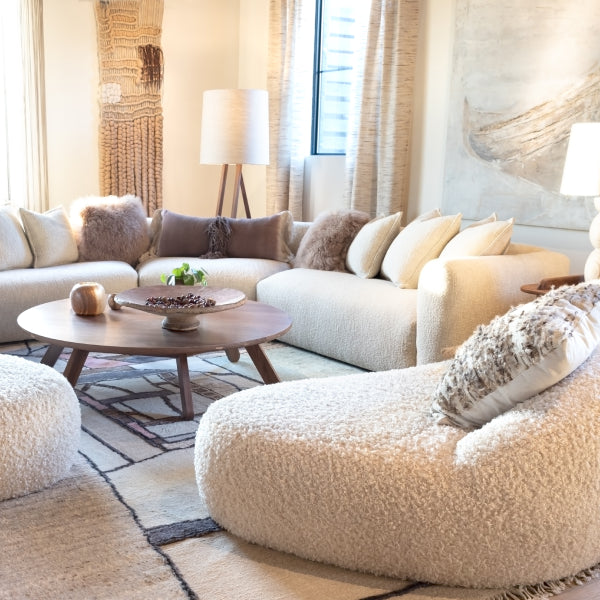
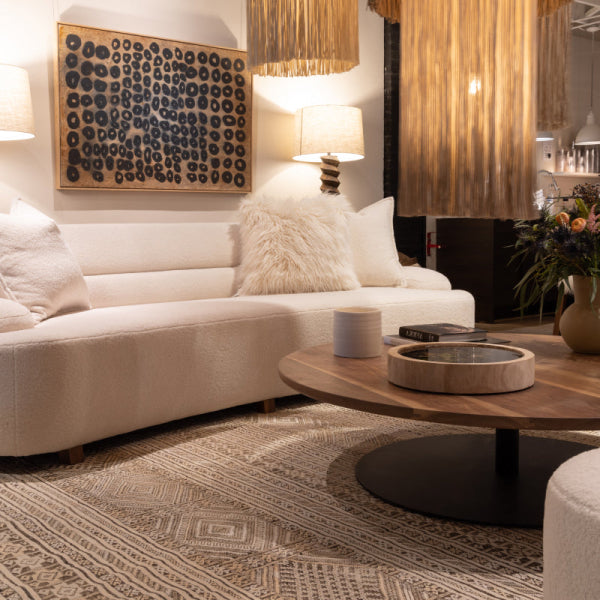
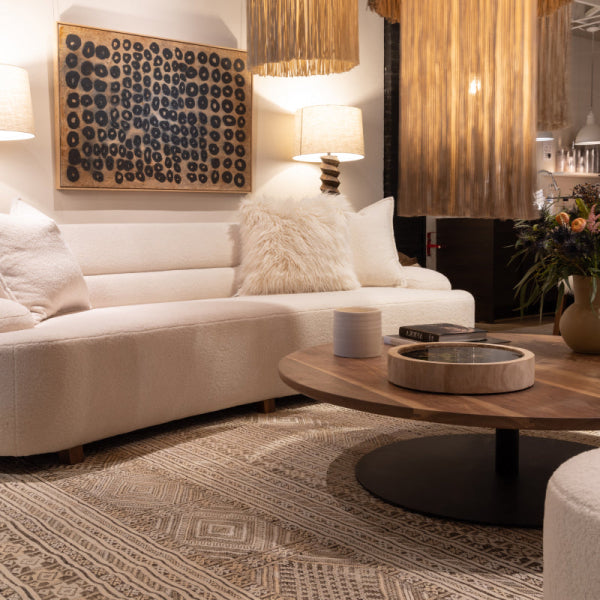
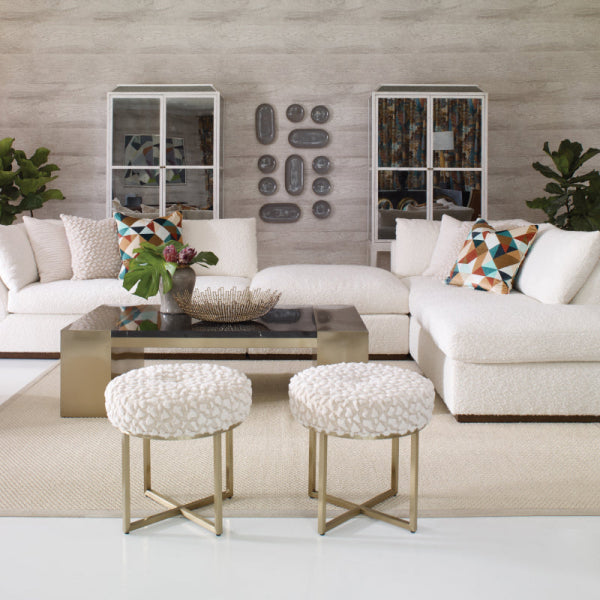
Luxury minimalism works because it gives calm a material language. Walnut with visible grain. Belgian linen with softness and slub. A hand-finished oak table. A sectional with enough depth to lounge in, but enough discipline in the line to still read as well-proportioned.
That’s why the style has staying power. It isn’t based on novelty. It’s based on proportion, craft, and comfort.
The Hallmarks of True Modern Minimalist Furniture
Minimalist furniture is easy to copy badly.
A cheap piece can mimic the outline. It can have a low back, a pale wood finish, and a simple profile. What it can’t mimic is the discipline behind the piece. Good minimalist furniture works like a custom jacket or a fine watch. The outside looks effortless because the inside is resolved.

Start with form, not decoration
The best pieces hold attention without asking for it.
Curves are softer now than they were in earlier minimalist phases. A chair with a quiet wraparound back. A bench with rounded edges. A cocktail table with a slightly organic top instead of a severe rectangle. Those moves matter because they keep the room from feeling rigid.
What doesn’t work is furniture that relies on gimmicks. If the piece needs odd hardware, trendy color blocking, or exaggerated bulk to feel interesting, it won’t last visually.
Materials should feel honest
Minimalism becomes richer when the materials speak for themselves.
Here’s what signals designer quality:
| Element | What works | What falls short |
|---|---|---|
| Wood | Solid wood with visible grain and depth | Flat veneer with little character |
| Metal | Patinated, brushed, or otherwise restrained finishes | Overly shiny finishes that pull too much focus |
| Stone | Natural variation and subtle movement | Surfaces that look overly manufactured |
| Textiles | Linen, wool, leather, and custom performance fabrics | Slick synthetics that read cold or disposable |
A minimalist room doesn’t need many materials. It needs the right ones.
Function should be built in
True modern minimalist furniture trends aren’t only visual. They’re practical.
That means looking for:
- Integrated usefulness such as concealed storage in a bed or a media console that manages clutter cleanly
- Comfort by proportion so a chair supports the body rather than just photographing well
- Clear purpose because each piece should solve a need, not just occupy a corner
The cleanest room is often the one with the smartest furniture, not the least furniture.
Craft is the difference maker
Minimalist furniture leaves nothing to hide behind.
On a heavily ornate piece, poor joinery can disappear. On a clean-lined oak console, every seam shows. On a tight-back sofa, every wrinkle and alignment issue is visible. That’s why craftsmanship matters more, not less, in pared-back interiors.
A good buying test is simple:
- Look closely at transitions. Where arm meets back, where top meets base, where fabric turns a corner.
- Touch the finish. Hand-finished surfaces have warmth and subtle variation.
- Check the underside or interior if possible. Quality often reveals itself where marketing doesn’t.
If the piece looks strong from ten feet away but weak at arm’s length, it isn’t investment furniture.
Investing in Your Foundation The Luxury Sofa and Sectional
If there’s one category that determines whether a minimalist living room feels expensive or disappointing, it’s seating.
A luxury sofa or premium sectional is the visual anchor, the comfort center, and usually the hardest-working piece in the room. Buyers often focus on silhouette first, which makes sense. But shape alone doesn’t tell you whether the piece will still feel good years from now.

What’s inside matters more than what’s trending
The market is full of low-profile sofas that look refined online and collapse in real life. The reason is structural.
A high-end sofa starts with a serious frame. In practice, buyers should ask what the frame is made of, how the corners are joined, and whether the suspension is designed for daily use or quick production. Minimalist forms can be deceptive. A simple track-arm sofa may look easy to build. It isn’t if you want it to stay square, supportive, and precisely finished over time.
Here’s a useful evaluation lens:
| Component | Better choice | Why it matters |
|---|---|---|
| Frame | Kiln-dried hardwood | Resists instability better than lighter, weaker construction |
| Suspension | Well-engineered support system | Helps the seat keep its comfort and shape |
| Cushions | Balanced fill based on lifestyle | Changes the feel, maintenance, and look of the sofa |
| Upholstery fit | Precise application | Keeps a minimalist silhouette crisp instead of sloppy |
Comfort should be engineered, not guessed
A minimalist sofa that looks beautiful but tires the body isn’t successful design.
Ergonomic detailing matters here. According to the NV Gallery piece on minimalist furniture design for 2025, a backrest inclination of 95 to 110 degrees can reduce lower back discomfort by up to 30% compared with non-ergonomic alternatives. The same source notes that premium pieces from makers such as LEE Industries use high-density foam over 2.5 lbs/ft³ to support comfort while maintaining a cleaner profile in minimalist seating, as noted in NV Gallery's discussion of minimalist furniture design selection for 2025.
That’s the difference between a sofa that merely looks sleek and one that supports daily living.
A sofa can be low and sculptural without being punishing. The best ones solve both problems at once.
Sofa or sectional
The answer depends on how the room functions, not just on square footage.
A sofa tends to work better when:
- The room needs a single statement form with visual breathing room around it
- You want flexibility to add separate lounge chairs, ottomans, or a bench
- The architecture is formal enough that too much modularity would dilute the room
A sectional makes more sense when:
- The household lounges and wants one continuous seating zone
- The room is open-plan and the seating needs to define an area
- You need comfort without adding multiple pieces
Many affluent homeowners in North Atlanta assume a sectional is the upgrade. Sometimes it is. Sometimes a beautifully proportioned sofa with two custom chairs creates a more refined room.
A practical buying checklist
Before ordering any custom upholstered furniture, ask these questions:
- How does the seat depth fit the way you sit? Some people perch upright. Others lounge extensively.
- What does the arm shape do for the room? Slim arms preserve visual lightness. Fuller arms add softness.
- Will the back cushions maintain their shape? Loose backs can feel inviting, but they require more maintenance.
- How will the fabric wear on this shape? A nubby linen reads differently on a bench seat than on a loose cushion sofa.
For a broader consumer-friendly overview, The Ultimate Sofa Buying Guide is a helpful companion read. If you’re comparing a Belgian-inspired frame or considering a linen-upholstered statement piece, this guide to a Verellen Belgian linen sofa is also useful for understanding how textile, silhouette, and comfort interact.
The common mistake is buying for first impression. Better buyers purchase for year three.
The Art of Custom Upholstery Your Path to a Unique Interior
Minimalist rooms fail when every surface is smooth, every color is flat, and every piece looks pulled from the same retail page.
Custom upholstery solves that. It brings depth into a room without adding clutter. It lets you keep the architecture clean while making the furniture feel specific to the house and to the people living in it.

Fabric is not a finishing touch
In high-end interiors, upholstery fabric is part of the design language from the start.
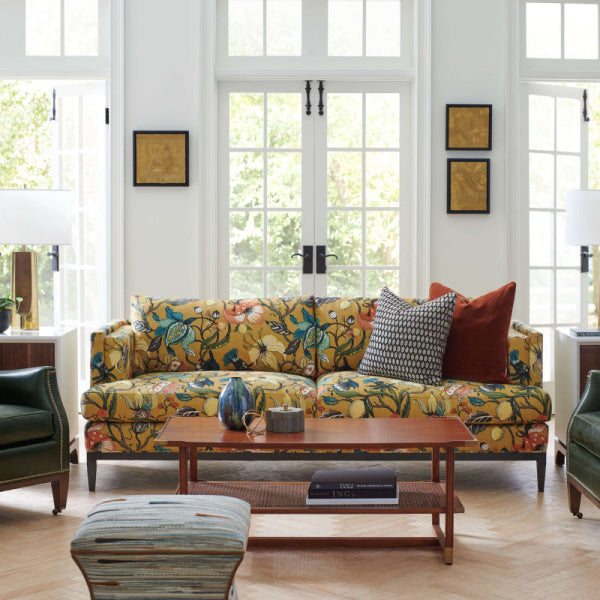
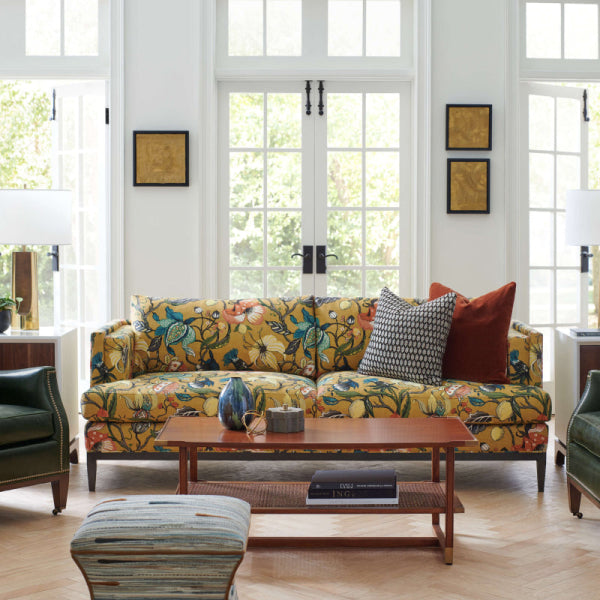
That matters even more in modern minimalist furniture trends because the forms are edited. When the silhouette is quiet, the textile has to do more work. It provides softness, scale, temperature, and visual relief.
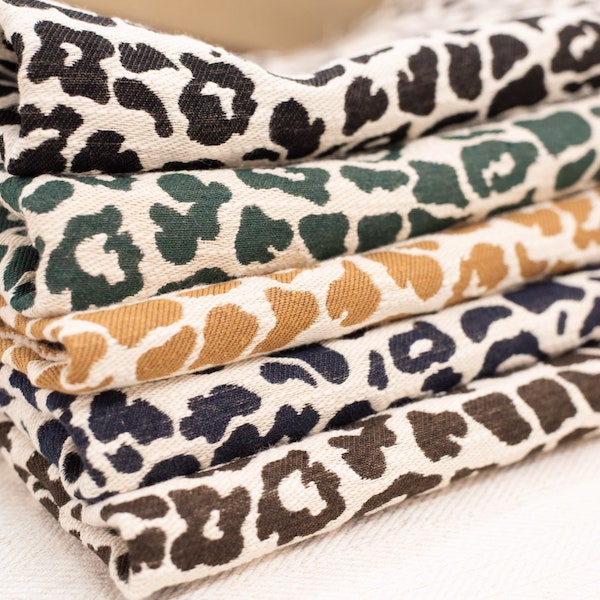
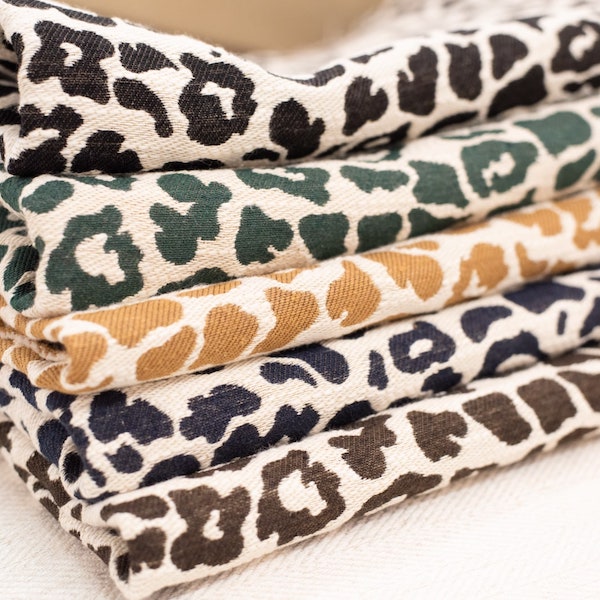
Most general design coverage stays focused on wood and metal, but the fabric decision often determines whether a minimalist room feels warm or anonymous. As Blue Space Interiors notes in its look at minimalist furniture design, high-performance textiles like Crypton and premium Belgian linens from Libeco are central to maintaining minimalist aesthetics while improving longevity for investment-level upholstery.
What different textiles do
Not every premium fabric solves the same problem.
Belgian linen
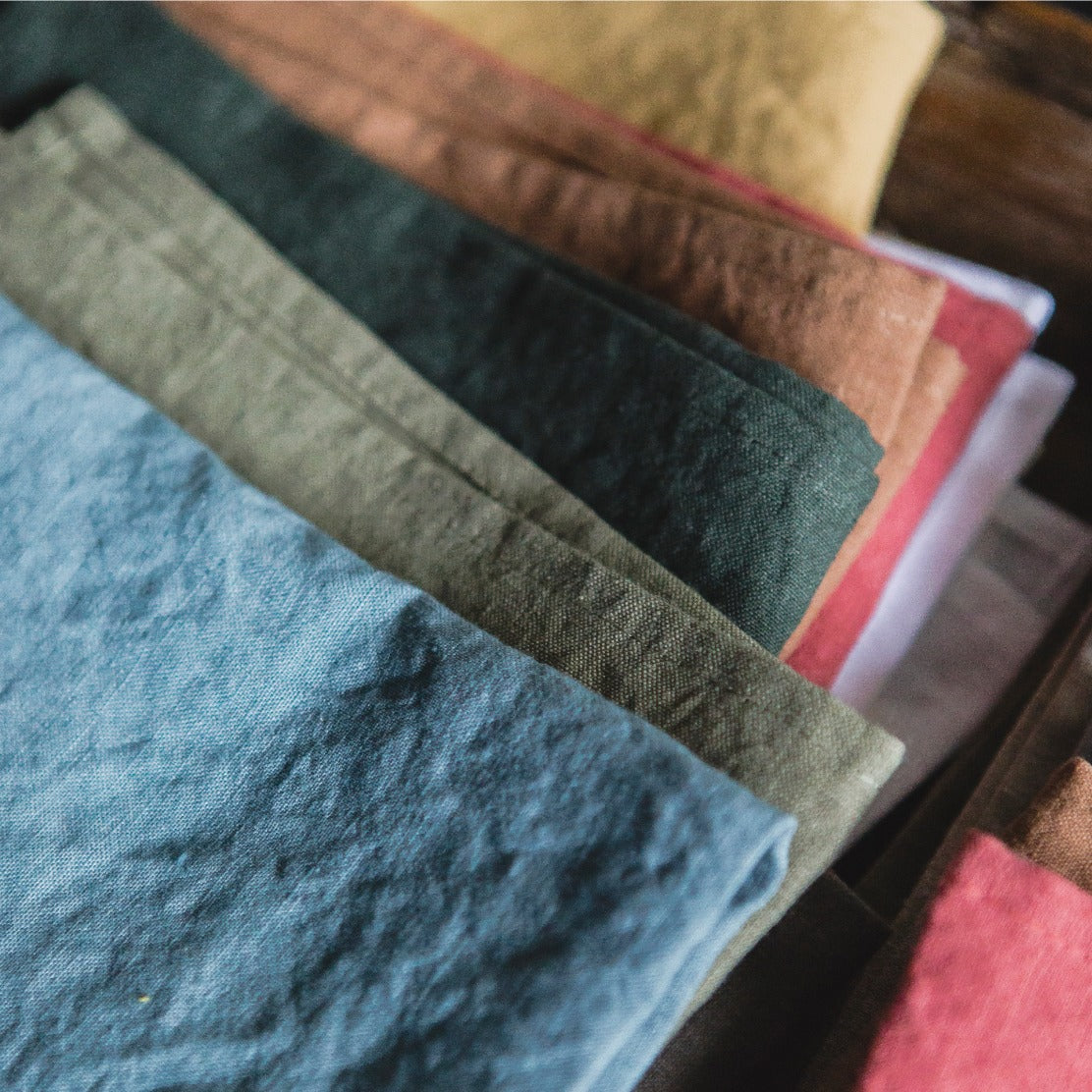
Belgian linen works best when you want ease, softness, and a naturally relaxed surface. It has movement. It catches light gently. It keeps a room from feeling overly rigid.
It’s excellent on slipcovered forms, relaxed bench-seat sofas, and lounge chairs where a little softness supports the silhouette.
Performance upholstery
Performance fabrics are often the better call in active households, media rooms, and homes with frequent entertaining. Good ones don’t look overly technical. They preserve a cleaner line while standing up to real use.
That’s why many buyers choosing custom chairs, high-quality couches, or premium sectionals end up balancing aesthetic goals with practical ones instead of treating them as opposites.
Velvet, bouclé, and textural weaves
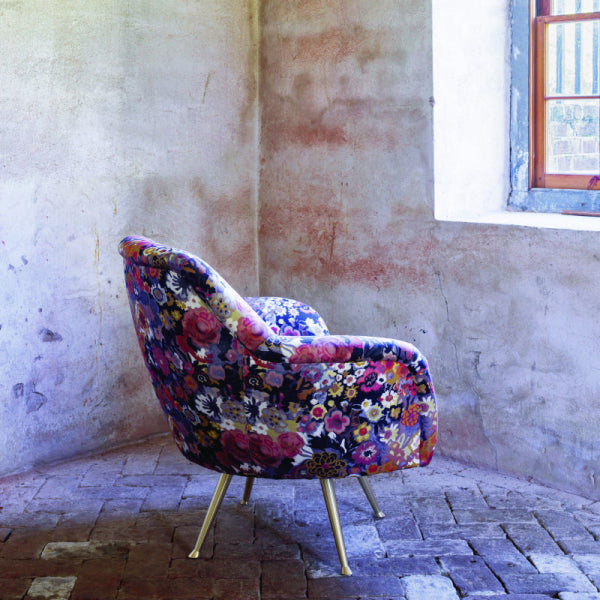
These can work in minimalist interiors, but only if used with discipline. A single accent chair in a rich texture can be beautiful. A whole room wrapped in competing novelty fabrics isn’t.
Reupholstery can outperform retail
One of the smartest moves in a luxury interior is keeping an excellent frame and changing the textile story around it.
A well-built heirloom chair often has better bones than a new mass-produced replacement. Reupholstery lets you preserve proportion and craftsmanship while making the piece align with a quieter, more current interior. That’s especially useful in homes where one inherited or long-owned piece has sentimental value but feels visually out of step.
Here’s when reupholstery makes sense:
- The frame is strong and worth preserving
- The scale is right for the room even if the fabric isn’t
- The piece has character that would be hard to replace from a showroom floor
- You want a one-of-one result instead of a standard retail finish
For buyers weighing the trade-offs, this comparison of custom upholstery vs retail furniture gives a practical view of where custom work delivers more value.
Custom upholstery is often the quietest way to make a room feel expensive. Nothing looks forced, but nothing looks generic.
What works and what doesn’t
A few rules hold up well in this category.
- Work with the frame’s personality. Don’t fight a traditional shape with an ultra-severe textile story.
- Choose texture before pattern. In minimalist rooms, texture often carries more impact than overt print.
- Think about maintenance realistically. The right answer for a formal sitting room may be wrong for a family den.
- Avoid chasing the “safe neutral” that has no depth. Good neutrals have undertone, weave, and life.
The best custom upholstery doesn’t scream customization. It feels right.
Selecting Designer and Statement Furniture Pieces
Minimalist rooms still need focal points. They just choose them differently.
A statement piece in this context isn’t loud or oversized for the sake of drama. It’s a piece with enough shape, finish, or material presence to organize the room around it. That could be a live-edge dining table, a beautifully scaled sculptural chair, or a console with an architectural base that reads almost like small-scale sculpture.

What makes a piece designer quality
Designer furniture announces itself through resolution.
The line feels deliberate. The material choice makes sense for the shape. The scale is considered. There’s tension between simplicity and detail, and that tension is what gives the piece authority.
A useful distinction:
| Question | Designer-quality answer |
|---|---|
| Why this shape? | It supports the function and gives the piece identity |
| Why this material? | It enhances the form instead of decorating over it |
| Why does it matter in the room? | It anchors the composition without overcrowding it |
Mass-produced furniture often answers those questions weakly. The shape follows a trend. The material is a cost compromise. The piece works in isolation but doesn’t improve the room.
Choose one piece with presence before adding many accents
Many otherwise tasteful rooms go wrong when the homeowner buys six “interesting” things instead of one excellent one.
A better sequence is:
- Pick the anchor. Dining table, sofa, bed, or sculptural lounge chair.
- Support it with quieter forms. Let side tables, case goods, and lighting stay disciplined.
- Edit out redundancy. If the table is dramatic, the chairs don’t all need to compete.
That approach gives the room hierarchy. It also keeps luxury home furnishings from feeling crowded, which is one of the fastest ways to lose the point of minimalism.
Statement doesn’t mean impractical
There’s a misconception that sculptural furniture is only for formal rooms. It doesn’t have to be.
A strong armchair with a well-shaped back can still be comfortable. A substantial wood table can still be family-friendly. A carefully designed bed can still include utility through integrated storage or a headboard proportioned for reading.
The most successful statement furniture pieces do two jobs at once. They perform well and they hold the room visually.
A good editing test
Before adding any designer piece, ask whether it brings one of these qualities:
- Architectural form
- Material richness
- Exceptional craftsmanship
- Useful contrast to the surrounding pieces
If the answer is none of those, it may just be another object.
That’s the discipline behind strong modern minimalist furniture trends. The room feels refined not because it has more in it, but because each piece contributes more.
Finishing Your Look with Premium Textiles and Rugs
Minimalist interiors need softness. Without it, even excellent furniture can feel unfinished.
Rugs, drapery, throws, and pillows stop being accessories and start acting like essential architecture for the room. They absorb hardness, control light, and give visual texture to spaces that might otherwise read as too bare.
The rug should ground the room, not compete with it
A rug in a minimalist interior does its best work subtly.
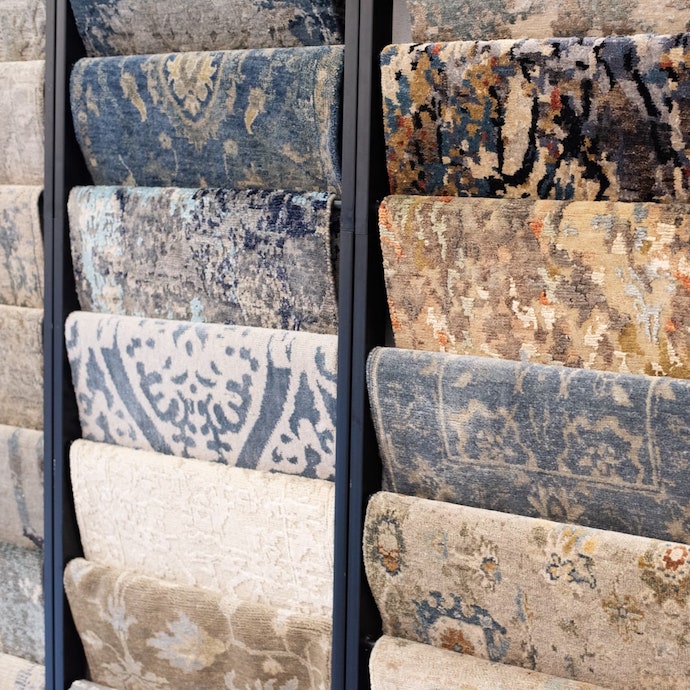
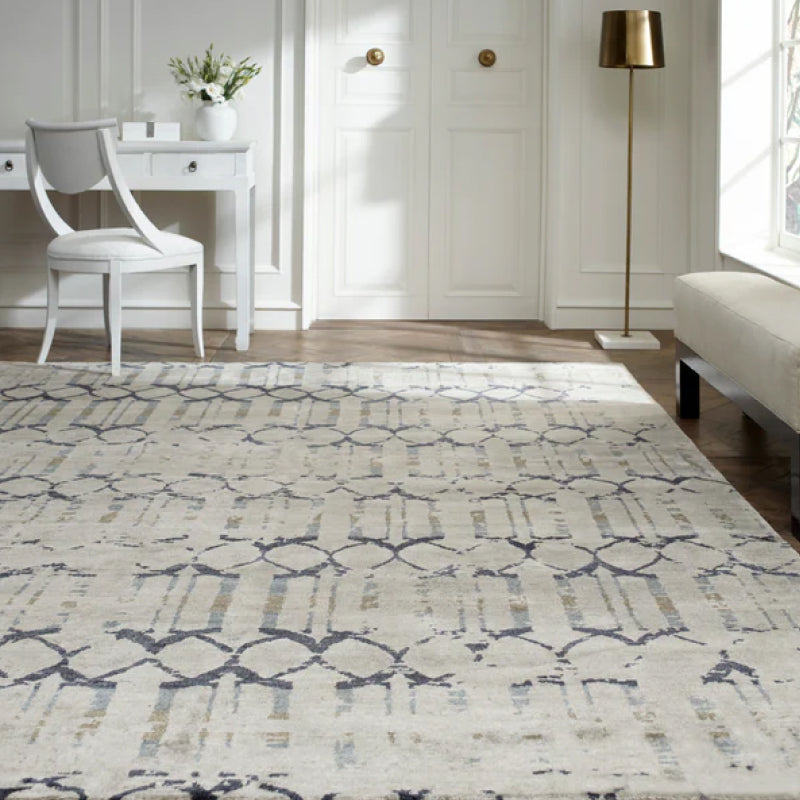
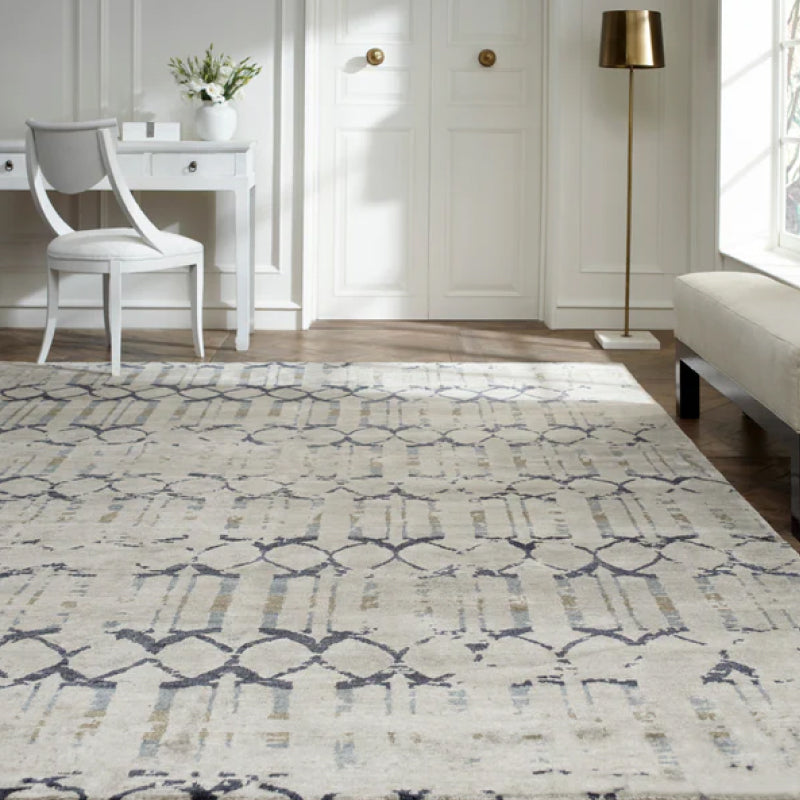
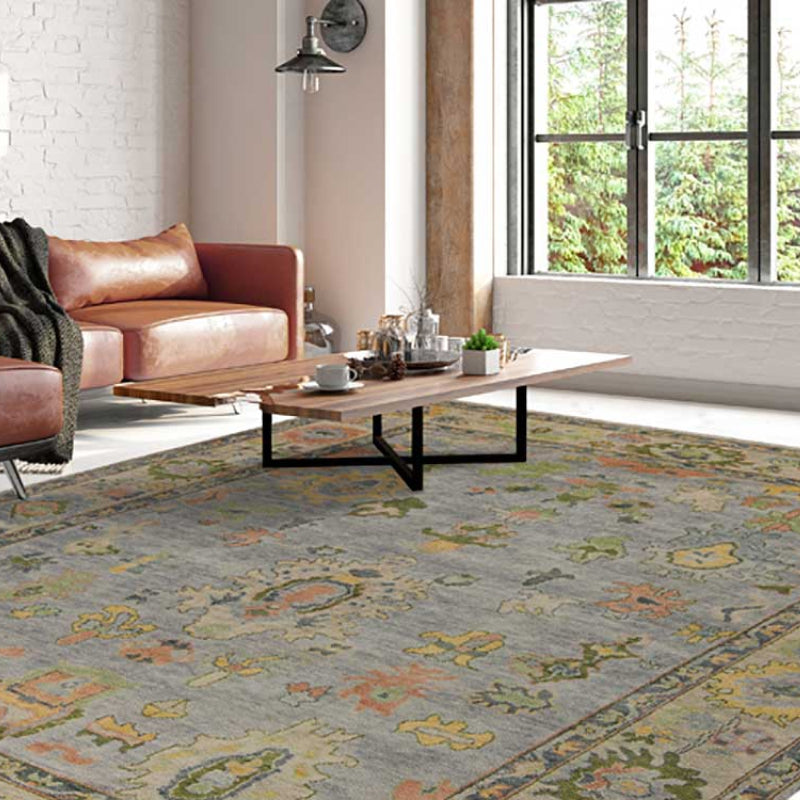
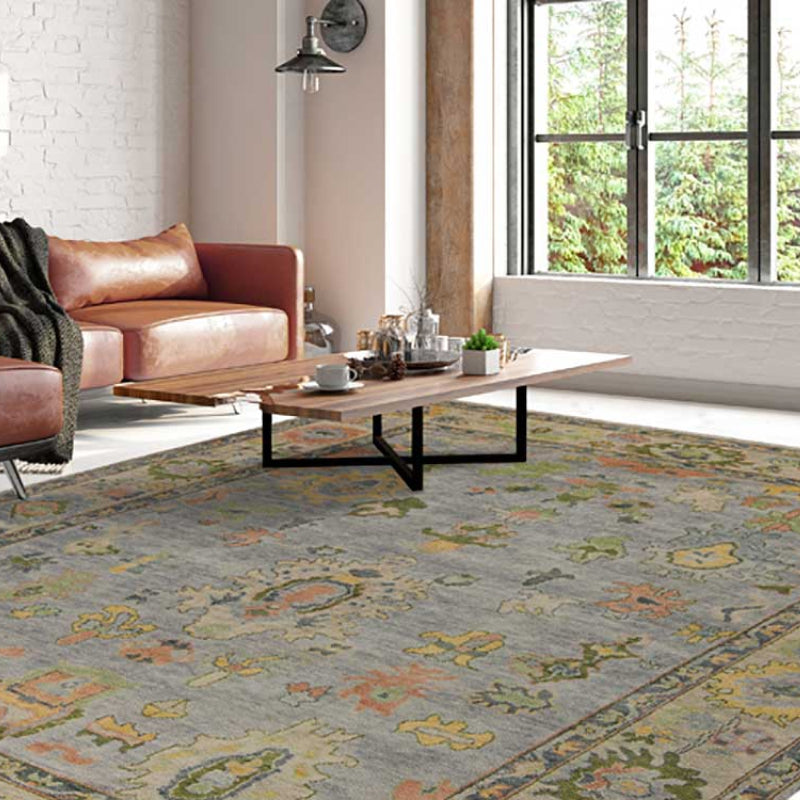
A low-pile, neutral hand-knotted rug can add warmth and help a room avoid that sparse, underdressed feeling. That’s one of the underserved parts of minimalist design coverage, and Slater Realty Group's discussion of minimalist trends specifically points to low-pile, neutral hand-knotted rugs from premium sources like Kalaty as a strong way to bring in texture and perceived value without clutter.
That’s the right instinct. The rug shouldn’t shout over the furniture. It should make the furniture look better.
Use textiles to create depth in a restrained palette
If the room is built around oak, walnut, stone, plaster, or painted walls, textiles provide the counterbalance.
A few combinations work especially well:
- Linen upholstery with wool rug for softness over structure
- Custom drapery with hand-knotted rug for vertical and horizontal texture
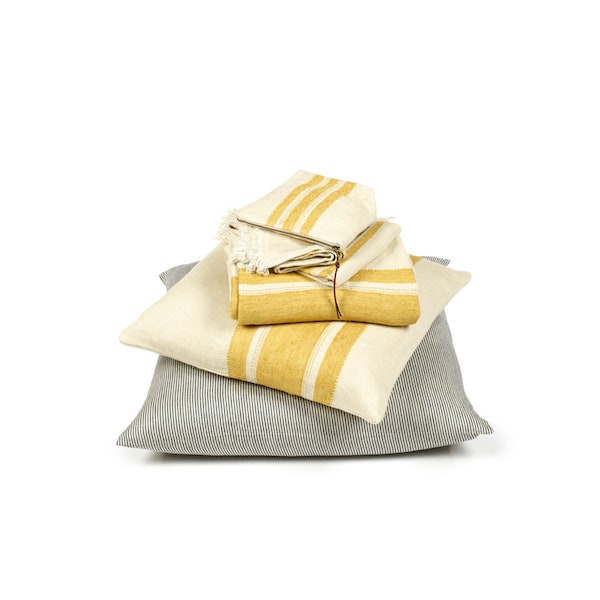
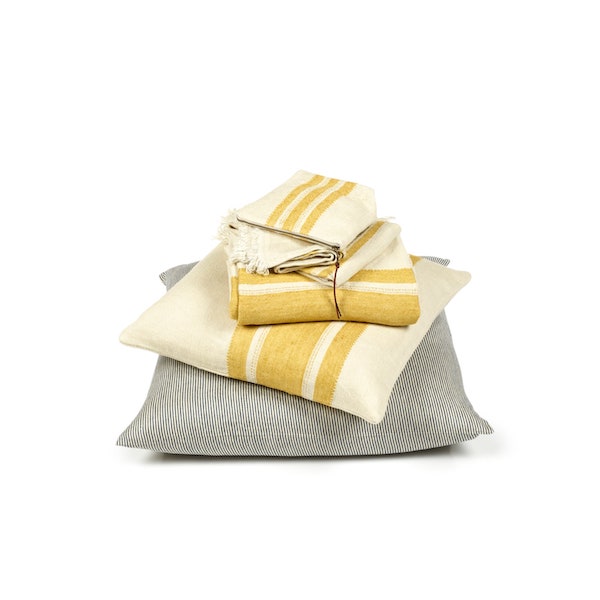
- Belgian linen throws and quiet pillows for lived-in comfort without fussiness
The key is variation in hand and surface. Smooth next to nubby. Matte next to lightly lustrous. Open weave next to dense pile.
For a practical framework on scale and placement, this guide on how to choose a living room rug is useful.
Drapery is often the missing layer
A lot of otherwise strong minimalist rooms feel exposed because the windows were treated as an afterthought.
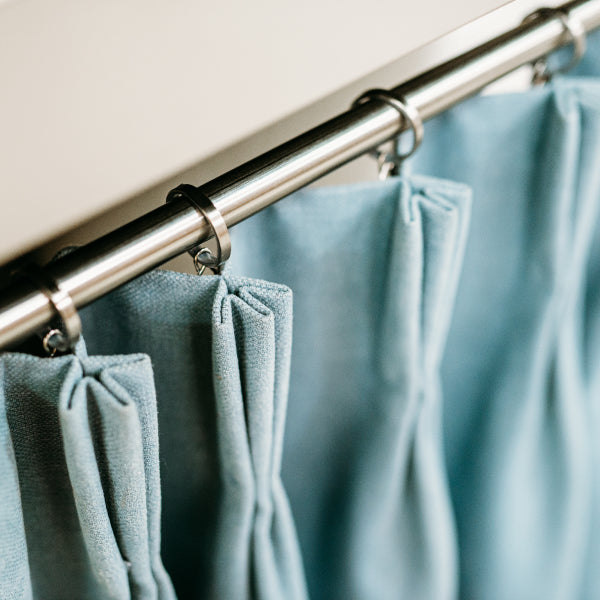
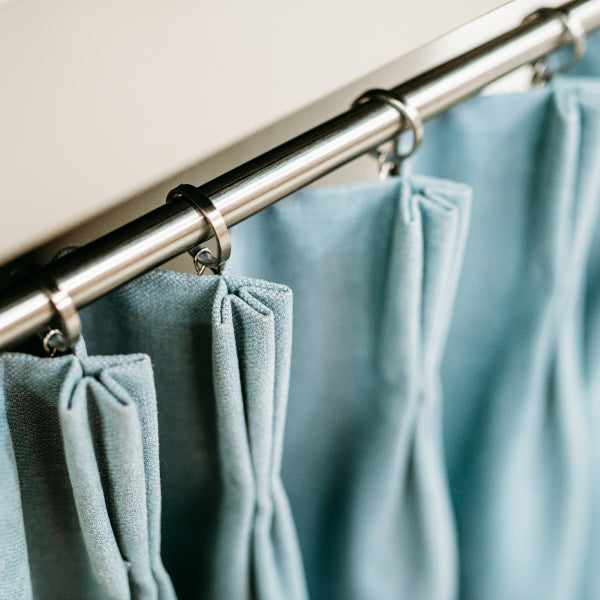
Custom drapery can soften wall planes, improve privacy, and make ceiling height feel more intentional. In homes across Buckhead and Sandy Springs, it often does more for the room than adding another table or accessory ever could.
What works best is straightforward:
- Fuller panels in refined neutrals rather than fussy patterns
- Proper length and well-fitted hardware so the drapery looks architectural
- Fabrics with body so the folds read cleanly
Keep the finishing layers selective
Minimalism doesn’t ban pillows or throws. It asks them to behave.
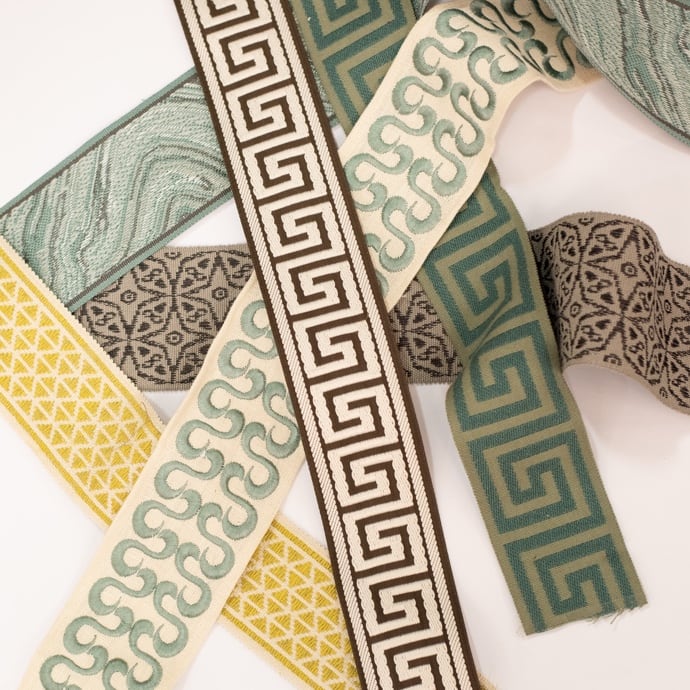
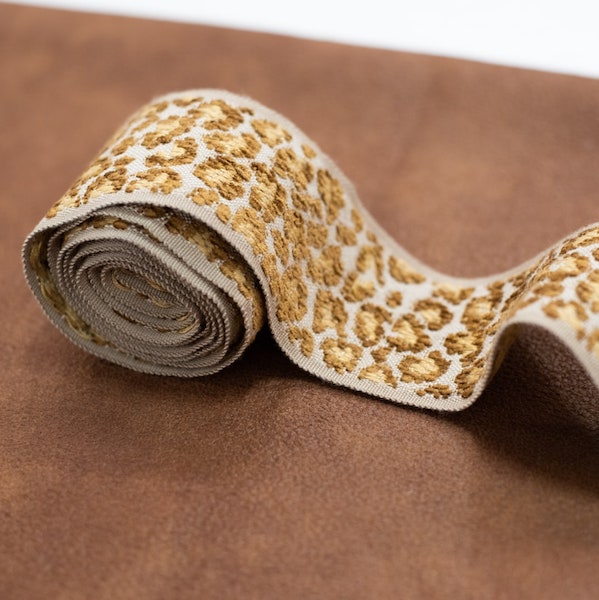
One excellent throw is better than three decorative ones with no relationship to the room. Two well-scaled pillows in a rich weave can be enough on a luxury sofa. Trims can help on select upholstery pieces, but only if they reinforce the line rather than calling attention to themselves.
The room should still feel edited. These layers are there to warm the composition, not clutter it.
Your Questions on Investing in High-End Furniture Answered
Is custom furniture worth it over mass-produced furniture
If you care about fit, comfort, textile selection, and long-term satisfaction, yes.
Custom furniture gives you control over the details that most affect daily use. Seat depth. cushion feel. arm width. fabric hand. overall proportion. In minimalist spaces, those details matter even more because there isn’t visual noise to distract from mistakes.
Mass-produced furniture can be convenient. It’s rarely specific. For buyers searching for custom furniture Atlanta, that specificity is usually the point.
What makes furniture feel high-end
Three things separate designer quality from ordinary retail.
- Construction quality that supports the piece beyond the showroom
- Material integrity such as better wood, better textiles, and better finishing
- A resolved silhouette where proportion, scale, and precise finishing all feel intentional
High-end furniture doesn’t have to be flashy. In fact, the best minimalist pieces aren’t. They feel confident because nothing about them is unresolved.
How long does high-end furniture last
There isn’t one universal timeline because use, maintenance, and construction vary.
A better way to judge longevity is to ask whether the piece is designed to be maintained, refreshed, or reupholstered. Heirloom-quality furniture has a second life built into it. That’s one reason affluent buyers often favor stronger frames and custom upholstery over disposable retail pieces.
Should I choose a luxury sofa or a premium sectional
Choose based on your room habits.
If you entertain formally, like visual space around the main seating piece, or want to pair the sofa with custom chairs, a luxury sofa often gives the room more clarity. If your household gathers in one area for long stretches and wants generous lounge seating, a premium sectional can be the better answer.
The best decision usually comes from floor plan, circulation, and posture, not from trend pressure.
What fabrics work best in minimalist interiors
The strongest choices are textiles with tactile interest and visual restraint.
Belgian linen works well when you want softness and an organic look. Performance fabrics make sense when wear is a real concern. Wool, leather, and select textured weaves can all work beautifully when the palette stays disciplined and the shape of the furniture remains the focus.
How do I avoid a minimalist room feeling cold
Bring in texture before you bring in more objects.
Use a hand-knotted rug. Add drapery with some body. Choose upholstery with character rather than flat fabric. Mix wood tone, woven surface, and soft goods so the room feels layered without becoming busy.
Most cold minimalist rooms don’t need more stuff. They need better materials.
Where can I buy luxury furniture in Atlanta
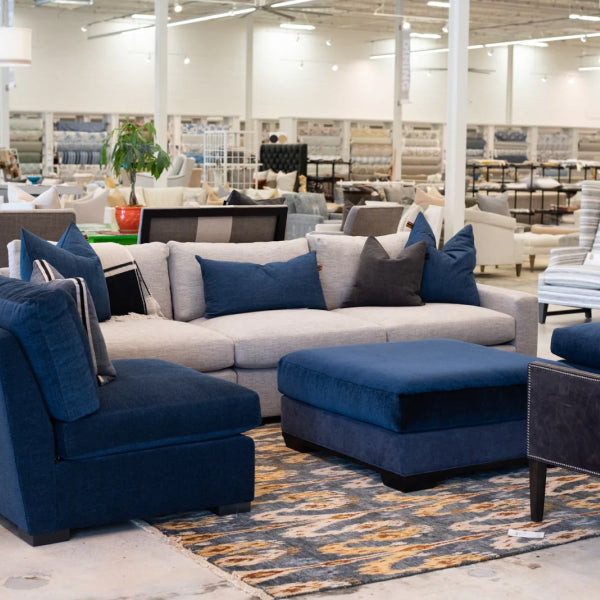
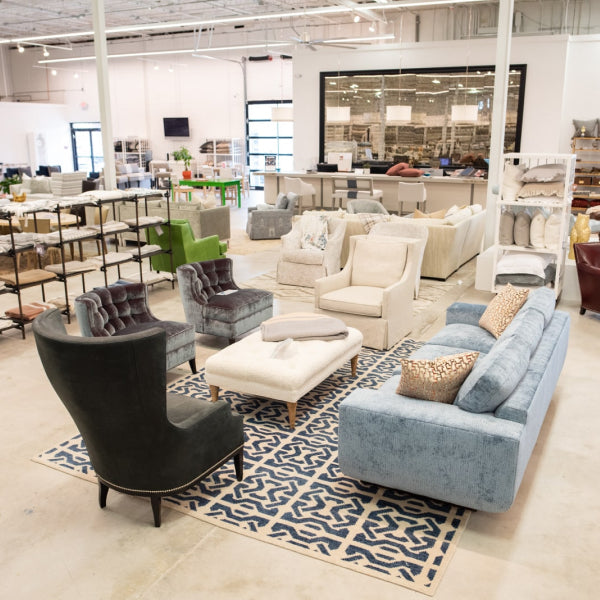
For buyers looking for luxury furniture in Atlanta, designer furniture near me, or high-end furniture in Buckhead, Alpharetta, Roswell, or Sandy Springs, the best resource is a design center that can handle furniture, textiles, rugs, custom upholstery, reupholstery, and drapery together.
That kind of buying process matters because minimalist interiors are sensitive to proportion and finish. When the sofa, fabric, rug, and window treatments are selected in isolation, the room can feel disjointed even if every piece is individually attractive.
What should I bring before shopping
Bring more than inspiration images.
A productive appointment starts with:
- Room measurements
- Photos of the existing architecture
- A rough floor plan
- Information about how the room is used
- Any existing pieces you want to keep or reupholster
That gives the design conversation a real foundation. It also helps avoid the common mistake of choosing statement furniture pieces that are beautiful on their own but wrong for the scale or rhythm of the room.
If you’re ready to invest in custom furniture, luxury sofas, premium sectionals, designer textiles, or heirloom-quality reupholstery, Lewis and Sheron Textiles is Atlanta’s established destination for beautifully made interiors. Their Design Center offers premium home fabrics, Belgian linens, hand-knotted rugs, custom drapery, American-crafted upholstery, and complimentary design help when you shop, making it easier to create a cohesive home that feels customized, warm, and lasting.