


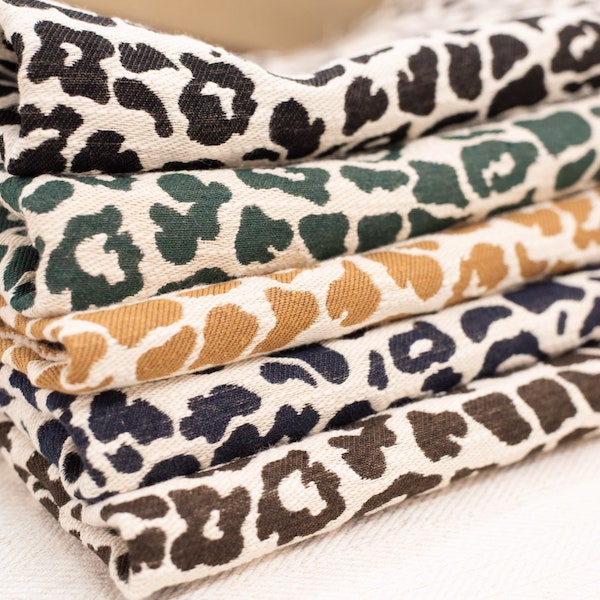
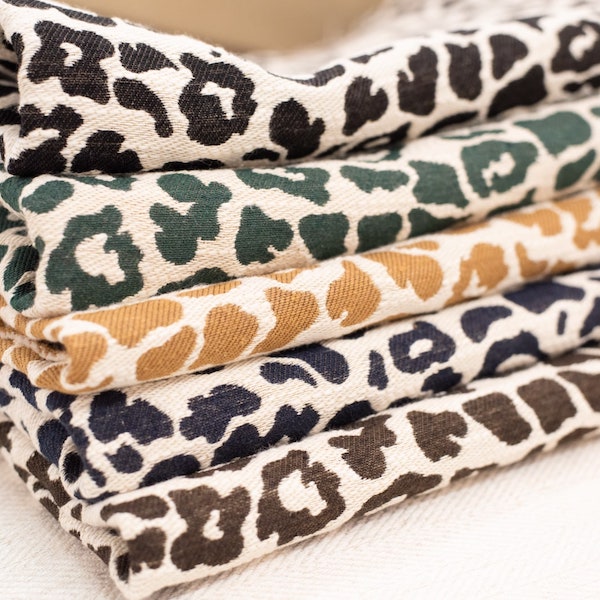
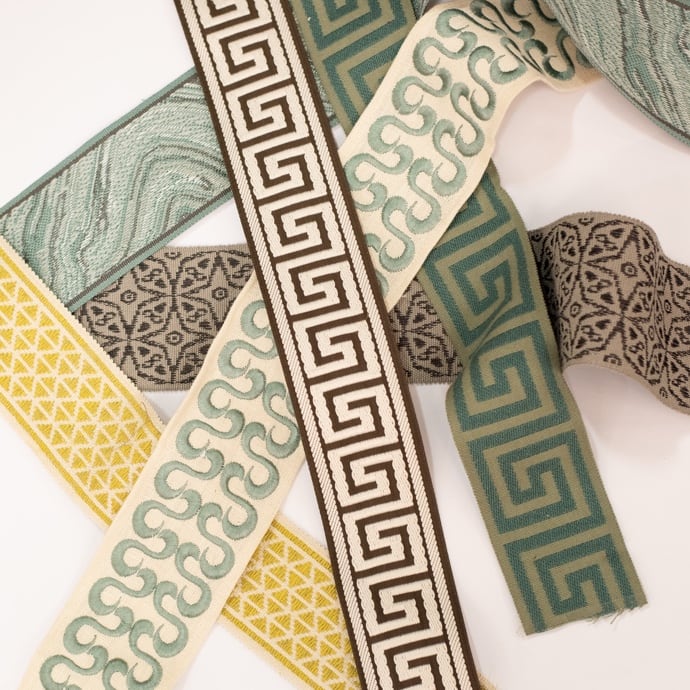

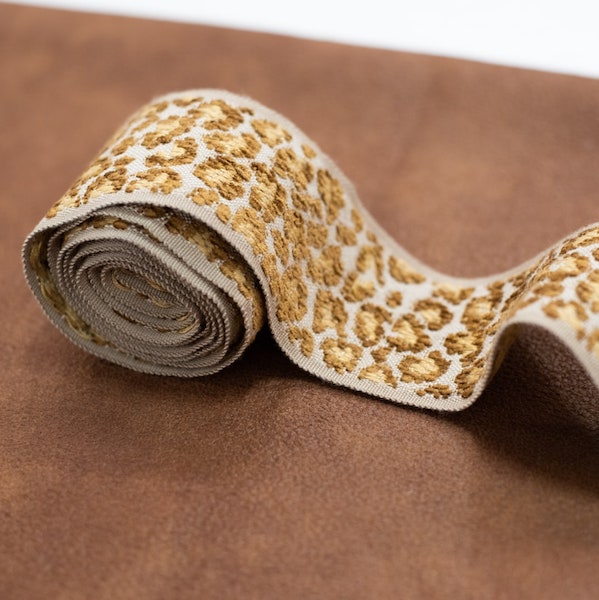
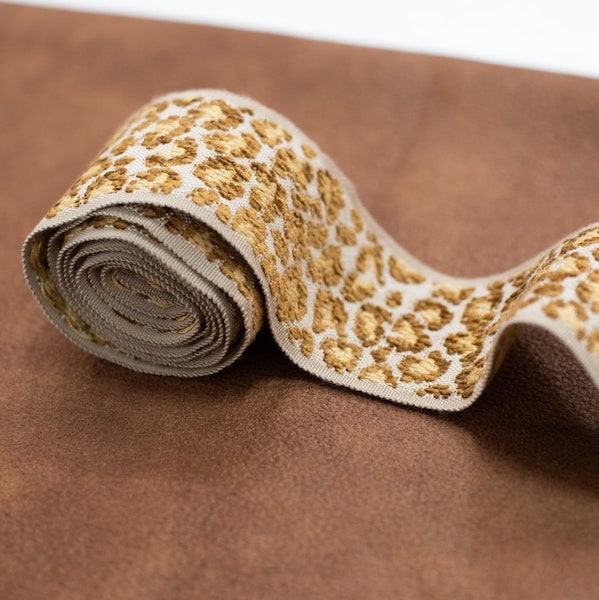
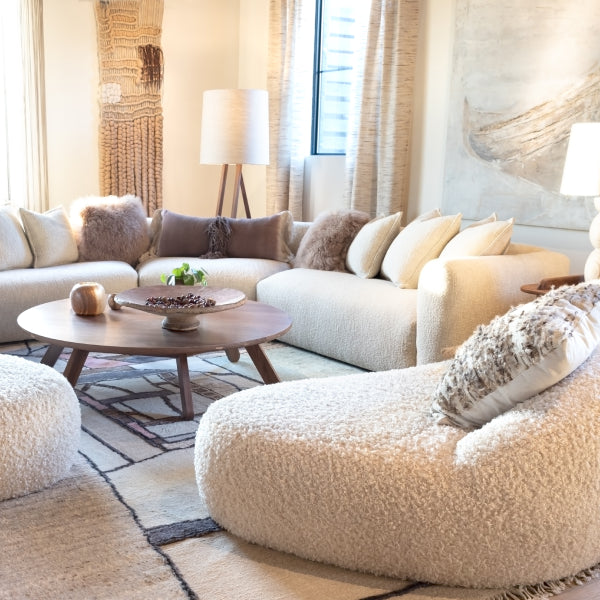
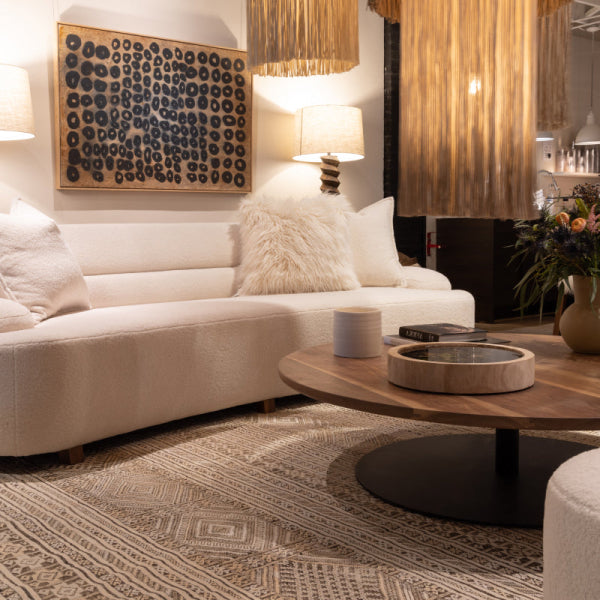








Forget placemats that just protect your table. True design magic lies in texture and depth. And that’s where braided table mats come in.
Think of them as the foundation for a memorable dining experience—that single, exquisite piece that ties an entire look together.
The Secret Weapon for an Unforgettable Tablescape
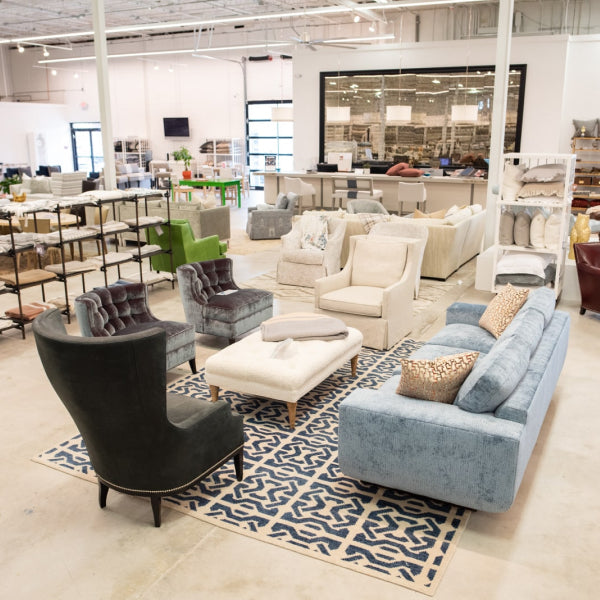
Step inside our Buckhead showroom, and you'll understand why Lewis and Sheron has been Atlanta's destination for exquisite furniture and fine fabrics for decades. We’ve seen it time and again: the right braided mat can instantly elevate a simple meal into a special occasion.
It stops being about just setting a table. It starts being about crafting an atmosphere.
These textural wonders are a designer’s secret for adding warmth, dimension, and a touch of handcrafted luxury to any dining space. This isn't about chasing fleeting trends. A well-chosen braided mat is a timeless staple, looking just as at home in a modern Roswell loft as it does in a classic Milton estate.
Moving Beyond the Basics
Sure, placemats have a job to do. But braided mats do it with so much more style.
They introduce a tactile element that flat linens just can’t replicate. It’s this layer of texture that separates a standard table setting from one that feels professionally curated and deeply personal. It’s an approach we champion with clients from East Cobb to Forsyth County, because the beauty is truly in the details.
- Visual Warmth: The interwoven fibers catch the light, adding a soft, inviting glow.
- Textural Depth: They provide a rich, tangible foundation that makes your dinnerware pop.
- Versatile Style: They effortlessly bridge the gap between casual and formal dining.
Think of it this way: your dining table is the canvas. Your braided mat is the first, most important brushstroke. It sets the tone for everything that follows.
While braided table mats are a powerful starting point, a cohesive look is about layering. Explore other essential table accessories to complete your vision.
For designers in our trade furniture program, this is where the magic happens—coordinating these textiles with larger pieces like a custom Verellen sofa or classic Lee Industries chairs. Find more styling ideas in our guide on fine table linens and placemats for more inspiration.
Choosing Your Material: The Foundation of Your Style
The material you choose does more than protect your table—it sets the tone. It’s the one choice that distinguishes a casual Sunday brunch from an elegant Alpharetta dinner party.
Nail this detail, and the rest falls into place.
Think natural fibers like jute and seagrass. They have an organic, earthy character that feels right at home on a rustic wood table, especially when contrasted with fine Belgian linens. There's a rugged honesty to them that speaks volumes.
Then you have refined options like tightly braided cotton or sleek synthetics. These materials offer a more polished, contemporary look, creating a crisp foundation for your dinnerware. This is the kind of detail that takes a design from good to exquisite.
Matching Material to Your Home's Narrative
When designers visit our Atlanta fabric showroom, whether they’re coming from Collier Rd. or West Paces Ferry, they aren't just picking a material. They're selecting a piece of a larger design story.
Imagine a dark, sleek braided mat as the perfect counterpoint to the soft, inviting texture of a plush Wesley Hall sofa in the adjacent living room. It’s about creating a thoughtful conversation between your spaces.
At their core, braided mats bring three key qualities to your dining experience: texture, depth, and warmth.

Each mat introduces a tactile element that instantly makes a table feel more curated and complete.
Durability Meets Designer Aesthetics
Your lifestyle plays a huge role. A busy Forsyth County family needs something far more forgiving than a formal Buckhead dining room used only for special occasions.
The material must align with both your home's aesthetic and your day-to-day life. Let's break down the options we work with.
Braided Mat Material Comparison
| Material | Best For | Care Level | Pairs Well With |
|---|---|---|---|
| Jute & Seagrass | Rustic, coastal, or bohemian aesthetics. Adding rich, natural texture. | Low (Spot-clean only) | Raw wood, linen, artisanal ceramics, wrought iron accents. |
| Cotton & Blends | Everyday use in busy households. Offers a soft touch and wide color variety. | Medium (Often machine-washable) | Glazed pottery, casual dinnerware, printed napkins, glass. |
| Wool | Balancing softness with resilience. An elevated, durable natural fiber. | Medium-High (Spot-clean/hand-wash) | Fine china, polished silverware, crystal glassware, walnut wood. |
| Synthetics | High-traffic areas or outdoor dining. Sleek, modern look with maximum durability. | Low (Wipe-clean or machine-washable) | Melamine, modern flatware, bold patterns, metal finishes. |
Each material has its own personality. Choosing the right one is about finding that sweet spot where beauty and function coexist.
Selecting a material isn’t just about the look. It’s about choosing a foundation that supports your life and your style. The right choice feels both beautiful and effortless.
The interplay of these materials is a core concept in textile design. To dive deeper, explore our guide on examples of woven fabrics you can find at Lewis and Sheron. It’s a great way to appreciate the craftsmanship that goes into pieces like braided mats and even larger textiles like high-quality Wool Rugs.
Getting the Scale and Shape Just Right
In luxury design, size and shape are never afterthoughts. They're the foundation of a balanced, professional look.
We see it constantly—a mat that's too small makes the place setting look cramped. One that’s too large swallows your dinnerware.

Think of it like framing art. The matting should complement the piece, never compete. This is the hands-on advice our designers share daily in our Buckhead design center with clients from Marietta to Milton. Getting the scale right separates an amateur tablescape from an exquisite one.
Matching Shape to Table Style
The shape of your mat should be a deliberate choice that enhances your dining table's form. This isn’t about rigid rules, but understanding how different shapes set a mood.
- For Rectangular Tables: You have options. Rectangular mats echo the table's lines for a formal, structured look. But for a designer's trick, use round mats to soften those hard angles and create a more intimate, communal vibe.
- For Round Tables: Round braided table mats are almost always the answer. They create a beautifully harmonious setting by reinforcing the table's communal shape, making every guest feel included.
The Designer's Rule of Thumb
Your goal is to give each guest a generous but well-defined space. The braided mat must comfortably hold a dinner plate, flatware, and a water glass without anything teetering on the edge.
As a simple guideline, aim for a mat that extends at least one to two inches beyond the dinner plate on all sides. This gives your dinnerware room to breathe and highlights the mat’s beautiful texture.
When setting the table, leave about four to six inches between each mat. This prevents a crowded look and gives guests plenty of elbow room—a small detail that makes a huge difference. This focus on proportion elevates a tablescape, turning an ordinary meal into a design moment in your Atlanta home.
Layering Like a Pro to Create a Curated Look
This is where the real fun starts.
A single braided table mat is a fantastic foundation. But the secret to that high-end, magazine-worthy look you see in Atlanta’s best-styled homes is all in the layering. It's time to think like a designer and treat your tablescape as a collection of textures.

Start with your braided mat as the anchor. From here, the possibilities open up. A crisp linen charger or a smaller, contrasting placemat on top adds instant depth. This isn't just stacking; it's about creating a rich visual story with different materials.
Creating a Cohesive Design Story
The most impressive designs always feel intentional. Your table setting shouldn’t feel isolated—it should connect to the rest of the room. Does the rich green in your braided mats pick up a color from your custom drapery? Does the rough-spun texture complement the upholstery on your Lee Industries chairs?
It absolutely should.
This is a trick Atlanta's top designers have mastered. When you connect the dots between your table and its surroundings, you create a space that feels complete and thoughtfully pulled together.
- For a Minimalist Look: Start with a neutral braided mat. Place a simple, high-quality white dinner plate directly on it. The mat’s texture is the hero.
- For a Rich, Layered Look: Place a sleek metal or porcelain charger on your braided mat before adding your dinner plate. This builds height and introduces another refined material.
- For a Maximalist Statement: Go for it. Use your mat as a base for bold, patterned china and vibrant napkins. The key is finding a common color that ties everything together.
The Dinnerware Dialogue
The dinnerware you pick can either whisper or shout. Simple white plates are a designer's secret weapon because they let the texture of a chunky jute mat truly sing. They create a clean, gallery-like canvas that feels modern and timeless.
On the other hand, pairing braided mats with intricately patterned china makes a wonderfully bold statement. It’s a look we often see in classic Buckhead and Roswell homes, where tradition and personal flair mix beautifully.
Think of your braided mat as the anchor. Whether you go simple or bold, it grounds the entire place setting, tying everything back to a central, textural element.
This principle of layering textiles extends beyond placemats. For more inspiration, see our guide on how to make a tablecloth, which explores coordinating different linens for a complete, designer-approved tablescape. It’s all part of bringing that sophisticated, exclusive aesthetic home.
Care and Maintenance to Keep Your Mats Beautiful
You’ve chosen your braided table mats, and they look stunning. Think of them as an investment in your home’s aesthetic, just like a custom Verellen sofa or fine drapery from our Atlanta fabric showroom.
To keep them looking their best, a little care goes a long way. The right method is all about the material.
Spot-Cleaning Natural Fibers
When it comes to natural fibers like jute, sisal, or seagrass, water is the enemy. These gorgeous, textural materials are incredibly absorbent and can stain or warp if they get too wet. For these, spot-cleaning is your only option.
If a spill happens, act quickly. The first rule is to blot, never rub. Grab a clean, dry cloth and gently press to soak up as much as you can. Rubbing just grinds the stain deeper into the woven fibers.
For what remains, mix a few drops of clear dish soap into a bit of water. Dampen a cloth corner and continue to blot gently. Afterwards, use a new cloth dampened with just water to "rinse" the spot, then blot it completely dry.
Washing Cotton and Synthetic Mats
More durable braided mats—like those made from cotton or tough synthetics—are much more forgiving. Many are machine-washable, a lifesaver for busy households from East Cobb to Cumming. But first: always check the care tag.
If the tag gives the green light:
- Use a gentle cycle with cold water.
- Pop mats into a mesh laundry bag to prevent snagging.
- Wash with similar colors, just in case.
Quick Tip: Always air-dry your braided table mats, no matter the material. Lay them flat on a towel to help them keep their shape. Never put them in the dryer—the intense heat can cause shrinking, warping, and fraying.
Storage matters, too. To avoid permanent creases, don’t fold your mats. Store them flat in a drawer or linen cabinet. That way, they’re always perfectly flat and ready for your next gathering.
Your Braided Table Mat Styling Questions Answered
Walk into our Buckhead showroom, and you'll hear the same questions pop up from clients across Atlanta. When styling braided table mats, it's the finishing touches that elevate a tablescape from "nice" to truly special.
So, we've gathered the most common questions our designers hear, from Roswell to Marietta, and are sharing the answers. Consider this your cheat sheet for that effortless, professionally styled look.
Can I Use Round Braided Mats On a Rectangular Table?
Not only can you, but you absolutely should. This is one of our favorite designer tricks.
Placing round braided mats on a rectangular table is a fantastic way to soften all those hard, straight lines. It instantly breaks up the visual monotony and gives your setting a more sculptural, interesting feel.
This simple contrast creates a more inviting atmosphere. The only rule is scale. Be sure the round mat is large enough to comfortably hold a dinner plate, flatware, and a glass. When you get the scale right, the look is incredibly chic—the hallmark of a thoughtfully designed space.
How Do I Choose Between Natural Fiber and Fabric Mats?
This comes down to aesthetics and your actual lifestyle. What story do you want your table to tell?
Natural fibers, like jute or seagrass, bring incredible texture and a warm, organic feeling. They’re a perfect match for everything from coastal to modern farmhouse styles. They do, however, require more attention as they are generally spot-clean only.
On the other hand, fabric mats made from materials like braided cotton feel softer and open up a world of color possibilities. Many are machine washable, making them a practical choice for homes with kids or for everyday dining.
In our Atlanta fabric showroom, we always tell clients to think about their daily life first. Then, we find the material that perfectly marries form and function for their home.
How Should I Coordinate Mats with My Existing Decor?
Here’s the secret: stop thinking of your braided table mats as simple linens. Start seeing them as another key textile accessory, like a throw pillow or drapery panel. For a cohesive room, your mats need to connect to the overall color palette and textural story.
This is how our designers approach it:
- Pull a secondary color: Look at your area rug, wall art, or the fabric on your Wesley Hall sofa. Find a subtle, secondary color and repeat it in your mats.
- Create textural contrast: If your dining room is full of soft surfaces—velvet chairs, a plush carpet—a chunky jute mat provides a wonderful, grounding counterpoint.
- Harmonize with furniture: The warm wood tones of an Ambella Home dining table, for instance, might call for a mat in a complementary earthy shade.
The goal is never to match perfectly. A home should feel collected, not like a hotel lobby. It’s about creating a rich, layered conversation between the different elements in your space—a signature service our in-house designers are known for throughout the North Georgia area.
Ready to discover the perfect foundation for your tablescape? The team at Lewis and Sheron Textiles is here to help you find the ideal designer fabrics and luxury furniture to bring your vision to life. Explore our collections and our trade furniture program at https://lsfabrics.com.