














You’re probably here because you’ve looked at plenty of “luxury” furniture and felt nothing.
The scale is wrong. The finish looks flat. The upholstery feels generic. And the whole room starts to drift toward that polished-but-forgettable look that shows up in too many homes from Buckhead to Alpharetta.
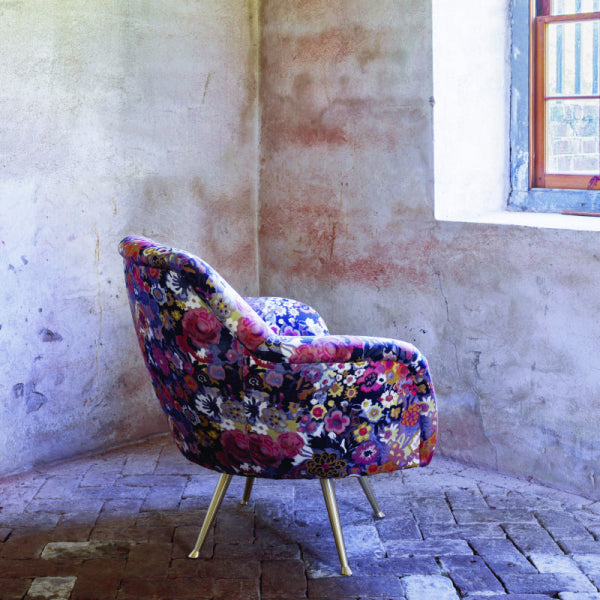
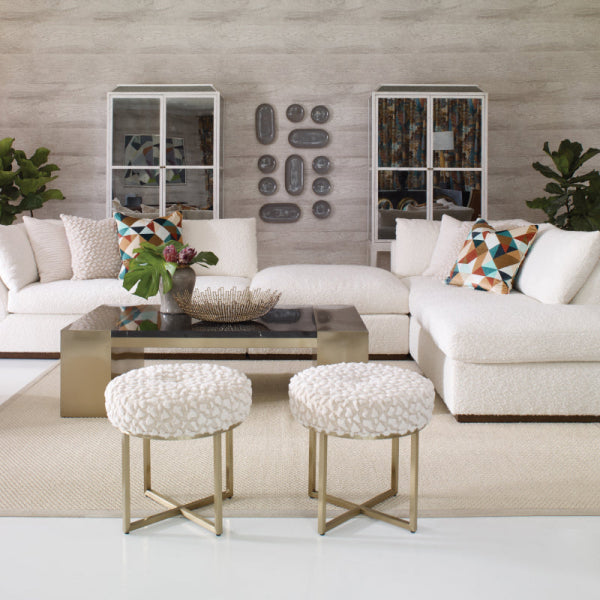
That’s why Ambella Home Design Inspirations matters. Ambella gives you shape, presence, and personality. The right fabric library gives you a layer often overlooked, which is character you can live with.
A timeless room is never about one pretty chair sitting alone under a chandelier. It’s about the relationship between silhouette, finish, texture, and restraint. That’s the difference between a room that photographs well and a room that feels collected.
Beyond the Showroom Floor An Atlanta Design Introduction
Most furniture shopping is a filtering exercise. You click through pages of beige sofas, over-scaled sectionals, and copied finishes, hoping one piece has some soul.
That approach rarely works.
The rooms that feel memorable in Buckhead, East Paces Ferry, Roswell, and Milton come from a more curated method. Start with a furniture line that has point of view. Then build around it with materials that soften, sharpen, or elevate the form.
Why curated beats convenient
Ambella furniture has the kind of line work that gives a room backbone. Not stiff. Not flashy. Just intentional.
That matters because high-end rooms need tension. A carved case piece next to a custom linen drape. A sculptural chair in a quiet performance fabric. A dramatic dining table with chairs that feel relaxed enough for real life.
If you want to test layouts before committing to a full-room update, virtual staging services in Atlanta can help you visualize proportion, placement, and mood. I like tools like that for clients who know the look they want but need help seeing the room as a whole.
What discerning Atlanta clients do differently
They stop asking, “What sofa should I buy?”
They ask better questions:
- What should anchor the room: A statement chest, a refined sofa, or a dining table with presence.
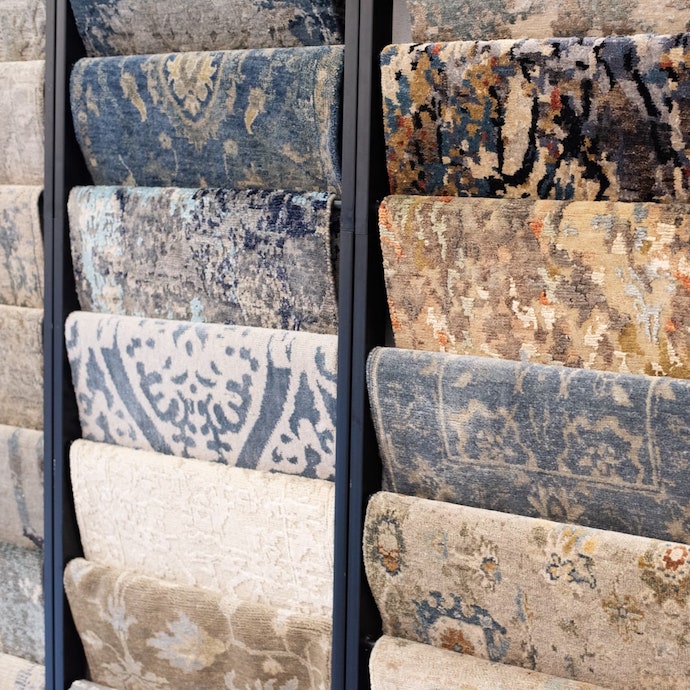
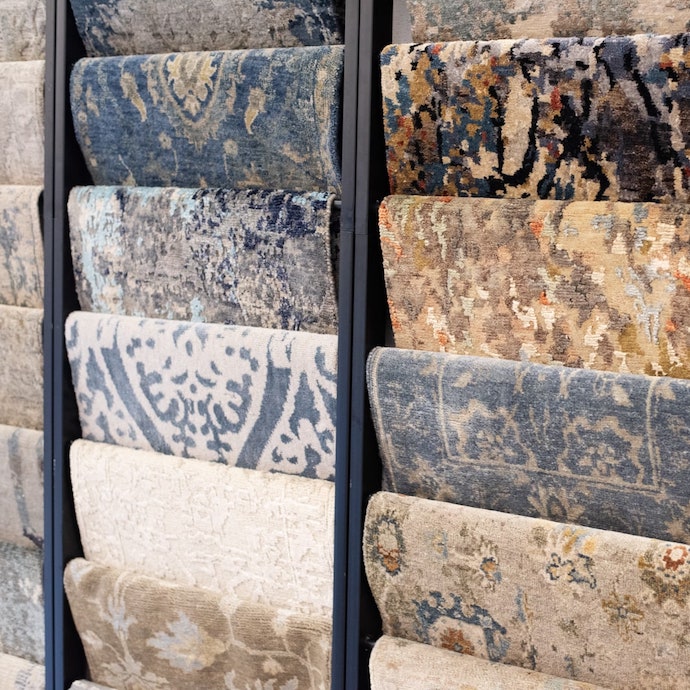
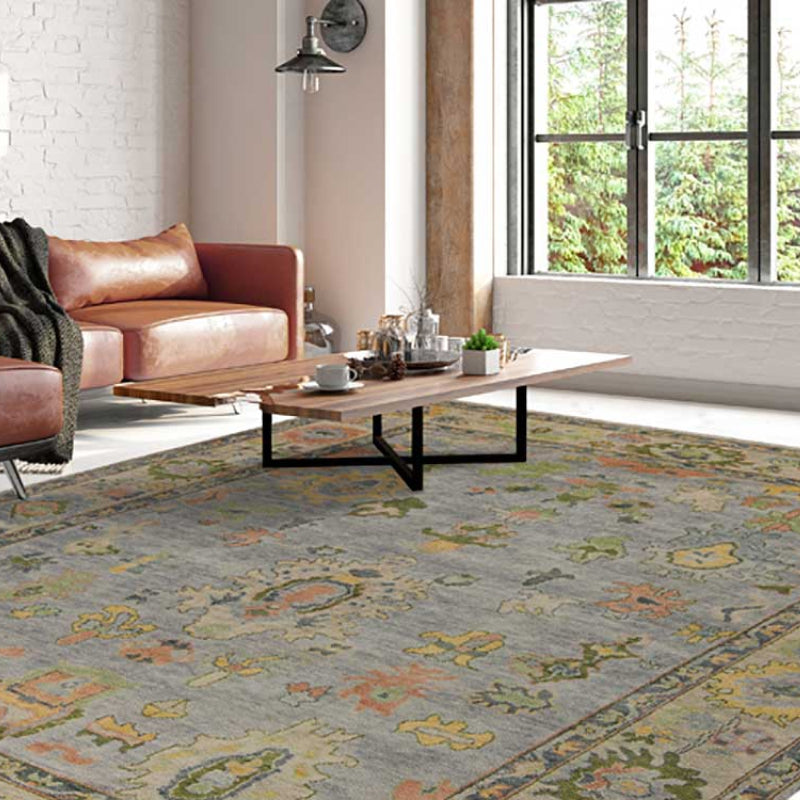
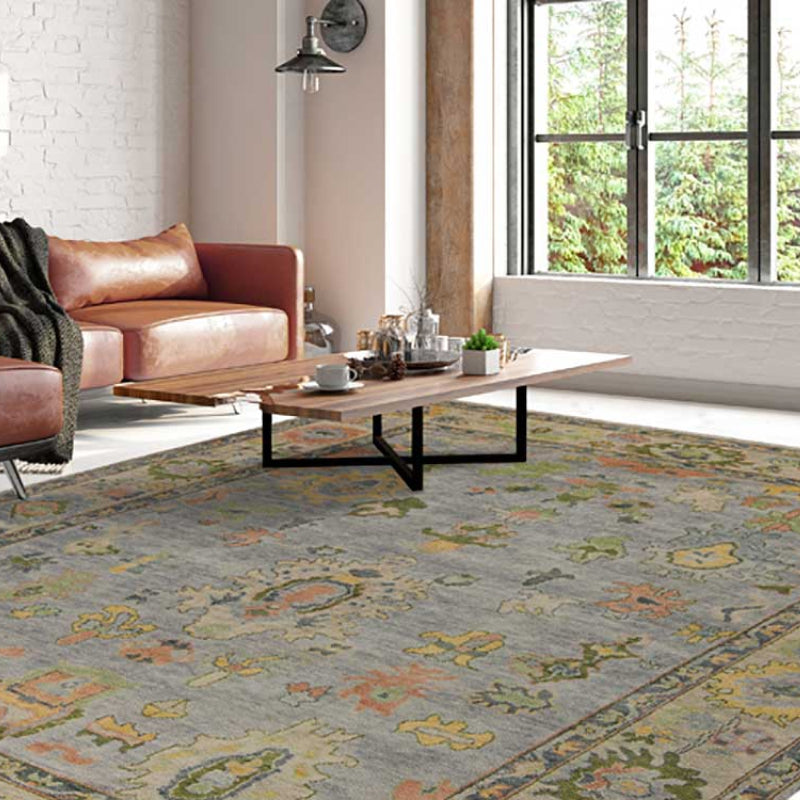
- What needs softness: Drapery, upholstery, pillows, or a hand-knotted rug.
- Where should the room feel collected: Through fabric combinations, custom details, and edited accessories.
Tip: If every piece in a room shouts, the room loses authority. Let one or two pieces lead. The rest should support.
Atlanta homeowners searching for luxury furniture Atlanta, high-end furniture Buckhead, or designer fabrics usually don’t need more options. They need a stronger point of view.
That’s the core secret. A bespoke room isn’t built by shopping harder. It’s built by combining the right form with the right texture, then editing with discipline.
The Ambella Difference Craftsmanship Meets Vision
Ambella isn’t interesting because it’s expensive-looking. It’s interesting because the brand has a distinct design identity.
That sounds obvious, but it’s rare.
Innovation with a point of view
Ambella Home was founded in 1995 by George Moussa, and the brand became known for design that blends classical references with current livability, as noted by Carolina Furniture’s manufacturer highlight on Ambella Home.
The clearest sign that Ambella thinks differently is this. Ambella was the first company to design and introduce the “Sink Chest,” and the brand’s innovation story also includes the 2014 launch of its USA-made upholstery line, according to Designers Mark’s overview of the Ambella Home collection.
That tells you a lot.
They didn’t build a following by copying what was already moving on the floor. They created a category-defining piece, then kept expanding into a fuller lifestyle collection.
What luxury furniture delivers
Furniture at this level needs to deliver more than finish and scale. It should do three things well.
| What matters | What it looks like in practice |
|---|---|
| Originality | Distinct silhouettes and memorable case goods that don’t feel borrowed from a trend cycle |
| Flexibility | Pieces that sit comfortably in traditional, transitional, and layered contemporary rooms |
| Longevity | Forms that still make sense after paint colors, rugs, and accessories change around them |
Ambella checks those boxes because the line isn’t trying to be minimal for the sake of being current. It also isn’t stuck in period styling. It lives in the sweet spot I look for in luxury furniture Roswell and Buckhead clients can keep for years.
Why this matters in real homes
A statement chest, a dining table with presence, or an upholstered bed with proper scale changes the room before you style anything else.
That’s why I recommend investing in the pieces that set the architectural tone first. Accent tables, lamps, and accessories can evolve later. The anchor pieces should be the ones you never need to apologize for.
Key takeaway: Trendy rooms age fast. Rooms built on strong silhouettes and real craftsmanship stay relevant.
For Atlanta homeowners looking for high-end furniture Buckhead, fine fabrics Alpharetta, or distinctive pieces that don’t read cookie-cutter, Ambella belongs on the shortlist.
The Living Room A Canvas for Conversation
The best Ambella living rooms start with one hero move. Not five.
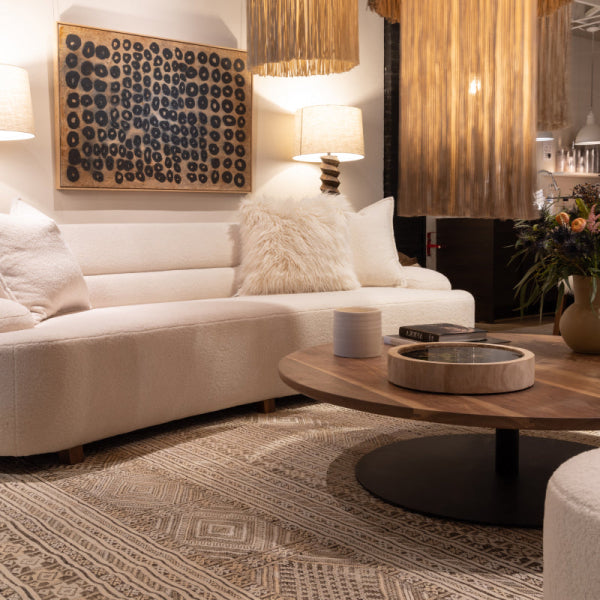
In Buckhead, I like a modern-classic approach. Refined upholstery. One sculptural wood or metal accent. Drapery with softness. Nothing overdone.
Start with the hero piece
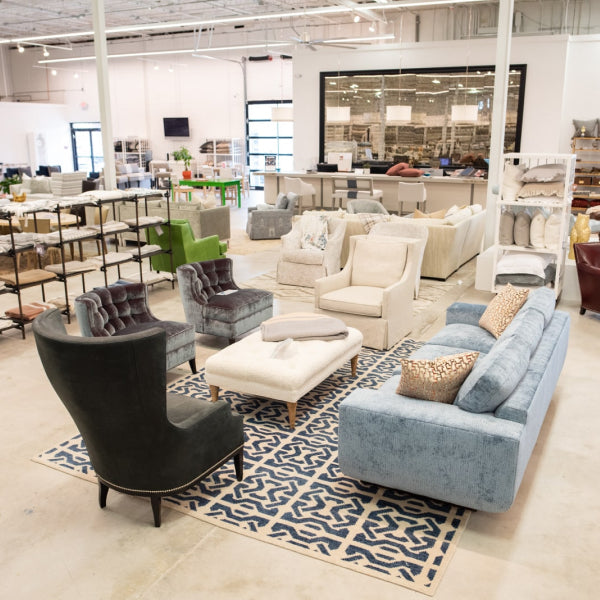
Choose one commanding upholstered silhouette. A sofa with elegant lines works. So does a pair of Ambella chairs if the room already has architectural strength.
Then decide what mood you want:
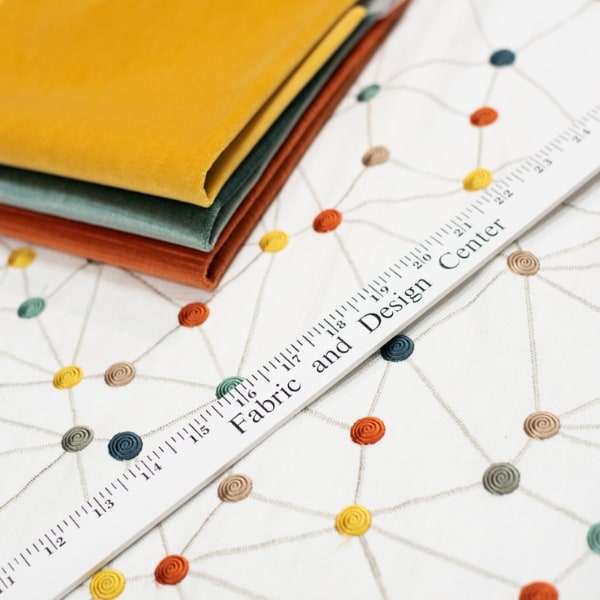
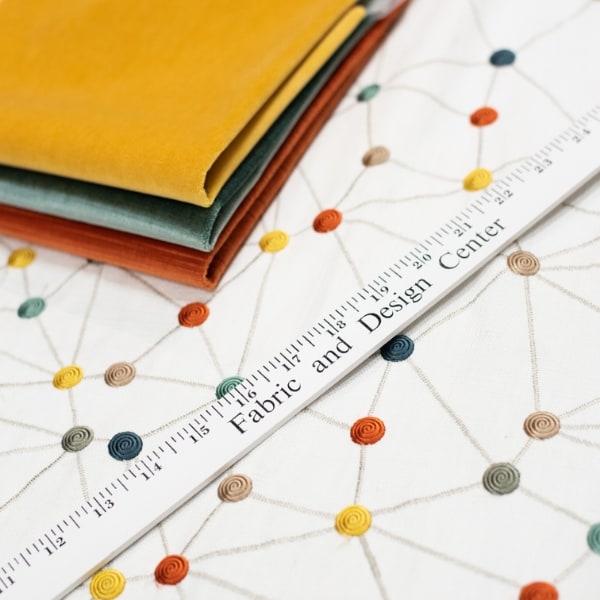
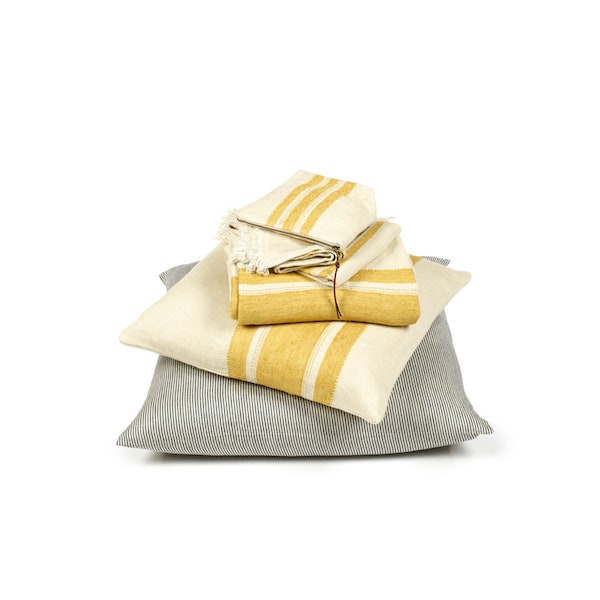
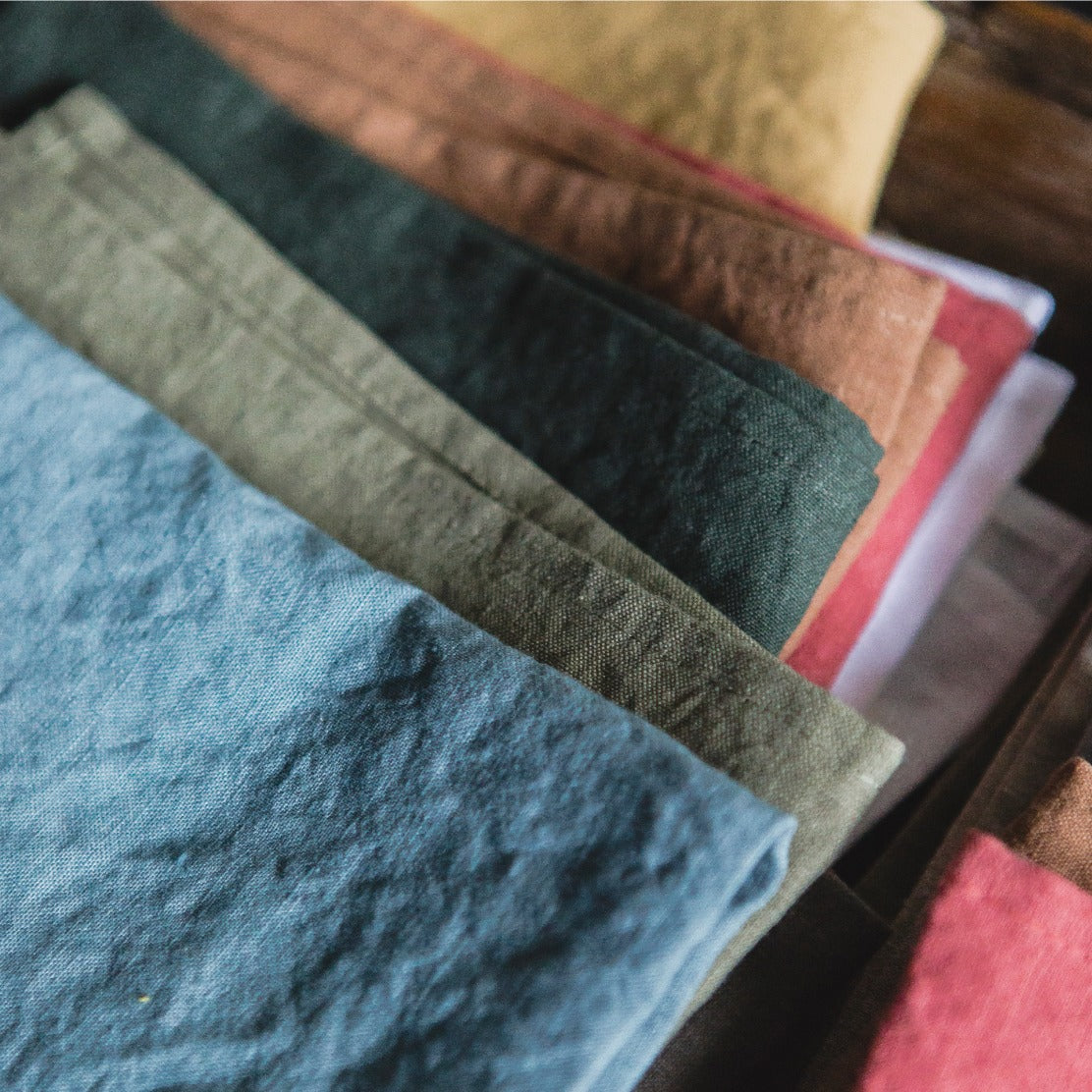
- Quiet and polished: Pair the frame with Belgian linen from Libeco Home. This gives you that relaxed polish Atlanta homes do so well.
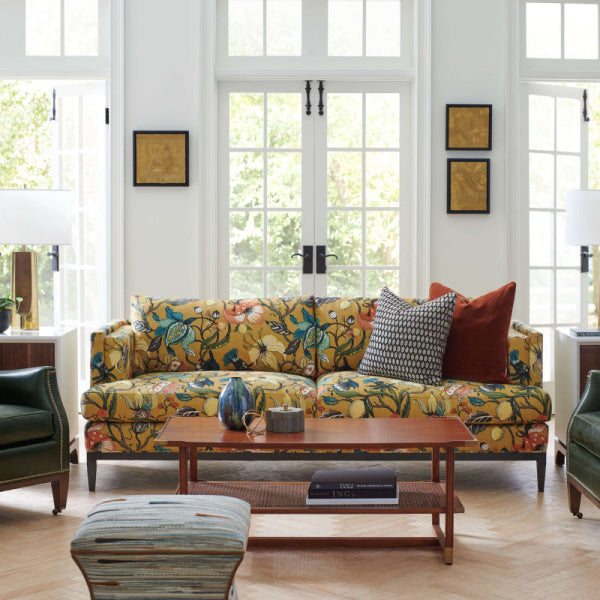
- Moody and dressy: Use a jewel-toned velvet from Fabricut. This works especially well in rooms with darker wood floors or plaster-like wall finishes.
- Light but durable: A textured neutral from Kravet gives the room depth without making it feel busy.
The mistake people make is choosing fabric by color first. Start with hand, texture, and attitude. Color comes second.
Build the room in layers
Once the seating is chosen, add the room in this order:
- Rug first The rug should ground the seating group, not float under the coffee table like an afterthought. If you need help getting the scale right, this guide on how to choose a living room rug is worth reading before you finalize dimensions.
- Drapery second Use drapery to control the room’s temperature. Linen panels soften hard architecture. A subtle pattern adds movement if your upholstery is solid.
- Accent upholstery third Add contrast through one smaller piece. If the sofa is quiet, let the chair speak. If the chairs have personality, keep the ottoman restrained.
My favorite living room formulas
Buckhead classic with edge
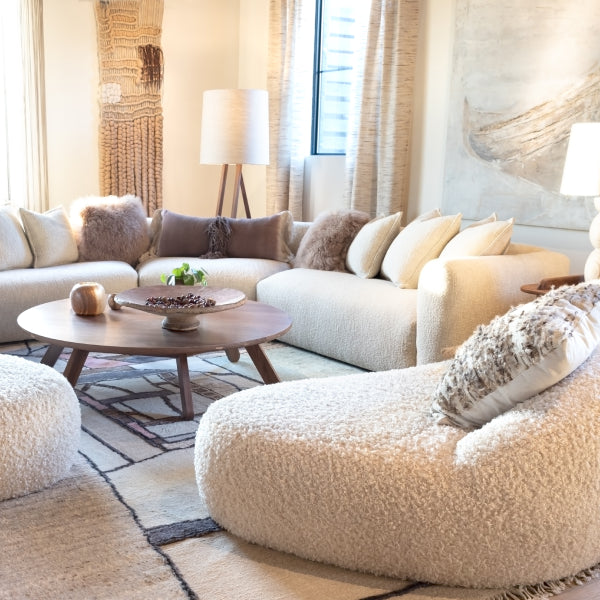
Use an Ambella sofa in a warm ivory textured fabric. Add a pair of darker accent chairs in velvet. Finish with antique brass lighting and a rug with soft tonal variation.
This look suits homes off West Paces Ferry where the architecture already carries weight.
Roswell layered and relaxed
Choose Ambella chairs in Belgian linen, then bring in a wood cocktail table and drapery with a small-scale woven pattern. The room feels composed without feeling precious.
Alpharetta polished transitional
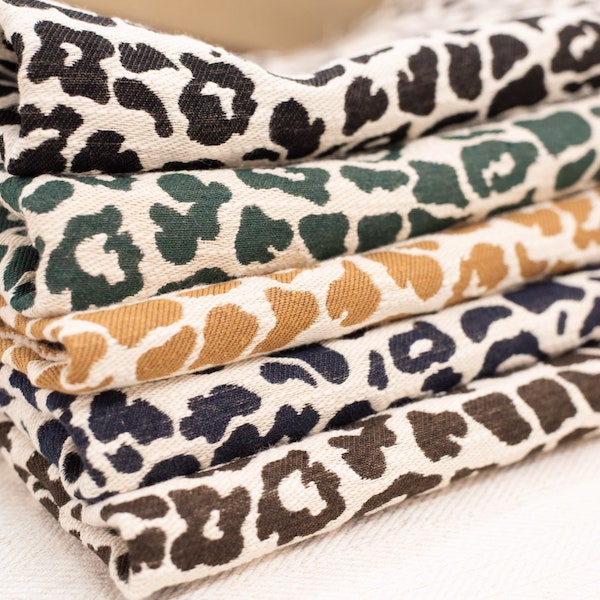
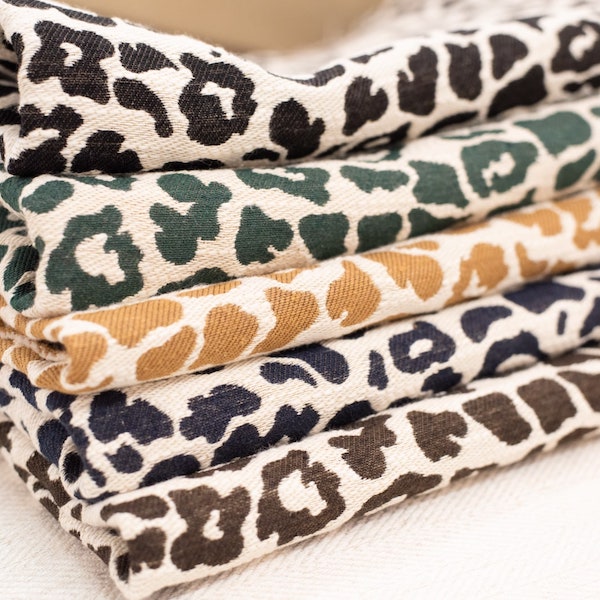
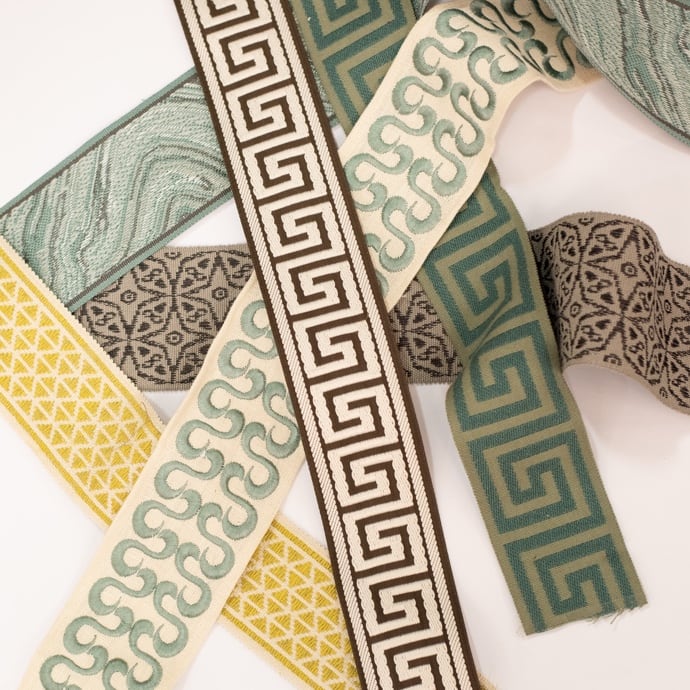
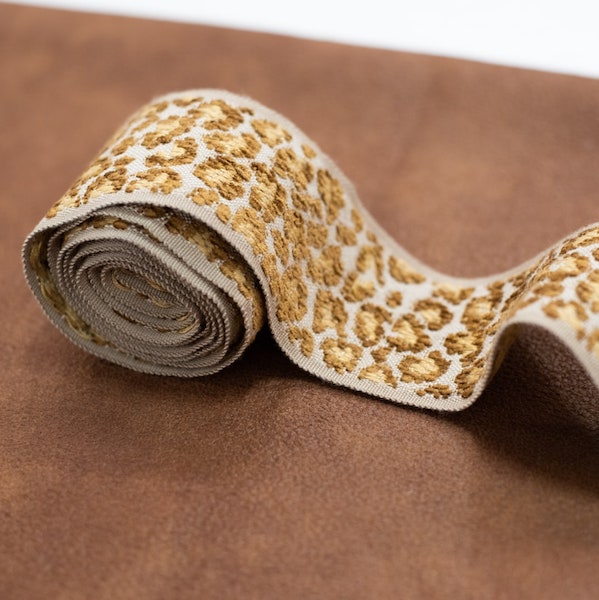
Anchor the room with a neutral sofa, then bring in contrast with trim, fringe, or a patterned lumbar pillow. Here, designer fabrics do the heavy lifting.
Tip: If your living room feels flat, the problem usually isn’t the furniture. It’s the lack of texture contrast between upholstery, drapery, and rug.
The living room should invite conversation, not just admiration. Ambella gives you the form. Fabric choices decide whether the room feels formal, easy, dramatic, or serene.
The Dining Room Where Elegance Gathers
Dining rooms deserve more courage than they usually get.
Too many are built around a table, a light fixture, and a set of chairs that feel like a default setting. If you want the room to hold attention, you need a stronger mix of finish, fabric, and shape.
Use the table as architecture
An Ambella dining table should feel like the room’s center of gravity. Let it carry visual weight.
Then soften the edges with upholstered dining chairs. This stage determines if luxury dining rooms come alive or go bland.
The appetite for personalization is real. The demand for personalized, custom upholstery has surged by 25% in luxury markets over the last year, yet few resources explain how to pair Ambella with premium mills like Kravet or Fabricut, according to Ambella’s Profile Collection page.
That gap is exactly where design gets interesting.
Fabric pairings that work
For dining chairs, I prefer restraint with one subtle twist.
- For East Cobb homes: Use a textured performance fabric in a soft mineral tone. It keeps the room polished and practical.
- For Cumming and Forsyth County projects: Try a woven pattern with a quiet contrast. It adds movement without fighting the table.
- For more formal Atlanta interiors: A refined solid with contrast welt gives the chair enough detail to feel custom.
If you want a room that can handle dinners, homework, and holidays, performance upholstery earns its place. Crypton is a smart option when durability matters but the room still needs designer-grade finish.
A dining room blueprint I use often
Transitional charm done right
Start with a substantial Ambella table. Add fully upholstered host and side chairs in a low-contrast fabric. Then bring in custom drapery that has more softness than pattern.
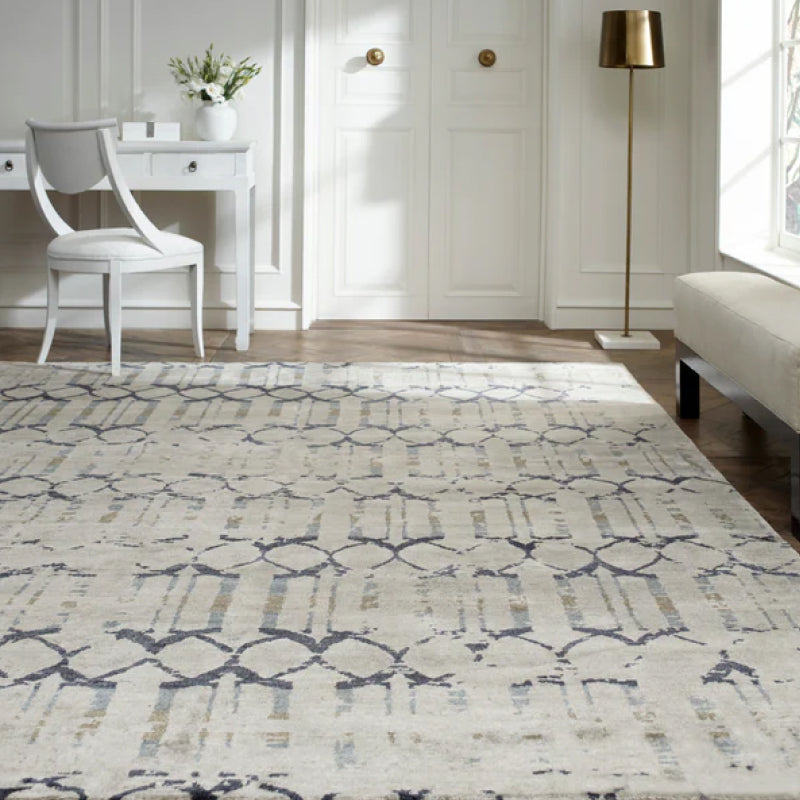
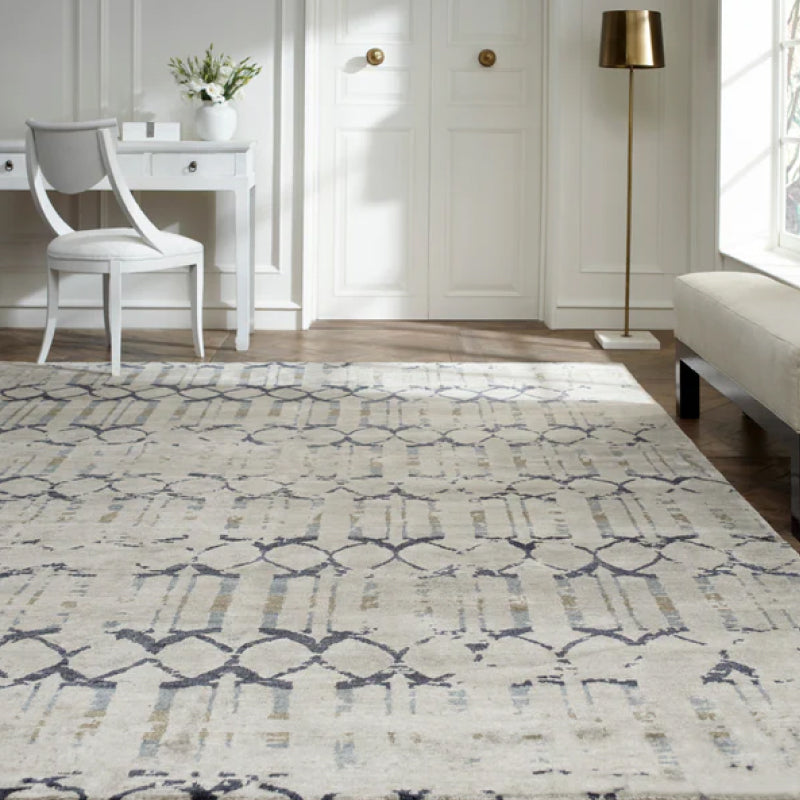
Underfoot, use a hand-knotted Kalaty rug with enough tonal variation to disguise daily life without looking muddy.
That mix works because each layer does a different job.
| Layer | Purpose |
|---|---|
| Ambella table | Gives the room shape and permanence |
| Custom chairs | Add comfort and visual softness |
| Drapery | Brings height and quiet movement |
| Rug | Warms the room and ties the palette together |
Tip: Dining chairs should feel better than they look. If guests want to linger, the room is working.
For homeowners searching luxury furniture Roswell, fine fabrics Alpharetta, or an Atlanta fabric showroom that can support a full dining-room update, this is the approach I recommend. Start with the table. Then let upholstery create the experience.
Custom Upholstery The Secret to a Signature Look
Custom upholstery is where rooms stop looking purchased and start looking designed.
If you want a signature look, don’t settle for the fabric chosen by a catalog stylist in another state. Choose the frame you love. Then customize the finish to your room, your light, and how you live.

Why construction matters before fabric
A beautiful textile cannot rescue a weak frame.
Ambella Home’s upholstery is bench-crafted in North Carolina using kiln-dried hardwood frames and woven webbing suspension, a method proven to resist sagging up to 30% longer than the sinuous springs often used in mass-market furniture, according to Ambella Home’s about page.
That’s the kind of detail I care about because it changes how a piece sits, wears, and ages.
The smarter way to customize
I like to think about custom upholstery in three decisions, not thirty.
First choose the silhouette
Pick the shape that solves the room. Tight-back sofa. Curved chair. Bench seat. Slipcovered profile. This is a proportion decision before it’s a style decision.
Then choose the fabric behavior
Ask what the fabric needs to do.
- Need polish: Go with linen blends or refined woven solids.
- Need performance: Choose a family-friendly textile with a forgiving texture.
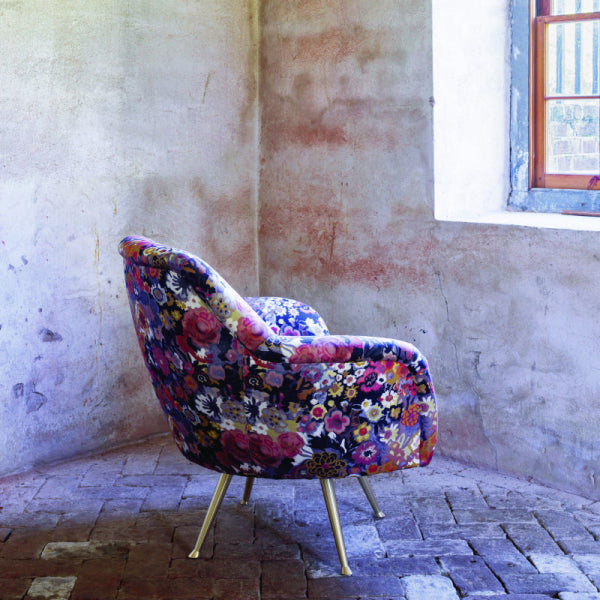
- Need drama: Velvet, bouclé, or a bold patterned accent chair can carry the room.
Finish with details that matter
Here, custom becomes personal. Contrast welt. Skirt or no skirt. Tufting. Cushion style. Edge treatment.
Those details are small on paper. In a finished room, they do a lot.
The bridge between furniture and fabric
Most articles skip this part. The frame and the textile should be chosen together, not one after the other.
An Ambella silhouette from the Profiles or Custom Value collections can shift dramatically depending on the textile. The same chair reads refined in Libeco linen, urbane in a Kravet texture, or more formal in a Fabricut velvet.
For clients comparing custom with ready-made, this explainer on custom upholstery vs retail furniture lays out the practical tradeoffs clearly.
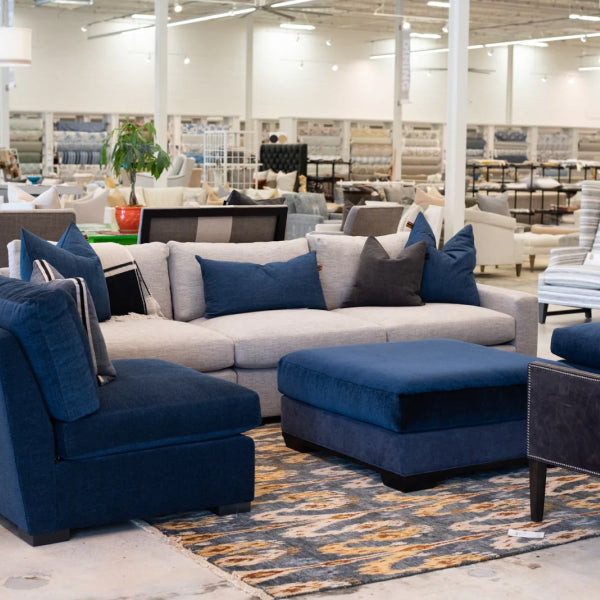
If you want to see both the frame options and fabric pairings in person, Lewis and Sheron Textiles offers access to Ambella upholstery alongside in-stock and cut-yardage designer fabrics from mills such as Kravet, Fabricut, Libeco Home, and Crypton. That combination makes it easier to build a bespoke piece instead of approximating one.
Key takeaway: The frame gives you longevity. The fabric gives you identity. You need both.
For the Trade Your Partner in Atlanta Design
Designers in Atlanta don’t need more browsing. They need cleaner execution.
When you’re juggling client approvals, lead times, COM questions, finish decisions, and installation schedules, the value of a resource comes down to one thing. Does it help you move the project forward without diluting the design?
Why Ambella works for designers
Ambella’s collection has range. That matters when you’re designing for a Buckhead townhouse one week and a Milton estate the next.
It also moves with a level of agility designers appreciate. Ambella’s collection development can produce over 120 case pieces and 36 upholstery styles in weeks, which gives designers a diverse sourcing option for high-end projects that need speed and customization, as noted in this Ambella manufacturer highlight.
That flexibility makes the line useful, not just beautiful.
What trade professionals should look for
A strong trade furniture program should help with more than purchase orders.
- Vendor access: You want lines that can support layered projects, not just one-off statements. Ambella, Verellen furniture, Wesley Hall sofas, and Lee Industries chairs all serve different roles in a project.
- Fabric fluency: The right partner should understand scale, repeat, wear, and application. Not every fabric belongs on every frame.
- Project support: Custom orders need someone who can track details before they become problems.
For Atlanta designers building rooms in Collier Rd, East Paces Ferry, Marietta, or Alpharetta, that support can save real time.
Better sourcing leads to better presentations
Clients respond when you present a room that feels edited and specific. Not overloaded with options. Not watered down to please everyone.
If you want a sharper process from concept to installation, this guide on how to work with an interior designer is also useful for setting expectations with homeowners before the project starts.
The strongest trade furniture program is the one that helps designers stay creative while keeping orders, fabric selections, and custom details under control.
Bringing It Home Staging and Installation Tips
Beautiful furniture can still land badly if the installation is sloppy.
I’ve seen gorgeous pieces lose all their authority because the rug was too small, the sofa blocked the room’s natural path, or nobody checked the stair clearance before delivery.
Handle the logistics first
Before anything arrives, check the basics.
- Measure the path: Front door, stair turns, elevator depth, hallway width, and ceiling height.
- Mark the footprint: Painter’s tape on the floor beats guessing every time.
- Decide the focal point: Window, fireplace, art wall, or conversation zone. Pick one.
That prep saves stress and keeps the room from feeling improvised.
Stage the room like a designer
Once the furniture is in place, edit the space with intention.
Pull seating into conversation
Don’t shove every piece against the wall. Float seating when the room allows it. Even a few inches can improve the flow.
Layer lighting
You need more than one overhead fixture. Add table lamps, floor lamps, or picture lights so the room has depth at night.
Finish with tactile pieces
Custom pillows, trims, and Belgian linens matter. They soften the room and help the larger furniture feel integrated.
If you’re preparing a home for listing, a refresh, or a post-renovation reveal, this guide on how to stage a home offers practical staging principles that translate well to high-end interiors.
Tip: The last 10 percent of a room decides whether it feels complete. Pillows, drapery break, lamp height, and accessory spacing all matter more than people think.
A quick final checklist
| Check | Why it matters |
|---|---|
| Seat height and table scale | Keeps the room comfortable and visually balanced |
| Rug placement | Prevents the furniture from feeling disconnected |
| Lighting temperature | Makes fabrics and finishes read correctly |
| Accessory editing | Lets Ambella pieces remain the stars |
A room should feel finished the day the installation wraps. Not almost finished. Not waiting on ten small fixes.
If you’re refining a room in Buckhead, Roswell, Marietta, Alpharetta, East Cobb, Cumming, or anywhere in North Georgia, explore Lewis and Sheron Textiles for designer fabrics, custom upholstery, rugs, drapery, and premium furniture resources that support a more customized approach to Ambella Home Design Inspirations.