



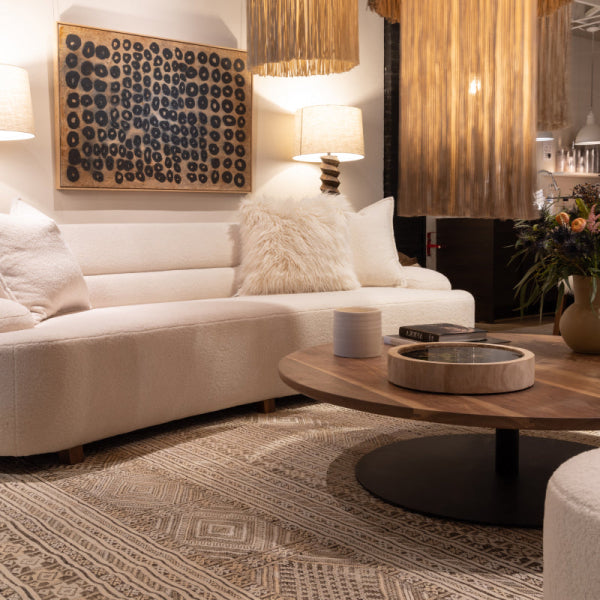
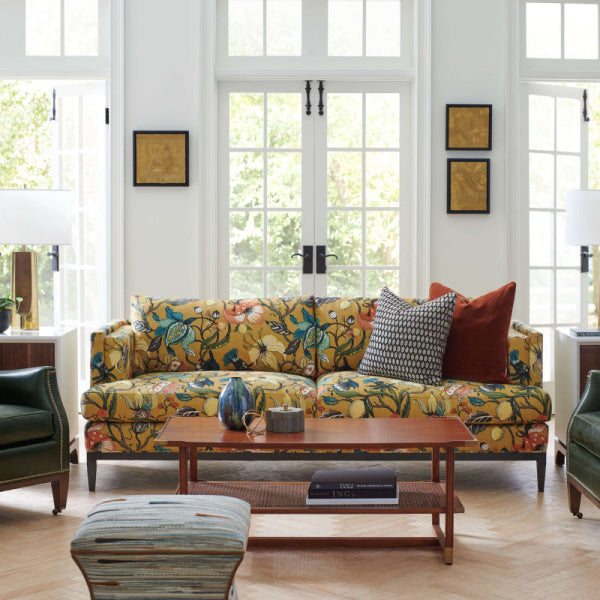
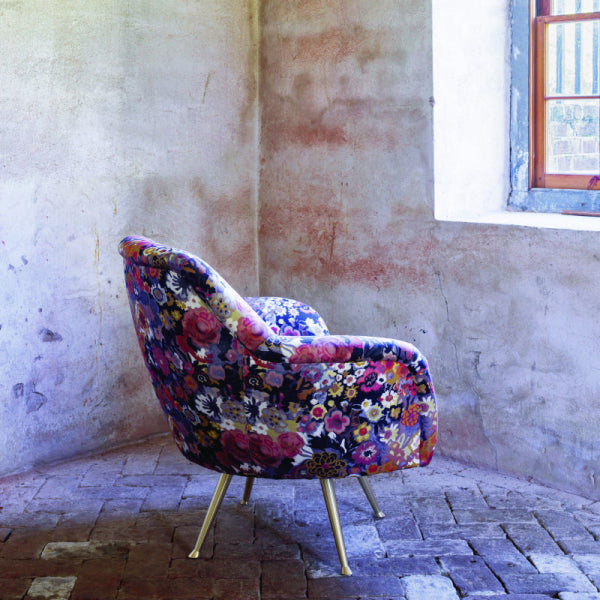









The sofa is still the right size, the frame has a presence that newer furniture lacks, and the room was designed around its proportions. Yet the fabric is worn, the cushions have lost their shape, or a pet has left damage across one arm. Replacing it may seem simpler, but a well-built piece deserves a closer decision than a quick trip to a showroom.
A professional reupholster couch service can preserve the character of luxury sofas, designer furniture, premium sectionals, and heirloom-quality furniture while allowing you to change the textile, cushion feel, trim, and overall mood. The critical question isn't whether new fabric would look better. It's whether the frame, springs, and craftsmanship justify rebuilding.
Is Reupholstery Worth the Investment
A homeowner in Buckhead recently brings a beloved sofa into a design consultation. The piece has a graceful silhouette, deep proportions, and a hardwood frame that still feels solid, but the fabric is faded and the seat support has softened. It belonged to a parent, and its shape fits the room better than any standard replacement the homeowner has found.
That situation calls for judgment, not a blanket recommendation. Reupholstery makes sense when the furniture has structural quality, emotional value, or a design that would be difficult to replace. A mass-produced sofa with a weak frame may not justify skilled labor. A designer sofa with sound construction may be an excellent candidate for restoration, even when the finished project costs more than a budget replacement.
Start with the frame, not the fabric
Lift the sofa skirt if there is one, inspect exposed wood where possible, and pay attention when someone sits down. A strong candidate should feel stable rather than twist, wobble, or shift. Creaks, loose joints, cracked wood, and persistent sagging indicate that the shop needs to investigate the interior before discussing textiles.
The frame isn't the only decision point. Springs, webbing, foam, down, and cushion construction all affect how the sofa sits. A technician should explain which elements can be retained and which need renewal. A beautiful fabric over a failing foundation is a cosmetic repair, not a restoration.
Practical rule: If you love the shape and comfort but dislike the surface, restoration deserves serious consideration. If you dislike the proportions, a new cover won't solve the underlying design problem.
Compare quality with quality
Replacing a high-end sofa with another piece of equal construction can involve more than the ticket price. You may also face delivery, room-fit problems, custom lead times, and the loss of a distinctive silhouette. Reupholstery can preserve a frame that already works in your home and give you control over textile, trim, and cushion specifications.
The U.S. furniture repair and reupholstery category reached $2.0 billion in 2025 and is expected to remain at $2.0 billion in 2026, with 18,834 businesses operating in 2026, according to IBISWorld's furniture repair and reupholstery industry data. That established trade supports access to specialized labor and materials, particularly in major metropolitan areas.
For a useful comparison of the financial question, review this discussion of whether it's cheaper to reupholster or buy new. The right conclusion depends on what you're comparing. Reupholstering a weak sofa rarely creates value. Rebuilding a well-made statement piece can preserve craftsmanship that a lower-cost replacement won't offer.
The Professional Reupholstery Process
Professional restoration begins before anyone cuts fabric. A credible shop treats the sofa as a sequence of structural and finish decisions, not as a cover waiting to be replaced.
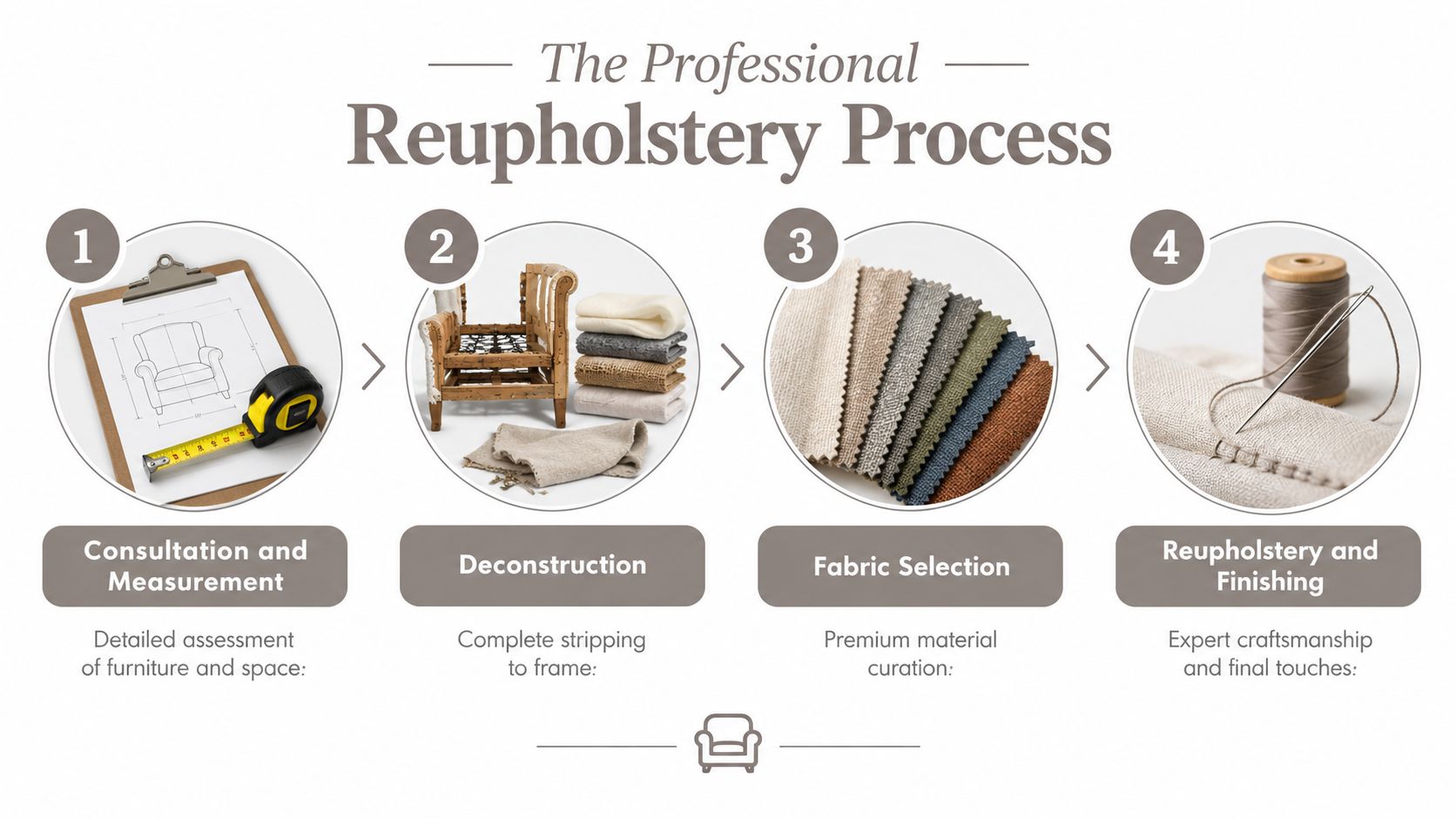
Consultation and measurement
The first appointment should establish the sofa's dimensions, room placement, intended use, and visual direction. The specialist examines the arms, back, deck, cushions, seams, welt cord, skirt, nailhead details, and any tufting. Measurements matter because fabric quantity depends on the furniture's scale, construction, and pattern requirements.
The conversation should also cover daily conditions. A formal sitting-room sofa has different needs from a family-room sectional exposed to children, pets, direct sunlight, or frequent entertaining. The right textile and cushion specification follow from those facts.
Deconstruction to the frame
A genuine restoration requires complete stripping of the old cover and padding. The upholsterer removes layers carefully, labels sections, and exposes the frame and support system. This step reveals hidden damage and preserves useful information about how the original piece was patterned.
Stapling new material over old upholstery often creates unnecessary bulk and an inaccurate fit. It can also trap worn padding and allow friction between layers. The finished cover may look acceptable at first, but the tailoring and durability will suffer.
Structural inspection and repair
Every joint should be checked for looseness and squeaks. Technicians may tighten joints, repair wood, renew springs or webbing, and replace tired padding before rebuilding the exterior. Springs and cushions need attention first because a new cover can't compensate for movement underneath it.
High-end upholstered furniture commonly uses kiln-dried hardwood frames, glued and corner-blocked joints, and support systems such as eight-way hand-tied or sinuous springs, as described in this guide to bespoke upholstered furniture construction. Those details help explain why a premium restoration involves more than sewing.
Patterning, sewing, installation, and finishing
Once the foundation is sound, the shop patterns the new cover, cuts the selected textile, sews panels and welt, and installs each section with controlled tension. The upholsterer must account for grain, nap, pattern repeat, corners, curves, and the way cushions meet the frame.
Transport also deserves planning. A large sofa can be difficult to move through stairways, doors, and tight Atlanta homes, so arranging sofa transport with Get n Go Removals can help reduce handling risks when a specialist doesn't provide pickup and delivery. The completed piece then receives final alignment, trimming, cleaning, and inspection before returning to the room.
Understanding Costs and Timelines
A sofa can look serviceable while its frame, springs, or concealed padding determine whether restoration makes financial sense. Market summaries place sofa reupholstery in a broad range of $500 to $4,500, with labor commonly representing 55% to 60% of the total, according to Upholstery Resource's project and labor guidance. The figure depends on the actual condition and construction, not fabric alone. A low quote may cover a simpler scope, fewer repairs, or incomplete assumptions about the piece.
For a standard sofa, fabric removal and replacement may require roughly 16 to 22 hours of labor. Coil-spring repair can raise the total to 16 to 28 hours, according to how much reupholstery costs. Hands-on time is only part of the schedule. A busy shop, ordered fabric, staged repairs, and delivery planning can extend the calendar even after the work itself has been estimated.
Cost drivers that deserve line items
Request a written estimate that separates fabric from the labor beneath it. Ask whether it includes:
- Deconstruction: Removing old fabric, padding, staples, and concealed layers.
- Structural work: Tightening joints, repairing the frame, servicing springs, or renewing webbing.
- Comfort materials: Replacing foam, batting, down, or fiber, and reshaping cushions.
- Tailoring: Matching patterns, making welt cord, tufting, skirts, or shaping complex curves.
- Handling: Pickup, delivery, stairs, narrow access, and final placement.
- Finishing: Installing the dust cover, trim, nailheads, inspection, and cleanup.
Pattern repeats and wrapping dimensions are two major reasons yardage estimates run short. The professional upholstery resource identifies both factors, which explains why a photograph rarely supports a firm material estimate. Measurement and deconstruction can reveal additional fabric requirements, worn support systems, or frame work hidden beneath the cover.
A practical planning table
| Project Scope | Estimated Hours | Cost Range |
|---|---|---|
| Fabric removal and replacement on a standard sofa | 16–22 hours | $500–$4,500 |
| Standard sofa with coil-spring repair | 16–28 hours | $500–$4,500 |
| Complex designer piece with structural restoration | Varies by condition and detailing | $500–$4,500 |
The table shows a published range, not a promise for a particular sofa. A premium sectional, tufted back, curved arm, or damaged frame requires an individual assessment. A shop should explain which repairs are included, which findings could change the estimate, and how those decisions affect the completion schedule.
Choosing Premium Fabrics and Trims
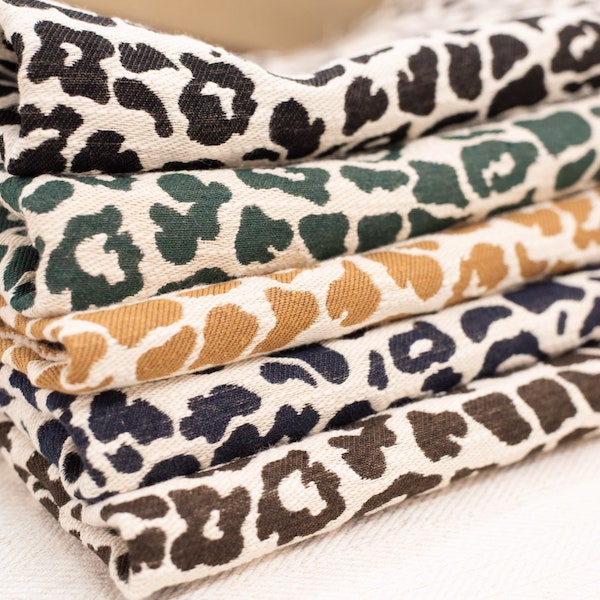
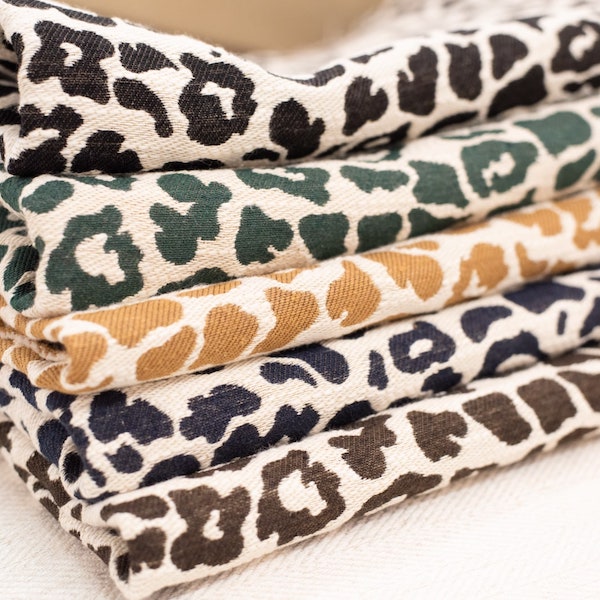
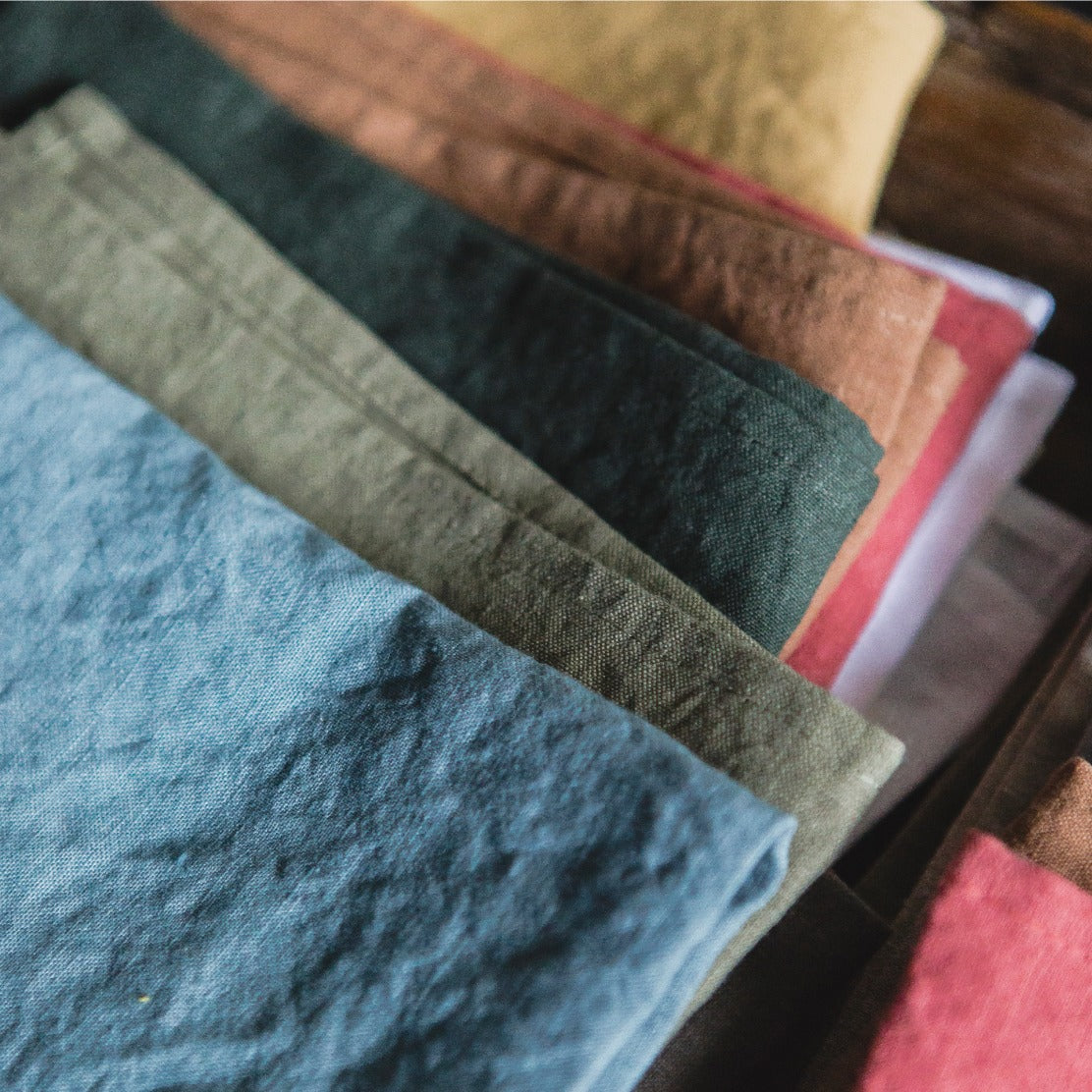
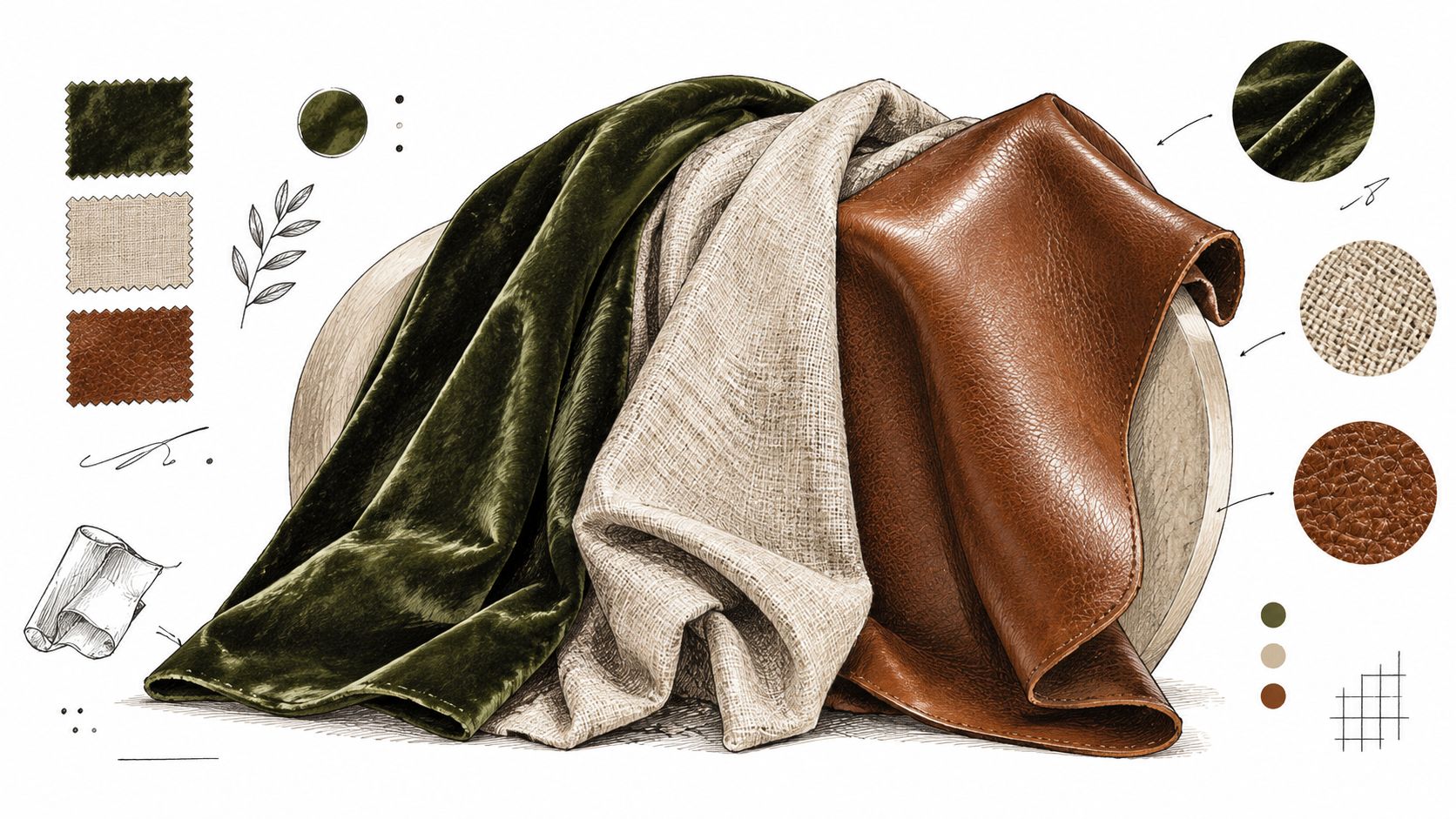
Fabric is where a restoration becomes personal, but appearance alone is a poor specification. A green velvet may suit a formal living room beautifully and perform badly in a busy family room if its construction and maintenance requirements don't match the household. A neutral performance weave may appear quieter while handling daily use more confidently.
Read performance testing correctly
The Martindale test rubs fabric in repeated circular cycles until yarns break or the appearance changes noticeably. Results are reported in thousands of cycles, giving you a useful comparison when you're evaluating textiles for high-use seating. Wyzenbeek testing uses double-rub results, another common way to compare abrasion resistance.
For residential upholstery, one source identifies a reasonable minimum around 15,000 Wyzenbeek double rubs or 25,000 Martindale cycles. The same source says textiles above 30,000 Wyzenbeek double rubs are generally suited to heavy domestic use, while commercial-grade pieces often exceed 50,000 rubs, according to this upholstery fabric performance guide.
These benchmarks don't measure every quality that matters. They don't replace questions about fading, cleaning codes, snag resistance, hand, seam stability, or how the textile behaves on a curved arm. Ask for the complete specification rather than selecting by abrasion number alone.
Leather and performance textiles
Full-grain leather offers durability, developing character as it ages rather than trying to look permanently untouched. It also brings variation in grain, color, and feel, so clients who want a perfectly uniform surface may prefer another material.
Engineered performance fabrics can provide the visual appeal of natural fibers with stronger stain and abrasion resistance. Material guidance for premium furniture textiles describes full-grain leather as a premium durable option and performance fabrics as a common luxury-tier choice. The decision should reflect pets, sunlight, entertaining, cleaning habits, and whether you welcome signs of age.
For broader comparisons, these upholstery material tips are useful before ordering samples. Always view a swatch in the actual room, both in daylight and evening light.
Plan yardage before falling in love
A professional typically uses about 14 to 16 yards for a standard sofa, while a first-time DIY project may require 18 to 22 yards, according to guidance on fabric abrasion and upholstery planning. The difference comes from inaccurate cutting, pattern matching, directional nap, and the need to keep the design aligned across cushions and arms.
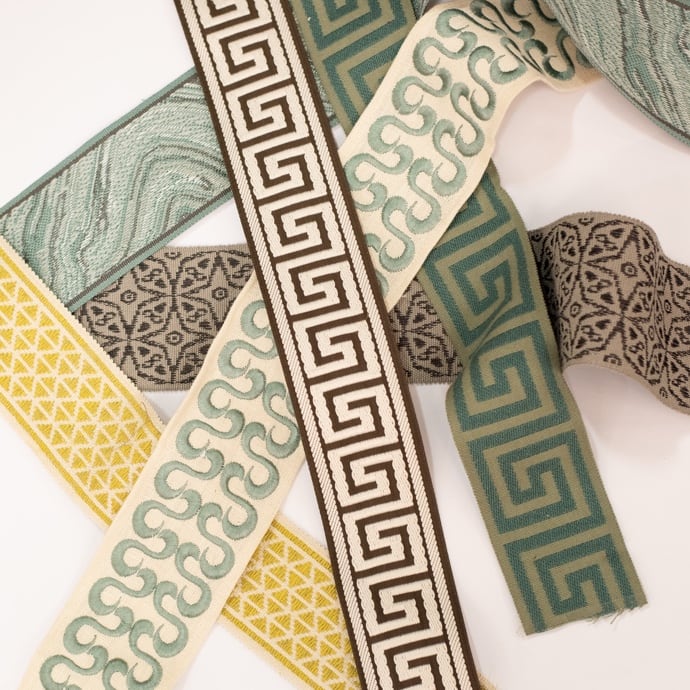
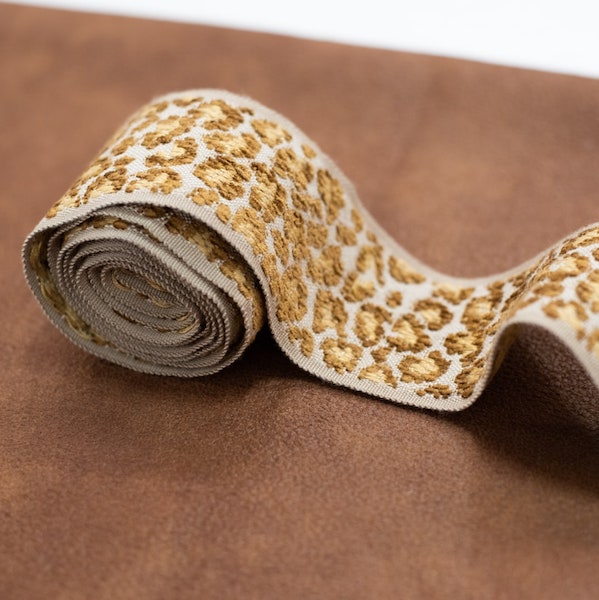
A large repeat, stripe, plaid, velvet, chenille, or corduroy can increase waste. Choose trims after the fabric is selected, then confirm welt size, contrast options, and placement with the upholsterer. For a sofa-specific fabric discussion, consult this guide to the best fabric for reupholstering a sofa.
Why Choose a Local Atlanta Specialist
Luxury furniture decisions benefit from proximity. A local specialist can examine the actual piece, compare textiles in the room's light, coordinate with an interior designer, and address transport or installation details without reducing the project to an online form.
Atlanta has a substantial design trade ecosystem. Atlanta Market at AmericasMart is described as a premier biannual market with 350-plus design-driven, whole-home showroom offerings, while Buckhead is identified as a primary luxury furniture district for flagship showrooms and designer brands in Atlanta Market's home resources coverage.
A more considered sourcing experience
For homeowners searching luxury furniture Atlanta, designer furniture near me, or custom furniture Atlanta, the advantage of a boutique textile destination is the ability to compare the entire composition. The sofa may need to relate to drapery, rugs, accent chairs, pillows, wall color, and architectural finishes. A fabric that looks refined on a sample card may compete with a patterned rug or disappear beside a pale stone floor.
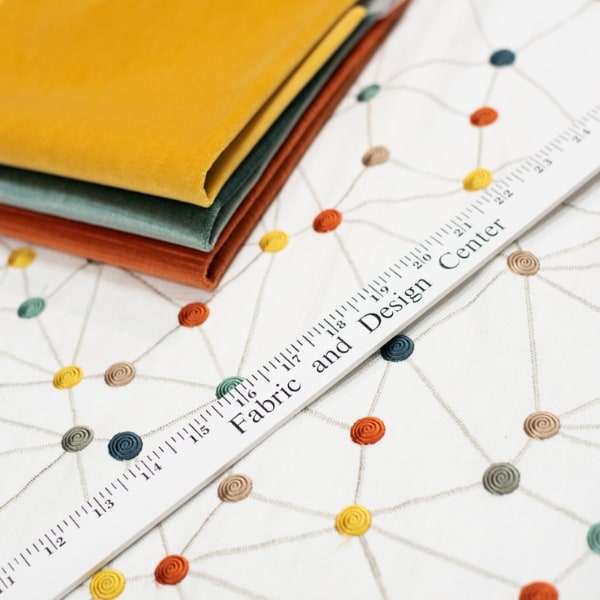
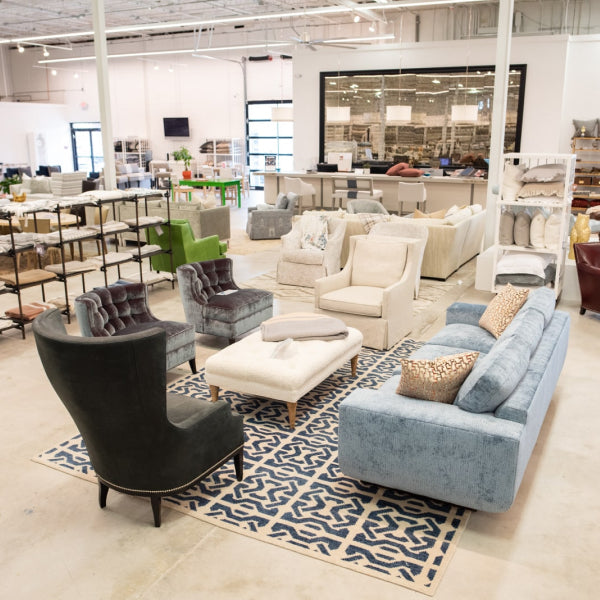
Lewis and Sheron Textiles in Buckhead combines home fabrics, custom furnishings, design support, and furniture reupholstery. Its Design Center offers more than a thousand in-stock bolts and additional cut-yardage options from mills including Kravet, Fabricut, P. Kaufmann, Libeco Home, and Crypton. The business also works with made-to-order American upholstery makers such as Verellen, Wesley Hall, LEE Industries, and Ambella, which gives clients a reference point when comparing restoration with replacement.

Local knowledge for North Atlanta homes
Clients in Alpharetta, Roswell, Sandy Springs, Fulton County, and surrounding North Atlanta markets often need more than a fabric transaction. They need a piece that fits a particular room, arrival path, entertaining pattern, and broader design plan. Complimentary in-house design support can help narrow samples before the workroom begins, while nationwide shipping supports clients outside the immediate area.
The strongest local relationship remains specific and accountable. Ask who performs the work, where the piece is handled, how approvals are documented, and who answers questions if deconstruction reveals damage. Heritage matters when it comes with clear process and careful communication.
Protecting Your Investment and Care Tips
A restored sofa needs a maintenance plan from the day it returns home. Start with the textile's cleaning instructions, then use only products and methods approved for that fabric. A professional can explain whether the material tolerates water-based cleaning, solvent-based cleaning, vacuuming, or specialist treatment.
Keep wear and light under control
Vacuum dust from seams and crevices with a suitable upholstery attachment. Blot spills promptly instead of rubbing them deeper into the weave. Rotate or reverse loose cushions when the design allows, and keep the sofa away from harsh, direct sunlight whenever possible to reduce uneven fading.
The frame also benefits from sensible use. Don't drag the sofa by its arms, sit repeatedly on the same edge, or place excessive weight on decorative details. Ask the shop whether any trim, cushion, or support component needs special handling.
Use a final inspection checklist
Before accepting the finished piece, check:
- Seams and pattern: Lines meet cleanly, repeats are aligned, and directional fabric runs consistently.
- Tension: The cover lies smoothly without unexplained ripples, excessive looseness, or strained corners.
- Comfort: Cushions sit evenly, support feels consistent, and repaired springs don't create unwanted noise.
- Details: Welt cord, buttons, skirts, nailheads, and dust covers match the approved design.
- Documentation: The invoice identifies the fabric, repairs, care instructions, and warranty terms.
A warranty should state what the shop covers, for how long, and which conditions void coverage. It shouldn't promise that delicate textiles will behave like commercial performance fabrics. Clear expectations protect both the client and the craftsperson.
Lewis and Sheron Textiles offers expert reupholstery for sofas and armchairs, custom upholstered furniture, premium textiles, and in-house design support for Atlanta-area homes. Bring your dimensions, photographs, or cherished piece to Lewis and Sheron Textiles to discuss whether restoration, custom upholstery, or a carefully selected replacement best suits your room.