


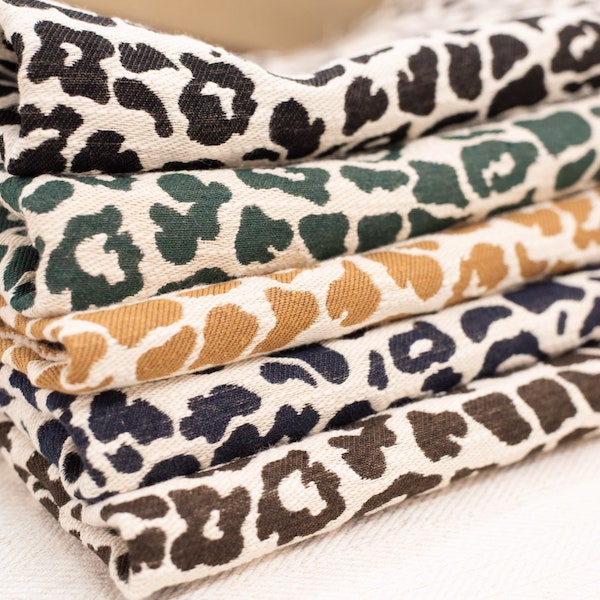
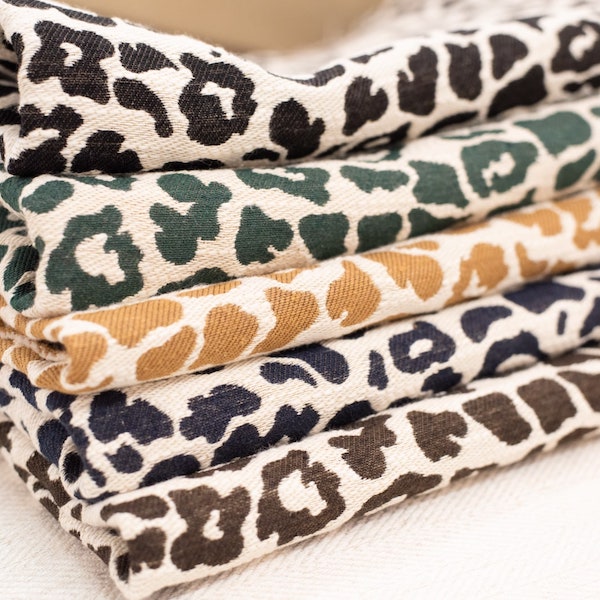
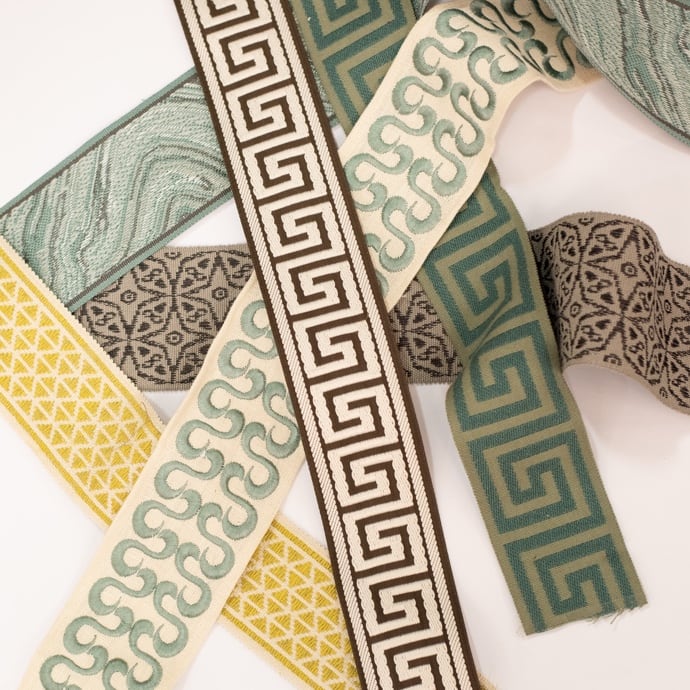

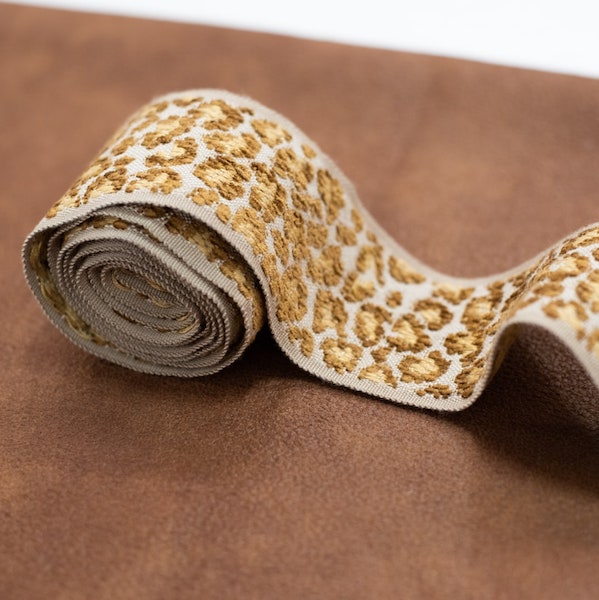

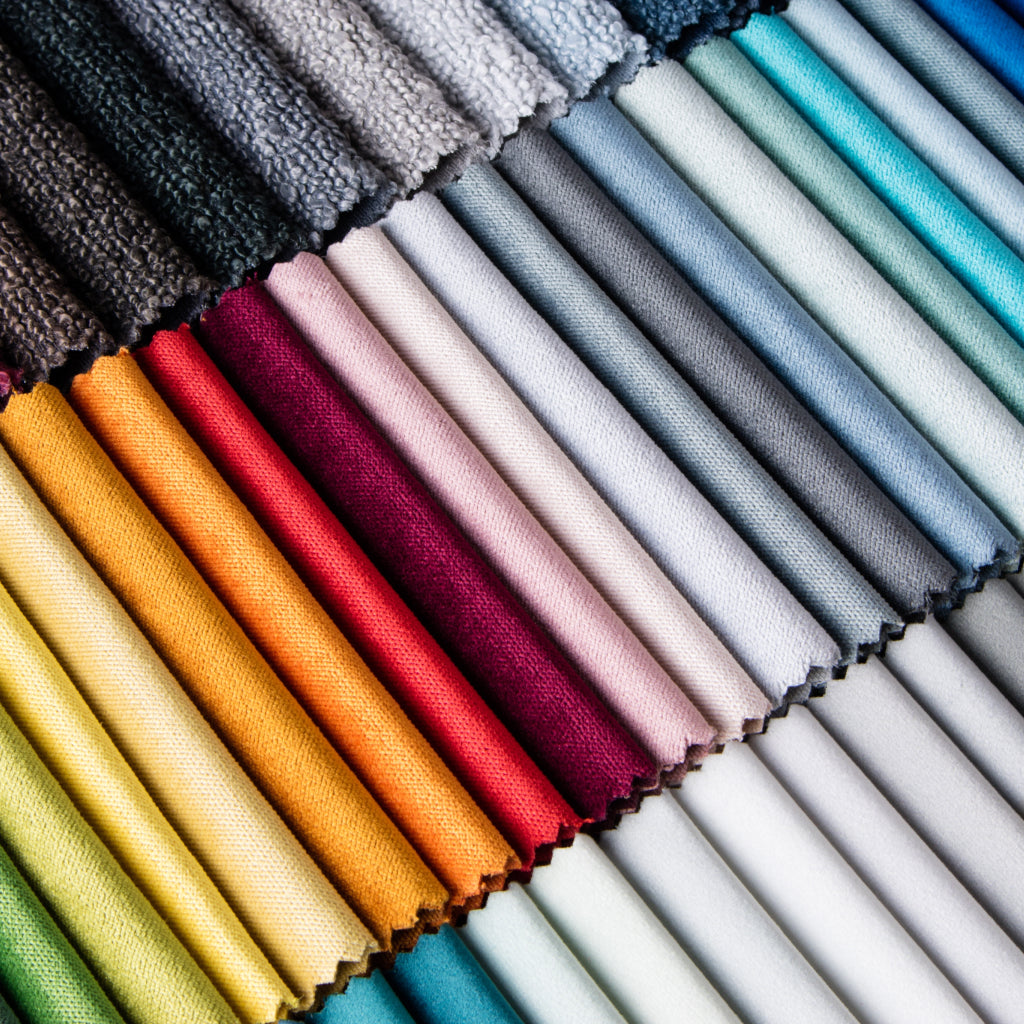

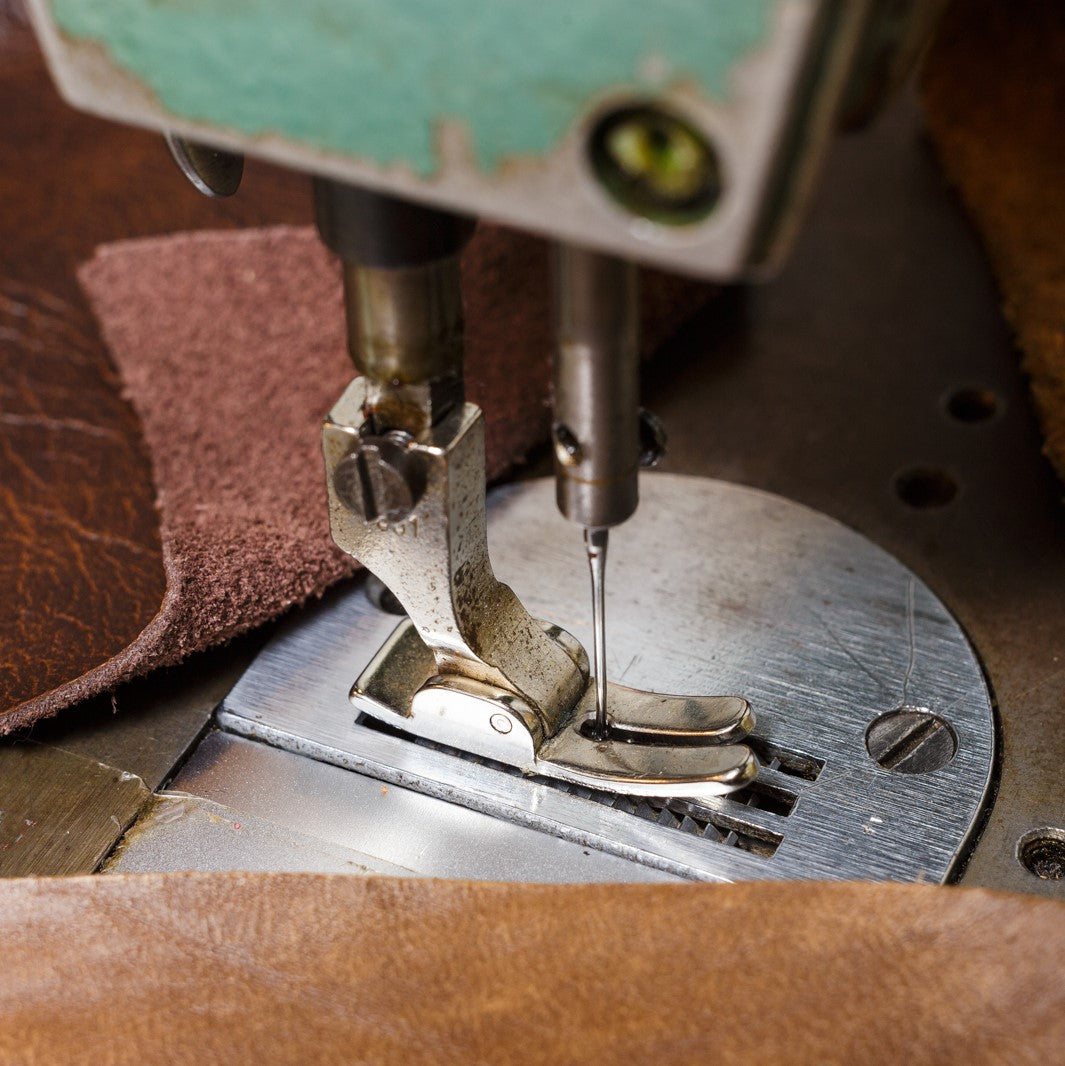
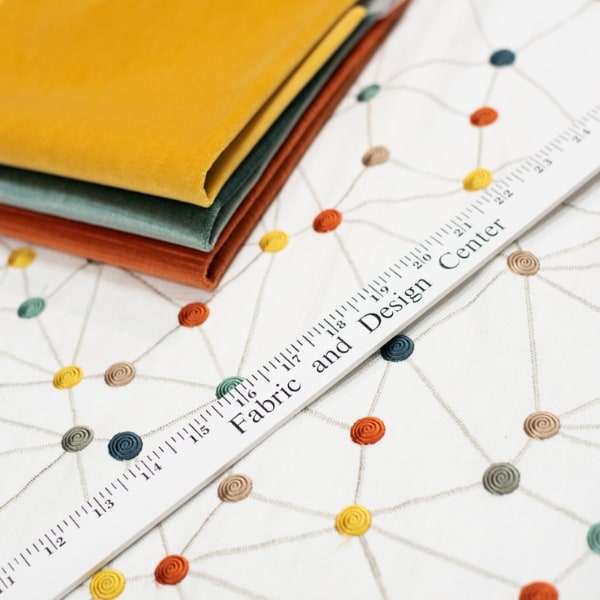





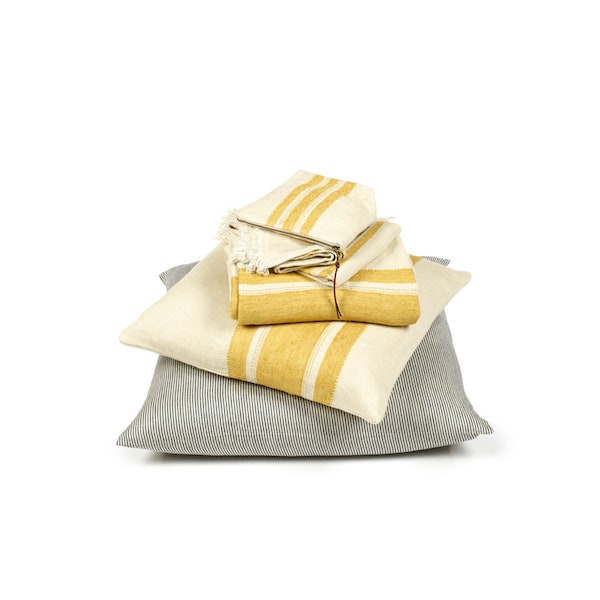
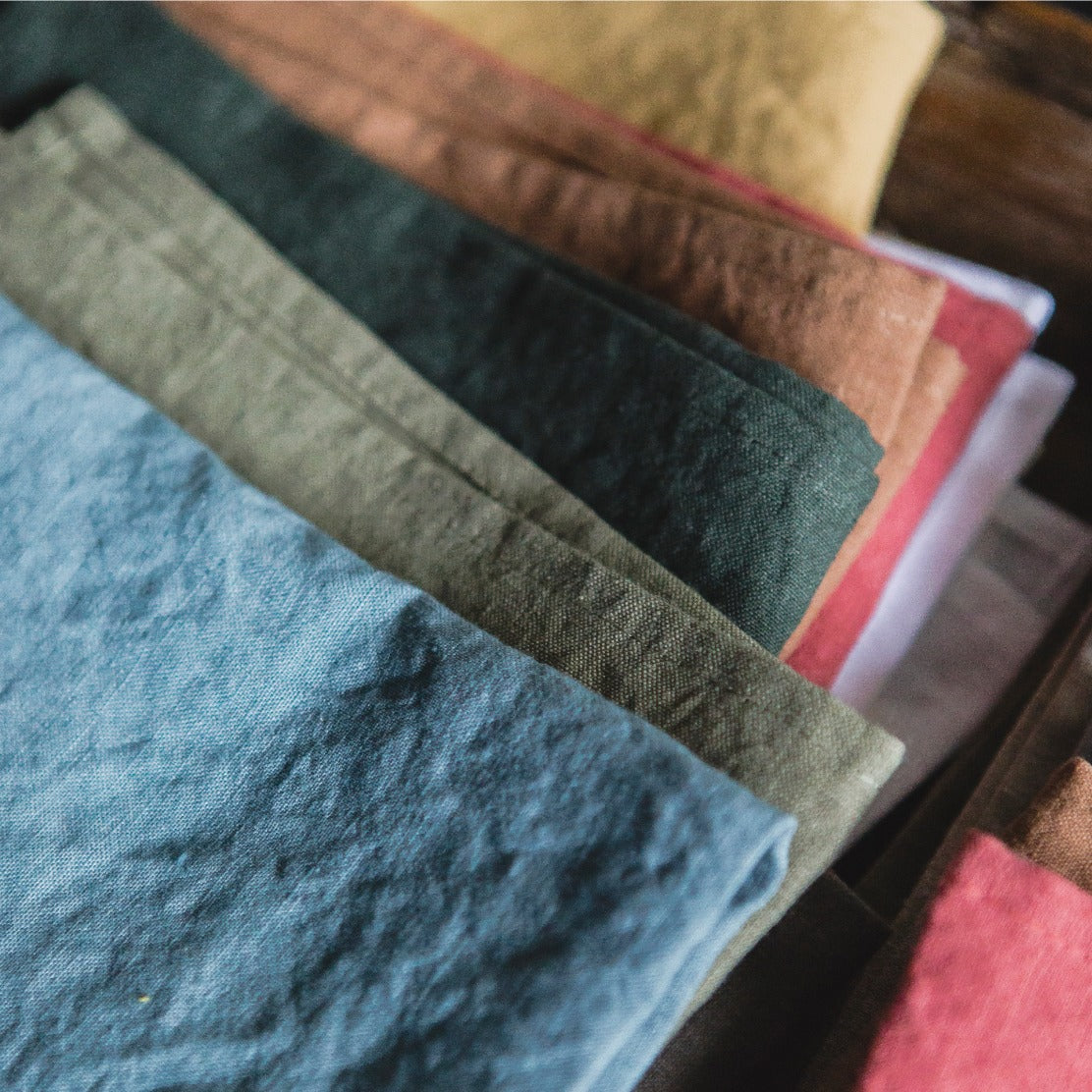

You're standing in front of the window with fabric swatches fanned across one hand and a tape measure looped over the other. The rod pocket, pinch pleat, grommet, and tab top samples all promise an effortless upgrade, yet the question is harder: which heading will still hang beautifully when the sun hits at four o'clock, and will it work with the way you use the room?
That choice affects more than appearance. The heading determines the rod, the fabric's movement, the amount of fullness, the stack-back space, and whether the panels glide or remain mostly in place. Rod pocket drapery isn't the flashiest or most operable option, but the right specification produces a soft, gathered fall that other headings can't quite replicate.
A Quick Word Before You Choose Your Heading
A drapery heading is the construction at the top of the panel. It connects the fabric to the rod or track, so it controls the relationship between the window treatment and the room. Choosing it before you've considered fabric weight and daily use is like choosing a sofa silhouette before deciding whether the room needs a deep lounge seat, a structured luxury sofa, or a premium sectional for family traffic.
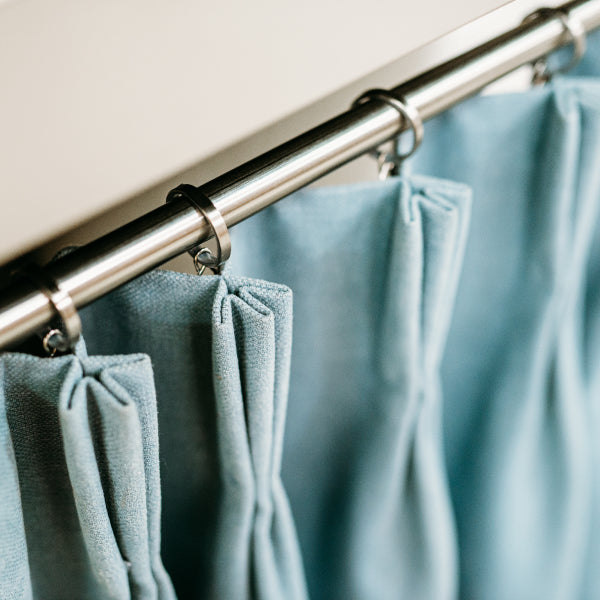
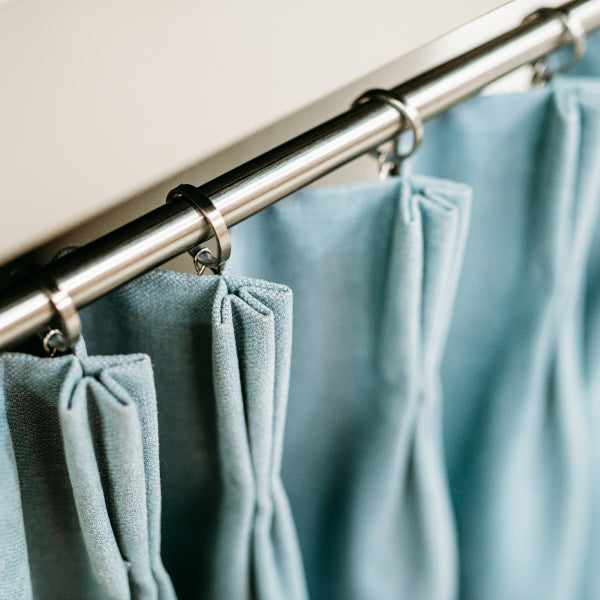
Rod pocket drapery suits a room where softness, continuity, and a fabric-forward finish matter more than quick movement. The rod largely disappears, the fabric gathers across the top, and the folds create a relaxed frame around the window. Pinch pleats make a more structured statement. Grommets expose the hardware and usually support easier movement. Ring-top panels add a visible, lighter structure between the fabric and the rod.
Design-studio rule: Choose the heading according to how the window will be used, not simply according to the fabric sample you like best.
Consider a North Atlanta living room with tall stationary side panels. The homeowner may want linen, velvet, or a patterned textile to soften the architecture without opening the panels every morning. A rod pocket can be a strong choice there. The same heading may frustrate someone covering a frequently used sliding door, where the fabric needs to move smoothly and repeatedly.
The next decisions are practical. You'll need to match the pocket to the rod's outside diameter, provide enough fullness for the gathered look, account for take-up in the finished length, and choose a fabric that can form the intended folds. Once those details are clear, rod pocket drapery stops being a vague style preference and becomes a precise tailoring decision.
What Rod Pocket Drapery Actually Is
Rod pocket drapery has a sewn fabric channel at the top of the panel. The rod passes through that enclosed sleeve, gathering the material along its length. Think of the pocket as the cuff of a sleeve. The arm, represented by the rod, slips inside, while the fabric bunches softly around it.
Textile reference material defines a rod pocket as a hollow sleeve in the top of a curtain or drapery through which a rod is inserted, with the rod then attached to the wall. This construction belongs to the long-standing vocabulary of manufactured drapery, alongside the broader development of practical curtain hardware. Samuel R. Scrottron's manufactured curtain rod invention in 1892 and Charles Kirsch's telescoping rod in 1907 helped establish the hardware conditions for simple gathered panels. This textile reference history explains the rod pocket construction and early curtain-rod milestones.
At the workroom, the top edge may include a header or ruffle above the pocket. The rod enters through the channel, and the gathered fabric conceals much of the hardware. Pocket depth varies by design, but many guides describe pockets around 3 inches, with compatibility often limited to rods around 1 to 1.5 inches in diameter. This drapery-pocket guide discusses typical pocket dimensions and rod compatibility.

Where it sits among heading styles
The easiest way to place rod pocket drapery on the style map is to compare the top construction:
- Rod pocket: Soft, gathered, and fabric-led, with the rod mostly hidden.
- Pinch pleat: Sewn pleats create a structured, fitted profile and usually connect to rings, hooks, or a track.
- Grommet: Metal rings remain visible and give the panel a crisp, contemporary rhythm.
- Ring-top: Clips or rings create separation between the textile and the rod, usually improving movement.
The visual simplicity is deliberate. Properly sized panels can form even ripples from the rod toward the floor, but the style is generally better for stationary or decorative panels than for daily opening and closing. That distinction matters more than whether the room is traditional, modern, or transitional. A rod pocket can look refined in a designer interior when the fabric, proportion, and installation are handled carefully.
Why Designers Love It and Where It Falls Short
Rod pocket drapery has a reputation for being decorative only. That description is incomplete. Its real advantage appears when the designer wants the textile to read as one continuous, softly gathered surface rather than as a series of pleats, rings, or exposed metal openings.
The pocket hides most of the rod, so the eye settles on the fabric. That can be especially effective around tall windows, bay groupings, and layered treatments where a visible mechanical detail would interrupt the composition. The gathered header also gives lightweight linen, cotton, and sheer fabrics a relaxed movement that might look overly rigid in a strongly defined heading.
The case for a soft, fabric-led finish
A rod pocket requires no rings, clips, or hooks. That simplifies the visible hardware and can reduce the installation steps compared with a heading that depends on multiple attachment points. For stationary side panels, guest rooms, decorative sheers, and formal rooms where the pattern and fall carry the design, that simplicity is useful rather than basic.
The style can also support a luxurious result when the textile is carefully chosen. A finely woven linen, a translucent sheer, or a tactile mid-weight fabric can create a calm backdrop for statement furniture pieces, custom chairs, and other high-end furnishings without competing with them.
The cost of that beauty
The same gathered construction that creates softness can make movement difficult. The fabric slides directly against the rod, so rod pocket panels generally don't glide as smoothly as ring-top or grommet treatments. If you need to open and close the panels throughout the day, a more mobile heading may be the better specification. This practical drapery guide compares rod pocket movement with headings designed for easier opening and closing.
The pocket also creates take-up, meaning the fabric can finish shorter after it's gathered onto the rod. Removing the panel for laundering requires withdrawing the rod fully, which can be inconvenient on wide or heavy installations. Avoid treating rod pocket drapery as the default for a broad sliding-glass opening or any window that needs frequent light control.

Best use: Specify rod pocket drapery when controlled fullness and a quiet top treatment matter more than effortless daily operation.
The Sizing Math Most Guides Skip
A beautiful rod pocket panel can fail before it reaches the wall if the workroom skips the measurements hidden inside the heading. Four calculations deserve attention: rod diameter, pocket clearance, fullness, and length allowances.
Start with the rod outside diameter
Measure the rod's outside diameter, not just the nominal size printed on a package. The pocket must be slightly larger so the fabric can move without binding. A technical rule of thumb adds 1/4 inch to 1/2 inch to the rod O.D. For example, a 1-inch rod typically calls for a 1 1/4-inch to 1 1/2-inch pocket. This rod pocket calculation guide explains the clearance relationship between rod diameter and pocket size.
A pocket that's too tight creates friction and can force the fabric into awkward buckles. A larger pocket gives the panel room to gather, but an oversized channel may make the header look loose or reduce the polished quality you want.
Calculate fullness before ordering fabric
Fullness is the amount of fabric gathered across the rod compared with the installed rod width. Rod pocket treatments commonly use about 2x to 2.5x fullness, depending on the fabric and desired density. This drapery measuring guide outlines the typical fullness range for rod pocket treatments.
For a 60-inch rod, that produces a cut fabric width of:
- 2x fullness: 60 inches × 2 = 120 inches
- 2.5x fullness: 60 inches × 2.5 = 150 inches
That is the fabric width before seam allowances, hems, pattern matching, and other workroom requirements. A lightweight sheer may benefit from the fuller end of the range, while a thicker textile may need careful judgment so the gathered header doesn't become bulky.
Build the finished length from the top down
Measure from the actual rod position to the intended lower edge. Then add the pocket, header or ruffle, turn-up, hem, and any pattern repeat needed to align motifs. Take-up can shorten the finished length by about 7/16 inch to 2 inches, depending on the rod and pocket dimensions. This drapery-pocket sizing reference discusses take-up and the effect of pocket construction on finished length.
| Measurement | Formula | Example, 60-inch rod |
|---|---|---|
| Pocket clearance | Rod O.D. + 1/4 inch to 1/2 inch | 1-inch rod + clearance = 1 1/4-inch to 1 1/2-inch pocket |
| Fabric width | Rod width × fullness | 60 × 2 = 120 inches |
| Fuller fabric width | Rod width × fuller ratio | 60 × 2.5 = 150 inches |
| Finished length | Rod-to-hem length + construction allowances | Add pocket, header, turn-up, hem, pattern repeat, and take-up planning |
For a detailed yardage cross-check, use this drapery fabric calculation resource. A quick cross-section sketch showing the rod, pocket, header, and brackets can prevent the most expensive mistake, cutting panels that technically exist but won't fit or hang as intended.
Fabrics and Linings That Make the Heading Sing
The best fabric for rod pocket drapery isn't the most beautiful bolt in the showroom. It's the textile that can gather smoothly, maintain the desired fall, and provide the room's required privacy and light control without overwhelming the pocket.
A sunny living room often benefits from lightweight linen or cotton sheers. These fabrics soften daylight and create a diffused layer around the glass. Their lighter hand also makes the gathering feel airy rather than crowded. In a formal dining room, mid-weight velvet or chenille can provide a richer visual presence and stronger light control, but the pocket and rod must be specified to accommodate the added body.
Drafty historic windows call for a different approach. A heavy wool blend can contribute visual weight and help the treatment feel substantial, though it may not be the easiest fabric to draw across a rod pocket. For those windows, stationary panels or a layered design often make more sense than expecting the fabric to travel smoothly.
Match the lining to the room
Lining changes how a textile behaves as much as it changes how it performs. Standard cotton sateen supports everyday privacy while preserving a relatively natural drape. Blackout lining is suited to bedrooms and media rooms where reduced light matters. Interlining adds body to formal silks and can give a delicate face fabric a more substantial, insulated appearance.
A lining decision should follow the room's function, not just the face fabric. A translucent sheer may be ideal for a bright sitting room but insufficient for a bedroom without a second layer. A velvet can look dramatic unlined, yet a lining may protect the face fabric and improve the finished fall.
| Room Scenario | Recommended Fabric | Lining | Pocket Width |
|---|---|---|---|
| Sunny living room | Lightweight linen or cotton sheer | Standard privacy lining or unlined sheer | Moderate, matched to the rod |
| Formal dining room | Mid-weight velvet or chenille | Cotton sateen or light-blocking lining | Wider if the fabric gathers densely |
| Bedroom | Linen blend or decorative mid-weight textile | Blackout lining | Sized for rod clearance and added body |
| Historic, draft-prone window | Heavy wool blend | Substantial lining or interlining | Wider pocket with a stronger support system |
| Formal silk treatment | Silk | Interlining | Generous enough to prevent crushing |
For a useful foundation in how textiles contribute to interiors, this tactile guide by Pandemonium Millinery offers helpful context on evaluating fabric by touch, surface, and visual character. For a deeper look at how lining affects custom drapery, consult this guide to drapery lining.
Material test: Gather a fabric memo by hand before ordering. If the fold collapses into a hard ridge or the textile resists gathering, increase the pocket clearance, reconsider the heading, or use the fabric as a stationary side panel.
Stiff or heavy cloth can crush inside a narrow channel. A wider pocket, a stronger rod, and adequate brackets may preserve the header, but the combination should be reviewed as a complete system rather than adjusted after installation.
Installing Rod Pocket Panels Without the Guesswork
Installation begins at the bracket, not with the finished panel. The rod must clear the pocket, the bracket projection must let the fabric fall without rubbing the wall, and the support system must carry the span without distorting the soft gathers.
For a narrow window, mount the brackets securely and confirm that the rod sits level. For a wider run, use center support to prevent sag. Installation guidance commonly recommends center brackets every 30 to 48 inches, depending on the rod and treatment. This curtain-rod installation guide discusses bracket placement, support, and mounting decisions.
Set the height and projection deliberately
Mounting the rod 4 to 6 inches above the frame can make the window appear taller and give the fabric more room to frame the opening. A ceiling-mounted run creates a stronger vertical illusion and can make the wall feel taller still. The choice depends on architecture, trim, ceiling height, and whether the treatment should highlight the window or visually connect it to the ceiling.
Projection from the wall matters just as much. If the rod sits too close, the gathered fabric may press against the casing, latch, or wall surface. If it projects too far, the treatment can look detached from the architecture. Account for the pocket's gathered depth, the lining, and any adjacent shade or blind before choosing the brackets.
Threading order for heavy panels
Lightweight panels can usually be threaded onto the rod before the rod is placed on the brackets. For wide or heavy panels, feed the fabric onto the rod with assistance, then lift the loaded rod into position. Trying to push substantial fabric across a mounted rod can twist the pocket, stress the brackets, or create uneven gathers.
Before the final lift, press or steam the panels. Arrange the fabric evenly rather than pulling all the fullness toward the center. If the treatment is intended to remain stationary, use discreet holdbacks only after the natural fall has settled.
Troubleshoot the common failures
- Uneven hem: Recheck that the rod is level and that the panel's take-up is distributed evenly.
- Twisted pocket: Remove the panel, lay it flat, and rethread the rod without forcing the fabric around the channel.
- Rod noise: Check for rough hardware, excessive friction, or a rod diameter that doesn't suit the pocket.
- Sagging span: Add appropriate center support rather than compensating by tightening the fabric.
- Crowded gathers: Redistribute the fullness across the rod and confirm that the fabric width matches the intended fullness.
The finished result should look relaxed, not accidental. Even gathering comes from accurate preparation, a level rod, and fabric that has enough room to form its folds.
Care, Custom Orders, and Smart Buying Decisions
Rod pocket drapery rewards a careful buying process because the heading, textile, lining, and hardware all affect one another. Start with care. Vacuum velvet and linen with low suction, rotate cotton panels periodically to reduce uneven exposure to sunlight, and send silk interlined drapery to a specialist dry cleaner. Bathrooms and kitchens need extra attention because humidity can affect both fabric and lining.
A care label remains the final authority. Washing, steaming, and dry cleaning can change the hand or dimensions of a textile, especially when the panel includes lining, interlining, weighted hems, or pattern matching. Ask about cleaning before the workroom cuts the fabric, not after the finished treatment is installed.
Choose ready-made or custom with purpose
Ready-made panels work well when the window has conventional proportions, the fabric is a neutral solid, and the buyer can accept the available drop and fullness. They're also useful for a quick room update where the panels function as decorative framing rather than as a fully integrated architectural treatment.
Custom upholstered furniture follows a similar logic. A mass-produced piece may be designed to look good for only 3 to 5 years, while thoughtfully crafted premium furniture may serve a household for 15 to 20 years or more; sofas and loveseats often last 10 to 20 or more years, depending on construction and care. This furniture longevity guide compares expected service life by build quality. The same quality-over-price thinking applies to drapery when the room has unusual returns, a long drop, a demanding pattern, or a fabric that deserves precise handling.
Custom pays off when you need:
- Non-standard returns: The treatment must clear trim, shelving, radiators, or adjacent furniture.
- Pattern matching: Motifs need to align across panels or continue from one textile application to another.
- Longer drops: The finished length must reach a specific architectural point.
- Weighted hems: The panel needs a controlled lower edge for a more composed fall.
- Integrated layering: Sheers, shades, blackout panels, and decorative side treatments must work together.
Premium furniture buyers already understand that internal construction matters. One luxury custom furniture maker specifies No Sag spring units or eight-way hand-tied coils on new-frame construction, showing how hidden mechanics influence the longevity and feel of heirloom-quality seating. This custom furniture maker describes its internal spring and frame standards. Made-to-order upholstery also gives designers a curated fabric range rather than forcing a compromise between the room and an in-stock silhouette. This American-made custom upholstered furniture source discusses made-to-order flexibility and edited fabric selection.

Use this pre-order checklist
- Confirm the rod O.D.: Measure the actual outside diameter.
- Verify pocket allowance: Make sure the pocket provides clearance rather than gripping the rod.
- Ask about take-up: Confirm how the gathered construction affects finished length.
- Request a fabric memo: Review the textile in the room's natural and artificial light.
- Clarify lead time: Get the workroom schedule before sending final measurements.
- Review care instructions: Know whether the finished panel requires specialist cleaning.
- Decide on operation: Identify whether the panels are stationary, occasionally moved, or used daily.
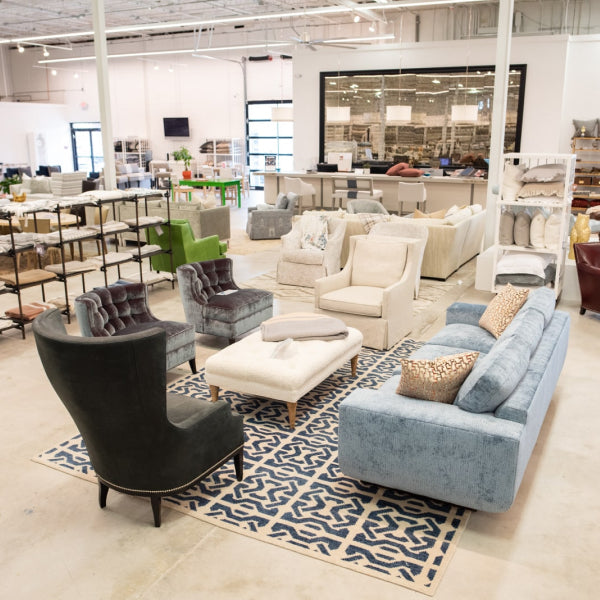
For homeowners and designers in Atlanta, Buckhead, Alpharetta, Roswell, Sandy Springs, Fulton County, and surrounding North Atlanta markets, Lewis and Sheron Textiles offers premium fabrics, custom drapery, made-to-order upholstered furniture, reupholstery, rugs, trims, and in-house design support for cohesive interiors. Visit Lewis and Sheron Textiles to review textiles and discuss a rod pocket treatment suited to your room, rod, fabric, and long-term use.