
















White sheer material is a translucent woven fabric, commonly voile, organza, or lightweight polyester, used for soft light filtration and layered window treatments. Sheer curtains commonly transmit about 80% to 95% of visible light, so the right choice depends on weave density, room use, and the privacy level you need.
You may be standing in a bright Buckhead living room, admiring how a white panel softens the afternoon sun, while wondering whether the same fabric will leave your home exposed after dark. Or perhaps you're furnishing a new home in Alpharetta with a premium sectional, custom chairs, and carefully selected rugs, and the windows still feel unfinished. White sheer material can bring the entire room together, but only when its beauty is matched to its actual performance.
A sheer can make a high-end interior feel lighter, taller, and more composed. It can also disappoint if you expect it to function like privacy drapery, blackout fabric, or insulation. The most successful window treatments begin with an honest assessment of light, sightlines, fabric construction, and how the room is used throughout the day.
What Is White Sheer Material
An Atlanta homeowner choosing window treatments usually wants two things at once: more natural light and a finished, private-looking room. White sheer material is a translucent woven fabric that filters and softens daylight without creating a solid visual barrier. Think of it as architectural gauze. It screens the harshness of the sun while preserving a relationship with the outdoors.
The word “sheer” describes the fabric's degree of transparency, not a particular fiber. Voile, organza, chiffon, lightweight polyester sheers, and linen blends can all produce a translucent effect. Their appearance changes according to yarn fineness, weave openness, surface texture, and color. White keeps the effect bright, but white alone doesn't make a fabric sheer. A dense white cloth can remain opaque.
Voile offers one of the clearest historical foundations for this category. Fabric references describe voile as a crisp, plain-weave cloth made from tightly twisted yarns, with roots in France and documentation dating to the 1800s. The term entered English around 1882, while cotton voile became commercially established during the mid-to-late 19th century as textile mills moved toward mechanized production, as described in this history of voile fabric.
What sheer fabric can and cannot do
White sheers are excellent at:
- Softening daylight: They reduce the sharpness of direct sun and create a calmer glow.
- Supporting layered design: They provide a luminous inner layer beneath lined drapery.
- Adding visual height: Full-length panels can make a room feel more vertical and finished.
- Preserving an outdoor connection: They maintain some view rather than closing the room off.
They aren't designed to provide complete nighttime privacy, strong thermal insulation, or total darkness. A person outside may see silhouettes when lights are on inside, particularly if the window faces a sidewalk, neighboring home, or street.
Practical definition: Ask for a translucent woven fabric that filters daylight, then specify the level of openness, texture, and privacy you want.
For a luxury home in Roswell, Sandy Springs, or North Atlanta, that definition keeps the conversation focused. You're not buying “white curtains.” You're selecting a controlled relationship between light, fabric, furnishings, and the view beyond the glass.
Comparing Common Sheer Fabrics
The most useful comparison is practical rather than fashionable. Voile, organza, chiffon, polyester sheers, and linen blends each create a different balance of softness, structure, durability, and maintenance.
Voile is usually the most approachable choice for a relaxed, light-filled room. It has a soft hand and a fluid fall, making it suitable for living rooms, dining rooms, and layered panels. Organza has more body and a crisper surface, which can support a formal treatment or a more structured one. Chiffon feels delicate and fluid, so it works beautifully in decorative applications but needs careful consideration before being placed in a busy passage.
Polyester sheers offer useful flexibility. They're often more resistant to wrinkling and practical for daily operation, especially when a window receives strong sun or the panels will be opened and closed frequently. Linen blends bring natural texture and an understated irregularity that pairs well with contemporary, coastal, and transitional interiors, although they may show more variation and require more attention to pressing.
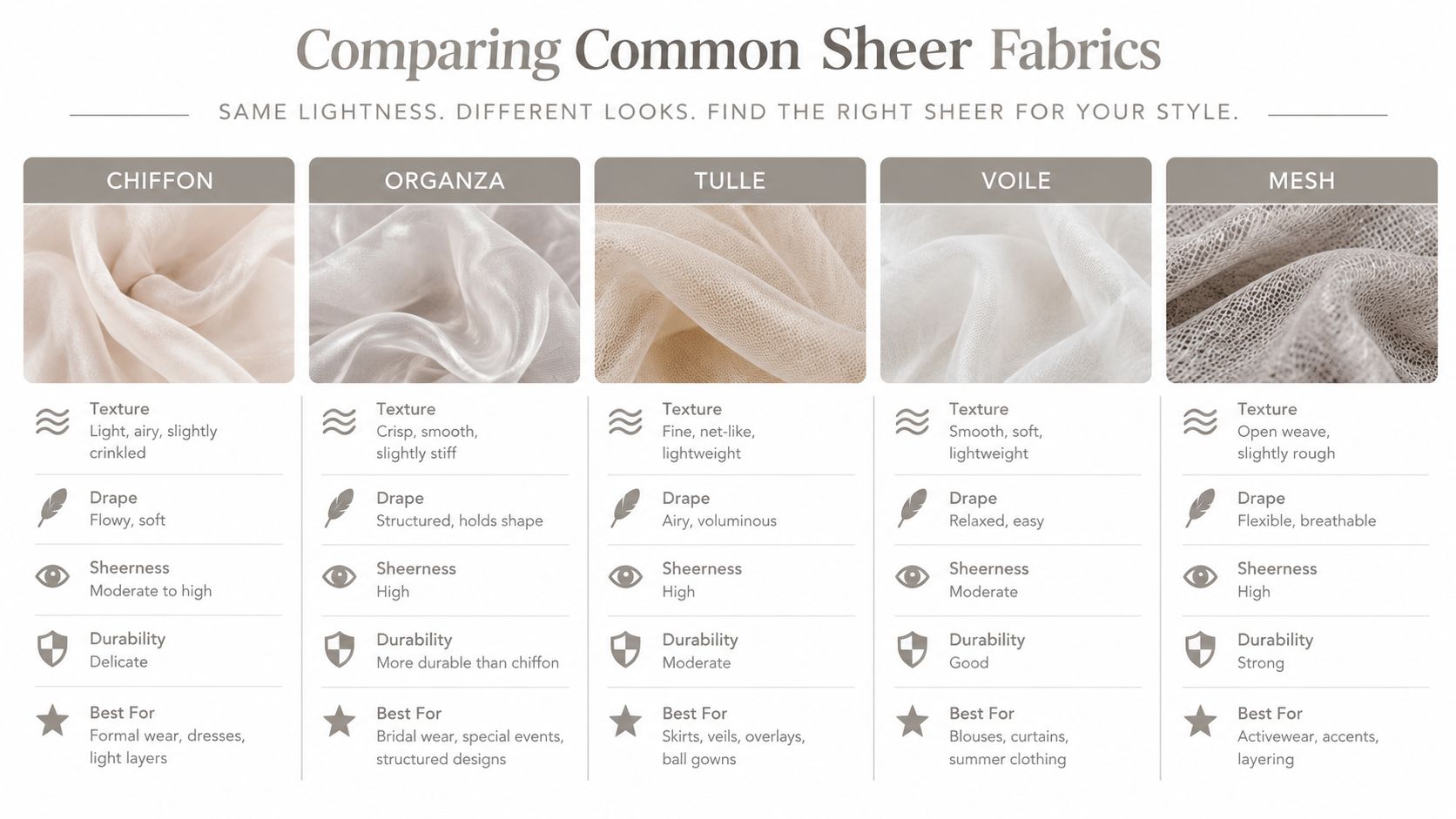
| Fabric | Hand feel | Wrinkle resistance | Daily-use suitability | Best design role |
|---|---|---|---|---|
| Voile | Soft and airy | Moderate | Strong for ordinary residential use | Gentle diffusion |
| Organza | Crisp and lightly structured | Good | Suitable when carefully constructed | Formal, tailored softness |
| Chiffon | Fluid and delicate | Lower | Better for controlled or decorative use | Draped elegance |
| Polyester sheer | Smooth and consistent | High | Practical for frequent operation | Flexible everyday performance |
| Linen blend | Textured and natural | Lower to moderate | Good with thoughtful finishing | Relaxed luxury |
You'll find a broader explanation of construction differences in this guide to sheer fabric types. The important distinction is that a delicate hand doesn't automatically mean poor quality, and a durable fiber doesn't automatically create an elevated treatment. A skilled workroom can reinforce headings, choose suitable fullness, and finish hems so the fabric behaves appropriately.
Quick decision rule: Choose voile for soft diffusion, organza for structure, chiffon for delicate visual movement, polyester for practical daily use, and a linen blend for natural texture.
For high-end furniture settings, also consider what the sheer sits beside. A crisp organza may complement a sculptural designer sofa, while a relaxed linen blend may better support a deep, generously upholstered sectional. The fabric should complete the room's language, not compete with it.
Light Filtration and Privacy Performance
White sheer material creates one of the most common window-treatment misunderstandings: a room can look private in daylight while remaining visibly exposed at night. The fabric diffuses light, but it doesn't erase the difference between the bright side of the glass and the dark side.
Industry guidance places common sheer curtain transmission at about 80% to 95% of visible light, with results shaped by fabric density, thread count, and yarn size, as explained in this comparison of lightweight, sheer, and semi-sheer curtains. A technical example describes a standard sheer at roughly 45 threads per square centimeter, using 20-denier silk or polyester yarns and weighing 35 to 50 GSM. These figures illustrate construction, not a guarantee for every fabric.
A looser weave creates more open paths for light. Finer yarns reduce the amount of material across the surface, while heavier yarns and denser thread arrangements block more light and make the fabric less transparent. This is why two white polyester sheers can look completely different at the window.
Daytime brightness versus nighttime visibility
During the day, exterior light is usually stronger than interior light. A sheer can therefore soften glare, preserve brightness, and make it difficult for someone outside to see detailed activity indoors. That effect changes after sunset. Once lamps and ceiling fixtures illuminate the room, the balance reverses, and silhouettes may become visible through the panel.
| Construction approach | Daytime effect | Nighttime expectation |
|---|---|---|
| Very open tulle or net | Maximum airiness and light passage | Minimal privacy |
| Lightweight open plain weave | Bright, diffused light | Silhouettes may remain visible |
| Moderately dense sheer | Softer glare and more visual screening | Partial privacy only |
| Sheer paired with lined drapery | Flexible light control | Stronger privacy when outer panels close |
White coloration maintains brightness, but it doesn't solve the privacy problem by itself. More fabric per surface area can reduce transmission, yet the treatment may still allow recognizable movement or silhouettes when the interior is lit.
Sheers also provide limited insulation. Recent window-treatment guidance describes them as very poor insulators, so they shouldn't be chosen as the sole solution for heat retention, cold drafts, or energy-focused performance. A lined outer drape, shade, or other secondary treatment is more appropriate when the window has demanding thermal or privacy requirements.
Room rule: Use an unlined sheer where daylight and openness matter most. Add a separate privacy or room-darkening layer where nighttime exposure, sleep, or street-facing windows matter.
Best Room Uses and Layering Strategies
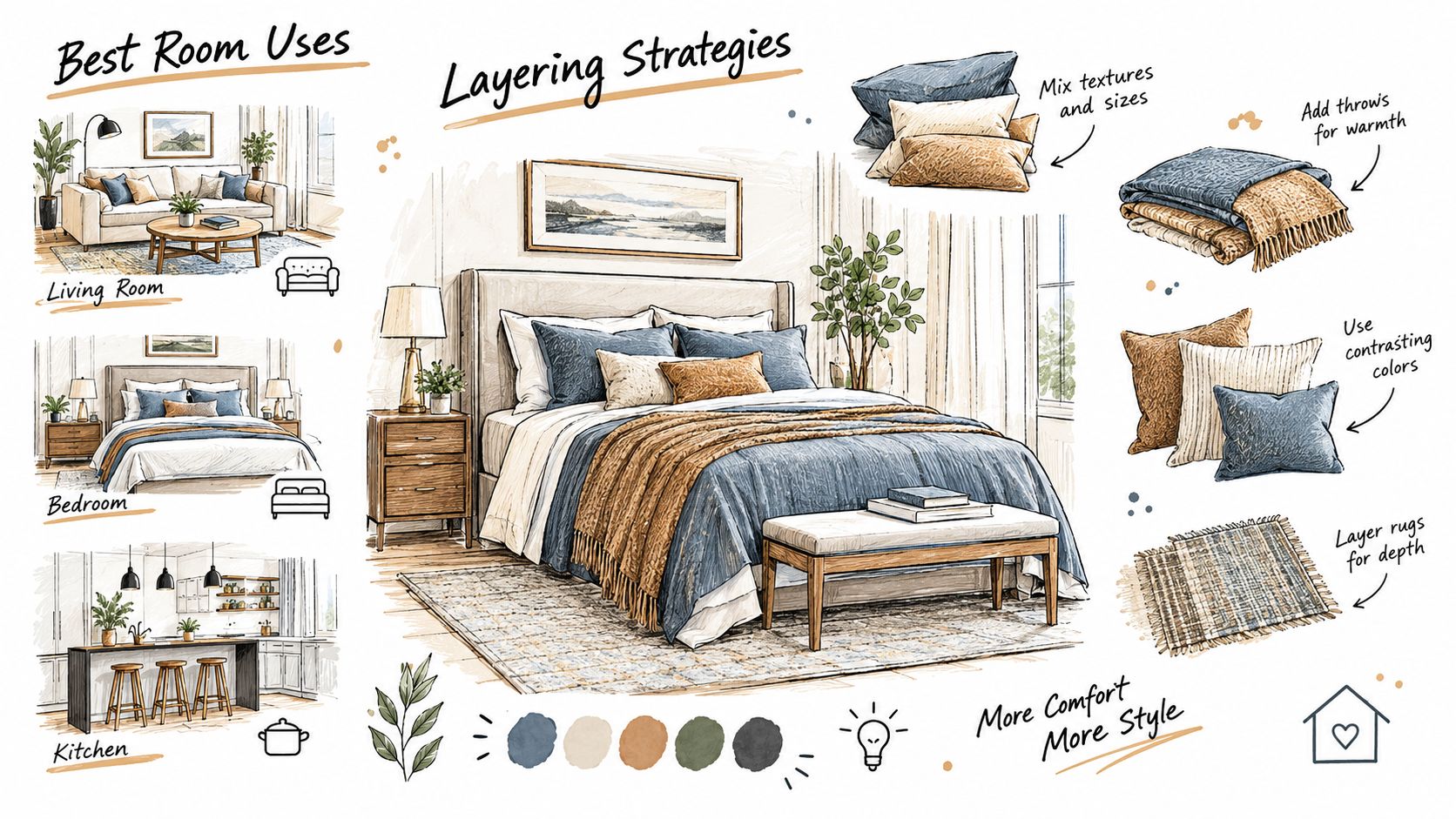
A white sheer can feel entirely different from one room to the next. In a sunlit living room overlooking a garden, it may be the only treatment needed during the day. In a bedroom facing a neighboring property, the same panel may serve only as the inner layer of a more complete system.
Start with the living room. Unlined voile or a linen blend can soften large windows without hiding architectural views. The fabric works particularly well behind a neutral luxury sofa or premium sectional, where it introduces movement and lightness without adding another dominant pattern. If the room faces west, pair the sheer with a heavier side panel that can close during the strongest afternoon sun.
A dining room often benefits from more structure. Organza or a neatly cut polyester sheer can frame the windows neatly beside a statement furniture piece, such as a sculptural dining table or custom upholstered chairs. The treatment should remain easy to operate, especially if the room connects directly to a terrace or entertaining space.
Room-by-room choices
- Sunrooms: Choose a fabric that diffuses direct light while preserving the outdoor connection. A more open sheer creates an airy atmosphere, but furniture and artwork may need protection from prolonged sun exposure.
- Bedrooms: Use white sheer material as the daytime layer, then add lined drapery or a room-darkening treatment for sleep and nighttime privacy.
- Kitchen windows: Select a washable, practical construction where cooking residue and frequent handling are concerns. A shorter treatment may be appropriate when the sill is occupied, but the finish should still feel intentional.
- Living rooms: Let the architecture lead. Soft sheers work well when the furniture, rug, and art already provide visual weight.
- Dormer windows: Angled and unusually shaped openings need careful measurement and hardware planning. This dormer window curtains guide offers useful context before ordering a custom treatment.
Layering is most effective when the two fabrics operate independently. Place the sheer closest to the glass and the heavier drapery on the outer track or rod. You can then filter daylight with the sheer alone, close the outer panel for privacy, or open both layers for a clear view.
That flexibility matters in affluent homes where one room may serve several roles. A family room needs casual daytime openness, while a guest suite needs discretion after dark. Layering lets the homeowner adjust the room rather than accept one fixed level of light.
Choosing Drapery Weight, Lining, and Hem Details
A beautiful fabric can hang poorly if the construction doesn't match the window. White sheer material is light by nature, so the workroom must give it enough control to fall in clean vertical lines without making it look stiff or overbuilt.
Begin with the window's scale. A narrow window may need a simple panel with a clean heading, while a wide opening or sliding door benefits from a track or rod system that allows the fabric to travel smoothly. Large expanses also reveal uneven hems, inconsistent fullness, and weak headings more readily than small windows.
Match construction to the room
A sheer may be left unlined when the goal is maximum luminosity. If you want more body, a structured fall, or protection for a delicate surface, consider interlining, a protective lining, or a separate outer drapery layer. Thermal and blackout linings belong primarily behind the heavier outer panel, where they can control light and privacy without eliminating the airy quality of the inner sheer.
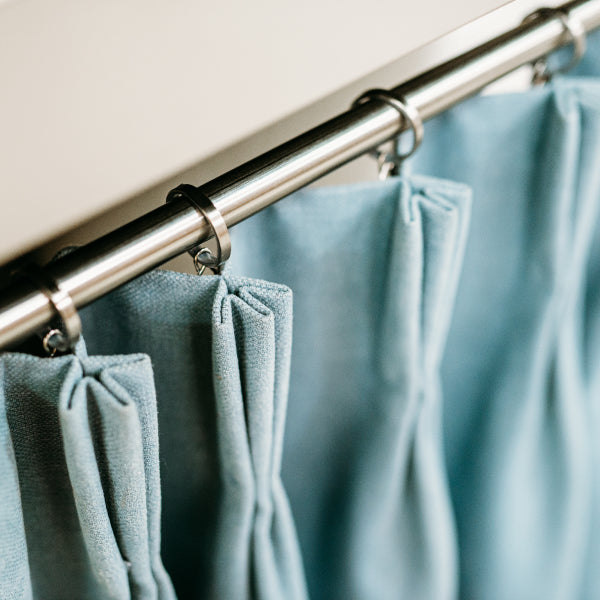
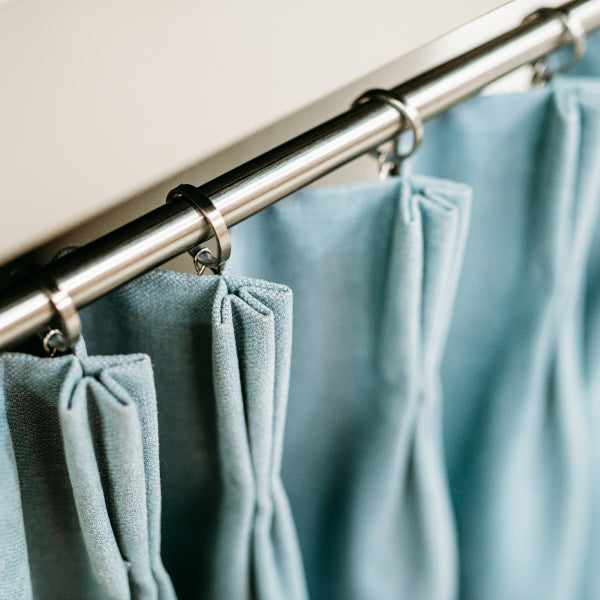
The hem deserves equal attention. A weighted hem helps the panel settle and resist minor movement, while a blind hem creates a quieter finish. Pinch pleats produce a more traditional, structured appearance, whereas ripple-style headings create a continuous, contemporary rhythm. The hardware must support the heading and the weight of the completed treatment.
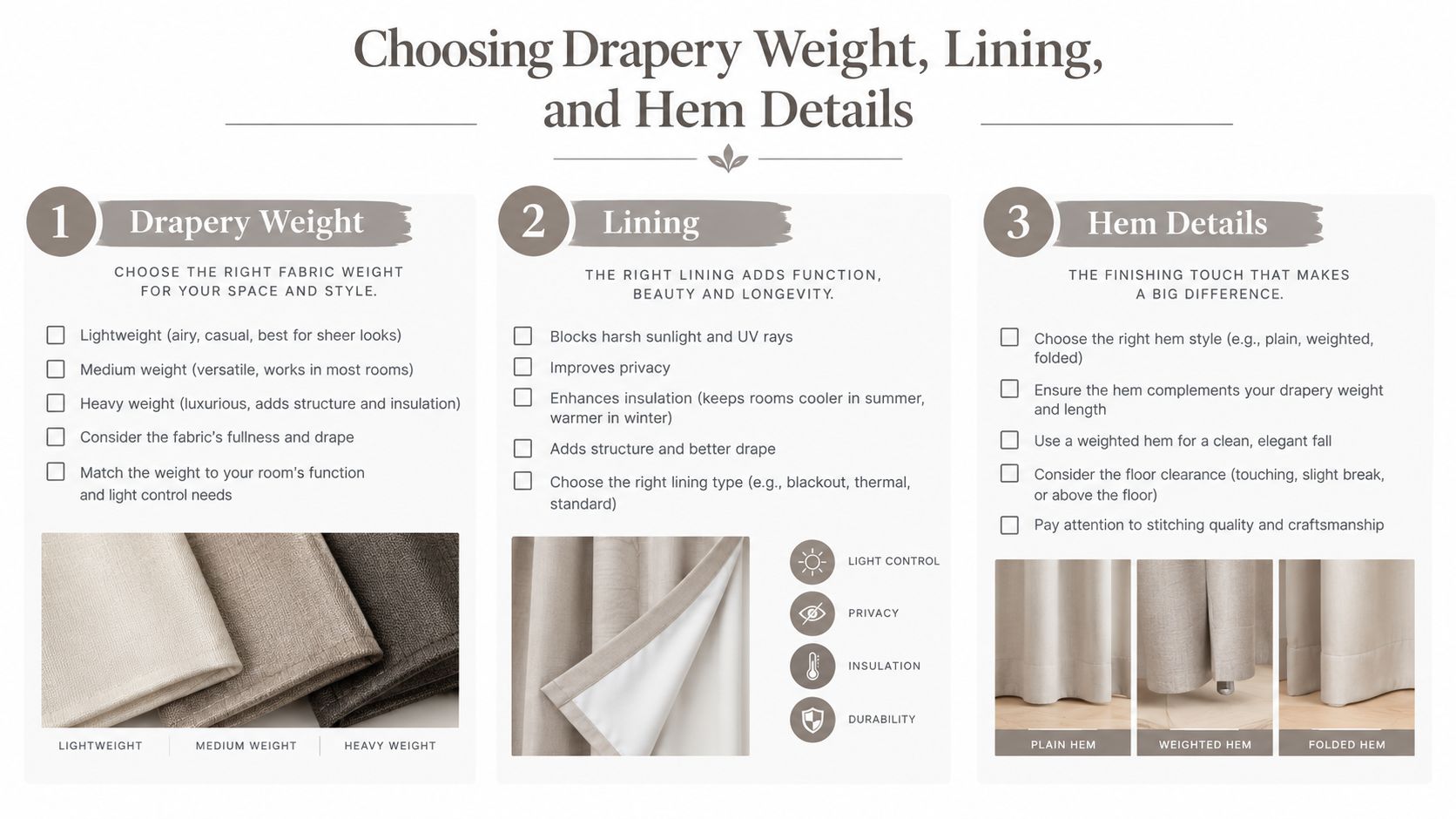
Before approving a custom order, ask:
- Fabric weight: Will the cloth remain fluid, or does the room need more structure?
- Lining plan: Is the sheer decorative, protective, privacy-enhancing, or part of a layered system?
- Hem finish: Should the bottom edge look crisp, softly weighted, or nearly invisible?
- Heading style: Does the top treatment suit the architecture and the selected hardware?
- Operation: Will the panels move by hand, with a wand, or through a motorized system?
The role of drapery lining in custom drapes is especially important when a homeowner wants both visual softness and practical control. The most elegant result usually comes from separating those jobs. Let the sheer diffuse light, and let the lining or outer panel provide privacy, darkness, or additional protection.
Construction verdict: Specify the fabric and the finished treatment together. A premium sheer isn't fully selected until its lining, hem, heading, and hardware are resolved.
Care, Maintenance, and Sourcing Premium Sheers
White fabric shows dust, oils, and handling marks more readily than darker colors, so maintenance should be part of the purchase decision. Begin by checking the mill's care instructions. Some sheers can be gently washed, while delicate silk, embellished surfaces, and special finishes may require professional care.
Dust panels with a soft brush attachment while they hang, and address small marks by blotting rather than scrubbing. Harsh detergent can weaken delicate fibers or alter the hand, while over-drying can encourage shrinkage, distortion, or damage to synthetic finishes. A steamer is often gentler than pressing directly with a hot iron, but the fabric's care instructions should always control.
Sun exposure also deserves attention. Strong ultraviolet exposure can gradually affect color and fiber strength, particularly in delicate natural fabrics. A protective lining, an outer layer, or thoughtful use of shades can reduce the burden on the sheer. Rotating panels isn't always practical, so the better solution is to specify protection during the design stage.
Source by sample, not by screen
Request fabric samples and place them in the actual room. View them in morning light, afternoon light, and evening illumination. Hold the sample against the window and in front of the upholstery, because a white that looks cool in a showroom may appear warmer beside cream linen, walnut, or painted millwork.
A reputable textile source should be able to explain the fiber content, construction, care requirements, available widths, and workroom options. Interior designers may also help coordinate the sheer with upholstery, trim, rugs, and custom furniture so the room reads as one composition rather than a collection of purchases.
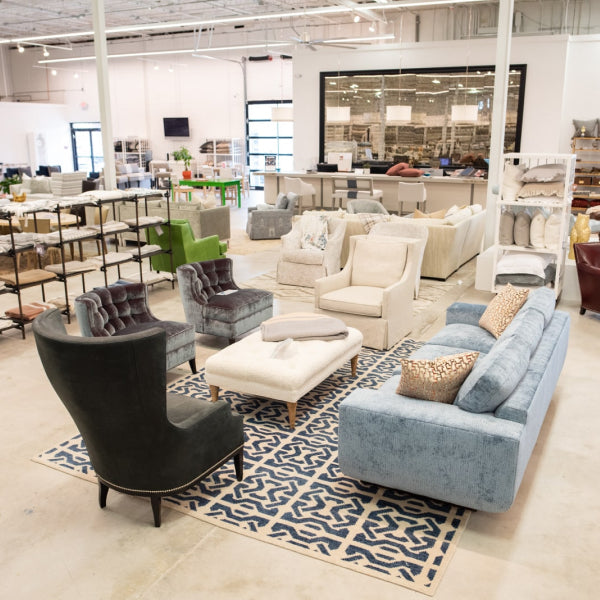
Lewis and Sheron Textiles offers premium fabrics, custom drapery, coordinated upholstery services, in-stock textiles, cut-yardage options, and design support through its Atlanta Design Center. Its broader selection includes textiles from mills such as Kravet, Fabricut, P. Kaufmann, Libeco Home, and Crypton, alongside made-to-order upholstery and reupholstery services. For ongoing care, consult this guide to cleaning custom drapes.
The sourcing verdict is simple. Choose a fabric that suits the room, but also choose a supplier and workroom that can explain how that fabric will be made, installed, and maintained.
How White Sheer Material Fits a Luxury Home Plan
The best white sheer material acts as a quiet architectural layer. It modulates light behind a premium sofa, softens the setting around custom upholstered chairs, and gives statement furniture pieces enough contrast to remain visually important.
That supporting role is valuable in a designer interior. High-end furniture should not compete with a window treatment that is too glossy, too patterned, or too heavy. A restrained sheer can connect a rug's texture to the upholstery palette and repeat the softness of trim, pillows, or Belgian linen without copying every finish.
Construction remains part of the luxury decision. A solid hardwood frame can last 15 to 25 years or more, while furniture built on particleboard or softwood typically lasts 5 to 10 years, according to this guide to luxury furniture construction. For woven upholstery in demanding settings, ACT guidance identifies 30,000 Wyzenbeek double rubs or 40,000 Martindale cycles as relevant performance levels, as outlined by this upholstery performance resource.
Look for kiln-dried hardwood frames, corner blocks, sound joinery, and cushioning appropriate to the piece. Traditional joinery such as dovetails or mortise-and-tenon construction, along with high-resilience foam or down-blend fillings, can distinguish designer-quality furniture from ordinary mass-produced pieces, as described by custom furniture specialists.

Use this framework: choose the sheer for light, choose the layer for privacy, and choose the furniture for lasting structure and comfort. That approach supports a cohesive luxury home in Atlanta, Buckhead, Alpharetta, Roswell, or Sandy Springs without making the window treatment the only feature.
Frequently Asked Questions About Sheer Window Treatments
Can white sheer material provide nighttime privacy?
Usually, not by itself. During daylight, a sheer may soften the interior view because the brighter exterior dominates the visual balance. At night, interior lighting can make silhouettes visible from outside. Use a separate privacy drape, room-darkening panel, shade, or liner when the window faces a street, neighboring home, or private outdoor area.
Which sheer construction holds up best for daily use?
A practical polyester sheer is often the easiest choice for frequent opening, closing, and routine maintenance. Voile can also work well in active residential rooms when it receives suitable finishing and installation. Chiffon and other delicate constructions create graceful movement but may require more careful handling, protection from strong sun, and professional cleaning.
Durability also depends on the finished treatment. A reinforced heading, stable hardware, suitable hem, and careful installation can matter as much as the fiber itself. Ask how the fabric will be operated, not only how it looks on a sample card.
Should I choose lined or unlined sheers?
Choose unlined when your priority is daylight, openness, and a light decorative layer. Choose a layered or lined system when the room needs stronger privacy, darkness, glare control, or protection for furniture and flooring. In many luxury interiors, the most versatile arrangement uses an unlined sheer near the glass and a separate lined drape outside it.
That arrangement gives you independent control. You can leave the sheer closed during the day, draw the outer panels when privacy matters, and open both layers when you want the full view. Your designer or workroom can then match the heading, hem, and hardware to the window's size and the room's furnishing plan.
Lewis and Sheron Textiles offers premium home fabrics, custom drapery, coordinated upholstery, reupholstery, rugs, trims, and design support for homeowners and professionals. Visit Lewis and Sheron Textiles to review fabric options and plan a white sheer material treatment that suits your light, privacy, and luxury furniture goals.