



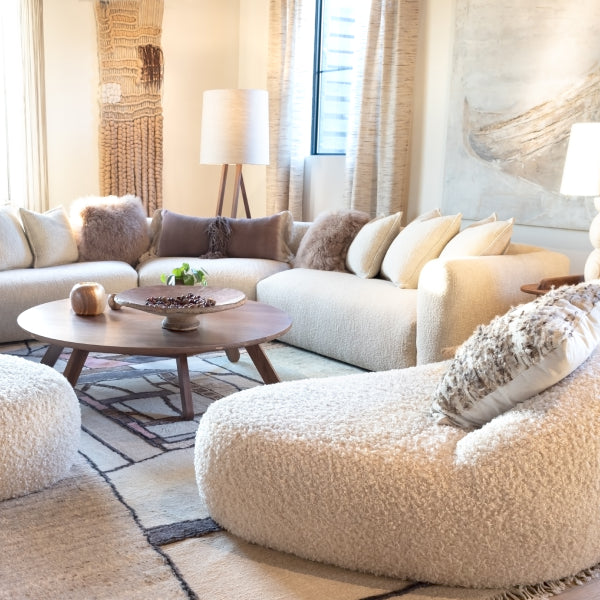
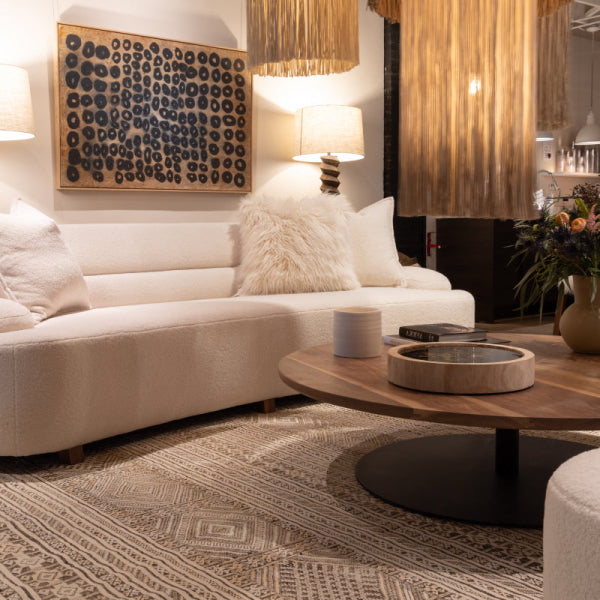
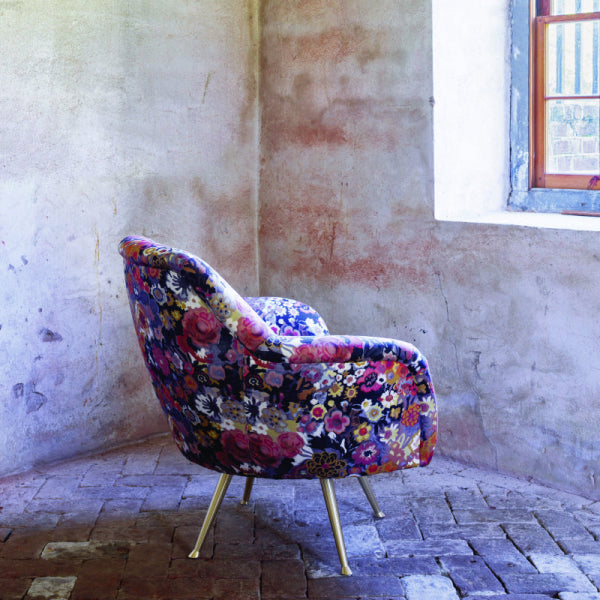
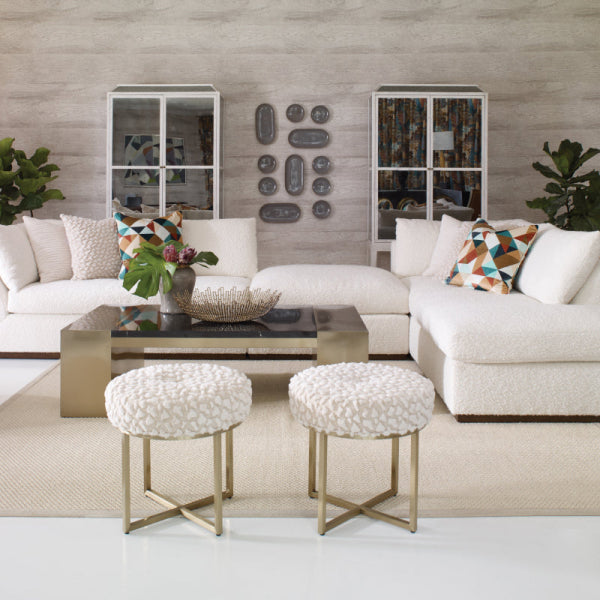
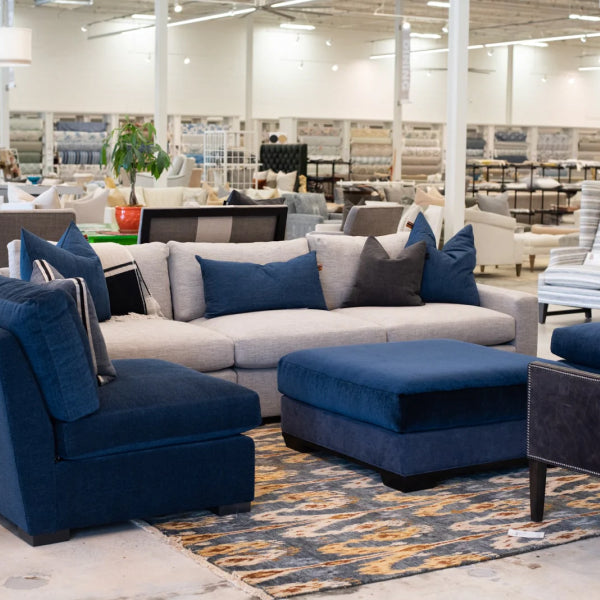












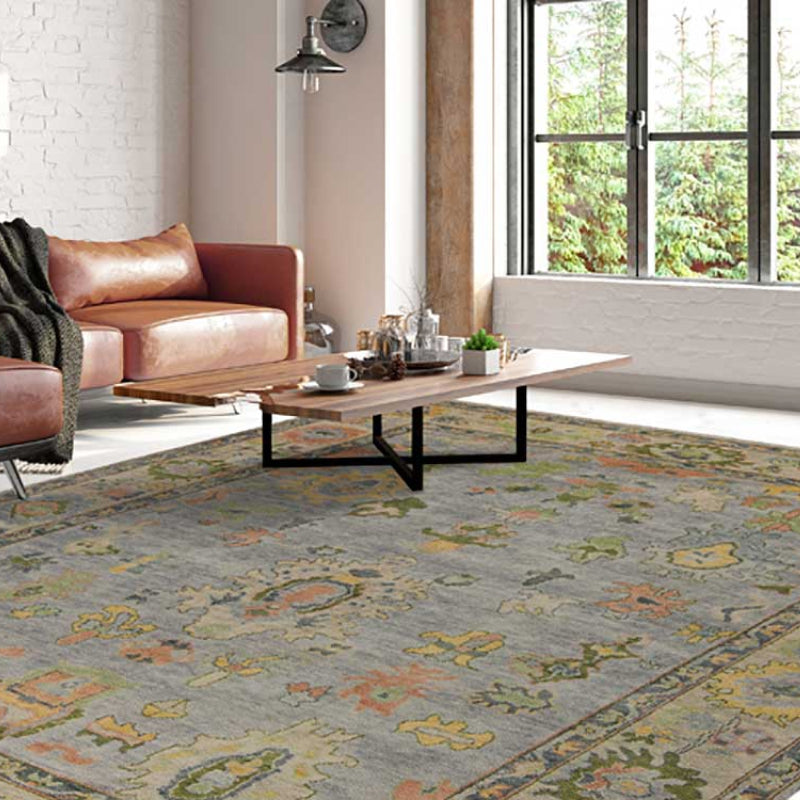
You've got the sofa right, the rug is finally the correct size, and the drapery in your Buckhead living room falls exactly as it should. Then you set a drink down and realize there's nowhere credible to put it. That's the moment most rooms stall, not on the large purchase, but on the small table beside the seat that has to work, look collected, and not wobble when a lamp goes on it.
Why an Antique Style Side Table Matters in a Designed Room
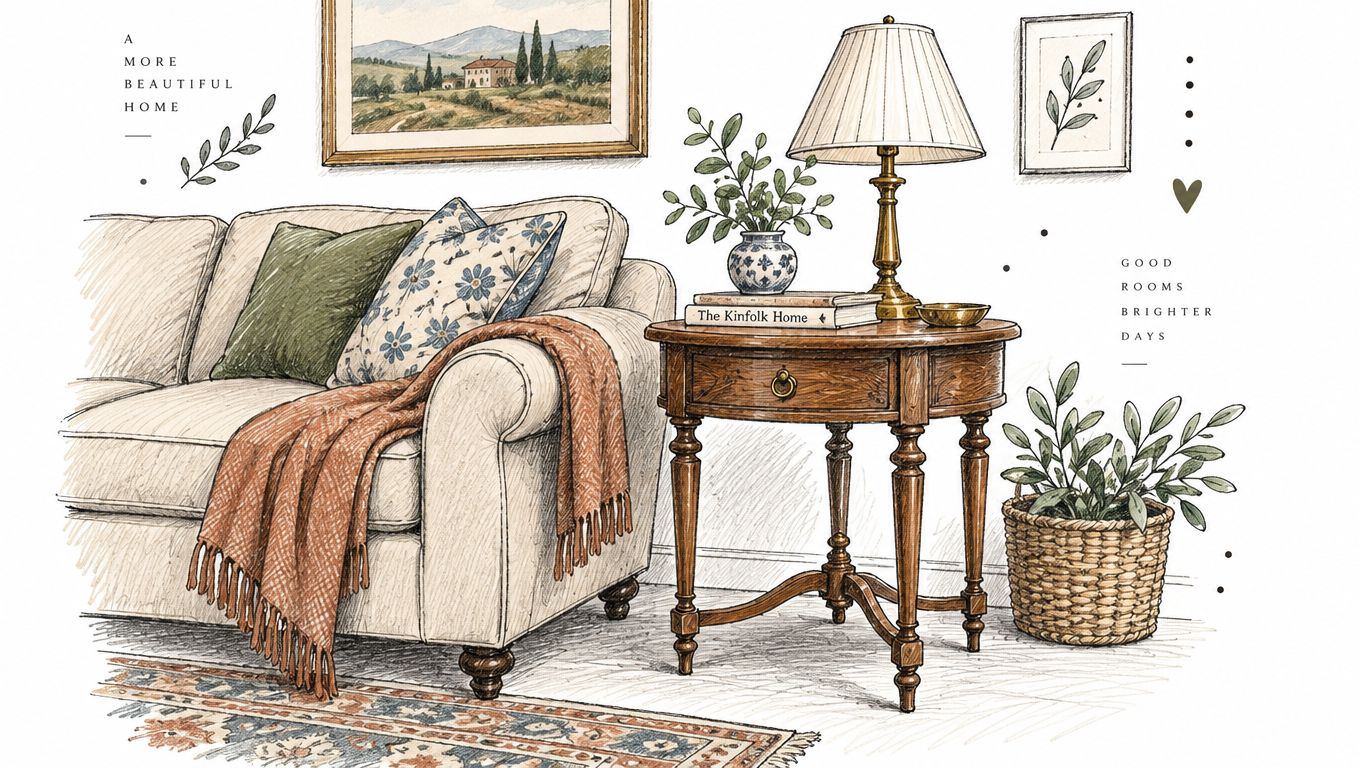
I've watched this play out in Alpharetta and Roswell homes where homeowners invested in luxury sofas, premium sectionals, and custom upholstered furniture, then filled the gap beside the arm with whatever was left in a guest room. The seating looked expensive. The room still looked unfinished. An antique style side table fixed it because it did three jobs at once. It gave the eye a darker, architectural note against soft upholstery, it held light at a useful height, and it made a new room feel inherited rather than delivered last Tuesday.
That effect isn't accidental. Period examples are documented early. The Metropolitan Museum of Art record for an Irish side table dated about 1730 to 1750 sits within a wider group of British examples dated about 1735, about 1740, and about 1788, which puts the recognizable form at at least 295 years old. Those tables were made for entrance halls and walls, not just beside chairs, which is why good antique style pieces still carry carved ornament, stone tops, and architectural silhouettes.
What the Right Table Actually Anchors
Beside high-quality couches and custom chairs, the table sets the working edge of the seat. It determines where a lamp lands, whether a book stays within reach, and whether the arm of a chair looks grounded or stranded. In an entry, it gives a mirror or artwork a base. Beside a bed, it has to be quieter, but it still needs enough surface to be useful.
Don't shop period labels first. Shop function, scale, construction, and finish, in that order. A Georgian reference means nothing if the top is too low for your sofa arm or the pedestal rocks on your floor. By the end of this guide you'll be able to judge proportion, read materials, separate originals from reproductions and look-alikes, inspect joinery, and decide whether a piece you already own deserves repair or replacement.
A side table is small enough to buy impulsively and important enough to regret for years. Measure first, fall in love second.
Getting the Scale Right Before You Fall in Love
Scale fails more Atlanta rooms than style does. I regularly see a delicate table placed next to a deep designer furniture sectional where it can hold either a lamp or a glass, not both. The owner then adds a tray, a stack of books, and a coaster, and the table disappears under clutter. Buy the footprint you need for how the seat is used.
Three Measurements to Take at Home
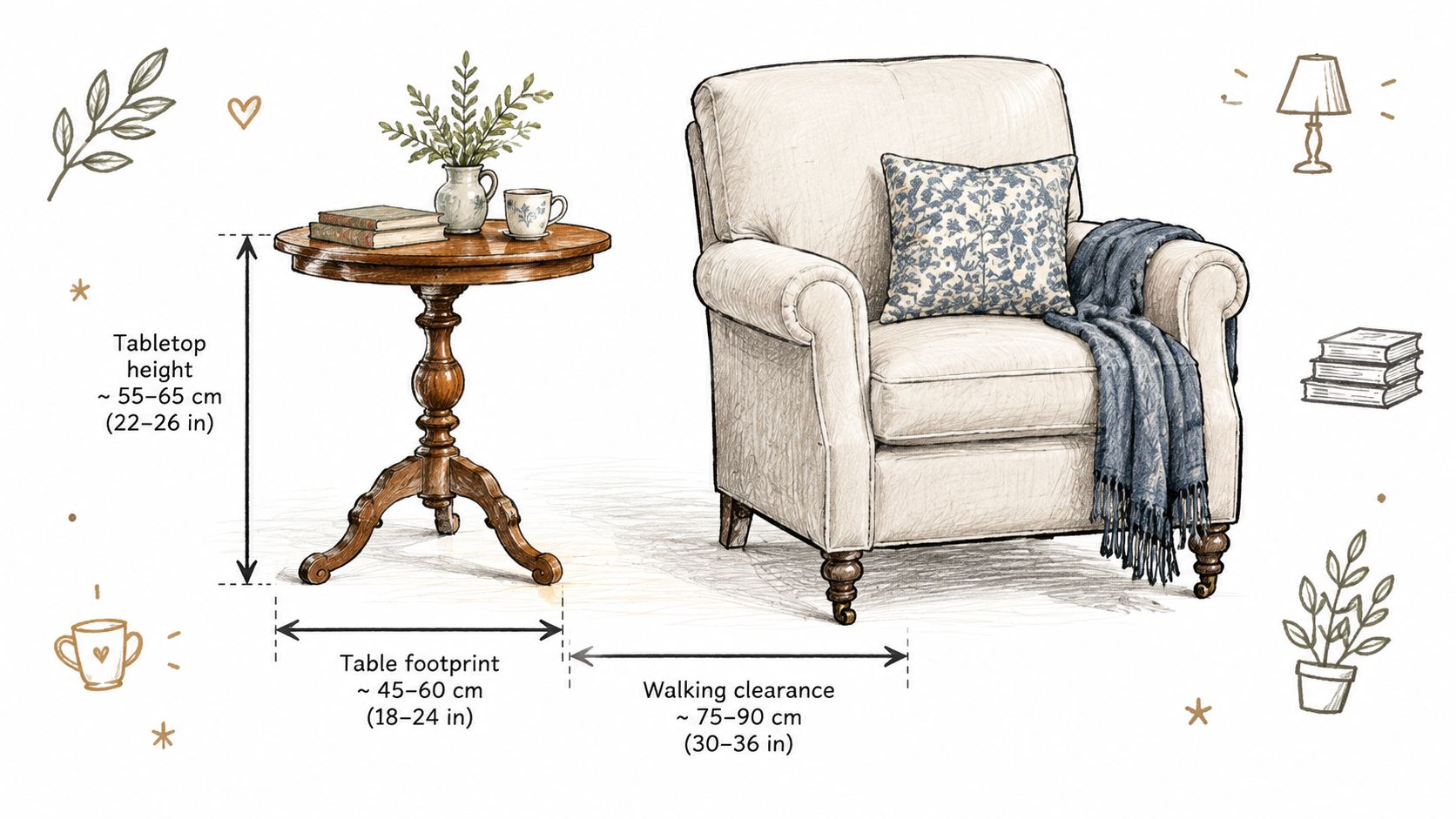
- Seat arm height: Measure from the floor to the top of the sofa or chair arm. Your tabletop should land close to that height so you aren't reaching up for a drink or dropping your hand into a void.
- Usable top surface: Place your lamp base, a book, and a glass on a kitchen counter in the arrangement you'd live with. Measure that cluster. If the tabletop can't hold it with breathing room, it's too small, whatever the product photo suggests.
- Footprint and walkway: Tape the footprint on the floor. Sit down, stand up, and walk past it toward the dining area or door. In North Atlanta open plans, circulation gets squeezed first, and a protruding corner will annoy you daily.
Then look at sightlines. A table shouldn't cut awkwardly across window trim, wainscoting, or the lower edge of artwork. If it's going against a wall in an entry, let the top sit below the visual center of what's above it so the composition reads as layered, not competing.
Stability Is Part of Scale
Treat the table as geometry, not decor. A tall, narrow pedestal with a drawer loaded at the top has a different risk profile than a low, wide four leg table. The EN 15372 standard summary referencing table overturning tests for tables at or below 950 mm high is a useful reminder that height and load placement matter, and ISO 19682 specifies a 50 kg mass over about a 300 mm by 300 mm loading area for a relevant test configuration. You don't need a lab at home. You do need to press near the edge, check for rock, and test it on your actual floor, not a showroom slab.
This matters in real houses. The U.S. Consumer Product Safety Commission tip-over release reporting an estimated 17,800 annual emergency department treated injuries during 2020 to 2022 notes furniture accounted for 82% of those injuries. A side table isn't harmless because it's small. If children climb, a large dog bumps it, or an older adult leans on it to stand, base width and center of gravity decide the outcome. Choose wider feet, keep heavy objects low and centered, level the legs, and anchor a tall narrow piece where the placement allows it without damaging historic trim.
Practical rule: If you have to apologize for the wobble when you set down a glass, the scale or the structure is wrong. Walk away.
Materials and Finishes That Read as Antique
What reads as antique is mostly surface behavior in changing light. Walnut, mahogany, cherry, and oak dominate for a reason. They take dark stain well, show figure under a hand rubbed finish, and sit comfortably against the linen, wool, and velvet used on luxury home furnishings in Sandy Springs and Buckhead interiors. Marble adds cool contrast and weight. Tooled leather softens a top and forgives a lamp base. Aged brass warms all of it.
Don't dismiss veneer on sight. On period furniture, veneer let a maker book match dramatic grain across a drawer front or top in a way solid boards couldn't. Veneer becomes a problem when it's printed, paper thin over a failing substrate, or lifting at every edge. Solid wood becomes a problem when sellers use the phrase as a substitute for good joinery. Ask which parts are solid, which are veneered, and what the secondary wood is inside drawers and underneath.
Finish Language Worth Using in a Showroom
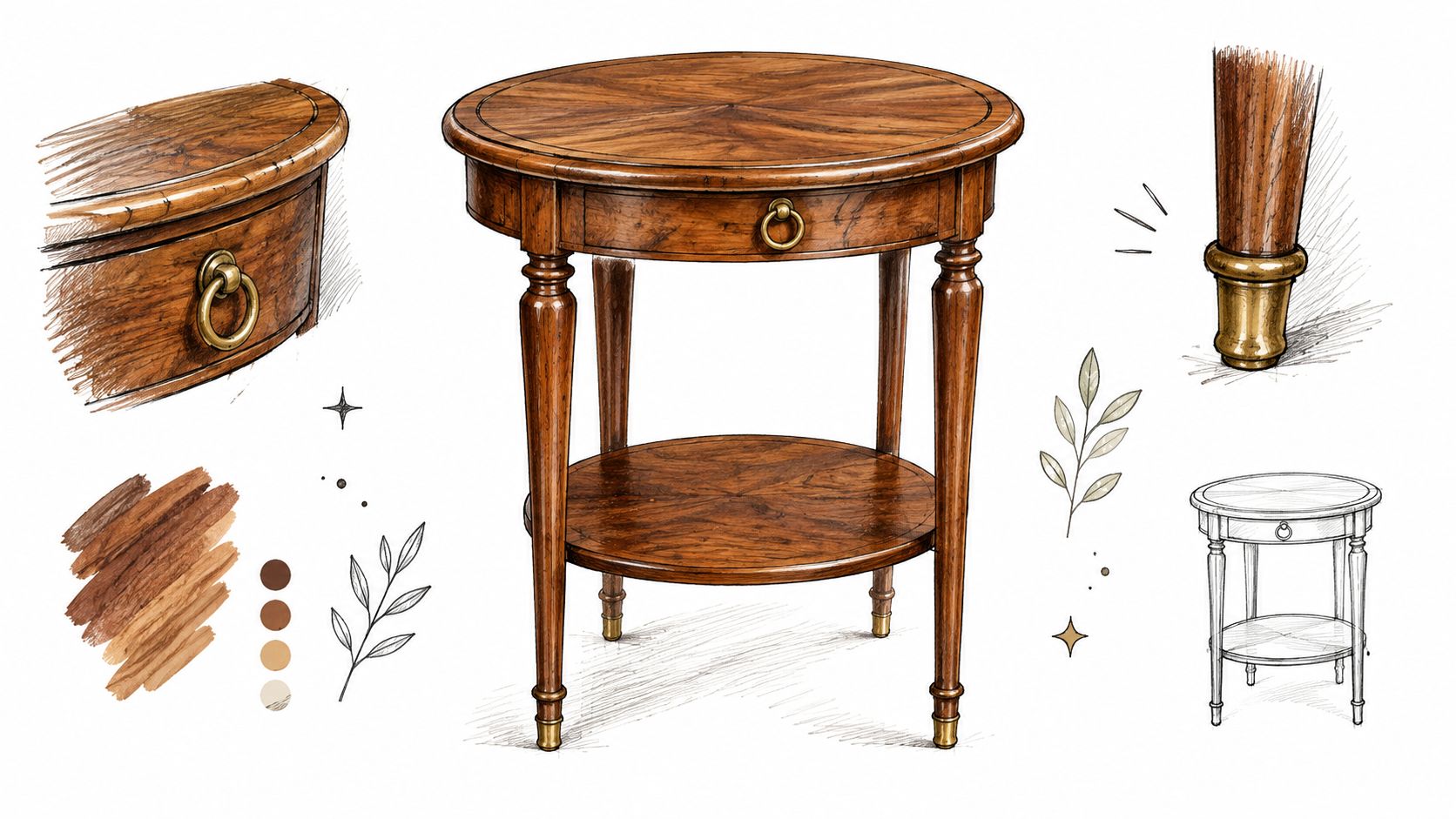
Say what you mean. Patina is the accumulated surface of age, handling, wax, and light, not a brown paint color. French polish gives depth and a soft glow, and it can be repaired locally, but it marks more readily with heat and alcohol. Hand rubbed lacquer can look close and tolerate daily wiping better. Modern catalyzed finishes are hard, sometimes useful in a family room, but they often read glossy and feel like plastic under your hand. If a seller only says high end, ask for the actual finish system and how a water ring would be repaired.
Leg shape changes the material reading too. A turned leg in dark mahogany feels traditional, a tapered square leg feels leaner, and a cabriole leg pushes a room formal fast. This breakdown of furniture leg styles and how they affect a silhouette helps you name what you're seeing before you commit.
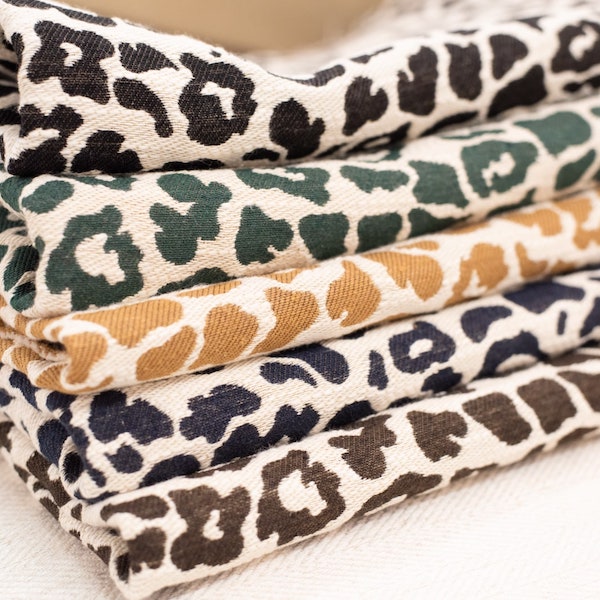
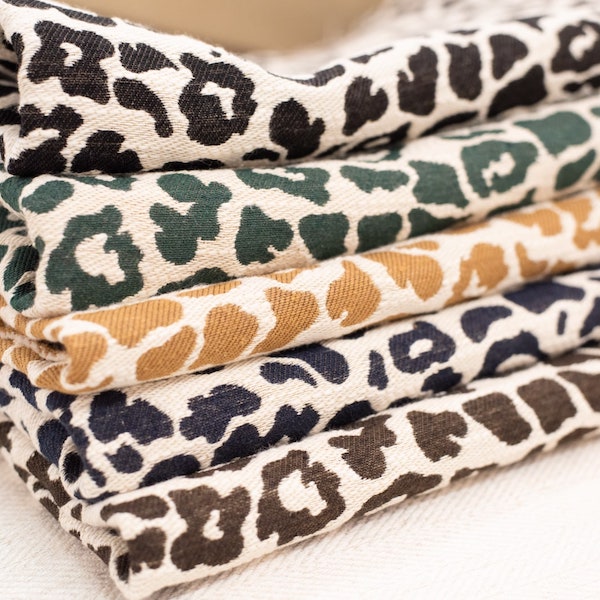
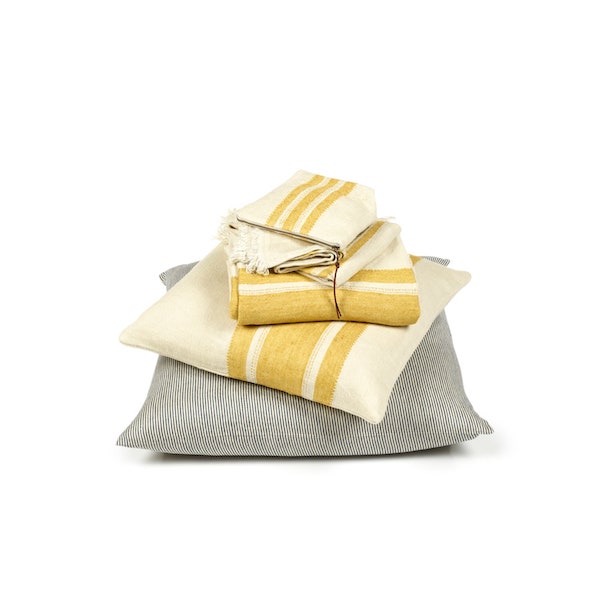
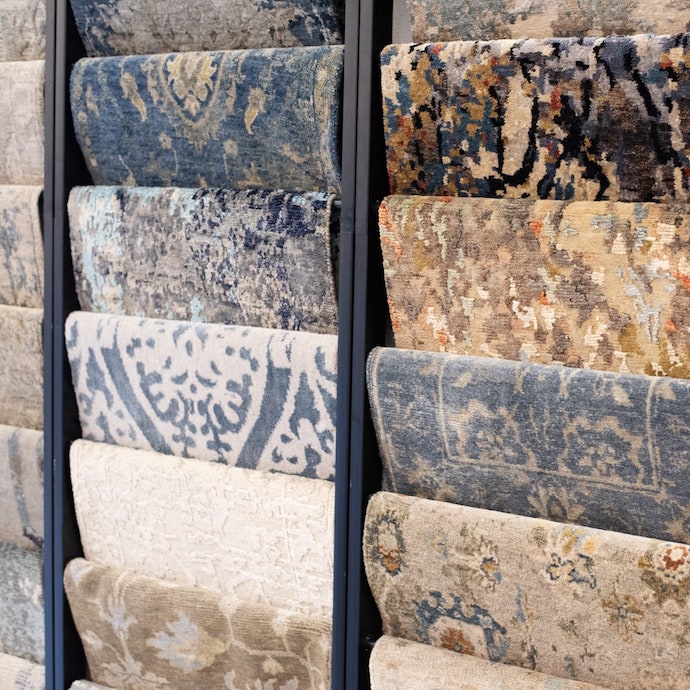
Coordinate the wood against textiles, not against other wood alone. A dark table beside pale linen needs a rug or pillow that mediates the contrast. If you're building that palette, this interior design textiles guide is useful background on how fabric weight and weave change the way hard surfaces read in a room.
Atlanta humidity is the final material test. Wood absorbs and releases moisture and moves across the grain, and finish slows that movement without stopping it. Don't wedge an antique style side table tight against a wall or over a heat vent, and don't seal a seasonal gap rigidly. Leave clearance, keep indoor humidity steady, and expect a drawer that glides in January to feel snug in August. That's wood behaving normally, not a defect you should sand away.
Originals, Quality Reproductions, and Look-Alikes Compared
Here's my direct recommendation for most Atlanta homeowners. Buy a quality reproduction for a table that will hold drinks every night, buy an original when provenance and collecting matter to you, and buy a look-alike only for a low use corner where you accept it'll be temporary. Problems start when buyers pay reproduction prices for look-alike construction, or expect an original to behave like a new kitchen counter.
Originals offer hand work you can feel. Pins vary, carving has slight asymmetry, and wear lands where hands touched the piece. You also take on fragile veneer, old glue, insurance questions, and a duty not to erase evidence with aggressive refinishing. Reproductions from serious American and European workshops use solid hardwoods, traditional joinery, and period appropriate finishes, and they let you specify a height that suits modern statement furniture pieces and deeper seating. Look-alikes copy a silhouette in engineered wood with printed veneer and uniform machine cut joints. From across a room they can pass. Under a lamp, at hand height, they usually don't.
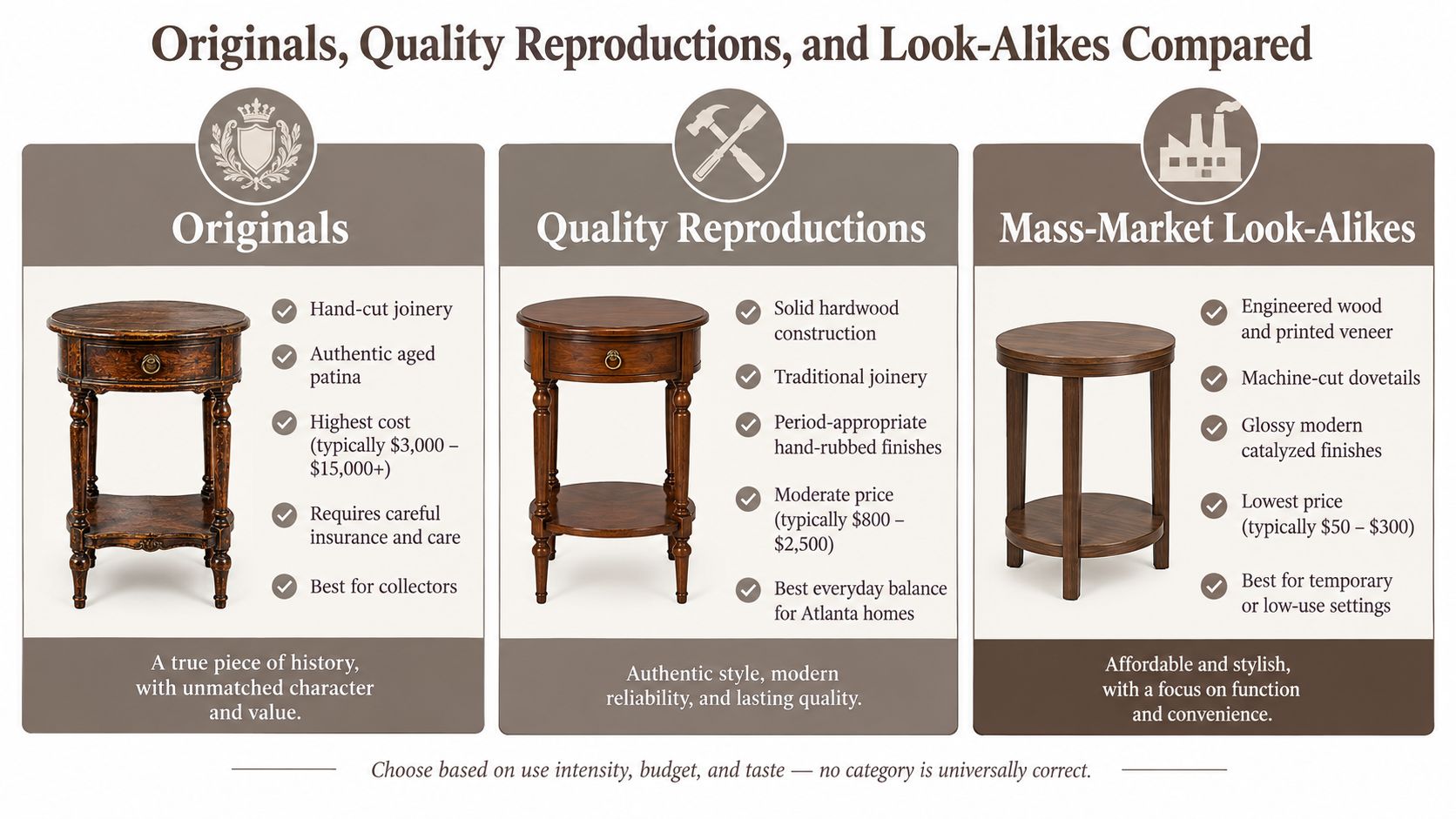
Originals, Quality Reproductions, and Look-Alikes at a Glance
| Category | Construction | Finish | Typical Price Range | Best Fit |
|---|---|---|---|---|
| Originals | Hand cut joinery, period secondary woods | Aged patina, French polish, wax | Highest | Collectors, low to moderate careful use |
| Quality Reproductions | Solid hardwood, traditional joinery | Hand rubbed, period appropriate | Moderate to high | Everyday Atlanta living rooms |
| Mass-Market Look-Alikes | Engineered wood, printed veneer, machine cut dovetails | Glossy catalyzed coating | Lowest | Temporary or low use settings |
Use intensity should drive the choice. A table beside a reading chair in a primary suite can be an original with a delicate top. A table between two seats in a family room in Alpharetta, holding remotes, condensation, and homework, should be a reproduction with a repairable finish and joinery you can tighten in ten years. That's the same logic you'd apply to custom vs mass-produced furniture for seating. Longevity isn't a slogan. For context on seating nearby, the Furniture Industry Research Association guide noting a typical five year product life expectation in furniture performance standards also separates frame durability from fabric suitability. Apply that separation here. Judge the table structure and the table surface as two different decisions.
Budget for the category you pick. An original may need conservation before it needs styling. A reproduction costs more upfront because labor and hardwood cost more. A look-alike is cheap until you replace it twice and it has made a well made sofa look ordinary in the meantime. For heirloom-quality furniture, repairability beats novelty every time.
What to Look For When You Inspect a Table
Turn it over, or crouch down and look underneath. Sellers expect you to admire the top. The underside tells the truth about age, repairs, and whether the piece was made carefully where nobody was supposed to look. Run this routine in a showroom, at an estate sale, or in a North Atlanta antique shop, and take phone photos as you go.
A Five Part Inspection Routine
- Photograph the hidden surfaces: Get the underside, rear rails, drawer bottoms, joints, fasteners, labels, and finish under raking light from a phone torch held at a low angle. Raking light exposes touch ups, filled rings, and finish buildup you'd miss from above.
- Identify the wood: Distinguish solid wood from veneer at an edge or drawer side. Look for grain that wraps logically and for secondary woods inside that make sense for the claimed origin.
- Read the joinery: Hand cut dovetails usually show uneven spacing, tapered pins, knife scribed layout marks, and slight chisel bruising. Identical spacing with standardized rounded corners points to machine production, as described in this guide to antique furniture joinery and hand cut versus machine cut dovetails.
- Check hardware against the story: Compare screws, nails, pulls, and oxidation with the claimed age. Original brass should sit flush and show wear where fingers landed. Bright replacement pulls on a supposedly untouched piece need an explanation.
- Document every repair: Note replaced rails, reglued legs, patched veneer, and later screws before you accept an antique designation or negotiate price.
Then test function. Open the drawer with one hand off center. It shouldn't rack and jam. Press each leg joint sideways. Movement at a mortise and tenon joint means old glue has failed or the tenon has shrunk, and that's a repair bill, not character. This overview of furniture durability and what actually fails first is worth reading before you assume a sturdy looking top means a sturdy table.
Patina alone proves nothing. Modern distressing can fake wear in an afternoon. Construction, hardware, wood, tool marks, and alteration history have to agree.
Record dimensions, veneer condition, joint looseness, and finish defects in writing before you pay. That record protects you in a dispute, helps an insurer, and lets a conservator choose reversible repairs instead of permanent modern adhesives. If a seller won't let you inspect underneath, that's your answer. Leave.
Decide Whether to Restore, Repair, or Replace
New is not automatically better, and old is not automatically worth saving. I see Atlanta clients keep a failing look-alike because it matches a finish, and discard a repairable vintage table because of two water rings. Both decisions waste money. Work through four questions and let the answers sort the piece into preserve, repair, refinish, or replace.
The Four Question Decision Matrix
- Is it structurally sound: Are legs, rails, and the substrate under veneer intact, or is the core crumbling? Sound structure with surface damage deserves repair. A failing substrate under lifting veneer usually doesn't justify a full refinish.
- Does provenance carry value: A documented period piece loses value when you strip its surface. An undocumented reproduction gains useful life from a sensible refinish. Know which one you own before anyone touches it.
- How hard will it work: A table holding a lamp in a guest room can keep a fragile French polish. A table beside high-end furniture in a daily family room needs a finish that tolerates condensation and frequent wiping.
- How much wear can you live with: If every ring and dent will bother you, don't buy an original and then punish it for being old. Choose a reproduction and enjoy it without anxiety.
Restoration done well starts with condition and period assessment, then cleaning, then structural repair, then finish decisions. The renovation literature on furniture restoration and volatile organic compounds from some synthetic finishes and adhesives raises a point most decorating advice skips. Some coatings and adhesives can emit volatile organic compounds that contribute to indoor air pollution, so ask a restorer what products they use, especially for a bedroom table. Lower emission options exist, but you have to specify them. This step by step resource on how to restore antique furniture without erasing its character lays out the sequence in practical terms.
Targeted repair is usually my first choice for a worthwhile piece. Reglue a loose joint with a reversible approach, patch veneer where it's lifting, and repair a water ring locally before you consider stripping a whole top. Refinish only when the existing finish has failed broadly or a previous coating is incompatible and keeps lifting. Replace when the substrate is gone, joints have been butchered with screws and brackets, or the piece was a look-alike never built to be repaired.
Think about the room system, not the isolated table. If you're reupholstering heirloom chairs or commissioning custom furniture Atlanta workrooms would call bespoke, a wobbling, peeling table between those seats becomes the weak link everyone notices. For the seating side of that decision, the ANSI/BIFMA seating test summary using a 253 pound 95th percentile male as the basis for test loads describes 100,000 cycles at the seat center followed by 20,000 cycles at each front corner. You don't need contract tests for a living room, but you should ask what evidence supports any durability claim, for a sofa or for a table.
Sourcing in Atlanta and Styling With What You Own
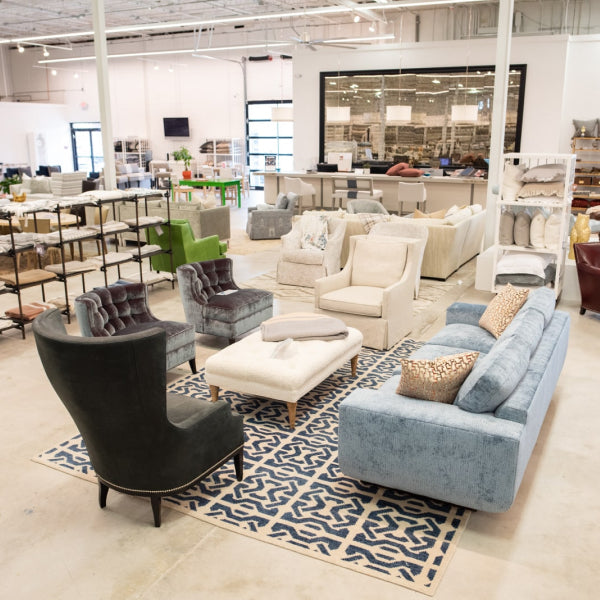
Source where you can inspect. For luxury furniture Atlanta shoppers ready to buy, that means the new Lewis and Sheron Design Center for coordinated furniture and textiles, to the trade showrooms in Buckhead and Sandy Springs, established regional antique dealers, estate auctions in Fulton County, and curated online sellers who show underside photos without being asked. From Roswell or Sandy Springs, prioritize sellers who will let you test stability on a hard floor and measure against your own seat arm height.
Bring the same four questions everywhere. Who made it, and when? What is it made of, including secondary woods and substrate? How has it been restored, and with what finishes or adhesives? Will the seller document repairs and dimensions in writing? Vague answers on any of those should lower what you'll pay, or end the conversation.
You're buying into a durable category, not a fad. The antique furniture market report valuing the global sector at approximately USD 4.17 billion in 2025 projects growth to USD 5.68 billion by 2034, with tables specifically estimated at a 4.1% CAGR from 2025 to 2034. Buy the piece you'd keep through two sofa changes.
Styling Without Overcrowding
Coordinate finish temperature with your upholstery and rug before you add objects. Dark mahogany beside a pale custom chair needs a mid tone somewhere, a patterned pillow, a brass lamp, or a rug border, so the table doesn't read as a hole in the composition. Then layer in threes with restraint: a lamp for height, a small stack of books for horizontal weight, and one object with texture. Leave empty surface. A table with no place to set a glass has failed at its job.
For a sun filled corner, a small sculptural plant works if the pot won't leak onto wood. Use a tray or stone coaster under anything living, and if you want low water options that still look designed, you can find cactus arrangement design tips that suit a contained tabletop vignette. Keep the arrangement low beside seating so it doesn't fight the lamp.
In an open plan, let the table repeat one material from the dining area, a dark wood tone, a brass detail, or a marble edge, so the seating group feels collected across the larger space. Don't match every wood in the room. Atlanta homes with collected high-end furniture look best when two or three wood tones relate without pretending they were bought as a set.
One safety check belongs in every reupholstery conversation that accompanies a new table. The CPSC upholstered furniture FAQ explaining compliance for furniture made or reupholstered on or after June 25, 2021 states covered pieces must meet TB 117-2013 smolder resistance requirements under 16 C.F.R. Part 1640. If you're pairing a table with reupholstered seating, check the permanent compliance label and ask how fabric, filling, and barrier were configured. That's what designer quality means in practice: verified construction, not adjectives.
If you're choosing an antique style side table to finish a room built around custom upholstery, heirloom reupholstery, or new designer seating, bring your seat arm measurements and fabric swatches to Lewis and Sheron Textiles and work through scale, finish, and textile coordination with an in house designer before you buy. Visit Lewis and Sheron Textiles to plan your showroom visit and see current fabrics, rugs, and made to order furniture options for your Atlanta home.