


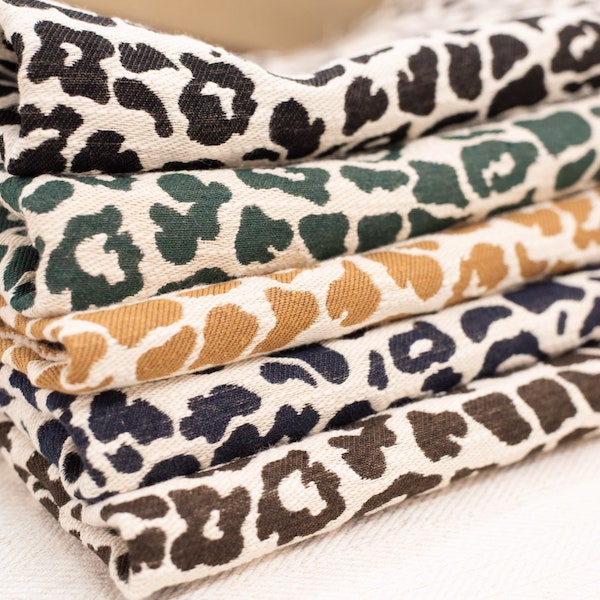
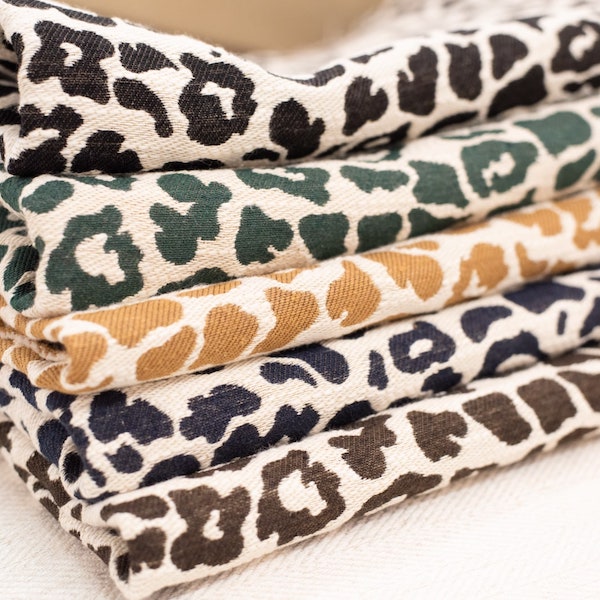
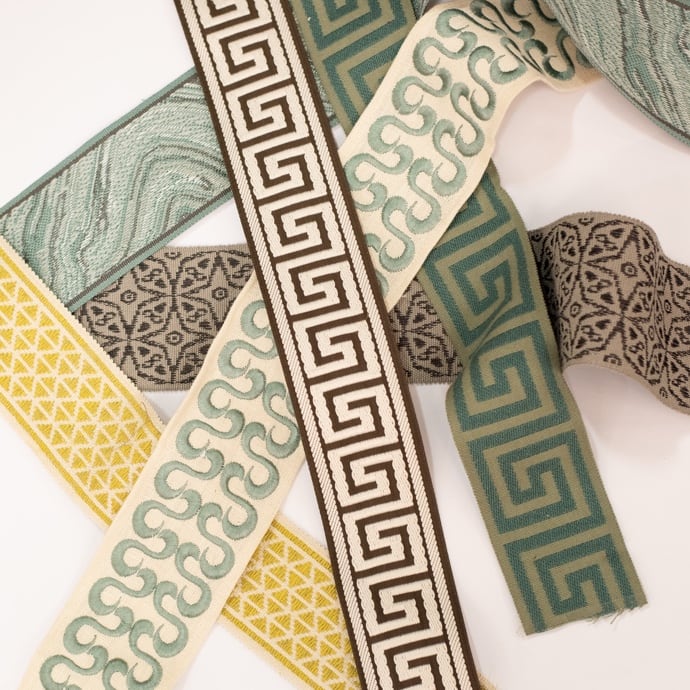

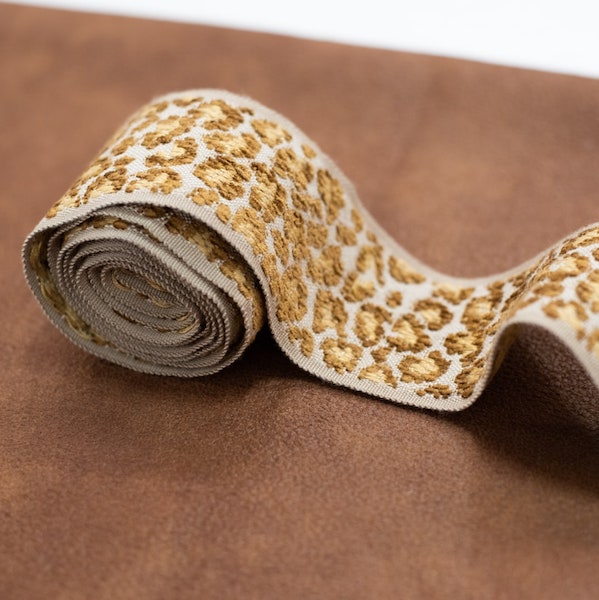

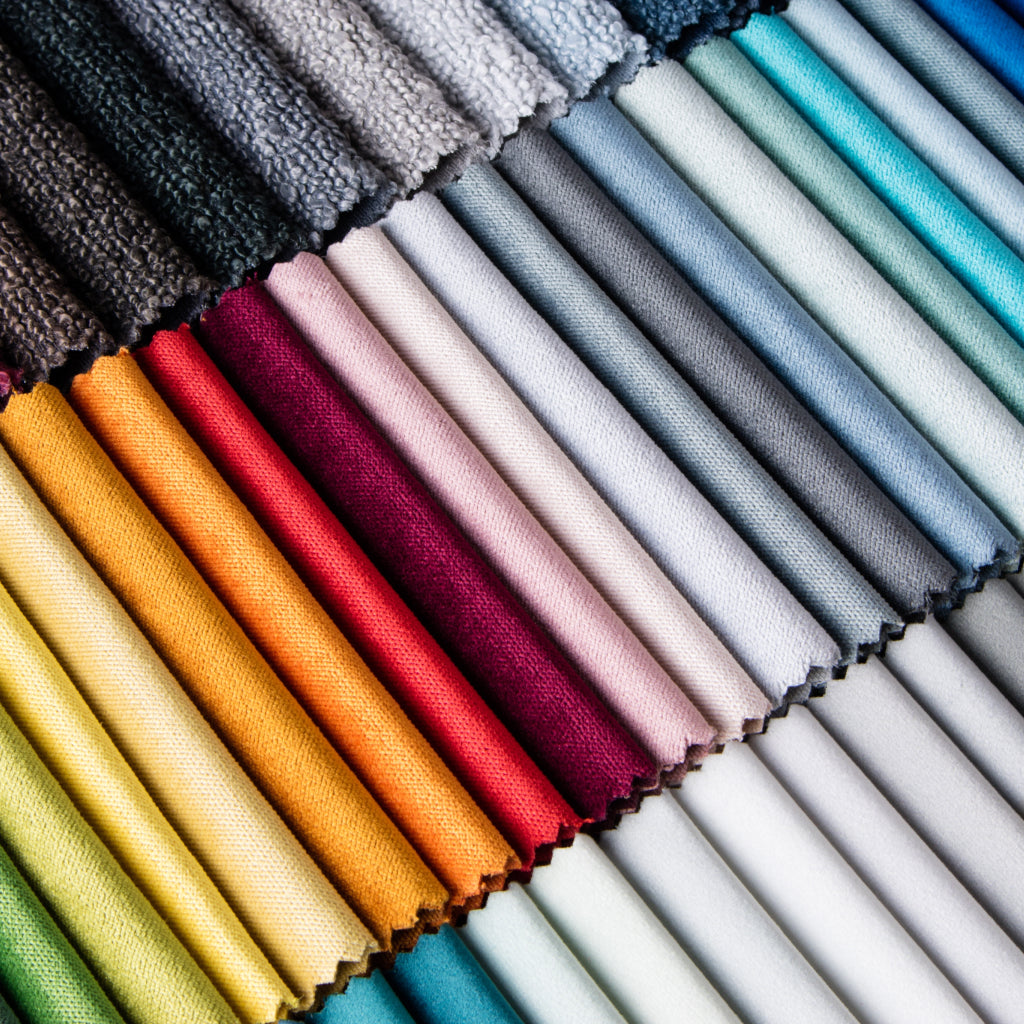







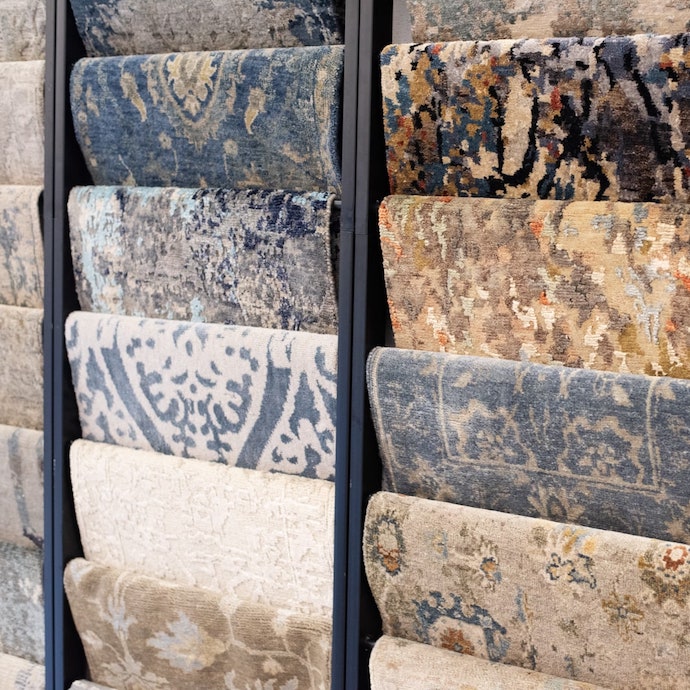
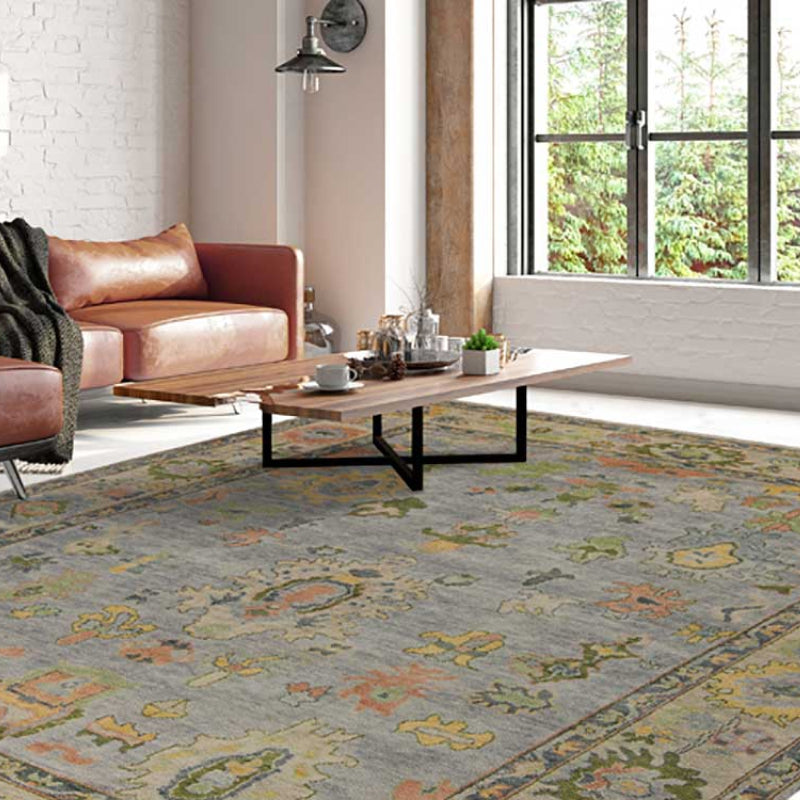
You're standing at a swatch wall with a linen you love, a velvet you can't stop touching, and a performance weave that sounds reassuringly practical. Then you remember the afternoon sun across your sofa, the dog's favorite cushion, and the last spill that nobody noticed until morning. Choosing cushion cover material for luxury interiors starts there, with the room you live in, not the photograph you're trying to recreate.
What a Cushion Cover Actually Has to Do
A beautiful showroom swatch is only a candidate. Before I'd approve it for custom upholstered furniture, I'd want to know where the piece sits, who uses it, and how you expect to clean it. An occasional chair in a shaded Buckhead sitting room needs a different specification from a premium sectional beside sunny windows in Alpharetta.
The cover is the cushion's wear layer, the surface your clothes, hands, pets, and cleaning products meet. Treat it as deliberately as you'd choose a rug or wall finish. Its color matters, but so does whether you'll still enjoy touching and maintaining it after the initial excitement wears off.
The jobs that matter
- Look right: Judge the fabric against the furniture's proportions, the surrounding finishes, and the room's daylight. A lovely small swatch doesn't establish how an entire sofa will look.
- Feel right: Handle it as upholstery, not just as a sample. Fold it over a cushion edge and decide whether you'd want it against your bare arms.
- Survive the room: Match the specification to daily sitting, animals, sunlight, and moisture exposure. Don't buy a delicate decorative textile for a working family-room seat.
- Survive the cleaning: Choose a maintenance routine you'll follow. A fabric that requires care you won't provide is the wrong purchase.
Those requirements are equally relevant to high-end furniture in Roswell, custom chairs in Sandy Springs, and luxury sofas in North Atlanta. The room's conditions should lead the decision, even when the design is highly individual.
Buyer's rule: Don't approve a cushion fabric until you can explain both why it belongs in the room and how you'll maintain it.
I favor replaceable covers where the furniture design allows them. That gives you a route to renew a worn surface without abandoning the entire piece. The right purchase isn't only a beautiful fabric. It's a beautiful fabric with an appropriate use, a realistic care plan, and construction that supports future renewal.
The Three Material Families Every Buyer Should Know
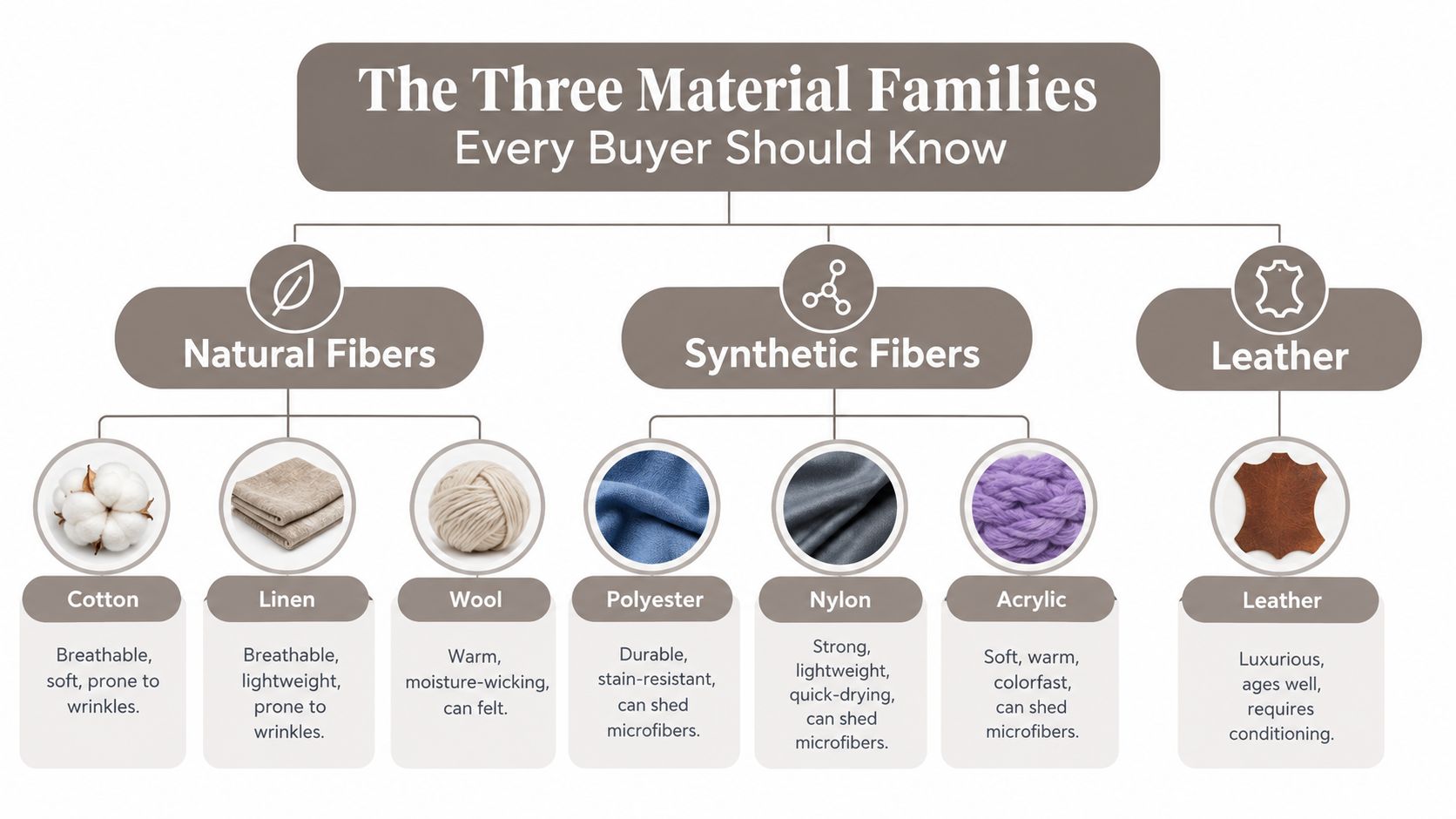
Start with natural fibers, synthetic fibers, and leather. These families help organize your choices, but they don't replace a finished fabric's specifications. Fiber content tells you what something is made from, not everything about how it will perform.
Think of natural fibers as a familiar knit sweater: tactile comfort is often the attraction. Cotton offers breathability, a natural hand, and broad dyeability, while linen deserves consideration when you want a breathable textile and can accommodate careful handling. Synthetics are closer to a performance raincoat, selected for engineered properties rather than fiber origin alone.
Fiber identity isn't a quality grade
Polyester can be engineered for color retention, dimensional stability, abrasion resistance, and easier care; cotton supports printed, woven, and textured constructions, as outlined in Textile Exchange's materials-market context. Neither description means every polyester is durable or every cotton is easy to clean.
Leather belongs in a separate buying conversation. Think of it as a hide rather than a woven cloth, and ask about the actual finish and care instructions. I wouldn't promise that a full-grain leather cushion will shrug off red wine or afternoon sun merely because the label sounds premium.
Use a possible spill as a purchasing question:
- Cotton: What finish, if any, supports stain management, and what cleaning treatment is approved?
- Polyester: What performance has this particular weave demonstrated?
- Leather: What does the supplier permit for spills, conditioning, and direct-light exposure?
For a broader shopping checklist, Suburban Furniture's guide to choosing upholstery fabric for your home is a useful companion to an in-person consultation.
My preference for premium interiors is a considered mix rather than a room-wide allegiance to one family. Put demanding specifications on hardworking seats, then use other textures where their character contributes most. That's a more useful approach to luxury home furnishings than assuming natural means superior or synthetic means ordinary.
How Linen Cotton Velvet and Performance Weaves Actually Behave
Linen is my starting point for relaxed, design-led seating with manageable exposure. Its breathable character makes it appealing when tactile comfort matters, but its careful-handling requirements belong in the purchase decision, not in the fine print. I'd choose it for someone who appreciates a less rigid appearance and won't treat upholstery cleaning like washing towels.
Cotton is the more adaptable natural-fiber candidate. Its dyeability and compatibility with patterns and textured constructions make it useful when a room needs more than a neutral solid. Both cotton's versatility and linen's maintenance considerations belong alongside the wider differences in polyester, velvet, and silk care profiles described in cushion-cover material market research.
Compare the finished cloth
| Material | Feel and breathability | Durability decision | Light decision | Cleaning decision |
|---|---|---|---|---|
| Linen | Choose for breathable, natural texture | Verify the actual weave and test results | Request light-fastness information | Accept careful handling |
| Cotton | Choose for natural hand and design versatility | Evaluate construction and finish | Check the chosen color's specification | Don't assume washability |
| Velvet | Choose for tactile richness and visual depth | Inspect the pile and performance sheet | View the sample from different angles | Confirm whether specialist care is needed |
| Performance weave | Choose an engineered textile whose hand you enjoy | Require documented performance | Request exposure-specific evidence | Follow the exact product instructions |
Velvet is a construction, not a fiber family. Ask what the velvet is made from before comparing it with linen or cotton. My showroom test is to brush the sample in opposing directions, fold it around an edge, and decide whether its changing appearance suits the design.
For statement furniture pieces, that visual movement can be the reason to buy velvet. For someone who wants an unwaveringly uniform seat surface, I'd steer toward a flatter weave. Specialized cleaning requirements can also make velvet a poor match for a household that expects frequent hands-on stain treatment.
My family-room preference
I'd shortlist a documented performance weave first for a busy room, then reject anything whose feel disappoints. Polyester and solution-dyed acrylic are candidates to evaluate, not permission to skip the specification sheet. An outdoor-oriented textile must still look convincing beside indoor drapery, rugs, and wood finishes.
Use Tip Top Furniture & Mattresses fabric tips as another preparation resource before comparing samples. Bring the shortlisted fabrics home and look at them where the furniture will sit.
Don't settle for a beautiful material you're afraid to use. Equally, don't buy a practical-looking fabric you dislike touching. Designer furniture should satisfy both expectations.
Named Performance Fabrics Worth Knowing By Name
At the swatch wall, I'd organize the shortlist around Crypton, Sunbrella, Belgian linen from Libeco, and high-end velvet. These are useful names and categories to discuss, but none gives you a universal abrasion rating or cleaning code. Buy the specific fabric, not the reputation attached to its label.
My recommendation is to investigate Crypton for stain-and-moisture-heavy family rooms and Sunbrella or another solution-dyed acrylic for exposed seating. Keep Libeco Belgian linen on the shortlist for natural-texture interiors, and compare European-mill velvets for custom chairs or a statement sectional. Those are starting assignments, subject to the actual product documentation.
Named Performance Fabrics at a Glance
| Fabric | Typical Double Rubs | Best Room Fit | Cleaning Code Profile |
|---|---|---|---|
| Crypton | No universal figure; request the selected fabric's result | Family room candidate | Verify product-specific instructions |
| Sunbrella or solution-dyed acrylic | No universal figure; request the selected fabric's result | Covered porch or bright-room candidate | Confirm the selected collection's care guidance |
| Libeco Belgian linen | No universal figure; request the selected fabric's result | Formal living room candidate | Verify upholstery suitability and approved care |
| High-end velvet | No universal figure; request the selected fabric's result | Statement seating candidate | Confirm pile-specific cleaning requirements |
What heavy-duty actually means
For moderate-use seating, practical benchmarks are approximately 15,000 Wyzenbeek double rubs or 20,000 Martindale cycles; heavy-duty benchmarks are approximately 30,000 double rubs or 40,000 Martindale cycles, with Wyzenbeek using back-and-forth cotton-duck abrasion and Martindale using a figure-eight motion against worsted wool, according to the ASTM textile-testing framework. The results cannot be directly converted, so compare like methods.
Nor should you assume that ratings above 100,000 double rubs predict proportionally longer service life, a limitation explained in Herman Miller's textile quality standards. Abrasion is a screening tool, not a warranty against every form of wear.
A prestigious fabric name should earn a place on your shortlist. Its specification sheet should earn the purchase.
Look beyond abrasion to pilling, snagging, seams, and light exposure. A heavily textured weave may satisfy one test while still being the wrong choice for your particular household.
The showroom discussion around choosing the best performance fabrics is useful preparation for comparing these candidates. Take the questions with you, especially if you're evaluating premium sectionals or high-quality couches.
I'd also reject a simplistic claim that Crypton always feels less breathable than linen, or that every solution-dyed acrylic looks like porch furniture. Handle the actual samples. Compare their drape, surface, and documented use before deciding whether the trade-off works indoors.
How to Read a Cleaning Code and Spec Sheet
Read the cleaning code before placing the order. It describes a cleaning approach, not permission to machine-wash a removable cover. A zipper gives you access to the insert; it doesn't override the manufacturer's care instructions.
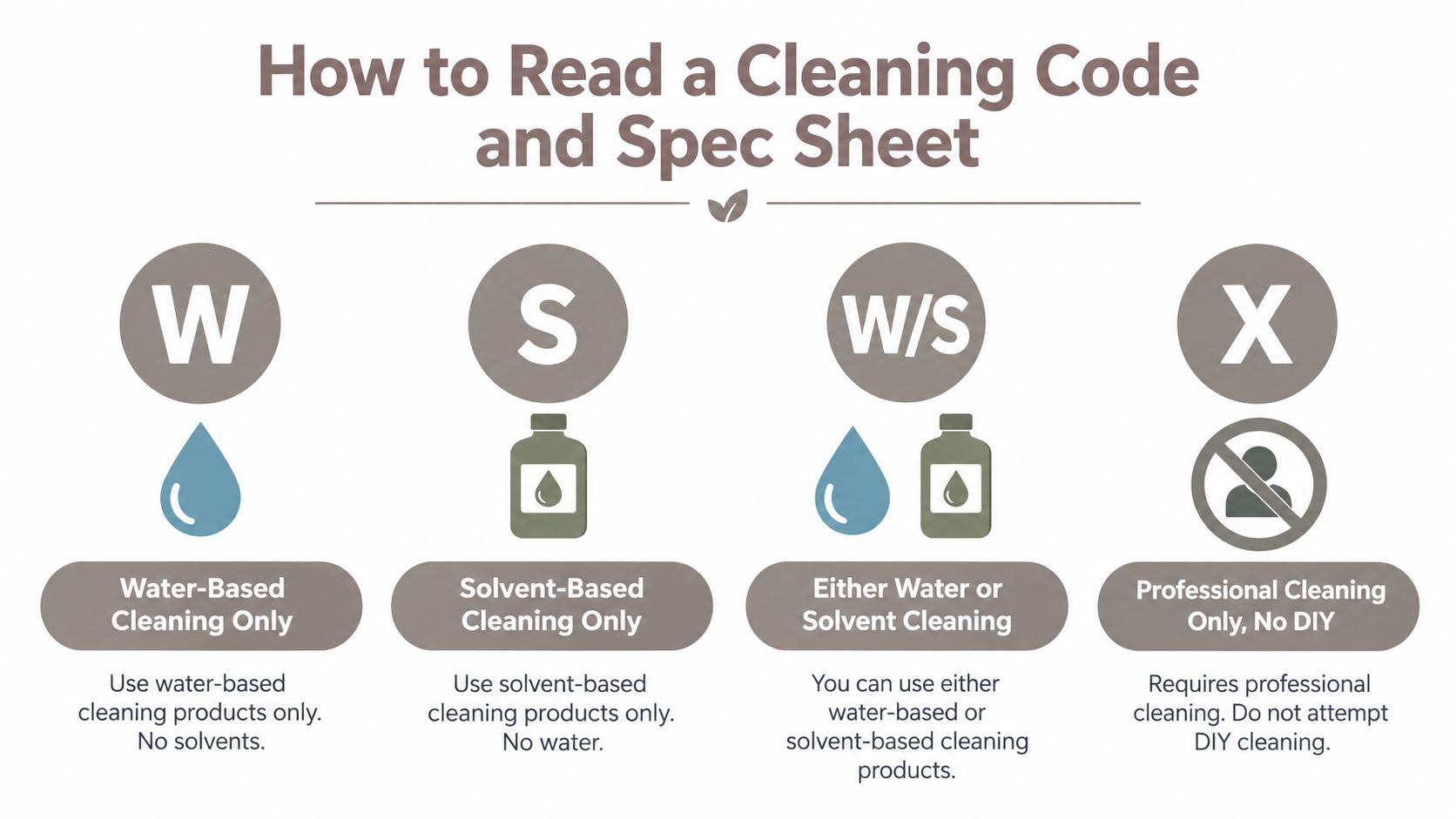
Translate the letters into a care decision
- W: Use the approved water-based upholstery-cleaning approach. Don't interpret the letter as a laundering instruction.
- S: Use the specified solvent-based approach rather than substituting water.
- W/S: Either approved approach may be appropriate, subject to the product instructions.
- X: Avoid water- or solvent-based DIY stain treatment. Ask a professional about the permitted dry-care approach rather than assuming ordinary professional wet cleaning is acceptable.
Ask for the recommended cleaning agent and whether the instructions apply to the finished cushion assembly, not merely the loose fabric. The guide to how to clean upholstery fabric provides a useful starting point for that conversation.
Read beyond the abrasion result
The sheet should identify the test method, pilling performance, seam-slippage information, and colorfastness to light. If the salesperson can't supply those details, don't fill the gaps with confidence based on price. For custom upholstered furniture, documented specifications are part of what I expect at the decision stage.
The insert deserves equal scrutiny: density and indentation force deflection, or IFD, are separate measures, and seat foams with polymer density of 1.8 pounds per cubic foot or higher generally perform better than lower-density alternatives, according to the Polyurethane Foam Association's furniture guidance. Density describes how much polymer is present; IFD relates more closely to perceived firmness.
Ask whether the cushion has a moisture barrier, how the assembly dries, and whether its core can be replaced. Don't let a reassuringly firm showroom seat substitute for density information. What makes furniture designer quality should include accountable construction, not just a distinctive silhouette and an attractive cover.
The Trade-Off Most Cushion Cover Guides Skip
A washable synthetic cover solves a maintenance problem, but repeated laundering has an environmental trade-off. Polyester textiles can release approximately 124–308 milligrams of microfibers per wash, according to a review of textile microfiber release. That's textile evidence, not a prediction for your particular cushion cover.
Don't turn it into an argument that all natural materials are sustainable and all synthetic materials are not. Cotton, linen, and wool also involve resource use, processing, and energy. My buying recommendation is to evaluate fiber origin alongside maintenance, repairability, and realistic service life, without pretending one characteristic settles the whole question.
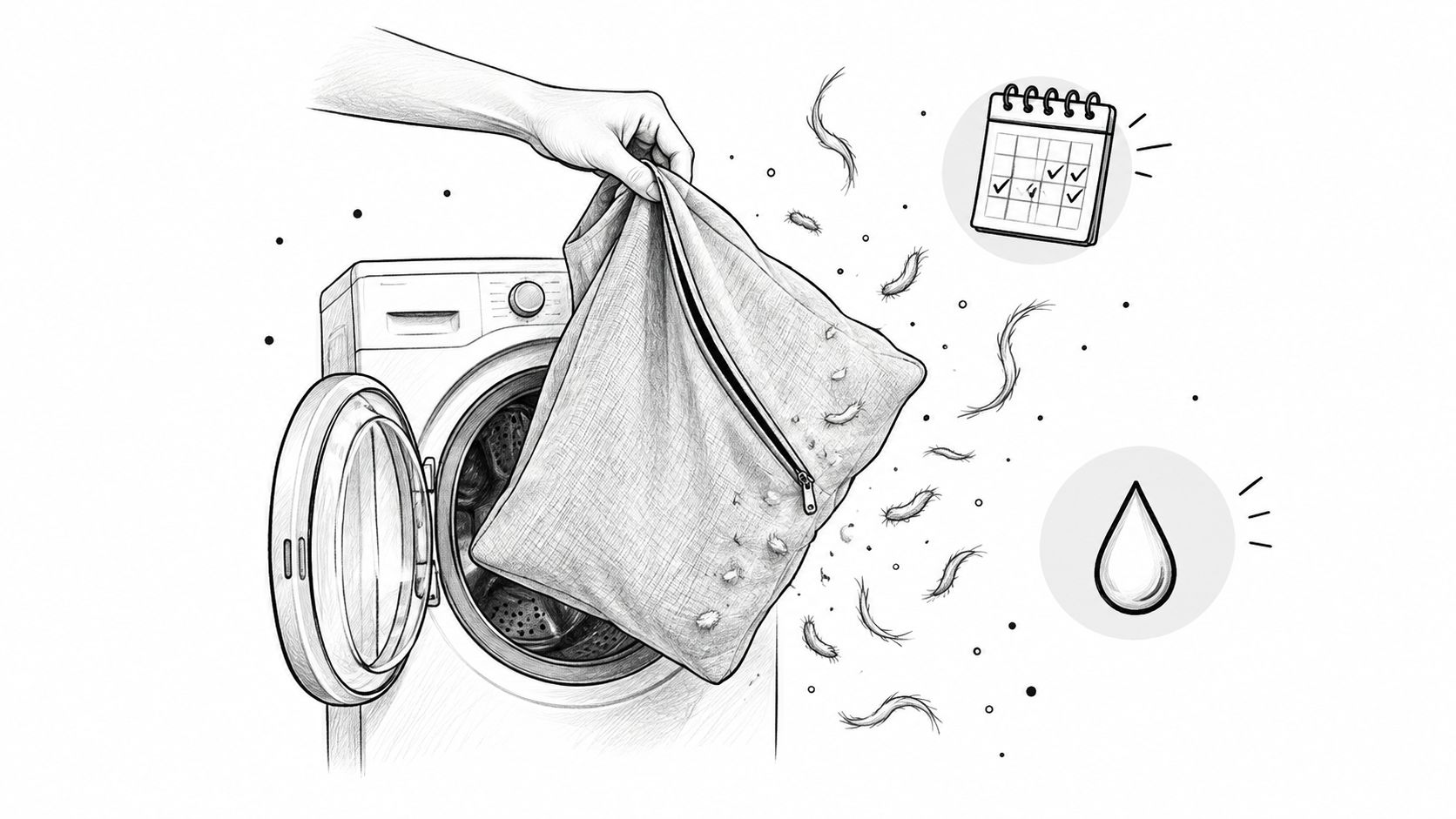
Choose a maintenance plan you can sustain
- Specify removable construction where useful: Make access and replacement possible, while keeping laundering permission separate.
- Wash only when necessary: Don't establish a frequent washing schedule because removal is convenient.
- Use an approved liquid detergent: Where laundering is permitted, favor a low-friction approach and follow product guidance.
- Avoid excessive heat: Respect the specified wash and drying conditions rather than trying to accelerate the job.
- Buy for continued use: Prefer a material and color you'll want to keep, with a route to repair or replace worn components.
A cover that needs less aggressive maintenance may be a more sensible purchase than one selected solely for a reassuring fiber label. That's a decision framework, not a quantified environmental guarantee. Without product-specific evidence, nobody should promise that a particular luxury sofa fabric has the smaller footprint.
Maintenance principle: Buy a cover you can care for thoughtfully, not one you expect to wash back into perfection.
Before approving the order, ask what happens when the cover finally wears out. Can you commission a replacement, preserve the original pattern, or renew the upholstery while keeping the frame? For heirloom-quality furniture, those questions deserve as much attention as the initial texture and color.
Matching the Cover to the Actual Room
Specify the room before you specify the fabric. Window orientation, direct sunlight, humidity, pets, children, and cleaning habits belong in the first showroom conversation. The recommendation for luxury furniture in Atlanta should change when the same design moves from a shaded interior to an enclosed porch.
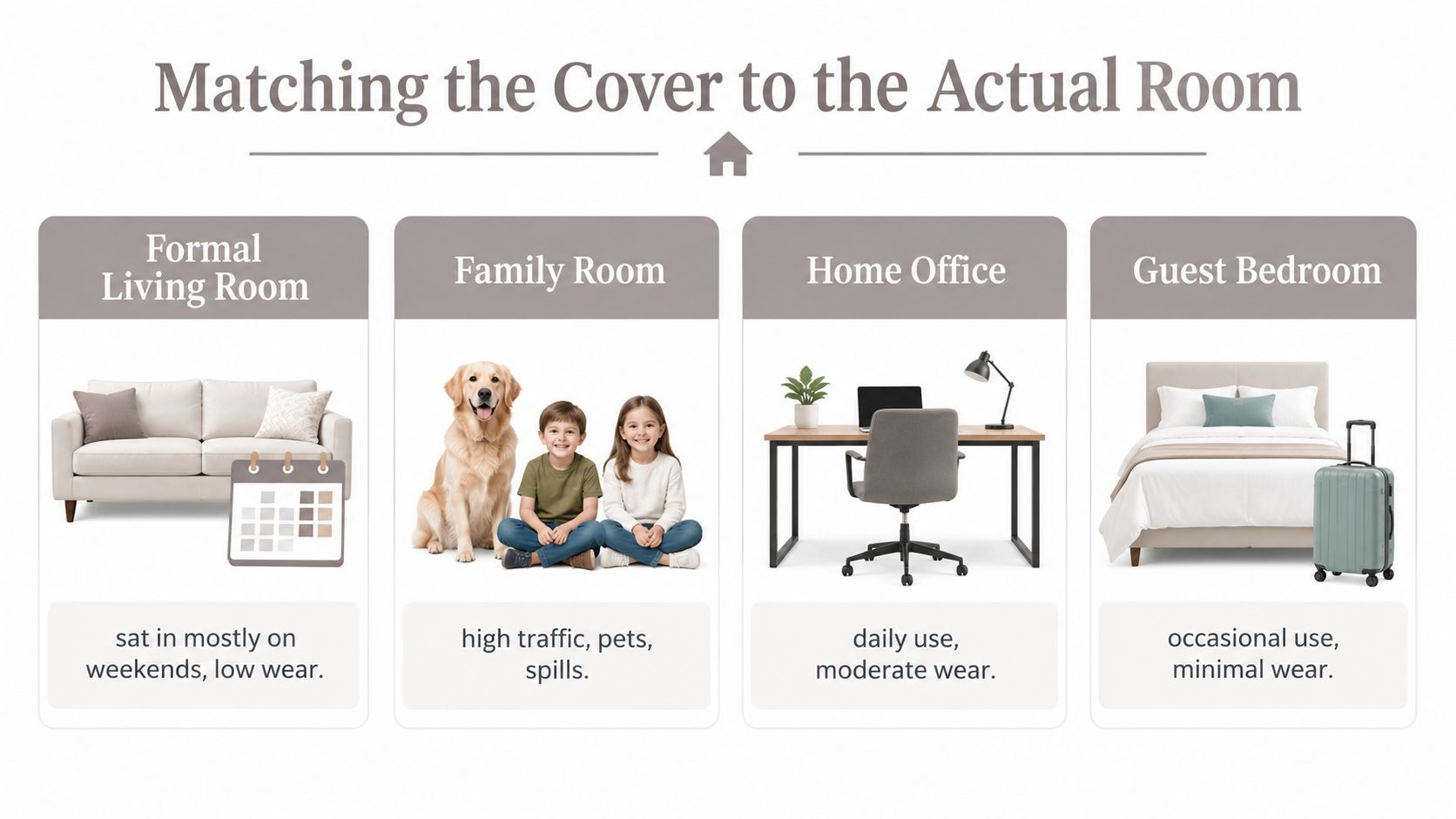
Formal living room and hardworking family room
For a formal living room used mostly on weekends, I'd begin with Belgian linen. Choose an upholstery-approved construction whose relaxed appearance suits the furniture. Avoid buying an unnecessarily utilitarian surface just because it carries a larger advertised abrasion count.
For a family room with a dog and children, I'd start with documented heavy-duty Crypton candidates, then consider leather if the selected finish and maintenance requirements fit the household. Avoid loose, vulnerable-looking surface constructions without checking snagging and pilling performance. Leather isn't an automatic pet-proof solution, so discuss scratches and cleaning before committing.
Sunny porch and statement sectional
A covered porch with southern afternoon sun calls for solution-dyed acrylic with appropriate exposure documentation. Don't put an indoor-only decorative fabric there because the porch has a roof. Ask how the entire cushion assembly handles moisture and drying, especially where cushions may remain damp after cleaning.
For the custom sectional anchoring an open-plan great room, I'd compare a documented performance velvet with a refined woven fabric. Choose the velvet if its directional appearance contributes to the design; choose the woven if visual consistency matters more. Avoid selecting the sectional's entire upholstery from a tiny sample viewed only under showroom lighting.
These are recommendations, not accounts of particular customers. A designer sourcing in Fulton County should ask the same questions as a homeowner shopping in Buckhead or Sandy Springs. In affluent surrounding markets, distinctive design still needs a defensible material specification.
Home offices and guest bedrooms deserve the same diagnostic approach. Start with how the seat will be used, then adjust the fabric requirements rather than treating a room label as a guarantee of low wear.
Bringing It All Together at the Swatch Wall
When someone asks where to buy premium furniture in Atlanta, I'd first ask what they expect the showroom to help them resolve. Access to beautiful furniture is useful. Access to actual samples, construction information, and an informed specification conversation is what makes a high-consideration purchase easier to defend.
Searches such as designer furniture near me, custom furniture Atlanta, or luxury furniture Alpharetta should lead to more than a display of finished pieces. Bring photographs of the room, describe the exposure, and explain your cleaning habits. Interior designers should bring adjacent finishes so the upholstery decision supports the whole scheme.
Follow a deliberate buying sequence
- Diagnose the setting: Identify the seat's traffic, light, and moisture demands.
- Shortlist the material family: Choose for the conditions and the hand you want.
- Select the actual fabric: Compare named collections and constructions, not labels alone.
- Approve the documentation: Resolve performance, cleaning, and insert questions before ordering.
- Plan renewal: Decide how covers and cushion cores can be serviced later.
High-resilience foam in the approximately 35–50 kilograms-per-cubic-meter range is commonly specified for residential furniture intended to last a decade or longer, according to Make Bespoke's upholstery-fill guidance. That supports choosing cover and core together, but it isn't a universal lifespan promise for every high-end sofa.
Compare furniture, not just brand names
If you're weighing the best luxury sofa brands or custom versus mass-produced furniture, compare what each maker will disclose and customize. Ask about cushion construction, replacement options, tailoring, and the selected upholstery. Exclusivity is worthwhile when it gives you the proportions and detailing your room needs, not merely an unfamiliar label.
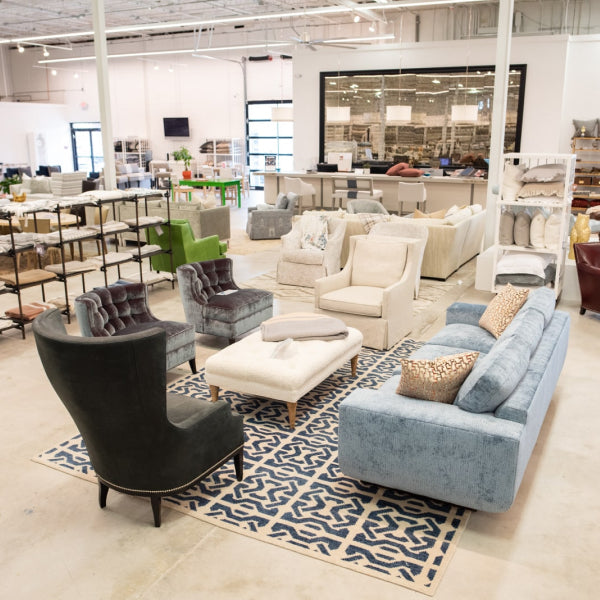
Arrange upholstery fabric samples against your existing finishes, then handle larger pieces in person at the Design Center. No performance sheet can decide whether you enjoy a fabric's hand or its appearance across a cushion. The enduring choice is the one you've deliberately matched to both your room and your expectations.
Lewis and Sheron Textiles offers home fabrics, custom furnishings, reupholstery, and design services for homeowners and professionals. Visit Lewis and Sheron Textiles at the Atlanta Design Center with room photographs and your fabric shortlist, and compare the options in person before approving your cushion covers or custom upholstery.