


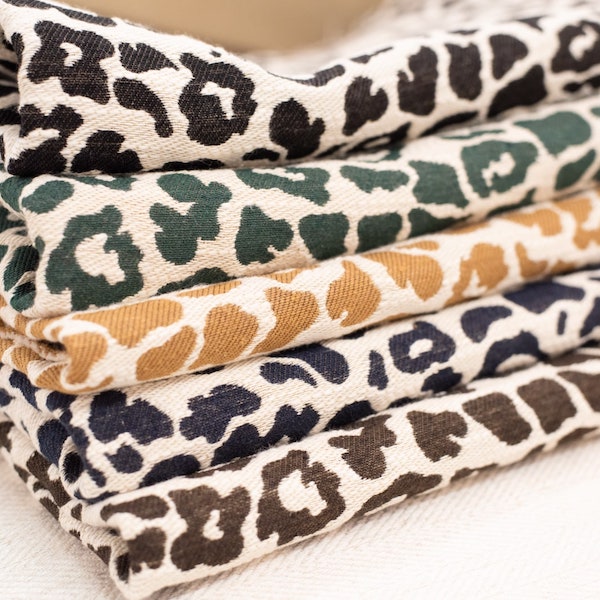
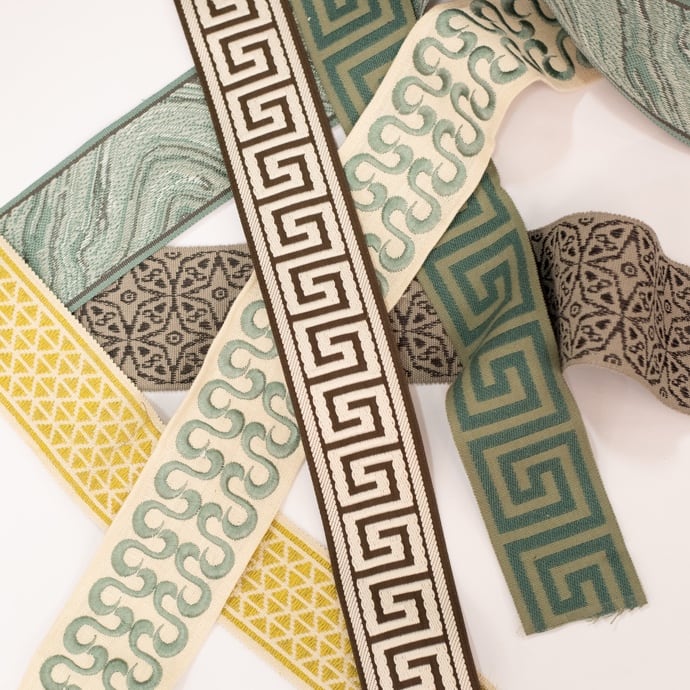

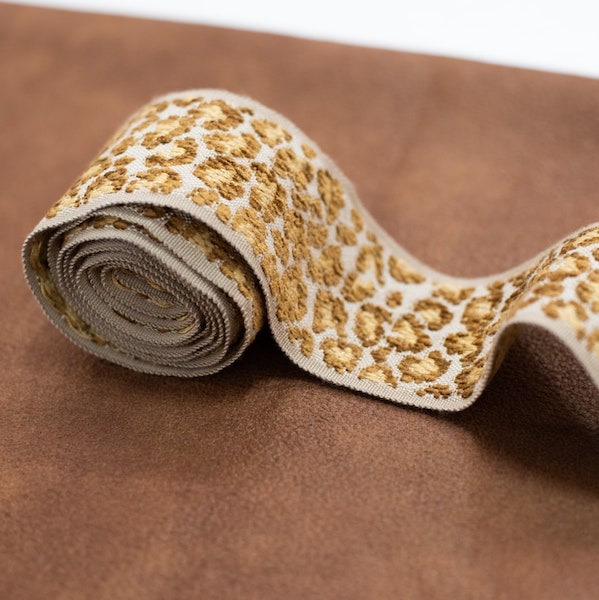
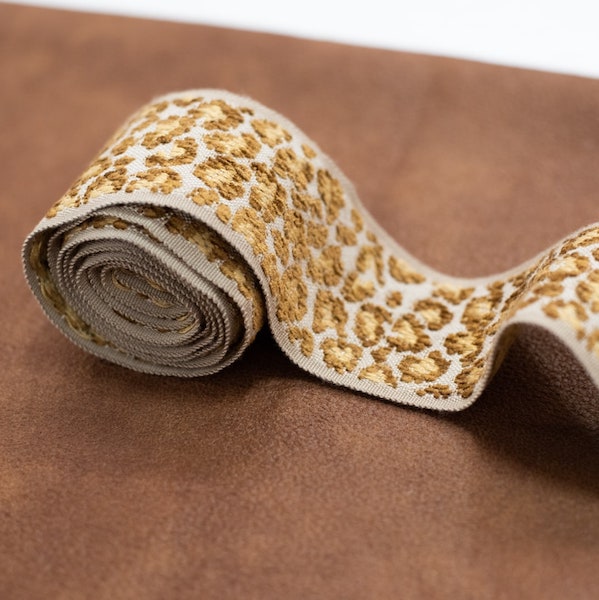
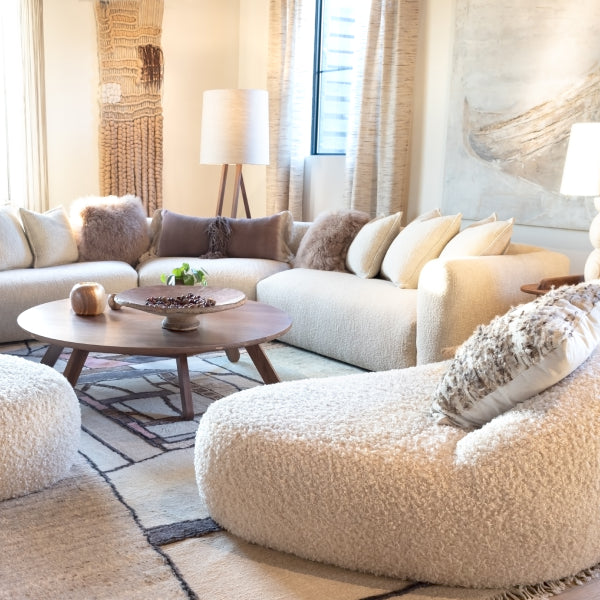
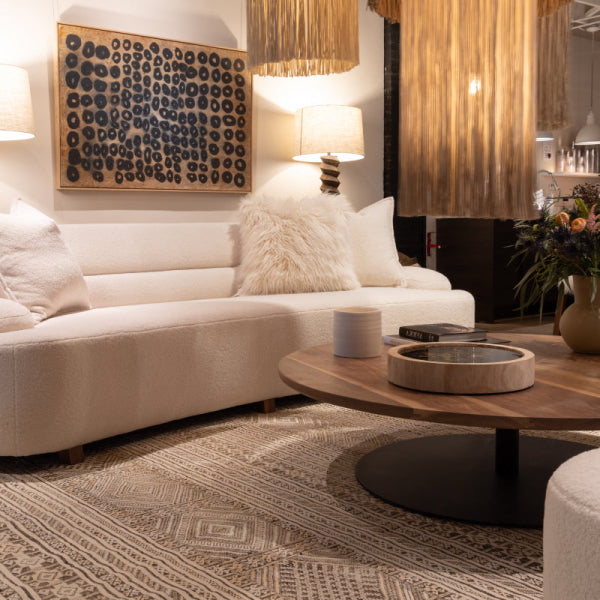
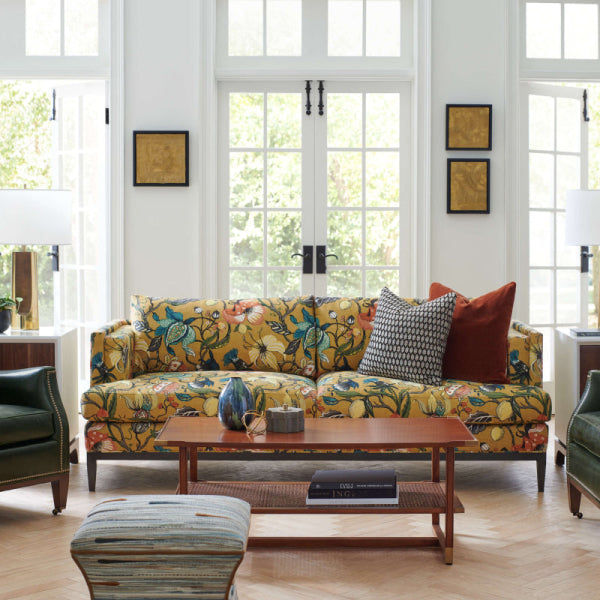
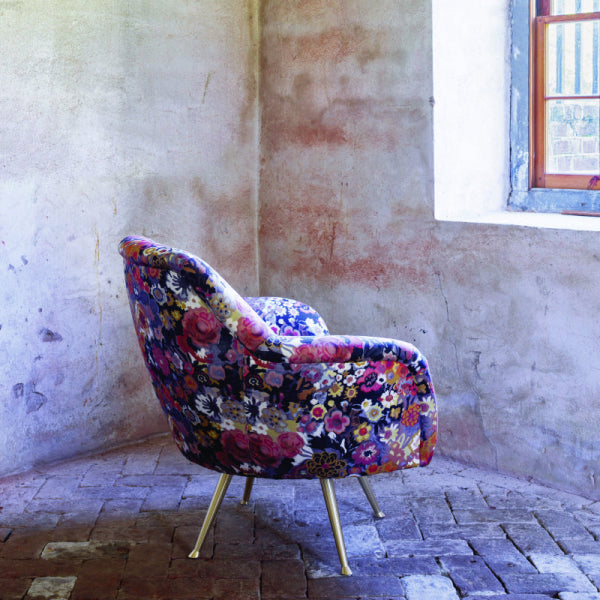
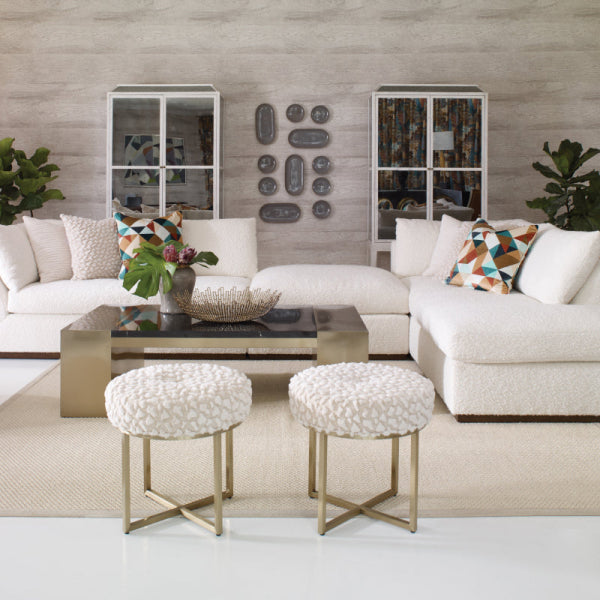
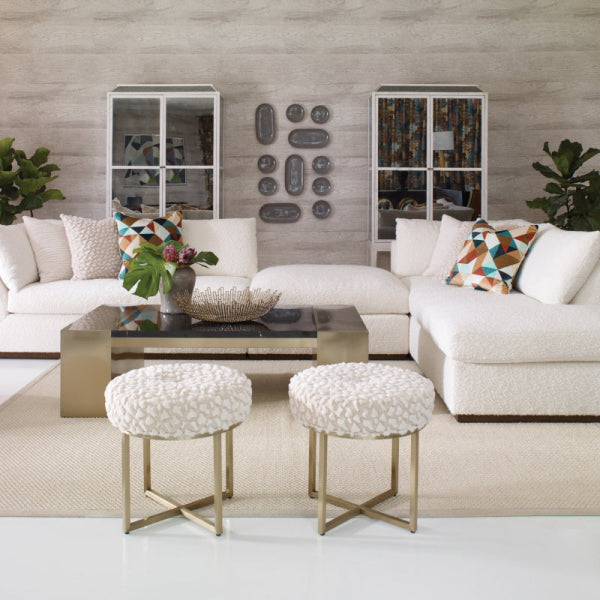
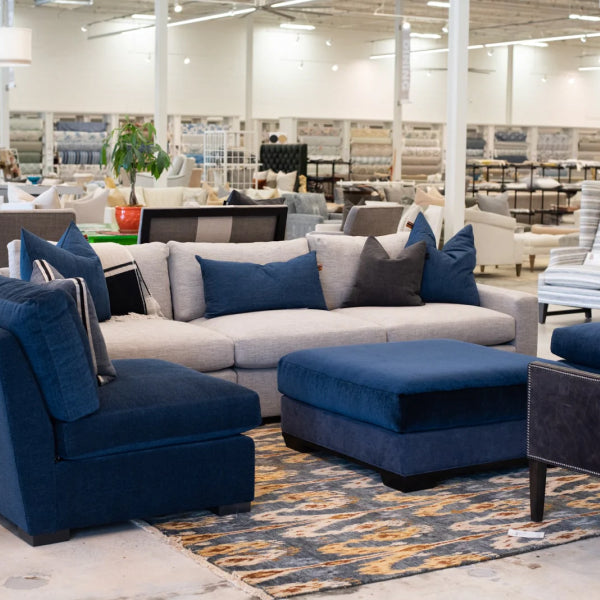











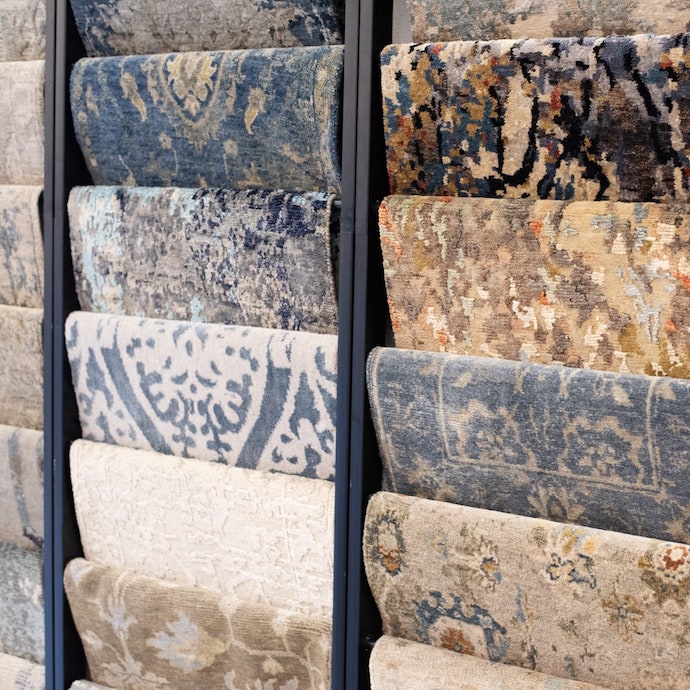
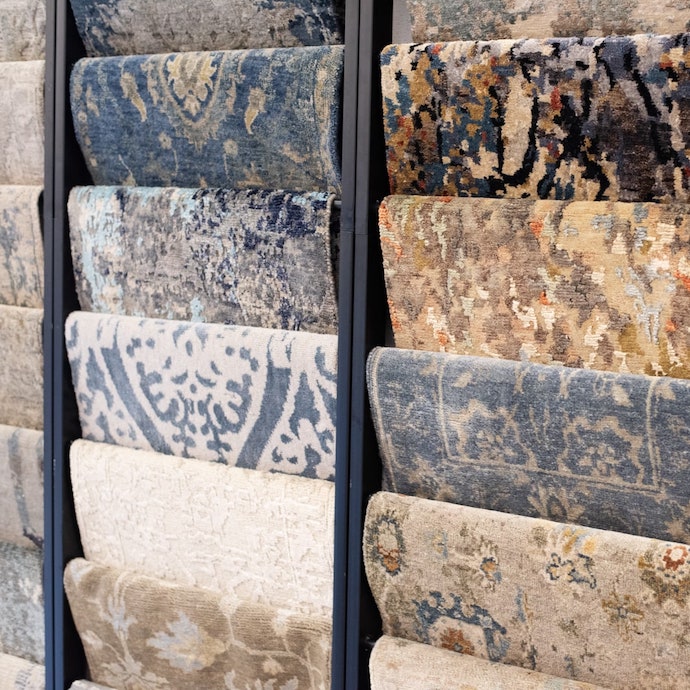
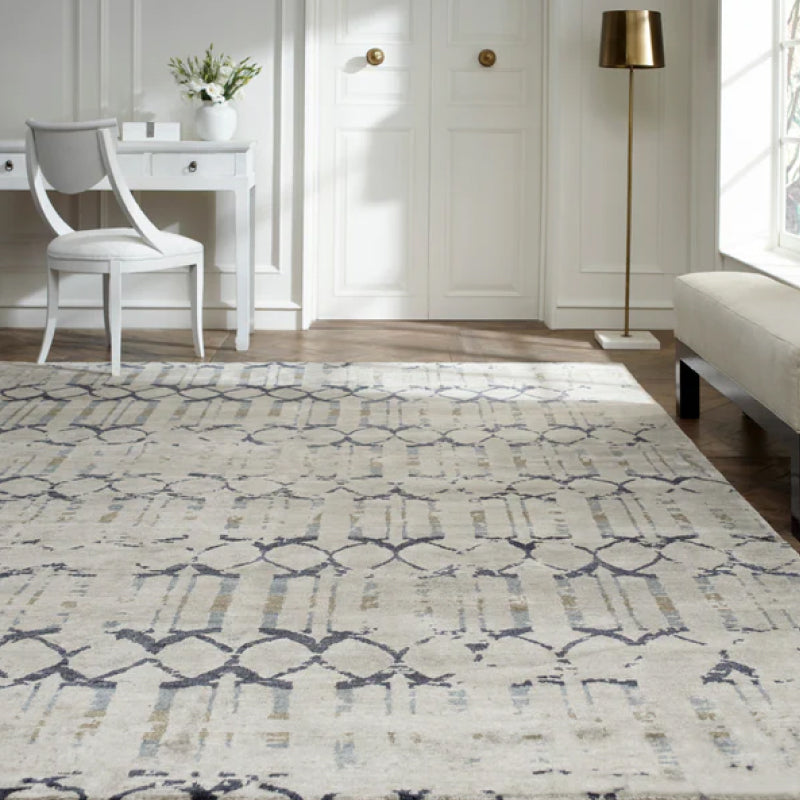
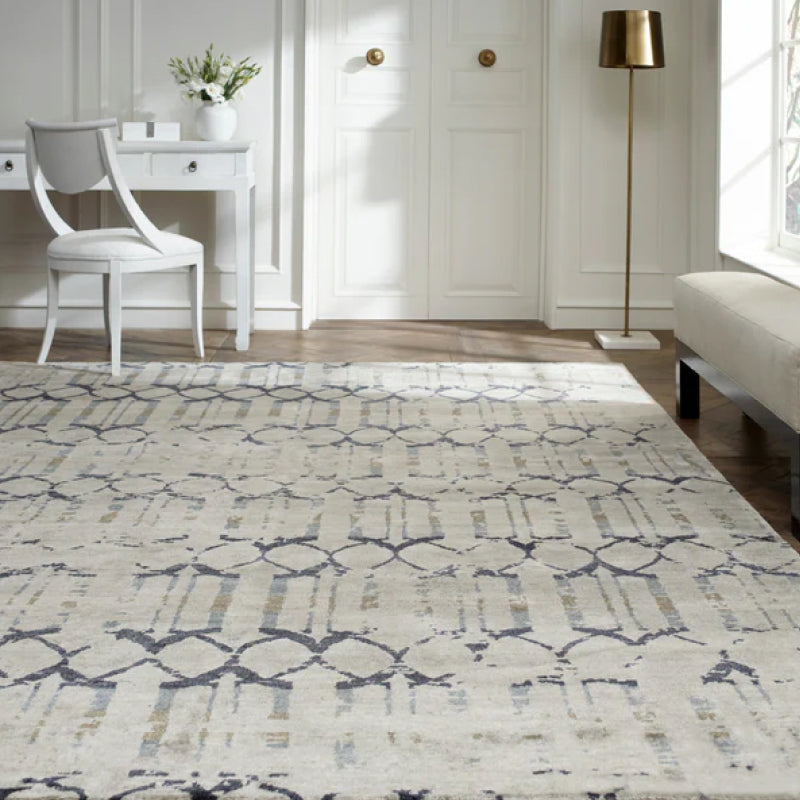
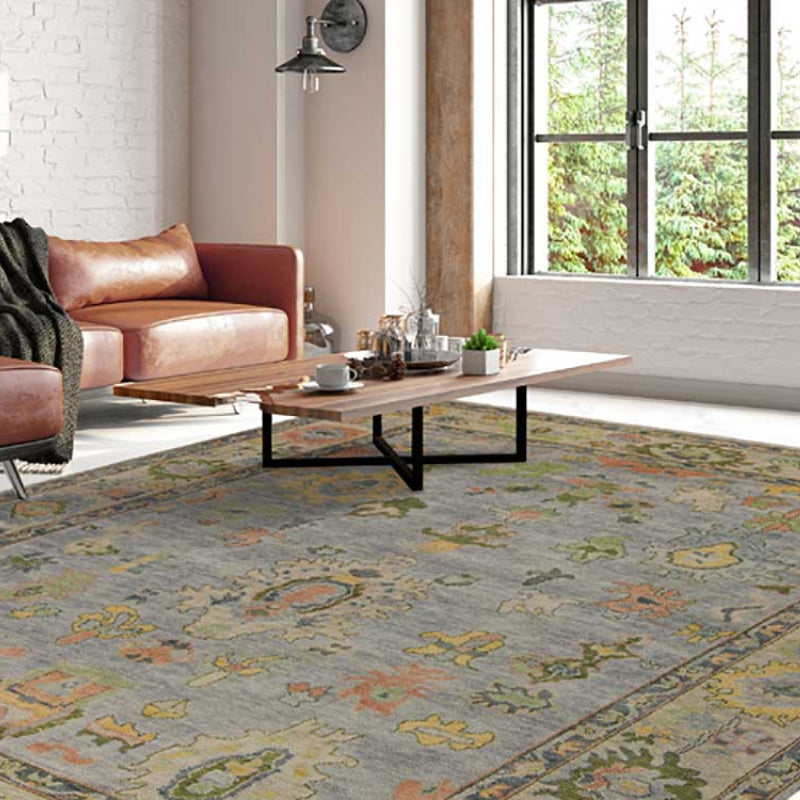
You've found the sofa, selected the Belgian linen, and approved the custom drapery. Then the room still feels unfinished. In an Atlanta home, that missing element is often the rug beneath the furniture. A geometric blue rug can anchor a Buckhead living room, cool the visual warmth of sunlit wood floors, and give luxury furnishings a clear relationship without making the room feel staged.
The right choice depends on more than color. Construction, pattern density, lighting, scale, fiber, and the way the rug meets a premium sectional all affect whether the result feels collected or chaotic. For homeowners in Atlanta, Alpharetta, Roswell, Sandy Springs, Fulton County, and North Atlanta, the strongest rug is one that works as part of a complete design system, not as an isolated decorative purchase.
Why the Geometric Blue Rug Belongs in Your Atlanta Home
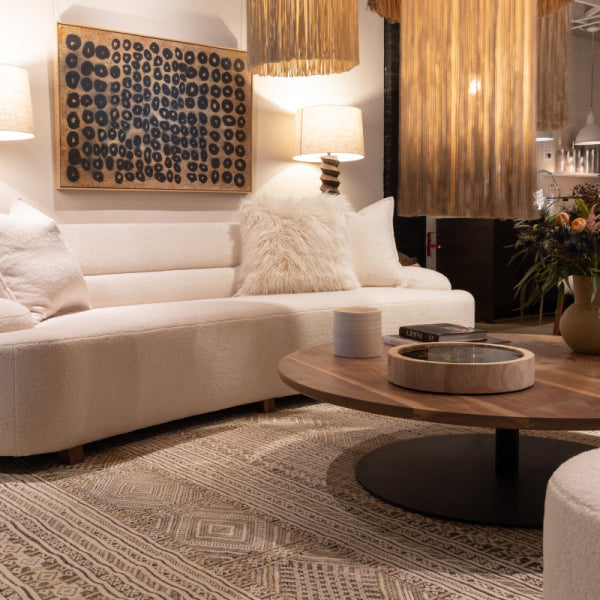
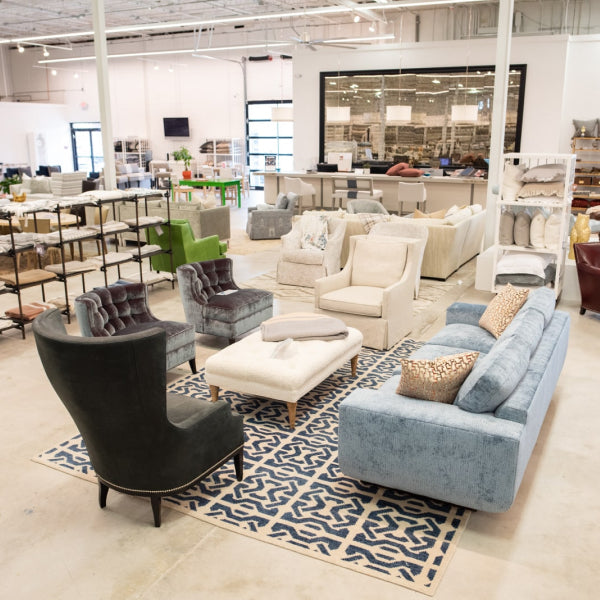
A Buckhead living room with broad windows, pale walls, and custom upholstered furniture can look beautiful in the morning and disconnected by afternoon. Sunlight changes the apparent temperature of the room, while polished wood, stone, brass, and upholstery each reflect light differently. A geometric blue rug gives those materials a visual center.
I've seen this work particularly well beneath a custom sofa and two custom chairs. The rug's repeated lines echo the architecture, while its blue ground introduces enough depth to keep cream upholstery from appearing flat. A quiet pattern can make the seating arrangement feel deliberate. A stronger motif can define the conversation area as a statement furniture piece within a larger open plan.
The historical foundation matters, too. Rug history recognizes three principal motif families, geometric, conventional or stylized, and illustrative or naturalistic. Geometric designs use repeated meanders, polygons, crosses, and stars that can be mirrored, scaled, and arranged into borders, medallions, or all-over fields. Historical carpets from Asia Minor and the Caucasus during the 13th, 14th, and 15th centuries used stars, polygons, and stylized Kufic-like forms in vivid color. Seven fragments from the mosque of Alāʾ al-Dīn Kay-Qubād I at Konya, Anatolia, are identified as having repeating geometric patterns in bold red, yellow, and blue. Britannica documents this history of rug ornament and imagery.
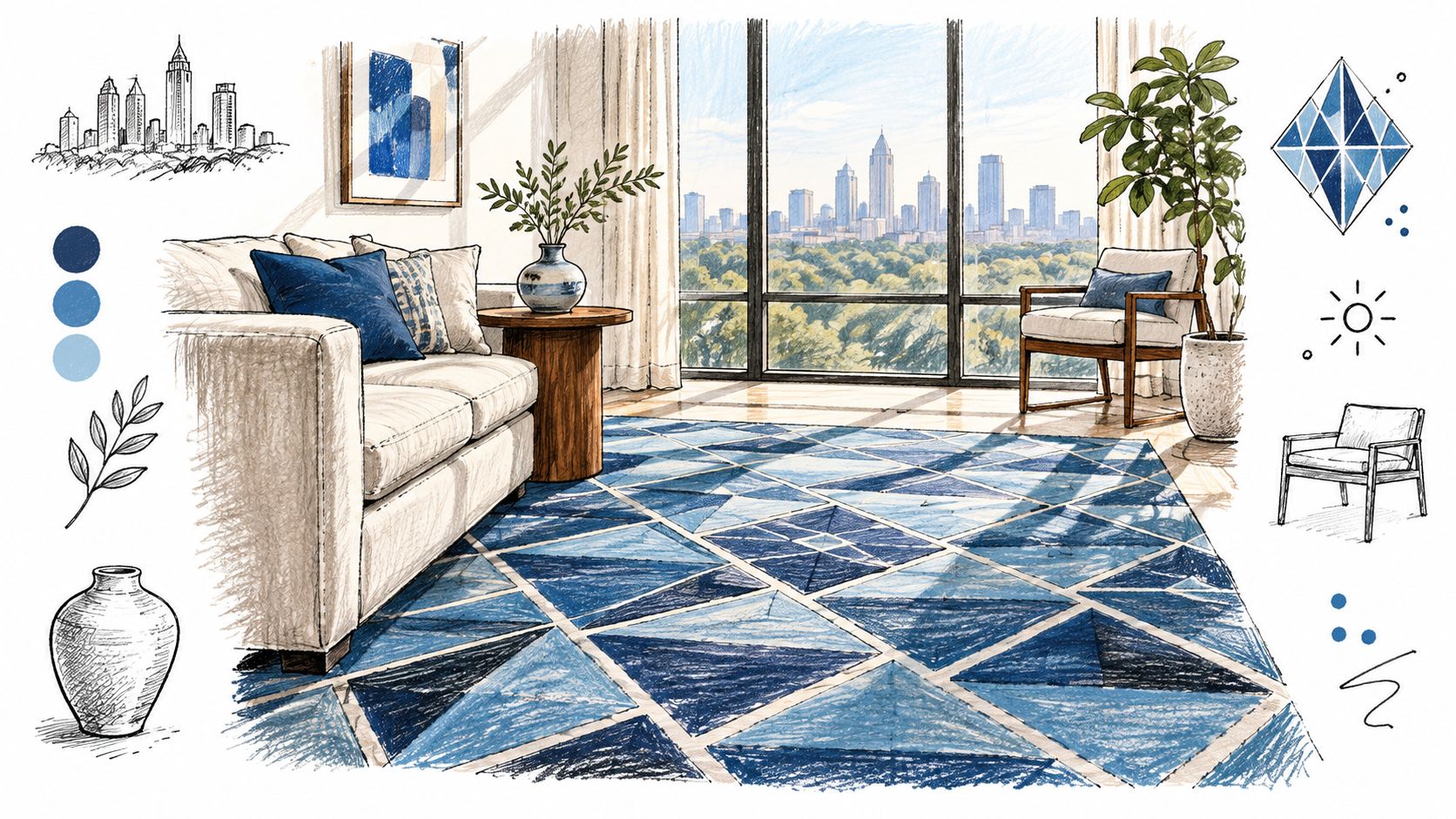
Blue brings history into a contemporary room
Blue also carries a technical textile history. Egyptian blue, produced around 3250 BCE during Egypt's predynastic period, is recognized by the Smithsonian's National Museum of Asian Art as one of the earliest known manufactured blue pigments. Indigo later became important for textiles because it could function as both pigment and dye. In Japan, indigo cultivation dates to approximately the 7th century after introduction from China, while European textile history records the use of woad and the compounds indigotine and indirubin associated with indigo dyeing. The history of blue pigments and textile dyeing is outlined by the museum source.
That background gives a modern rug more substance than a passing color trend. For homeowners comparing high-end furniture in Atlanta, a geometric blue rug can connect contemporary lines with centuries of textile practice. It works with a luxury sofa, but it also gives the room a story.
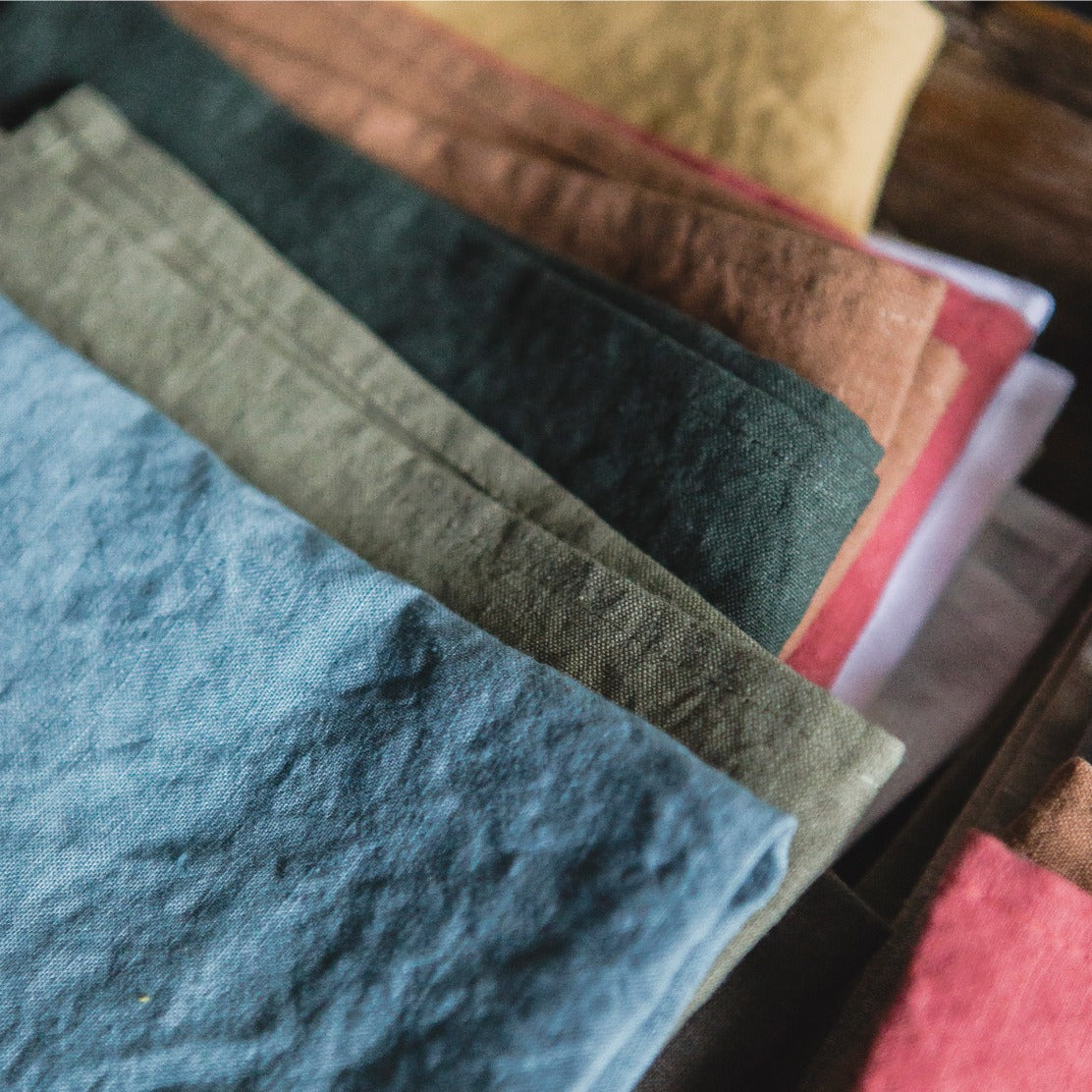
For an early palette study, the blue mood board from Lewis and Sheron Textiles offers a useful way to consider how blue behaves beside upholstery, trim, and other interior materials.
Understanding Geometric Patterns and Motifs
A geometric rug speaks through repetition, symmetry, and contrast. Those principles sound simple, but they determine whether a pattern feels calm, architectural, energetic, or visually exhausting.
Repetition creates rhythm. A small diamond, chevron, or stepped line can move the eye across the floor and make separate seating pieces feel related. Symmetry supplies order through mirrored halves, centered medallions, or balanced borders. Contrast determines the pattern's volume. A pale blue design on a blue-gray ground plays a subdued role, while ivory lines against navy announce themselves from across the room.
Read the pattern before judging the color
Start by identifying the rug's dominant structure:
| Design element | What it does in a room | Where it usually works |
|---|---|---|
| Repeated diamonds or chevrons | Adds directional movement and rhythm | Open living areas with tailored furniture |
| Central medallion | Creates a visual center | Rooms with a clearly arranged seating group |
| Lattice or grid | Supports architectural order | Rooms with modern case goods or strong millwork |
| Tonal blue shifts | Adds depth without sharp interruption | Bedrooms, studies, and quieter sitting rooms |
| Bold outlines | Establishes a graphic focal point | Larger spaces that can absorb stronger contrast |
The scale of those elements matters. Experimental interior-space research found that cool, light, and grayed colors tend to recede, while dark or highly saturated colors appear nearer and can make a room feel more contracted. The same research found that large, high-contrast linear geometry was rated more obtrusive and less pleasant, while lower-contrast geometric patterns were perceived as more pleasant and unobtrusive. The interior-space study provides the evidence for these spatial and perceptual effects.
That distinction is especially useful in a compact Atlanta condominium or a smaller Roswell sitting room. A medium-contrast blue-gray pattern can preserve visual floor area. In a generous open-plan room, a more assertive navy and ivory design can establish a focal zone, provided the furniture doesn't introduce competing lines at the same scale.
Let the room's light decide the blue
Blue isn't one color in practice. Daylight can make it appear clearer and cooler, while warm lamps can mute its crispness. Examine a physical sample beside the sofa fabric, wood finish, drapery, and flooring under both conditions.
A useful comparison is the relationship between a rug and tile. If a project includes a small-scale backsplash or accent, the crisp rhythm of antique blue kitkat tiles can help illustrate how closely spaced blue elements create texture without requiring a large graphic motif. The rug shouldn't match the tile exactly. It should share an underlying rhythm or value relationship.
For most luxury interiors, the most reliable formula is one dominant geometry, one supporting repetition, and one quiet surface. Let the rug carry the strongest floor pattern, repeat a related shape in a pillow or trim, and keep at least one major upholstered piece visually calm.
Comparing Rug Construction and Materials
Construction tells you what you're buying. Two rugs may share a navy geometric pattern, yet differ substantially in hand, resilience, repairability, and visual character.
A hand-knotted rug is built knot by knot around a foundation. Its surface can show subtle irregularities that give the design depth and individuality. That variation is part of the appeal of heirloom-quality furniture and textiles. A hand-knotted piece suits a formal living room, library, or primary suite where craftsmanship matters as much as immediate coordination. It also rewards careful placement and maintenance.
A flatweave has no raised pile in the same sense as a conventional pile rug. Its lighter construction can work well in warm climates, high-traffic zones, dining areas, and rooms where doors need extra clearance. The trade-off is texture. It won't provide the same cushioned feel underfoot as a deep wool pile, and its pattern often depends more heavily on the quality of the weave and yarn color.
A power-loomed rug offers repeatable production and consistent sizing. That consistency can be practical for a large sectional, a secondary sitting room, or a project requiring coordinated pieces. It may also provide a more accessible entry point to a designer look. The buyer should still inspect the backing, edge finishing, fiber content, and surface feel rather than assuming the pattern alone indicates quality.
Material changes the experience
Wool remains a strong choice for a frequently used living room because it offers resilience, warmth, and a substantial hand. Silk can bring exceptional sheen and definition to a pattern, but it generally calls for a more controlled setting and more careful maintenance. Synthetic blends can offer practical stain resistance and consistency, although they may not deliver the same depth or tactile nuance as a carefully made natural-fiber rug.
| Construction | Strength | Limitation | Appropriate setting |
|---|---|---|---|
| Hand-knotted | Individual character and craft value | Requires a larger investment and attentive care | Formal living room, library, primary suite |
| Flatweave | Light profile and practical movement | Less cushioning and surface dimension | Dining room, hallway, high-traffic area |
| Power-loomed | Consistent pattern and production | Less individual variation | Family room, open plan, project-wide coordination |
Ask what the price represents
A higher price should correspond to observable qualities, not just a designer label. Look at the clarity of the motif, the evenness of the edges, the density and feel of the pile, the quality of the foundation, and the way the rug handles light. Ask whether the piece can be professionally cleaned and repaired.
For buyers who want a deeper understanding of traditional technique, what hand-knotted rugs are explains why knotting method affects character and long-term value. In a premium room, those distinctions matter because the rug sits alongside custom upholstered furniture, not disposable accessories.
Sizing and Placement Guidelines for Atlanta Interiors
A luxury rug should connect the furniture, not sit like a small island beneath the coffee table. Begin by measuring the full seating arrangement, including occasional chairs that may sit at an angle. Mark the intended footprint with painter's tape before shopping. That simple test reveals whether the rug will support the composition or stop short of the furniture legs.
Living rooms need a complete visual anchor
In a formal living room, place at least the front legs of the sofa and chairs on the rug whenever the room allows. If the rug ends before the chairs, the arrangement can look fragmented. In a larger Buckhead or Alpharetta room, a larger field often gives a premium sectional the presence it needs and helps divide an open plan without adding a physical wall.
Dining rooms require another test. Pull each chair back from the table as though someone is sitting down. The rug should remain visually and functionally connected to the table and chairs rather than catching chair legs at its edge.
For bedrooms, extend the rug beyond the sides and foot of the bed where possible. In a home office, center the desk and chair relationship first, then ensure the chair can move without repeatedly catching the rug's edge.
For a helpful reference on choosing the right rug dimensions, compare the recommended footprint with your taped floor plan rather than relying on a standard size alone.
Account for Atlanta light and humidity
Atlanta's strong daylight can make blue appear more saturated or cooler near large windows. A rug that looks balanced in a showroom may feel brighter in a south-facing room. Review a sample beside the actual upholstery and flooring, preferably in the morning and later in the day.
Seasonal humidity also makes installation and maintenance worth considering. Use a quality rug pad suited to the floor surface, keep the rug flat after delivery, and avoid placing it where moisture can remain trapped beneath the backing. This isn't a reason to avoid natural fibers. It is a reason to specify the rug and pad together.
Practical rule: Tape the intended perimeter on the floor before you approve the rug. Furniture placement becomes obvious once you can see the complete shape.
Irregular rooms benefit from a strong axis. Align the rug with the primary architectural feature, such as a fireplace, window wall, or hallway opening. The guide to choosing rug size from Lewis and Sheron Textiles can support the measuring process, but the final decision should follow the room's furniture and circulation rather than a generic dimension.
Styling Geometric Blue Rugs with Luxury Furniture
A geometric blue rug works best when it becomes the room's organizing surface. It shouldn't compete with every other design decision. Pair a strong pattern with a sofa in a quiet Belgian linen, brushed cotton, or textured solid. Then introduce one smaller echo of the rug's geometry through a lumbar pillow, tape trim, or occasional table base.
A navy and ivory rug can support warm leather, walnut, and aged brass. A blue-gray rug may be better with pale oak, limestone, matte nickel, and cream upholstery. Teal or blue-green can bridge the gap between blue and warm natural materials, especially in a sunlit room where terracotta, wood, and brass need visual cooling.
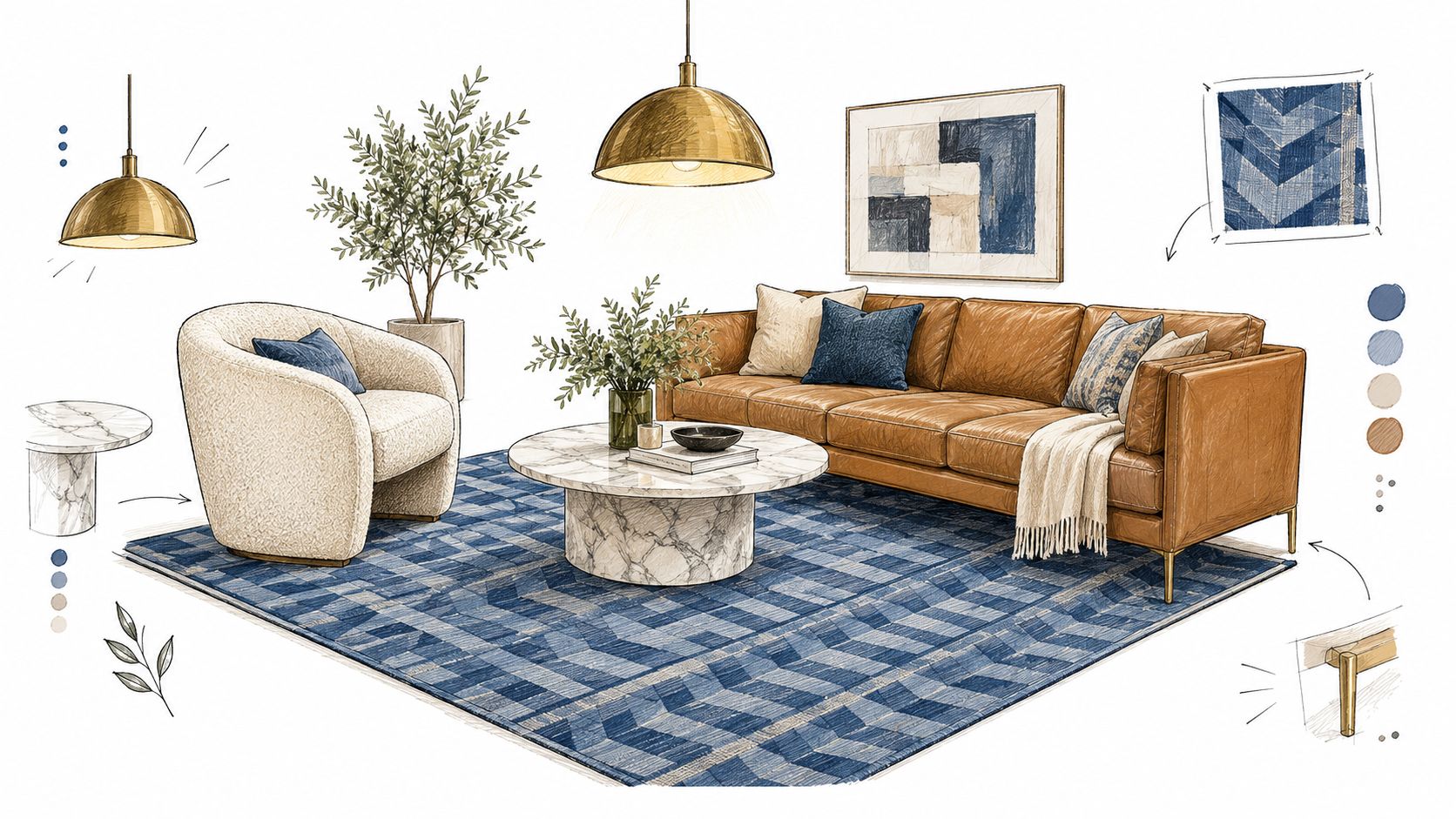
Build contrast with discipline
The strongest high-end rooms usually balance three kinds of contrast:
- Color contrast: Use the blue rug against cream, camel, warm gray, or natural wood rather than adding several unrelated accent colors.
- Texture contrast: Combine a patterned floor with linen, leather, boucle, velvet, or a nubby wool upholstery so the room has depth without more visual pattern.
- Shape contrast: Let a rectangular rug support a curved chair, rounded coffee table, or sculptural lamp. Repeating every shape exactly can make the room feel overly designed.
A premium sectional needs particular care. If its silhouette is broad and low, a dense small-scale pattern can become too busy beneath it. A medium-scale motif with controlled contrast usually gives the sectional enough definition without breaking up its form. For custom chairs, consider whether the rug's border will sit behind or beneath the front legs. A border can frame a chair beautifully, but a hard visual line cutting through the seating arrangement can look accidental.
Treat the rug as part of the furniture specification
For a custom upholstered furniture project, choose the rug alongside the fabric, not after the sofa arrives. A textile buyer looks at value, undertone, scale, and reflectance together. A blue rug with a gray undertone may sit comfortably beside Belgian linen, while a violet blue can clash with yellow-based cream or certain warm beige paints.
Layering can work when the base rug is quiet and the upper piece has a distinct purpose, such as defining a reading chair. Layering two equally assertive geometric designs usually doesn't. In an Atlanta home that already includes patterned drapery, decorative wallcovering, and statement lighting, let the rug provide structure rather than another loud voice.
Caring for Your Geometric Blue Rug
Care begins with placement. Keep the rug away from persistent direct sunlight where possible, especially beside large windows. Atlanta daylight can gradually alter sensitive dyes and make uneven fading visible across exposed areas. Window treatments that filter light protect both the rug and the upholstery around it.
Vacuum according to the rug's construction and use a setting that doesn't pull aggressively at the pile or fringe. Avoid harsh rotating brushes on delicate surfaces. For a hand-knotted or high-value rug, ask the dealer or cleaner for fiber-specific guidance before using a household product.
Handle spills without spreading the problem
Blot liquid promptly with a clean, absorbent cloth. Don't scrub outward from the center, because that can spread the stain and roughen the surface. Test any cleaning solution in an inconspicuous area, and don't saturate the foundation.
A professional cleaner should understand wool, silk, natural dyes, and hand-knotted construction. Ask how the rug will be inspected, washed, dried, and returned. The cheapest process isn't automatically the safest process for a valuable textile.
A rug pad isn't an afterthought. It improves grip, reduces shifting, and helps limit stress on the rug's foundation.
Rotate the rug when the room allows so traffic and sunlight don't concentrate in one path. Inspect the edges, fringe, and underside periodically. If you notice curling, separation, unusual odor, or dye transfer, pause regular cleaning and request an evaluation.
Household cleaning products can also affect indoor comfort and textile finishes. For a broader explanation of why fragrance-free products matter, consider how residues and added fragrance may interact with a room used by children, guests, or anyone sensitive to scented products.
Professional cleaning becomes more important after a significant spill, prolonged moisture exposure, or visible change in pile direction. A quality service provider should document the rug's condition before treatment and explain what the process can and cannot correct.
How to Choose the Right Geometric Blue Rug
Start with the room's use, then choose the rug's construction. A busy family room may need a resilient wool or practical power-loomed option, while a formal sitting room can justify a hand-knotted piece with more delicate character.
Check four things before purchase:
- Shade: Compare pale blue, navy, teal, and blue-gray under the room's daylight and evening lamps.
- Pattern density: Select lower contrast for visual quiet and stronger contrast for a defined focal zone.
- Construction: Inspect the pile, backing, edges, and fiber content.
- Placement: Confirm that the rug connects the sofa, chairs, and table rather than stopping beneath one isolated object.
A geometric blue rug should look considered from across the room and rewarding up close. That balance is what separates a temporary accent from an heirloom-quality foundation.
Lewis and Sheron Textiles offers premium hand-knotted rugs from makers such as Kalaty and HRI, alongside custom upholstered furniture, Belgian linens, and design support for Atlanta homes. Visit Lewis and Sheron Textiles to compare rug options with your sofa fabrics, custom chairs, drapery, and complete room plan.