



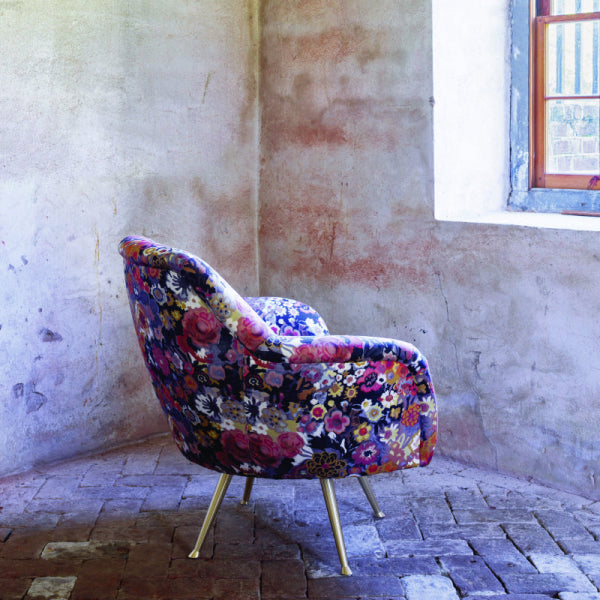
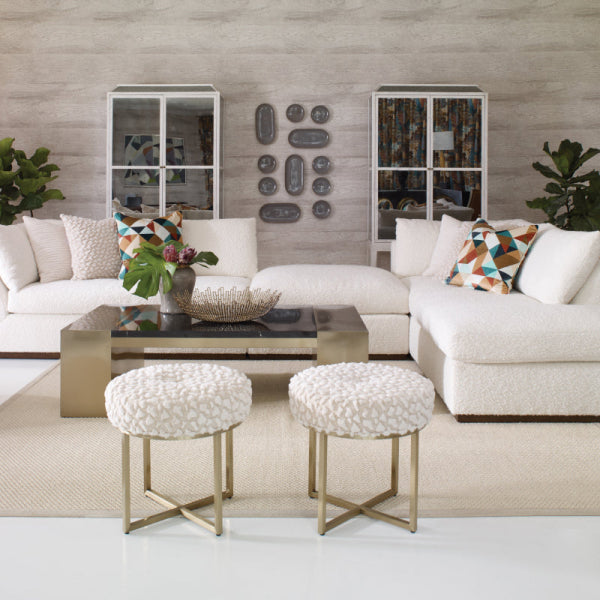
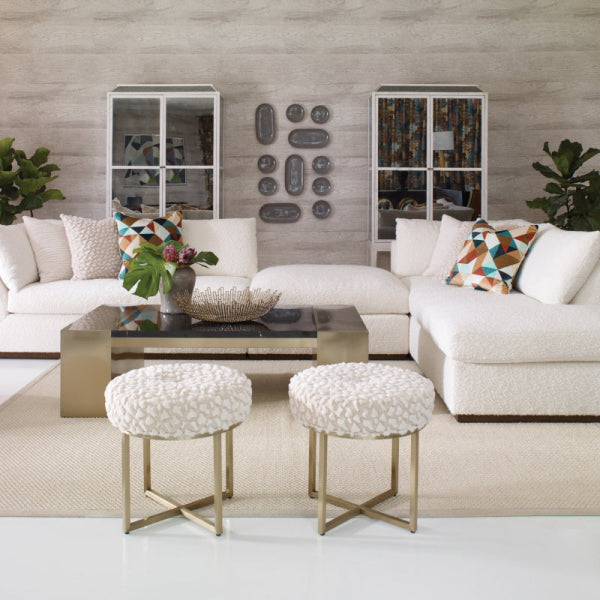
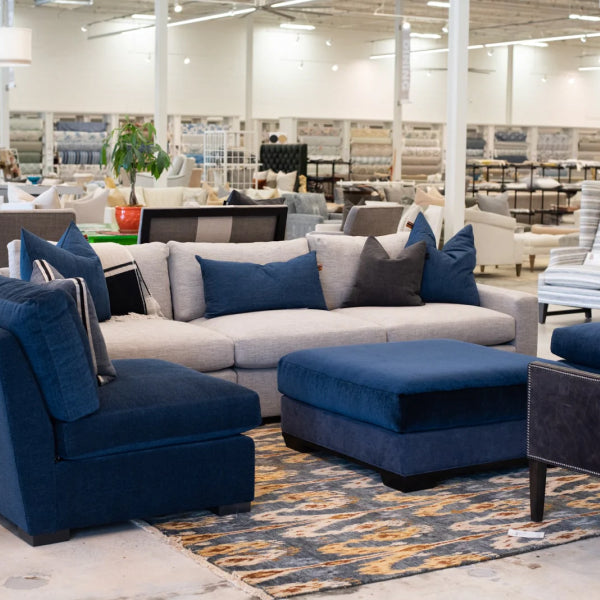






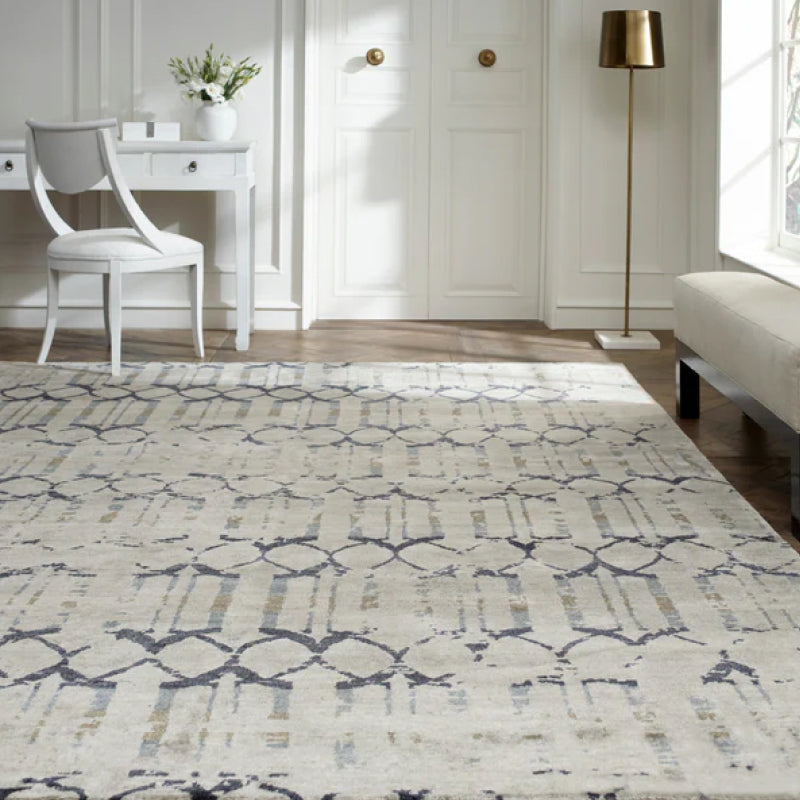
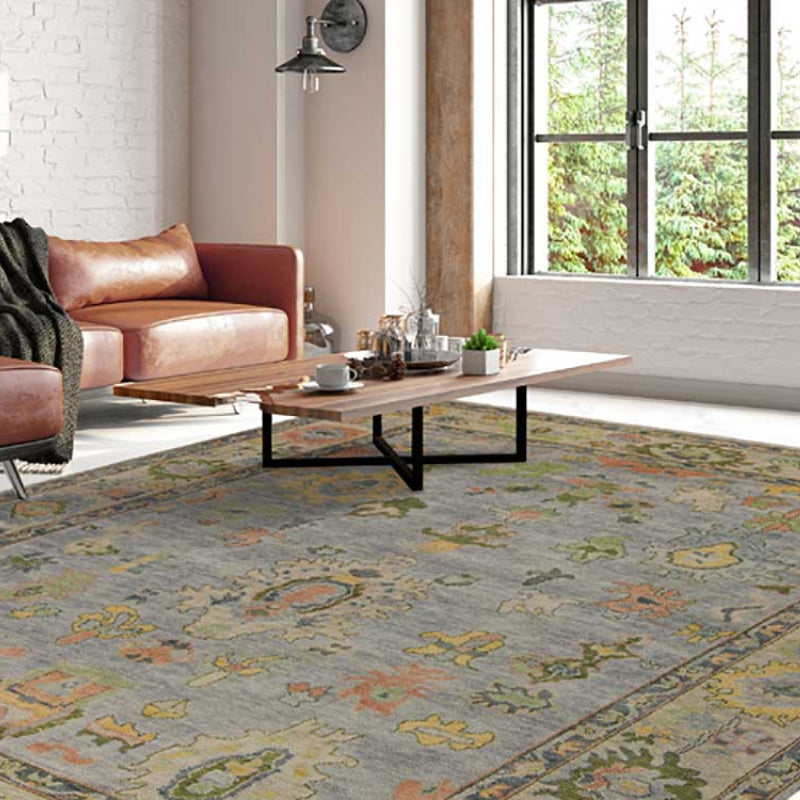
The usual advice about floral chintz is to choose a print you love and build the room around it. For upholstery, that's the wrong order. Start with the furniture's use, then check the fabric's performance, and only then choose the flowers.
Floral chintz upholstery fabric names a decorative treatment, not a durability grade. Whether you're investing in a luxury sofa in Atlanta, restoring a Buckhead heirloom, or specifying custom chairs for an Alpharetta home, the important question is whether that particular cloth suits that particular piece.
What Floral Chintz Is Made Of
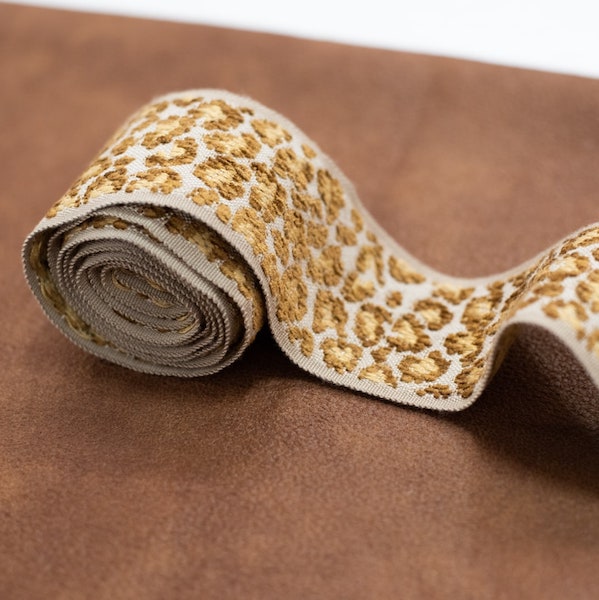
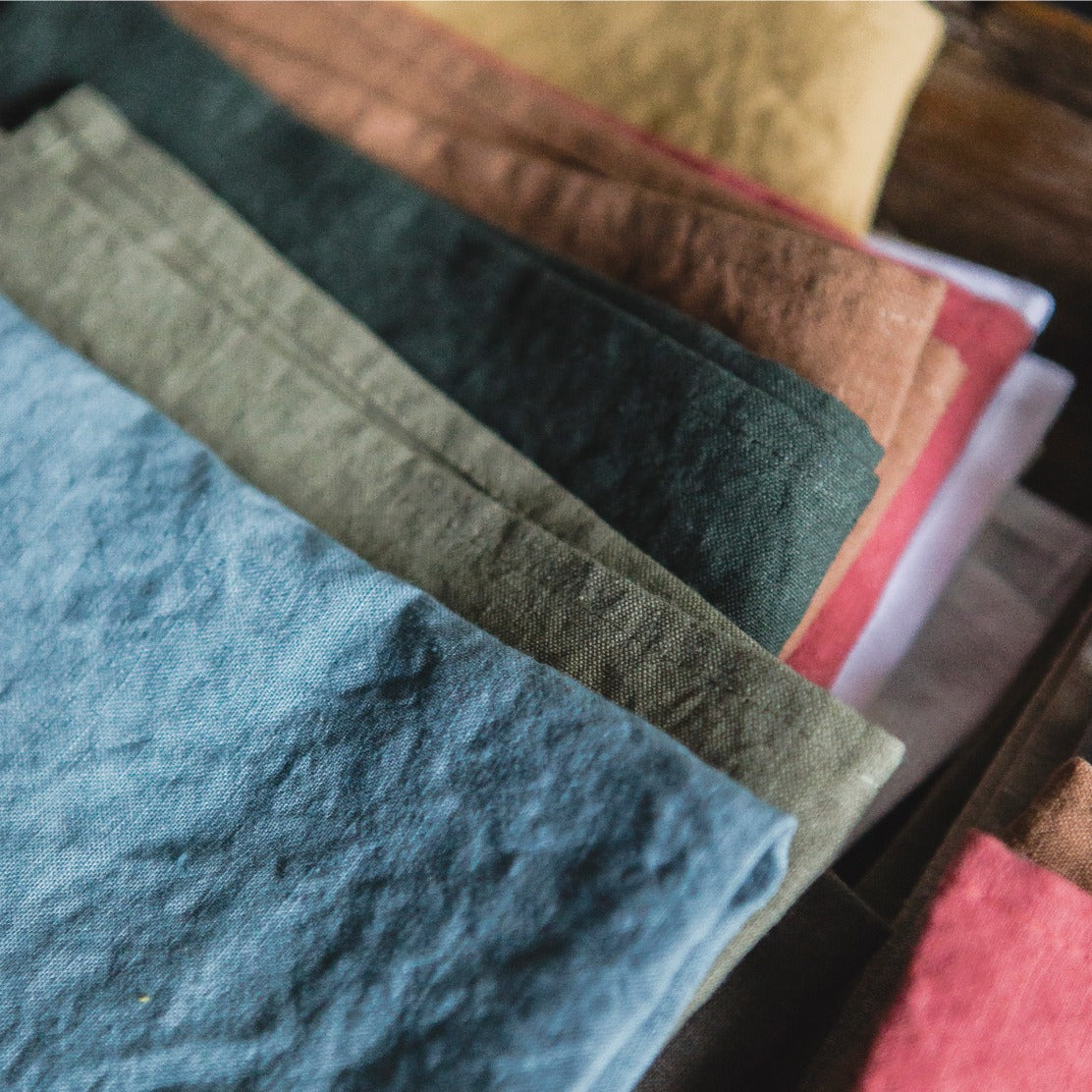
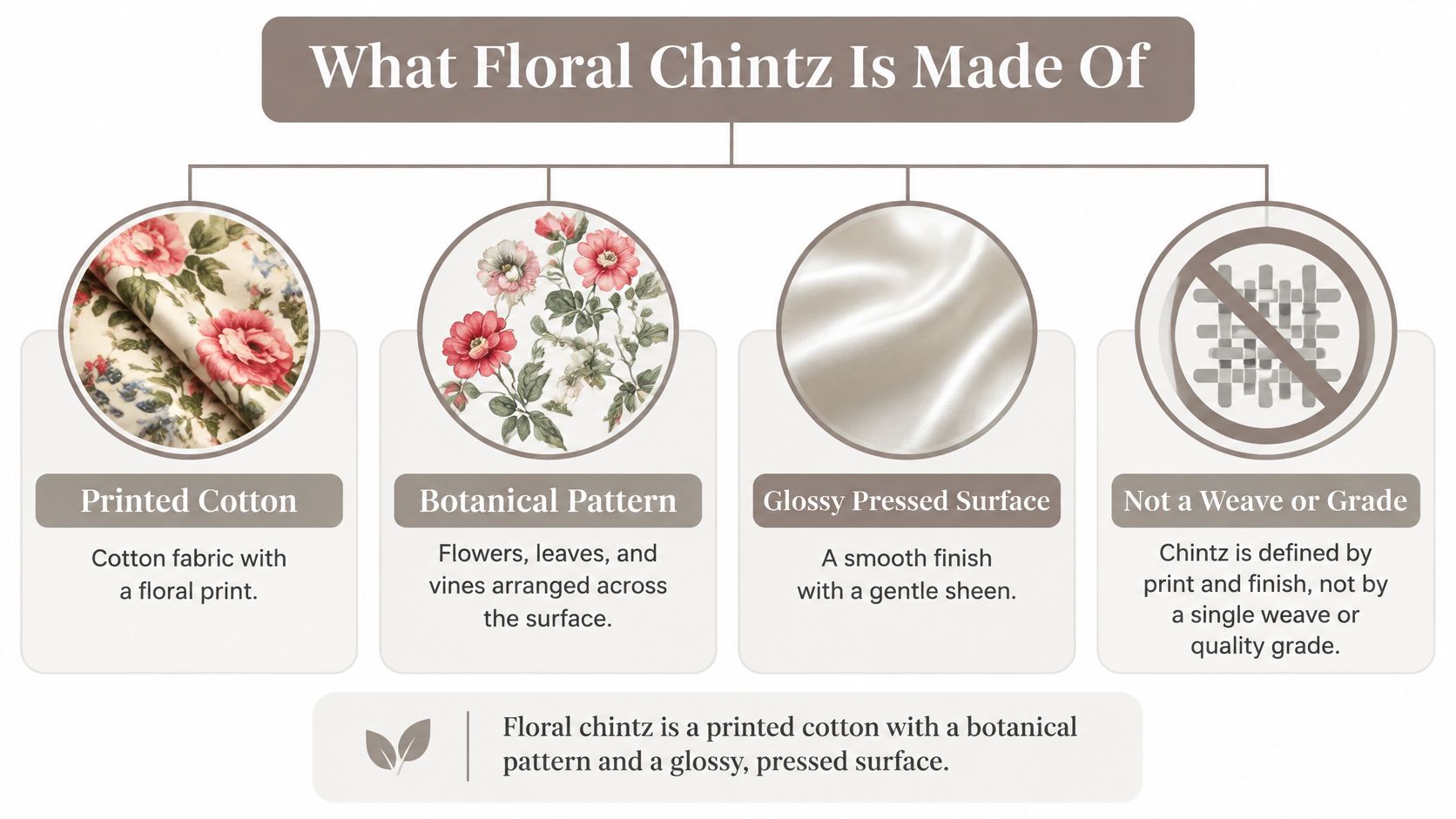
Think of chintz's finish like a glaze on pottery. It changes how the surface catches light and how richly the colors appear, but it isn't the material underneath. Traditional floral chintz is printed cotton with botanical decoration and a smooth, glossy, pressed surface, not a single weave or universal quality grade.
The distinction matters because a floral print can resemble chintz without having its characteristic finish. Equally, a fabric called chintz still needs a written specification before you can judge its suitability for seating.
The features to identify
- Fiber: Traditional chintz uses densely woven cotton. Ask for the actual fiber composition rather than treating the pattern name as a material specification.
- Weight: Traditional chintz typically weighs approximately 110–160 g/m², according to Club Martin's chintz glossary, which also describes calendering and friction-roller polishing as methods used to create its gloss.
- Finish: Polishing compresses and smooths the surface, often with wax, resin, or starch-based agents. That finish deepens the appearance of color and offers some initial soil repellency, but washing or aggressive cleaning can diminish it.
- Pattern scale: Small repeats can read almost as texture; medium motifs remain distinctly floral; large blooms become a major design feature. Scale affects both appearance and how the upholsterer positions the design.
Traditional examples include mordant-dyed and block-printed cottons. A mordant helps bind dye to the cloth, while block printing describes how a design is applied. Neither term, by itself, establishes modern upholstery performance.
Checks to make in the showroom
Tilt the sample toward and away from a window. Look for sheen that changes with the light, then examine the botanical printing and the ground between motifs. Finally, read the written fiber and weight information.
A dense, color-rich print and shifting gloss help you recognize the look, but they don't prove that the cloth belongs on an everyday couch. Don't confuse a beautifully finished surface with a tested seating fabric.
Abrasion and Lightfastness Numbers That Matter
Abrasion ratings screen fabrics; they don't promise a service life. Think of them as controlled obstacle tests, not an odometer telling you how many years a sofa has left.
Wyzenbeek testing rubs fabric with cotton duck along its warp and filling directions. Martindale uses a worsted-wool abradant under 12 kPa pressure, as described in Herman Miller's textile quality standards; its figure-eight motion differs from Wyzenbeek's directional rubbing, as explained in Kvadrat's fabric performance indicators. The results aren't interchangeable.
Durability benchmarks for floral chintz upholstery
The low- and high-traffic abrasion figures below come from the Association for Contract Textiles' woven indoor upholstery guidelines, which also caution that results above 100,000 Wyzenbeek double rubs haven't been shown to reliably indicate increased lifespan.
| Test | Low-traffic benchmark | High-traffic benchmark | What it does not capture |
|---|---|---|---|
| Wyzenbeek double rubs | 15,000 | 30,000 | Seam slippage, fading, pilling, pet damage |
| Martindale cycles | 20,000 | 40,000 | Edge wear, finish change, body oils |
| Lightfastness, 1 to 8 scale | Select for actual sunlight exposure | Select for actual sunlight exposure, not seating traffic | Actual window exposure and protection from lining |
| Print retention, ASTM D3389, modified | Rating 3 or higher for applicable coated fabrics | Same guideline threshold; assess intended use separately | Every source of print loss in household use |
The lightfastness scale runs from 1 to 8, with each one-point increase representing approximately twice the fading resistance under test conditions, according to Kvadrat's technical product information. Seating traffic doesn't determine the required rating: a rarely used chair beside a sunny window may need more fading resistance than a busy sofa away from daylight.
For print retention, ACT's coated indoor fabric guidelines specify modified ASTM D3389 testing and a rating of 3 or higher. This is a coated-fabric guideline, not an automatic requirement for every woven chintz.
Practical rule: A floral fabric can remain structurally sound while its printed flowers look worn. Ask about appearance retention, not just yarn survival.
For help interpreting specifications, our guide to fabric abrasion resistance provides useful context. Slone Brothers Furniture also explains how to find durable sofa fabrics when comparing seating options.
Request the exact pattern and colorway's test method and result, plus any available post-abrasion images or samples. A high number isn't enough if the glossy ground or botanical outlines look unacceptable after testing.
Where Floral Chintz Works for Upholstery and Drapery
Floral chintz is a strong candidate for decorative and lower-abrasion applications, including occasional seating and lined drapery. Everyday seating needs a more demanding specification.
Its furnishing credentials are well established. The Victoria and Albert Museum's furnishing-fabric record documents a brightly colored rose-and-lilac printed cotton from approximately 1850, exhibited in 1852, and describes consumers' continuing enthusiasm for floral chintzes despite criticism from Henry Cole and other design reformers.
Floral chintz suitability by use
| Application | Suitability | Condition to meet |
|---|---|---|
| Formal sofa in a lightly used living room | Good | Woven cotton with documented test results |
| Occasional armchair or accent chair | Good | Match the specification to seating frequency |
| Throw pillows and ottomans | Excellent for decorative use | Keep abrasion low; frequently used ottomans need seating-level scrutiny |
| Dining chair | Conditional | Require a documented higher-performance rating |
| Family-room sectional or everyday sofa | Conditional | Require higher-performance construction and a tested print |
| Lined drapery | Excellent | Use lining to help shield the face fabric from light and window-side moisture |
| Unlined window treatment in strong sun | Limited | Check lightfastness against the window's exposure |
The same fabric experiences different stresses on different furniture. A curved arm stretches the cloth around a shaped surface; a seat edge receives concentrated contact; a flat decorative back has a different job altogether.
For premium sectionals and high-quality couches, assess those stress points alongside household habits. ACT's abrasion disclaimer specifically identifies furniture design, maintenance, cleaning, construction, and usage as factors in actual durability and appearance retention.
Why drapery needs a separate decision
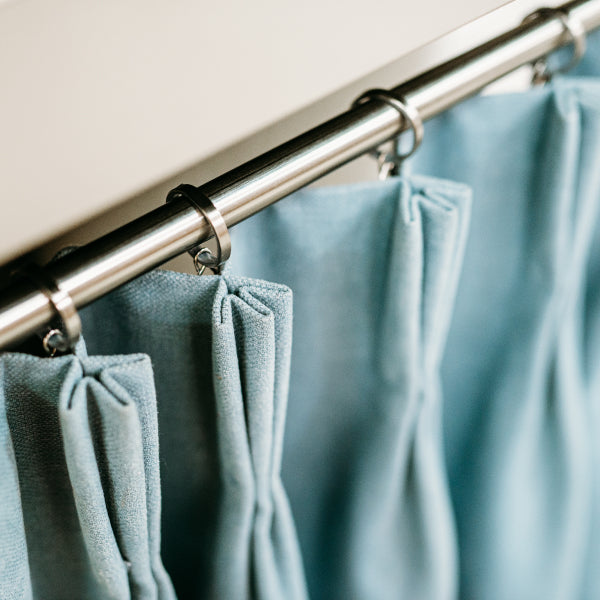
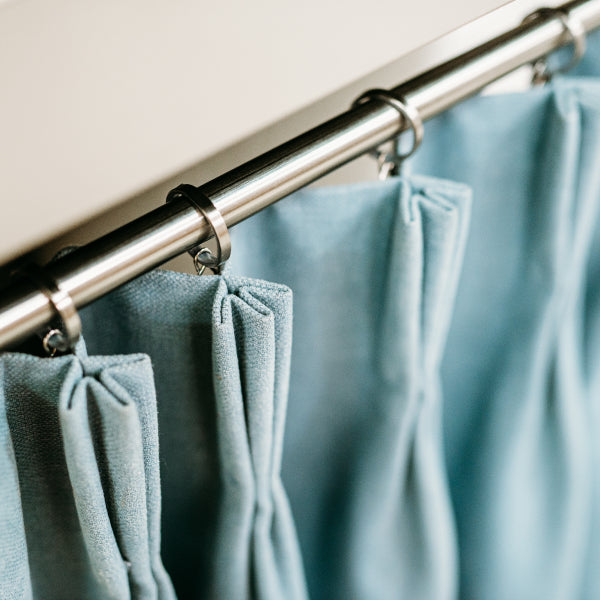
Lining gives lightweight face fabric more body and helps curtains hang cleanly. It also places another layer between the decorative cloth and the window, although it won't make condensation or strong sunlight harmless. An interlining can add insulation and help soften sound.
Before choosing, answer these questions:
- Where will it sit? Note windows, direct sunlight, nearby doors, and contact with surrounding furniture.
- How will people use it? Distinguish a formal sitting-room sofa from the sectional everyone uses after dinner.
- What else will touch it? Include children's shoes, pet claws, clothing hardware, and food.
Use the benchmark table to screen seating applications, then compare lightfastness with the actual window exposure. Choose chintz for high-use seating only when the supplier documents performance appropriate to that use.
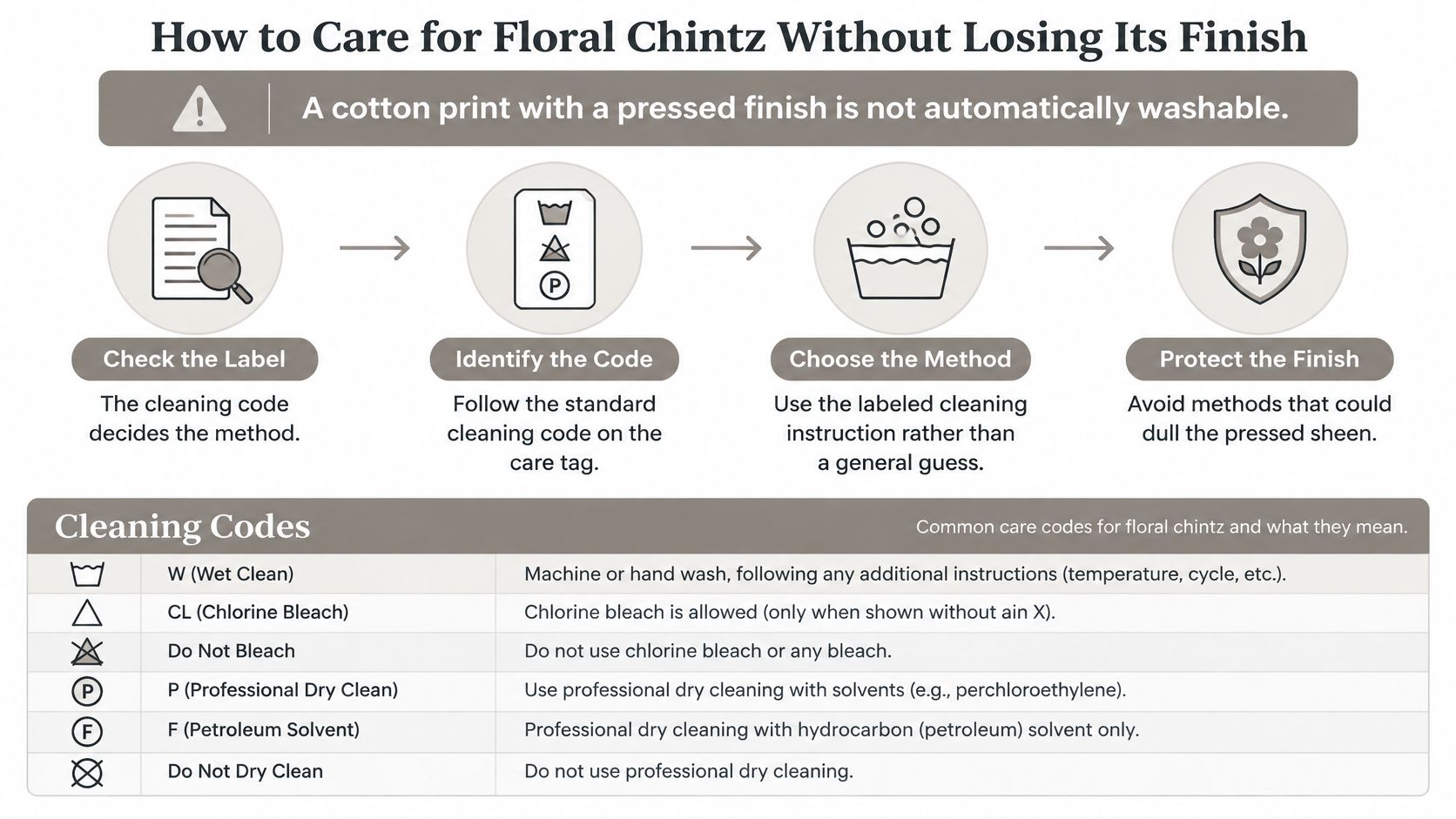
How to Care for Floral Chintz Without Losing Its Finish
A cotton print with a pressed finish isn't automatically washable. The cleaning code determines the permitted method, even when cushion covers unzip or the underlying fiber is cotton.
Before buying, make sure you can realistically follow that method. A fabric that requires specialist attention may suit a formal room perfectly but be inconvenient on a heavily used breakfast-room chair.
Cleaning codes and what they mean for floral chintz
| Code | Allowed method | What it means for chintz |
|---|---|---|
| W | Water-based cleaner | Test for gloss loss; avoid soaking the print |
| S | Solvent-based cleaner only | Test for color bleed and finish transfer first |
| W/S | Either water-based or solvent-based | Choose a permitted method that leaves the sample unchanged |
| X | Vacuum only | Use gentle brushing and vacuuming, not liquid cleaning |
A finish-conscious care routine
- Record the cleaning code before ordering. Keep it with the fabric name, colorway, and furniture paperwork.
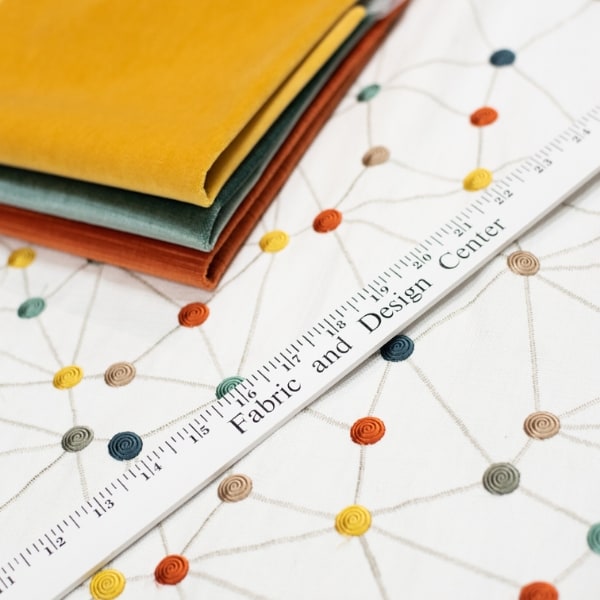
- Test a sample first. Fabric samples are available in our Design Center. Apply the proposed, code-approved cleaner to an expendable sample, blot with white cloth, let it dry completely, and inspect for bleeding, finish transfer, or altered gloss.
- Vacuum gently. Use a soft upholstery brush and light suction to remove grit without scrubbing the surface.
- Blot spills promptly. Lift liquid rather than rubbing it across the print. Follow the code and stop if color transfers.
- Manage direct sunlight. Use shades or appropriate window treatments, guided by the fabric's lightfastness rating.
- Arrange professional whole-piece cleaning. Tell the cleaner that the fabric has a pressed or glazed finish; don't assume removable covers belong in the washing machine.
Our upholstery fabric cleaning guide helps distinguish maintenance from deeper cleaning. For window treatments, CleanOnline, North York's Premium Dry Cleaners, explains how to vacuum heavy curtains without damaging fabric.
Cleaning should remove the soil without creating a visibly different patch of fabric.
Fire performance also needs attention before upholstery, especially for hospitality or commercial installations. Results can change with foam, interliners, and treatment, while requirements differ by jurisdiction. Specify the fabric and upholstery components as a complete system, rather than assuming a flame-retardant label settles every requirement.
Ask how any added stain treatment affects hand, sheen, and cleaning. Careful maintenance helps preserve color and gloss, but it doesn't justify a fixed lifespan promise.
Styling Floral Chintz From Period Rooms to Modern Interiors
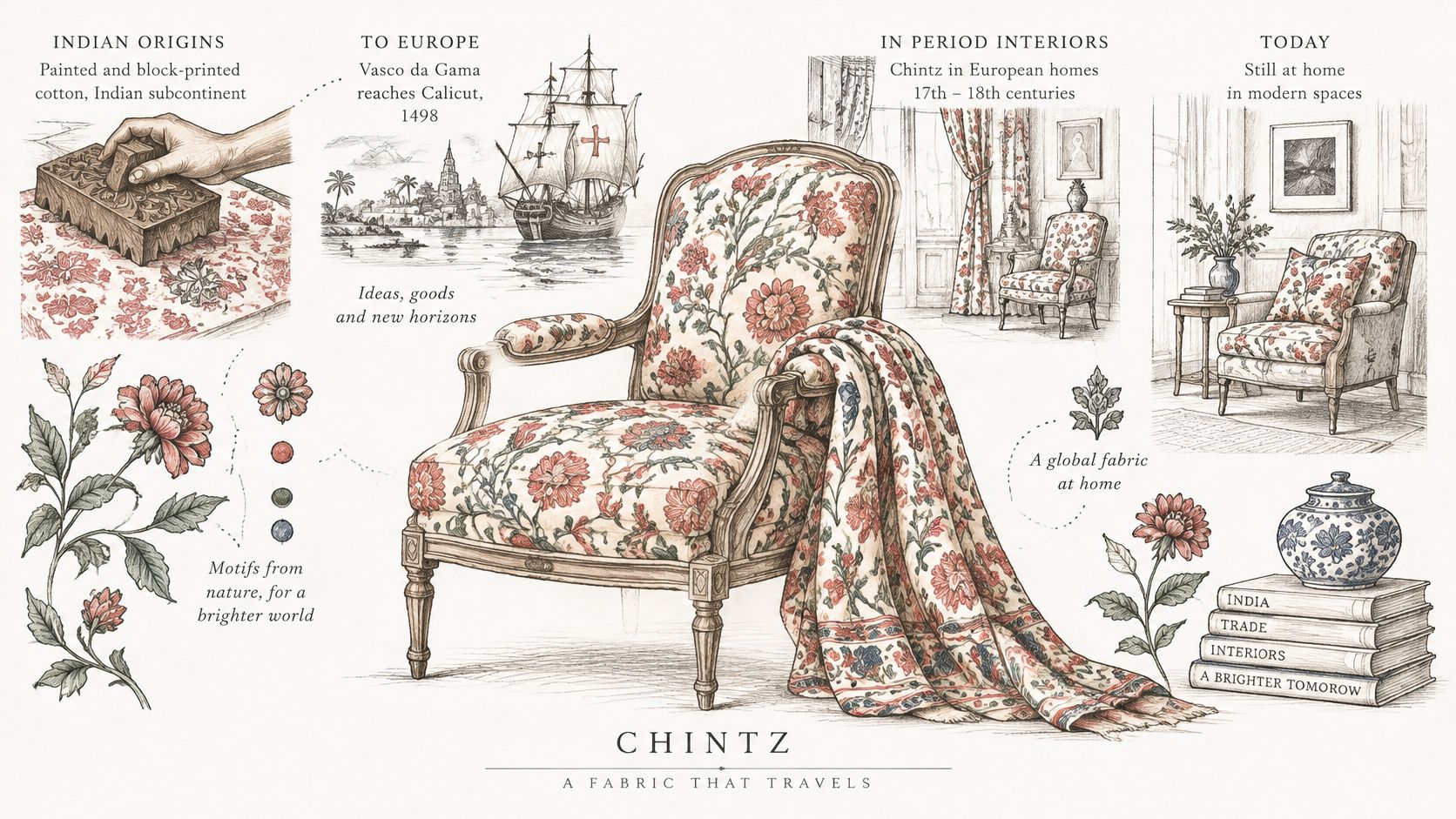
Chintz began as painted, mordant-dyed, and later block-printed cotton from the Indian subcontinent, and its European expansion accelerated after Vasco da Gama reached Calicut in 1498, according to the BBC's history of chintz. The bright floral furnishing example preserved at the Victoria and Albert Museum shows how firmly the textile became associated with domestic decoration.
That history doesn't require you to recreate a period room. Treat floral chintz as an anchor piece, then decide how much visual activity the surrounding room needs.
Let the furniture shape guide the pattern
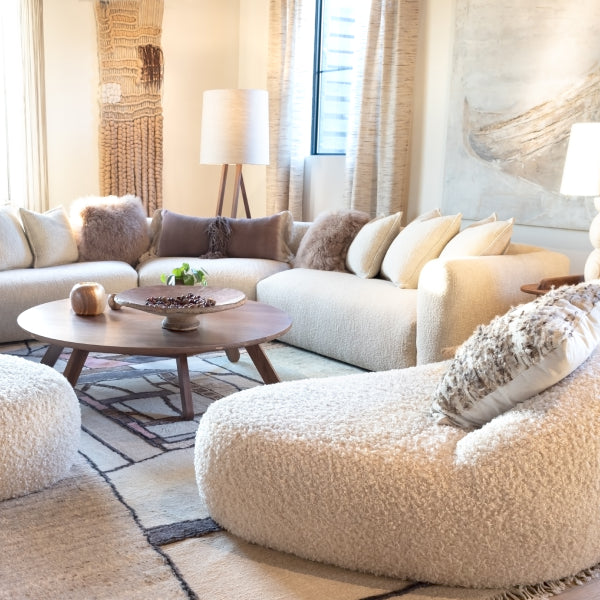
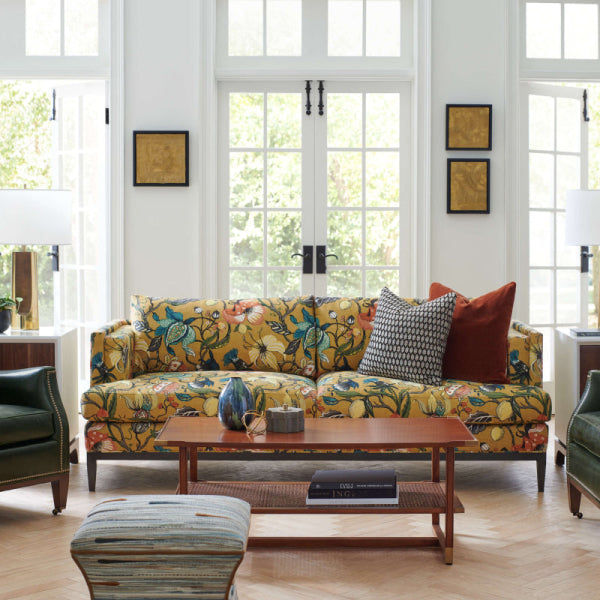
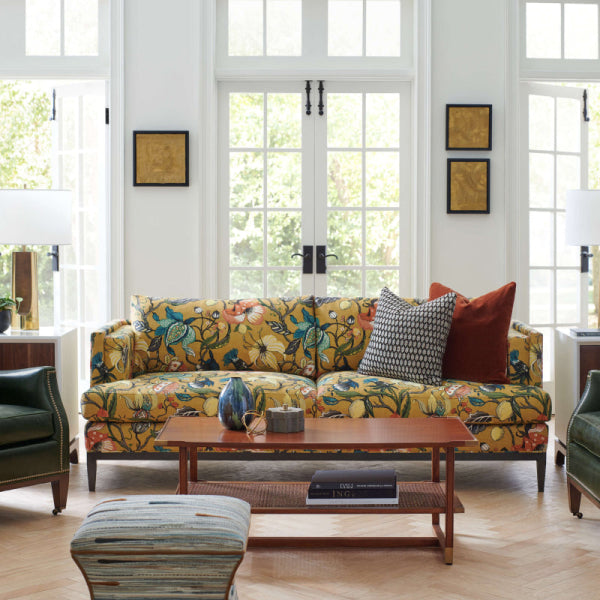
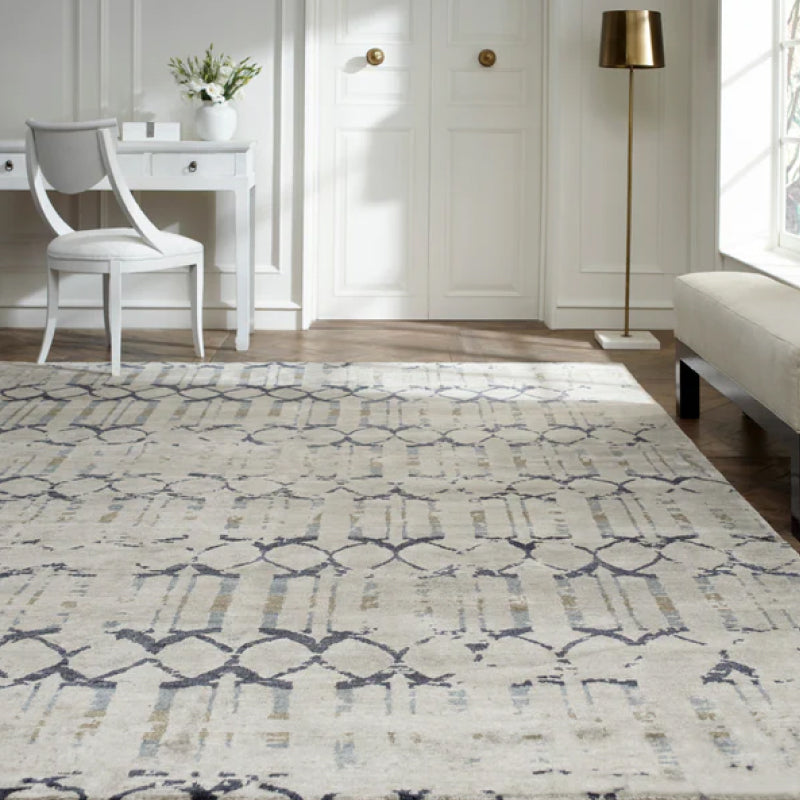
Say you're furnishing a Sandy Springs living room with a floral sofa, sculptural lounge chairs, and a patterned rug. Instead of making every surface compete, keep the chairs solid and choose a rug with a quieter visual rhythm. Pull a leaf green or muted petal color from the chintz into a cushion or trim.
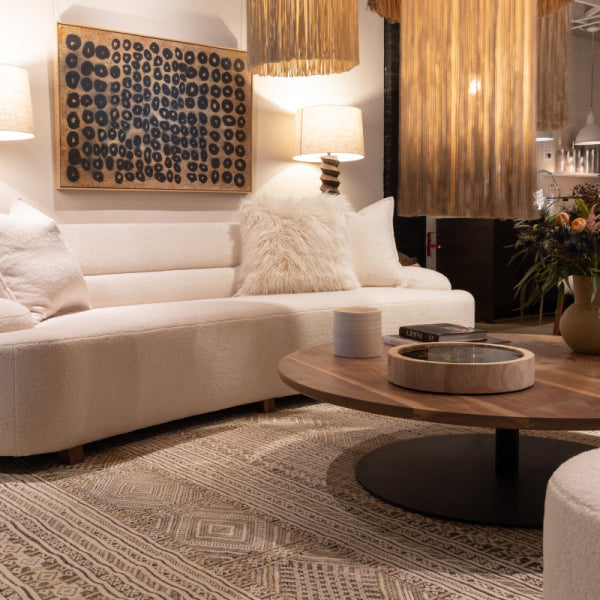
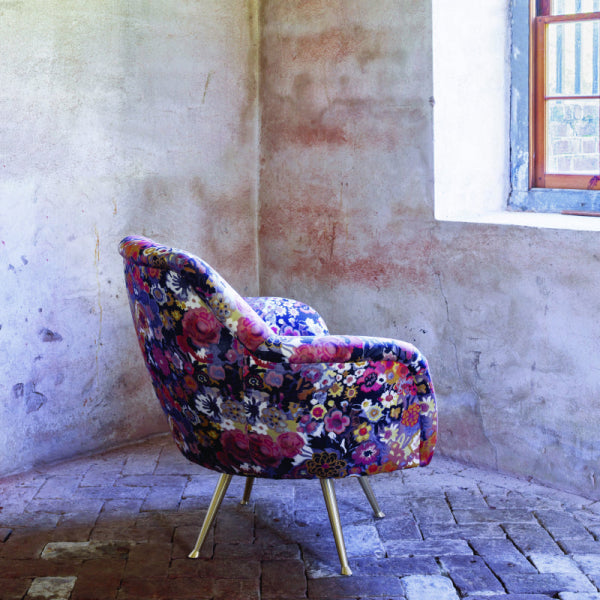
Curvaceous designer furniture often benefits from solids because they leave its outline uninterrupted. A strongly directional vine can appear to change direction awkwardly around a rounded arm or barrel back. Ask the upholsterer to show how the motif will cross seams before approving the layout.
Judge scale in the room, not on the cutting counter
- Large blooms: Check a generous sample from the doorway. They can overwhelm a small room, although a deliberately bold statement chair can work.
- Small florals: View them from normal seating distance. A delicate print may disappear across a large room.
- Existing pattern: Compare the chintz with rugs, wallpaper, and drapery together, rather than approving each in isolation.
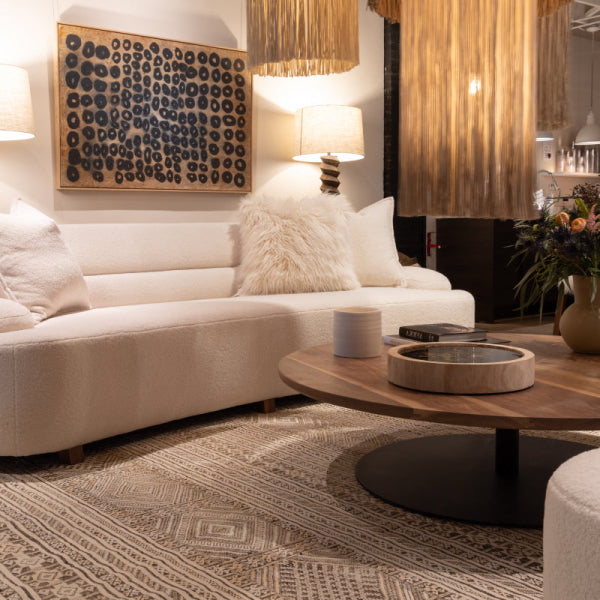
For a Roswell sitting room or a North Atlanta renovation, exclusivity comes from considered combinations, not just from using more pattern. If the floral piece is the focal point, let nearby surfaces stay quiet. If the room already has strong decoration, choose solids or restrained small-scale florals for supporting pieces.
Confirm the Spec Before You Order Floral Chintz
The right buying route depends on whether you're updating accessories, commissioning custom upholstered furniture, or preserving a cherished frame. Buyers comparing custom vs mass-produced furniture should evaluate control over fabric placement, construction details, and maintenance requirements, not assume that custom automatically means durable.
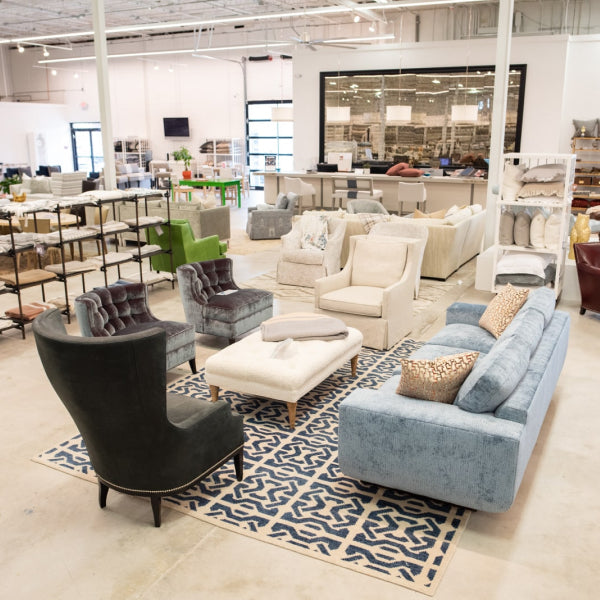
At Lewis and Sheron Textiles, our mill representation includes Kravet, Fabricut, P. Kaufmann, Libeco Home, and Crypton. We specialize in customizable American-made upholstery from makers including Wesley Hall, LEE, and Verellen, alongside reupholstery and custom drapery.
Ordering routes for floral chintz at Lewis and Sheron
| Route | Best for | Next step |
|---|---|---|
| Buy off the floor | Quick updates, pillows and drapery | Check in-stock bolts in the Design Center |
| Cut yardage from mills | Custom projects and trade sourcing | Request a sample and test it |
| Made-to-order upholstery | Custom sofas and chairs | Confirm the fabric specification with the maker before the build |
| Reupholstery | Heirloom and cherished pieces | Arrange assessment of the frame and foam |
| Custom drapery | Lined, fitted window treatments | Confirm lining and lightfastness requirements |
Put the specification in writing
Before authorizing cutting or production, record:
- Lightfastness appropriate to placement, including the room's direct sunlight.
- The cleaning code and a method your household can maintain.
- Abrasion method and result for the exact pattern and colorway.
- Print-retention documentation, where available and applicable.
- Foam, treatment, and interliner compatibility with the relevant fire requirements.
- Pattern repeat and seam layout, including motif placement on cushions, arms, and backs.
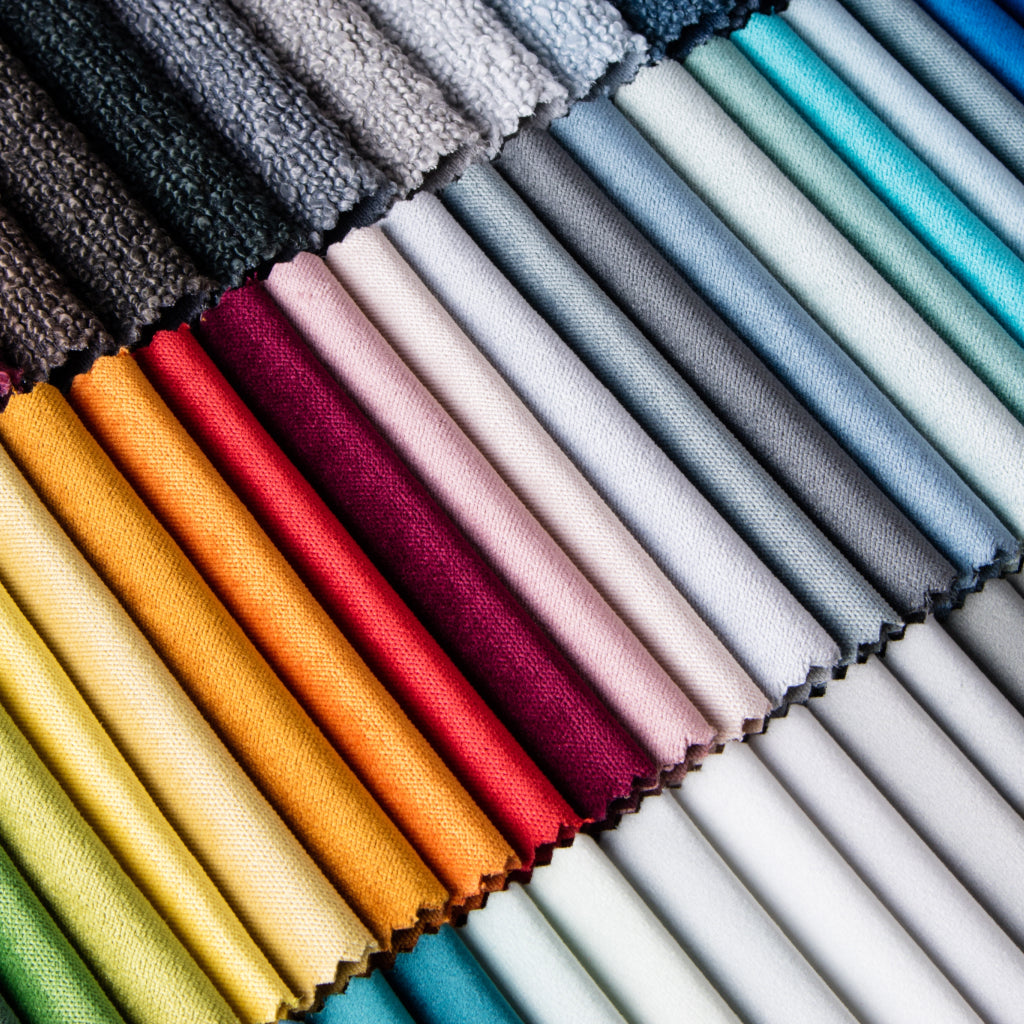
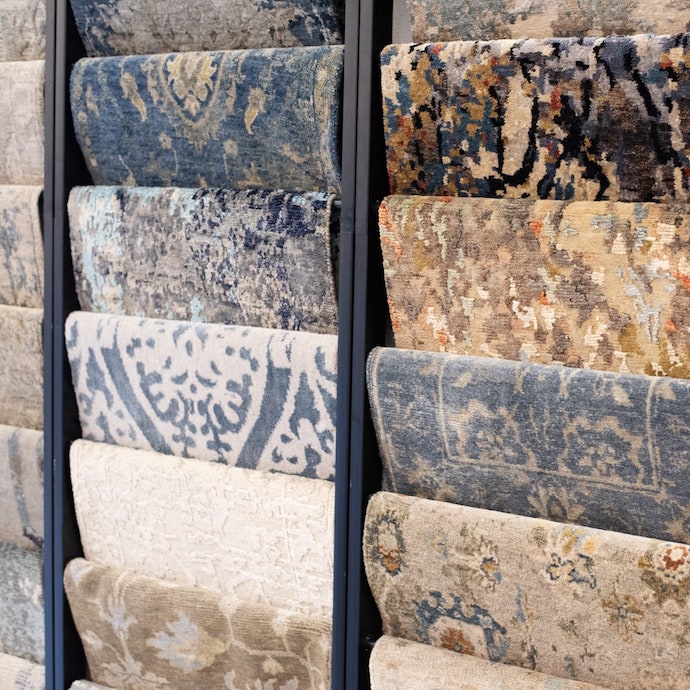
Use our guide to upholstery fabric samples to prepare for comparing cloth. Drape a sample over the intended chair or sofa and inspect it in daylight and evening light; this checks appearance, not laboratory durability.
For buyers searching luxury furniture Atlanta, custom furniture Atlanta, or designer furniture near me across Buckhead, Alpharetta, Roswell, Sandy Springs, and Fulton County, the useful comparison is documented suitability. The same applies when researching the best luxury sofa brands: ask what makes the proposed piece designer quality in construction, tailoring, and specification.
No fabric rating answers how long high-end furniture lasts. Heirloom-quality furniture requires the frame, upholstery system, textile, and care routine to work together. Request a per-yard quote for the exact bolt and a cutting plan before comparing total project costs.
Lewis and Sheron Textiles offers home fabrics, customizable American-made upholstery, reupholstery, and custom drapery for considered interiors. Visit Lewis and Sheron Textiles with room photographs, furniture dimensions, and a description of daily use, then request floral chintz samples to evaluate before ordering.