


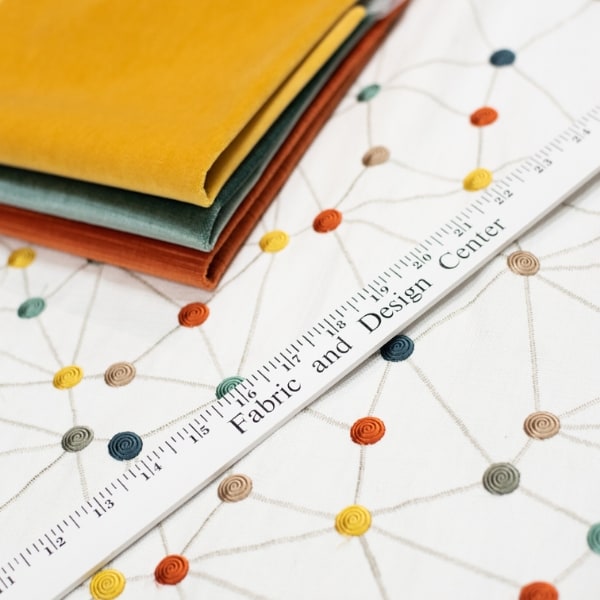
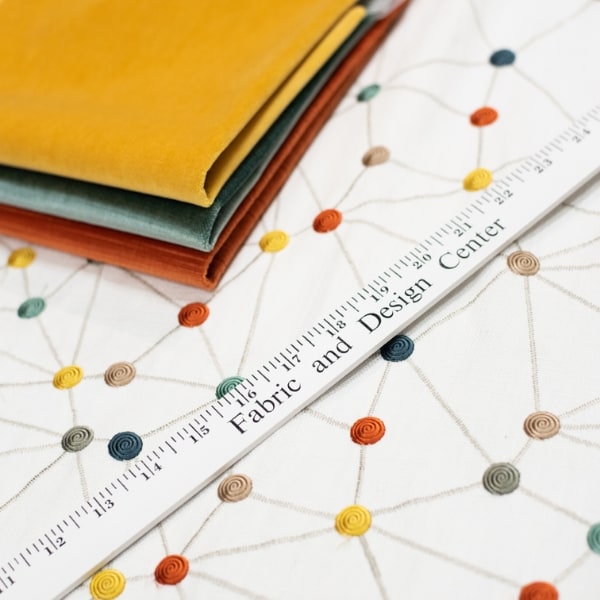




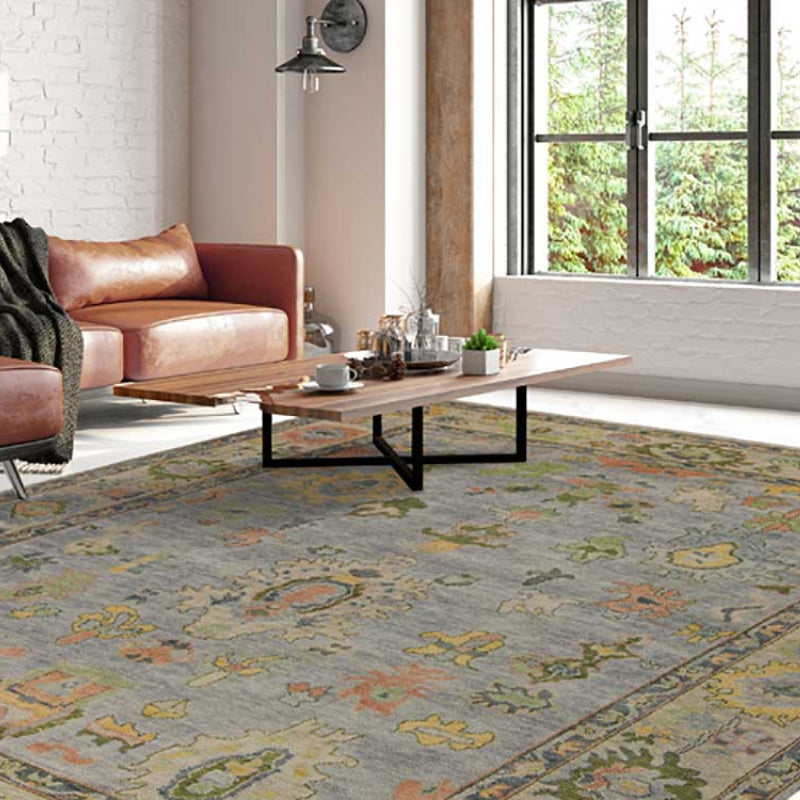
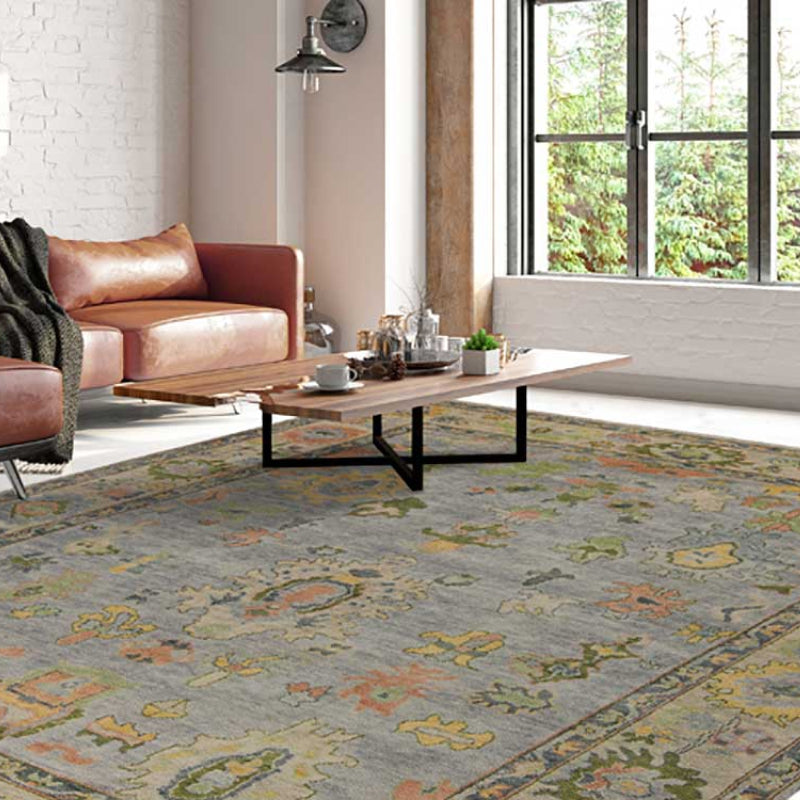
Natural fabrics aren't the textile market's default: petroleum-based synthetics accounted for roughly 69% of global fiber production in 2024, according to the USDA's summary of global fiber production. Choosing natural materials for a luxury home is therefore a deliberate specification decision, not a matter of selecting something traditional.
The best natural fabrics do more than bring texture into a room. They influence how a sofa feels, how drapery hangs, and whether furnishings remain attractive through daily use. But natural doesn't automatically mean durable, washable, or sustainable. Construction and care matter as much as fiber identity.
For homeowners and interior designers in Atlanta, Buckhead, Alpharetta, Roswell, and Sandy Springs, this list of natural fabrics connects material choices to actual rooms: family sectionals, custom chairs, bedroom drapery, bedding, and decorative accents.
- Start with the investment piece. Select upholstery around traffic, sunlight, and maintenance.
- Layer selectively. Pair a substantial foundation fabric with softer accents, including affordable throw blankets for living rooms.
- Handle samples before ordering. Color alone won't tell you whether a textile suits the furniture.
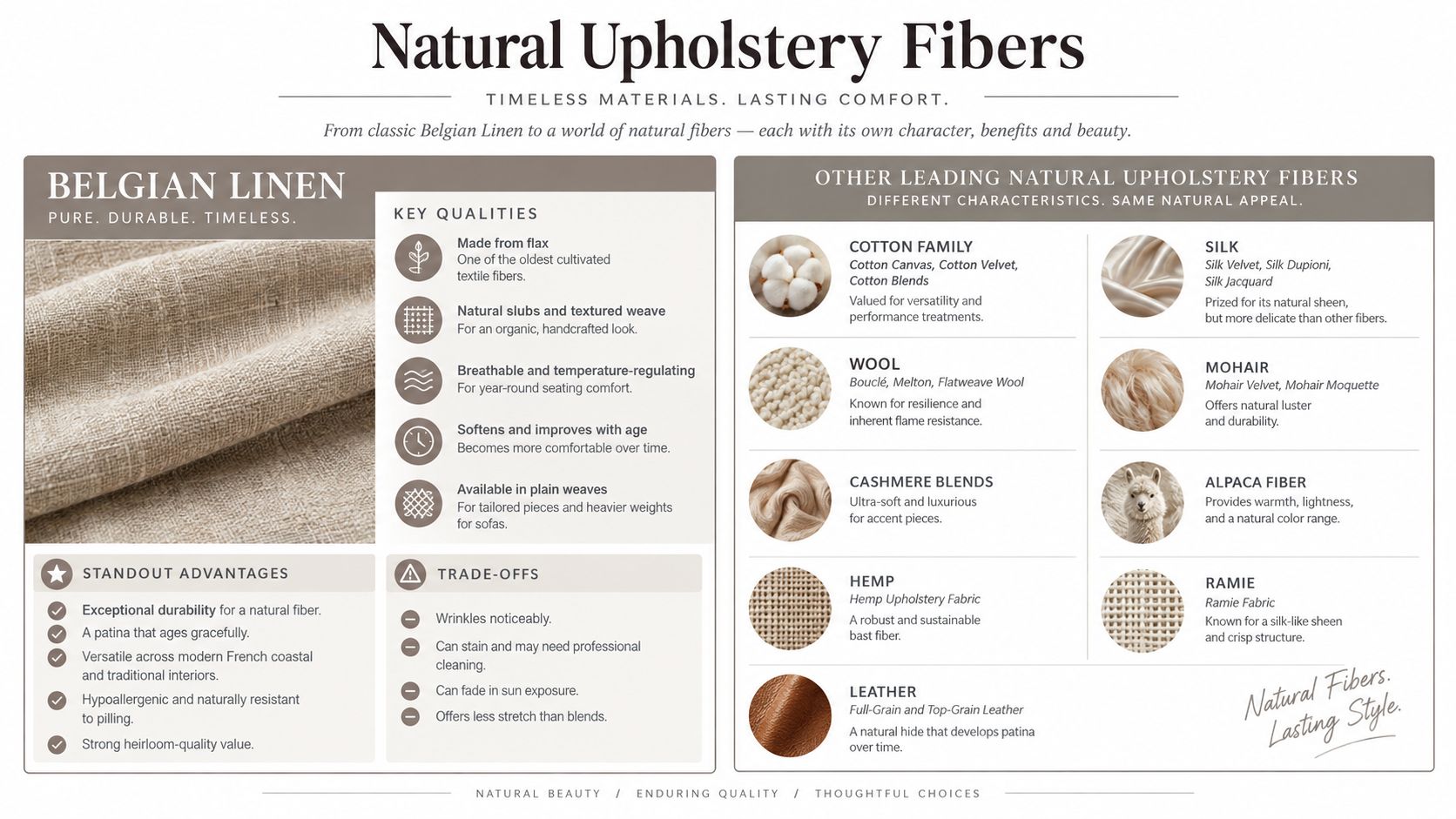
1. Belgian Linen
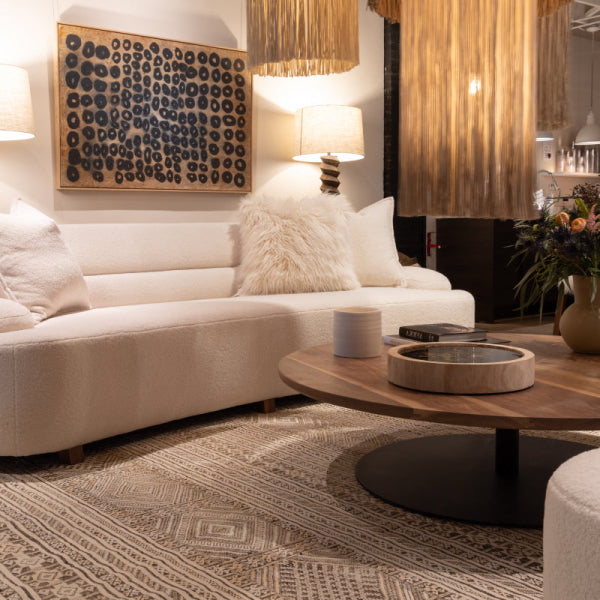
A camel-back sofa in natural Belgian linen is a strong starting point for a Buckhead living room: refined enough for formal architecture, relaxed enough to avoid a showroom-perfect appearance. Linen's textured surface also works well on slipcovered armchairs in Roswell and Alpharetta.
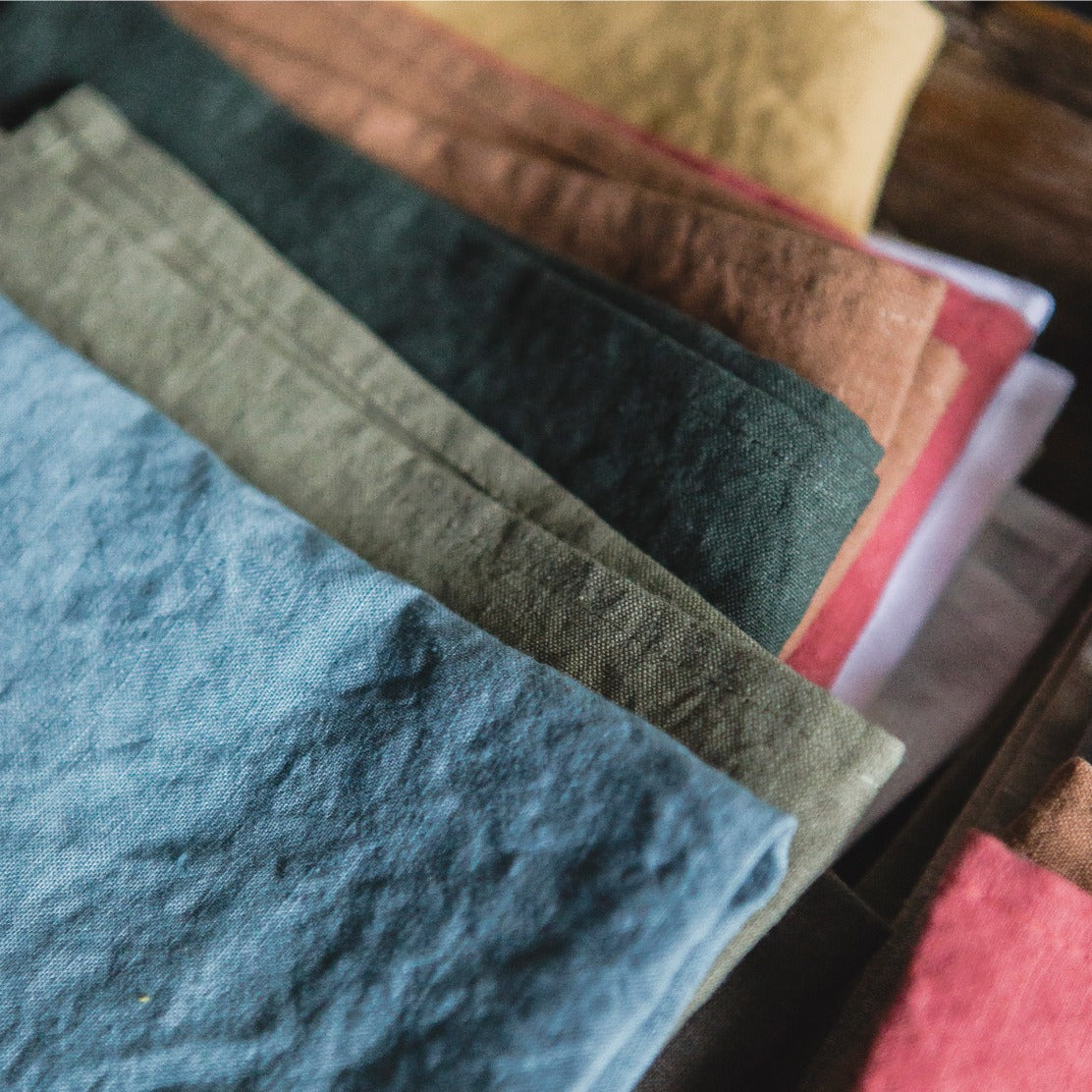
Linen comes from flax, one of the foundational plant fibers identified in Britannica's overview of natural fibers. For upholstery, however, the finished cloth matters more than its historical pedigree. Compare weight, weave, backing, and the maker's intended application.
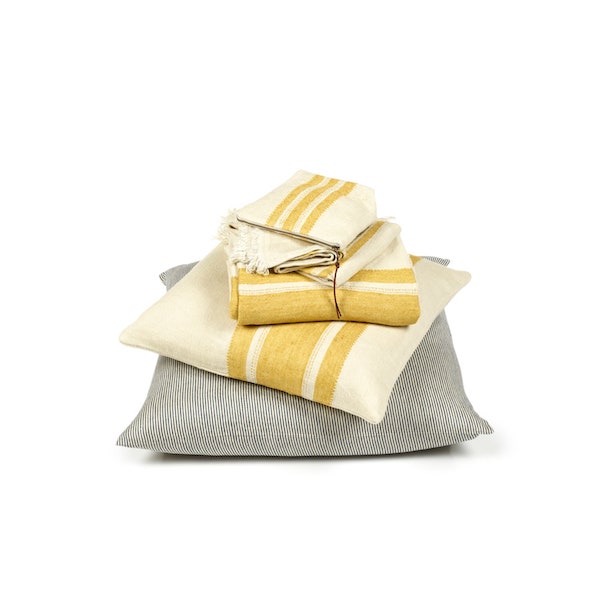
Lewis and Sheron Textiles' Libeco linen collection provides a relevant starting point for comparing Belgian linen in person.
- For everyday seating: Request upholstery-weight samples and documented performance specifications.
- For drapery or bedding: Confirm the appropriate construction and care instructions rather than repurposing upholstery cloth.
- For maintenance: Don't assume a removable cover is washable. Follow the finished fabric's directions and discuss professional cleaning.
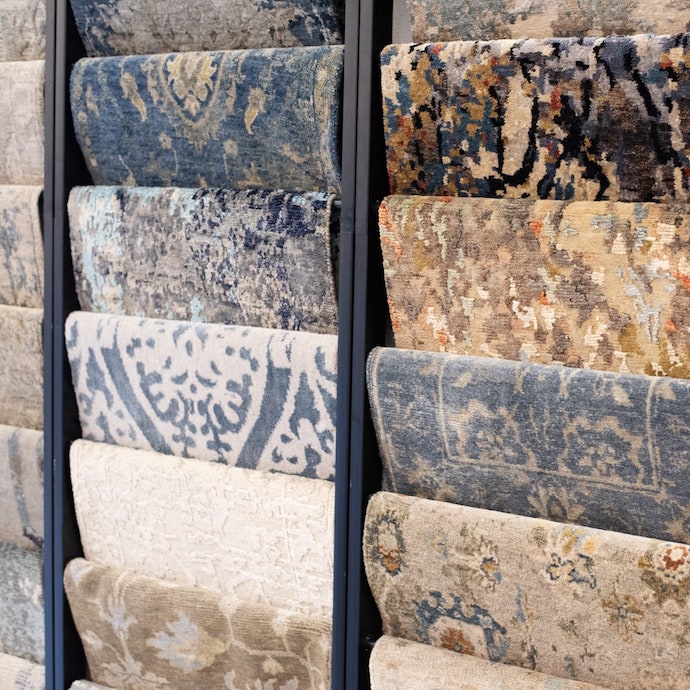
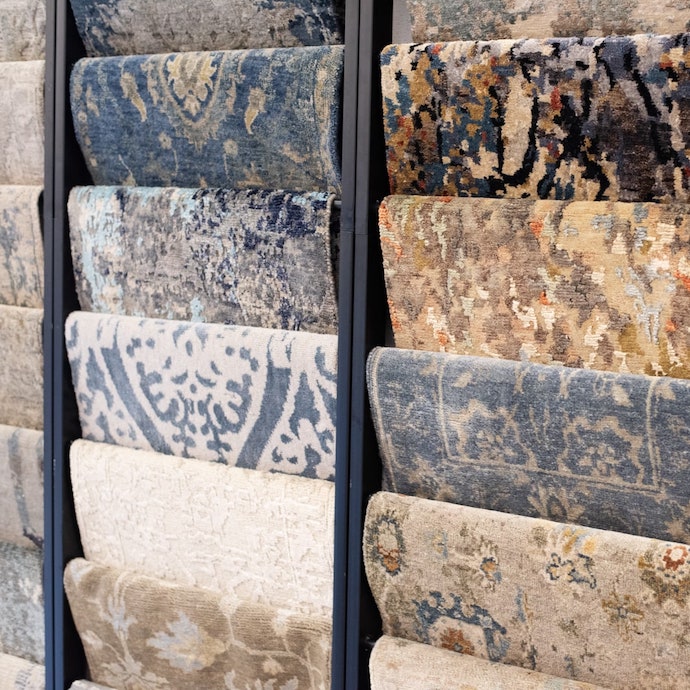
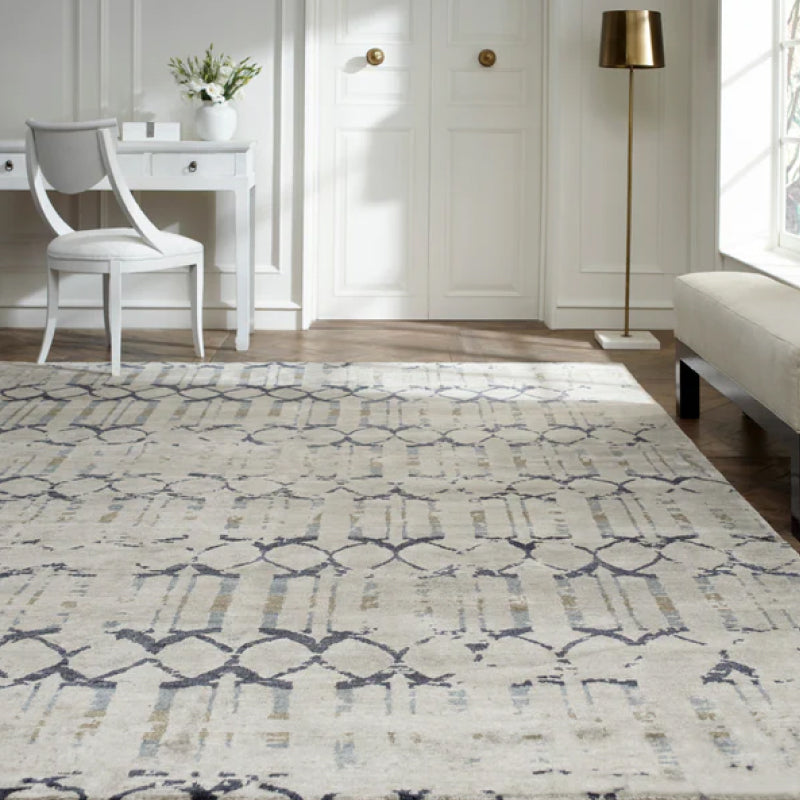
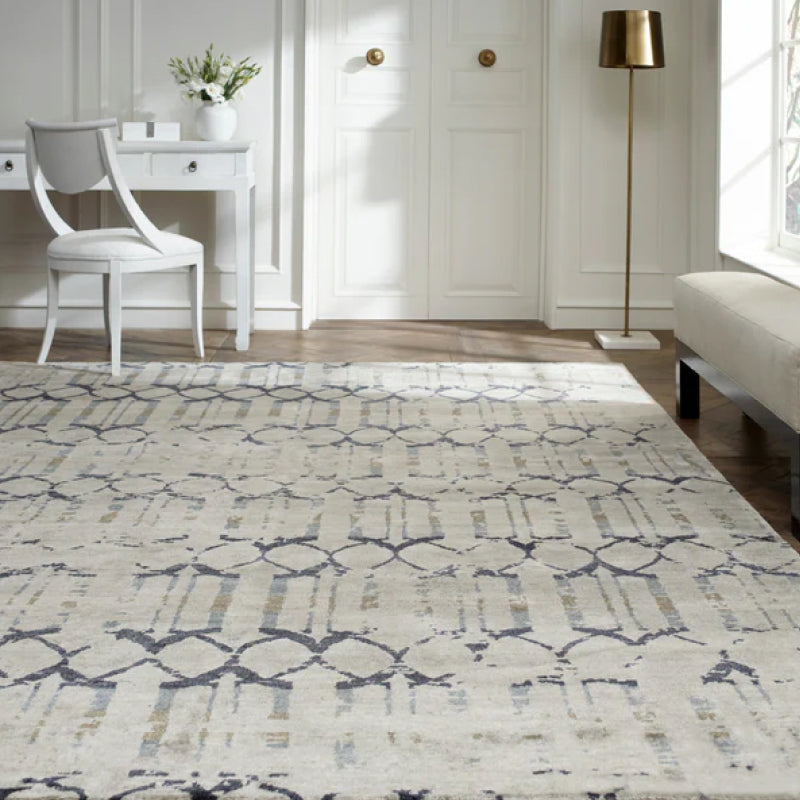
A stain treatment or backing may be worth considering for family use, but ask how it changes the hand and care requirements. Pair linen seating with a textured wool rug from Kalaty or HRI for contrast without competing patterns.
2. Cotton Canvas, Cotton Velvet, and Cotton Blends
Cotton is a category, not a performance specification. Canvas, velvet, and jacquard can create very different results, even when their fiber labels look similar. Textile Exchange reports that cotton represented 19% of the global fiber market in 2023/24, demonstrating its scale without establishing how any particular upholstery will perform (Materials Market Report).
For a Sandy Springs dining room, consider a custom cotton-based upholstery with an appropriate protective finish. For a Buckhead family room, compare cotton velvet samples on the actual sectional silhouette rather than choosing from a small swatch alone.
Specify the Finished Fabric
Lewis and Sheron's guide to high-quality cotton is a useful starting point alongside cotton-based selections from Kravet and Fabricut. Ask which options contain natural fibers, which include synthetics, and which incorporate a Crypton treatment or backing.
Request abrasion results, cleaning instructions, and any restrictions on aftermarket protection. A cotton blend isn't necessarily entirely natural, and a performance label doesn't replace a composition check.
The same project-specific thinking applies when you pick the perfect material for sewing: choose for the finished object, not just the fiber name. A fabric suited to bedding or garments may be inappropriate for high-quality couches.
3. Silk (Silk Velvet, Silk Dupioni, and Silk Jacquard)
Choose silk when the furniture's visual role matters more than its ability to absorb everyday punishment. An emerald silk-velvet accent chair can anchor a formal Buckhead living room; silk dupioni drapery can give an Alpharetta primary suite a more dressed appearance.
These are design scenarios, not reasons to specify silk everywhere. Reserve it for lower-abrasion applications, and confirm that the particular cloth is approved for upholstery before using it on a chair or bench.
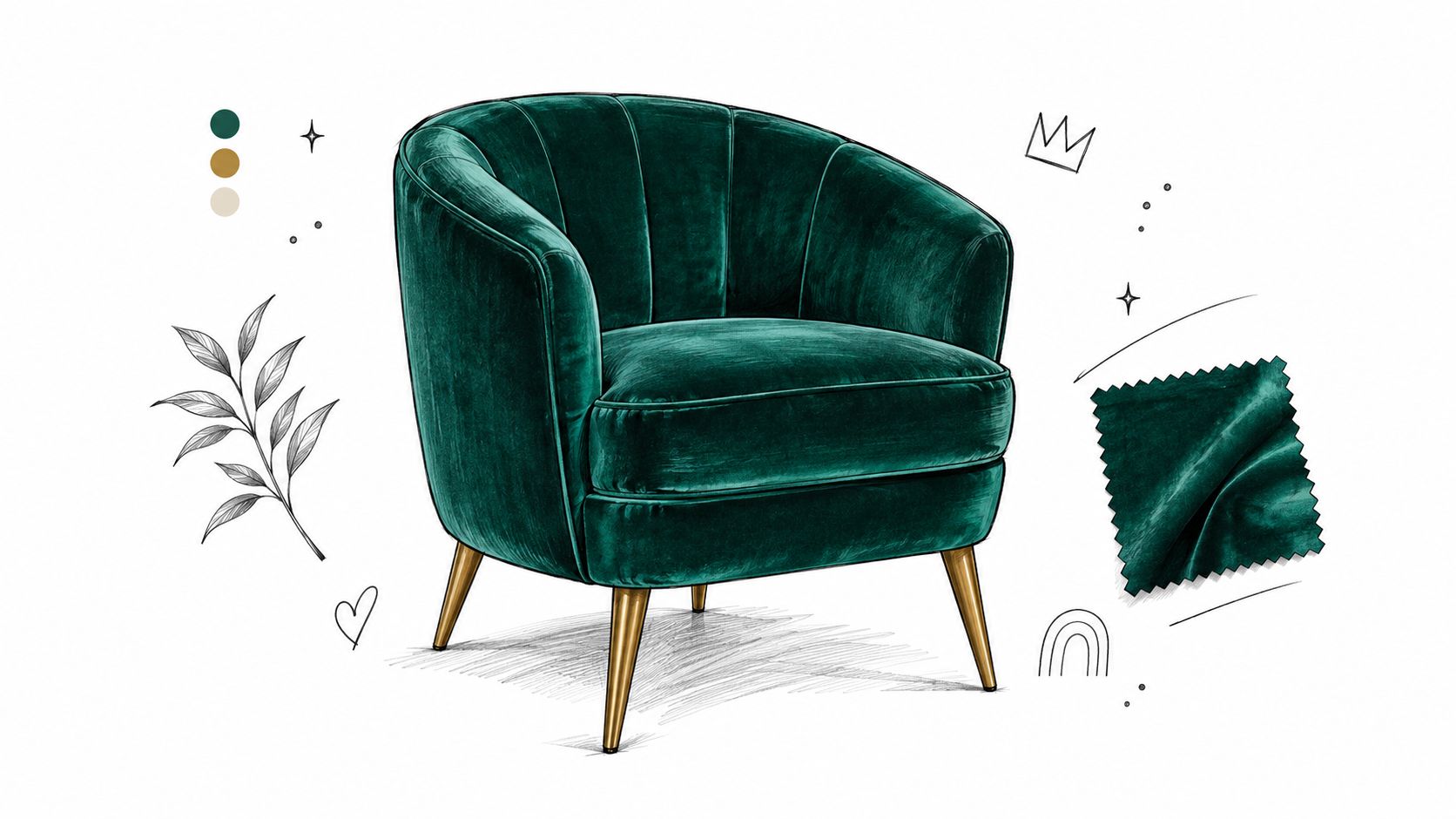
Placement rule: A statement chair doesn't need to meet the same daily demands as the family's favorite seat.
Discuss sunlight exposure, lining, and professional cleaning before committing to silk window treatments. Don't add a generic fabric protector without written confirmation that it's compatible with the textile.
For a coordinated room, pair silk with quieter linen or wool rather than repeating sheen on every surface. Silk jacquard can provide decorative pattern, while velvet gives a more concentrated visual effect. Ask to see a larger sample so you can judge the fabric across curves, seams, and changing light.
4. Wool (Bouclé, Melton, and Flatweave Wool)
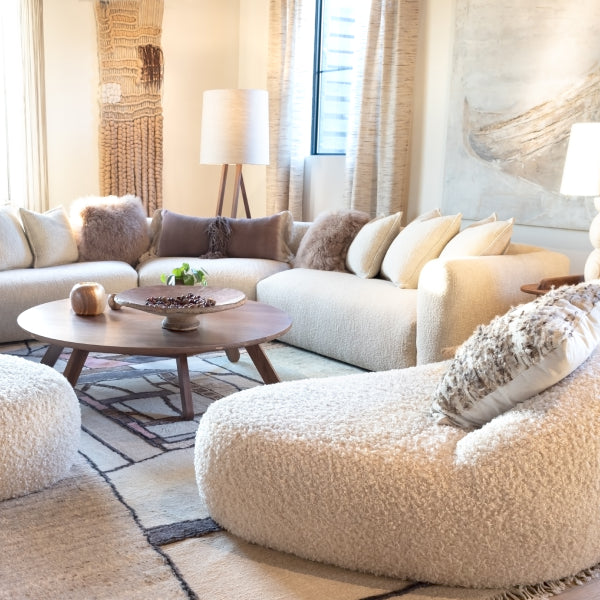
A rounded bouclé lounge chair and a sharply cut wool sofa can belong to entirely different interiors. Fiber content doesn't dictate the aesthetic: use bouclé for visible texture, and compare melton or flatweave options when you want a cleaner outline.
For an Atlanta condo, consider a sculptural wool chair beside smooth linen drapery. In a traditional Roswell home, a well-cut wool sofa can work with patterned cushions and a hand-knotted rug without making every surface feel busy.
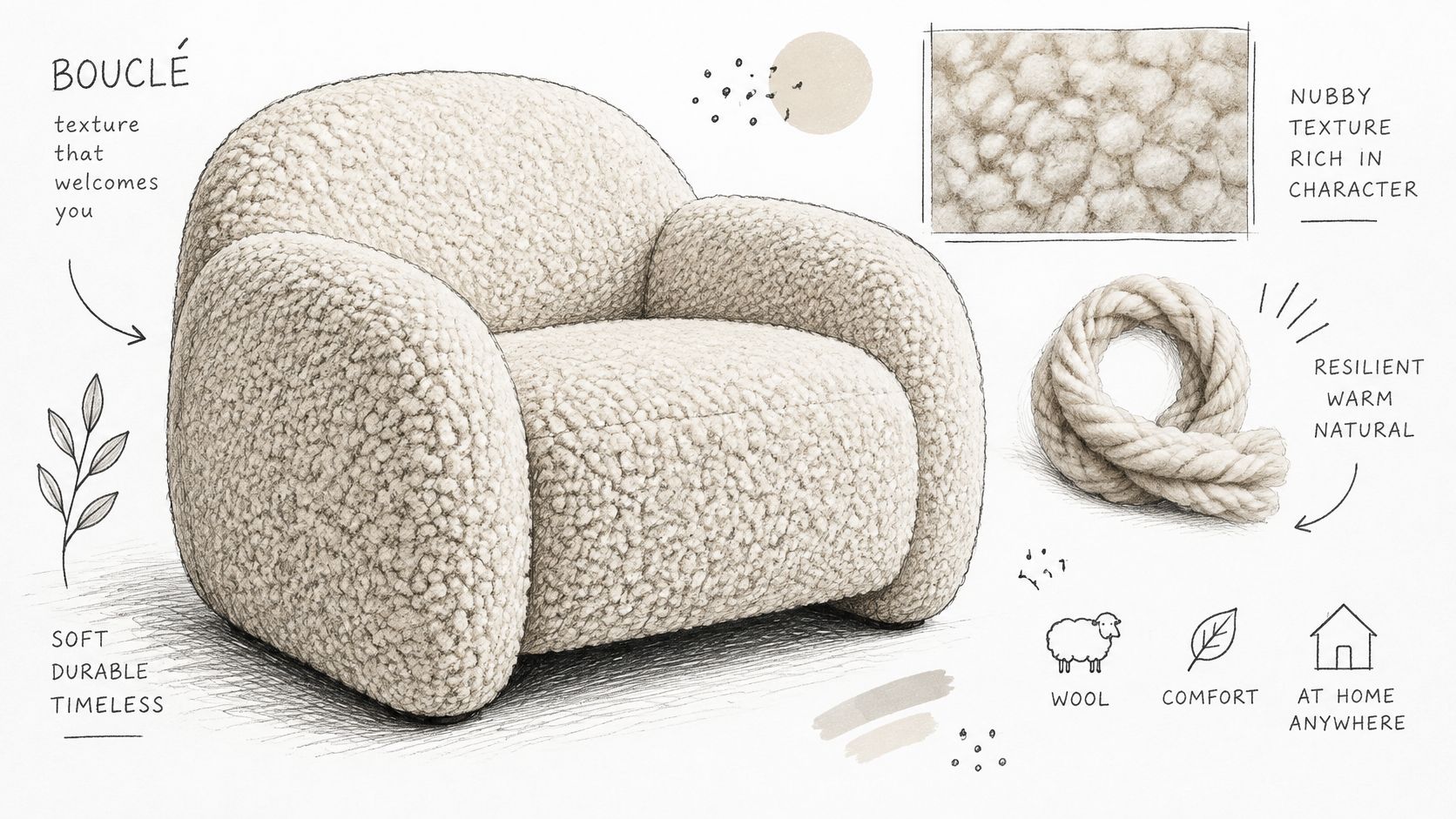
- Inspect the loops: For homes with pets, compare tighter constructions and discuss snagging concerns.
- Plan routine care: Confirm the recommended vacuum attachment and cleaning method with the supplier.
- Balance texture: Place wool bouclé beside smoother materials rather than surrounding it with equally pronounced textures.
Lewis and Sheron's wool upholstery fabric guidance can help frame the showroom conversation. Ask for specifications on the actual selection rather than accepting broad claims about wool's longevity.
A wool rug from Kalaty or HRI can complement the seating, but compare the textures together. Coordinated doesn't have to mean matching.
5. Mohair Velvet and Mohair Moquette
For a library club chair or a substantial sofa, mohair deserves a side-by-side sample comparison, especially when you want a lustrous surface without choosing silk. Mohair velvet and moquette offer distinct upholstery directions, so inspect the actual construction rather than ordering on the material name.
Consider a deep-colored mohair sofa in a Buckhead living room or moquette club chairs in a Sandy Springs library. These are settings where the textile can contribute visual depth without relying on decorative pattern.
Evaluate Pile and Performance Together
Look at the sample from several angles and ask how the pile should be maintained. Discuss cushion rotation, approved brushing techniques, and professional stain removal before placing the order.
For technical comparison, Sailrite's explanation of the Wyzenbeek test identifies 30,000 double rubs as a commonly referenced heavy-duty upholstery category. Request the test method and result for the specific mohair, not a rating borrowed from another cloth in the collection.
A substantial-looking pile isn't proof of service life. Compare seam behavior, cleaning requirements, and suitability for the intended furniture. For heirloom-quality furniture, the frame, cushioning, tailoring, and textile should all support the same use.
6. Cashmere Blends for Upholstery
The best place for cashmere may be the piece you touch last thing at night rather than the sofa everyone uses throughout it. Consider a cashmere-wool blend on a bedroom lounge chair, or a cashmere throw layered over a linen sectional.
For a Buckhead primary suite, that approach concentrates tactile luxury where it will be appreciated. In an Alpharetta family room, a removable accent is a more flexible proposal than committing the entire seating arrangement to a delicate-feeling textile.
Specify cashmere as an intentional accent, not as shorthand for superior upholstery performance.
- Read the composition: Ask how much cashmere the fabric contains and what the companion fibers contribute.
- Confirm the application: A beautiful throw fabric isn't automatically suitable for a custom chair.
- Arrange care first: Obtain cleaning instructions and identify an appropriate textile-care service before purchase.
Don't assume that adding wool or silk guarantees durability. Request finished-fabric evidence and inspect the sample for the particular furniture design.
For luxury home furnishings, restraint often produces a more convincing result than repetition. A cashmere accent beside linen, leather, or wool can feel considered without making the room difficult to maintain.
7. Alpaca Fiber
An alpaca throw over a leather sofa is a useful design proposal when a room needs softness without another large upholstered surface. An alpaca-blend accent chair could serve a similar purpose in a Roswell reading corner, provided the selected fabric is approved for seating.
Treat exclusivity and suitability as separate questions. A less familiar fiber may interest a design-conscious buyer, but rarity doesn't establish durability, easy care, or environmental merit.
Ask What the Blend Actually Does
Request the full composition and ask why the mill selected those companion fibers. Then compare the sample with a wool or cashmere alternative on comfort, appearance, maintenance, and intended use.
For an Atlanta condo, try natural-looking neutral accents against darker leather or wood. Keep the palette deliberate rather than assuming every neutral textile will coordinate.
If sustainability influences the purchase, ask for sourcing documentation rather than accepting a natural-fiber label as proof. A review of natural-fiber environmental impacts explains why farming, processing, finishes, and disposal complicate simple environmental rankings.
Confirm storage and cleaning requirements as well. The right choice is the textile you can maintain appropriately, not merely the softest sample on the showroom table.
8. Hemp Upholstery Fabric
Hemp belongs on the shortlist for a relaxed interior, particularly when you're comparing textured fabrics for a modern Atlanta loft or casual Sandy Springs dining room. A hemp-linen or hemp-cotton blend is worth sampling when you want an organic-looking surface without selecting a pronounced decorative pattern.
The practical question is whether the finished fabric suits the furniture. A strong fiber doesn't automatically produce a well-performing seat cover, especially when weave, seams, backing, and finishing differ.
- Check the hand: Compare the fabric against skin, not just between your fingers.
- Check the construction: Ask whether the supplier recommends it for fixed upholstery, slipcovers, or decorative use.
- Check the finish: Discuss whether a backing or protective treatment changes texture, cleaning, or end-of-life options.
For a custom dining chair, inspect how the sample turns around corners and meets the wood frame. For a sofa, request a larger cutting to assess texture across a broad surface.
Don't describe hemp upholstery as sustainable solely because it contains hemp. As noted earlier, sourcing and processing matter. A documented, serviceable fabric is a stronger purchase than an appealing environmental story without supporting information.
9. Ramie Fabric
A bench at the foot of a bed is a sensible place to consider ramie: a relatively contained upholstered surface where you can assess its visual character alongside wood, metal, and bedding. For a Roswell primary suite, compare a ramie blend against linen before deciding which better supports the room's silhouette.
Sample first, specify second. Don't commit to an unfamiliar textile because its description promises elegance or strength. Ask for the composition, intended application, and care instructions, then handle the actual cloth.
Favor Clear Specifications Over Novelty
For a Buckhead living room, a ramie-cotton blend could be considered for a fitted slipcover, but only after confirming dimensional stability and the approved cleaning method. Removable doesn't mean machine-washable.
Assess the sample on the proposed cushion and arm shape. A fabric that looks appealing when laid flat may behave differently around piping, curved arms, or tightly fitted corners.
Ask the upholsterer about seam slippage and any backing requirements before approving yardage. If the supplier can't provide enough information for daily seating, reserve the material for a lower-demand decorative application or choose a better-documented alternative.
Distinctive designer furniture should be distinctive in execution, not merely in the obscurity of its fiber label.
10. Full-Grain and Top-Grain Leather
Leather isn't a woven fabric, but it belongs in a natural-upholstery comparison because buyers routinely consider it alongside linen, wool, and velvet. For a Buckhead family-room sectional or Alpharetta library chair, evaluate the actual hide and finish rather than selecting by color alone.
Full-grain leather retains the hide's natural surface character; top-grain options are processed for a more controlled appearance. Ask the supplier to explain the specific product, since those category names don't answer every question about protection, maintenance, or visual variation.
Care decision: Choose the leather finish and the household care routine together.
- For visible character: Review full-grain samples and decide whether natural variation suits your expectations.
- For family use: Compare protected or pigmented options and request explicit cleaning guidance.
- For maintenance: Use only approved products, including conditioner when the manufacturer recommends it.
A leather sofa paired with linen drapery and wool cushions can create contrast without introducing another dominant pattern. Before buying, review leather care advice from Woodstock Furniture alongside the selected leather manufacturer's instructions.
Don't accept a generations-long lifespan promise based on leather alone. Frame construction, cushioning, use, repairs, and maintenance still determine whether the finished furniture merits heirloom status.
10 Natural Upholstery Fabrics Compared
| Material | 🔄 Complexity & Care | Resource Requirements | 📊 Expected Outcome | ⭐ Key Advantage | 💡 Ideal Use |
|---|---|---|---|---|---|
| Belgian Linen | Moderate; wrinkles easily and may need professional cleaning | Medium–high cost; heavier weights suit frequent use | Softens with age and develops a relaxed patina | Breathable, durable, and versatile | Tailored sofas and slipcovered chairs in classic or transitional rooms |
| Cotton Canvas, Velvet, and Blends | Low–moderate; performance treatments simplify cleaning | Wide range of prices; treated options suit family use | Comfortable and versatile; untreated cotton may stain or wrinkle | Broad choice of colors, textures, and performance options | Everyday seating, especially treated fabrics in homes with children or pets |
| Silk Velvet, Dupioni, and Jacquard | High; delicate, sun-sensitive, and typically professionally cleaned | High cost; best for low-use pieces | Adds sheen, rich color, and a formal look | Exceptional luster and visual impact | Accent chairs and statement seating in low-traffic rooms |
| Wool Bouclé, Melton, and Flatweave | Moderate; routine vacuuming; bouclé may snag | Medium–high cost; tighter weaves can suit busier spaces | Resilient, shape-retaining seating with natural flame resistance | Strong durability and recovery | Lounge chairs and sofas for long-term use |
| Mohair Velvet and Moquette | Moderate; professional cleaning and gentle pile care | High cost; limited color availability | Retains shape and color while adding subtle luster | Exceptional resilience among natural upholstery fibers | Heirloom sofas and frequently used club chairs |
| Cashmere Blends | High; delicate and prone to pilling | Very high cost; blends improve practicality | Provides a soft, warm, luxurious feel | Outstanding softness and tactile appeal | Throws, cushions, and low-traffic accent pieces |
| Alpaca Fiber | Moderate; protect from prolonged direct sun | High cost; limited upholstery fabric availability | Lightweight warmth with a soft hand and natural color range | Distinctive softness and insulating quality | Accent chairs, cushions, and throws |
| Hemp Upholstery Fabric | Moderate; wrinkles and may feel coarse unless blended | Medium–high cost; upholstery-weight options can be limited | Durable, breathable fabric that softens with use | Strong natural fiber with a sustainability appeal | Casual or transitional seating with an organic look |
| Ramie Fabric | Moderate; wrinkles and can feel stiff before breaking in | Medium–high cost; limited upholstery-weight availability | Crisp, structured finish with a subtle sheen | Strong, breathable, and silk-like in appearance | Tailored seating and structured silhouettes |
| Full-Grain and Top-Grain Leather | Moderate; routine care and conditioning help prevent drying | High cost, especially for full-grain leather | Long-lasting surface that can develop a patina | Durable, easy-to-clean material with heirloom potential | Sofas and chairs for classic or modern interiors |
Build a Room That Lasts
Choose natural fabric for the life of the piece, not just its first impression. Match the material to traffic, sunlight, cleaning needs, and the role you expect the furniture to play. Then evaluate samples in person for hand, drape, color, and texture.
For luxury sofas and premium sectionals, ask for more than an abrasion number. The Association for Contract Textiles' abrasion guidance cautions that laboratory results don't directly predict consumer experience, and ratings above 100,000 double rubs haven't been shown to reliably indicate longer fabric life. Construction, care, and actual use remain essential.
Buy the Specification, Not Just the Label
Searches for best luxury sofa brands, designer furniture near me, or luxury furniture in Atlanta can help identify places to visit, but they can't settle a material decision. Whether you're comparing Verellen, Wesley Hall, LEE Industries, or Ambella, request details about the frame, cushions, upholstery, tailoring, and available service.
The same applies to custom vs mass-produced furniture. Customization is valuable when it solves a specific problem, such as seat depth, room scale, textile coordination, or a difficult window. It isn't automatically evidence of better construction.
- Build a durable foundation: Select the primary seating fabric around daily use.
- Add lighter accents: Reserve more demanding textiles for cushions, throws, drapery, or occasional seating.
- Plan future care: Discuss cleaning, replacement cushions, and reupholstery before purchasing.
For buyers asking how long high-end furniture lasts, an honest answer depends on the complete piece and its use, not a universal lifespan. What makes furniture designer quality is the coherence of the decisions: proportion, material, workmanship, comfort, and maintenance.
Homeowners sourcing custom furniture in Atlanta, including North Atlanta and Fulton County, should bring room photographs, measurements, finish samples, and realistic care expectations to the showroom. Whether you're furnishing Buckhead, Alpharetta, Roswell, or Sandy Springs, that preparation makes comparisons more meaningful and helps avoid an expensive mismatch.
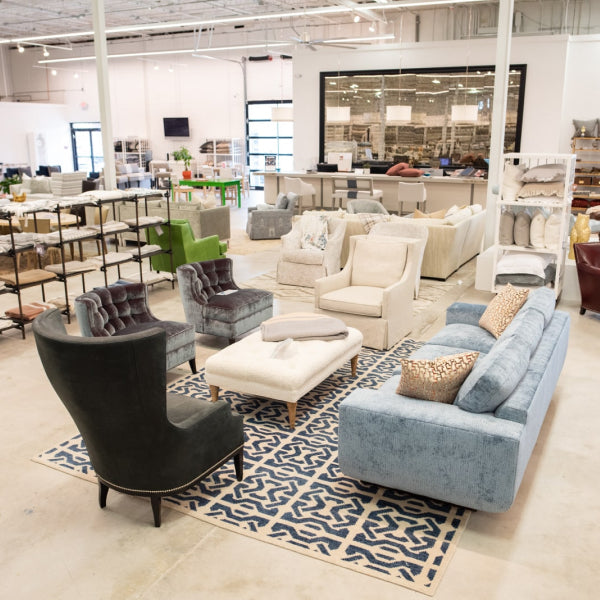
Lewis and Sheron Textiles offers premium fabric sourcing, made-to-order furniture, reupholstery, custom drapery, and complimentary in-house design consultations when shopping. Visit Lewis and Sheron Textiles with your room photographs and project measurements to compare natural fabrics and develop a coordinated plan for your home.