


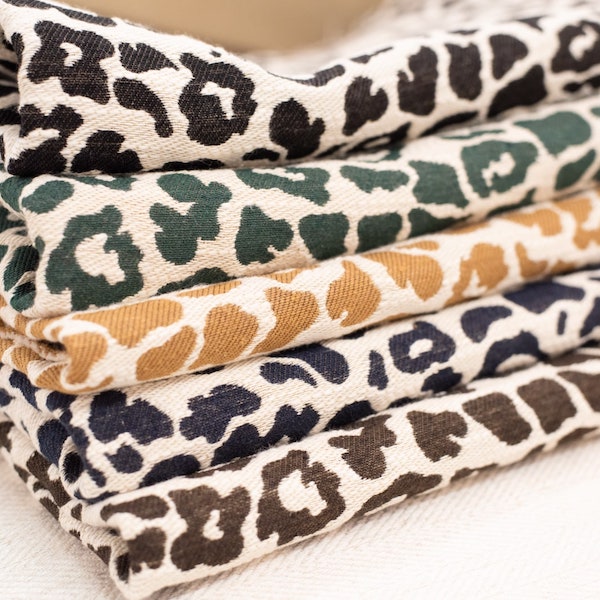
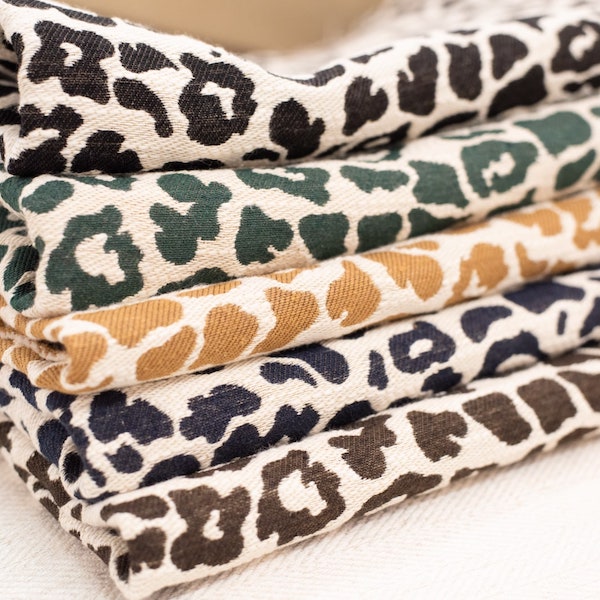
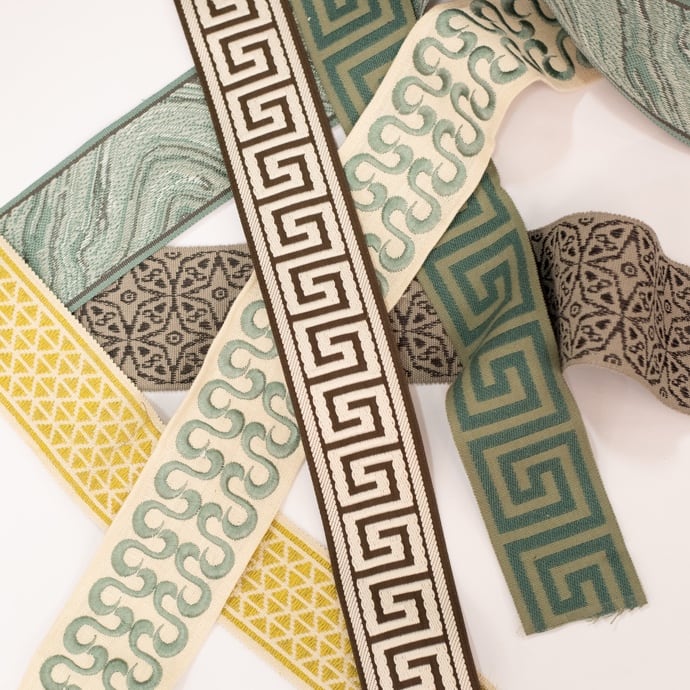

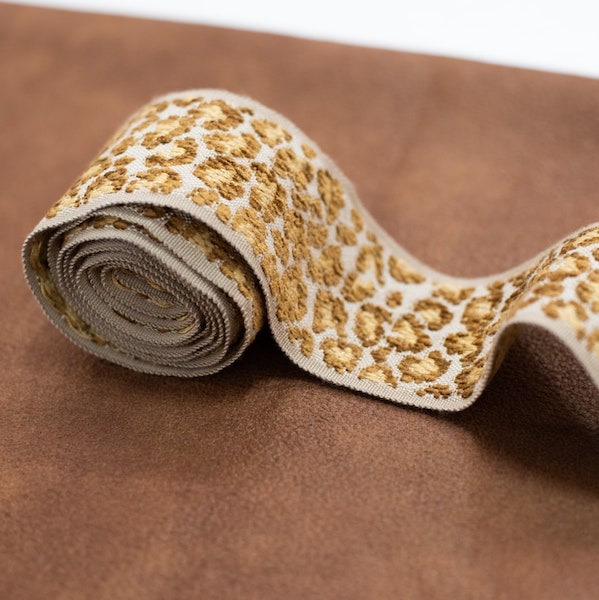
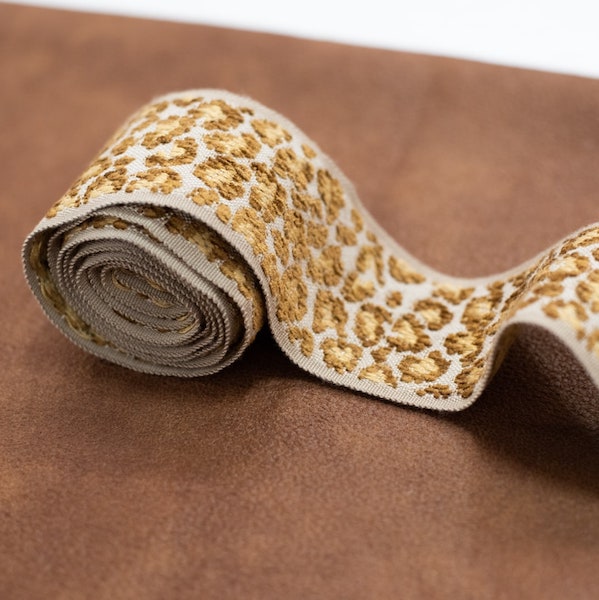


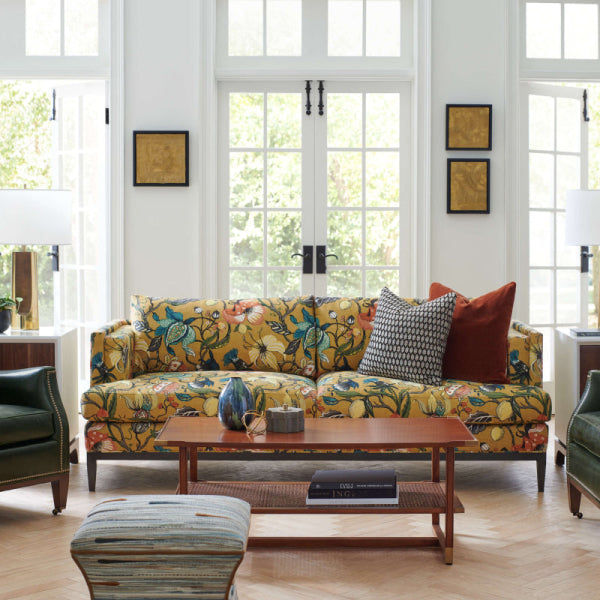
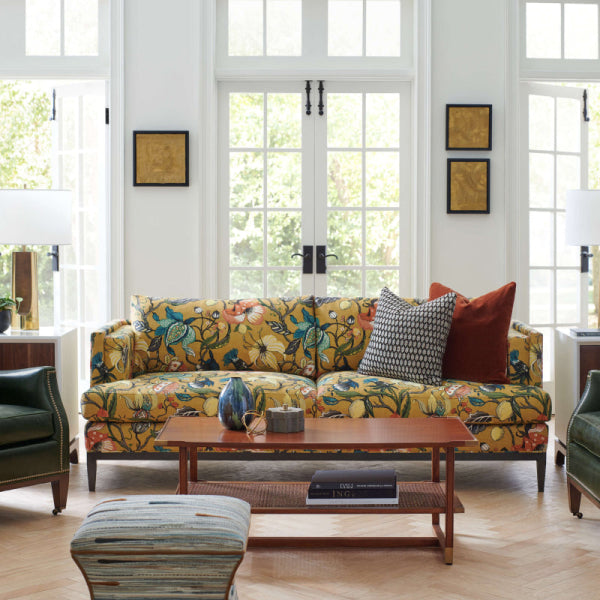
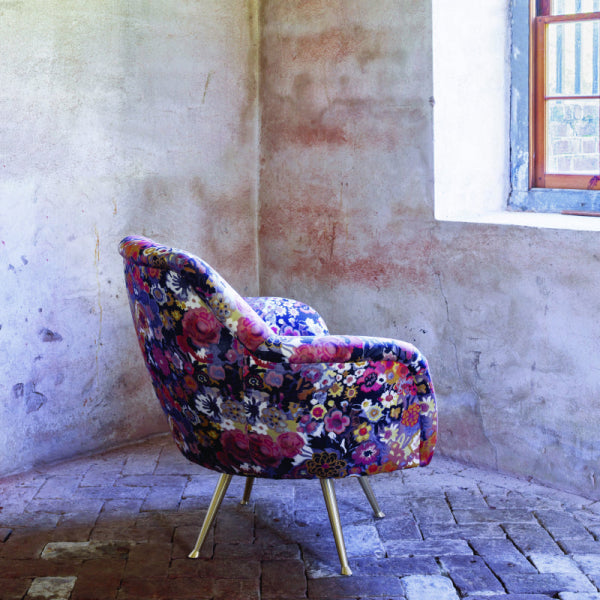
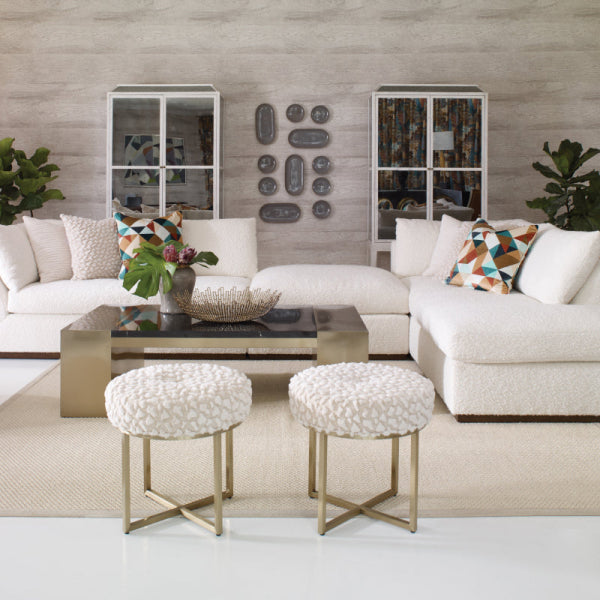
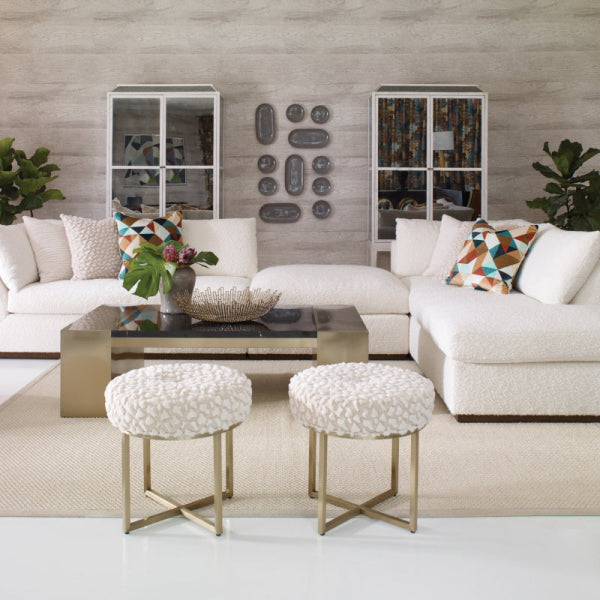




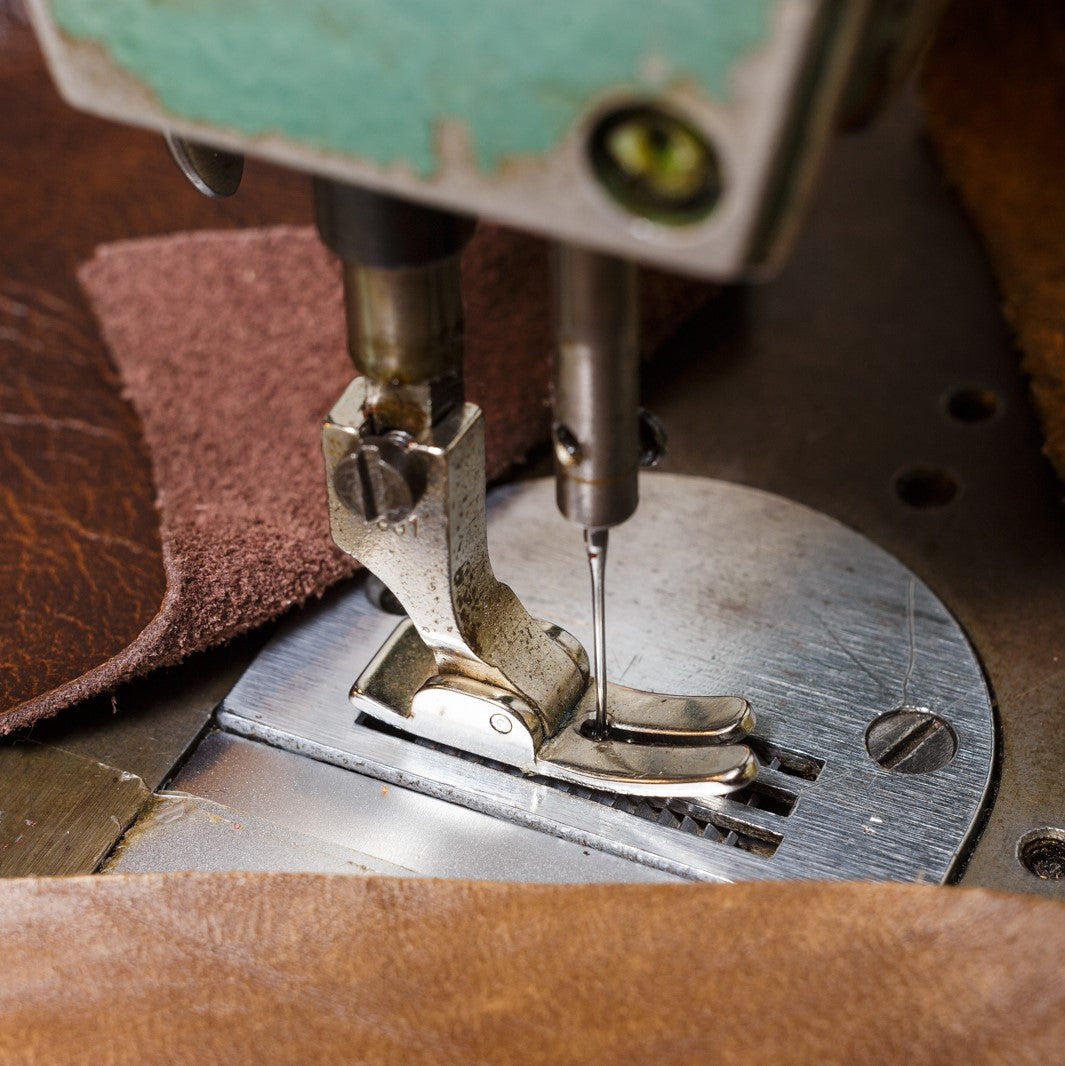


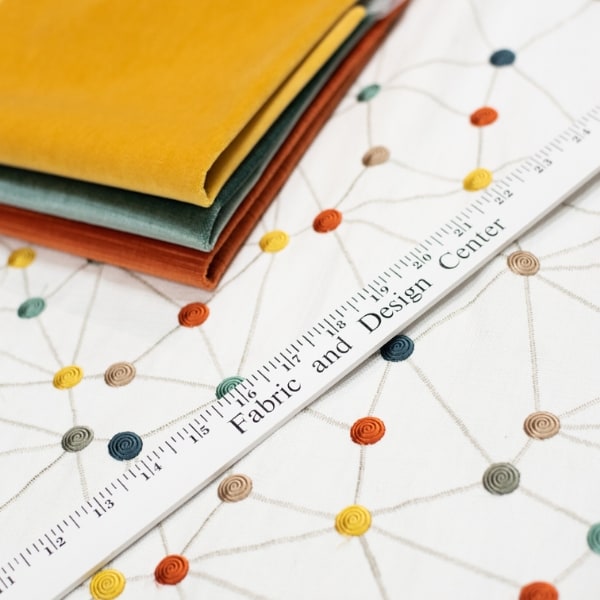





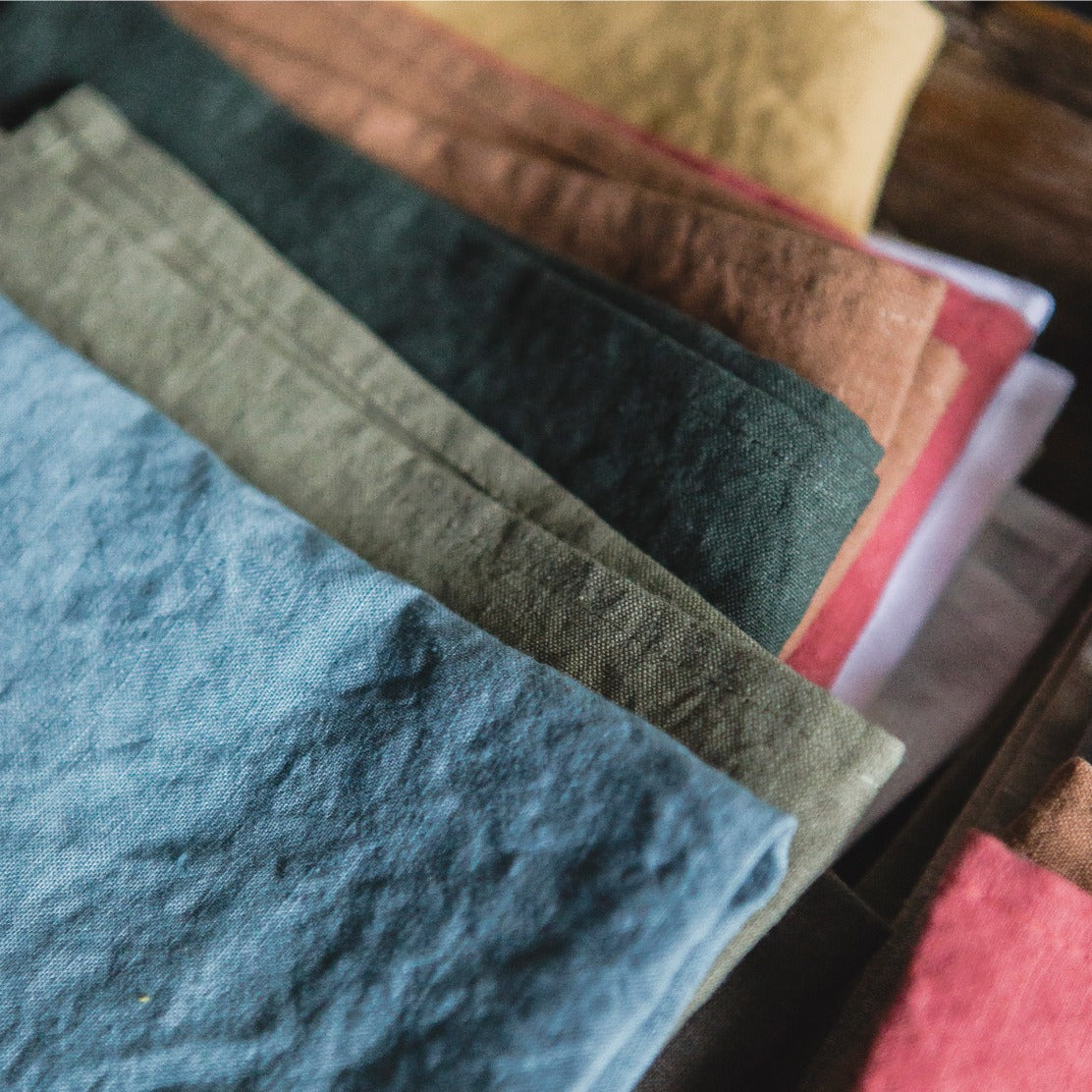

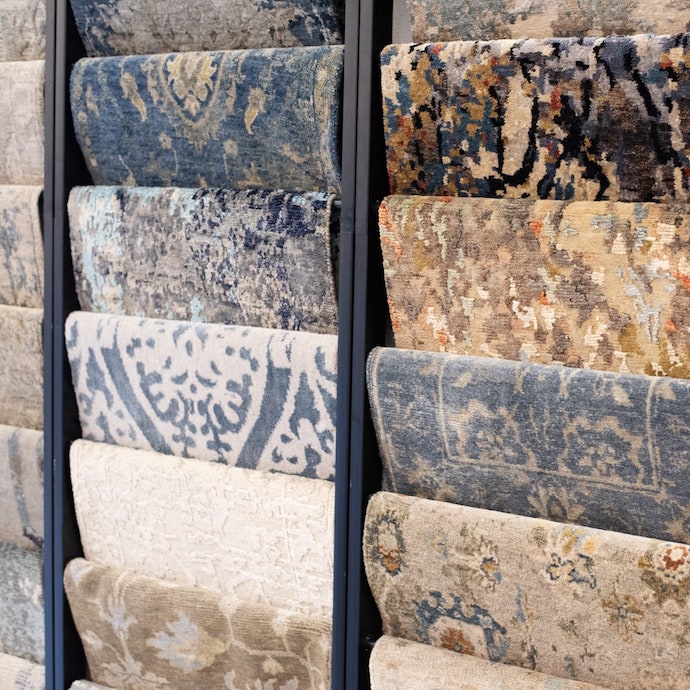
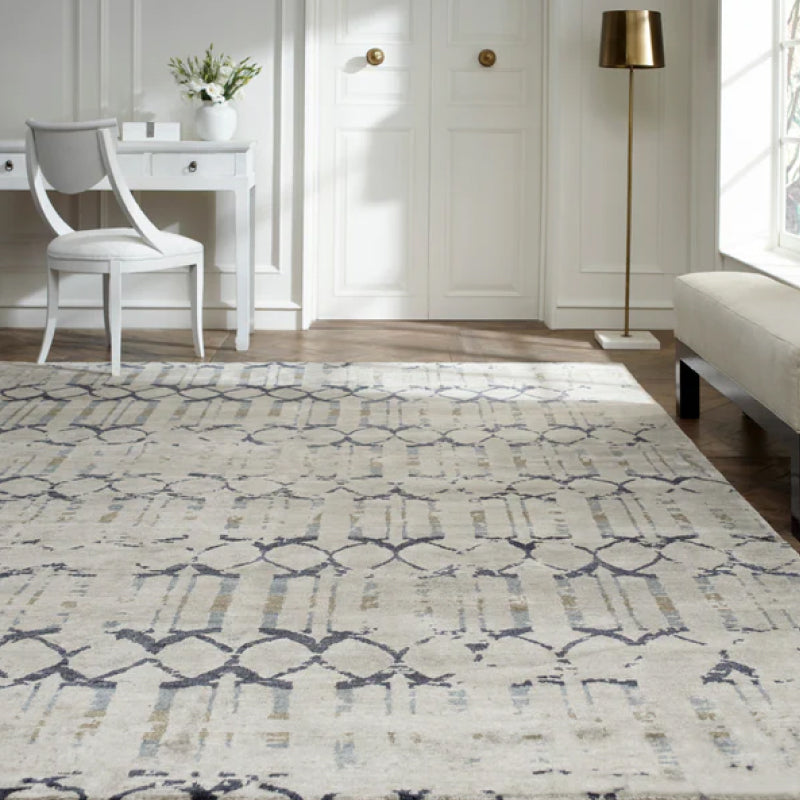
The settee still has the shape you love, but the seat sinks, the fabric has faded, and you're holding a swatch against the carved arm wondering whether it's worth the investment. Before you choose the color, look underneath. The frame, old tack holes, and surviving upholstery layers tell you whether this piece needs straightforward reupholstery or a more careful conservation treatment.
For homeowners comparing luxury furniture in Atlanta, an antique settee offers something a replacement can't reproduce: its particular history and proportions. But to reupholster an antique settee without losing its value, you need to decide what must survive before deciding what should change.
Check the Frame Before You Choose Fabric
Is the frame worth saving? Start with the underside while the covering is still attached. With another person helping, support the settee on a padded surface without loading its carved back or arms; if the wood feels fragile, leave it upright and have a specialist inspect it.
Use a flashlight to examine the rails, joints, and corner blocks. Look for splits running through tack lines, gaps at joints, replacement screws, and blocks that no longer sit firmly against adjoining wood. Don't pull off the dust cover to get a better view if it appears old or carries labels.
Hardwood assembled with dowels or mortise joints is a promising starting point, but construction alone doesn't establish condition. Staples and glue-only connections in structural areas can indicate a later rebuild, while staples securing fabric aren't automatically a warning. Judge the wood assembly separately from the upholstery fasteners.
Read the structure before the surface
Frame and construction checks
| Check | Sound sign | Warning sign |
|---|---|---|
| Joints | Tight, no movement under hand pressure | Open, rocking or loose joints |
| Frame assembly | Hardwood held with dowels or mortise joints | Staples or glue-only assembly, soft or inconsistent wood |
| Springs | Even tension, all coils attached | Broken wires, sagging, displaced knots |
| Webbing | Taut, with intact edges | Sagging, torn or failing edges |
Apply moderate hand pressure beside each joint, not against delicate ornament. Movement between adjoining parts matters more than a scratched finish. A cosmetic blemish and a failing seat rail are different repair problems.
Press accessible webbing gently and compare adjacent areas. Look for torn edges around attachments and spring coils leaning away from their neighbors. Through existing openings, note flattened padding, loose filling, or material that has migrated away from the seat front; don't assume every old layer needs replacement.
Record clues without interpreting too much
Photograph maker labels, stamps, tack patterns, and replaced hardware. These clues help distinguish original construction from later alterations, but a label alone doesn't establish authenticity or market value. Keep your observations descriptive: “replacement corner block” is more useful than an unsupported attribution.
For a broader treatment framework, our guide to how to restore antique furniture helps separate structural work from surface renewal.
Practical rule: Choose fabric for a stable piece, not as a way to rescue an unstable one.
A level frame with tight joints is a strong reupholstery candidate. A frame that moves under light loading needs stabilization before you commit to its new covering.
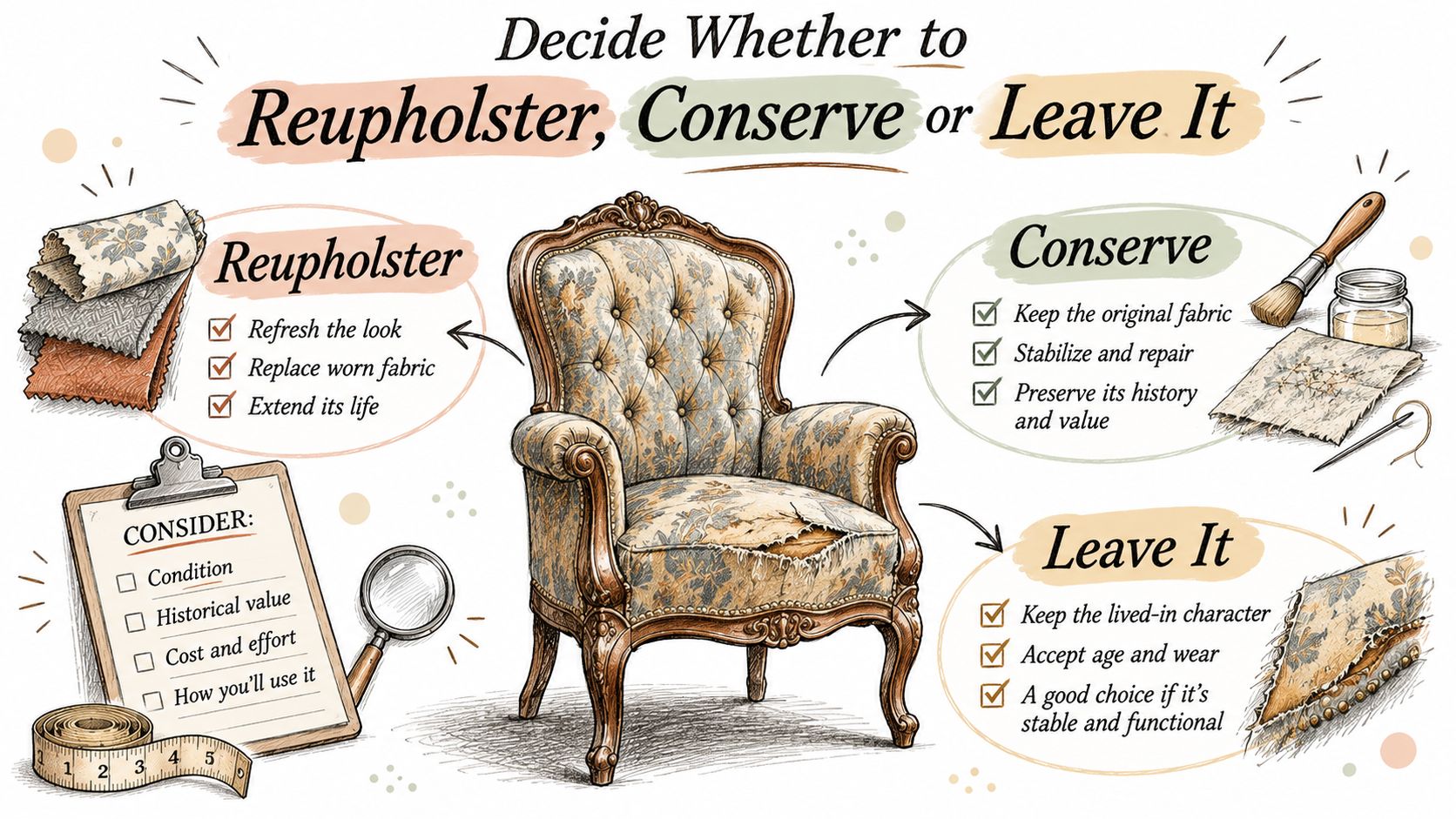
Decide Whether to Reupholster, Conserve or Leave It
Reupholstery, conservation, and leaving a piece intact are three different decisions. A sound frame under an ordinary replacement covering may suit everyday renewal. An original textile with historical significance deserves a different conversation, even if its color no longer works in your room.
Don't let a desirable silhouette settle the question. On globally sourced antiques, region, materials, age, and cultural significance can change what counts as appropriate treatment. If you can't tell an original layer from a later addition, stop before removal and arrange a qualified conservator's assessment.
Which path fits which settee
| Case | Recommended path | Why it matters |
|---|---|---|
| Sound frame, later replacement covering | Reupholster | Keeps the original frame and renews the wear layers |
| Original covering intact and of historical interest | Conserve or leave intact | The original textile may carry value and evidence of age |
| Provenance or age uncertain | Get a conservator assessment first | Prevents removing layers that cannot be replaced |
| Frame unstable with open joints | Stabilize the frame, then reupholster | A new covering over a moving frame fails quickly |
Make a condition record before authorizing work
Use this triage order before anyone starts pulling tacks:
- Photograph the whole piece. Include the frame, underside, labels, stamps, and damaged areas, with wider views showing where each detail belongs.
- Identify the layers. Separate confirmed later replacements from materials whose age or significance remains uncertain.
- Record construction clues. Note joinery, hardware, filling, and maker marks without guessing at attribution.
- Choose the intervention. Decide whether the priority is use, preservation, or assessment before approving removal.
Say a settee carries a later covering over an earlier horsehair layer. Removing the replacement fabric might be reasonable, but the underlying layer should be photographed, labelled, and retained where sound. "Old" doesn't mean unusable, and "new" doesn't necessarily mean better. Two people rarely read the same piece the same way, so keep the notes descriptive and factual rather than interpretive.
The emotional side counts too. A repair-behavior study published in Circular Economy and Sustainability found that emotionally significant possessions receive more repair effort than function-first products, while upholstery can demand skills beyond ordinary consumer capabilities. Sentimental value can justify substantial work. It doesn't remove the need for a clear scope.
Separate comfort goals from preservation goals
Reupholstery can prioritize comfort, durability, and visual renewal. Restoration gives greater priority to evidence and preservation; conservation may mean securing fragile material rather than replacing it. Where significance is uncertain, favor a treatment a future specialist can undo without sacrificing original material.
Ask the upholsterer specific questions:
- Documentation: What photographs and written condition notes will you provide?
- Retention: Which original textiles, fillings, trim, and fasteners will stay?
- Reversibility: What can be removed later without damaging the historic frame?
- Scope changes: What happens if hidden damage appears after opening?
- Cost breakdown: Will stabilization, support work, padding, fabric, and detailing appear separately?
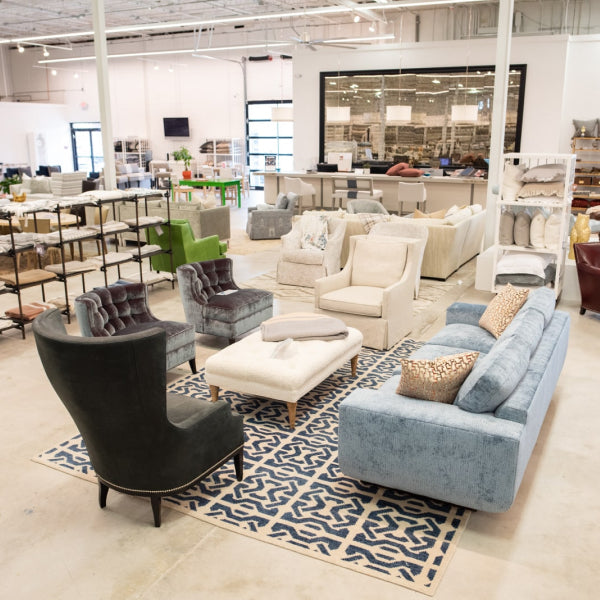
At Lewis and Sheron Textiles in Atlanta, the process begins with a Design Studio visit, where associates assess the settee's structure, fabric, and detailing before recommending reupholstery work.
Treat price benchmarks as context, not a quote
Professional reupholstery averaged $749 in 2026 and loveseat reupholstery commonly ranged from $600 to $1,600, per ThePricer's furniture-restoration cost guide. Those are broad benchmarks, not an antique-settee estimate. Structural repair, conservation needs, and intricate detailing each require their own scope.
Ask for frame stabilization as a separate line rather than burying it in "labor." Our discussion of whether it's worth reupholstering a chair offers a useful companion decision framework.
For buyers weighing custom against mass-produced furniture, the comparison isn't restoration versus a replacement's ticket price. Compare the approved repair scope, usable comfort, distinctive design, and what you'd give up by replacing the piece. No honest upholsterer should promise that new fabric raises resale value.
Pick Fabric by Abrasion Rating and Pattern
Start with the test method, not the fiber name or the largest number on a sample label. A fabric suitable for a formal statement piece may be a poor choice for daily seating, even when both look equally luxurious in the showroom.
Abrasion benchmarks by use
| Use case | Wyzenbeek double rubs | Martindale cycles |
|---|---|---|
| Private sitting room or formal settee | 15,000 | 20,000 |
| High-traffic family or public seating | 30,000 | 40,000 |
These benchmarks come from ACT's woven-upholstery abrasion guidance, which distinguishes Wyzenbeek, ASTM D4157, a back-and-forth test in warp and weft directions, from Martindale, ASTM D4966, a figure-eight test under a defined load. Their results aren't interchangeable; confirm the standard, pressure, abradant, and endpoint before comparing samples.
Read the complete specification
A rating describes laboratory abrasion, not guaranteed years of service. Separately, ASTM D3597-02(2018)e1 specifies woven-upholstery abrasion thresholds of 3,000 cycles for light duty, 9,000 for medium duty, and 15,000 for heavy duty, alongside checks for properties including strength, yarn slippage, dimensional change, and colorfastness. Don't combine those classifications with another test system as though every cycle means the same thing.
For luxury sofas, premium sectionals, high-quality couches, and custom chairs, designer quality means a balanced specification, not merely a prestigious fiber. Our guide to fabric abrasion resistance provides additional context for interpreting sample labels.
On an antique, consider these failure points alongside abrasion:
- Linen and loose weaves: Check whether yarns shift at seams, especially around curved arms.
- Velvet: Assess pile direction and how pressure changes its appearance.
- Silk blends: Match the textile to light exposure and realistic use.
- Printed designs: Check motif placement across the seat, back, and shaped panels.
Prove the layout before cutting
Make a full-size paper or inexpensive-fabric layout. Center the main motif deliberately, check how it meets the carved frame, and reserve sufficient fabric for repeats, matching, and directional nap. A beautiful large-scale print can lose its balance when the seat front cuts through its dominant motif.
For an early visual comparison, the Nim tool for swapping textile prints from Nim can help you consider alternative patterns on a furniture image. Treat the result as a design sketch, not proof of physical scale, texture, or cutting requirements.
Test a hidden seam for fraying and slippage, and verify colorfastness information and cleaning limitations before approving production. Hold the actual swatch beside the wood in the intended room. A digital preview can't tell you whether the fabric feels too stiff or overwhelms delicate carving.
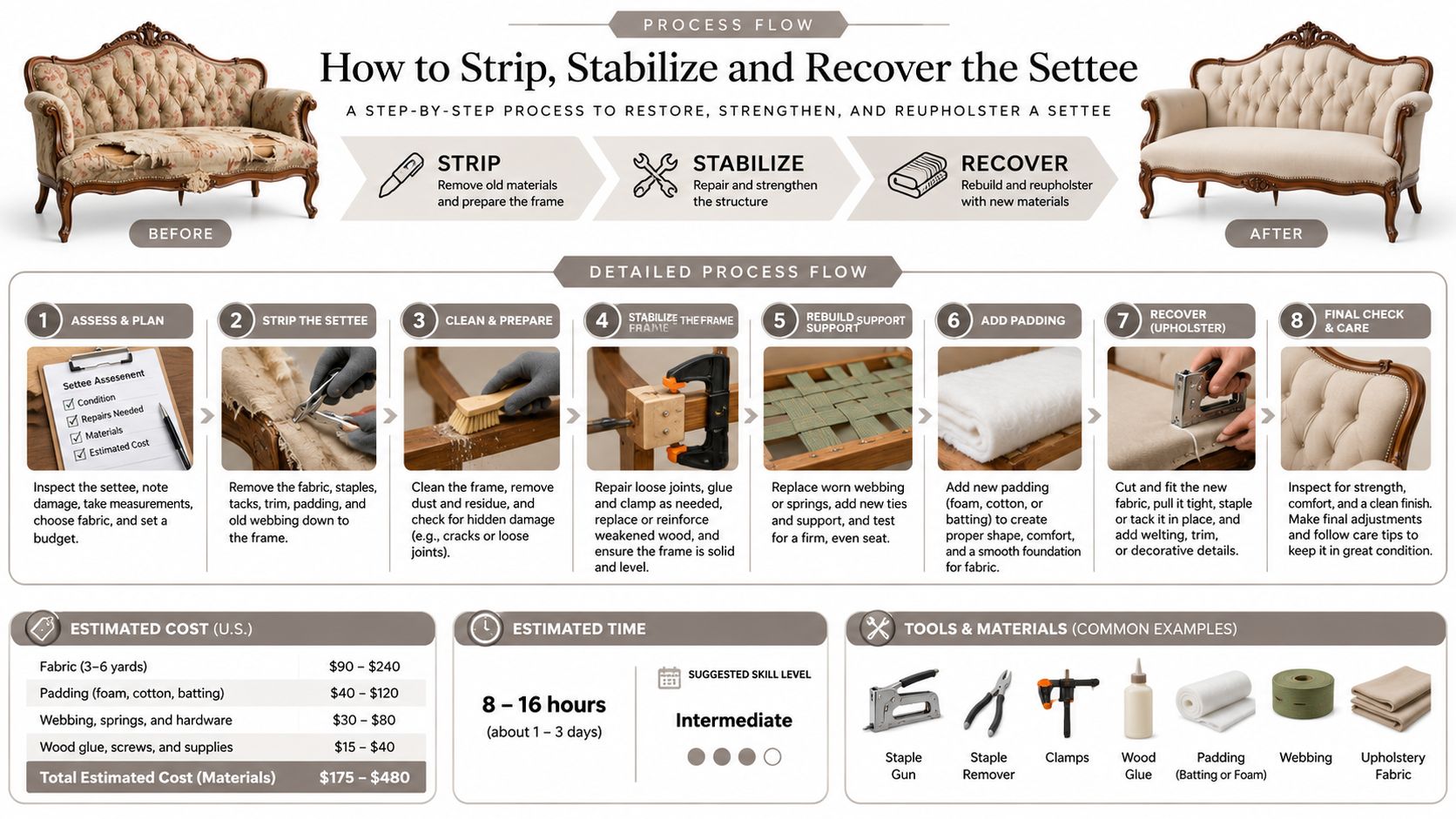
How to Strip, Stabilize and Recover the Settee
Once the treatment is approved, work in stages rather than stripping everything bare. The conservation-first approach described by First Class Mastercraft's antique-restoration guidance prioritizes documentation, structural inspection, selective replacement, and preservation of sound original material.
This is a work sequence, not encouragement to tackle unfamiliar joinery or fragile historical textiles yourself. Stop when you uncover material outside the approved scope, an attribution clue, or structural damage requiring specialist judgment.
Open the piece without losing its record
-
Photograph and label before touching anything. Capture every side, the underside, and all labels, then identify each removable component by its position. Close-up photographs without location references are a common mistake because they become hard to interpret once everything is separated.
-
Draw a simple construction sketch showing fabric direction, seam lines, tack locations, trim, and cushion assembly. Record how layers overlap and where they attach, because the visible outer covering may conceal an earlier construction sequence.
-
Remove the covering slowly. Use a tack lifter with a protective barrier against the wood, supporting the tool rather than levering against a carved edge. Keep sound removed fabric, trim, and relevant tacks in labelled containers; don't discard a layer just because it won't return to the seat.
-
Inspect the exposed joints, rails, corner blocks, support, padding, and substrate before approving further removal. If the work reveals unfamiliar marks or construction, pause for identification rather than assuming the original estimate covers everything.
If a maker's label changes your understanding of a piece, investigate it before modifying the construction. For a related branded sofa, DIYAuctions' guide to what your Drexel Heritage couch is worth can help frame identification and value questions, although it isn't a valuation for an unrelated antique settee.
Rebuild support before tailoring the cover
-
Stabilize the structure first. Have a qualified practitioner secure loose joints with appropriate, reversible methods where feasible, then address failed webbing, broken springs, and displaced ties. Don't use new upholstery tension to pull a loose assembly together, and don't inject adhesive blindly into an unidentified joint.
-
Replace padding selectively, matching the intended height, firmness, and edge profile. Automatically substituting thick modern foam can raise the seat, bury carved details, and change how the sitter meets the arms; retaining sound filling is often the more accurate choice.
-
Compare the developing seat crown and silhouette with the condition photographs before closing the upholstery. Set the piece on a level surface and check its stance, since an attractive cover can conceal uneven support until someone sits down.
-
Confirm pattern repeat and nap before cutting and attaching fabric. Establish the centerlines, fit progressively, and balance tension across opposing attachment points rather than pulling one edge tight at once. Protect fragile rails with a padded block where appropriate, and never strike the carving directly.
A newly covered seat isn't finished if the frame moves, the support feels uneven, or the restored profile no longer belongs to the piece.
Inspect before accepting delivery
The quality benchmark is concrete: a level, stable frame, no rocking, no open joints under moderate hand pressure, evenly tensioned support, and a crown that matches the intended original silhouette. Check the seat from the side as well as the front, and compare paired curves rather than judging only the pattern alignment.
Sit carefully, then inspect the seams and trim again. Ask for any unresolved condition to be recorded rather than hidden beneath decorative braid. For heirloom-quality furniture, careful documentation and staged inspection are more useful assurances than a generic claim of restoration success.
Protect the Patina and Plan Future Repairs
Patina belongs to the piece. The aim is a usable settee with an honest surface, not an antique made to resemble newly manufactured furniture. Small finish variations, softened edges, and retained construction evidence can sit comfortably alongside carefully fitted new upholstery.
The Milwaukee Art Museum's account of a Biedermeier settee dating to approximately 1815 describes how conservators used original upholstery-related nail holes beneath a later, inappropriate fabric, together with period references, to guide its appearance. That's a useful reminder that upholstery decisions can affect how accurately a piece communicates its history.
Make maintenance specific to the textile
Ask for a written care plan naming the fabric, its cleaning code, approved maintenance methods, and limitations around sunlight, pets, and children. A stain-resistant finish isn't automatically the right answer if the textile's hand, breathability, scale, or future removability conflicts with the historic piece.
The lifecycle approach discussed in imm cologne's coverage of durable furniture design is useful here: judge the choice by cleanability, repairability, and replacement options, not appearance alone. For luxury home furnishings, restrained customization can be more valuable than an elaborate finish that's difficult to maintain.
Build ordinary care around clear habits:
- Remove loose dust: Vacuum weekly with an upholstery attachment and gentle suction, avoiding fragile trim and following textile-specific restrictions.
- Manage daylight: Move the settee out of direct sun where practical, or use lined drapes or suitable UV-filtering window film.
- Watch the environment: Keep the piece clear of heating vents and avoid abrupt humidity changes.
- Inspect annually: Look for opening seams, loose trim, changed spring response, and wear at the arms or seat front.
Keep a repair kit and a paper trail
Retain spare yardage from the same dye lot, labelled with the workroom name and job date. Store it clean, dry, and protected from light rather than leaving it folded against a sunny window. Keep photographs, removed textile samples, treatment notes, and invoices with the piece's records.
Plan for a repairable surface, not a promise that ordinary use will leave no trace.
For homes in Buckhead, Alpharetta, Roswell, and Sandy Springs, placement matters as much as fabric selection. A formal settee beside everyday family seating has a different job from the room's primary lounging seat. Choose its role carefully rather than expecting antique proportions to behave like contemporary deep seating.
Whether you're searching for designer furniture near me, comparing luxury furniture in North Atlanta, or considering custom furniture in Atlanta, judge long-term value by construction and maintainability. Across Fulton County and surrounding markets, a distinctive settee can remain a statement furniture piece without being redesigned beyond recognition. Address localized wear early, and favor a light repair over a complete remake when the underlying work remains sound.
Lewis and Sheron Textiles offers upholstery repair and reupholstery in Atlanta, with condition assessment before work is recommended. Visit Lewis and Sheron Textiles and bring photographs of your settee, its underside, and any labels to discuss what should be preserved before choosing its next fabric.