














Reupholstery is worth it when the chair has a solid hardwood frame or sentimental, antique, or designer value, and the quote stays below roughly 60% to 70% of a comparable new chair's cost. If the frame is failing, especially particleboard with loose or swollen joints, buying new is usually the smarter decision.
You're probably asking because a chair you already own looks tired but still feels too good, too distinctive, or too meaningful to discard. The fabric may be dated, the seat may sag, and the frame may squeak when someone sits down. In Atlanta homes, that often means deciding whether to preserve an heirloom piece, refresh a designer accent chair, or stop spending money on furniture that was never built for restoration.
The blunt answer is simple: upholstery is only half the decision. The frame, joinery, suspension, cushion materials, replacement quality, and final price determine whether restoration creates real value. A chair with a beautiful mahogany frame can justify a serious investment. A swollen particleboard dining chair usually can't.
The Short Answer Worth Checking First
Start with the replacement-cost test. Find the price of a new chair that matches the existing piece in quality, scale, construction, comfort, and design presence, not merely one that occupies the same corner. Then compare that price with a written reupholstery quote.
A practical upholstery threshold places restoration below roughly 60% of comparable replacement cost, while the decision usually turns toward buying new once the quote approaches 70%. This rule is discussed in upholstery pricing guidance from Stitch Desk, but the percentage only works when the comparison is fair. Comparing a handmade designer chair with a mass-produced retail chair will make the restoration look artificially expensive.
My rule: The better the chair's bones and the harder its design would be to replace, the more weight you should give quality and identity, not the cheapest sticker price.
Use three categories immediately:
- Heirloom or designer chairs: Restore them when the structure can be repaired. A sentimental chair, antique frame, custom silhouette, or distinctive statement piece often deserves restoration even when a basic replacement looks cheaper.
- Mid-range living room chairs: Make the decision by quote. If the frame is sound and the finished upholstery remains below the replacement threshold, restoration can be sensible. If the quote reaches replacement territory without adding comparable quality, buy new.
- Tired or poorly built chairs: Replace them when the frame is made from particleboard, the joints are failing, or the chair has major structural movement. New fabric won't rescue a weak substrate.
The U.S. chair reupholstery market supports that this is an established repair service, not a novelty. HomeAdvisor places common chair reupholstery around $300 to $1,100, with a 2025 average near $750, while simple projects can start around $60 and large or antique chairs can reach $2,000 or more. HomeAdvisor's chair upholstery cost guide provides that range.
The rest of the decision comes down to two questions: Will the frame support the investment? And does the completed project buy you a chair that would be difficult or expensive to replace?
What Reupholstering a Chair Actually Costs in 2026
A professional quote combines several jobs that customers often treat as one. Fabric removal, pattern layout, cutting, sewing, foam replacement, spring repair, frame work, cushion filling, welt cord, tufting, and installation all affect the final number.
National pricing guides place chair reupholstery broadly around $200 to $1,500, while dining-chair work commonly falls around $100 to $250 per chair. Fabric can run from approximately $10 to $100 per yard, depending on the material, with silk and leather at the luxury end, according to HomeGuide's reupholstery cost breakdown. Atlanta quotes can vary by shop, pickup requirements, fabric tier, and the level of restoration hidden beneath the cover.
Labor and fabric are separate decisions
Labor is usually the largest technical variable. Simpler chairs may take 1 to 10 hours, while complex projects can require 10 to 25 hours, with rates commonly ranging from $40 to $125 per hour, according to Angi's chair reupholstery cost guide. Tufting, hand-tied springs, curved frames, multiple cushions, pattern matching, and detailed welt work push a chair toward the high end.
For a quick estimate, use this formula:
Fabric cost + labor hours × shop rate + foam, fill, spring, or frame repairs = working project budget
For example, a straightforward chair may need several yards of fabric and a handful of labor hours. A wingback with exposed wood, deep seat construction, or damaged suspension can demand far more material and skilled labor. Don't treat a low fabric price as a low project price. Cutting and sewing a patterned luxury textile correctly can matter more than the material's price alone.
| Chair Type | Typical Cost Range | Main Cost Drivers | When Worth It |
|---|---|---|---|
| Dining chair | $100 to $250 per chair | Seat construction, fabric, quantity, foam | When the set is well-built or the quote stays well below replacement |
| Standard accent chair | $300 to $700 in many Atlanta-area projects | Foam, cushion shape, fabric, welt detail | When the silhouette is distinctive and the frame passes inspection |
| Wingback or larger chair | $800 to $2,500 for complex restoration | Spring work, yardage, pattern matching, labor | When the frame is hardwood, antique, or difficult to replicate |
| Fully detailed heirloom chair | Can exceed common chair ranges | Tufting, hand-tied suspension, repairs, premium textiles | When craftsmanship and sentimental value justify the investment |
For a deeper pricing reference, compare your estimate with this upholstery cost guide from Lewis and Sheron Textiles. Then apply the 60% to 70% replacement rule. A $1,100 restoration can be excellent value against a comparable luxury chair, but poor value against a basic chair with no structural or design distinction.
Reading the Bones of Your Chair
I inspect the structure before discussing color, texture, or trim. Fabric is visible, so homeowners focus on it first. The frame and suspension determine whether the new cover will look and feel right after the project is finished.
Start with the frame and joinery
Lift the chair and examine the underside, back, legs, and exposed joints. Solid hardwood with tight joinery is a strong pass. Mortise-and-tenon construction, corner blocks, and stable rails indicate a chair designed to stay together. Loose staples, cracked wood, swollen board edges, or particleboard components indicate a serious warning.
Sit down slowly and shift your weight. A chair that creaks slightly may need tightening. A chair that rocks, twists, or visibly separates at the joints needs a structural quote before upholstery begins.
A new textile can hide damage, but it can't turn a failing frame into a durable chair.
Check the suspension and cushion materials
Push down in the seat and compare the response across the cushion. Sagging webbing, broken springs, or a seat that bottoms out point to work beyond a simple cover change. Eight-way hand-tied suspension, where each coil is tied by hand at eight points, is recognized as a labor-intensive premium construction method associated with long-lasting comfort and heirloom-quality seating. Huntington House's American craftsmanship overview explains the method and its role in high-end upholstery.
Remove the cushion if possible. Dry, crumbling foam has failed. Foam that has softened but remains intact may be replaced without affecting the frame. Pet damage deserves close inspection, especially if moisture, odor, or mold has reached the filling or internal wood.
Your intended fabric also matters. For active homes, review abrasion testing such as Martindale or Wyzenbeek double-rub results. Residential guidance often places 15,000 double rubs at a light-use minimum, 25,000 or more for general residential use, and 30,000 or more for high-traffic rooms or homes with children and pets, according to Famcor Fabrics' durability guide. For outdoor or exposed settings, a separate water resistant outdoor fabric guide can help you evaluate suitable textile construction.
If the frame passes but springs or foam fail, restoration may still make sense. If the frame fails, the repair can push the quote above the replacement threshold. For technical background on the process, see this guide to reupholstering a chair, but don't confuse a fabric change with a full structural restoration.
Reupholstering Versus Buying New
The right comparison is existing craftsmanship versus new convenience. A professionally rebuilt chair can preserve a frame shape, seat height, arm profile, or carving that current retail furniture does not offer. Buying new provides predictable availability, a defined warranty, and no restoration lead time.
| Factor | Reupholstering | Buying New | Winner |
|---|---|---|---|
| Upfront convenience | Requires inspection, fabric selection, approval, and production time | Available as soon as inventory permits | Buying new |
| Long-term construction | Preserves and can rebuild a sound frame, suspension, and cushions | Quality varies widely by manufacturer and construction | Reupholstering when the chair has strong bones |
| Environmental impact | Extends the life of an existing product and avoids unnecessary replacement | Requires new materials and manufacturing | Reupholstering when restoration is durable |
| Fit and customization | Exact control over fabric, trim, cushion feel, and finish | Limited to stocked dimensions and options | Reupholstering |
| Warranty and immediate support | Depends on the upholsterer and materials selected | Often includes a defined manufacturer warranty | Buying new |
| Design identity | Preserves a unique silhouette or heirloom character | Provides a fresh look, but may be difficult to match | Reupholstering for statement pieces |
The sustainability case requires a durable result. Repair creates a meaningful environmental advantage when the restored chair lasts long enough to justify the labor and material inputs. The repair and refurbishment research(https://onlinelibrary.wiley.com/doi/full/10.1111/jiec.13284) found substantial impact reductions across almost every measured category when extending product life replaces buying new. That supports restoring a durable chair, not spending heavily on one with an exhausted frame.
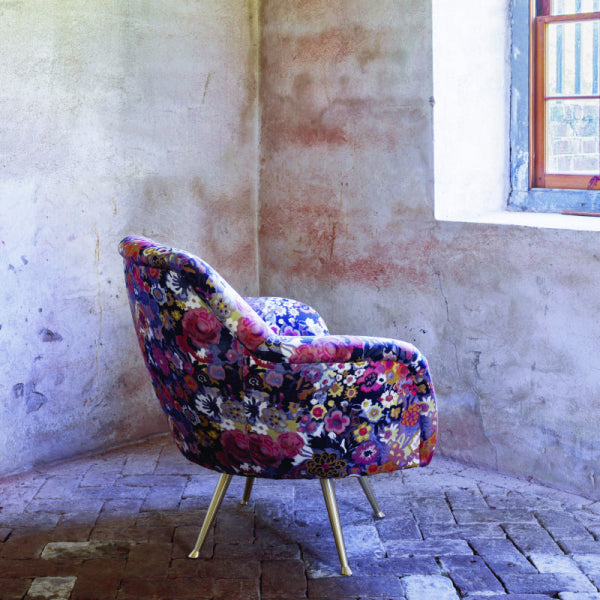
Customization gives reupholstery its clearest advantage. You can choose Belgian linen, performance velvet, leather, contrast welt, stripes, or a quiet neutral that coordinates with a luxury sofa and premium sectional. You can also preserve a frame that fits a difficult bay window, reading area, or Buckhead living room better than a standard retail silhouette. That same reuse mindset can help you upscale your decor with upcycled furniture.
Use the comparison of reupholstering versus buying new alongside your estimate. The practical rule is direct: restore when the frame passes inspection, the chair has a shape or history worth keeping, and the quote stays below roughly 60% to 70% of a comparable replacement. Buy new when the frame fails, time matters more than customization, or restoration crosses that replacement threshold. A chair with strong bones earns the investment. A tired frame does not.
Three Atlanta Chairs and What They Decide
The fastest way to understand the rule is to place it against familiar Atlanta situations. These examples show how the same upholstery quote can be wise for one chair and wasteful for another.
The Decatur heirloom wingback
A homeowner in Decatur inherits a 1960s wingback from her grandmother. The original mahogany frame has good presence and remains stable, but the springs sag and the brocade looks dated. The restoration plan includes new eight-way hand-tied springs and a durable performance fabric, with a total project estimate of roughly $1,100 against a comparable replacement equivalent priced around $3,500.
The frame verdict is pass. The chair has material quality, family meaning, and a silhouette that would be costly to recreate. The final decision is restore. This is exactly the kind of heirloom-quality furniture that belongs in a refined home rather than at the curb.
The Westside designer accent chair
A Westside homeowner owns a modern accent chair with a distinctive designer profile. Its webbing is the only tired component, and the structure remains sound. A bolder textile would give the piece a stronger role in the room, with reupholstery estimated around $450 against an approximately $1,800 retail match.
The frame verdict is pass. The project preserves a shape that already works while giving the homeowner control over color, texture, and visual emphasis. The final decision is reupholster. In a designer interior, customization can matter as much as price because the goal is a coherent room, not a generic replacement.
The ten-year-old dining chair set
A dining set purchased from a big-box store has particleboard frames that are now swelling at the joints. The seats look worn, but the core problem is below the fabric. New covers and foam would improve appearance temporarily while leaving the failing substrate in place.
The frame verdict is fail. The final decision is replace the set, or replace only the chairs if the table remains useful. No premium textile, trim package, or skilled labor can make deteriorating particleboard equal to solid construction.
The Atlanta verdict: Restore the chair whose structure and identity already justify the room. Replace the chair whose substrate makes every new dollar temporary.
These profiles also clarify the luxury-furniture question. A custom chair, designer furniture piece, or heirloom frame carries value beyond its current cover. A low-cost chair with no distinctive construction doesn't receive that same benefit just because the fabric is attractive.
Your Five-Minute Decision Flowchart
Run the chair through these questions in order. Don't begin by shopping for fabric. Begin by deciding whether the structure deserves your money.
- Is the frame solid hardwood and stable? If yes, continue. If no, especially if the chair has particleboard, swollen edges, cracked rails, or loose joints, move toward replacement.
- Does the chair have sentimental, antique, custom, or designer value? If yes, restoration deserves serious consideration because a retail substitute may not reproduce the shape or meaning. If no, the quote must work harder to justify itself.
- Can you get two written quotes? Ask one upholsterer for the complete restoration price, including foam, springs, frame repairs, fabric, trim, delivery, and taxes. Also price a comparable new chair, not the least expensive substitute.
- Does restoration stay below roughly 60% to 70% of replacement cost? If the frame passes and the answer is yes, restore. If the quote moves beyond that range, replace unless the chair's heirloom or design value clearly outweighs the premium.
- Can you accept a 4-to-6-week production timeline? A quality upholstery job takes time, particularly when the shop is rebuilding suspension, matching patterns, or ordering specialty fabric. If you need a chair immediately, buying new may win even when restoration offers better long-term value.

Honor these replacement signals immediately:
- Visible joint failure: The frame separates, twists, or rocks under normal use.
- Moldy pet-damaged foam: The internal materials carry moisture damage or persistent odor.
- Particleboard substrate: The core is swelling, crumbling, or losing its ability to hold fasteners.
For homeowners in Atlanta, Buckhead, Alpharetta, Roswell, Sandy Springs, Fulton County, and North Atlanta, a specialist inspection is the quickest way to settle an uncertain chair. Lewis and Sheron Textiles offers consultations for reupholstery projects, fabric selection, custom upholstered furniture, and made-to-order pieces, so you can evaluate restoration alongside a new designer-furniture option.
Lewis and Sheron Textiles can assess whether your chair's frame, suspension, and materials justify restoration, then help specify fabrics, trims, and cushion details for the finished piece. Visit Lewis and Sheron Textiles to discuss your chair or explore custom upholstered furniture for your Atlanta home.