



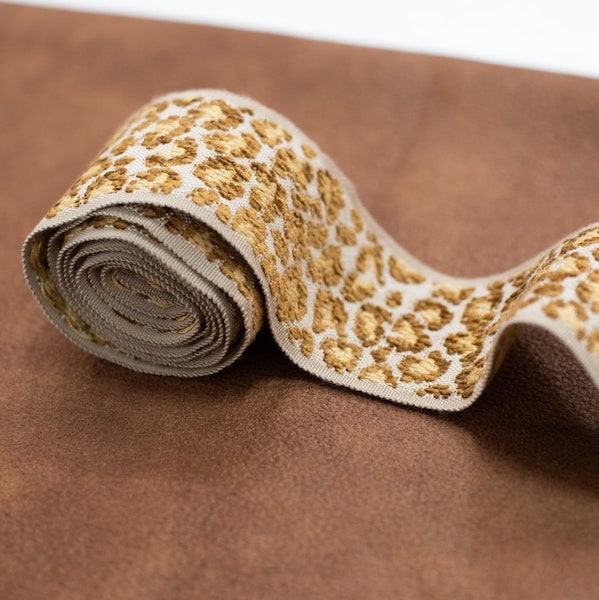


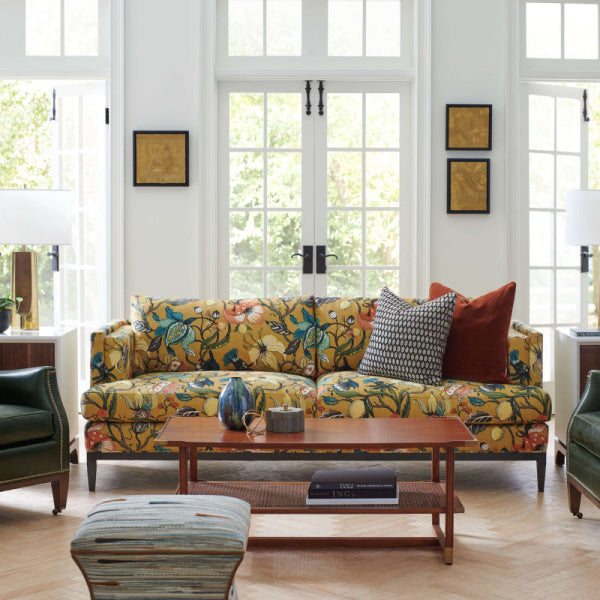
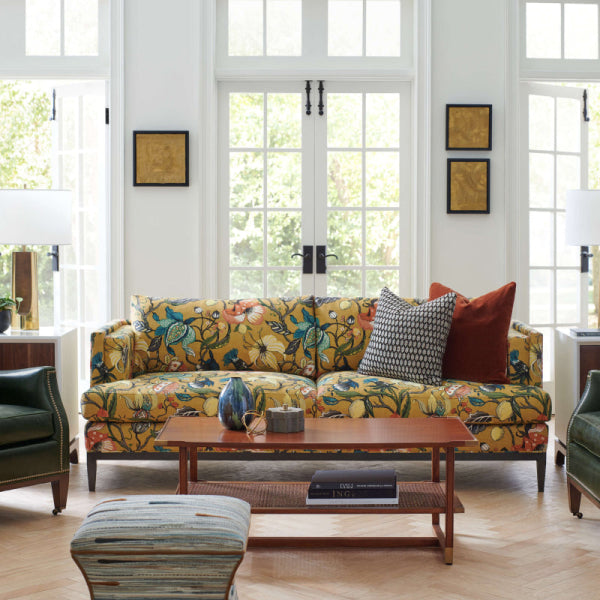
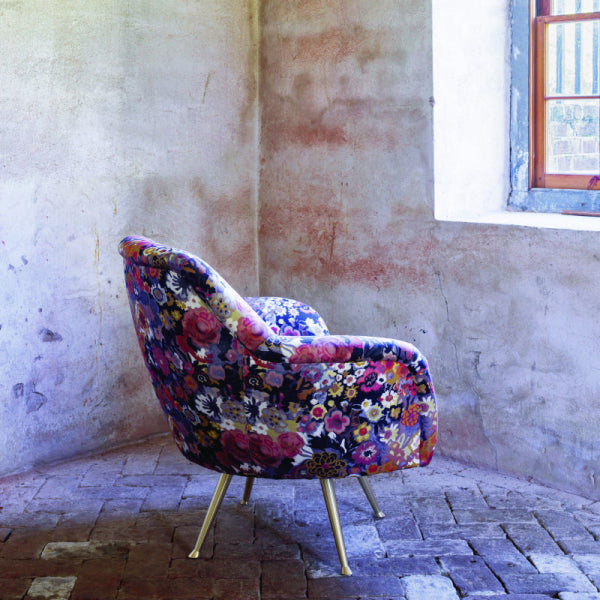


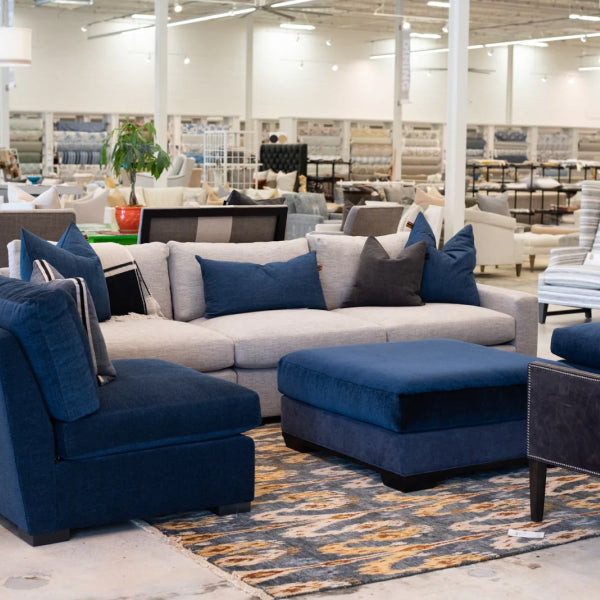

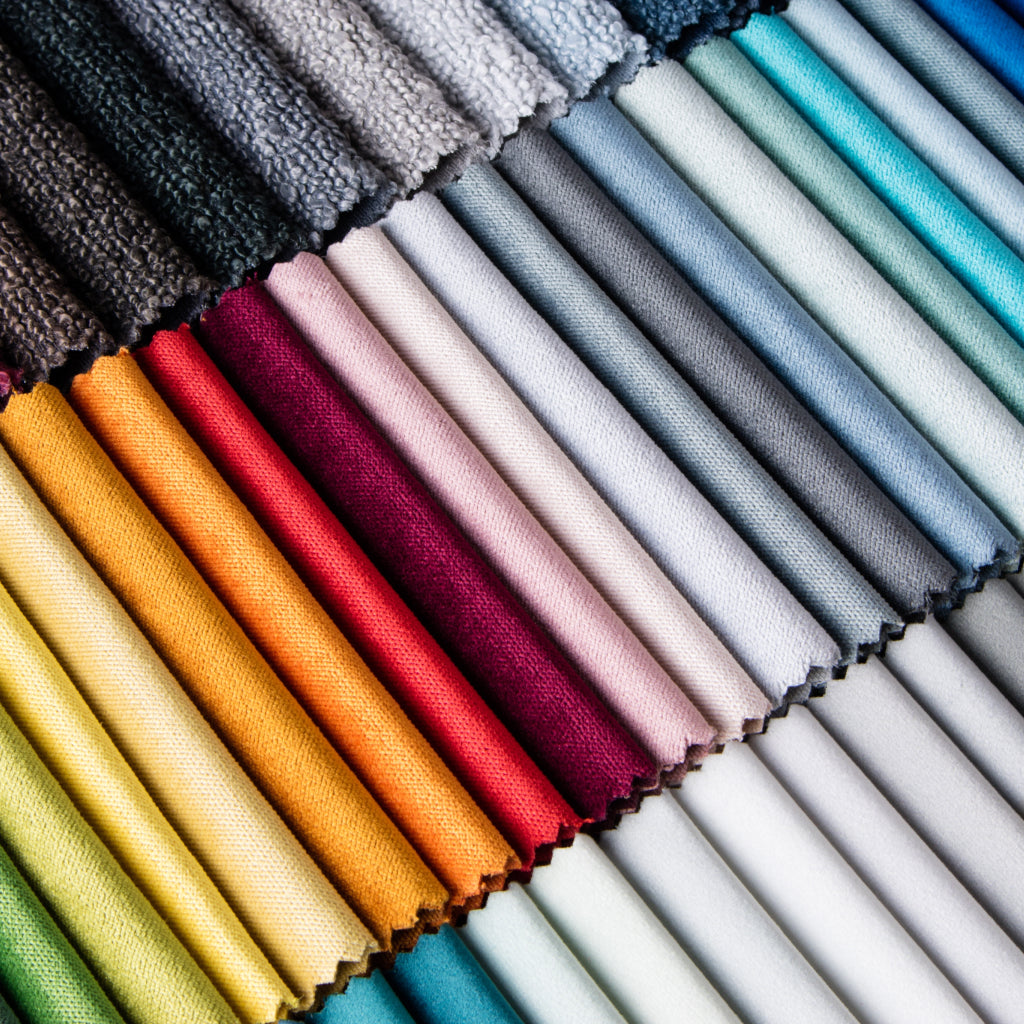

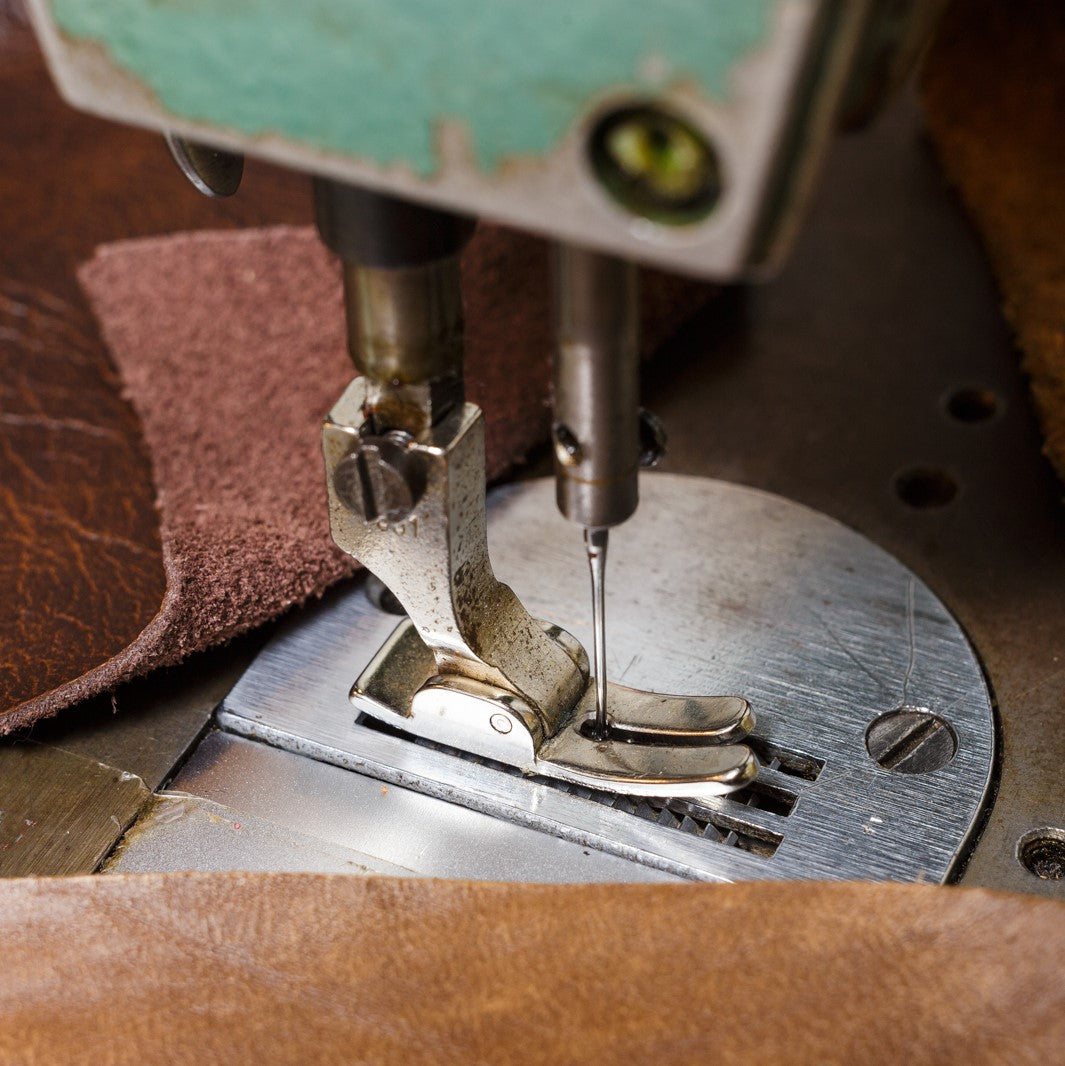
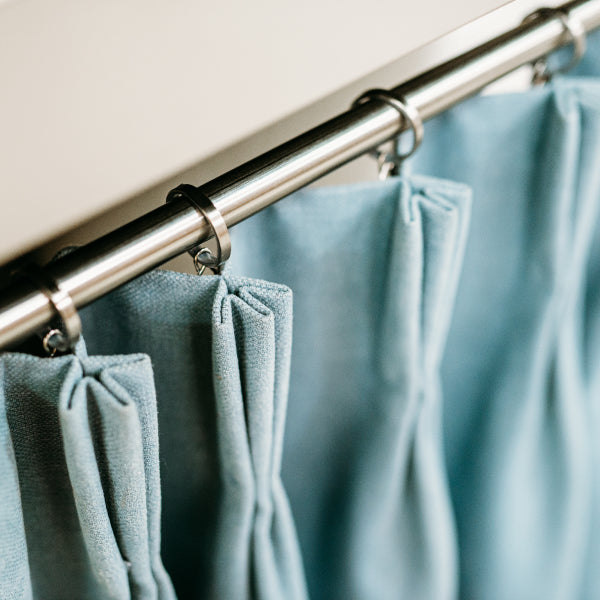






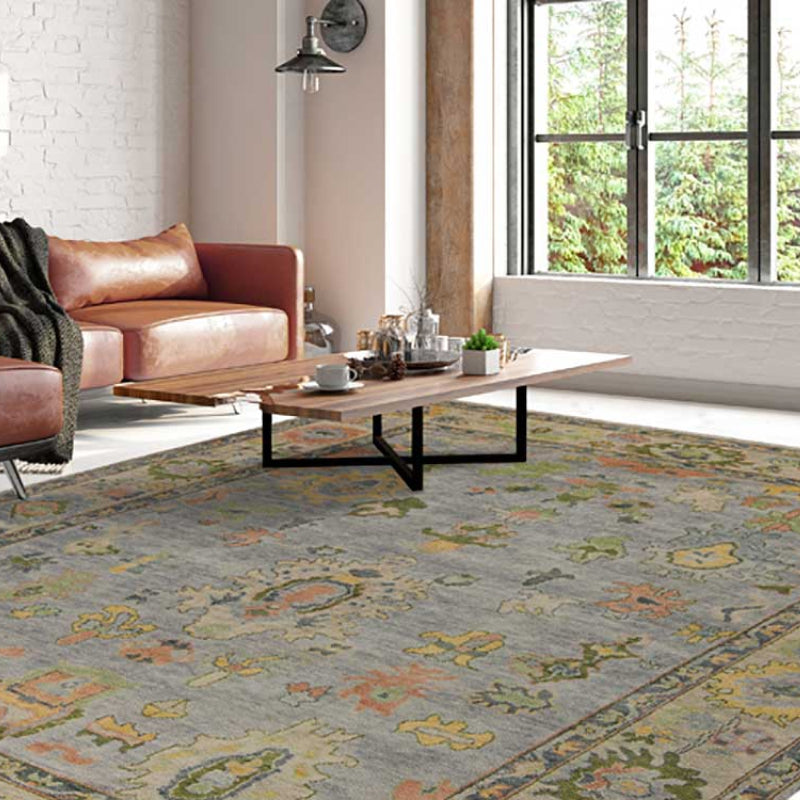
You've ordered a beautiful upholstery fabric for a custom sofa in Buckhead, planned a cushion for a statement chair in Alpharetta, or brought home a treasured textile for an heirloom restoration. Then you unfold the bolt and discover that the cut edge is crooked, the pattern runs in one direction, and the “yard” you bought doesn't behave like a square piece of material. Learning how to cut a yard of fabric accurately starts with understanding what that yard represents.
For luxury sofas, premium sectionals, custom chairs, and designer drapery, the difference between purchased yardage and usable fabric matters. A precise cut protects an expensive textile, preserves pattern placement, and helps the finished furniture look intentional rather than merely assembled.
Understanding the Basics of a Yard
A yard of fabric is a length measurement, not a fixed area. One yard measures 36 inches, or 3 feet, along the selvage, while the fabric's width remains a separate dimension. The international yard has been defined as exactly 0.9144 meters since 1959, and one inch equals exactly 25.4 millimeters, so one yard is exactly 914.4 millimeters. These standards are recorded by the National Institute of Standards and Technology.
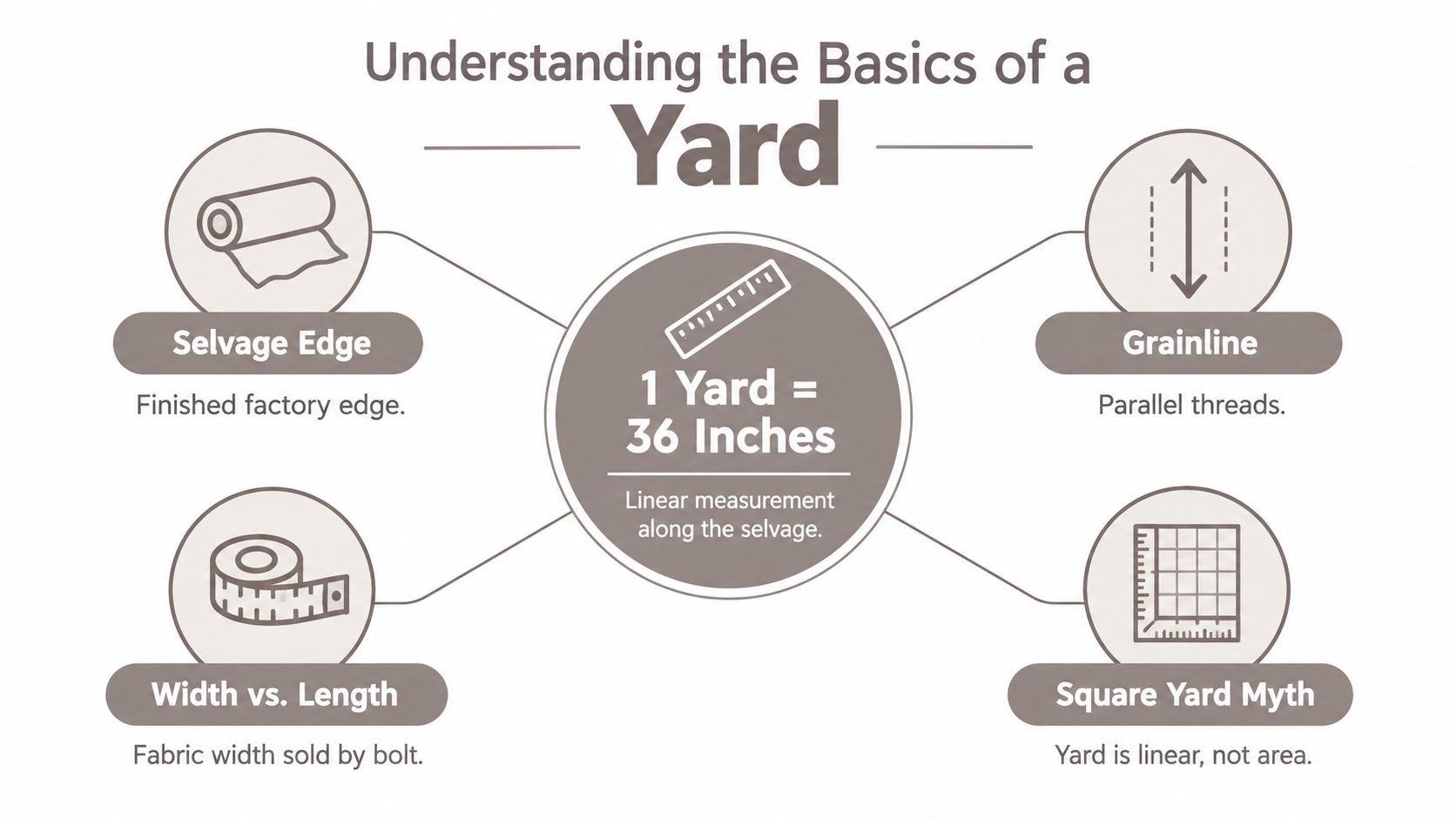
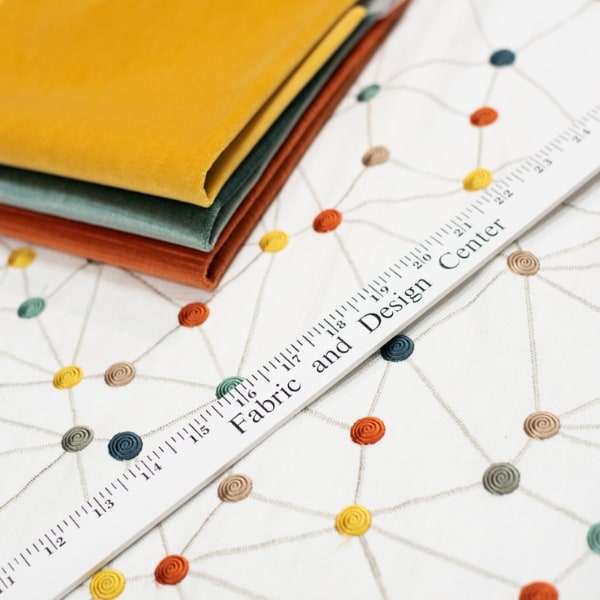
The practical method is simple. Find the selvage, identify the usable width, then measure 36 inches lengthwise with a straight ruler, measuring tape, or cutting table. The cut should run across the full usable width, perpendicular to the selvage.
Length and width serve different purposes
A one-yard cut from 54-inch-wide upholstery fabric contains substantially more material than a one-yard cut from 36-inch-wide fabric, even though both cuts are the same length. That distinction affects whether the fabric can accommodate a cushion face, chair panel, pillow front, or upholstery repair.
The advertised width may include the selvages, damaged margins, or edges unsuitable for a visible panel. For a high-end furniture project, measure the area you can actually use rather than relying on the bolt label alone. A yard of narrow drapery fabric and a yard of wide home-furnishing fabric shouldn't be treated as interchangeable.
The term running yard describes material measured lengthwise along the bolt. It doesn't mean a square yard, and it doesn't promise a particular finished area. If you're comparing fabric options for custom furniture in Atlanta or North Atlanta, ask for the usable width before calculating requirements.
Practical rule: Measure the 36-inch length only after you know which parts of the width can appear in the finished piece.
Fractions make planning easier
Traditional cloth commerce relied on standardized divisions of the yard to reduce ambiguity. Modern cutting still benefits from those increments:
- Half-yard: 18 inches.
- Quarter-yard: 9 inches.
- Eighth-yard: 4.5 inches.
These measurements can help with trims, accent panels, pillow fronts, and small upholstery sections, but they don't remove the need to inspect the grain, pattern, and usable width. A mathematically correct length can still produce a poor result if the motif is off-center or the fabric is cut against its direction.
For readers comparing metric and imperial fabric measurements, are meters and yards the same offers useful clarification. In a professional cutting room, the conversion is only the beginning. The fabric's structure and intended application determine how that measurement becomes a finished component.
Preparing Your Fabric for an Accurate Cut
Preparation determines whether a cut supports clean upholstery work or creates trouble later. Expensive Belgian linen, silk, chenille, and patterned upholstery fabrics can arrive with a skewed edge, relaxed tension, or subtle distortion from rolling and handling. Measuring from that condition without correction transfers the error directly into the custom upholstered furniture.
Start by inspecting the entire section you plan to cut. Locate both selvages, look for stains or weaving defects, and identify whether the pattern, nap, pile, or border has a fixed direction. Don't assume the factory cut is square.
Square the reference edge first
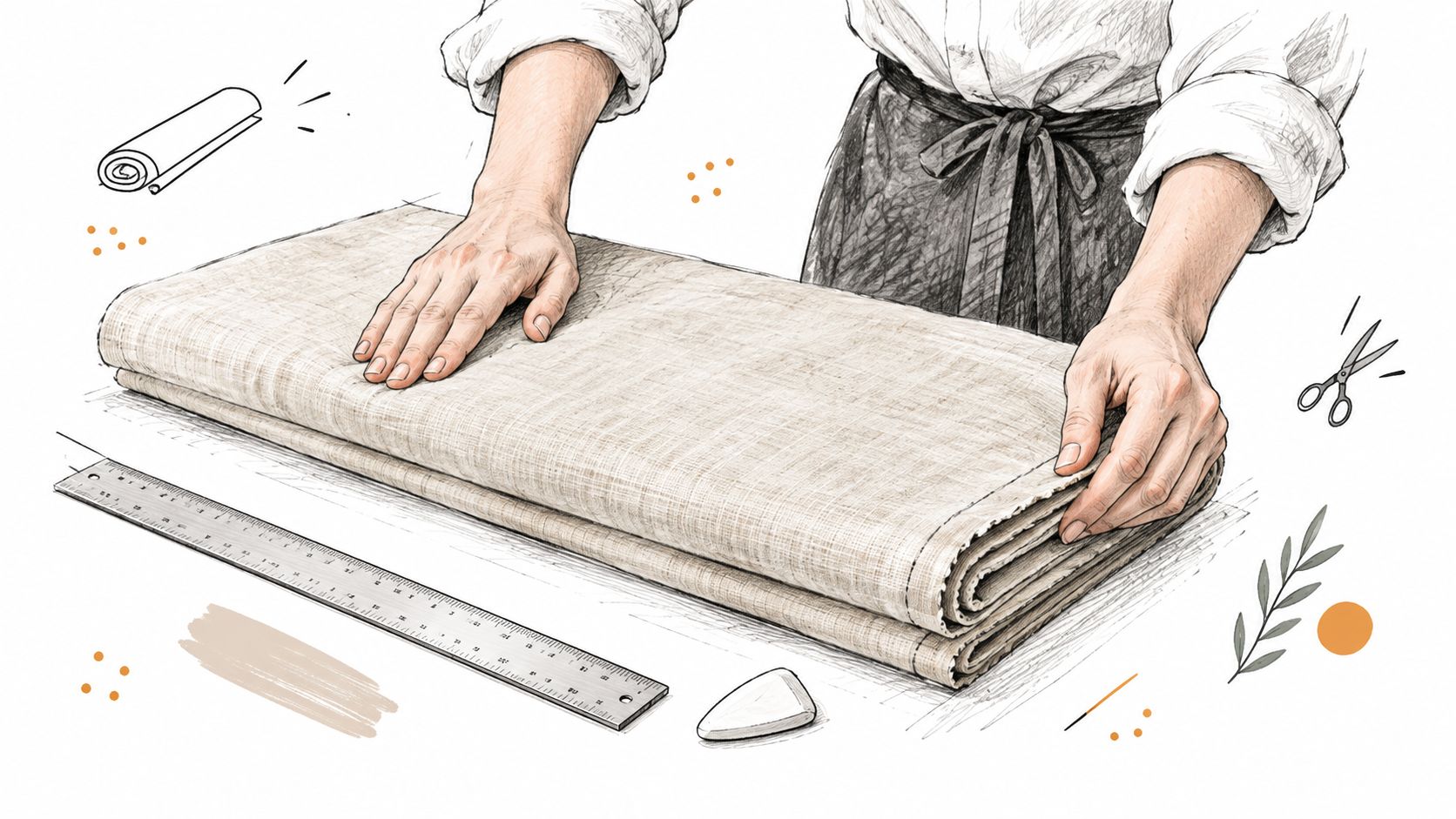
If the cut edge is uneven, make a small approximately 1/2-inch clip at one selvage. Gently pull a crosswise thread, then cut along the visible line created by that thread. This establishes a more accurate right-angle edge than measuring from a distorted bolt edge.
A straight tear can work when the weave supports it, but it isn't appropriate for every textile. Delicate, loosely woven, stretchy, or heavily finished fabrics may distort during tearing. In those cases, use a long ruler and cutting mat, and confirm the crosswise grain before proceeding.
Fold the fabric lengthwise with the selvages aligned. The fold should lie flat, without a bubble or diagonal pull. If the fabric bows, ease it gently on the bias rather than dragging it into position. Pressing can help settle the material, but use the fabric's care instructions and a suitable temperature.
Measure from a stable edge
Measure 36 inches along the lengthwise grain from the newly squared edge. Check the distance at both selvages and at the fold. Meaningful disagreement indicates skew, stretching, or an edge that still isn't square.
Mark a continuous cutting line, then support the full piece on a large, flat surface. Cut with long, even strokes using sharp shears or a rotary cutter. The fabric shouldn't hang over the table, because its own weight can pull the line out of alignment.
For rotary cutting, a stable mat, sharp blade, and controlled pressure matter as much as the ruler. A practical resource on fabric wheel cutting tips can help you refine tool handling, especially when working with longer upholstery cuts.
Account for care before cutting
Washable textiles should be washed as the finished item will be washed before cutting. Nebraska Extension guidance warns that selvages can shrink more than the fabric body, which can create puckered seams. For upholstery fabrics that aren't intended for home laundering, follow the manufacturer's cleaning instructions instead of preshrinking blindly.
A luxury textile can be perfectly measured and still fail if it was cut before its care pathway was understood. Establish whether the finished piece will be washed, dry-cleaned, spot-cleaned, or professionally maintained before deciding what “usable yardage” means.
Choosing Between Straight and Bias Cuts
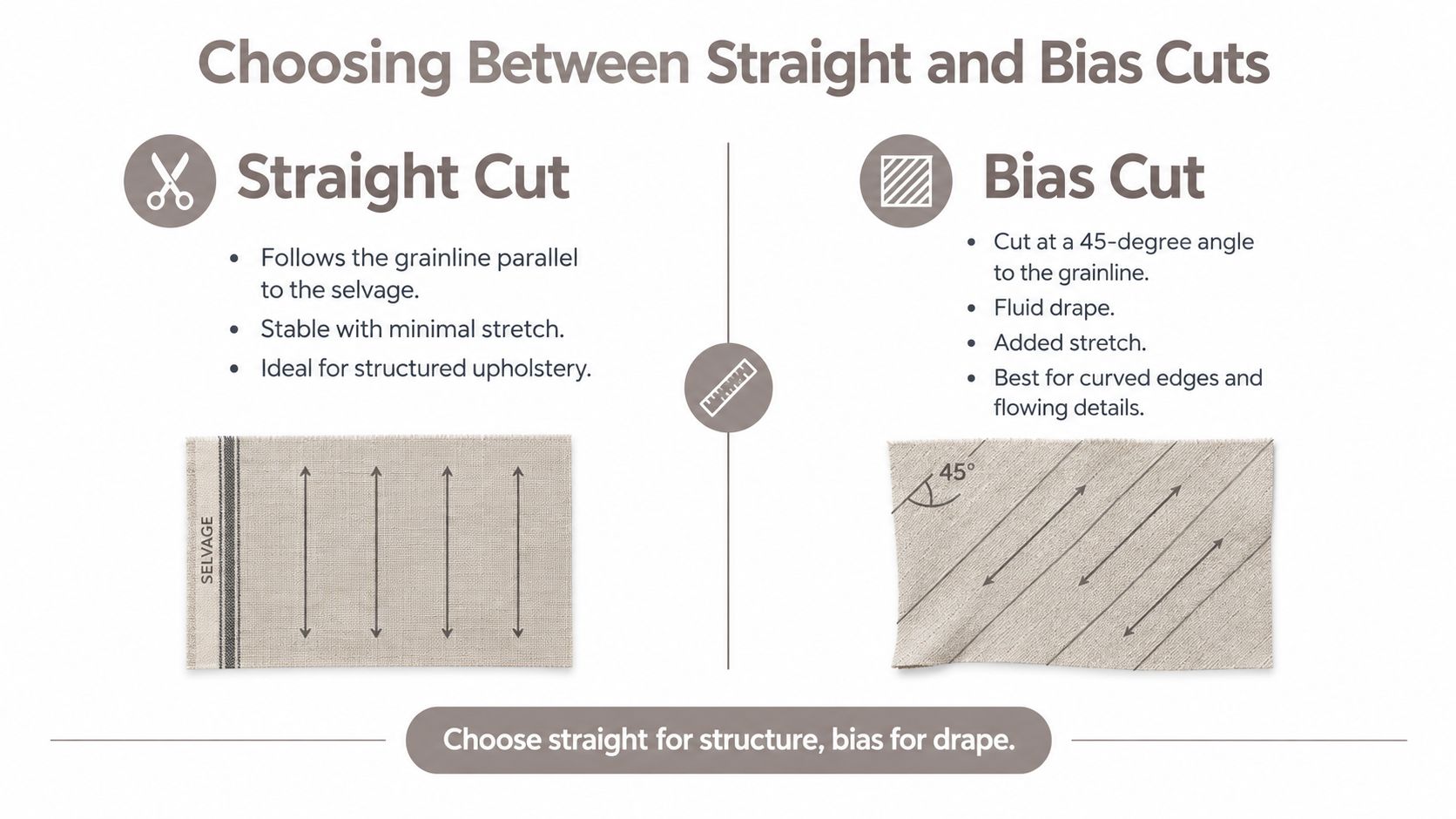
The straight grain and the bias solve different design problems. A straight cut follows the grainline parallel to the selvage. It offers stability, limited stretch, and predictable dimensions, which makes it the default choice for structured upholstery, cushion panels, skirt sections, and most custom drapery components.
A bias cut runs diagonally across the grain, typically at a 45-degree angle. It has more flexibility and can wrap curves or create fluid movement, but it also introduces stretch and makes dimensional control more difficult.
Straight grain favors structure
Use the straight grain when the component needs to hold its shape. On a luxury sofa, a straight-grain cut can help a welted cushion, outside back, or shaped arm panel maintain a composed appearance. Heavy upholstery fabrics also behave more predictably when the cut respects the woven structure.
Straight grain is particularly important for directional patterns. A motif that gradually tilts across a chair back will be noticeable, even when the dimensions are technically correct. Before cutting, place the pattern or template on the fabric and confirm the intended orientation.
Bias grain favors movement
Bias cutting can be useful for curved edges, soft ties, decorative bands, and flowing drapery details. The added flexibility allows the fabric to follow a contour with fewer hard folds. It can also create a softer visual line in applications where a rigid cut would look forced.
That flexibility is also the main risk. A bias strip can stretch during cutting, handling, sewing, and installation. Support the material fully, avoid lifting it, and mark the cut while the textile is relaxed. A bias piece for a custom chair should be tested against the curve before the final cut, especially when the fabric is loosely woven or delicate.
| Cutting direction | Main advantage | Best suited to | Primary risk |
|---|---|---|---|
| Straight grain | Stability and controlled dimensions | Structured upholstery and tailored panels | Less flexibility around curves |
| Bias grain | Fluidity and contouring | Curved details and flowing treatments | Stretch and distortion |
The bias-cut sewing guide provides further context for working with diagonal grain. The decision should follow the furniture form, the fabric's behavior, and the desired finish, not a preference for one technique.
Choose straight for structure, bias for drape.
Common Cutting Mistakes to Avoid
The most expensive cutting mistakes usually happen before the scissors touch the fabric. A designer or homeowner may calculate a neat 36-inch length, but the finished panel can still be too short, skewed, misaligned, or unusable because the fabric changed during preparation.
Treat shrinkage as a design variable
Natural fibers can change dimension during washing. That change matters for cushion covers, washable drapery, and removable upholstery components. University textile guidance treats shrinking, straightening, and pressing as preparation stages, not optional finishing steps. The intended care method should be applied before measurement when the fabric is suitable for it.
A luxury upholstery textile requires more caution. Prewashing a fabric that should be dry-cleaned or professionally cleaned can damage its finish, alter its hand, or change the way it accepts light. The safer approach is to establish the cleaning protocol first, then decide whether preshrinking is appropriate.
Don't confuse geometric fit with usable fit
Pattern repeats create a separate yardage problem. A piece can measure 36 inches and still be unusable if the motif can't be centered, matched, or kept upright. Large-scale designs may require deliberate additional yardage, while a solid or small-scale textile may offer more flexibility.
For a statement chair or premium sectional, mark the visual center of the furniture before cutting. Lay the fabric flat, position the dominant motif, and check adjacent pieces for continuity. Pattern matching often consumes material that a simple measurement doesn't reveal.
Control operator-induced stretch
Fabric stretches when a person lifts it, pulls it toward a ruler, or cuts across an unsupported section. Delicate blends and loosely woven textiles are especially vulnerable. Keep the material relaxed on a sufficiently large surface, use weights where appropriate, and don't drag the fabric to meet the measuring tool.
Published industrial guidance reports manual dimensional variation of roughly 1.5 to 5 millimeters, while automated cutting can achieve about 0.8 to 1.5 millimeters under controlled conditions. These figures are not guarantees for retail hand cutting, but they illustrate why unsupported fabric and inconsistent handling can create visible differences. The Nebraska textile guidance also emphasizes the importance of straightening, shrinking, and pressing before cutting.
Watch for these warning signs:
- Unequal edge readings: Compare the fold and both selvages. Differences suggest skew or stretching.
- Puckered selvages: Treat them as a potential shrinkage warning rather than a reliable reference.
- Directional shading: Velvet, chenille, and brushed fabrics may look different when pieces face opposite directions.
- Pattern drift: A repeat that shifts across the width may require layout adjustments before cutting.
- Blunt tools: If the blade leaves threads connected, change it before continuing.
The disciplined response isn't to hide every uncertainty inside a generic extra allowance. Separate the likely effects of care, pattern matching, and cutting waste so you know why additional fabric may be needed.
Fabric-Specific Cutting Tips for Luxury Projects
A premium textile should be cut according to its structure, finish, and role in the room. The technique that works for a stable upholstery linen may be wrong for silk, velvet, or a sheer drapery fabric.
Begin with the work surface. The fabric should be fully supported, clean, and flat. Use sharp shears for controlled hand cutting or a rotary cutter on a suitable mat when the surface and textile permit it.
Heavy upholstery and performance textiles
Stable upholstery fabrics, including durable linens and performance textiles such as Crypton, benefit from firm support and a clean grain reference. Keep the cut edge square, use weights or a non-slip ruler, and avoid cutting while the fabric hangs from the table.
For a cushion panel, inspect the placement of seams, zippers, and welt before removing the yard from the flat surface. A fabric that looks stable can still shift if you pull it around a large template.
Silk and sheer drapery
Silk and sheer fabrics need a lighter touch. Pins can leave marks or create local distortion, so weights are often preferable for holding a paper pattern or ruler. Cut in a quiet, controlled motion, and avoid lifting the textile to reposition it.
A delicate fabric may also reveal every irregularity in the underlying table. Cover the surface with a clean, smooth layer if necessary, then let the material relax before marking.
Velvet, chenille, and directional surfaces
Velvet and chenille must maintain a consistent nap direction across the finished furniture. Run your hand over the surface to identify the direction of the pile, then mark the “up” direction on every cut piece. A one-way layout may require more yardage than a design that can rotate pieces freely.
The fabric nap guide offers helpful terminology for evaluating pile direction. This is not a minor visual preference. Opposing nap can make two panels appear to have different colors under the same light.
Fine textiles and adjacent materials
When choosing tactile supporting materials for a broader home-furnishings scheme, it helps to understand how fibers behave outside upholstery as well. A guide to premium Turkish towels is a useful reference for cotton construction and hand, although towel textiles require a different cutting and care approach from furniture fabric.
Lewis and Sheron Textiles provides cut-yardage sourcing alongside upholstery, trims, pillow forms, and custom furnishings, so a designer can evaluate the fabric, application, and finished-room palette together. The right tool is only part of the solution. The textile must also suit the furniture's use, maintenance requirements, and visual direction.
Final Steps for a Professional Finish
After cutting, don't immediately fold the fabric into an anonymous stack. Compare the piece with the pattern layout, sewing template, or upholstery plan while the grain and orientation are still visible. Confirm the 36-inch length, usable width, seam placement, pattern direction, nap, and any allowances required by the finished design.
Mark the wrong side clearly with chalk or a suitable fabric marker. Add an arrow for nap or one-way orientation, identify the top edge, and label matching pieces. These marks prevent a common workshop error, especially when several panels look similar.
Before installation: A precise cut is useful only if the upholsterer knows which way the piece belongs.
Store the cut fabric cleanly and without unnecessary tension. Keep it protected from dust, direct light, moisture, and accidental pulls. Don't place heavy objects on velvet, pile fabrics, or loosely woven linen, because compression can affect the surface before construction begins.
Precision cutting supports more than a polished first impression. It helps a cushion sit correctly, keeps a pattern aligned, reduces unnecessary stress at seams, and makes future repair or reupholstery more manageable. Research on furniture durability connects poor design and low-quality materials with reduced longevity, while repairable construction and replaceable upholstery can support a piece's continued use. For buyers considering high-end furniture in Atlanta, the fabric cut belongs to the larger craftsmanship conversation.
A beautiful sofa or custom chair isn't defined by fabric alone. Frame construction, cushion materials, upholstery layers, maintenance, and repairability all influence whether the piece remains useful as a room evolves. Careful yardage planning is one practical way to protect that investment from the beginning.
Lewis and Sheron Textiles offers cut-yardage fabrics, custom upholstered furniture, reupholstery, and custom drapery for projects that require accurate planning and refined materials. Visit Lewis and Sheron Textiles to explore designer textiles and work with the Atlanta design team on a sofa, sectional, chair, or heirloom piece that deserves a precise finish.