


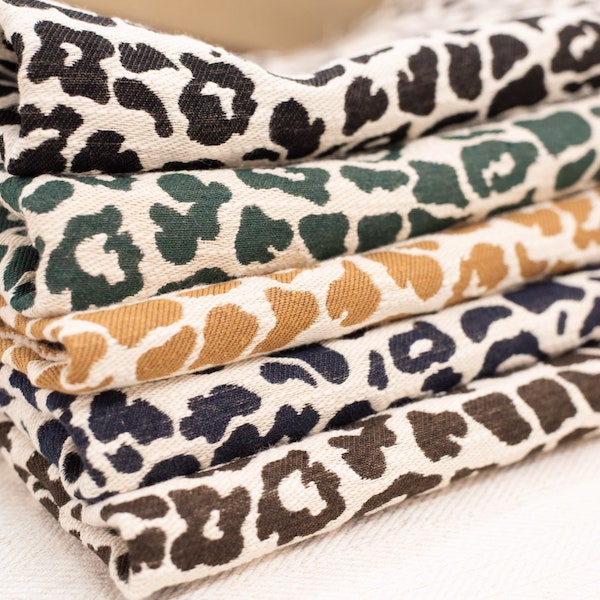
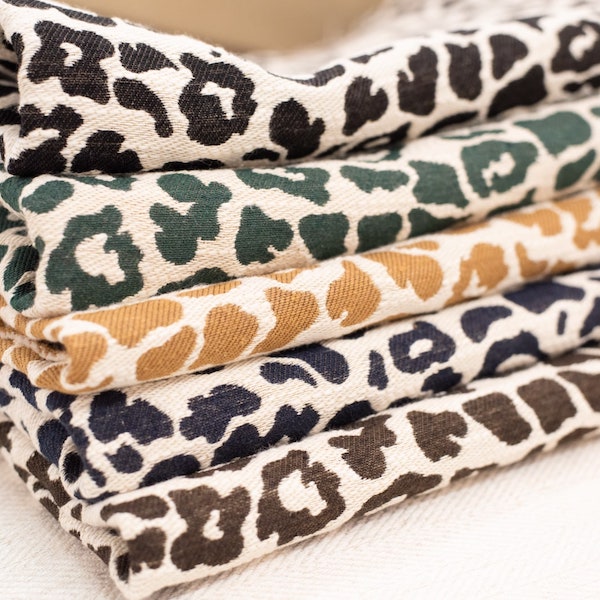
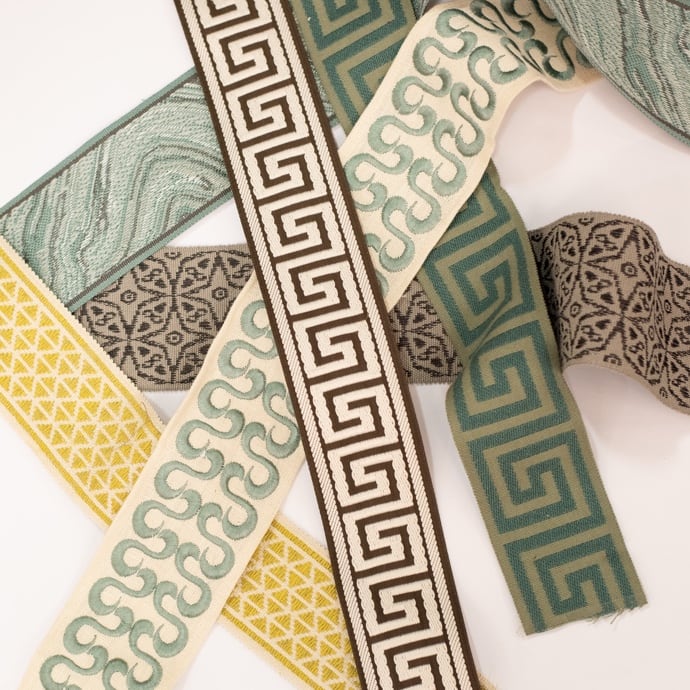

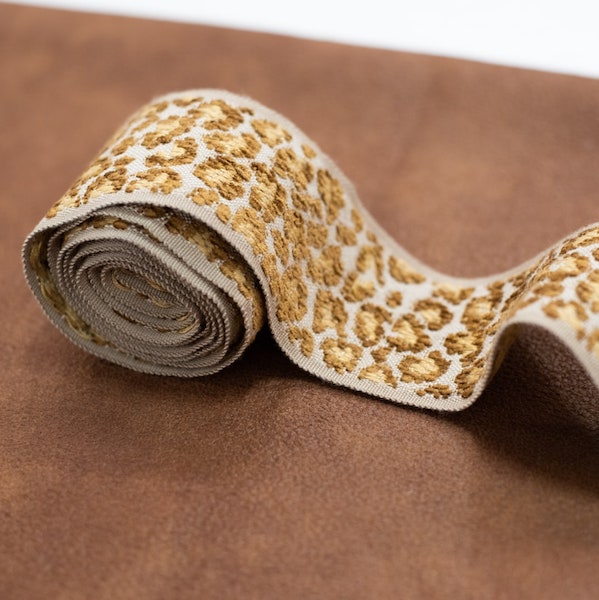
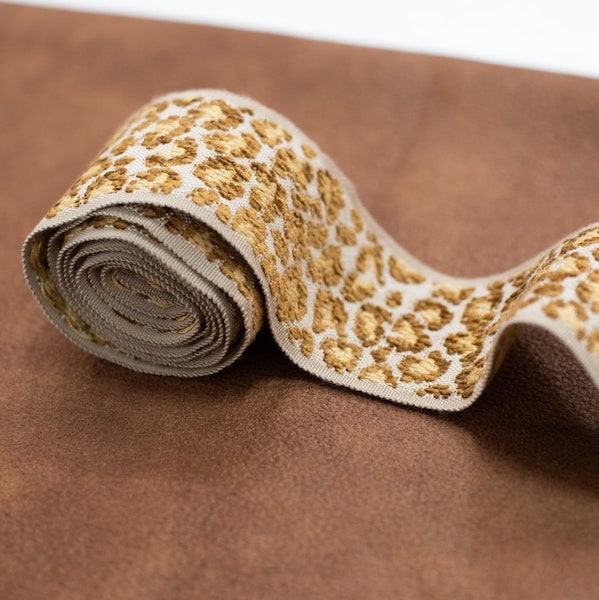
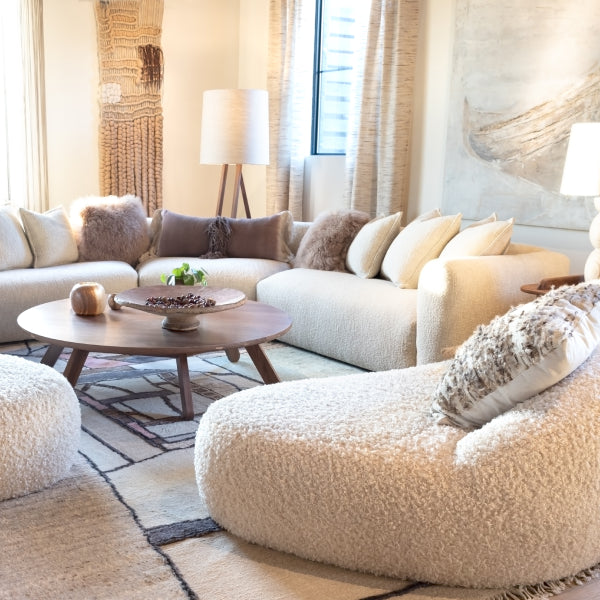
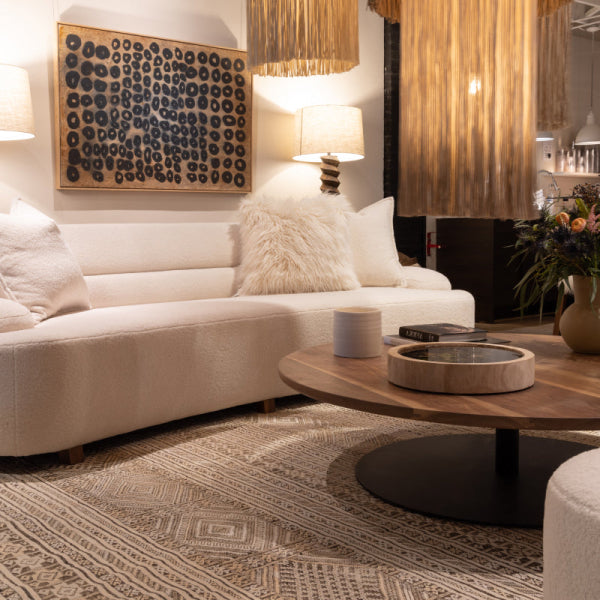
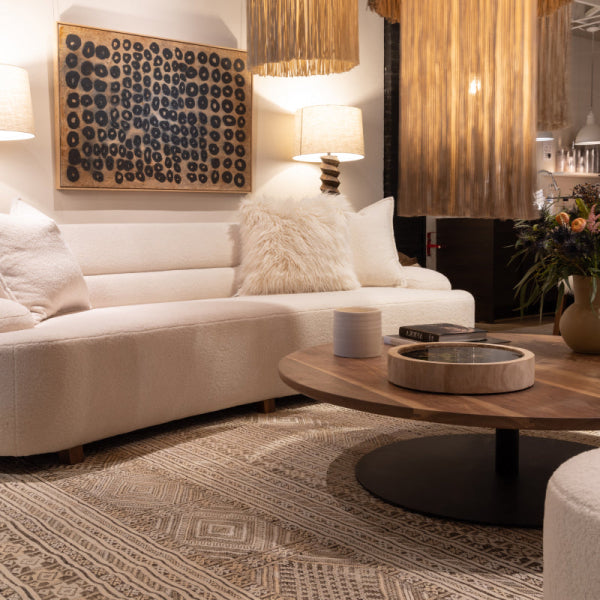
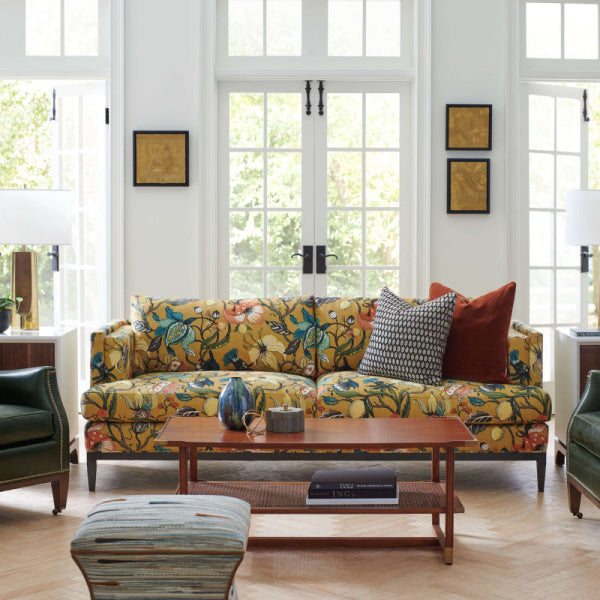
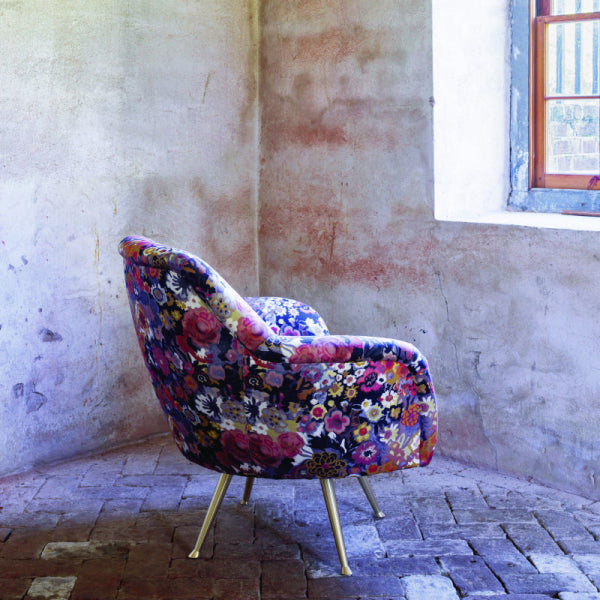
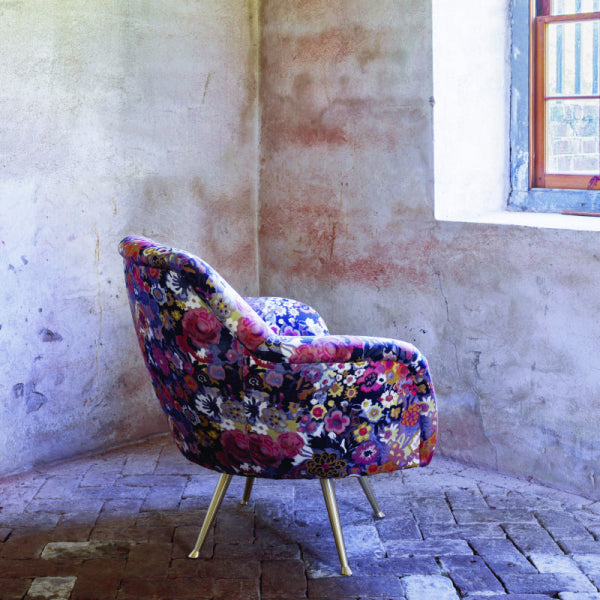
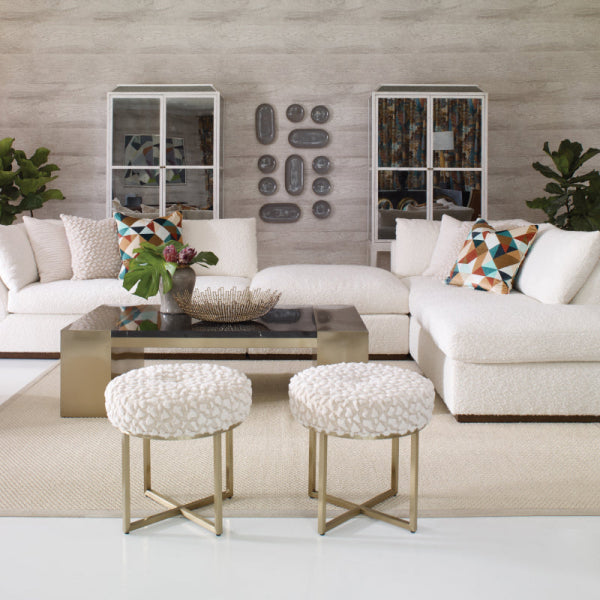



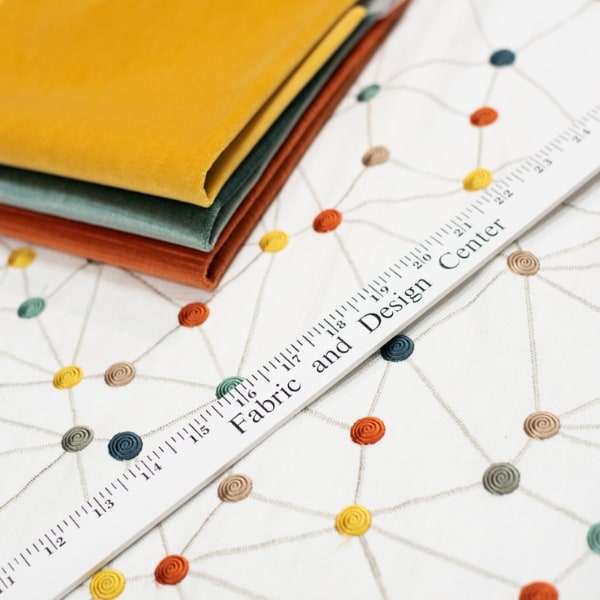






Fabric nap is the raised, directional texture on textiles like velvet or corduroy, where the fibers lie in one direction, affecting the fabric's look and feel. In luxury upholstery, that small detail can decide whether a custom sofa reads as refined and flawless, or slightly off when the light shifts.
A client may not name the issue right away. They usually notice it with their hand first, then with their eye, especially on a fabric bolt that feels smooth one way and matte the other. That's why nap matters so much in high-end furniture, custom upholstered furniture, and any project where the finish has to look intentional from every angle.
The Secret Dimension of Luxury Upholstery
A client standing in a showroom often does the same thing instinctively. They run a hand across velvet, pause, then stroke it the other way because the surface seems to change under their fingertips. That shift is fabric nap, and on a statement sofa for a Buckhead home, it is not a minor textile detail. It helps decide whether the piece reads as finely finished, luminous, and intentional, or slightly uneven once it is placed in the room.
Why the surface feels alive
Nap is the raised, fuzzy surface on certain textiles, and it is often described as directional because it can look or feel different when brushed or viewed in opposite directions. Textile references also describe napping as the finishing process that raises loose fibers from the cloth structure to create that surface. On upholstery-grade fabrics, that raised surface can also feel softer, heavier, and usually warmer because the fiber ends form an insulating layer (Cotton Incorporated on napping).
That matters in luxury work because the viewer is not only seeing color, they are seeing how the cloth handles light. A velvet panel turned one way can read richer and deeper, then shift to a lighter, flatter look when reversed. In an elegant room, that can feel beautifully dimensional or visibly inconsistent.
Practical rule: on a premium sofa or chair, the surface should look deliberate from the primary viewing angle and still feel coherent when someone walks around the piece.
For designers working in Atlanta, Buckhead, Alpharetta, or Roswell, that decision affects more than style. It affects how confident the room feels, especially when the upholstery is meant to anchor the entire space.
What Is Fabric Nap and Why It Matters
A sofa may look perfectly calm on the cutting table and then read uneven once it is upholstered and placed in a room. That shift often comes from nap, the directional surface on certain textiles that changes how the cloth presents itself from different angles. On luxury custom furniture, especially pieces commissioned for Atlanta homes, that is not a small detail. It affects whether the finished piece feels expertly executed and intentional, or slightly off once the light starts moving across it.

The basic definition
A napped cloth has a surface that is not visually flat. During finishing, the fibers are brushed or lifted so they stand in one direction, creating a texture that changes the fabric's appearance and hand. Textile references describe nap as the raised surface on cloth and connect it to the finishing process that produces that surface (fabric nap definition and history)).
That history matters because nap is not a trend term borrowed from upholstery sales language. It is a long-established textile characteristic, and the same source notes that the term had already been associated with the pile on cloth by the 15th century. In practice, that means designers and upholsterers are working with a familiar material behavior, not a decorative quirk.
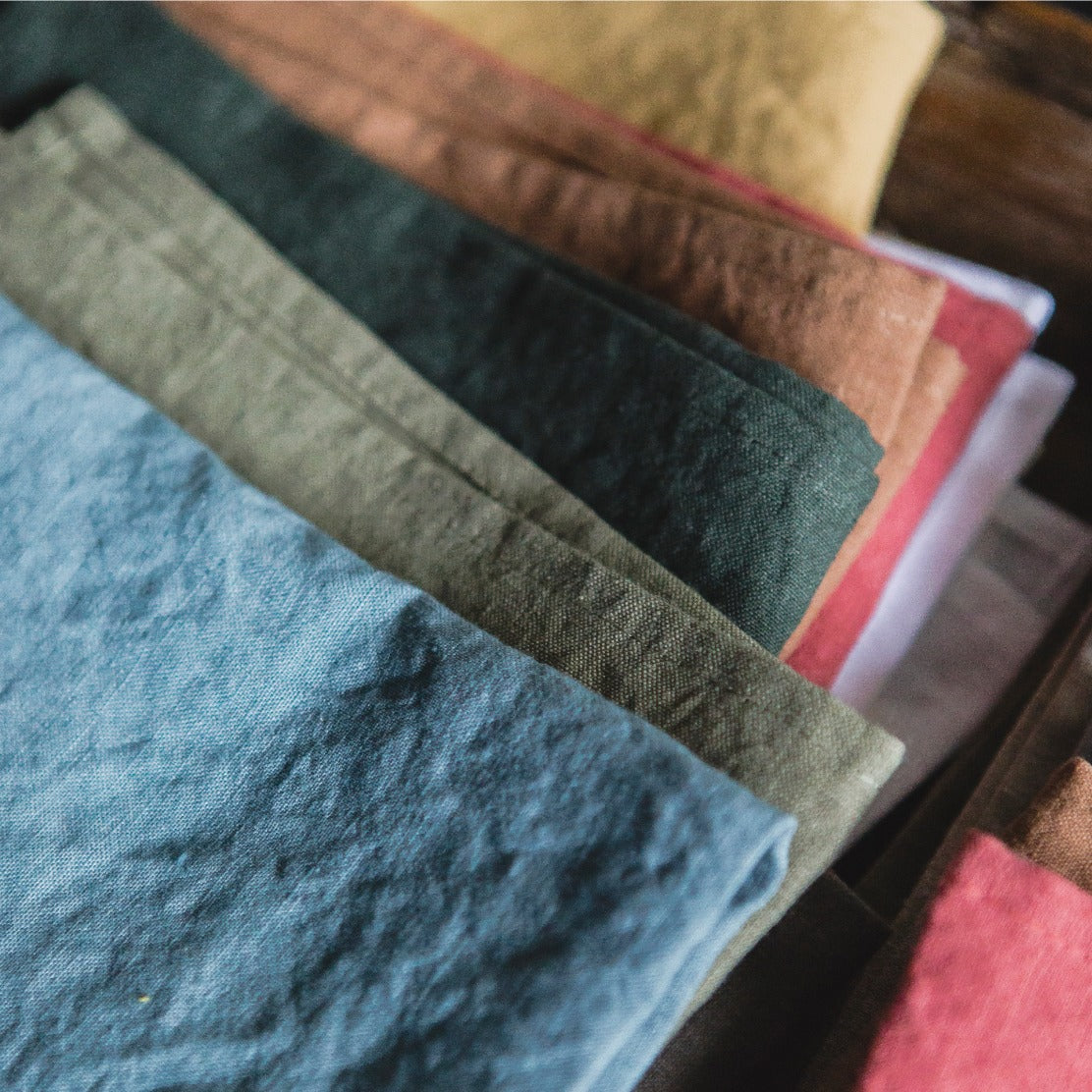
The simplest way to explain it to a client is direct. A flat weave looks broadly the same from most angles, while a napped textile changes with direction. That is why fabrics such as velvet, moleskin, corduroy, suede, and flannel need more careful handling in sewing and upholstery. For a clear comparison between plush surfaces, this guide to velour and velvet is useful, because it shows how similar-looking fabrics can behave differently under light and touch.
Why luxury buyers should care
Nap affects more than appearance. It changes how the fabric is planned, how the pattern is laid out, and how the finished piece reads across cushions, arms, and backs. On a custom sofa or chair, that can determine whether the upholstery feels considered from every angle or whether one section catches the eye for the wrong reason. The same standard applies whether the project is in Buckhead, Alpharetta, or another high-end Atlanta neighborhood.
The practical issue is simple. If the nap direction is handled carelessly, the fabric can look inconsistent even when every panel is cut from the same bolt. That inconsistency shows up quickly on larger investment pieces, where the eye has room to compare surfaces. The result is not just a visual problem, it can affect how polished the whole room feels.
For clients who rely on The Sofa Cover Crafter's fabric tips, the takeaway is that nap should be treated as part of the design brief, not an afterthought. In custom work, the right fabric choice includes understanding how the surface will behave once it is sewn, upholstered, and exposed to real light in the home.
How Nap Affects a Fabrics Color and Sheen
The same sofa can look deeper in one photograph and softer in the next because nap changes how light sits on the surface. On large upholstery pieces, that effect becomes impossible to ignore. A velvet frame with one cushion rotated the wrong way can look mismatched even when the fabric is identical.

Light side, dark side
In practical sewing and upholstery work, nap behaves like a directional grain. The fabric can look smoother or richer in one direction and duller in the opposite direction, so pattern pieces should be laid out consistently with the nap running the same way to avoid mismatched sheen, shade, or hand (directional grain and layout guidance). That's a direct visual issue, not an abstract rule.
This is why a custom sectional in Alpharetta or Sandy Springs can look remarkably polished when every cushion follows the same direction. It's also why a single reversed panel can catch the eye immediately. The discrepancy isn't always dramatic, but on a luxury piece, “almost right” is still wrong.
A good upholstery layout doesn't just match fabric, it matches reflection.
Why the effect matters on larger pieces
The bigger the furniture, the more light variation shows up across the surface. Armrests, seat cushions, and back pillows can each read differently if the nap is inconsistent. That matters on high-quality couches, premium sectionals, and statement furniture pieces where visual coherence is part of the value.
If you're comparing textured fabrics for a project, The Sofa Cover Crafter's fabric tips offer a useful lens for thinking about texture, touch, and finished appearance. The point isn't to memorize fabric names, it's to train your eye to see how surface treatment changes the whole room.
For a related textile example, the difference between velvet-like surfaces and their cousins becomes clearer in the local context of custom upholstery, especially when the goal is a refined, unified finish rather than a merely covered frame.
The Craftsmans Guide to Upholstering with Nap
A custom piece starts with a simple question at the cutting table, which direction should the nap run. A skilled upholsterer decides that before the first panel is marked, because the choice affects the way the fabric reads, the way it feels in hand, and the amount of material the job will require. On custom chairs, luxury sofas, and premium sectionals, that decision is part of the workmanship a client is buying.

Nap up and nap down
Industry language often separates nap up from nap down. In practical terms, the pile is oriented so the fibers all travel in one direction across the finished piece. Some upholsterers prefer the richer, deeper look that comes from one direction, while others choose the surface that seems cleaner in daily use and shows less handling.
Consistency matters more than preference. Napped fabrics are usually cut with every component facing the same way, and that one-way layout changes planning from the start. Sewing guidance on yardage and one-way cutting guidance explains why these fabrics often require more material than comparable non-directional cloth, because every section has to follow the same direction. For a luxury project, that is part of the calculation, not an inconvenience.
Why extra yardage is part of the luxury cost
One-way layout creates waste more quickly than free placement does. It also limits how many pieces can be nested together on the cloth, especially on large frames with arms, backs, and cushions that all need to read in the same direction. For a homeowner commissioning custom upholstered furniture in Fulton County or anywhere in North Atlanta, that cost reflects the control needed for a refined finish.
The layout decisions are straightforward, but they have to be made early:
- Match the viewing side: the front edge, seat, and cushions should read the same way from the room.
- Cut all pieces together: reversing one panel can make the sheen jump.
- Plan for waste: one-way fabrics need more material than non-directional fabrics.
- Check before upholstering: lay panels out dry before any stapling or sewing starts.
The same planning applies to other fabrics that run in a set direction, which is why many designers also study how railroaded fabric changes layout choices. Once the direction is fixed, the rest of the work becomes more predictable. The result is a quieter surface, a more controlled sheen, and a piece that looks intentional rather than merely covered.
Not Just Nap Understanding Directional Fabrics
A raised nap isn't the only reason a fabric needs careful layout. Some textiles have a visible direction because of the print, weave, or pattern placement, even when the surface itself isn't physically fuzzy. That distinction gets missed all the time, and it's where many home projects go wrong.
Direction can exist without a raised pile
A fabric can have a visible directional pattern even without a true raised nap, and that still affects cutting, yardage, and matching in sewing and upholstery projects (directional pattern nuance). A bold floral, a striped woven, or a geometric textile may not feel like velvet, but it can still demand a one-way layout if the design has an obvious top and bottom.
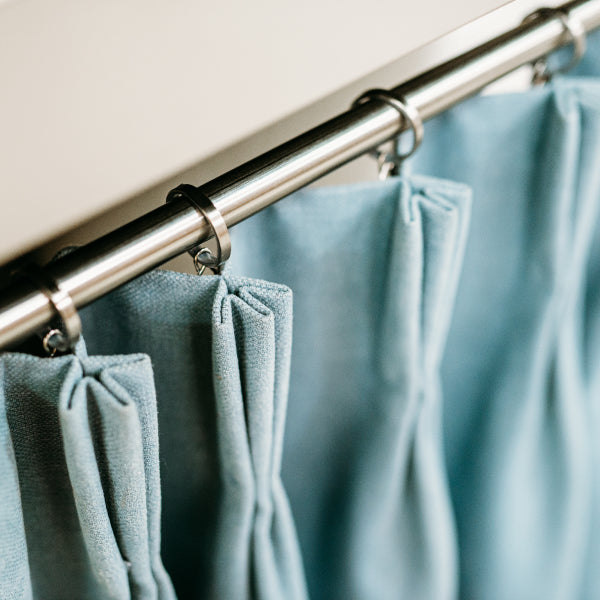
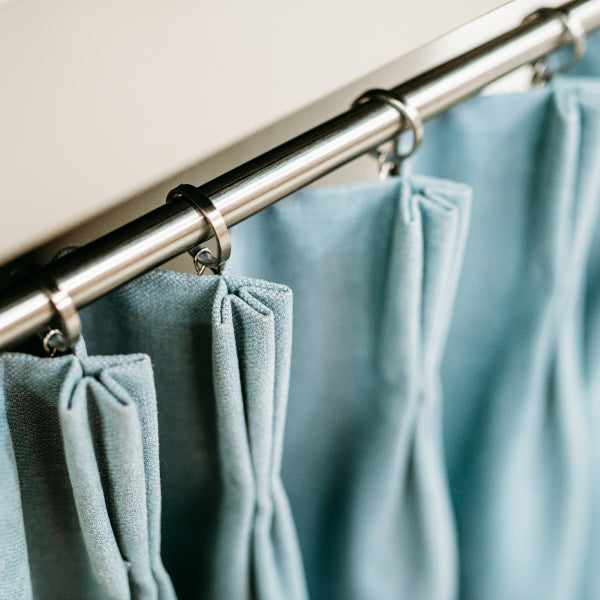
That matters for drapery, cushions, and upholstered panels, especially in spaces where the pattern is supposed to read as intentional rather than busy. A fabric that looks balanced on a bolt can become visually chaotic once it wraps around a chair back or sofa arm.
Why this distinction matters to designers
For clients in Sandy Springs or Roswell, the practical takeaway is simple. Don't assume a smooth fabric is automatically non-directional. Ask whether the design has a repeat, an up direction, or a visual flow that must be respected across seams.
For a deeper look at related layout decisions, the guide on how railroaded fabric changes pattern direction is a useful companion. It reinforces the same core idea, the way fabric is oriented changes the final result, even when the surface doesn't feel obviously napped.
That's the sort of detail that separates a careful investment from an expensive mistake. The fabric may be beautiful on its own, but the layout decides whether it looks custom once it's on the frame.
Choosing the Right Napped Fabric in Atlanta
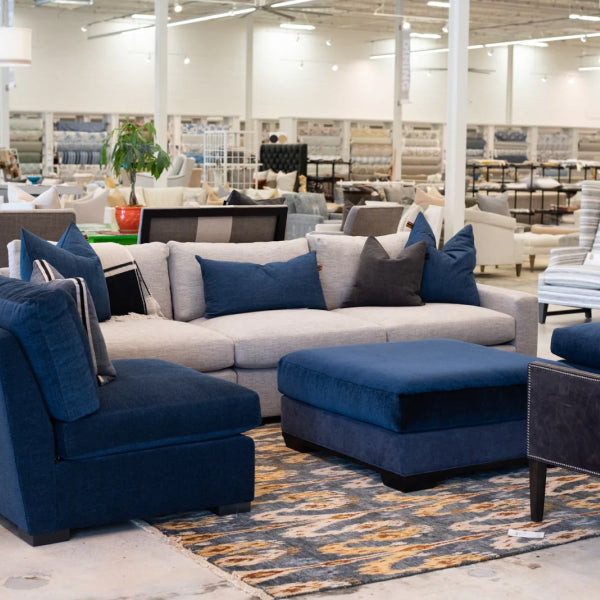
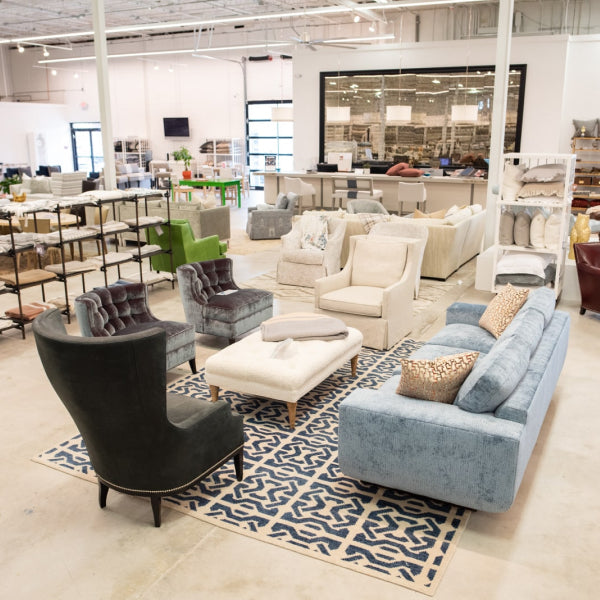
In a showroom, the quickest test is physical. Run your hand along the bolt, then run it back the other way. If the surface changes noticeably, you're dealing with a fabric where orientation will matter on the finished piece. That simple check can save a lot of regret later, especially on luxury home furnishings that need to hold up in daily use.

How to shop with confidence
The best fabrics for a custom sofa aren't always the flashiest. They're the ones that fit the room, the lifestyle, and the light. In Buckhead, where high-traffic furniture showrooms and premium home furnishings are an established part of the retail environment, shoppers already expect to compare materials closely before making a purchase (Buckhead showroom and retail context).
That same purchase-stage mindset shows up in the local custom market. Atlanta directories surface custom furniture builders across Buckhead, Sandy Springs, Roswell, and Alpharetta, which tells you the demand for custom-made, designer-grade pieces is spread across North Atlanta rather than concentrated in one pocket (local professional listings).
For shoppers considering made-to-order pieces, CoCoCo Home's Atlanta listing identifies it as a “Made to Order Furniture Dealer” with a wide selection of high quality furniture, and its Buckhead location at 3072 Early Street at West Paces Ferry matches the kind of buying behavior seen in premium home furnishing searches (Atlanta listing). That's the market context where nap becomes a serious design choice, not a finishing afterthought.
What to ask before you order
- Confirm the direction: ask which way the nap will run on seat cushions, backs, and arms.
- Check the room light: strong daylight can make direction changes more obvious.
- Order enough yardage: one-way layout almost always needs more fabric than a neutral weave.
- Review the cut plan: large pieces should be mapped before the upholsterer starts.
The most expensive mistake is not choosing the wrong fabric, it's choosing the right fabric and cutting it the wrong way.
If you're comparing premium options for a custom sectional or an heirloom chair, the local guide on how to choose upholstery fabric is a helpful starting point. It pairs well with nap knowledge because the finish, not just the color, determines whether the piece feels bespoke.
Investing in Quality and Timeless Design
The client who once ran a hand over a velvet bolt and felt uncertain now has a clearer eye. They know that fabric nap changes light, affects yardage, and demands disciplined layout. They understand that these details are part of what makes designer furniture feel designer-grade in the first place.
That knowledge pays off in rooms that are meant to last. On heirloom-quality furniture, the goal isn't to chase a trend, it's to choose materials and construction that still look composed years later. A carefully oriented velvet sofa in Atlanta, Buckhead, or Fulton County holds its value in a different way, through finish, restraint, and workmanship.
The best custom pieces reward attention before they're built. Nap is one of those decisions that seems small until the room is finished, then becomes impossible to ignore. It affects the way a luxury sofa, a pair of custom chairs, or a full upholstery project will live in the home every day.
You don't need to become a textile technician to make a smart choice. You just need to know that direction matters, light matters, and craftsmanship shows up in the details rarely considered. That's the difference between a covered frame and a true investment piece.
If you're planning custom furniture Atlanta clients would admire for years, visit Lewis and Sheron Textiles and speak with the design team about fabrics, nap direction, and upholstery choices that fit your room, your light, and your long-term vision.