



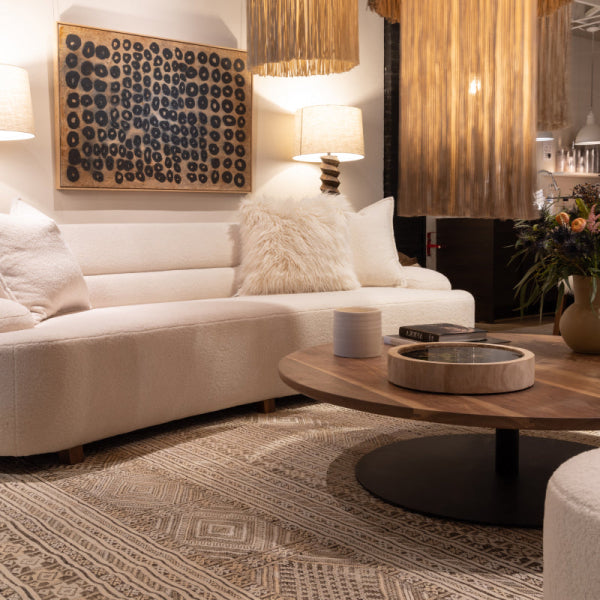
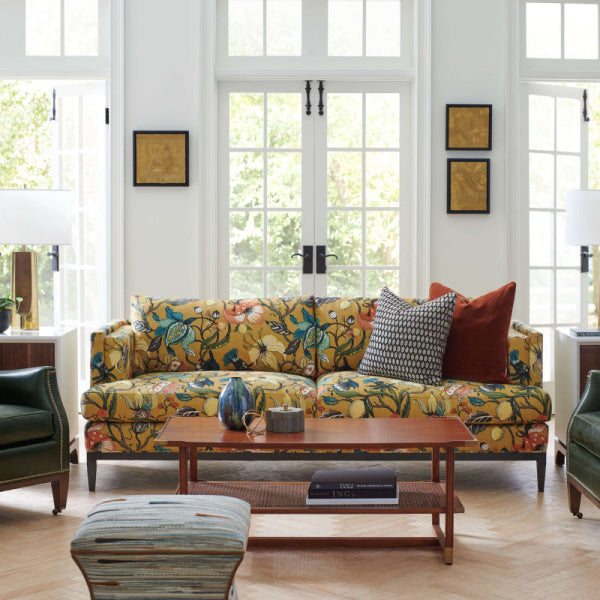
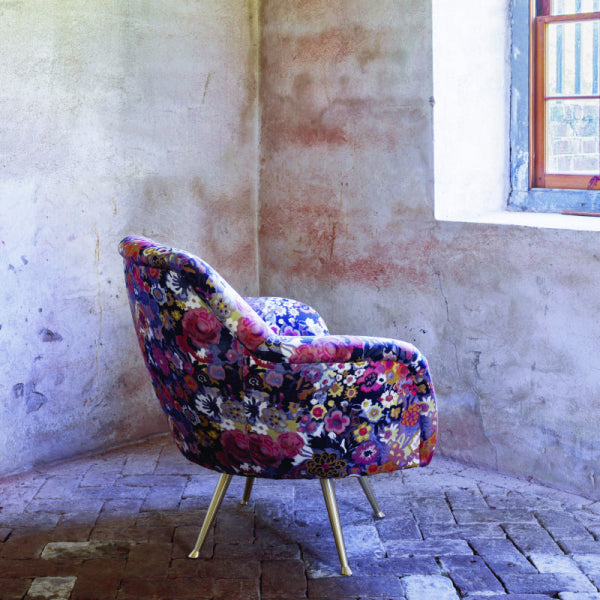
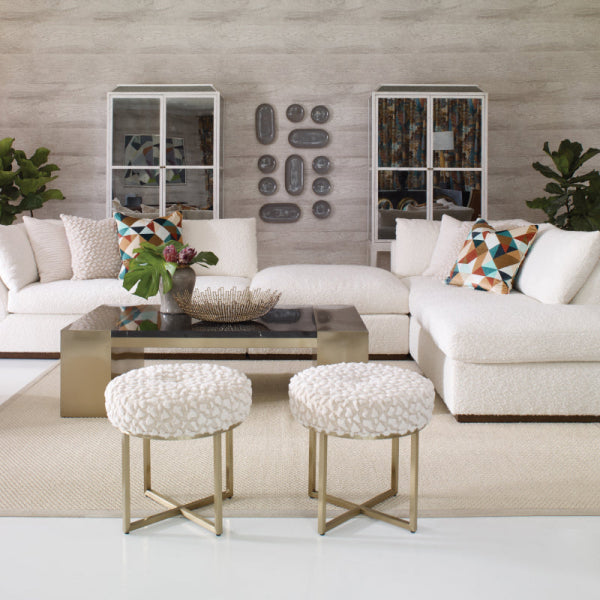
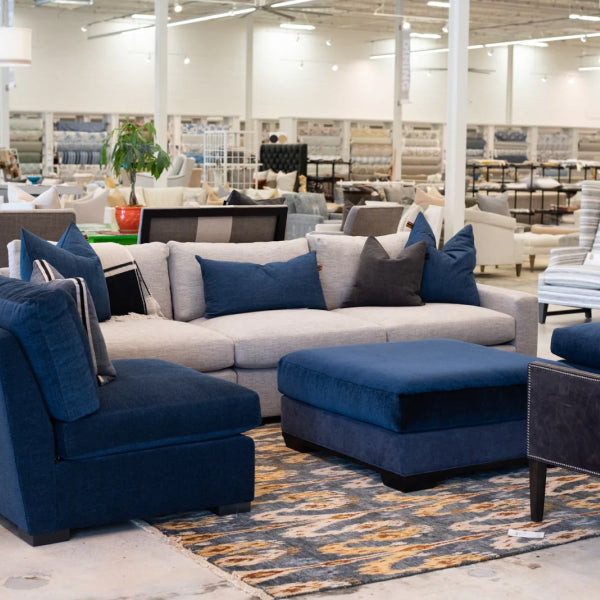









You're standing in an Atlanta showroom with a room to furnish, a delivery deadline in mind, and two very different options in front of you. One is an attractive, immediately available sectional that may solve the problem quickly. The other is a classic style sofa, perhaps custom upholstered or restored from an inherited frame, that asks more questions before it earns a place in your home.
The second choice is often the better one, but only when the construction, comfort, fabric, and future serviceability justify the investment. A beautiful silhouette alone doesn't make designer furniture. What matters is whether the sofa fits your room, supports the people who use it, survives its intended traffic, and can be refreshed rather than discarded when the fabric eventually needs attention.
How to Choose a Classic Style Sofa Worth Living With
A homeowner in Buckhead may want a formal sofa for entertaining, while a family in Alpharetta may need the same traditional character with deeper cushions and a more forgiving textile. Those aren't styling problems. They're specification problems. A quick furniture-store purchase usually begins with appearance, while a high-quality couch begins with how the household really lives.
I use four decisions to separate a lasting piece from expensive decoration:
- Silhouette authenticity: Does the profile have convincing proportions, arms, legs, and tailoring, or is it a generic frame dressed in traditional details?
- Frame and cushion quality: Can the maker explain the joinery, suspension, filling, and options for refreshing the cushions?
- Fabric performance: Does the textile suit sunlight, pets, children, entertaining, and cleaning expectations?
- Long-term serviceability: Can the sofa be reupholstered, recushioned, repaired, or adapted if the room changes?
A useful basic checklist for room fit and everyday use appears in this sofa selection guide from Lucas Furniture & Mattress, but luxury purchasing requires going further. Ask for inside seating dimensions, not just the outside width. Request fabric performance information, not merely a fabric sample. Sit long enough to notice whether your lower back remains supported and whether the arms put your shoulders in a natural position.
Practical rule: Pay for the parts you can't improve later, especially the frame, proportions, suspension, and usable dimensions. Fabric can be changed. A badly designed frame remains badly designed.
A made-to-order sofa costs more attention upfront, but customization can resolve awkward room proportions, unusual doorway access, and individual comfort needs. Reupholstering an heirloom frame may preserve a shape you already love, but only if the frame and joints are sound. Buying off the floor makes sense when timing matters and the piece passes the same construction and comfort tests.
The right question isn't “Which sofa looks most classic?” It's “Which sofa will still make sense after the novelty of delivery day has passed?”
What Makes a Sofa Classic
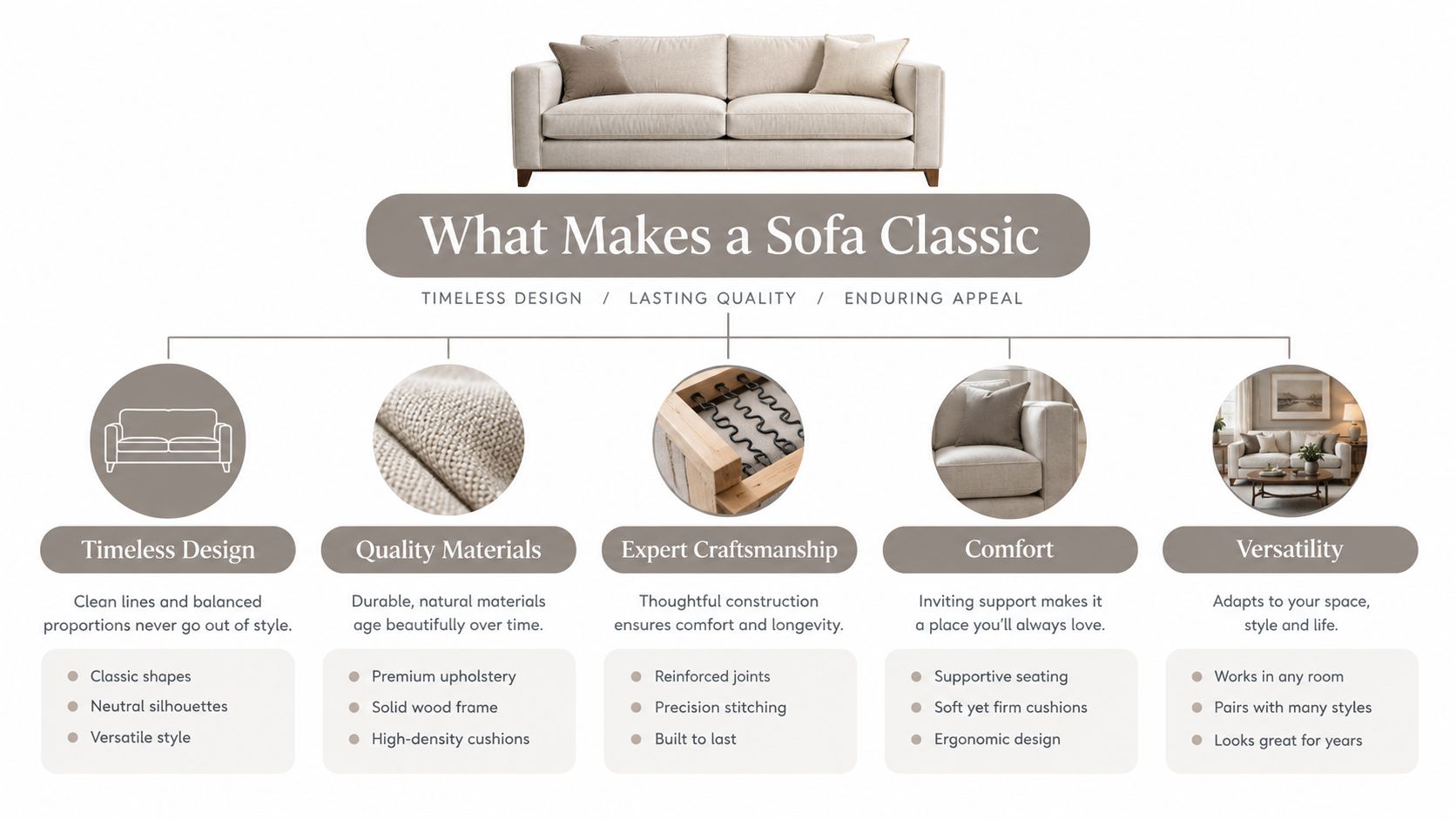
A genuine classic style sofa has a recognizable anatomy. Look beyond the fabric and inspect how the body, base, suspension, cushions, and trim work together. Traditional silhouettes often feature substantial upholstered bodies, formal proportions, crafted wood details, and carefully finished seams, qualities rooted in the period when upholstery became associated with comfort, sociability, and domestic status. University of Pennsylvania's account of the sofa's European origins places its emergence in France in the late 1680s, after a broader comfort movement that began around 1670 and continued until approximately 1765.
Read the frame before the fabric
A kiln-dried hardwood frame is a strong starting point, but the important question is how the structural members connect. Look for reinforced corners, corner-blocked joinery, and a maker willing to explain the joint system rather than hiding behind the phrase “solid wood.” A 2023 study of stapled, one-sided, two-gusset-plate joints in upholstered furniture frames found that failure behavior changed at a cumulative threshold of 125,000 cycles, with staple withdrawal and repeated lateral loading affecting performance at different stages (peer-reviewed frame-joint research). That doesn't predict the life of every sofa, but it proves that joinery and fastener design deserve attention.
The body should be fully upholstered with clean, matched tailoring. Run your hand along the outside back, skirt, or rail. Look for even welt seams, consistent tension, aligned pattern repeats, and trim that follows the frame instead of wandering around it.
Traditional sofas for Southern Ontario homes are discussed in this overview of traditional sofa styles, but the inspection principles apply equally in an Atlanta designer showroom.
| Element | What to Look For | Quick Test |
|---|---|---|
| Frame | Hardwood structure and reinforced corners | Press gently on the arms and back. Excessive movement is a warning. |
| Silhouette | Balanced proportions and a coherent classic profile | Step back, then inspect the sofa from the side and rear. |
| Base and legs | Exposed wood, skirted construction, turned legs, or other intentional detailing | Check that legs meet the floor evenly and feel securely attached. |
| Suspension | Eight-way hand-tied or sinuous-spring support suited to the frame | Sit in several positions and listen for movement or creaking. |
| Cushions | Down-wrapped or high-resilience foam construction with refresh options | Ask what can be replaced and how the cushions should be maintained. |
The cushion package determines whether the sofa feels refined or merely soft. Down-wrapped cushions offer a relaxed, inviting surface but need regular reshaping. High-resilience foam gives a more stable seat. Neither is automatically superior. The right choice depends on posture, maintenance tolerance, and how formally you want the sofa to hold its shape.
Iconic Classic Sofa Silhouettes Worth Knowing
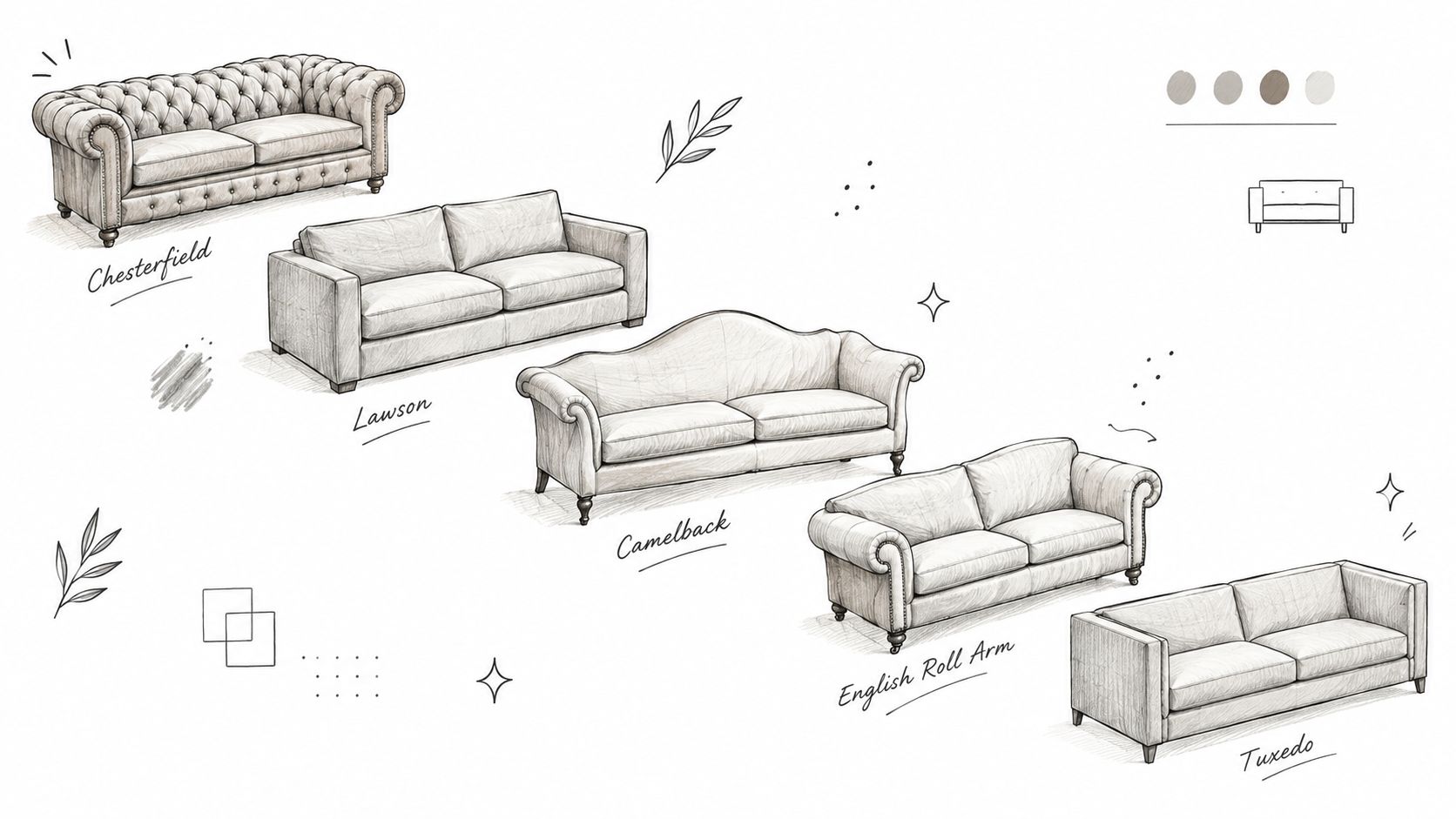
A sofa profile sets the emotional temperature of a room. The Chesterfield announces formality. The Lawson relaxes the conversation. The Camelback brings architectural movement to a traditional interior. Choose the silhouette before you choose the textile, because a bold fabric can't rescue a profile that fights the room.
Chesterfield
A Chesterfield is defined by deep button tufting, substantial arms, a back and arms that often share a visual height, and a strong, upholstered presence. Leather remains the familiar choice, but velvet or patterned textiles can make the profile feel less club-like and more residential. It belongs in a Buckhead library, formal living room, or polished office where the sofa can serve as a statement furniture piece.
Lawson
The Lawson is the practical classic. Its loose seat and back cushions, lower arms, and approachable proportions make it easier to live with than more rigid formal profiles. Choose it for a North Atlanta family room, media room, or transitional great room, especially when you want removable cushions and a relaxed sitting posture without abandoning traditional styling.
Camelback
The Camelback has an arched crest, shaped back, symmetrical arms, exposed wood structure, and fitted upholstery. The profile adds rhythm to a room without depending on heavy ornament. A documented Philadelphia example at the Metropolitan Museum of Art is identified as a classic Philadelphia camel-back sofa, a regional reference that helps explain the form's lasting appeal. American sofa history also shows how coordinated parlor arrangements made the sofa a central part of a room ensemble rather than an isolated object (NPR's account of the American sofa).
English Roll Arm
The English Roll Arm has shallow, softly curved arms and a clean, comfortable appearance. It reads collected rather than imposing, which makes it effective in a Sandy Springs living room, a smaller Roswell sitting room, or a transitional interior with antiques and contemporary lighting.
Tuxedo
The Tuxedo uses a square frame, straight arms, and a back and arms that often align in height. It has the formality of a classic sofa with a cleaner, more architectural outline. Use it when a traditional room needs structure, especially alongside modern art, a restrained rug, or sculptural occasional tables.
For a broader visual reference, this guide to traditional couch styles is useful when comparing profiles before you visit a showroom. Don't choose by name alone. Sit in each silhouette, study the usable seat, and ask whether the arms and back support the way you entertain or relax.
Sizing, Scale, and Comfort Geometry
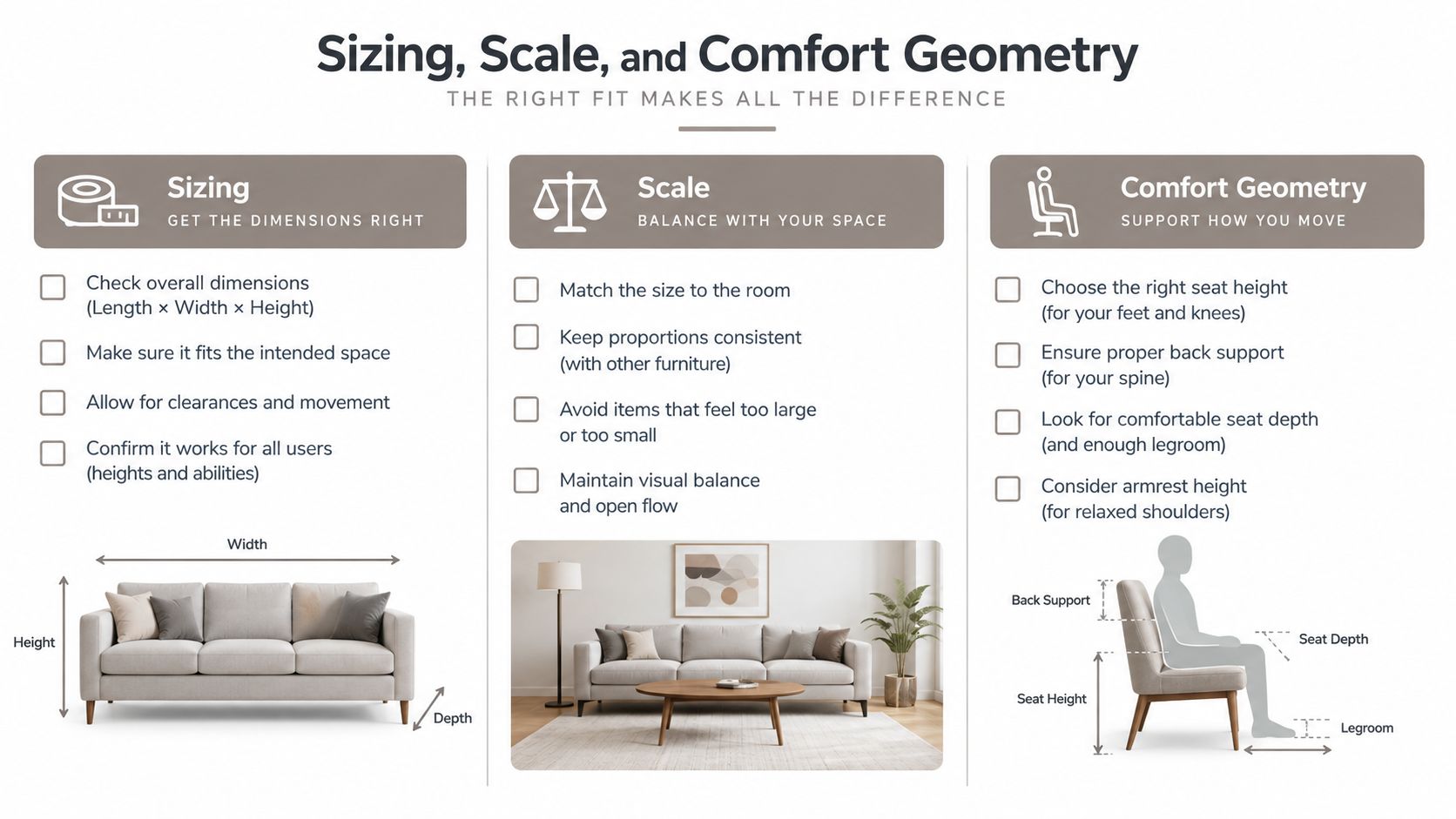
The most expensive sofa in Atlanta is still the wrong sofa if it won't clear the stair turn. Measure the room, the entry path, and the people using the piece before you approve a frame. Record doorway widths, ceiling clearance, hallway turns, stairwell angles, elevator access, and the sofa's packaged dimensions. Include arm height and overall depth, not just length.
Test the actual seating geometry
A sofa's outside dimensions tell you very little about comfort. Rolled arms, thick back cushions, skirts, and deep frames can consume usable width and depth. Ask for the inside seat width, seat depth, seat height, arm height, and cushion compression. Then compare those measurements with the people who will use the sofa.
Experimental sofa research evaluated seat inclination from 0° to 20° and backrest inclination from 90° to 110°, showing why posture and pressure distribution deserve more attention than a simple soft-versus-firm label (research on sofa comfort geometry). Use a dimensionally accurate frame or mock-up when possible. Sit upright, converse, lean back, and try the posture you use at night while reading or watching television.
- Shorter users: Excessive seat depth can prevent the feet and lower back from contacting the support properly.
- Taller users: A deeper seat may feel generous, provided the back cushion or lumbar bolster prevents unsupported slumping.
- Conversation rooms: Favor an upright relationship between seat and back, with arms that support the shoulders without forcing them upward.
- Lounging rooms: Allow more depth only when the cushion package gives you a stable place to settle.
Measure popliteal height, thigh length, preferred sitting posture, and arm-support position. A custom maker can often adjust the frame or cushion package more effectively than a buyer can compensate with decorative pillows.
A classic sofa should be tested like an ergonomic product, not admired like a sculpture.
Room scale matters just as much. In a Buckhead high-rise, a visually heavy sofa may need more breathing room around its arms and back. In an Alpharetta open-plan build, a larger profile can anchor the seating zone, but the rug, coffee table, lighting, and traffic path must still work together. Float a formal sofa when the room benefits from a defined conversation area. Keep circulation clear rather than forcing every piece against a wall.
Premium Fabrics, Performance Data, and Fire Safety
Luxury upholstery deserves a specification sheet. A fabric can feel beautiful, coordinate perfectly with your rug, and still be the wrong choice for a family room or sunny sitting area. Start with intended use, then compare fiber, weave, finish, cleaning requirements, light exposure, and abrasion data.
ACT guidance commonly maps 15,000 Wyzenbeek double rubs or 20,000 Martindale cycles to light-duty, occasional-use furniture. Medium-duty residential upholstery, including sofas and chairs, is commonly mapped to 20,000 to 30,000 Wyzenbeek double rubs or 15,000 to 30,000 Martindale cycles. Heavy-duty seating is commonly mapped to 30,000 to 40,000 Wyzenbeek double rubs or 30,000 to 50,000-plus Martindale cycles (Kvadrat's explanation of fabric performance indicators).
| Double Rubs | Martindale Cycles | Best Use | Notes |
|---|---|---|---|
| 15,000 | 20,000 | Occasional seating | Appropriate for lighter traffic and formal rooms. |
| 20,000 to 30,000 | 15,000 to 30,000 | Everyday residential sofas | A practical range for many living rooms. |
| 30,000 to 40,000 | 30,000 to 50,000-plus | Heavy-use seating | Useful for active family rooms when other specifications also fit. |
The tests aren't interchangeable. Wyzenbeek abrades fabric back and forth, while Martindale uses a figure-eight motion. ACT guidance also warns that results above 100,000 Wyzenbeek double rubs haven't been shown to reliably indicate longer fabric life (ACT guidance presented by Haworth). A high number doesn't cancel out sunlight, body oils, pets, seams, poor maintenance, or a weave that doesn't suit the room.
Treat fire compliance as an upholstery assembly
For upholstered furniture manufactured, imported, or reupholstered after June 25, 2021, California TB 117-2013 compliance is enforced through 16 C.F.R. Part 1640. The framework evaluates the cover fabric, resilient filling, barrier material, and, where present, decking material for char length, smoldering, and transition to open flaming (Consumer Product Safety Commission upholstery FAQ).
A “performance” fabric label doesn't independently prove compliance. Ask for documentation identifying the tested assembly, especially when restoring a classic frame. Changing the cover, foam, batting, adhesive, or decking can change the composite that was tested.
The material shortlist at an Atlanta design center can be both beautiful and practical:
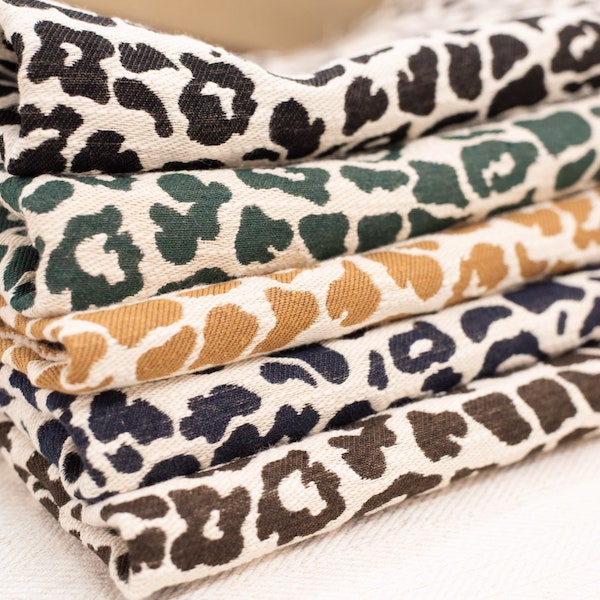
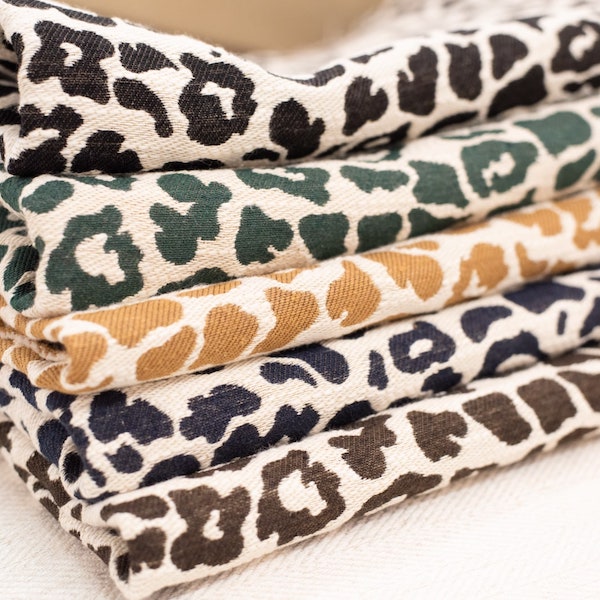
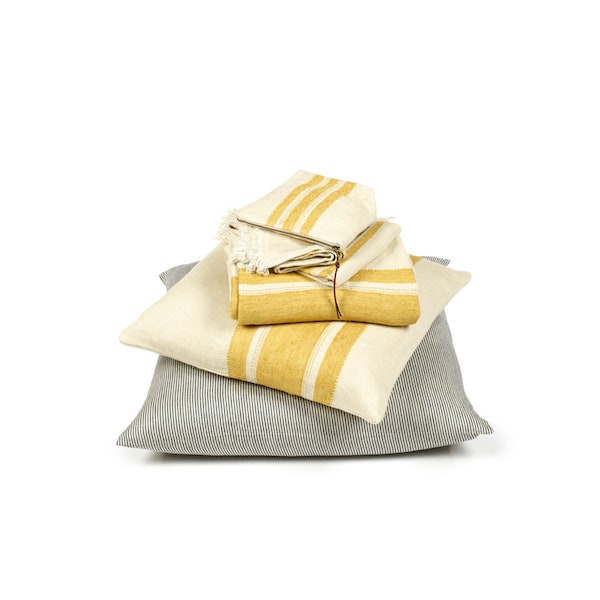
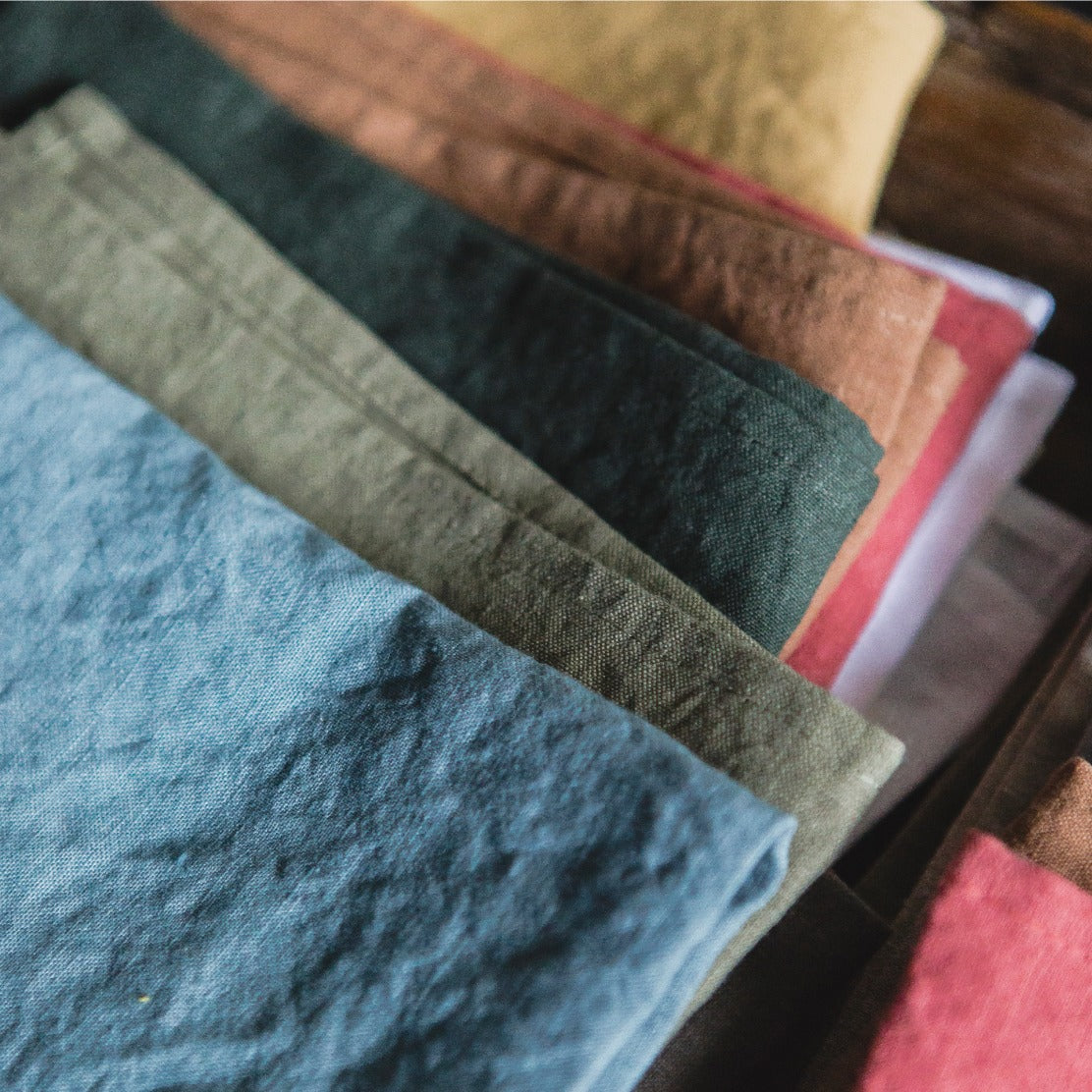
- Belgian linen from Libeco Home: A strong choice for relaxed, textural rooms when the weave and maintenance expectations fit the household.
- Crypton performance textiles: Useful where stain resistance and easier care matter.
- Kravet velvets: Appropriate for a richer, more formal statement.
- P. Kaufmann prints: Effective when pattern should define the sofa rather than disappear behind it.
- Natural-fiber blends: Worth considering when you want tactile character with a construction suited to everyday use.
For more guidance on matching performance to lifestyle, use this resource on choosing the best performance fabrics.
Custom, Reupholster, or Buy Off the Floor
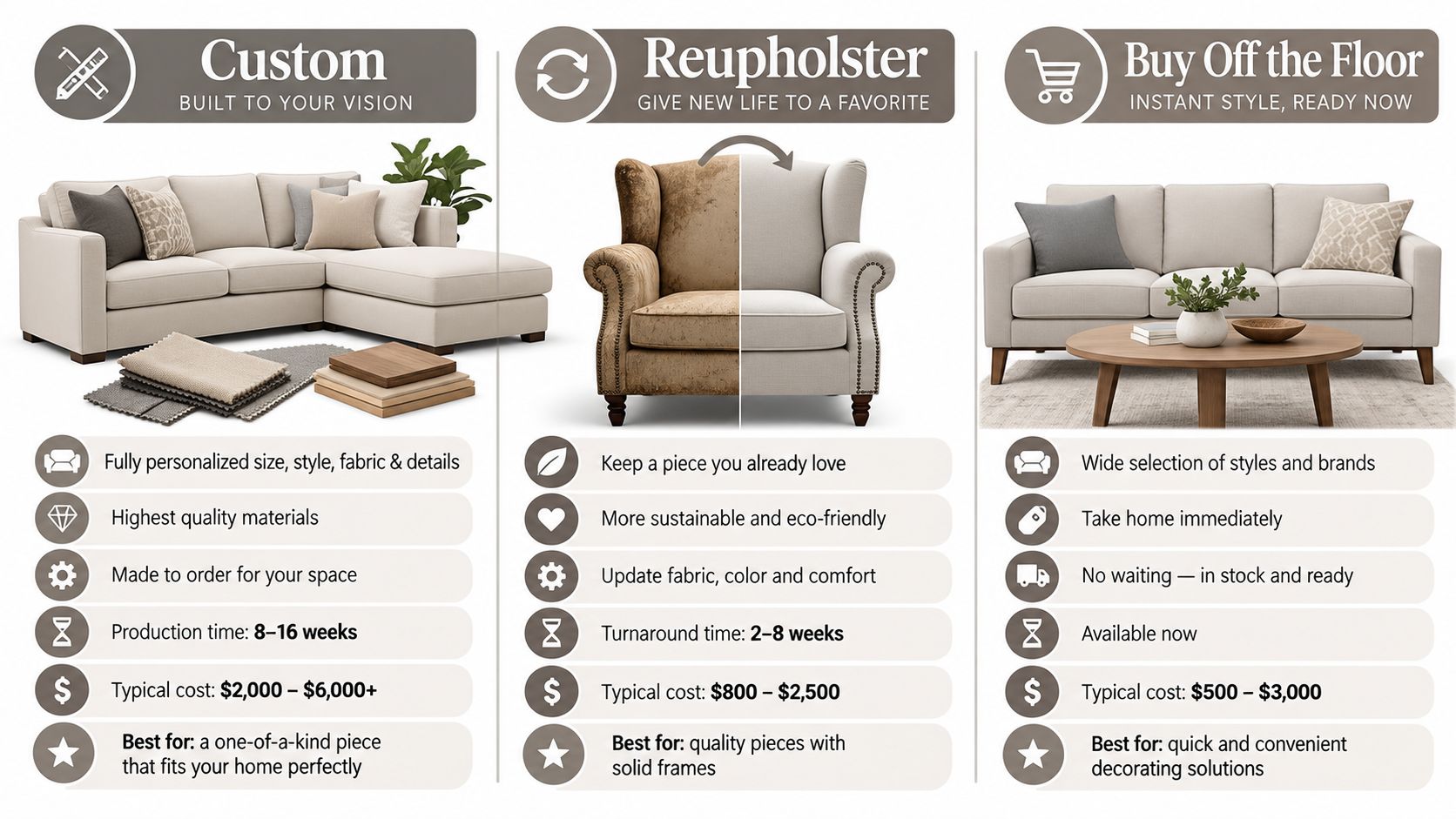
Atlanta buyers usually have three sensible paths. The mistake is treating them as a simple price ladder. Each solves a different problem.
Made to order
Choose made-to-order American upholstery when the room has demanding proportions, the comfort needs to be tuned, or the fabric and trim must coordinate precisely with drapery, pillows, and rugs. You can specify dimensions, cushion construction, welt, nailhead trim, skirt treatment, and upholstery. The trade-off is a longer decision process and a wait for production.
Reupholstery
Reupholstery makes sense when the inherited or vintage frame has proportions you can't easily replace. Have the upholsterer inspect the joints, springs, frame rails, padding, and previous repairs before you select fabric. A cherished sofa with a weak frame isn't an heirloom. It's a project that needs a structural decision first.
Fabric changes can also update a room without sacrificing its identity. Velvet, linen, leather, patterned textiles, tufting, nailhead trim, and custom dimensions can shift the piece from formal antique to transitional centerpiece. This comparison of reupholstering versus buying new is useful when an existing frame is part of the decision.
Buy off the floor
An in-stock sofa is the right answer when timing controls the project, the dimensions work, and the construction passes inspection. Don't accept immediate availability as a reason to ignore the frame, cushion package, fabric specifications, or delivery path. A quick purchase is only efficient when it avoids a second purchase.
Use this decision test:
- Choose custom: You need exact dimensions, comfort built to your measurements, or a coordinated designer room.
- Choose reupholstery: The frame has sound proportions, sentimental value, and repairable construction.
- Choose off the floor: The piece fits now, meets your performance requirements, and solves a real timeline constraint.
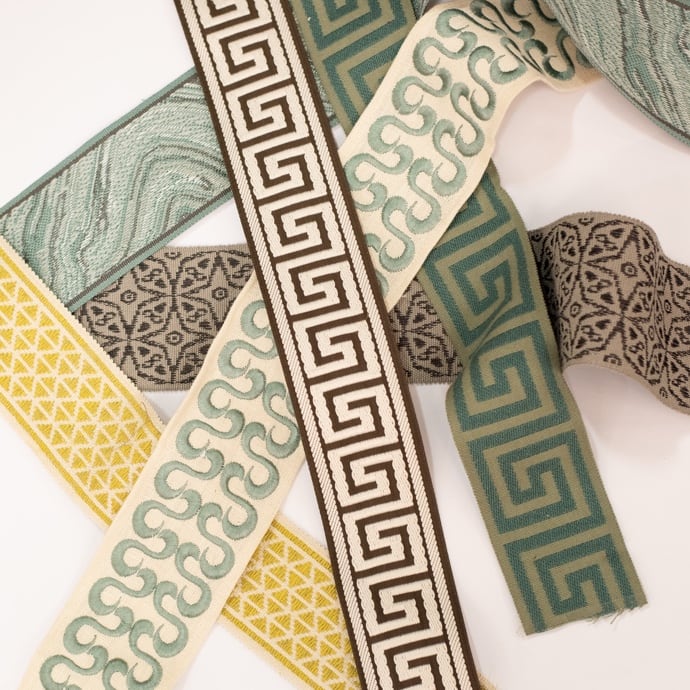
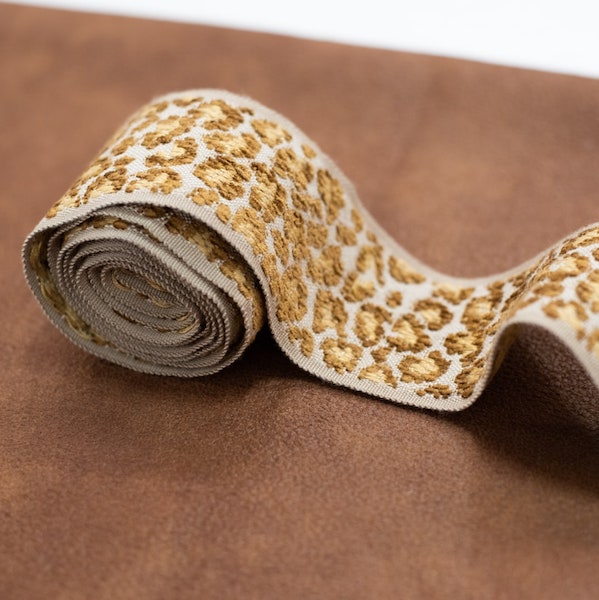
Don't order the sofa in isolation. Bring drapery samples, trim, rug colors, and pillow forms into the conversation so the final room feels intentional.
Quality, Longevity, and the Real Cost of a Classic Sofa
“Timeless” is not a sustainability plan. A classic silhouette can still be wasteful if the cushions can't be replaced, the fabric can't be changed, or the frame can't be repaired. Conversely, a well-built sofa can justify its footprint when the structure, upholstery, and service plan support extended ownership.
A 2025 industry white paper identifies VOC reduction as a major upholstery concern and points toward low-emission adhesives, certified low-VOC foam, and reduced chemical treatments as emerging practices (Lectra's upholstery sustainability white paper.pdf)). That doesn't make every natural textile automatically safer or every traditional sofa automatically greener. Ask for material documentation instead of relying on heritage language.
Market reporting in the same body of research identifies sofas as 31.37% of upholstered-furniture demand in 2025, while fabric represented 59.33%. Those figures point to continued demand for sofas and configurable upholstery, but they don't prove that any individual product will last. Use them as market context, not as a quality guarantee.
Calculate ownership by serviceability
A lower-priced modular sofa can be sensible for a temporary room or changing household. It becomes a poor value when the frame, cushions, or upholstery fail together and replacement is the only remedy. A classic sofa earns its premium when you can refresh one part without discarding the entire piece.
Ask the maker:
- Can the seat and back cushions be replaced independently?
- Can the frame joints be inspected or repaired?
- Is the fabric pattern suitable for future reupholstery?
- Are springs, feet, trim, and other parts available?
- Can the maker explain the tested frame construction?
- Are low-emission adhesives or certified low-VOC materials available?
A simple ownership comparison divides the purchase and upkeep cost by the years you realistically expect to use the sofa. That calculation is only useful if your assumptions include cleaning, cushion refresh, reupholstery, shipping, and the likelihood of repair.
For practical guidance on frame and textile performance, this discussion of furniture durability is a useful companion. The essential point is straightforward: designer quality is construction you can verify, not customization you can merely see.
Styling, Placement, and Your Next Step in Atlanta
Place a classic sofa where its silhouette can be appreciated. Float an English Roll Arm or Camelback in a formal living room, anchor a Lawson in a great room, or give a transitional space a crisp architectural edge with a Tuxedo. Connect the seating group with a rug under the front legs, balance the lighting, and add pillows and a throw without hiding the upholstery.
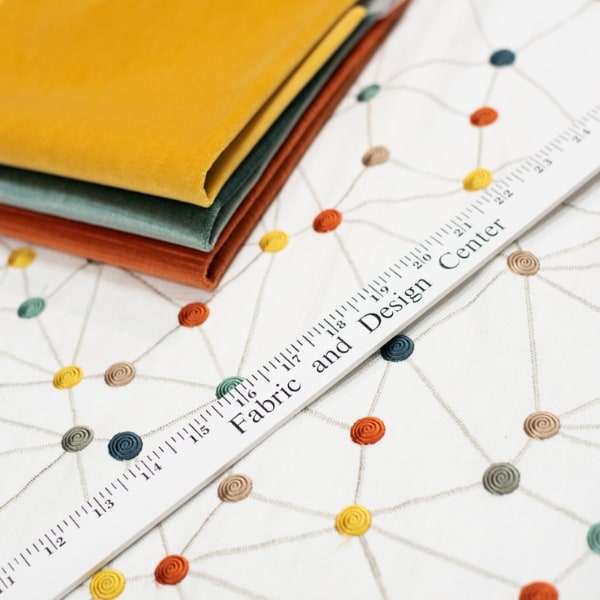
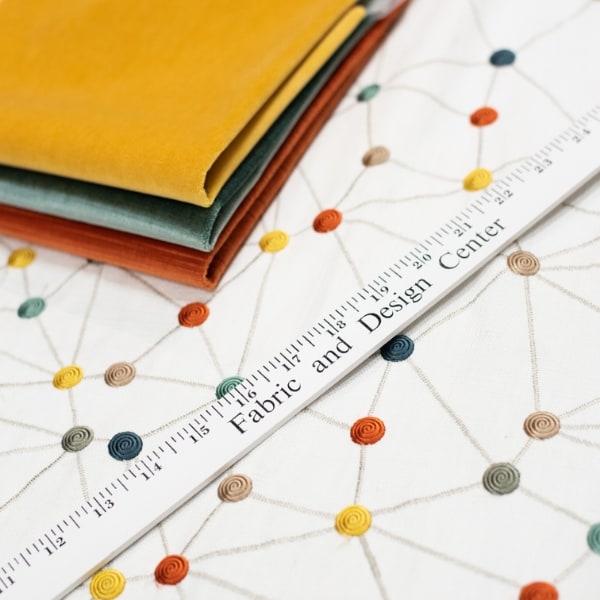
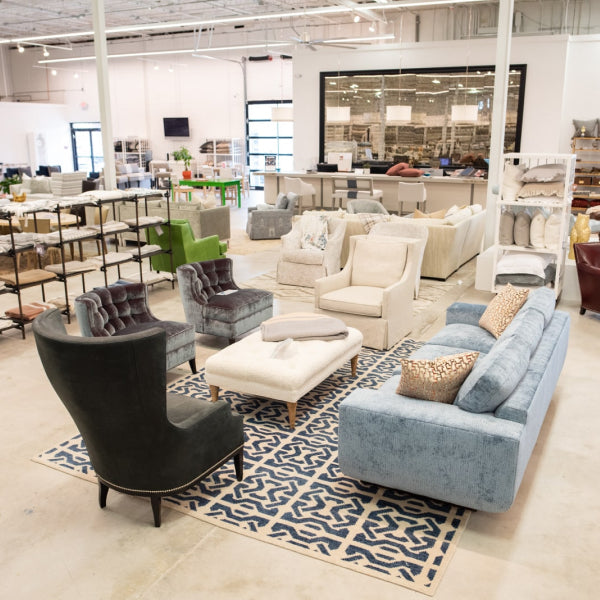
Lewis and Sheron Textiles has served Atlanta's design community since 1944 and operates from a brand-new Design Center with in-stock bolts and thousands of cut-yardage options from Kravet, Fabricut, P. Kaufmann, Libeco Home, and Crypton. The center also offers made-to-order American upholstery and reupholstery. Homeowners in Buckhead, Alpharetta, Roswell, Sandy Springs, Fulton County, and North Atlanta should bring room measurements, doorway details, existing fabric samples, and photos of the space.
Request a complimentary in-house designer consultation. Compare custom upholstery with a Verellen, Wesley Hall, LEE Industries, or Ambella piece on the floor, and ask for fabric documentation before committing. Let the frame's condition, your deadline, and the users' comfort requirements determine whether you custom order, reupholster, or buy ready-made.
Visit Lewis and Sheron Textiles with your room measurements and fabric samples to compare classic sofa textiles, made-to-order upholstery, and reupholstery options in person. Their Atlanta Design Center can help match the frame, cushion package, performance requirements, and finishing details to a piece built for lasting use.