












What makes a custom sofa a better investment than a ready-made one, and when is it just the slower, more expensive choice? The answer usually has less to do with a label or a fabric's appearance than with fit, construction, repairability, and how the piece will be used.
For homeowners and interior designers comparing high-end furniture in Atlanta, Buckhead, Alpharetta, Roswell, Sandy Springs, or elsewhere in North Atlanta, those practical details can determine whether a luxury sofa earns its place for years or becomes an expensive mismatch. Here's how to weigh custom home furniture against stock, choose materials for real life, and plan an order without overlooking the costs that don't appear on the tag.
Custom Versus Ready-Made Furniture at a Glance
Custom furniture pays off when the room, fabric, or intended use calls for something standard stock can't provide. Ready-made wins when you need the piece quickly and standard sizes work. In-stock furniture is a useful middle path: if it suits the room and your taste, you can avoid a build wait.
| Factor | Custom | Ready-made |
|---|---|---|
| Size and fit | Built to your room, doorway, and layout | Standard sizes that may need compromise |
| Fabric and finish | Chosen from the maker's full fabric and finish range | Limited to what's stocked or cataloged |
| Lead time | About 4–6 weeks for some categories, 8–12 weeks for complex pieces | Immediate from stock |
| Expected useful life | Built for long service; 15–17 years is the average benchmark for upholstered furniture | Varies widely with build quality |
| Repairability | Frame and cushions can be reupholstered or replaced | Depends on construction and spare-part availability |
| Price pattern | Higher upfront, potentially lower cost per year of use when built well | Lower upfront, may need replacing sooner |
Some furniture categories have moved from historical lead times of roughly 12–16 weeks to about 4–6 weeks, while complex or artisanal pieces may still take 8–12 weeks, according to industry reporting on custom home furniture. Treat those as planning ranges, not guaranteed delivery dates. A maker should clarify which dates are estimates and which are commitments.
A 110-inch sectional that must turn a corner in a 12-foot-wide room may fit only when it's made to order. But custom dimensions aren't automatically better: a made-to-measure piece still needs to clear the doorway, hall, stairwell, and elevator. The average useful life of upholstered furniture is approximately 15 to 17 years, according to a consumer repairability review citing an estimate from the U.S. Consumer Product Safety Commission. Construction, materials, care, household use, and repair options all affect where an individual piece lands.
Quick test: Does the size or fabric need to suit a specific space? Will the piece stay in service for a decade or more? Can you wait several weeks for delivery?
Two or more yes answers point toward custom. Otherwise, compare ready-made and in-stock options. For another made-to-order versus prefabricated comparison, this 2026 guide for kitchen remodelers offers a useful parallel: the right choice depends on whether the standard option meets the room's requirements.
What Custom Home Furniture Actually Includes
Think of furniture choices like tailoring: a made-to-order sofa is cut to your measurements, a semi-custom piece is an off-the-rack garment adjusted for a better fit, and ready-made furniture is designed for an average room and body. Each route offers a different balance of choice, fit, and time.
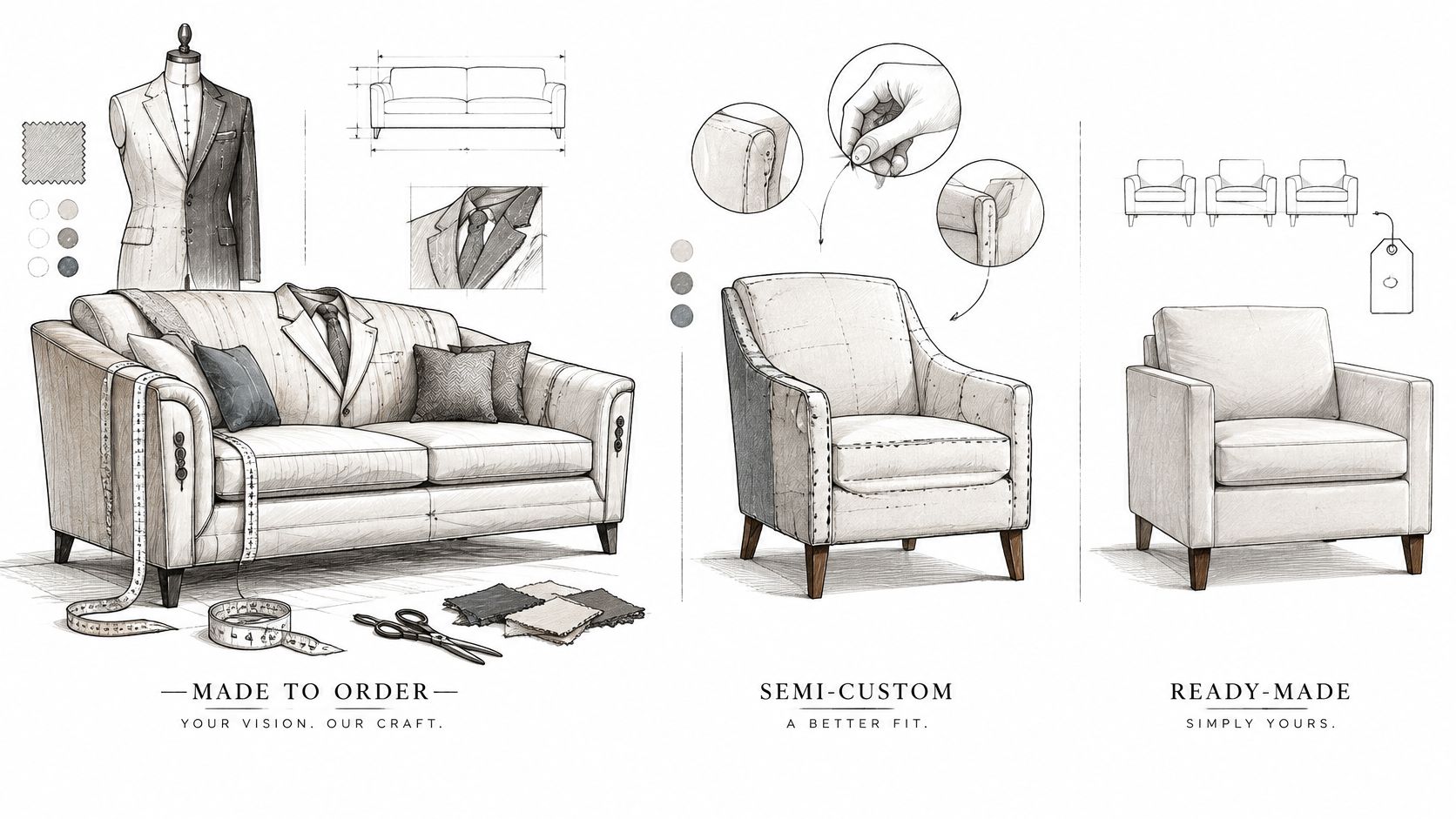
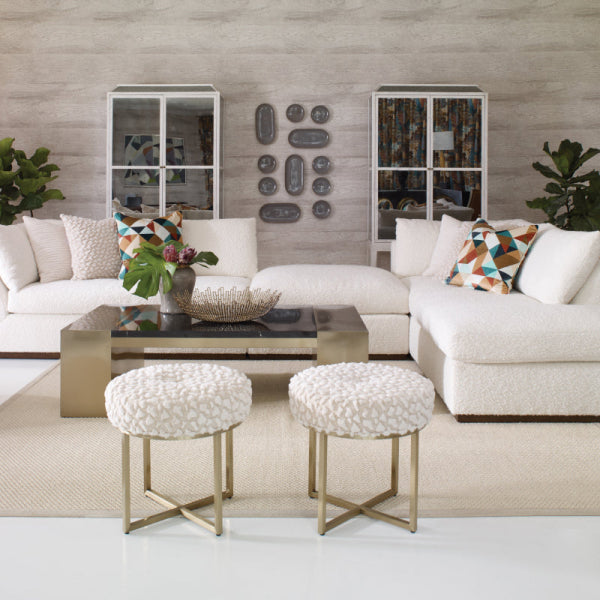
Fully made-to-order means the maker builds the frame, cushions, and upholstery to the dimensions, fabric, and finish you select. It's useful when a sectional has to fit an unusual room, when a chair needs a particular seat depth, or when a piece must work with existing architecture.
Semi-custom keeps dimensions within a maker's established options while letting you choose from a fabric and finish library. This can give a room a more considered look without requiring a one-off frame.
Reupholstery renews a sound existing frame with new webbing, padding, cushions, and covering. It can suit sofas, sectionals, ottomans, headboards, dining chairs, armchairs, and stools. The key question is whether the frame and structure are worth keeping, not merely whether the old fabric looks tired.
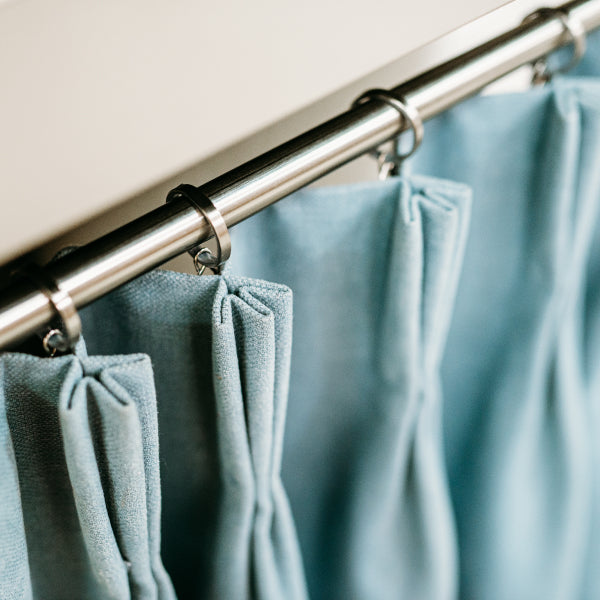
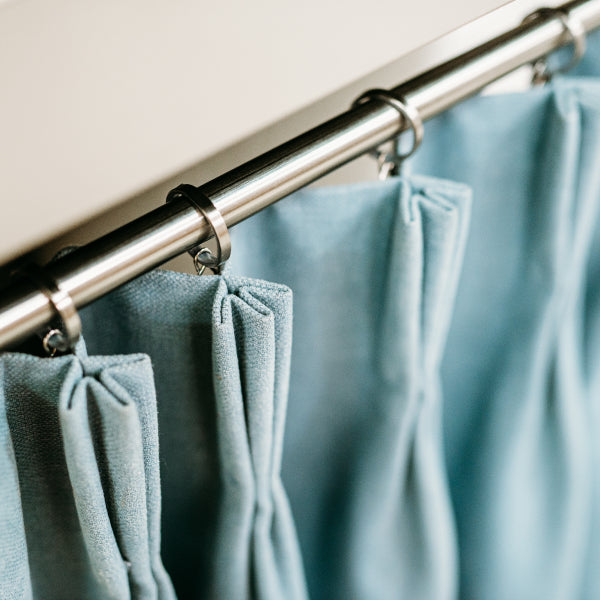
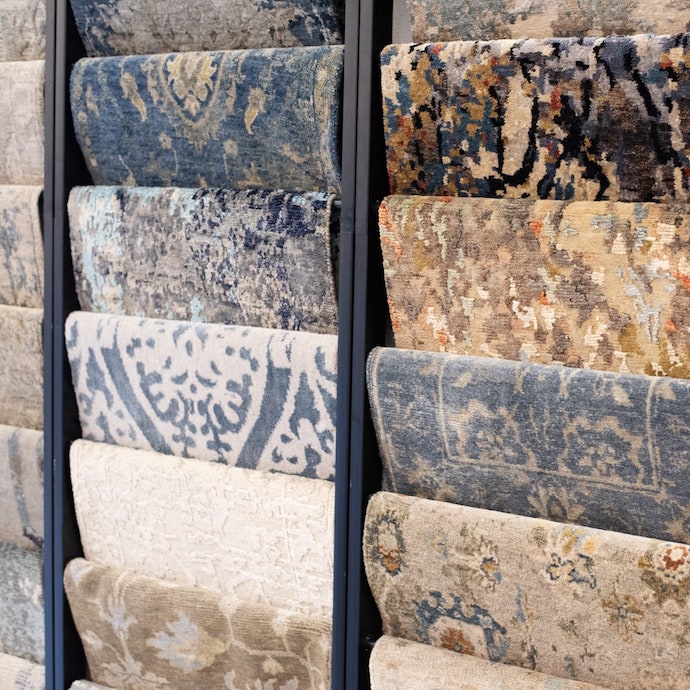
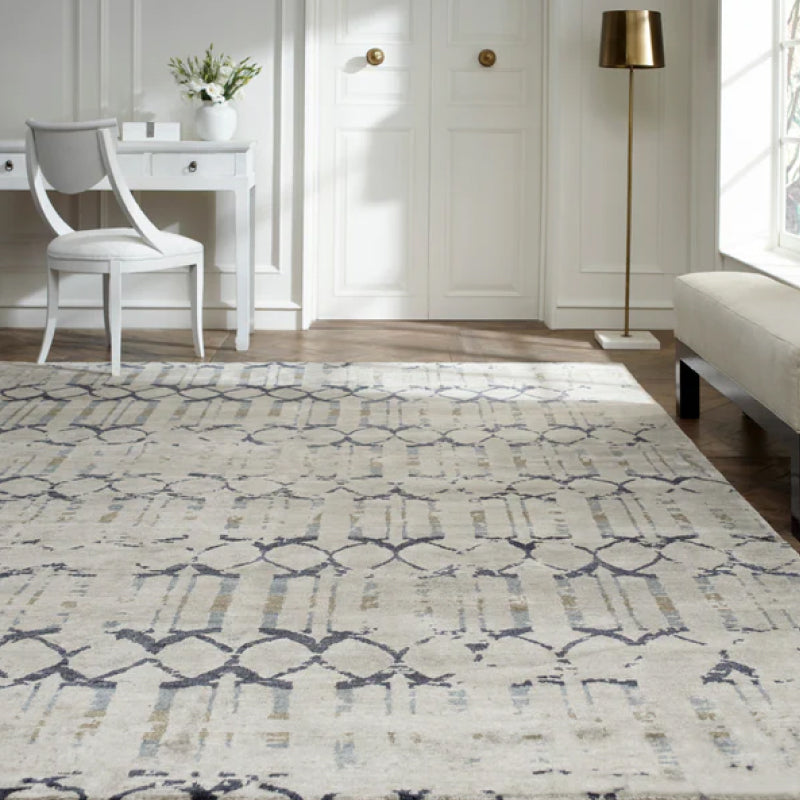
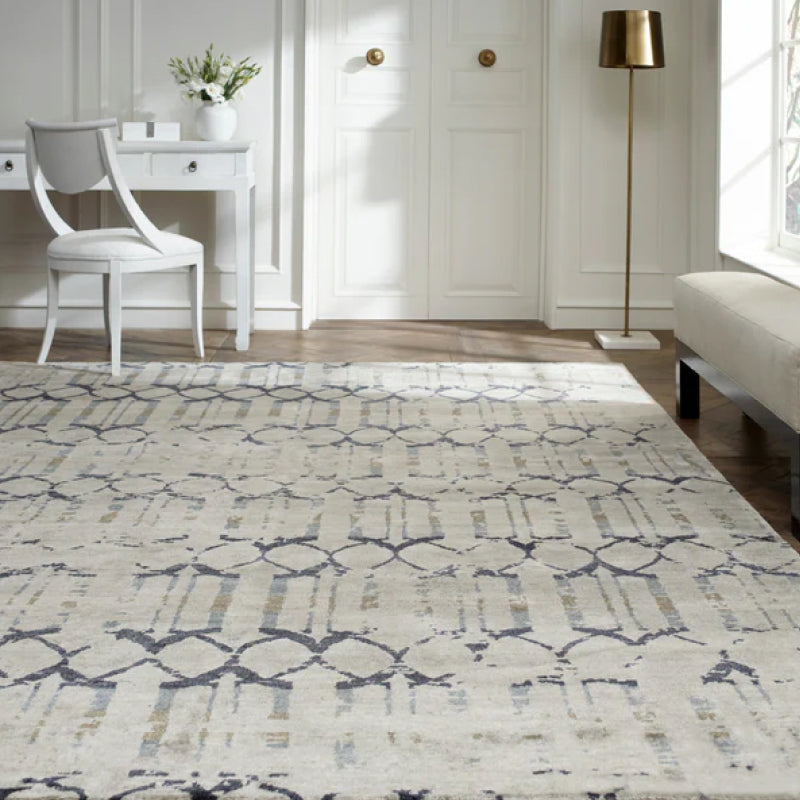
Coordinated textiles bring drapery and rugs into the same palette as the upholstery. Matching doesn't mean using the same pattern everywhere; texture, scale, and color can create continuity without making a room feel overly uniform.
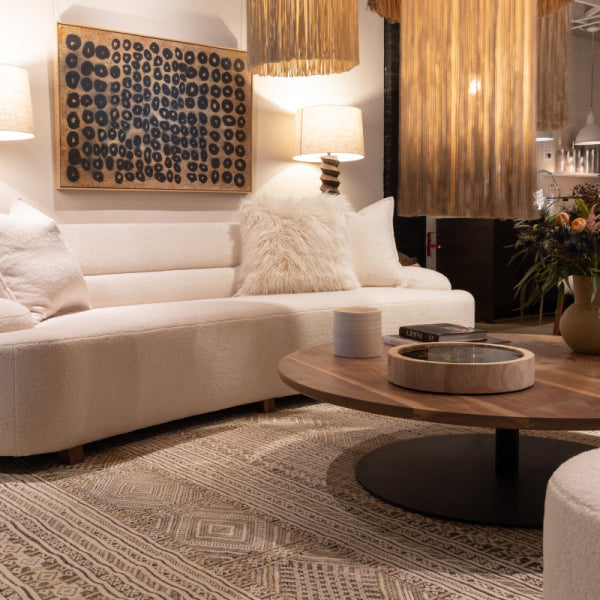
Custom often matters most for premium sectionals, statement chairs, bench seating, and heirloom restorations. It adds a design conversation, drawn dimensions, approval points before production, and a longer wait than taking a stock piece home. Before you start comparing finishes, name the route you need: fully made-to-order, semi-custom, reupholstery, or coordinated textiles.
Customization Choices for Frames, Finishes and Upholstery
Make upholstery choices in a practical order. Start with shape, because a fabric that looks excellent on a sample may fight the lines of the finished furniture.
Choose the silhouette, then the finish
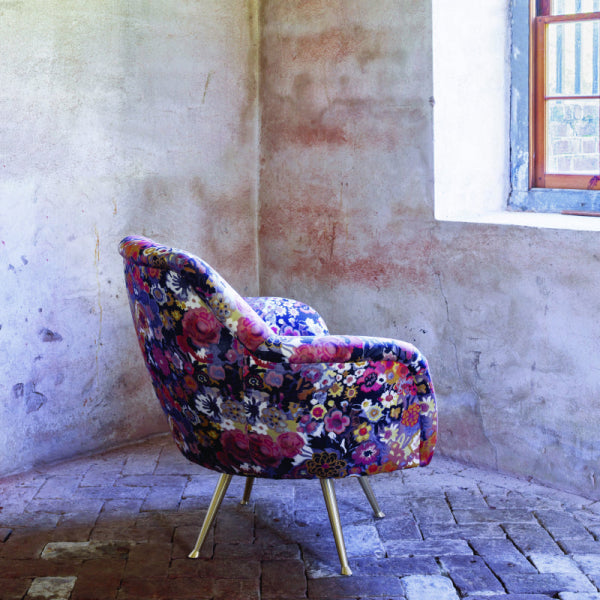
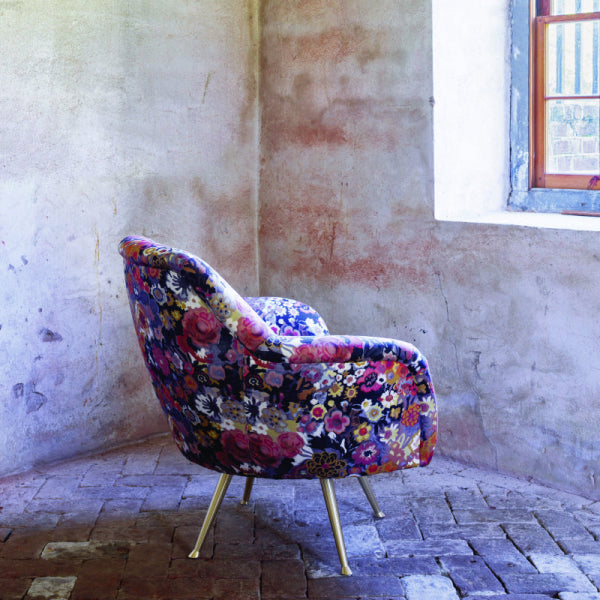
Settle the frame style, arm profile, and leg height first. Curved pieces tend to look clearest in solid fabrics: directional textures and large patterns can compete with the frame's lines. For a curved statement chair, a solid or subtly textured weave can let the shape do the work.
Next, select a stain, paint, or natural wood tone. Check the finish against daylight in the actual room, not only under showroom lighting. A wood tone can read warmer or cooler at home, and a finish that looks balanced under artificial light may feel wrong beside your floors or trim.
Set the feel before choosing the cover
Cushion fill and seat depth determine how a sofa feels as well as how it looks. Ask what foam, down, or fiber blend is used, how the seat is expected to soften, and whether the depth suits the people who'll use it. A deep lounge seat can be comfortable for stretching out, but less convenient for someone who prefers to sit upright with their feet on the floor.
Then choose woven fabric, performance fabric, or leather based on the room's use and your cleaning preferences. Confirm the abrasion test standard, result, and cleaning code before approving the order. A rub count is only one part of the specification, so don't assume a high number answers questions about stains or care.
Match the pattern scale to the piece
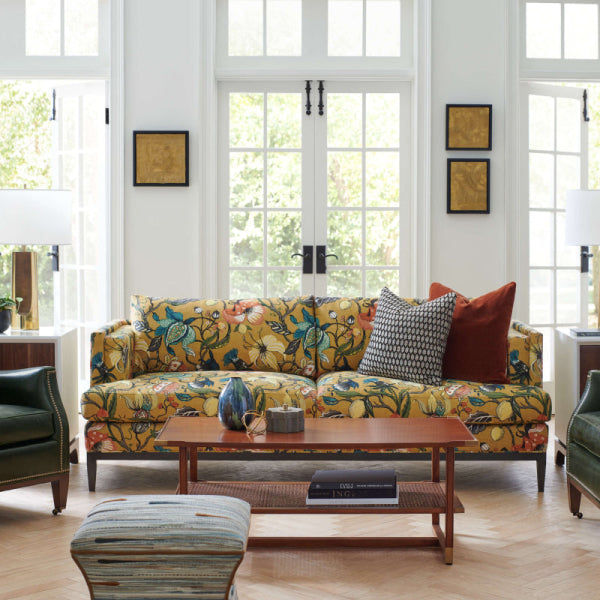
Large patterns can overwhelm small chairs, while tiny repeats can disappear across a long sofa. A family-room sectional in a large-scale check may also make wear and marks more noticeable. A solid or tight texture on the main seating, with patterned accent pillows, often gives you more visual flexibility.
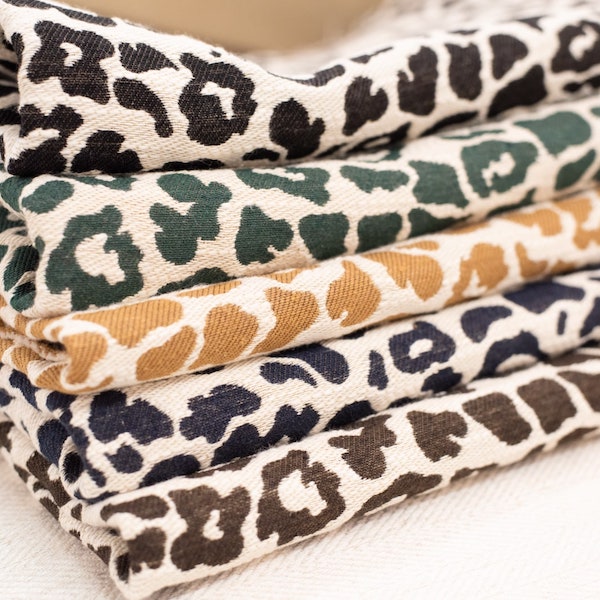
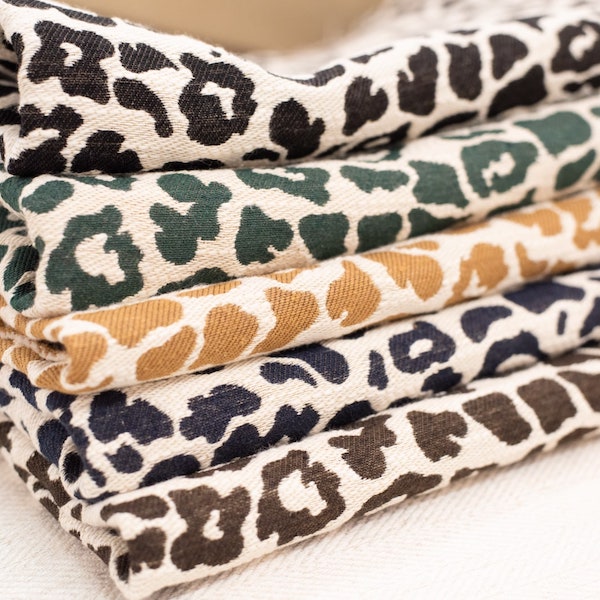
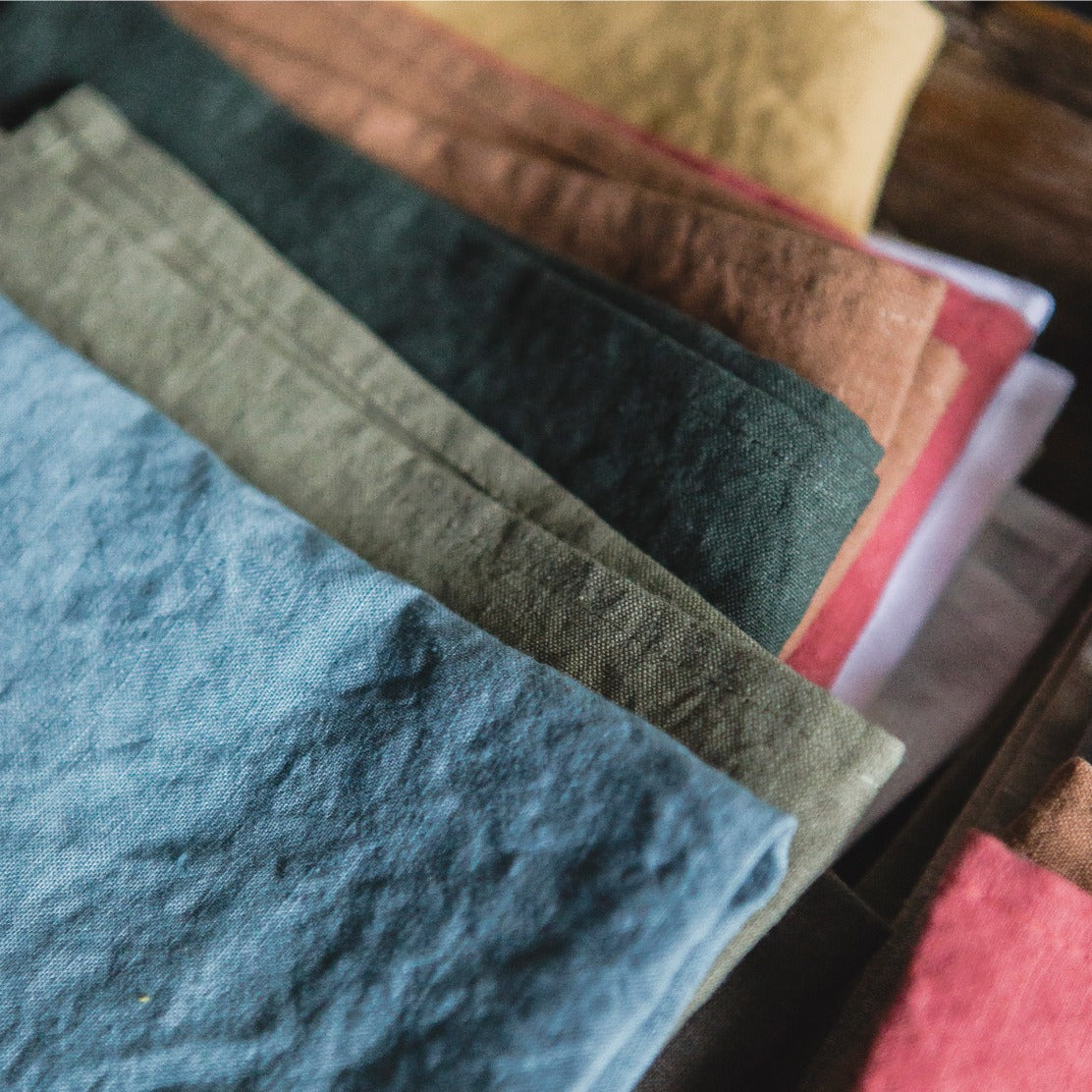
For a useful look at how fiber composition affects texture and appearance, compare cotton-linen blends before settling on a fabric family. Then request physical swatches and, where available, a sample that lets you assess the upholstery in the room. Approve the fabric, finish, and dimensions in writing so the finished piece can be checked against the choices you made.
Fabric Durability Ratings Matched to Real Use
What does a rub count tell you about a sofa's daily life? It gives a screening number for surface abrasion, not a promise that the cover will resist stains, seam failure, or children with markers. For residential upholstery, use 15,000 Wyzenbeek double rubs or 20,000 Martindale cycles as the low-traffic reference point, and look to about 30,000 double rubs or 40,000 cycles for heavier use. The upholstery fabric rub-test guidance describes the methods and their common screening ranges.
Wyzenbeek rubs cotton duck back and forth across a sample, counting each back-and-forth pass as one double rub. Testing stops when visible wear appears or the first two yarns break. Martindale is common in Europe, Wyzenbeek in North America. Their movements, conditions, and counting conventions differ, so do not treat results as interchangeable or use a conversion as if it were exact.
| Use | Wyzenbeek double rubs | Martindale cycles | Typical piece |
|---|---|---|---|
| Low-traffic or private seating | 15,000 | 20,000 | Formal living room, guest chair, or occasional seat |
| High-traffic, children, or pets | 30,000 | 40,000 | Family-room sectional, daily lounger, or dining chair |
| Below residential minimum | Under 15,000 | Under 20,000 | Light-use accent pieces only; confirm with the maker |
| Very high rating | Above 100,000 | Above 100,000 | No added practical value for home use |
A sofa shared every day by children and dogs should be specified in the higher range, around 30,000 Wyzenbeek double rubs. A formal living-room chair used occasionally may not need that. A rating above 100,000 does not add practical value for home use, so choose based on use rather than the biggest number on a label. If you're weighing a natural fiber against a performance weave, compare cotton linen blends for texture and appearance, then judge the abrasion result of the specific construction rather than the fiber name alone. For more background on how rub counts relate to upholstery selection, see this guide to fabric abrasion resistance.
Abrasion testing predicts surface wear. It does not establish resistance to stains, tears, seam failure, fading, or a particular cleaning method. Those require separate tests and manufacturer documentation. Before approving the fabric, record the test standard, rub result, cleaning code, and warranty limitations. Ask for written specifications, not a sales description like “family friendly.” That record matters when a cover starts wearing at a seam while the frame is still sound. It tells you whether repair or reupholstery is a realistic option, and it gives you a lead-time buffer before the replacement decision becomes urgent.
Inspecting Joinery and Composite Panels Before You Approve
Ask one question before you approve a custom piece: how is the frame joined? The answer decides whether the furniture can be re-glued and tightened in a decade or has to be replaced. Request close-up views of a corner, the base, and each leg attachment. Mortise-and-tenon or doweled joints, glued and reinforced with corner blocks at high-stress points such as legs and drawer boxes, can be repaired later. Staples and glue on a softwood butt joint usually cannot.
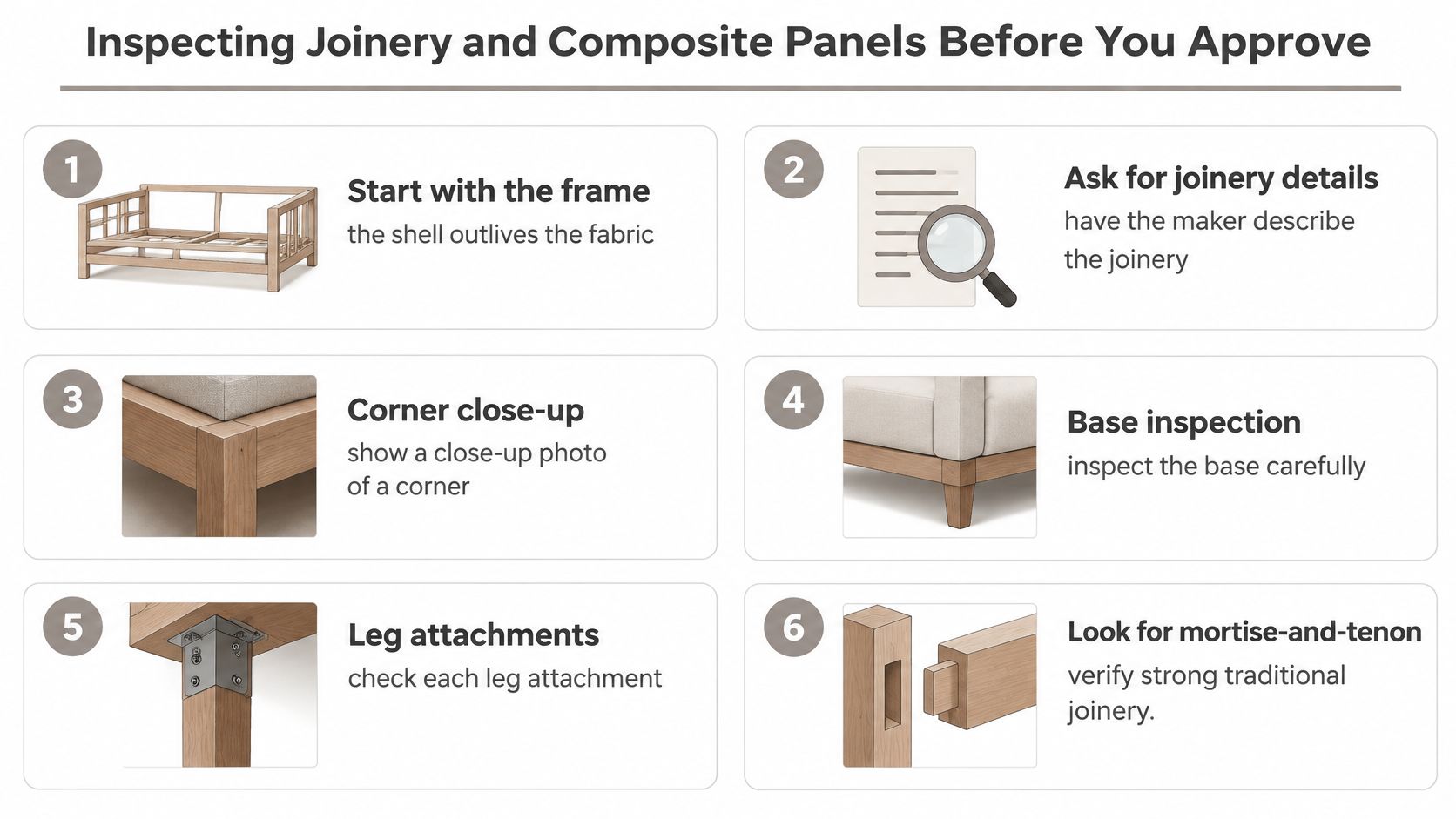
Press diagonally on a cabinet or frame to check for racking. Racking is a fit problem as much as a structural one, since gaps open at doors and drawers long before the frame fails outright. Ask whether drawers run on solid runners, and judge the structure by how stable it feels rather than how smooth the finish looks. This practical guide to dowel construction explains one common method.
Ask about the panels, not just the frame
Plywood, MDF, and particleboard can contain formaldehyde-based resins. Emissions vary with the resin, panel construction, temperature, humidity, exposed surface area, and ventilation, so identify the substrate rather than accepting a broad material description.
The U.S. Environmental Protection Agency's formaldehyde exposure assessment describes controlled chamber tests that measure emissions into surrounding air, including small-chamber ASTM D6007 and large-chamber ASTM E1333. Certification frameworks such as CHPS 01350 set emission limits for composite wood, and makers differ in which limit their panels are built to meet. Ask which one applies to your order, and get the answer in writing. Test names get you the right paperwork; they don't replace the maker's documentation for the actual component in your piece.
For custom casegoods, cabinetry, or upholstered pieces with composite wood, request TSCA Title VI or equivalent emissions documentation and have the substrate identified in writing. Minimize unnecessary exposed panel edges. Apply particular scrutiny to bedrooms and tightly sealed homes, where ventilation may be limited.
How to Judge a Furniture Maker Before You Order
A maker's answers about service and construction can tell you more than a polished product description. Buyers comparing names such as Verellen, Wesley Hall, LEE Industries, and Ambella can use the same checklist for any maker.
- Warranty coverage: Check whether the frame, cushions, mechanisms, and fabric are covered separately, because an overall warranty label may conceal important exclusions.
- Spare parts: Ask how long legs, cushions, and mechanisms remain available, since access to replacements can make a repair practical.
- Repair documentation: Look for clear care and repair instructions, which help you maintain the piece and understand what can be fixed.
- Named standards: Ask whether the furniture is tested to ANSI/BIFMA X5.1 or EN 16139, and request the results so you can evaluate what the claim means.
- Sampling policy: Confirm that you can review physical swatches before production starts, because screen colors don't show texture and may not match the finished fabric.
- Production model: Establish whether the piece is made to order or quick-ship and whether the delivery date is quoted or guaranteed.
- Reference pieces: Ask to see finished furniture or designer references in a similar style, which can help you judge proportions, seams, and finish quality.
Long lead times are frustrating, but they're not automatically a warning sign. Vague answers about warranties or spare parts are more concerning, because they leave you without a clear path if the furniture needs repair.
Before paying a deposit, get the dimensions, chosen finish and fabric, warranty details, production model, and delivery terms in writing. If a maker can't explain what you're approving, pause the order rather than relying on verbal assurances.
How a Custom Order Moves from Consult to Delivery
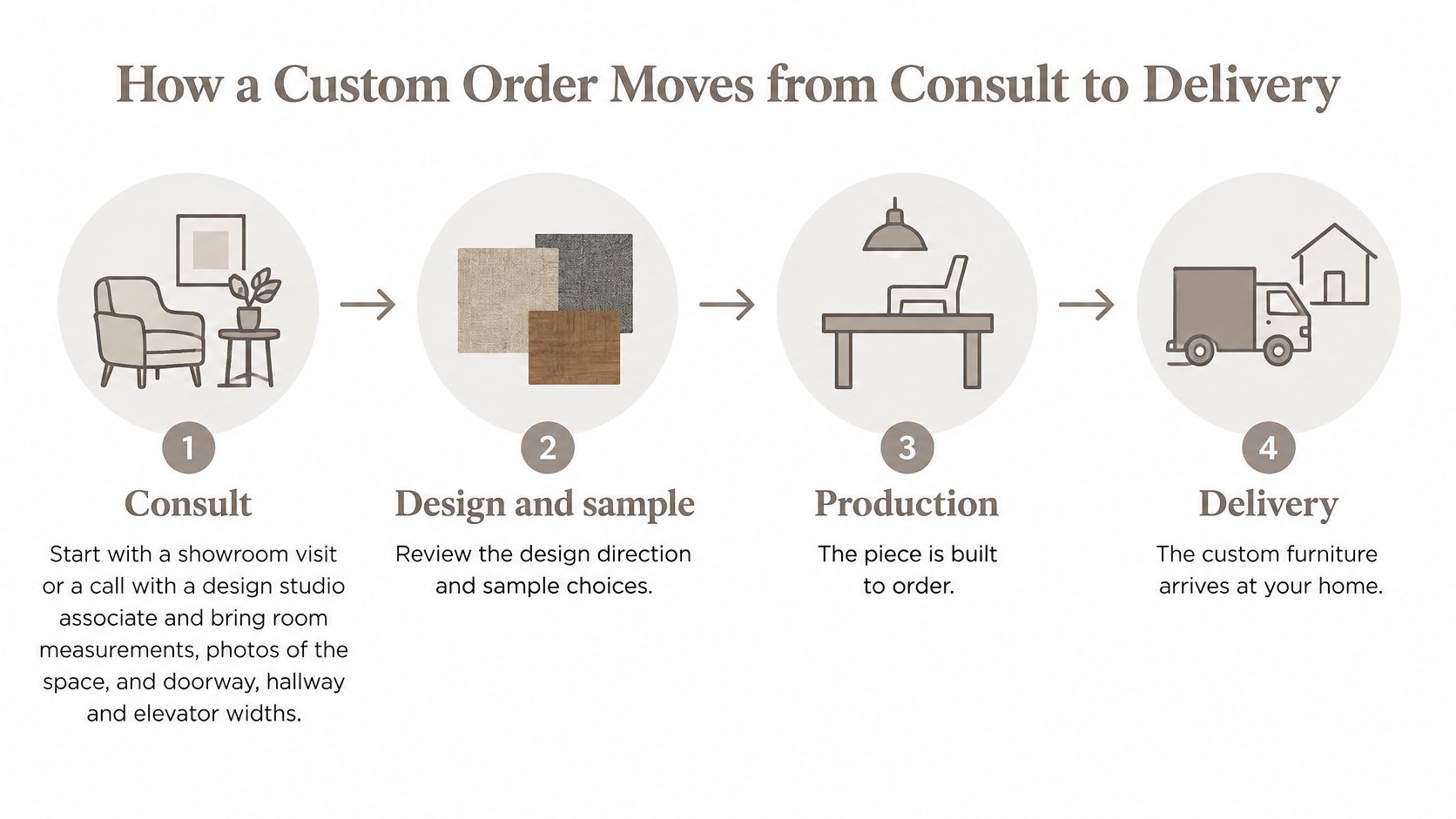
A smooth custom order depends on clear approvals at each stage. Treat the process as a sequence of decisions, not a single showroom selection followed by a long wait.
1. Consult with the room in hand
Bring room measurements and photos, plus the widths of doorways, hallways, and elevators. At Lewis and Sheron Textiles, the reupholstery process starts with a Design Studio visit to discuss the piece, and design and sales staff are available at the showroom to discuss projects. A photo of the room helps ground the conversation, but it doesn't replace measurements.
2. Settle the design and review samples
Choose the frame, finish, and upholstery, then review drawn dimensions before production begins. Check seat depth, overall width, arm shape, and leg height against the room and intended use. If the order includes customer-supplied fabric, clarify the maker's rules before the material is sent.
3. Approve the details in writing
Sign off on fabric, dimensions, and finish, and ask how dye-lot variation is handled. Keep the approved specifications together so you can compare them with the finished piece. For projects involving built-in storage or connected casework, a guide to custom cabinetry for kitchen renovations can help you think through the same importance of fit and approval.
4. Confirm the schedule and production checkpoints
Some categories now run about 4–6 weeks through CNC production and digital order management, while complex or artisanal furniture may take 8–12 weeks; older timelines were roughly 12–16 weeks, according to industry reporting on custom furniture production. These are planning ranges, not promises. Demand and the complexity of the piece can affect scheduling, so confirm the quoted date and any approval deadlines.
5. Inspect before accepting delivery
When the piece arrives, check it for damage and compare the fabric and finish with your approved sample before signing delivery paperwork. A sectional that can't make a stairwell turn is a fit failure that an access measurement could have prevented.
6. Plan the final handoff
Once furniture is ready, customers can pick it up from the location or choose white-glove delivery to their home. Confirm the route through doors, halls, stairs, and elevators before delivery day. Speed can be useful, but rushing sampling and fit checks can cost more if the piece arrives unsuitable; weigh the time saved against the work needed to correct a mistake.
Deciding Between Repair, Reupholstery and a New Custom Piece
Check the frame first, then the foam and fabric, then the cost. A damaged cover doesn't automatically mean a sofa is finished, but reupholstery isn't worthwhile if the frame is failing or the seat no longer supports you.
A 2025 CE Delft assessment found that repairing a stained sofa or chair can have 24–33 times less climate impact than replacing it; reupholstering furniture with holes or burn marks has 3–4 times less impact than replacement, according to CE Delft's assessment of furniture repair and replacement. The practical lesson is to diagnose the failed part before deciding to discard the whole piece.
- Reupholster when the frame is sound and the furniture is well built or has sentimental value. Include webbing, padding, cushion condition, and the fabric's care needs in the scope.
- Replace a component when the cushion or mechanism is the only part that has failed. A targeted fix may restore function without paying for a full makeover.
- Buy new custom furniture when the dimensions, fabric grade, or build standard are the problem. A new piece can make sense when repair won't deliver the fit or performance the room needs.
The same CE Delft source describes a 2025 study of 1,005 participants in which financial considerations were the primary motivation for repair and environmental concerns played a minimal role; it also reports that 60–80% of furniture repairs were performed by consumers themselves. For a professional decision, compare the frame's condition, fabric grade, labor scope, and expected years of service. Divide the likely total cost by the years you expect to use the piece, rather than comparing a repair bill with a new sofa's price alone. This reupholstery-versus-buying-new guide can help organize that comparison.
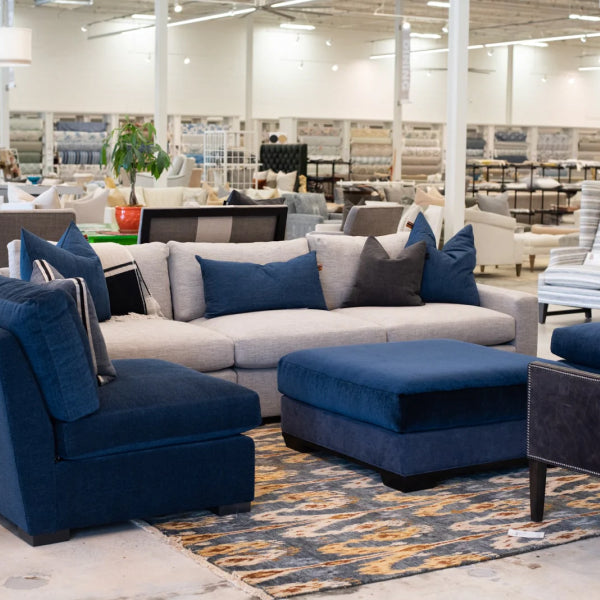
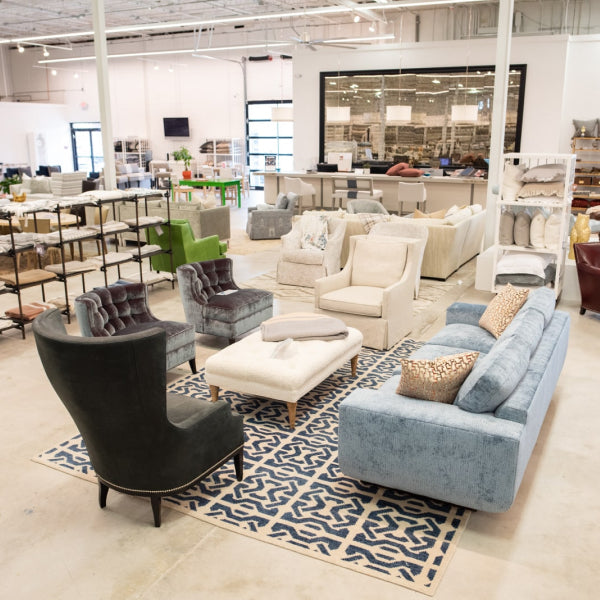
For homeowners and designers in Atlanta, Buckhead, Alpharetta, Roswell, and Sandy Springs, write down three measurements, the needed rub rating, and how the piece will be used before discussing whether repair, reupholstery, or a new made-to-order piece is the better fit. Lewis and Sheron Textiles offers made-to-order and off-the-floor furniture, along with complimentary in-store design help when customers shop with the business.
For custom upholstered furniture, reupholstery, custom drapery, and in-stock pieces, bring your room measurements and fabric questions to Lewis and Sheron Textiles. Talk with the design team about what will fit your home, suit your daily use, and remain worth maintaining over time.