











Most retail buying guides tell homeowners to pick between blackout and thermal drapery as if the two labels belong to opposing camps. You see the same shortcut everywhere: buy blackout for darkness, buy thermal for insulation, and judge both by how heavy the fabric feels in your hand. That advice falls apart as soon as a panel hangs on a real window.
A curtain's performance isn't set by a hangtag or fabric weight alone. It comes from a four-part assembly: face fabric, lining construction, physical fit around the frame, and daily operation. Market demand reflects how sharply these categories split in practice, even when shoppers treat them as interchangeable. In 2024, the global blackout-curtain market reached USD 10.77 billion according to Intel Market Research, while the global thermal curtain market stood at USD 3.62 billion in DataIntelo's 2025 thermal curtain report. A distinct USD 2.15 billion segment formed specifically around hybrid liners in DataIntelo's 2025 thermal blackout curtain liner report.
Understanding blackout curtains vs thermal curtains matters even more in design-forward residences across Atlanta, Buckhead, Alpharetta, Roswell, and Sandy Springs. Homeowners investing in high-end furniture, luxury sofas, and custom upholstered furniture need window treatments that match the engineering standards of the furnishings they protect. Treating a marketing label as a performance guarantee leaves bedrooms bright at dawn, living rooms overheated by afternoon glare, and investment pieces exposed to preventable wear.
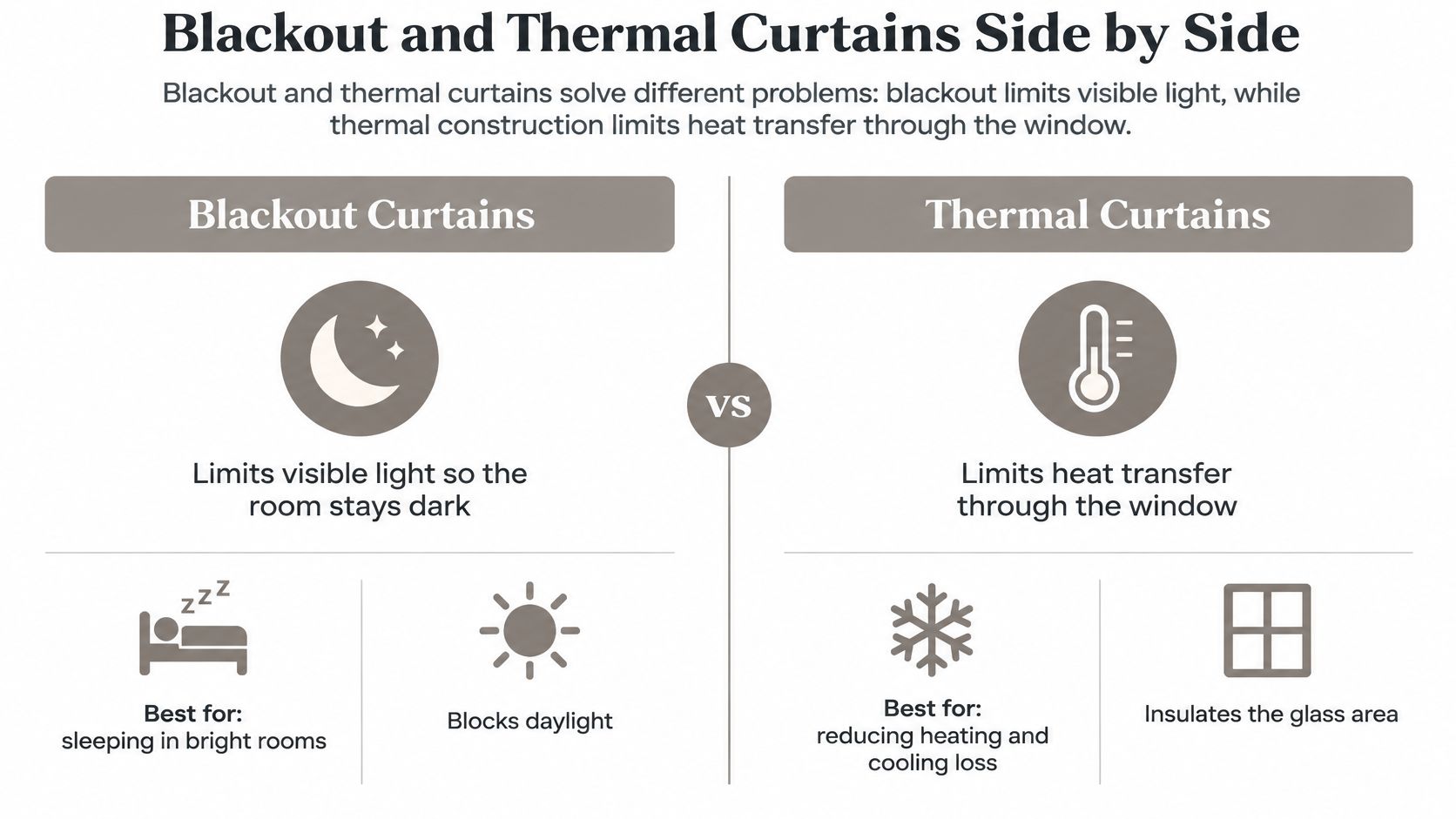
Blackout and Thermal Curtains Side by Side
Blackout and thermal curtains solve different engineering problems: blackout construction limits visible light passing through the textile, while thermal construction slows conductive heat loss and solar heat gain across the window opening. One product can handle both jobs if specified properly, yet neither label automatically delivers the other function.
| Criterion | Blackout curtain | Thermal curtain |
|---|---|---|
| Primary goal | Limit visible light | Reduce heat transfer through the window |
| How performance is measured | Light transmission, ideally 0.00% under AATCC TM203 | Heat-flow and air-leakage performance tied to lining, fit and installation |
| Light control | Strongest; designed for near-total darkness | Partial to moderate; a thermal lining alone may not block light |
| Insulation | Only if lined or multilayer and dense; not the defining function | Designed for insulation; performance tracks lining choice and tight fit |
| Privacy | Generally high when the fabric is opaque | Generally high when the fabric is opaque |
| Typical best use | Bedrooms, nurseries, media rooms | Living rooms, rooms with winter drafts or summer solar gain |
| What to ask a supplier for | Light-transmission result and test method | Lining type, fullness and documented heat-transfer data |
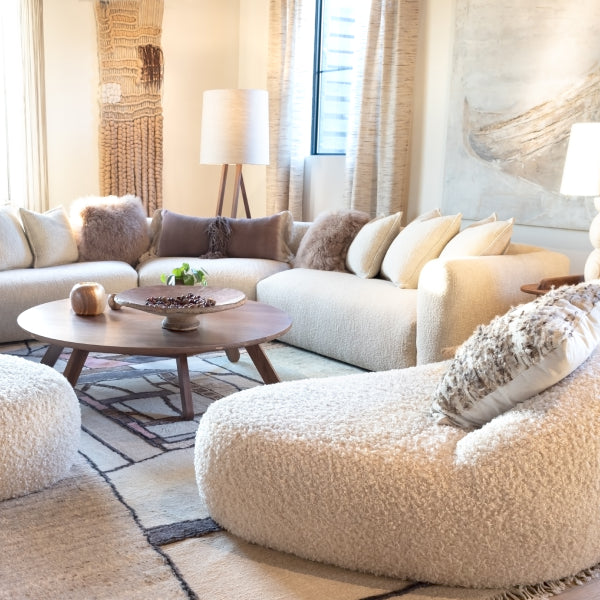
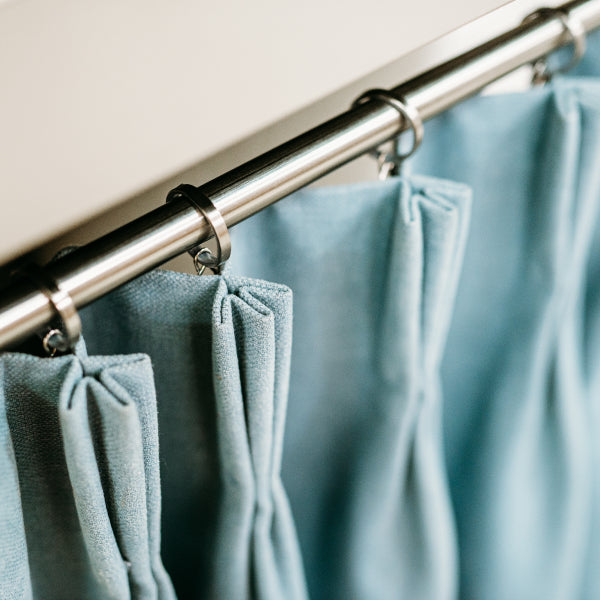
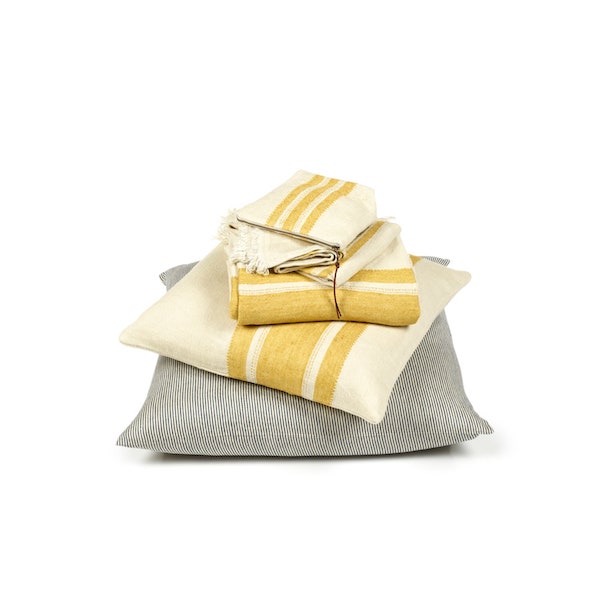
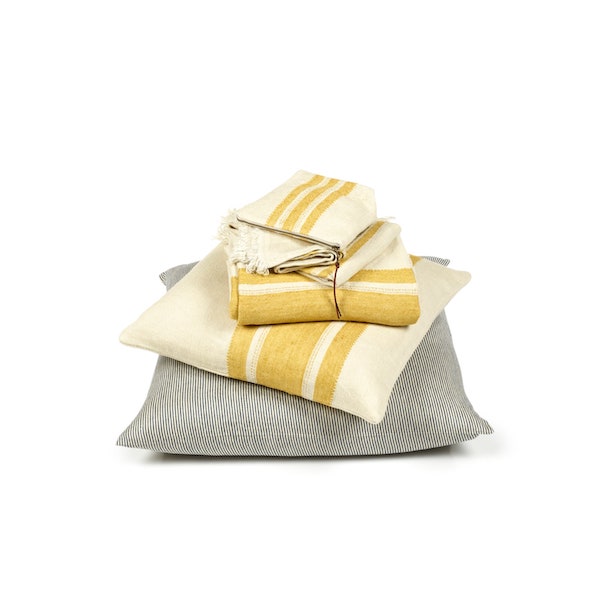
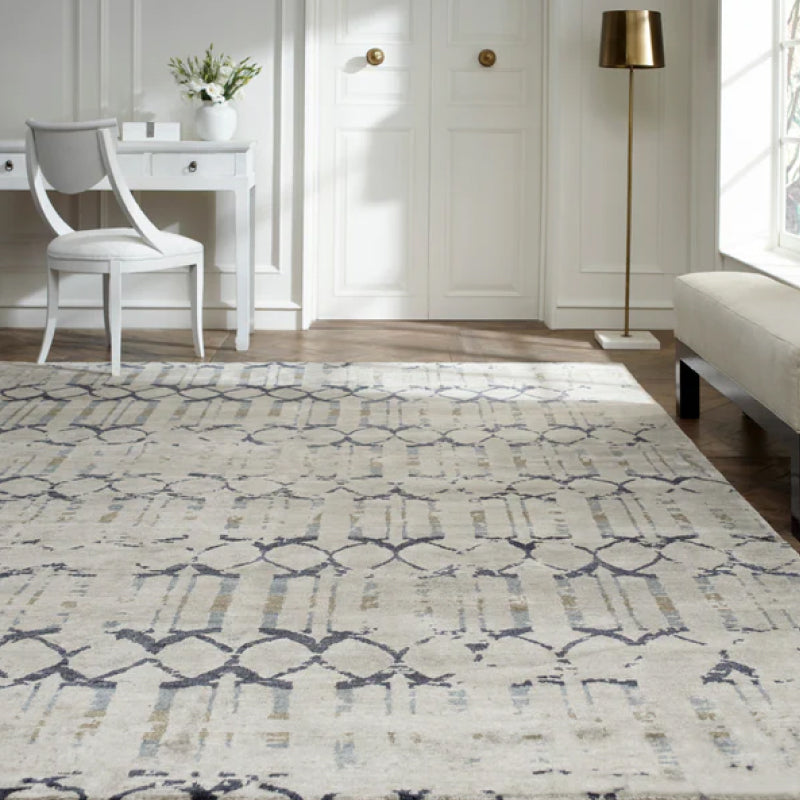
The functional boundary between these two categories shows up clearly in visual comparisons of how each assembly interacts with glass and daylight.
Why the Two Labels Are Not Interchangeable
Laboratory evaluation confirms that blackout textiles are engineered first as optical barriers. A peer-reviewed study in Fibres & Textiles in Eastern Europe tested blackout fabrics against visible radiation and found that every evaluated sample delivered very good protection from visible light, establishing light control rather than thermal insulation as the fabric's primary technical role.
Thermal performance follows a separate set of physics driven by air layers, backing reflectivity, and closure timing. According to U.S. Department of Energy Energy Saver guidance, conventional draperies drawn during cold weather can cut heat loss from a warm room by up to 10%, while medium-colored draperies fitted with white plastic backings can reduce solar heat gain by 33%. Notice what drove that cooling gain: backing color and reflectivity, not an opaque blackout claim.
Decision rule: Specify blackout construction when sleep quality, media-room contrast, or glare elimination comes first; specify thermal construction when temperature stability matters most; and combine a dense face fabric with a properly fitted blackout-thermal lining when the room requires both.
Look back at the comparison table and isolate the single row that defines your room's pain point. That row determines which technical specification you demand before you ever choose a color or pattern.
Lining Constructions and What Each One Does
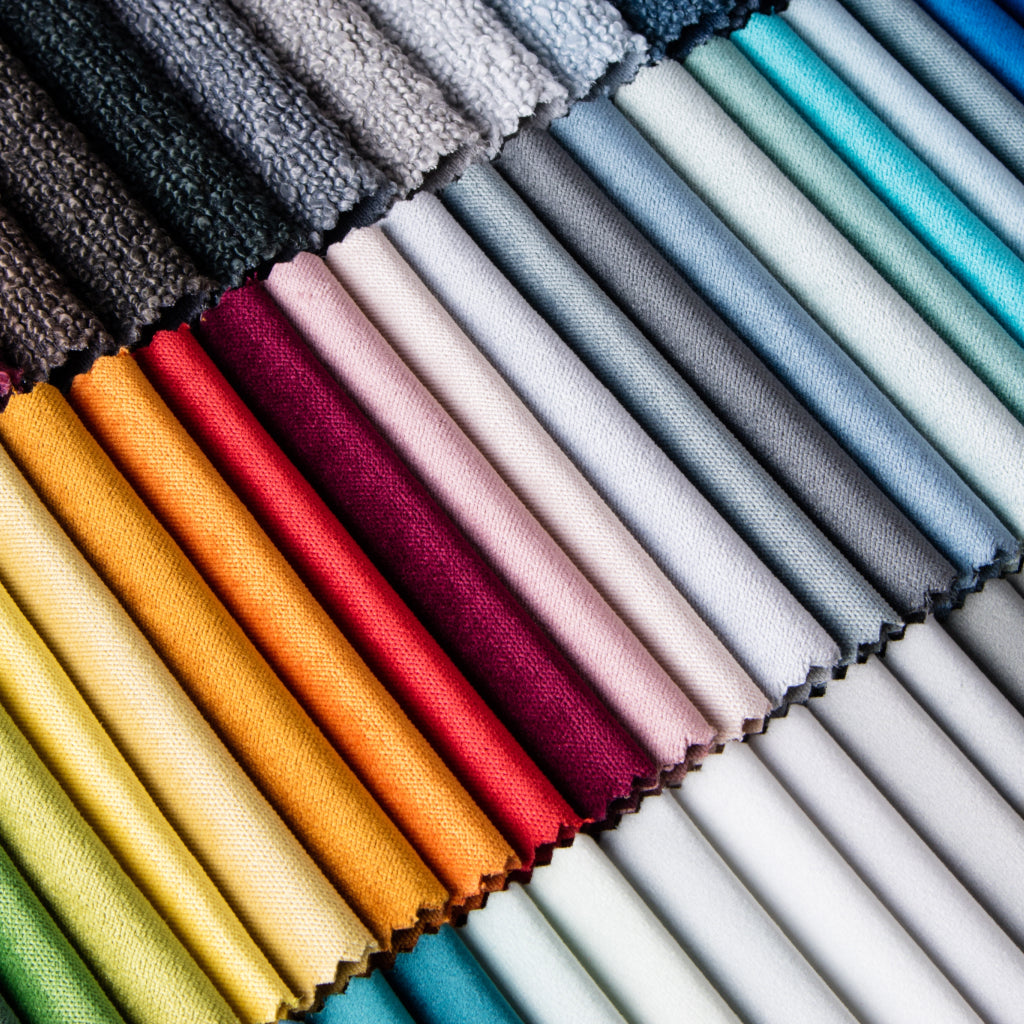
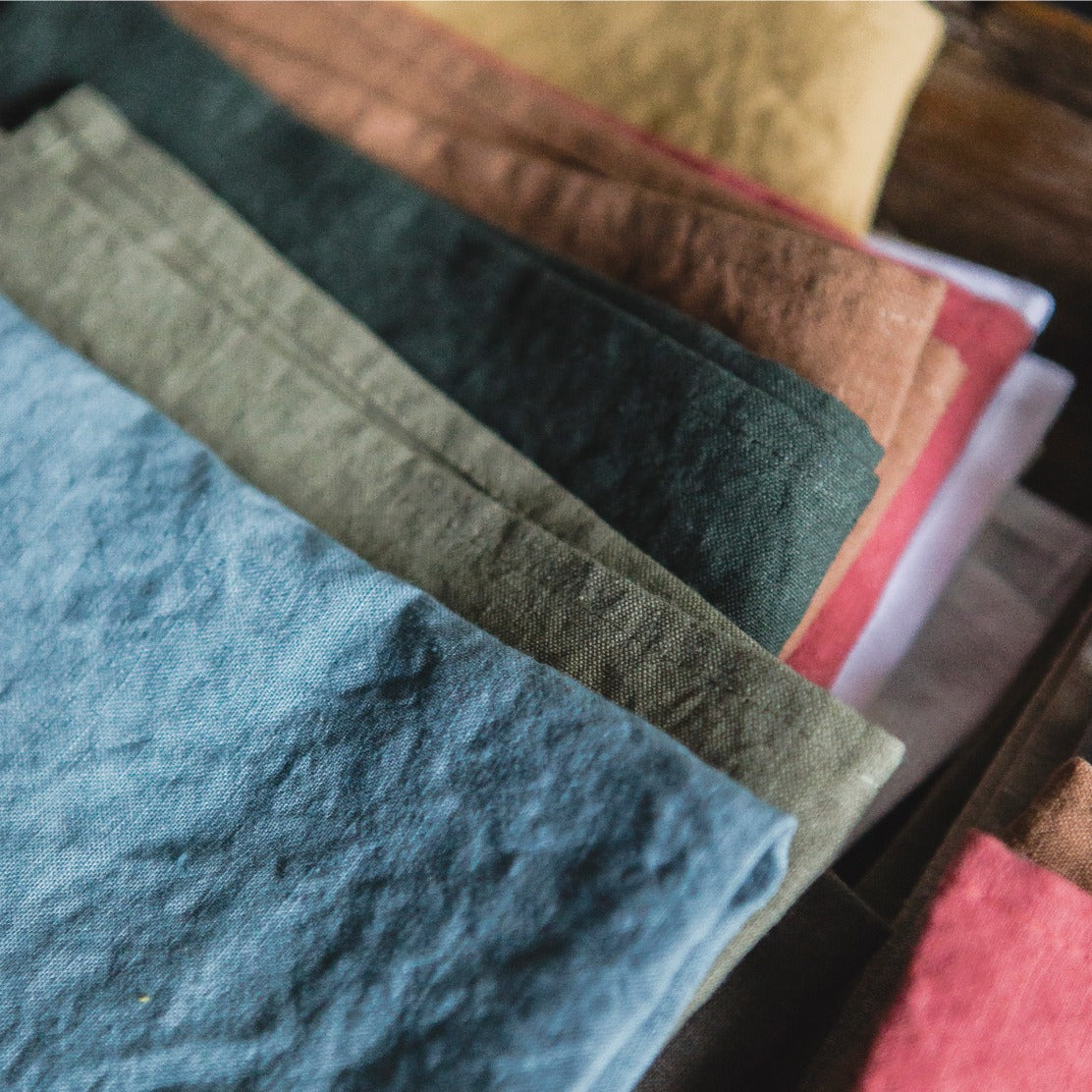
A decorative face fabric sets the aesthetic tone of a room, whether you're framing luxury home furnishings in classic Belgian linen or grounding a formal sitting area with rich velvet. Behind that face fabric, the lining architecture decides how light and heat behave. Whole-house modeling published in Energy Efficiency identifies windows as primary heat-loss pathways and notes prior energy-savings estimates spanning 24% to 38% and 41% to 62% across varying building conditions, covering types, installations, and operating habits. That spread matters. The same curtain can perform brilliantly or poorly depending on how the full assembly is built and hung, which is why the lining specification deserves more attention than the face fabric usually gets.
Understanding how drapery lining functions in custom drapes prevents expensive mismatches between what a panel looks like and what it blocks. Six structural elements separate high-performing custom assemblies from off-the-shelf panels:
- Coated blackout fabric: Manufacturers apply an opaque backing or foam coating directly to the reverse side of a woven cloth to suppress light transmission. Its job is optical opacity, so a thin coated panel can darken a room without slowing conductive cold near winter glass.
- Multi-layer blackout assembly: Pairing a dense decorative face cloth with an independent blackout lining creates a narrow still-air pocket between layers. That trapped air gives modest thermal resistance alongside strong room darkening, which is why one product can legitimately carry both labels.
- Dedicated thermal lining: Built specifically to slow conductive heat flow, thermal linings stabilize room temperatures near chilly panes without altering face-fabric opacity. Daylight can still filter through the weave or glow around the edges if no opaque barrier sits inside the build.
- Light-colored blockout backing: Close-fitting, lined curtains paired with pelmets and a light-colored blockout backing help combat both winter heat loss and summer solar gain. A bright reverse face bounces radiant energy back through the glass before it warms the room.
- White plastic backing on medium-toned drapery: Backing color rivals fabric weight in cooling-dominant climates. A white reflective reverse layer turns away incoming solar radiation far more effectively than a dark, heat-absorbing backing of the same thickness.
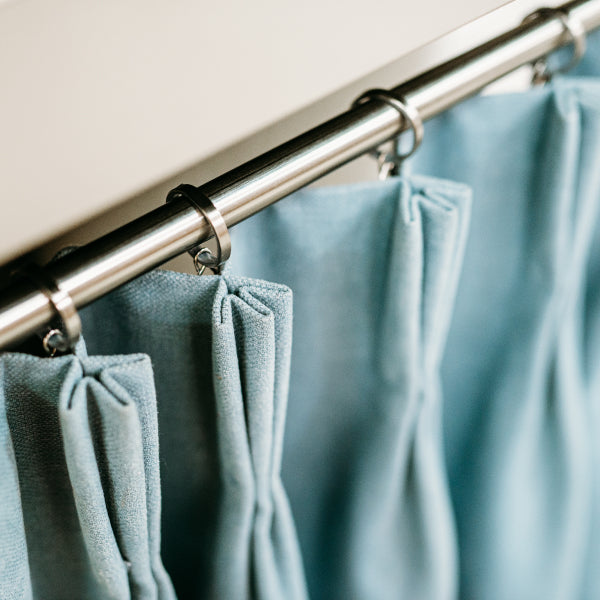
- Pleats, fullness, and hem weight: Generous fullness traps a continuous still-air barrier between the glazing and the living space, whereas sparse pleats and loose hems let convective drafts circulate freely.
Why Heavier Fabric Alone Misleads Buyers
Shoppers often lift a heavy bolt of upholstery-weight cloth and assume its mass guarantees winter warmth. Fabric weight helps drape and durability, yet heavier cloths deliver only slightly better insulation than lighter ones when air leaks freely around the perimeter. The insulation lives in the trapped air, not in the cloth itself, so the assembly's fit and lining do the thermal work that the face fabric gets credit for.
Check any textile spec sheet against your room's main purpose instead of assuming thickness will fix every heat complaint. A lighter Belgian linen backed with the right thermal or blackout-thermal lining and hung with proper fullness will consistently outperform an unlined heavyweight panel. The practical test is straightforward: define the job first, whether that is light control, heat control, or both, then check whether each layer in the build performs that job. A panel that passes on all three counts of fabric, lining, and fit will outperform a heavier panel that passes on only one.
Blackout Ratings, Fit and Pass-or-Fail Checks
Marketing copy applies the word "blackout" loosely across ready-made curtains that glow like lampshades at noon. Optical performance has real laboratory standards, and requesting them immediately separates verified textiles from vague claims. Under AATCC TM203, laboratories test true blackout fabrics spectrophotometrically with an ideal target of 0.00% visible-light transmission, while AATCC TM148 uses a photometer to measure transmitted light, as detailed in the Weaverine blackout light-blocking test reference.
A thermal label never implies a 0.00% light-transmission rating. If a bedroom or screening room demands genuine darkness, ask for the exact transmission percentage and the AATCC test method behind it.
Discerning buyers across Buckhead, Alpharetta, Roswell, and Sandy Springs already apply this specification mindset when evaluating custom vs mass-produced furniture. A global market forecast from Research and Markets notes that luxury residential buyers increasingly verify provenance, durability, design authorship, low-emission materials, and responsible production rather than trusting a generic "designer" tag. That exact standard answers what makes furniture "designer quality" and what separates custom drapery from commodity panels: documented materials, measurable performance, and precision construction.
Seven Steps to Audit Drapery Fit
Even a textile certified at 0.00% visible-light transmission fails if sunlight pours past the edges. In real rooms, perimeter light leakage and convective air drafts dominate performance far more than microscopic differences in weave density. Audit every window using these seven steps:
- Extend width onto the wall. Measure past the window casing on both left and right sides so stacked panels clear the glass when open and overlap solid drywall when closed. Stopping a panel right at the trim guarantees bright vertical light halos and cold side drafts.
- Span from above the frame to the floor. Measure height from several inches above the upper molding down to the floor, or well below the sill on shorter windows, sealing the vertical air column behind the cloth.
- Build in side returns. Specify bent returns on rods or tracks so each outer edge wraps back cleanly against the wall. Panels that hang flat and stop parallel to the glass represent the single most common installation mistake in custom window treatments.
- Add center overlap. Where two panels meet in the middle, overlap the lead edges using an overlapping master carrier or baton draw. Without overlap, a narrow vertical slit turns sunrise into a spotlight across the bed.
- Mount hardware close and cap the top. Position the rod or track snug to the wall and well above the top casing. When winter drafts are severe, add a fitted pelmet or upholstered cornice to halt warm room air from dropping behind the curtain and chilling against the glass.
- Verify fullness and lining stability. Confirm full pleating and weighted hems so the panel hangs flush without gaping pleats that break the still-air pocket.
- Operate panels on weather cues. Close drapery after sunset on cold nights and pull panels shut before direct afternoon sun hits the glass in summer. An unclosed curtain delivers zero thermal protection regardless of its lab rating.
Our blackout drapes block out external light and noise when properly fitted, and our professionals come to your home or office to measure the space for custom drapes so these tolerances are locked in before cutting begins.
The Pass-or-Fail Perimeter Check
Apply a simple pass-or-fail filter before approving any quote. If a proposed treatment fails Step 1 (wall extension past the trim) or Step 3 (side returns to the wall), it will underperform in darkness and draft control regardless of how expensive the face fabric is.
Match your specification rigor to the room's actual function. Bedrooms, nurseries, and shift-worker sleeping quarters require a documented AATCC blackout result paired with full perimeter sealing. Formal living rooms and dining areas where daytime glare reduction matters more than pitch darkness look far more refined in a thermal-lined decorative cloth that preserves natural textile drape.
Exact Questions to Put to Your Workroom
Before signing off on yardage, confirm four written details:
- Optical test proof: What is the measured light-transmission percentage, and was it tested under AATCC TM203 or AATCC TM148?
- Lining architecture: Is light control handled by a surface coating, a woven blackout lining, or a separate thermal layer?
- Finished dimensions and returns: How many inches past the casing will the panels extend, and what is the return depth to the wall?
- Hardware load rating: Does the chosen rod or track support the full weight of face fabric, lining, and hardware without sagging at the center splice?
How Much Heat a Thermal Curtain Really Blocks
Thermal curtains reduce heat transfer, but the result depends on the whole assembly: fabric, lining, fit, and operation. A label describes a job, not a guaranteed utility-bill outcome. Energy savings shift with climate zone, window glazing age, compass orientation, air gaps, backing color, and whether anyone remembers to draw the panels before peak heat arrives.
The strongest documented energy numbers belong to tightly fitted insulated cellular shades rather than soft fabric drapery, making cellular shades the right statistical yardstick for evaluating bold marketing claims. A 2019 savings-potential report from the U.S. Department of Energy modeled 11 residential window-attachment technologies and found 10% to 34% annual HVAC-energy savings for insulated cellular shades, while separate DOE consumer guidance reports that tightly installed cellular shades cut heating-season window heat loss by 40% or more, roughly equal to 10% heating-energy savings.
| Treatment or finding | Reported effect | Source context |
|---|---|---|
| Conventional drapes drawn in cold weather | Reduce heat loss from a warm room by up to 10% | U.S. Department of Energy |
| Medium-colored drapes with white plastic backing | Reduce solar heat gain by 33% | U.S. Department of Energy |
| Tightly installed insulated cellular shades | Reduce window heat loss by 40% or more; about 10% heating-energy savings | U.S. Department of Energy consumer guidance |
| Insulated cellular shades, modeled annual HVAC use | 10% to 34% annual HVAC-energy savings | U.S. Department of Energy 2019 savings-potential study |
| Standard roller and Roman shades | Relatively little insulation; better for privacy and sunlight control | U.S. Department of Energy consumer guidance |
Why Cellular Benchmarks Do Not Transfer Automatically to Drapery
Cellular shades trap air inside rigid honeycomb pockets seated snugly inside the window jamb. Standard drapery hangs outside the frame, leaving top and side channels where air can convect unless returns, pelmets, and floor-grazing hems close the loop. That is why attributing a 40% heat-loss reduction to an ordinary lined curtain misleads homeowners. The better question is how well the finished curtain controls air movement and radiant gain at that specific opening.
The same government guidance points out that standard roller shades and Roman shades contribute relatively little insulation, performing far better for privacy and sunlight moderation. Adding interlining for custom drapes adds luxury body and improves the still-air cushion behind silk or linen face fabrics, yet its thermal value still relies on full perimeter coverage. A heavier face cloth can feel substantial and still leak warm air at the sides if the panel stops short of the wall.
Cooling Loads and Afternoon Sun in North Atlanta
In Atlanta, Fulton County, and North Atlanta suburbs, summer cooling loads and punishing west-facing afternoon solar gain usually outweigh winter heating concerns. Radius tracks sun angle, so a west-facing bedroom can collect low-angle late-day light just as the house is trying to coast into the evening. A dark-backed heavy curtain absorbs incoming radiant heat right behind the glass and re-radiates it into the room, so the bedroom may stay warm after the sun drops. That warm envelope matters for sleep comfort even when the air conditioner is running.
Color and layer placement change the outcome. A medium-colored drape with white plastic backing is reported to reduce solar heat gain by 33%, while conventional drapes drawn in cold weather reduce heat loss from a warm room by up to 10%. Those figures sit in the same government guidance, but they describe different jobs. One limits solar gain. The other slows heat leaving a heated room. A product can pursue both only when its backing, lining, and installation details support both.
Homeowners managing summer overheating often pair solar-reflective window treatments with cooling mattress options in Norwich. The window treatment addresses radiant heat entering through the glass. The sleep surface addresses heat held close to the body. Treating only one leaves the other capable of undermining comfort.
Ask every supplier three concrete questions: what specific lining and backing color sits behind the face cloth, how tightly will the finished assembly seal the opening, and what documented heat-transfer data backs their thermal claim?
Reject generic "energy-saving" stickers that cannot answer all three. A thermal label has value when it survives that questioning and fits the opening it is meant to serve.
Room-by-Room Choices for Sleep, Privacy and Heat
Every room places a different demand on its windows, so copying one curtain build throughout an entire house wastes budget in low-need areas and under-delivers in critical ones. Use the decision matrix below by identifying each space's primary functional requirement first, then pairing it with the right construction and mounting geometry.
| Room | Main need | Better fit | Setup detail |
|---|---|---|---|
| Primary bedroom | Full darkness for sleep | Blackout construction, full length | Ceiling-to-floor coverage and snug side returns |
| Nursery or child's room | Darkness for naps and early light | Blackout construction with close side fit | Snug rod and no gaps at the edges |
| Media room | Glare and darkness | Blackout construction | Heat performance matters less than light control |
| Living room with winter drafts | Warmth and comfort | Thermal-lined, floor length | Close at dusk to trap heat |
| West- or south-facing room in Atlanta | Afternoon solar gain and glare | Blackout-backed or thermal-lined panel | Close during peak afternoon sun |
| Kitchen, bathroom or small window | Privacy with some daylight | Sill-length or light-filtering shade | Blackout rarely needed |
Bedrooms, Nurseries, and Media Rooms
In a primary bedroom, sleep continuity wins every trade-off. Specify a full ceiling-to-floor blackout build with snug side returns and center overlap so streetlights and early summer sun never cut across the pillows. Nurseries follow the same logic for midday naps, where even a thin perimeter gap at the casing can shorten a toddler's sleep cycle.
Media rooms narrow the focus even further. Thermal retention matters far less than killing screen glare and stray ambient reflections, making verified blackout opacity the deciding criterion over insulating bulk.
Protecting Luxury Furnishings in Sun-Exposed Living Areas
Living rooms with winter drafts benefit from floor-length, thermal-lined panels drawn right at dusk to hold conditioned air inside the room. In west- or south-facing rooms across Buckhead, Alpharetta, Roswell, and Sandy Springs, however, afternoon solar gain threatens far more than utility bills: intense heat and glare accelerate wear on luxury sofas, premium sectionals, high-quality couches, and custom chairs.
Long-term ownership math backs up protecting those pieces properly. A 2025 peer-reviewed life-cycle assessment of 25 furniture items published in Scientific Reports shows that repair, part replacement, remanufacturing, and reupholstery extend furniture longevity dramatically, while upholstery cleaning noticeably affects use-phase environmental impact. Reducing harsh sun exposure slows fabric breakdown and helps answer a core question for buyers considering how long high-end furniture lasts: well-built frames paired with protected textiles stay in service for decades.
Wood-framed statement furniture pieces and heirloom-quality furniture face similar stress from rapid thermal swings near unshaded glass. Wood accounted for approximately 23.7% of luxury-furniture raw-material share in 2025 according to a Research and Markets luxury furniture analysis, prized for craftsmanship and enduring value. Shielding solid-wood frames and fine veneers with a white-backed blackout or thermal-lined panel during peak afternoon sun prevents dry-out, finish checking, and uneven fading.
Kitchens, Bathrooms, and Smaller Windows
Not every window calls for floor-sweeping, multi-layer drapery. Sill-length curtains are recommended for kitchens, bathrooms, and smaller windows where moisture, countertops, or cabinetry make puddle-length fabric impractical.
For spaces where you want bright natural daylight alongside reliable privacy, our window treatments include light-filtering shades and draperies that soften harsh sun without turning the room dim. When remodeling or specifying new glass in high-privacy zones like baths or street-facing entries, pairing soft treatments with safety and privacy glazing choices from Black Badge Doors lets the window pane itself handle daytime concealment while decorative fabric frames the architecture.
Choose the Operation, Then Place the Order
Standard curtain advice stops once the room goes dark, assuming maximum darkness around the clock is always healthier. Sleep science paints a sharper picture: you want complete light control while asleep, followed by timely morning daylight as you wake.
A 2025 report in ScienceDaily on research using light-shielding curtains paired with motorized opening systems found that 19 participants felt less sleepy when exposed to natural light before waking compared with waking in uninterrupted darkness. Separately, a large observational study noted in the same summary linked substantially brighter nighttime room light during sleep with higher heart rate, disrupted deep sleep, and poorer insulin sensitivity, though observational results do not prove that curtains cause or prevent disease.
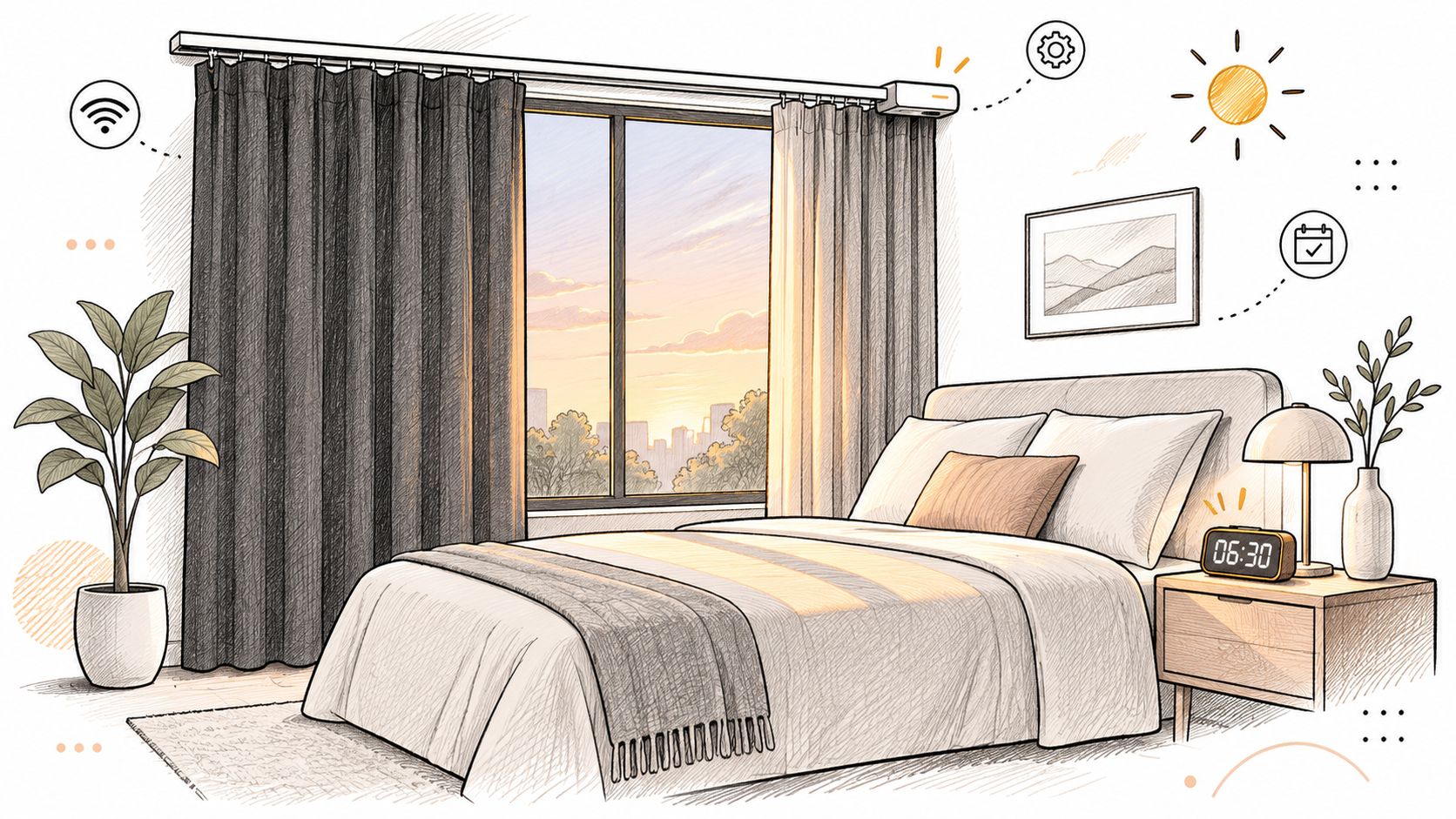
That tension explains why curtain operation belongs in your initial design plan, not as an afterthought. The goal isn't locking a bedroom in permanent darkness; it's blocking intrusive nighttime light and opening on schedule for morning circadian cues.
Matching Operation to Household Rhythms
Different schedules call for distinct hardware and layering strategies:
- Motorized timed opening: Programmed tracks keep blackout panels sealed through the night and glide open gradually 20 to 30 minutes before your alarm, bringing natural sunrise into the bedroom without sacrificing midnight darkness.
- Split-draw center treatments: Dual panels parting smoothly from the middle let you crack a narrow daylight strip for children's wake-up routines or pull wide for full afternoon views.
- Layered blackout side panels over light-filtering shades: Pairing operational blackout drapery with daytime light-filtering shades lets shift workers seal out noon sun while letting daytime occupants enjoy diffused brightness and privacy.
A Four-Step Ordering Sequence for Custom Drapery
Homeowners searching for designer furniture near me, custom furniture Atlanta, or where to buy premium furniture in Atlanta expect the same made-to-measure workflow for window treatments as they receive when selecting best luxury sofa brands like Verellen, Wesley Hall, LEE Industries, or Ambella. Following a structured four-step order process keeps aesthetics and performance aligned:
- Lock in performance specs first. Start by speaking with our Design Studio Associates to review fabric options across Belgian linen, velvet, and performance textiles from mills such as Kravet, Fabricut, P. Kaufmann, Libeco Home, and Crypton. Confirm the light-transmission rating, lining construction, and any documented heat-transfer data before finalizing decorative yardage.
- Verify every dimension against the fit checklist. Review how to measure windows for curtains to understand wall stackback, rod height, and side-return clearance, or schedule our in-home measurement team to capture exact dimensions across every opening.
- Specify operation before heading style. Decide whether each window needs hand-drawn batons, cord-free split draws, motorized schedules, or layered shades. Heavy multi-layer thermal blackout builds need hardware engineered for smooth daily movement.
- Finalize pleat style, trim, and delivery. Select tailoring details such as two-finger pinch, three-finger pinch, two-finger Euro, three-finger Euro, inverted pleat, or grommets, along with custom stitching patterns, nailheads, or trim. Our custom drapes are produced over a period of 4 to 6 weeks, after which you can pick them up at our showroom, arrange white-glove delivery, or schedule our professional team to install your custom drapes at home as an optional full-service step.
Before placing any fabric order, map out the exact hours each room needs darkness, the hours it needs daylight, and the hours direct sun hits the glass. Let that daily schedule govern your hardware and operation alongside your fabric and lining.
When fabric, lining, perimeter fit, and daily operation work together as one calibrated assembly, your windows stop leaking light and conditioned air, and every piece of designer furniture in the room looks and lasts better for it.
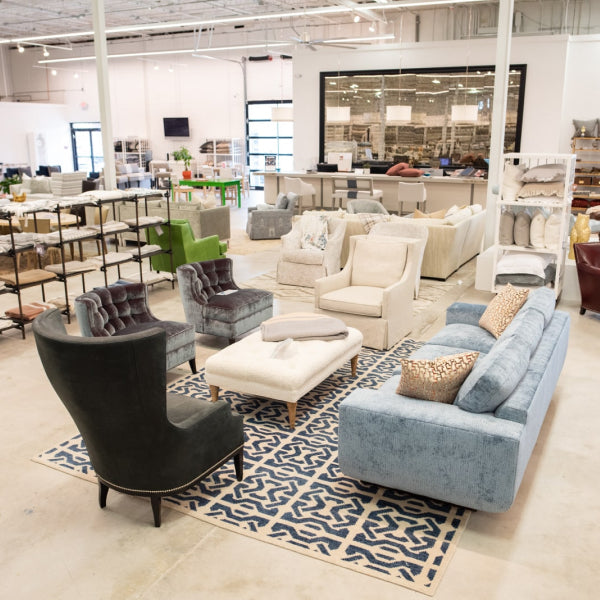
Ready to pair verified light and thermal control with custom craftsmanship for your Atlanta-area home? At Lewis and Sheron Textiles, our Design Studio Associates help homeowners and interior designers combine blackout and insulating drapery linings selected for each window, premier mill fabrics, professional measurement, and American-made custom upholstered furniture into cohesive rooms built to last. Visit our Design Center or explore our textile and furnishings collections online to start specifying window treatments engineered for the way you live.