



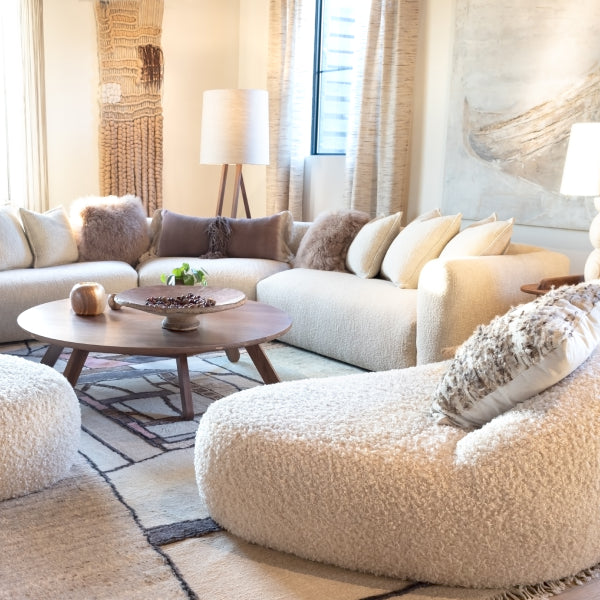
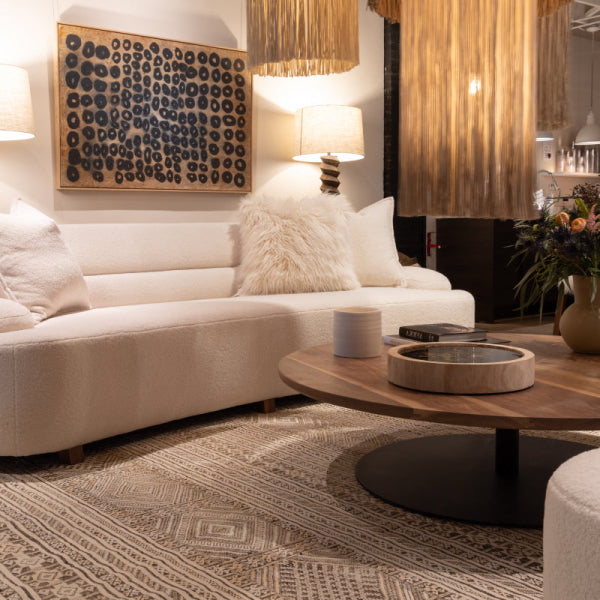

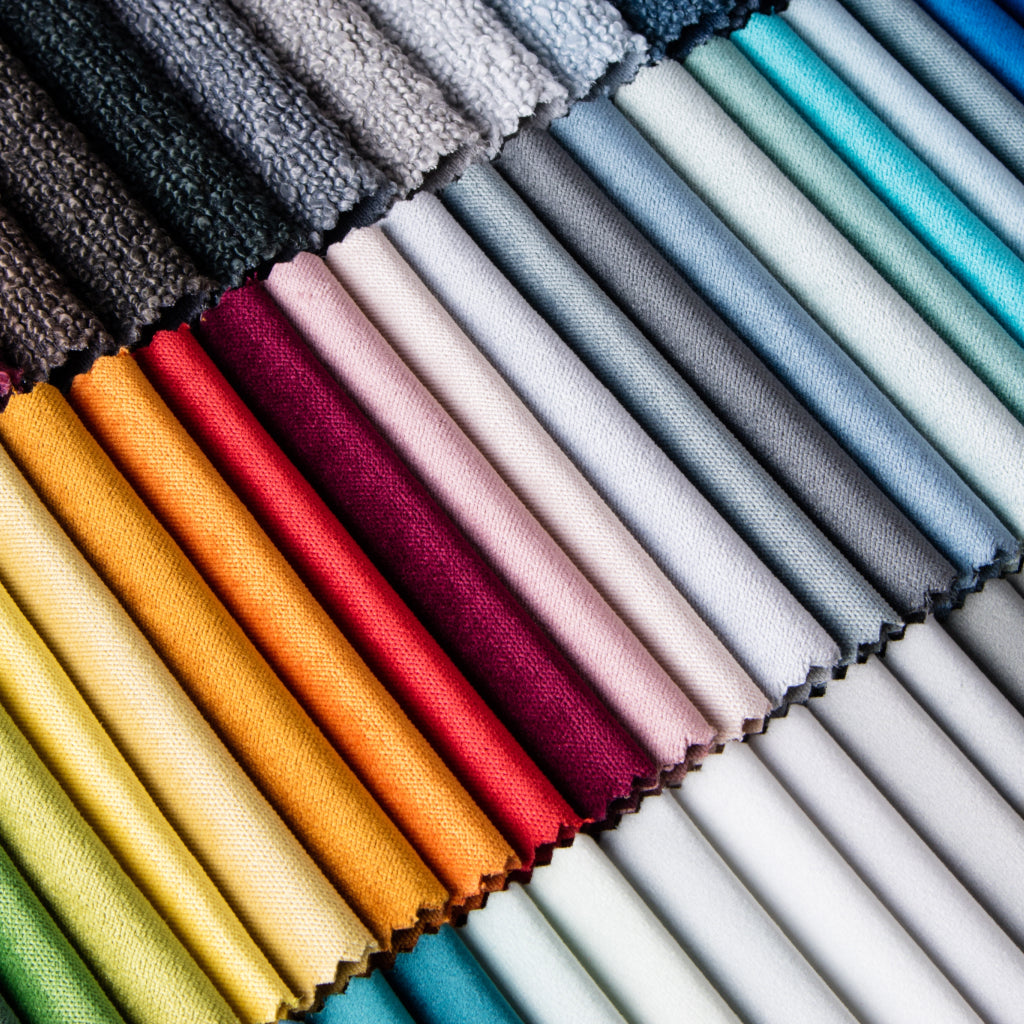





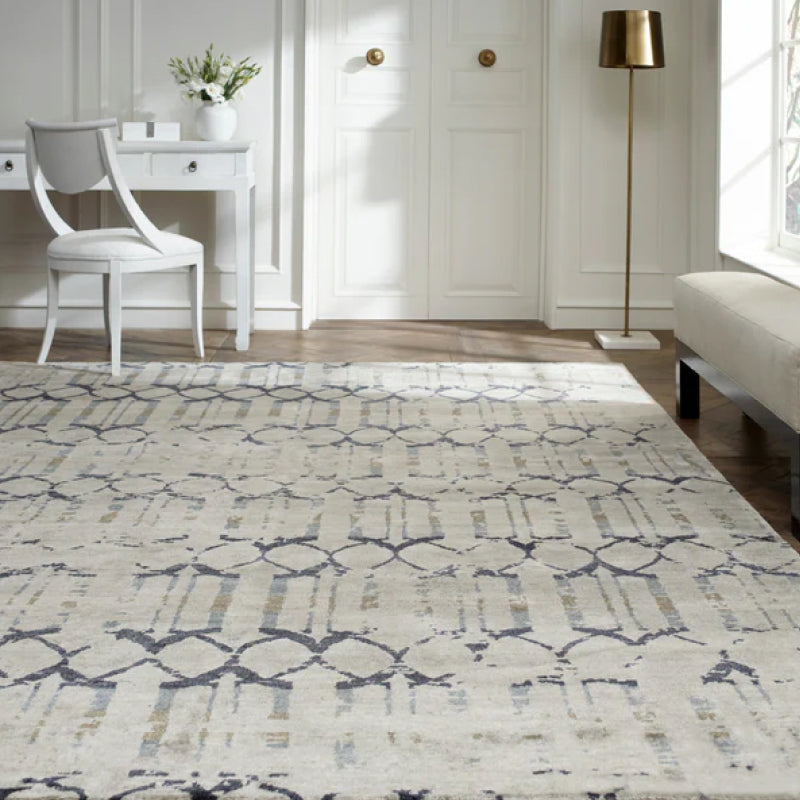
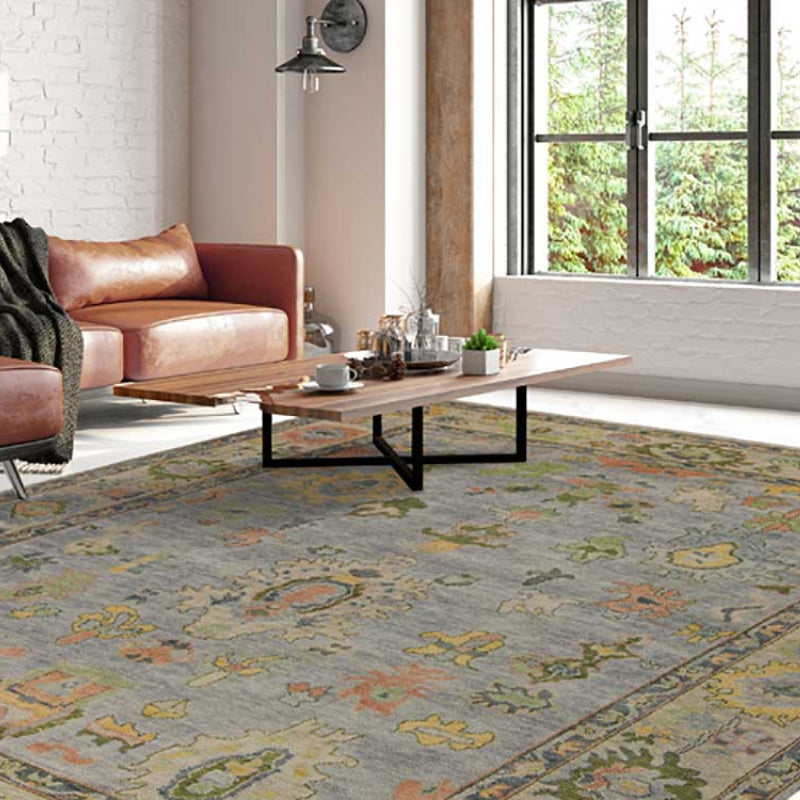
You've narrowed a luxury sofa to two fabrics. One has the relaxed linen texture you want; the other promises easier cleanup after the dog claims the corner cushion. Across the room, an inherited chair needs recovering, and you're wondering whether the same cloth could work on both. The useful question isn't just which swatch looks best. It's which fabric suits each job, and what needs to sit beneath it.
Where Upholstery Fabric Is Used at a Glance
A dining chair wiped down after every meal, a headboard touched mainly while reading, and a mudroom bench used for sitting all place different demands on cloth. Match the fabric to the application first, then judge whether the construction beneath the face cloth can support that level of use.
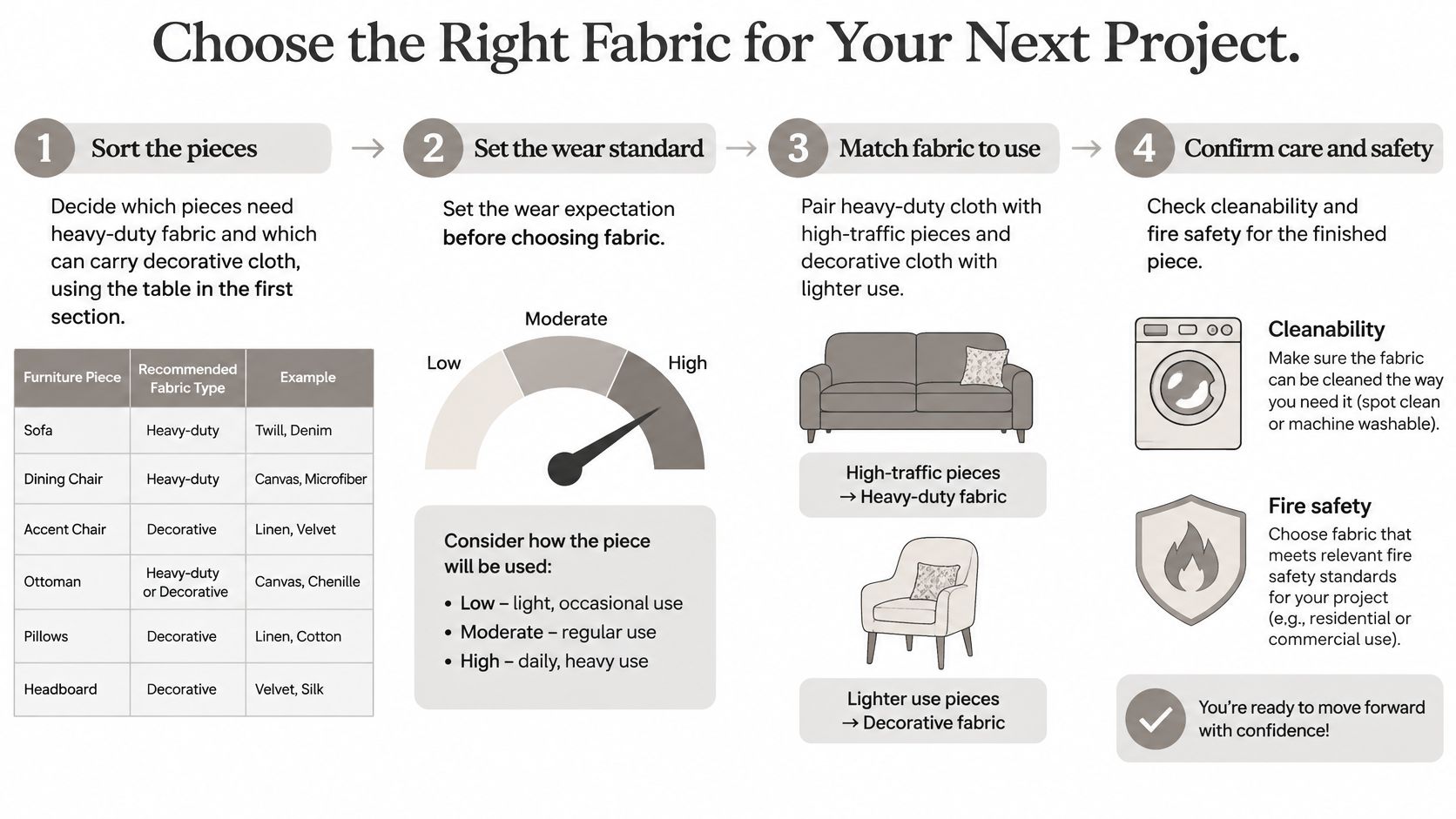
Upholstery fabric uses by piece
| Application | Recommended Fabric Families | Wear Level | Key Decision |
|---|---|---|---|
| Sofas and sectionals | Heavy linen, performance weaves, durable velvet | Heavy | Choose a construction suited to daily use and assess back and arm cushions too |
| Dining chairs | Tightly woven linen, performance cotton blends | Moderate to heavy | Prioritize stain resistance and practical cleaning |
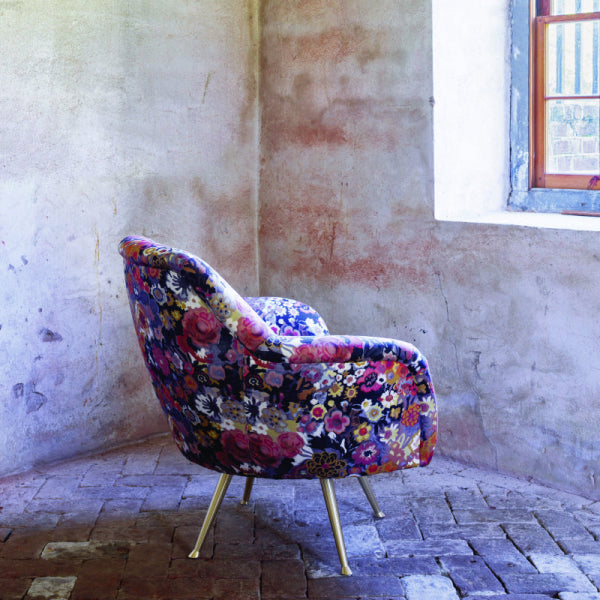
| Accent and armchairs | Velvet, Belgian linen, damask | Light to moderate | Give pattern and texture priority only when use is genuinely light |
| Ottomans and benches | Performance weaves, leather-look synthetics | Heavy | Account for sitting, shoes, trays, and use as a table |
| Headboards | Linen, cotton, velvet | Light | Choose cloth that holds stitching under tufting |
| Cushions and throw pillows | Linen blends, cotton, velvet | Light to moderate | Specify removable covers and confirm washability |
| Window seats and drapery | Linen, cotton, drapery lining | Light for drapery; moderate to heavy for daily seating | Specify lining for light control and drape; upgrade wear resistance for daily seating |
| Bar stools | Tight-weave performance fabric, leather, vinyl-look synthetics | Heavy | Choose a compact surface that tolerates daily sitting and cleaning |
| Outdoor furniture | Solution-dyed acrylic, outdoor performance fabric | Heavy; outdoor-rated | Confirm UV stability and mildew resistance |
Upholstery is the piece's full soft assembly: fabric, webbing, springs, padding, lining, and stitching. The visible cloth sets the color and hand, while the layers underneath influence support, shape retention, seam strain, and fire-safety performance. Judge the swatch as one component of the finished piece.
Daily-use sofas and sectionals receive sustained pressure on seats, arms, and cushions, so begin their specifications with durability and examine each component separately. A formal chair can carry a more delicate texture. An accent chair used every evening should be classified by actual use rather than furniture name.
Match Fabric Names to the Job
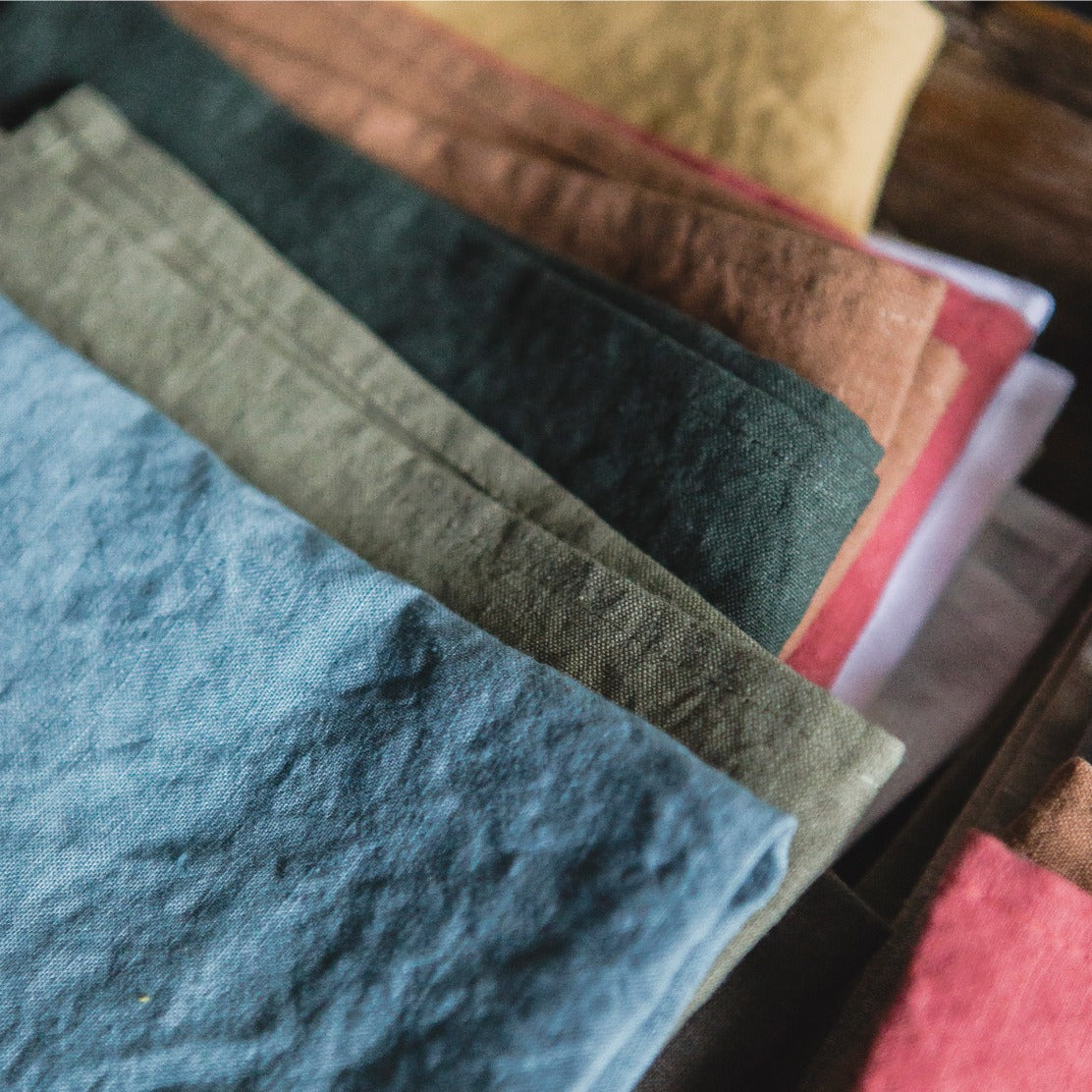
Linen is woven from flax and has a crisp, natural hand. Heavy linen can suit substantial seating, but the fiber name alone does not establish durability.
Velvet has a raised pile that can crush, mark, or change appearance with use. Check its abrasion rating and whether you like the way its pile moves before putting it on frequently occupied seating.
Performance weaves are engineered for stain and abrasion resistance, though manufacturers achieve those properties through different constructions and treatments. Leather-look synthetics imitate leather and offer a wipeable face, but cleaning-product compatibility still needs checking.
- Cotton blends combine cotton with other fibers to adjust texture, stability, or maintenance.
- Damask describes a woven pattern, not a guarantee of strength.
- Solution-dyed acrylic is an outdoor-oriented option whose suitability still rests on the finished fabric's specifications.
Choose the cover for its workload, cleaning demands, and supporting assembly before selecting color. If the upholstery decision is part of a wider renovation, Jennifer Gilmer Kitchen & Bath's primary bath surface guide for homeowners applies the same use-first reasoning to surfaces in a different room.
Use the application table as a buying filter. Then assess the face fabric together with wear, fire-safety build-up, finishes, cushion construction, and the piece's suitability for reupholstery.
How Wear Ratings Match Fabric to Furniture
An abrasion rating measures how a cloth resists one rubbing test. It stays silent on snagging, color change under cleaning, and whether the finished build meets the fire rules for the room.
The Wyzenbeek method, ASTM D4157, oscillates fabric against a standardized abrasive surface and counts double rubs, each made of a forward and backward stroke. Published benchmarks for that test put light residential upholstery at about 15,000 double rubs and contract-grade textiles at 100,000 or more, as summarized in TextileTuts' explanation of the method.
Abrasion benchmarks by use level
| Use Level | Typical Pieces | Double Rubs (Benchmark) | Best Fit |
|---|---|---|---|
| Light residential | Accent chairs, decorative pillows, headboards | About 15,000 | Formal rooms and low-use seating |
| General residential | Daily-use sofas, dining chairs | Mill rating matched to daily family use | Most family homes |
| Heavy residential | Sectionals, family-room seating, homes with children or pets | Mill rating suited to children, pets, and frequent use | High-use living spaces |
| Contract or commercial | Hospitality lounge seating, office chairs | 100,000 or more | Public and commercial use |
Treat the number as an entry requirement, then judge the whole assembly. A high count can still disappoint if a stiff finish changes the hand, a pile shades where hands rest, or the cushion wraps and frame make seams carry more strain.
Don't convert double rubs into years, and don't compare results from different abrasion systems as though they're interchangeable. Fiber content, weave, finish, cleaning, sunlight, pets, and furniture construction all affect the result in your room.
Test the Fabric in Context
A velvet armchair reserved for a formal sitting room may suit a light-use specification. The same velvet on family sectionals needs stronger evidence of wear resistance and a swatch you can handle, brush, and view from different directions.
The fabric abrasion resistance guide can help you interpret the terminology when comparing options.
Practical rule: Match abrasion performance to daily use first. Choose color and pattern within that suitable range.
Cushions, Headboards and Other Interior Details
Say you're furnishing a sitting area beside a bedroom. The sofa needs dependable daily-use cloth, but the pillows, headboard, and window treatment can introduce softer textures without receiving the same friction.
Start with the largest silhouette. A solid fabric lets rounded arms and bun-shaped cushions remain visually clear, while strong stripes and directional textures often work better on square, clean lines.
Fit the Detail to the Piece
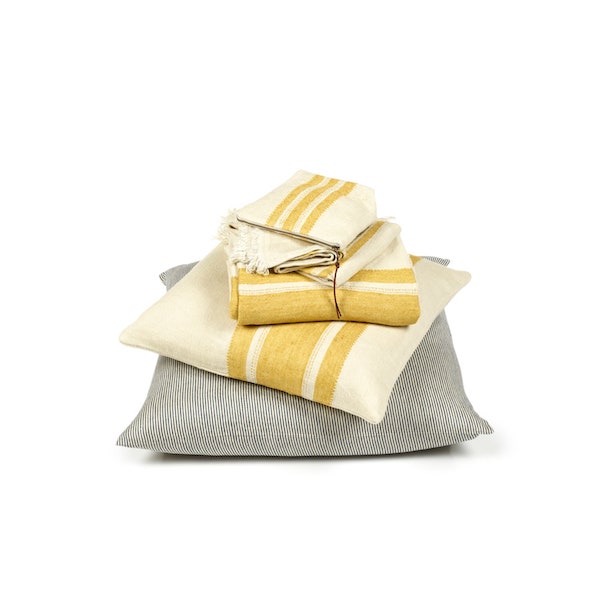
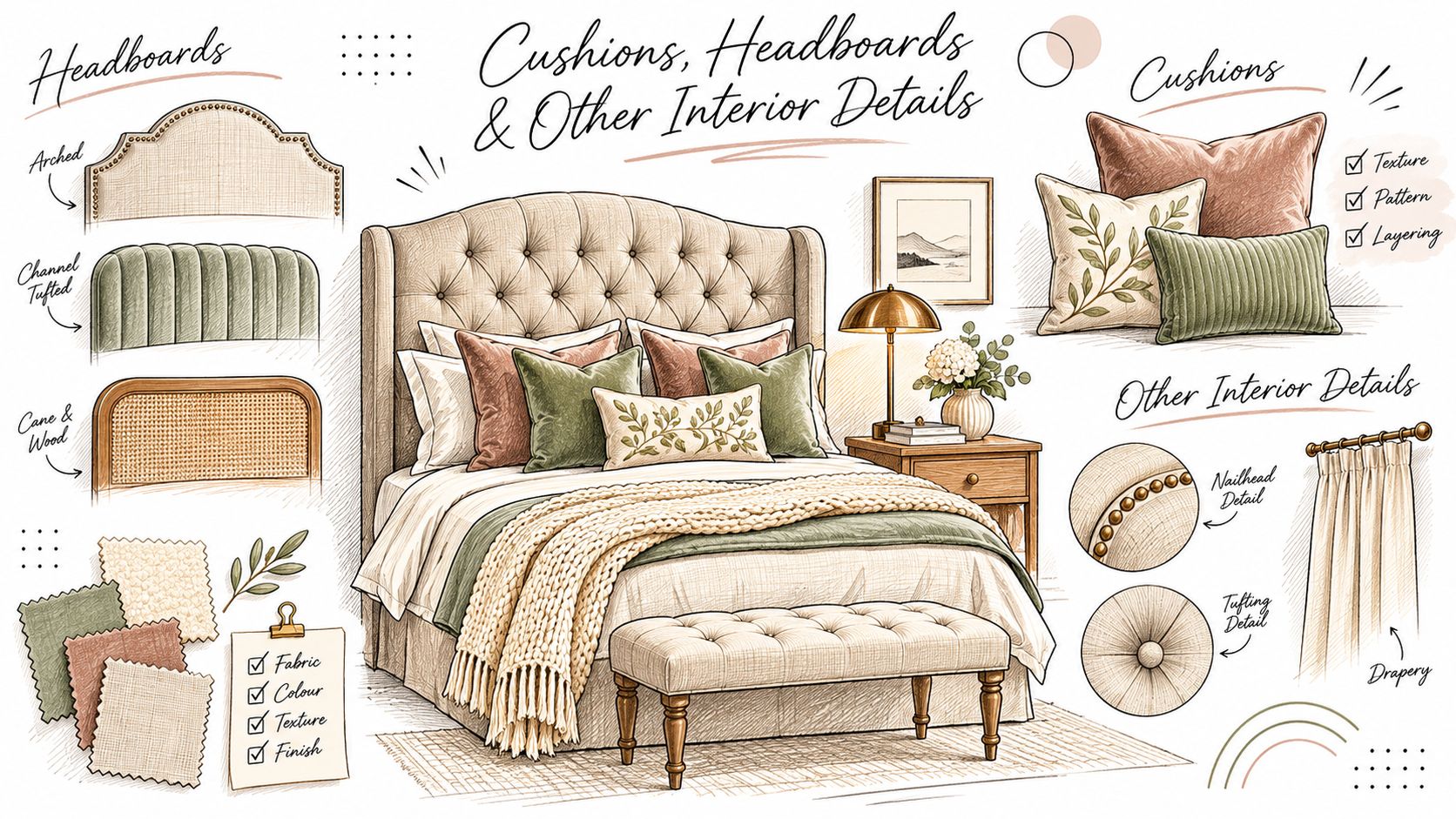
For cushions and throw pillows, specify a zipper or envelope closure so the cover can be removed. Removable doesn't mean machine-washable: confirm the care instructions before choosing the closure, and size the pillow form to the finished cover.
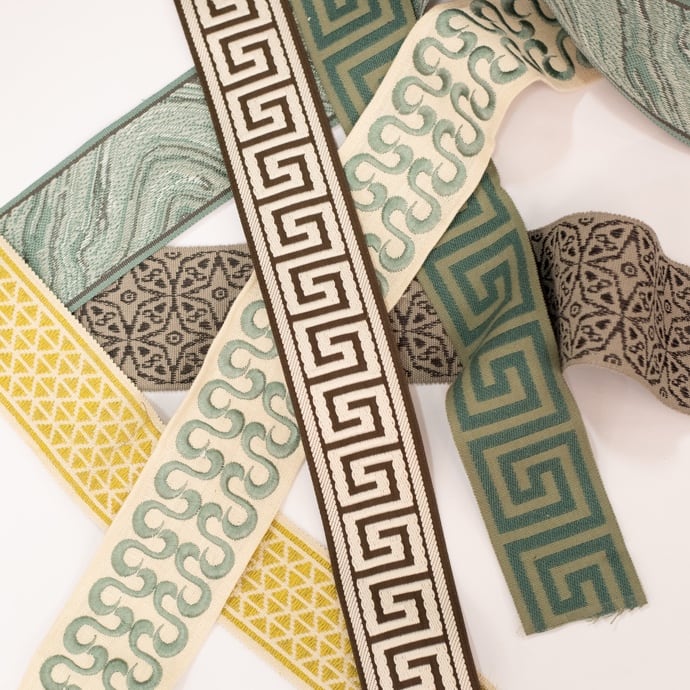
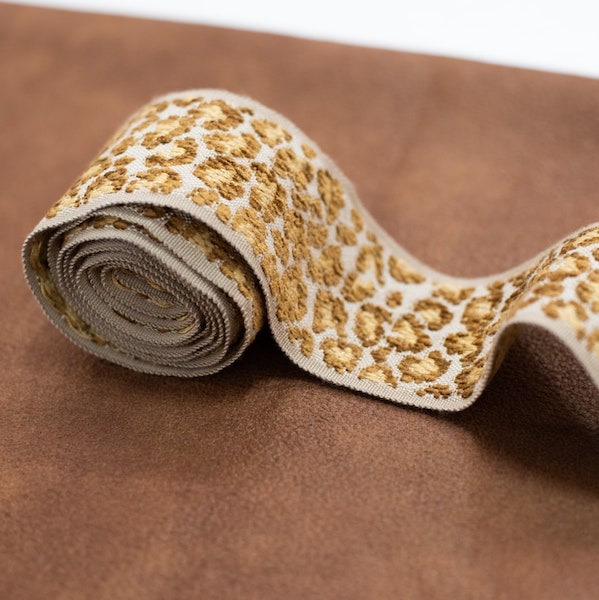
A large pattern repeat may disappear on a small cushion, leaving an awkward fragment instead of the intended motif. Ask to see the proposed cutting placement, particularly when a patterned pillow is meant to connect the room's colors.
For a tactile accent, you might browse luxurious navy velvet fabric from The Fabric Company to compare pile and color depth. Treat the image as a starting point, then assess an actual sample under your room's lighting.
Headboards and wall panels carry no seat load, so lighter upholstery weights can work. Buttoning and tufting still place stress around stitches, however; a loosely constructed cloth can pull or distort where the upholsterer draws it inward.
Our cushion cover material guide helps narrow the cover choice before you finalize trims and forms.
Carry the Specification Beyond the Sofa
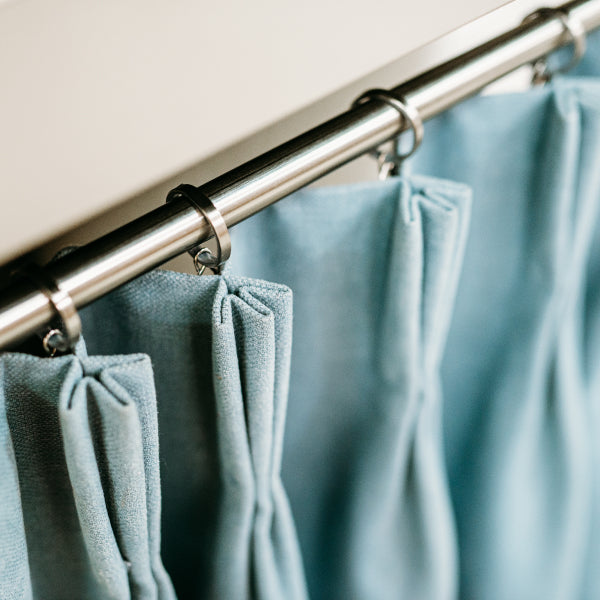
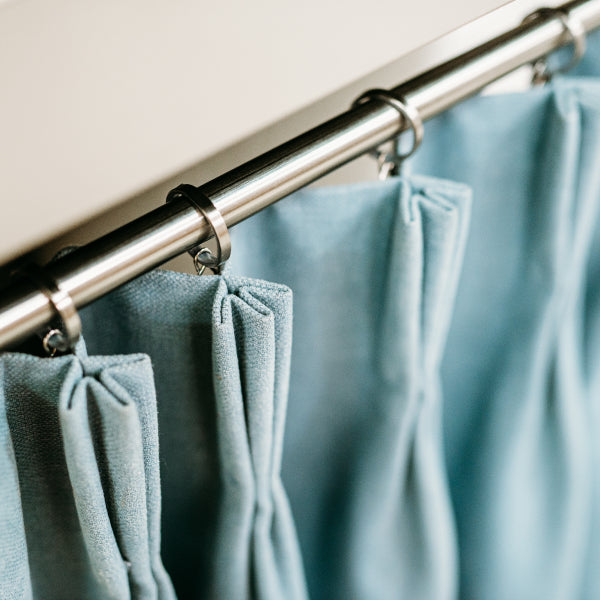
- Window treatments and seats: Choose drapery lining with the face cloth because it affects light control and hanging behavior. A window seat used for reading needs a seating specification, not just a matching curtain fabric.
- Bar stools and ottomans: Favor tight weaves or suitable leather-look surfaces. On an ottoman, use a tray rather than asking the upholstery to tolerate cups and serving dishes directly.
- Outdoor furniture: Specify solution-dyed acrylic or another outdoor performance textile with documented UV and mildew resistance. Don't assume an indoor stain-resistant cloth is suitable for a terrace.
Finish with a restrained mix: a solid main fabric, a patterned accent, and a textured piece. This gives statement furniture pieces room to stand out without making every surface compete.
Fire Safety Rules That Shape Fabric Choice
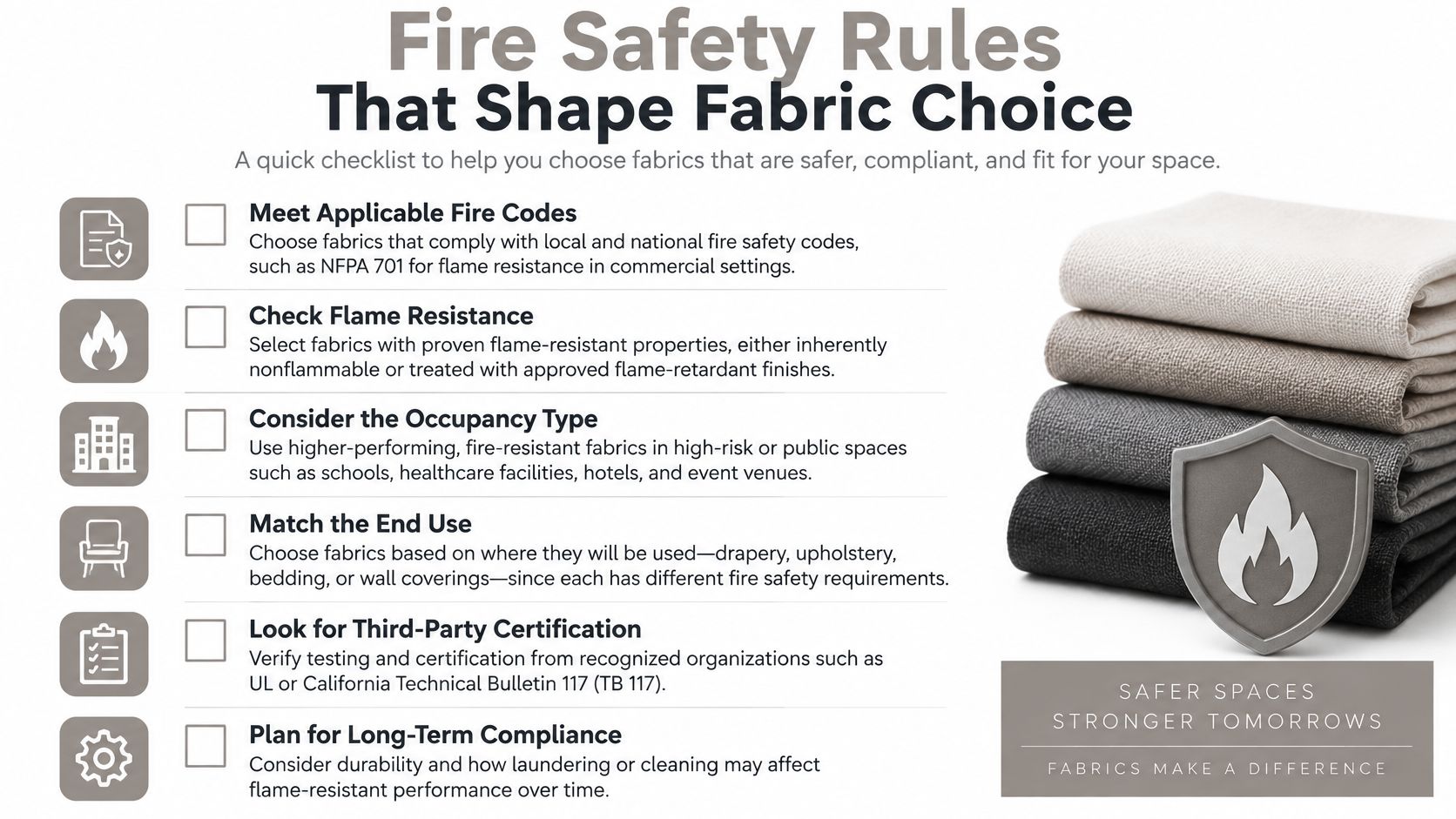
Flammability must be considered through the finished furniture's material build-up, not inferred from a swatch's fiber name. An expensive Belgian linen and a decorative velvet can require different supporting layers even when both look appropriate for the same chair.
In the United States, 16 CFR Part 1640 incorporates California Technical Bulletin 117-2013, as set out in the federal upholstered furniture regulation. That makes fire-safety documentation part of purchasing custom upholstered furniture, not an optional accessory to the aesthetic specification.
Understand What Gets Evaluated
The Consumer Product Safety Commission's upholstered furniture guidance describes four component tests covering cover fabric, resilient filling, barrier material, and decking, with criteria involving char length, smoldering, and transition to open flaming.
A compliant route can use a passing barrier that completely surrounds the filling, or a passing cover fabric paired with passing filling; decking, when present, must also meet its applicable test. These are construction requirements, not reasons to select by textile appearance alone.
California's TB 117-2013 bulletin permits a cover fabric that fails its component test to be used with a barrier or interliner that passes the applicable requirements; it also provides a barrier route for filling that doesn't pass its individual test.
This flexibility matters when specifying decorative textiles for custom chairs or an heirloom frame. The appropriate response to a failing cover test isn't automatically to discard the design choice, but to have the furniture maker establish an acceptable construction.
Ask for a Construction Record
Use these checks before approving production:
- Request build-up documentation. Identify the specified cover, interliner or barrier, filling, and decking rather than accepting a general fire-resistant description.
- Confirm barrier placement. Ask how the barrier encloses the filling and how the maker maintains that arrangement through seams and upholstery details.
- Establish who documents compliance. Clarify what records the furniture maker or upholsterer will provide for the finished work.
- Confirm the applicable setting. Tell the maker where the piece will be sold and installed, particularly for hospitality, workplace, or other commercial projects.
Don't confuse a smolder-resistance requirement with a promise that furniture cannot burn. Keep ignition sources away from upholstered pieces regardless of the specification.
A beautiful outer fabric is a design choice. Its compatibility with the layers beneath it is a construction decision.
Performance Finishes and Their Health Trade-Offs
Performance doesn't automatically mean better for every room. A useful specification separates abrasion resistance, stain release, liquid repellency, and approved cleaning methods instead of treating them as a single benefit.
There are distinct ways to make upholstery easier to live with: durable fibers, compact constructions, removable or washable covers, and chemical finishes that add repellency. A fabric can offer one without offering all the others.
Separate Construction From Chemistry
A 2025 analysis of sofa, curtain, and carpet fabrics examined 30 fabrics, detected 28 PFAS compounds, and reported fluorotelomer alcohol concentrations from 1 to 2,329 micrograms per square meter. Separate household-dust findings associated more upholstered furniture with higher concentrations of several PFAS precursor groups, particularly those linked to stain- and water-resistant treatments.
Those findings don't establish that every treated fabric creates a demonstrable health hazard. They do support asking what treatment is present rather than assuming that every performance label describes the same chemistry.
Finish options and their trade-offs
| Option | Best Fit | Main Trade-off |
|---|---|---|
| Inherently durable fibers such as linen or wool | Formal rooms and long-term pieces, when construction is appropriate | Without repellency, spills may penetrate; stain behavior differs by textile |
| Tight constructions | Heavy-use seating and bar stools | Can feel firmer than softer, more open textures |
| Removable or washable covers | Cushions and family rooms with children | Closures must fit properly; laundering needs explicit approval |
| Chemical stain or water repellents | Homes with pets, frequent spills, or difficult-to-clean seating | Treatments differ; request PFAS information and testing |
| Solution-dyed synthetics | Outdoor and heavy-use pieces | Confirm UV and mildew ratings and any additional finishes |
Untreated linen offers a natural hand but requires tolerance for creasing and prompt spill care. Wool and cotton blends need product-specific cleaning instructions; neither a natural fiber nor a blend automatically makes a finished fabric washable.
Solution-dyed synthetics may suit demanding applications, but the dyeing method doesn't tell you everything about subsequent treatments. Likewise, chemical repellency doesn't compensate for weak construction.
Make the Finish Earn Its Place
For young children, pets, or frequent dining on the sofa, a documented repellent finish may be worth considering. For a formal room or a piece intended for decades of repairable service, an untreated, tightly woven textile can be the more appropriate choice.
Ask the manufacturer:
- Treatment chemistry: Are stain- and water-repellent treatments PFAS-free, and what does that claim cover?
- Testing: What documentation supports the claim for this exact fabric?
- Care: Which cleaning code and products apply?
- Service expectations: What replacement cycle should you anticipate under your intended use, and can covers be repaired or replaced?
Choose the maintenance routine you'll actually follow, not the finish with the broadest promise.
Reupholstery and Heirloom Pieces That Last
Reupholstery starts with a frame assessment, not a fabric purchase. Look for a sound hardwood structure and well-executed joints, including doweled construction, rather than assuming decorative nailheads or a heavy appearance prove quality.
Glue is normal in sound joinery, and staples can legitimately secure upholstery. The concern is a poorly supported structural connection, loose joints, damaged rails, or a frame that relies on inadequate fastening.
A relatively recent couch that's already sagging deserves scrutiny, but age alone isn't a replacement rule. Compare the cost and scope of rebuilding the structure, suspension, and cushions with the value of preserving its proportions or sentimental importance.
Follow the Work Through to Completion
-
Discuss the piece at the Design Studio. Our process begins with a conversation with a Design Studio Associate. Bring photographs, dimensions, and details of any movement, squeaks, or uneven seating.
-
Have its condition assessed. Our experts evaluate structure, fabric, and detailing before recommending work. Agree on repairs before selecting decorative upgrades.
-
Finalize materials and details. Resolve stitching, buttons, tufting, and pattern placement before production begins. Our guide to reupholstering an antique settee offers useful context for a restoration decision.
-
Record the approved construction. Specify the chosen cover, interliner, filling, and decking with the upholsterer, and retain the available assembly documentation.
-
Inspect before acceptance. Compare the finished work with the agreed wear specification, care instructions, and applicable fire-safety documentation. Check seam alignment, cushion fit, and comfortable support.
Reupholstery isn't limited to home makeovers. Office chairs, lounge seating, and antique restoration also benefit from a condition-led decision, although each setting brings different performance demands.
For heirloom-quality furniture, recovering a sound frame can extend working life and keep a usable piece out of landfill. That's a stronger long-term argument than replacing furniture because its cover no longer suits the room.
Choose the Right Fabric for Your Next Project
For buyers comparing luxury furniture in Atlanta, a recognizable maker is a starting point, not a complete specification. Questions about the best luxury sofa brands, designer quality, or how long high-end furniture lasts become more useful when you ask how the particular piece is built, maintained, and repaired.
Custom versus mass-produced furniture isn't a simple quality divide either. Customization earns its value when it solves a real requirement, such as seat proportions, fabric suitability, pattern placement, or a repairable cushion design.
Buy in the Right Order
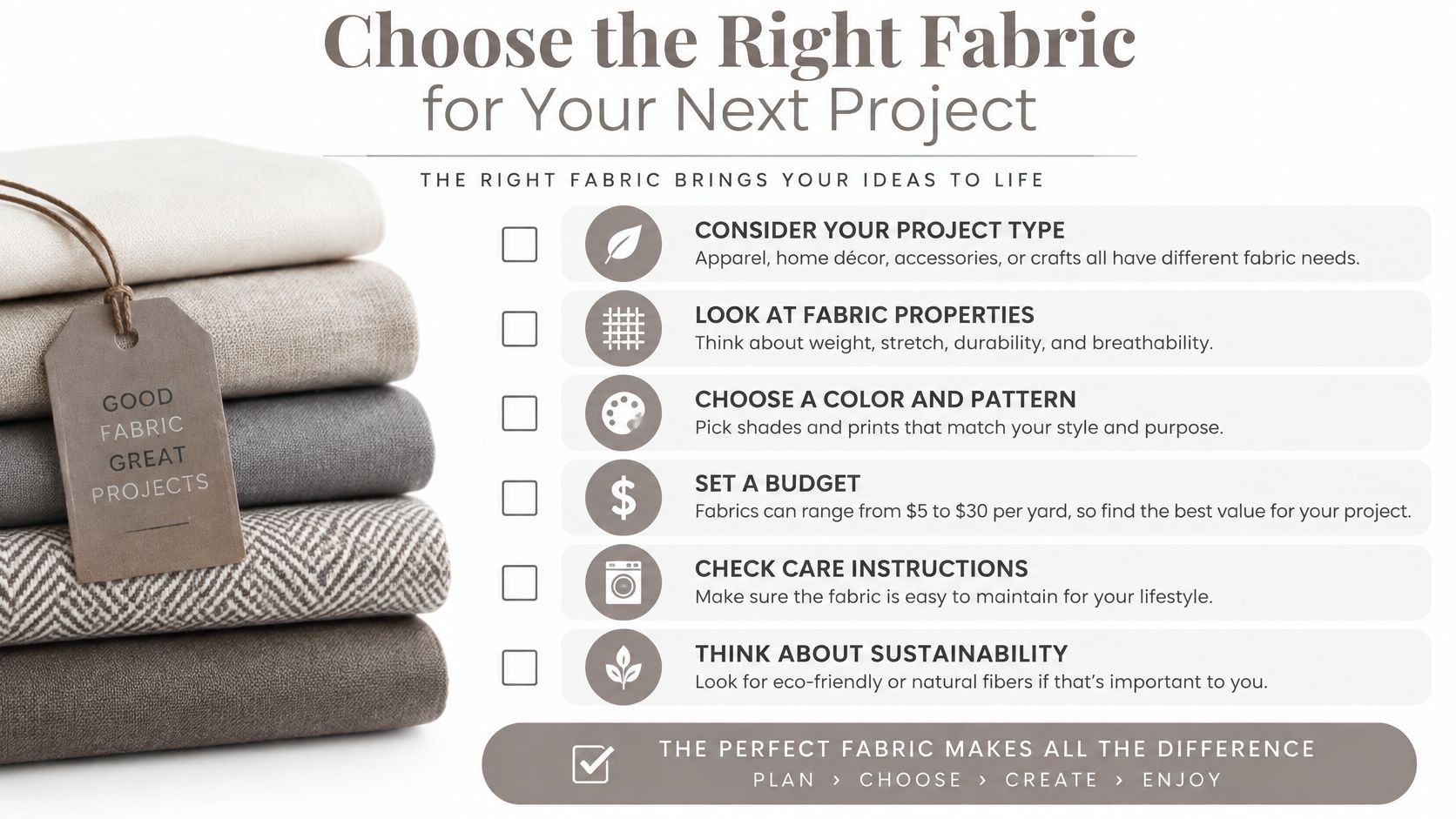
- Sort the pieces by use. Separate heavily occupied seating from decorative surfaces.
- Set the wear requirement. Obtain the mill's abrasion result before approving daily-use cloth.
- Verify the assembly. Resolve cover, interliner, filling, and decking documentation.
- Choose the finish deliberately. Balance cleaning needs with treatment transparency.
- Finish with appearance. Select color, pattern, texture, and manageable care within those practical limits.
Whether you're sourcing luxury furniture for Buckhead, Alpharetta, Roswell, or Sandy Springs, searching for “designer furniture near me” shouldn't end with a photograph. Buyers across Fulton County, North Atlanta, and surrounding markets need samples and construction answers before committing to high-quality couches or other luxury home furnishings.
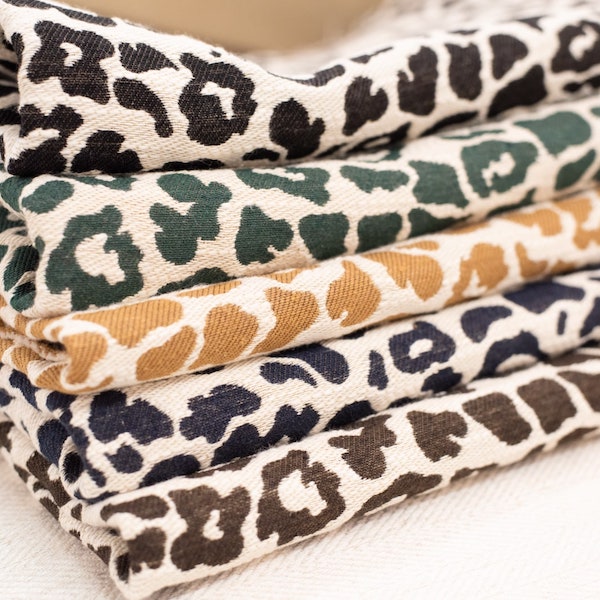
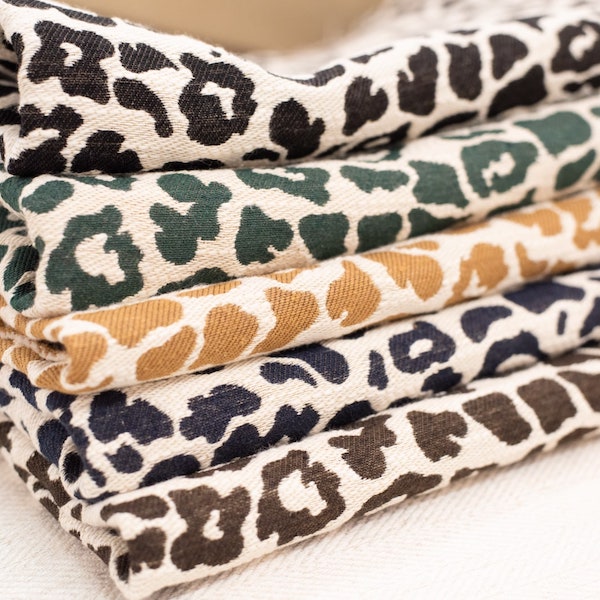
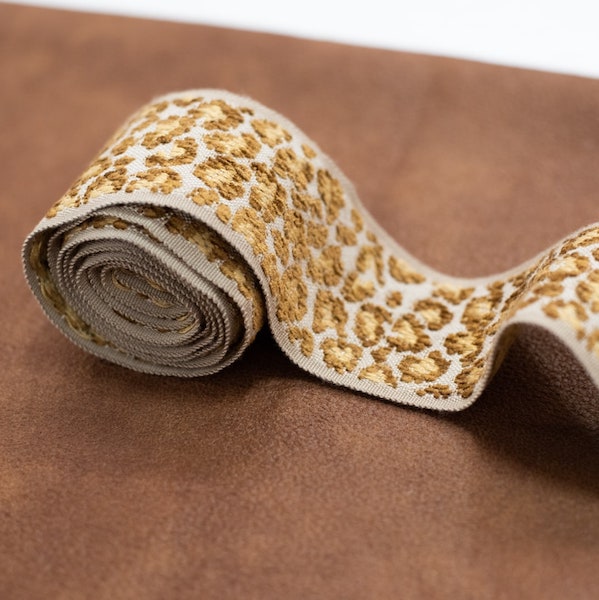
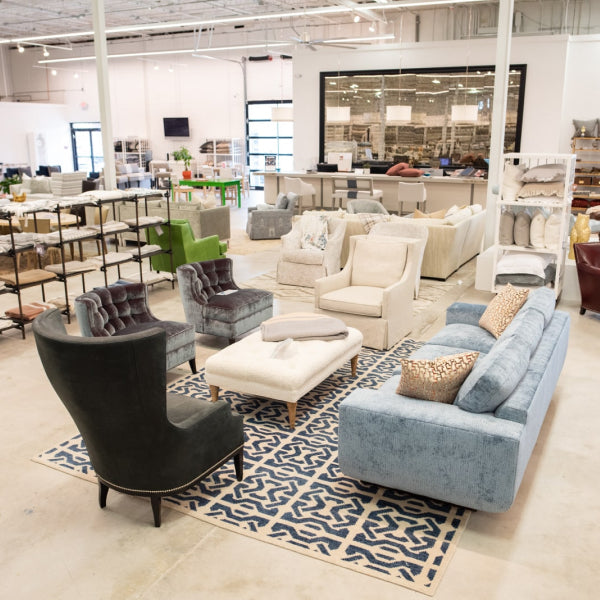
At Lewis and Sheron Textiles, our Atlanta Design Center offers in-stock fabric to buy off the floor, mill selections from Kravet, Fabricut, P. Kaufmann, Libeco Home, and Crypton, made-to-order American-crafted upholstery, and expert reupholstery. Choices span Belgian and heavy linen, performance, outdoor, velvet, drapery lining, solids, and patterns including animal motifs, checks, chevrons, contemporary designs, damask, florals, geometrics, ikat, novelty, paisley, plaid, small-scale designs, and stripes.
Reupholstery options cover custom furniture, accent chairs, armchairs, stools, headboards, dining chairs, love seats, ottomans, kids' recliners, rocking chairs, sofas, and sectionals. In-house design help can assist with coordinating the room; confirm current terms when planning your visit.
Bring photographs and measurements of your piece or room to Lewis and Sheron Textiles to compare fabrics, custom upholstery, and reupholstery options at the Design Center. Request swatches with documented abrasion performance appropriate to your use, and ask for the proposed build-up documentation before committing.