











Fabric abrasion resistance measures how many times a fabric can be rubbed before it wears through, and for luxury home upholstery, 30,000 Martindale cycles or 30,000 Wyzenbeek double rubs is the floor I'd trust for daily use. Anything below that belongs in more careful placements, not on the seat cushions of a high-use sofa.
Why do so many beautiful fabrics fail in the very homes they were supposed to enhance? The answer usually isn't bad taste or even bad luck, it's that buyers choose by hand feel, color, or brand name and never ask the one question that predicts whether the fabric will still look composed after years of sitting, sliding, and living.
Why Your Luxury Fabric Is Failing Sooner Than It Should
A Buckhead homeowner can buy a stunning sofa from a top showroom, choose a refined weave, and still watch the arms flatten and the seat fronts shine too early. The fabric looks expensive on day one, but the test begins when someone uses that piece the way a family does, with repeated sitting, shifting, and contact in the same spots.
The mistake is treating fabric durability like a style choice instead of a performance spec. In practice, fabric abrasion resistance matters more than thread count, weave language, or a polished sales pitch when the goal is long-term wear in high-end furniture and custom upholstered furniture.
Practical rule: if a fabric's durability number isn't clear, assume it's not the right choice for a main living area.
For luxury sofas, premium sectionals, and high-quality couches in Atlanta homes, the visible failure usually starts where the body contacts the upholstery most. That can happen in a formal room that gets used more than expected, or in a family room where the same cushion takes the brunt of everyday traffic. The fabric may still look luxurious from across the room, but up close it's already losing the fight.
There's also a hidden trade-off that showroom language rarely explains. Some textiles feel softer or more delicate because the surface structure is designed for elegance, not punishment. When you shop for designer furniture near me or custom furniture Atlanta, that trade-off deserves more attention than the brand story.
If pilling is part of the picture, it's worth separating surface fuzz from true abrasion wear, because the two problems aren't the same. A useful primer on that distinction is how to prevent fabric pilling, and it pairs well with the durability questions buyers should already be asking.
What Fabric Abrasion Resistance Actually Means
Abrasion resistance is the ability of a textile to withstand surface wear from friction. On a sofa, that friction comes from people getting in and out, shifting position, brushing arms, and using the same seat every day until the surface starts to break down.
The physical idea behind the rating
A shoe can look refined and still fail quickly if it's asked to handle daily pavement, and a fabric can look rich while still being too fragile for a main seating area. That's why luxury home furnishings can't be judged by appearance alone.
The industry measures abrasion in controlled laboratory tests so buyers aren't left guessing. The important point isn't just that a test exists, it's that the test turns wear into a count you can compare against the way you plan to use the furniture.

Martindale and Wyzenbeek are the two names you'll hear most often in designer furniture sourcing. They both describe abrasion, but they use different motion patterns, which is why the number on one report can't be compared casually to the number on another.
A fabric is only “durable” in the context of the test that produced the number.
That's the practical truth most buyers miss. A showroom can say a textile is strong, but if you don't know how the result was generated, you don't know what the number means for a statement furniture piece or an heirloom sofa you expect to keep for years.
Why standardized testing matters
The value of lab testing is consistency. It gives you a baseline for comparing upholstery options across collections, especially when you're choosing for a room that sees real life, not just display traffic.
For custom chairs and luxury sofa brands, the question shouldn't be whether the fabric looks premium. It should be whether the fabric was tested in a way that matches the use case in your home.
A useful source on polyester woven fabrics can help buyers understand how construction and material choice interact with wear, especially when they're weighing appearance against performance in a luxury setting: polyester woven fabrics.
Understanding Martindale and Wyzenbeek Test Methods
The two major test families answer the same basic question, but they do it differently. Martindale is the benchmark many global textile buyers rely on, while Wyzenbeek is common in the United States, especially in upholstery conversations.
Two methods, two motions
Martindale uses a circular rubbing pattern. Wyzenbeek uses a back-and-forth double-rub motion. The difference matters because a fabric can respond differently depending on how the test applies friction, pressure, and movement across the surface.
That's why designer furniture spec sheets should always be read with the test method attached. A number without the method is incomplete, especially for luxury sofas and premium sectionals where buyers expect long service life.
Industry guidance commonly treats fabrics below 1,000 rubs as decorative only, 10,000 to 15,000 rubs as suitable for light domestic use, around 30,000 rubs for daily-use furniture, and 40,000+ cycles for commercial or heavy-duty use. Another industry source notes that fabrics for regular home furniture can survive about 15,000 double rubs, while heavy-duty materials should exceed 30,000 double rubs. Those thresholds are a practical buying standard, not a marketing flourish, and they come from guidance on fabric abrasion testing.
Why numbers don't transfer cleanly
A fabric rated at 15,000 in one method is not automatically equivalent to 15,000 in the other. The test mechanics differ, and the upholstery industry itself recognizes multiple abrasion procedures, including D3884, D3885, D3886, D4157, D4966, and AATCC Test Method 93. ASTM's own listing for D3885 shows that abrasion resistance is a family of methods, not a single universal score, and it covers woven or nonwoven textile fabrics with a flexing and abrasion tester, which is not the same thing as every other upholstery rub test.
The same fabric can also vary widely across repeated testing, by as much as 25,000+ Wyzenbeek double rubs or Martindale cycles across repeated tests, so specifiers should compare fabrics only within the same method and endpoint criteria. That detail matters when you're sourcing high-quality couches or ordering custom upholstered furniture for a house that won't be easy on textiles.
Bottom line: ask for the method first, the number second, and the endpoint third.
How to Read Rub Count Ratings for Home Upholstery
The cleanest way to use a rub count is to match it to the room, not the showroom mood. A guest bedroom chair and a daily-use family sofa don't need the same performance profile, and pretending they do usually leads to disappointment.
Matching the number to the room
A useful practical benchmark is to think in Martindale cycles. About 4,000 to 10,000 cycles is typically treated as domestic decorative use, 12,000 to 30,000 cycles as general domestic seating, and 35,000+ cycles as intensive public-use performance, which makes the cycle count a direct proxy for where a fabric can be safely deployed in real interiors. For a second industry lens, fabrics for regular home furniture may survive about 15,000 double rubs, while heavy-duty choices should exceed 30,000 double rubs.
That means a custom chair in a formal sitting room can live comfortably in a lower range than a main sofa in a Buckhead family room. A dining chair that gets used only when guests come over doesn't need the same protection as a sectional where everyone lands after school.
| Use case | Practical target |
|---|---|
| Decorative accent piece | Lower rub counts can work if contact is limited |
| Guest room seating | Moderate durability is usually enough |
| Main sofa or sectional | 30,000+ is the safer floor |
| Contract or heavy-use setting | Higher-performance ratings matter most |
How this plays out in real homes
A formal dining room in Roswell or Sandy Springs may justify a fabric that's chosen more for elegance than brute strength. A family room in Alpharetta with pets and kids needs a much harder-wearing textile, because the seat fronts and arms will take repeated contact.
The point isn't to overbuild every piece. It's to avoid paying for a fragile textile on a heavily used frame, which is one of the fastest ways to undermine heirloom-quality furniture.

If you're buying from a retailer, ask for the exact method, the endpoint, and the use category. That simple habit separates a true spec from a vague promise, and it's one of the quickest ways to protect a significant furniture investment.

Comparing Fabric Types and Performance Treatments
Materials matter, but finish and construction matter just as much. Buyers often miss that point when they assume a natural fiber is automatically “nicer” or a synthetic is automatically inferior.
Where natural and synthetic fabrics differ
Cotton and linen bring texture and breathability, which is why they appear so often in luxury home furnishings and custom work. Their abrasion performance can still be modest, and uncoated cotton in laboratory testing showed only (9 ± 6) cycles in one study. That is a blunt reminder that visual richness does not guarantee wear resistance.
Polyester usually starts from a stronger baseline, and it can be pushed further through construction and surface treatment. In the same study of polymer-coated cotton and polyester woven fabrics, uncoated polyester measured (225 ± 25) cycles against sandpaper grain 400, while some coated versions were tested to at least 5,000 cycles without damage, more than 20 times higher. The study also found that coatings raised abrasion resistance by at least about one order of magnitude, which makes surface treatment part of the buying decision, not a decorative extra. The findings are laid out in a paper on polymer-coated woven fabrics.
Why finishes can change the buying decision
Surface geometry also matters in ways many showrooms never mention. Roughness-profile metrics such as Rz, Rp, Rv, Rt, and Rku can help assess abrasion resistance, which means the touch and visual finish of a fabric may be tied to measurable durability rather than pure styling preference. A good technical overview of that relationship appears in recent abrasion-resistance research.
That matters for premium buyers because some fabrics are built to keep a softer hand while still improving wear through coatings or engineered construction. Others feel tougher but read too casual for a formal room, so the right choice depends on where the piece will live and how it should sit in the space.
For designers comparing options, a resource on performance fabrics for seating is a useful broad reference point. Lewis and Sheron Textiles also offers guidance in its post on choosing the right performance fabrics, which fits naturally into this durability conversation for Atlanta buyers weighing appearance against wear.
The strongest upholstery is not always the roughest-looking one, and the most elegant fabric is not automatically fragile if the construction is right. Lewis and Sheron Textiles carries a Performance Fabric collection, which gives Atlanta homeowners and designers a practical place to start when they want fabric that looks refined and still handles real use.
Practical Buying and Maintenance Advice for Homeowners and Designers
Durability only pays off if the buying decision is tight and the care is consistent. If the showroom conversation never gets past color, pattern, and price, the fabric may already be on the wrong track.
What to ask before you place the order
Ask for the exact rub count, the testing method, and the endpoint criteria. If the seller can't tell you whether the number came from Martindale or Wyzenbeek, the comparison is weak, no matter how polished the sample card looks.
- Verify the method: Martindale and Wyzenbeek aren't interchangeable.
- Match the room: a formal chair and a daily sofa need different targets.
- Ask about cleaning: stain resistance doesn't replace proper care.
- Check the sample's behavior: feel and look matter, but the number should still support the use case.
Maintenance that actually preserves the finish
Vacuuming with an upholstery attachment helps remove grit that acts like sandpaper on the surface. Spot cleaning should follow the manufacturer's instructions, because harsh cleaners can damage the finish and shorten the life of the textile.
Rotating and flipping cushions evens out wear so one seat doesn't get punished while the others stay pristine. During renovation, heavy entertaining, or other high-risk periods, throws and slipcovers can buy you time without forcing a full reupholstery cycle.
For pilling concerns, a helpful companion piece is choose fabrics that resist pilling, since abrasion and surface fuzz often get confused in buyer conversations. They're related, but they don't fail in exactly the same way.
Practical rule: the best fabric in the world can still wear badly if grit stays on the surface and cushions never get rotated.
Professional cleaning is worth scheduling for high-traffic pieces, especially when the sofa or sectional is the center of the home. That's the kind of upkeep that protects statement furniture pieces and keeps them looking intentional instead of tired.
How Lewis and Sheron Textiles Helps Atlanta Homes and Designers Choose Right
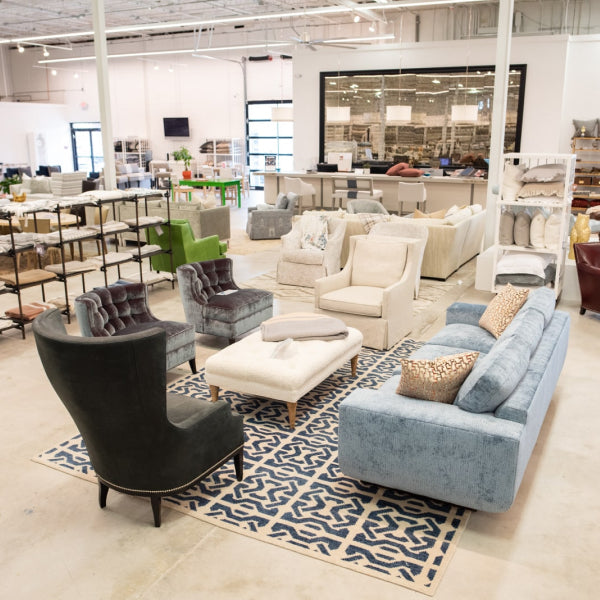
Atlanta buyers don't just need fabric, they need a decision process that fits real homes, real use, and real design expectations. Lewis and Sheron Textiles has served that role since 1944, and the current Design Center gives homeowners and designers a place to compare upholstery, drapery, rugs, trims, and custom work in one visit.
Inside the showroom, shoppers can work through over a thousand in-stock bolts and thousands more cut-yardage options from mills such as Kravet, Fabricut, P. Kaufmann, Libeco Home, and Crypton. The mix matters because a client choosing for custom furniture Atlanta projects often wants more than a fabric swatch, they want a complete plan for luxury sofas, custom chairs, and coordinated room styling that holds up over time.
The fabric conversation also connects to the furniture side. Made-to-order American-crafted upholstery from makers like Verellen, Wesley Hall, LEE Industries, and Ambella gives designers a way to pair the right textile with the right frame, which is exactly where abrasion resistance becomes practical instead of abstract. Reupholstery and custom drapery add another layer of utility for homeowners who want to preserve a cherished piece or finish a room with precision.
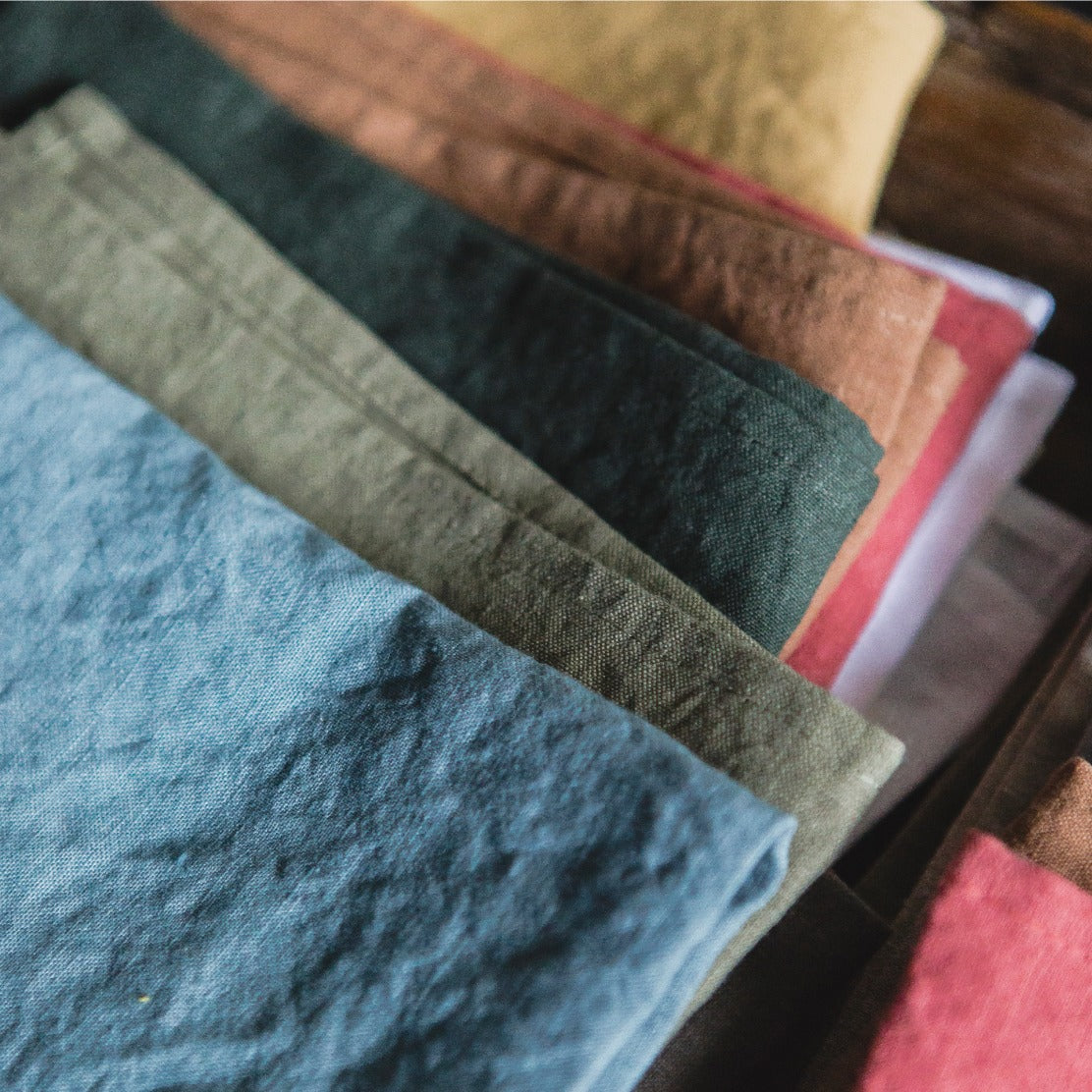
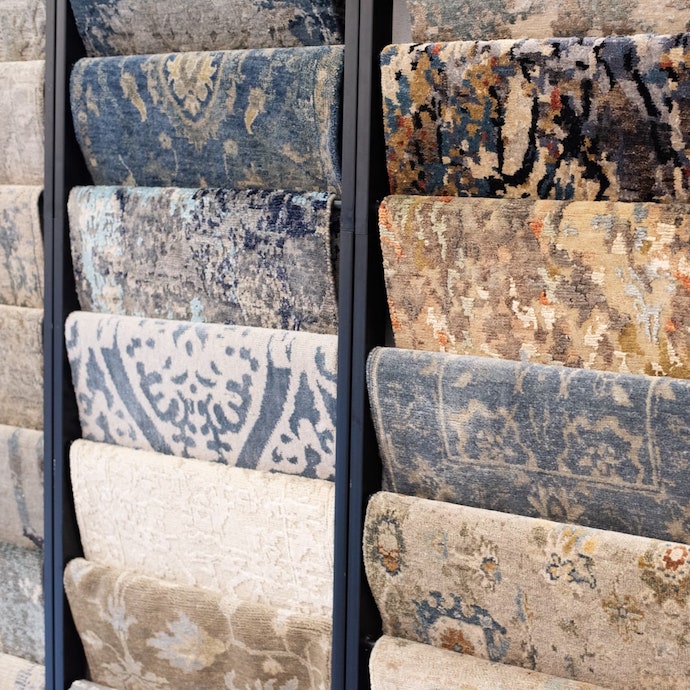
Complementary resources include Belgian linens from Libeco, hand-knotted rugs from Kalaty and HRI, plus trims, pillow forms, and accessories that help a room feel finished rather than assembled. In a market like Buckhead, Alpharetta, Roswell, Sandy Springs, Fulton County, and the wider North Atlanta area, that kind of breadth matters because affluent buyers usually want cohesion, not isolated purchases.
Lewis and Sheron Textiles also offers complimentary in-house designers when you're shopping, which makes it easier to translate a rub count, a weave, or a performance finish into a room that works. For homeowners and interior designers who care about high-end furniture and designer furniture near me searches because they want something lasting, the next step is simple.
Visit Lewis and Sheron Textiles to compare performance fabrics, upholstery options, and custom solutions with a team that understands what it takes for luxury furniture to hold up in real Atlanta homes. If you're planning a new sofa, sectional, or heirloom reupholstery project, start with a fabric conversation that centers on durability first and style second.