









You notice it when the afternoon light hits the arm of the sofa just right. A small fuzz ball sits on the surface of a piece that still feels new, still looks elegant, still anchors the room exactly the way you wanted. For anyone who has invested in high-end furniture, luxury sofas, or custom upholstered furniture in Atlanta, Buckhead, Alpharetta, Roswell, or Sandy Springs, that first pill feels out of proportion to its size.
It matters because luxury is visual. A fabric can still be structurally sound and yet look tired sooner than it should if the surface starts to roughen. That's why buyers searching for designer furniture near me, custom furniture Atlanta, or the best premium sectionals aren't just buying shape and silhouette. They're buying finish, longevity, and the confidence that a room will still feel polished after daily use.
Pilling is common, but it isn't random. It follows friction, fiber quality, weave structure, and how the piece is built and maintained. In practice, the best answer to how to prevent fabric pilling isn't a gadget or a laundry hack. It starts much earlier, with better fabric selection, better construction, and a realistic care routine that protects the investment.
The Enduring Appeal of Flawless Fabric
A pill on a new chair or sofa doesn't usually mean the piece is failing. It means the fabric surface has started reacting to use. On a reading chair, that often shows up first on the front arms. On a sectional, it's usually where people slide into the same seat every evening. On a fitted bed bench, it can appear where textured throws or denim repeatedly rub the face of the fabric.

In luxury interiors, surface condition matters as much as comfort. Statement furniture pieces are supposed to hold their line, color, and texture. When they don't, the room loses some of its clarity. That's especially frustrating for homeowners furnishing primary living spaces, and for designers specifying heirloom-quality furniture that has to perform as well as it photographs.
Why this bothers discerning buyers
People shopping for designer furniture, high-quality couches, and luxury home furnishings are usually making a long-horizon decision. They're comparing custom vs. mass-produced furniture, evaluating what makes a sofa designer quality, and asking how long high-end furniture really lasts.
Pilling gets wrapped into those questions because it looks like wear, even when it's manageable.
Pilling is often a maintenance and materials issue before it becomes a quality issue.
That distinction matters. A well-made piece can still pill if the textile isn't right for the use case. A beautiful, loosely structured fabric may be perfect for a formal room and a poor fit for a busy family den in North Atlanta. The goal isn't to avoid texture or softness. It's to understand where those qualities belong.
What good prevention looks like
For buyers in Fulton County and surrounding luxury markets, the smartest approach is simple:
- Choose with use in mind. A formal accent chair can wear a more delicate textile than an everyday sectional.
- Respect friction zones. Arm fronts, seat decks, cushion crowns, and lumbar areas need fabrics that can tolerate repeated contact.
- Treat fabric care as part of ownership. The same way fine wood needs proper humidity and stone needs sealing, upholstery needs the right routine.
That's the path to keeping a room crisp, refined, and worthy of the investment.
Understanding the Science Behind Fabric Pilling
Pilling starts at the surface, but its underlying cause sits deeper in the fabric's fiber and construction. On a luxury sofa, custom chair, cashmere throw, or designer knit, the process is the same. Loose fibers work free, repeated abrasion lifts them, and friction twists them into small knots that catch the eye long before the piece is fully worn out.
According to REI's guidance on preventing and fixing pilling, friction is the primary driver. In practice, that friction comes from predictable places: the front edge of a seat cushion, the inside arm of a reading chair, a sleeve brushing a desk, or a throw folded and shifted in the same spot every evening.
Abrasion starts the cycle
Pills do not appear randomly. They form where contact repeats.
That is why a back cushion often looks cleaner than the seat deck, and why the crown of a sofa cushion can age differently from its side panels. The fabric is responding to use. High-touch areas experience more rubbing, more fiber breakage, and more visible surface disturbance.
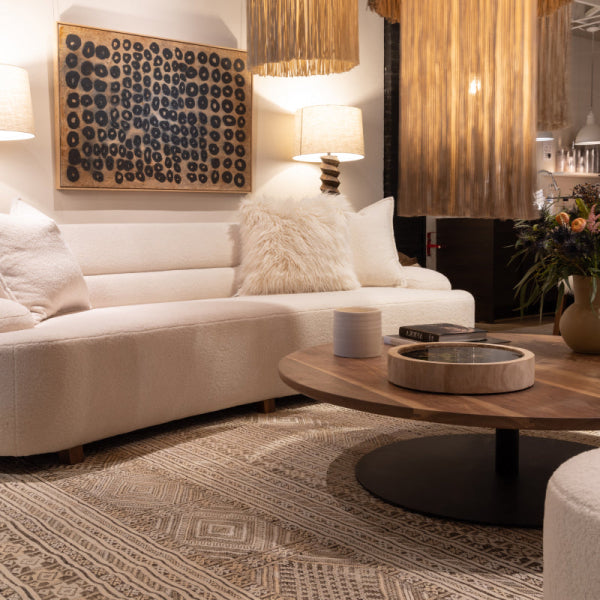
Surface texture plays a role too. Fabrics with a fuzzy, brushed, boucle, or loosely spun face often expose more fiber ends from the start. That can create warmth and softness, but it also raises the maintenance requirement.
Fiber length and yarn quality matter
Long-staple fibers usually hold the surface together better than short fibers. Better yarn formation also reduces the number of ends that can work loose under stress. This is one reason fine upholstery and premium garments often keep a cleaner appearance longer, even before any special finish is applied.
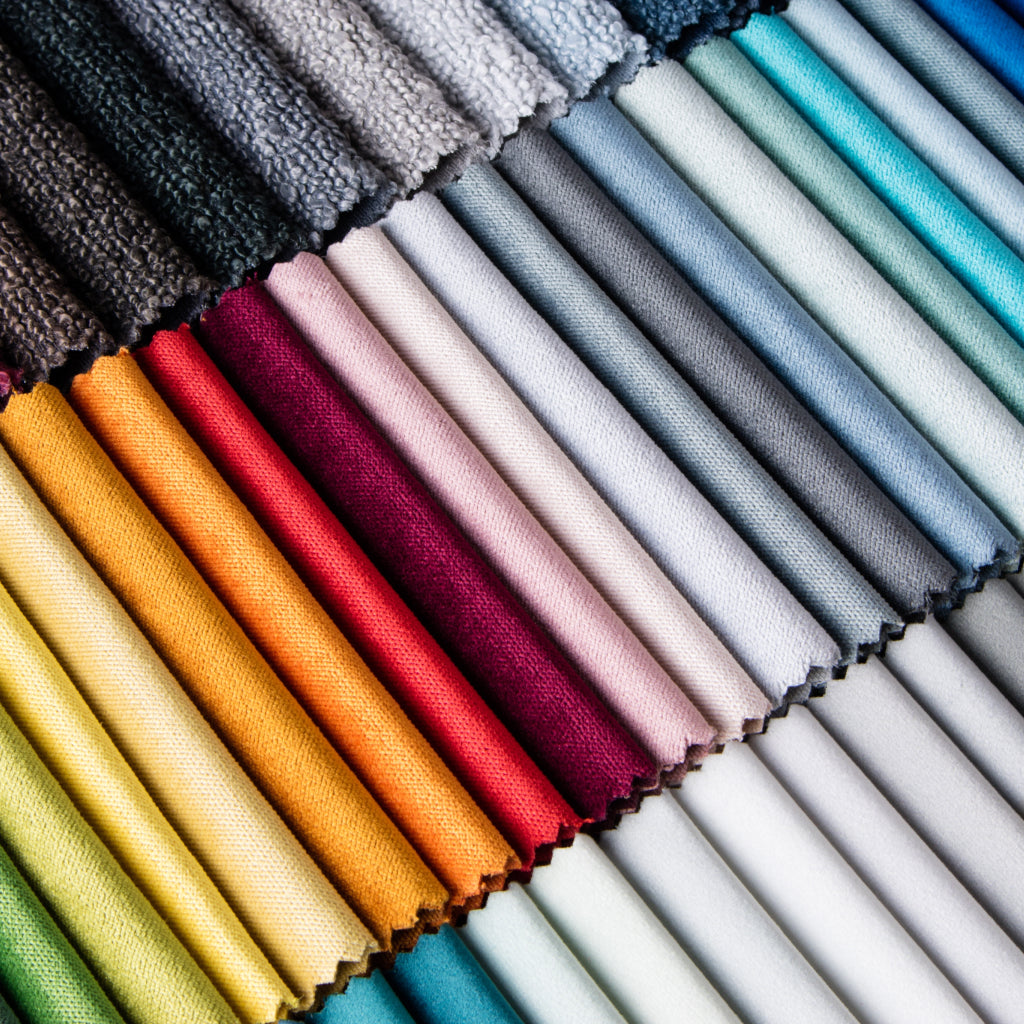
For buyers investing in custom seating or refined textiles, this is the point many mass-market guides miss. Fabric selection is the first defense. A useful reference is this guide to choosing the right upholstery fabric for long-term performance, because pilling resistance begins with the mill, the yarn, and the construction, not with a fabric shaver after the fact.
Practical rule: Ask what the fabric is made of, how the yarn is spun, and whether the construction is tight enough for the way the piece will be used.
Construction often decides how visible pilling becomes
Weave and knit density affect how easily fibers migrate to the surface. A tighter construction usually keeps the face more orderly. A looser construction gives fibers more room to shift, snag, and collect into pills.
That creates a real trade-off in luxury interiors and wardrobes.
- Soft, brushed, or lofted surfaces feel inviting and visually rich, but they often show friction sooner.
- Tighter, cleaner constructions may feel more structured at first, but they usually keep a sharper surface over time.
- Higher-grade fibers and finishing improve performance in both categories, though no fabric is immune if the use is aggressive enough.
Blankets, throws, and layered accessories follow the same rule. That Blanket Co's fabric guide is a useful example of how fiber type changes feel, durability, and surface behavior in everyday use.
Price alone does not guarantee a pill-resistant fabric
Some expensive fabrics pill because their beauty comes from texture, loft, or a relaxed weave. That does not make them poor fabrics. It means they belong in the right setting.
In a formal sitting room, a more delicate textile can be a smart specification. On a family-room sectional or a favorite reading chair, the fabric needs more surface discipline. That distinction matters in luxury retail. The best protection for a high-end piece is not generic care advice. It is choosing a textile whose fiber quality and construction match the way the piece will live.
Choosing Pill-Resistant Fabrics for Lasting Luxury
The most effective way to prevent pilling is to choose fabrics that are built for the way the piece will be used. That matters even more when you're buying luxury furniture + city style pieces in Atlanta, Buckhead, Alpharetta, or Roswell, where buyers often want a room that looks collected and polished, but still stands up to real life.
For custom upholstered furniture, material selection is the first filter. If the textile is wrong, no aftercare routine will fully compensate for it.

What performs best on luxury sofas and sectionals
Performance upholstery has become a serious option for design-driven rooms because it no longer looks clinical or flat. According to LS Fabrics on upholstery materials, performance fabrics from mills like Kravet, Fabricut, and Crypton maintain fiber integrity under 500+ double rubs of abrasion, which makes them especially useful on premium sectionals, family-room seating, and other high-contact applications.
That doesn't mean every performance fabric feels the same. Some read crisp and refined. Others mimic linen, chenille, or wool. The point is that the best ones combine polish with a tighter, more durable surface.
A few categories consistently make sense for high-consideration buyers:
- Performance blends: Best for high-use seating where appearance and ease need to coexist.
- Dense woven linens and linen blends: Strong visual texture, but best when the weave is controlled and the quality is high.
- High-performance synthetics and microfibers: Useful when you want a refined hand with stronger resistance to daily abrasion.
- Structured wool textiles: Often excellent for occasional chairs and statement pieces when properly specified.
For readers comparing throw, bedding, and apparel textures across the home, That Blanket Co's fabric guide is also a useful reference for understanding how different fibers feel and perform in daily use.
The appeal of bouclé and other statement textures
Texture isn't the enemy. Poor matching between texture and use is.
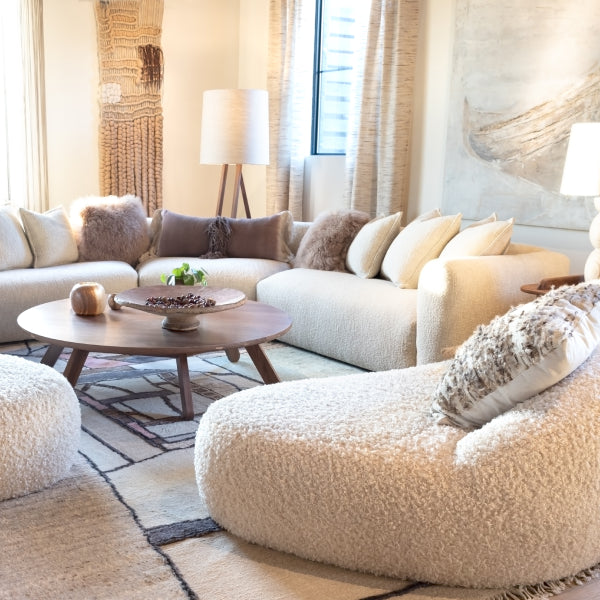
Luxury wool bouclé remains popular because it adds depth and sculptural presence to a room. In well-made upholstery, it's also valued for durability, stain resistance, fade resistance, and a twisted fiber structure that naturally resists pilling, as discussed in this look at upholstery in Atlanta.
That makes bouclé a strong candidate for statement furniture pieces where shape and textile are meant to work together. Still, even a resilient textured fabric deserves smart placement. A sculptural chair in a sitting room and a TV-room chaise don't ask the same thing from a textile.
Upholstery Fabric Pilling Resistance Guide
| Fabric Type | Pilling Resistance | Best For |
|---|---|---|
| Performance upholstery from mills like Kravet, Fabricut, and Crypton | High | Luxury sofas, premium sectionals, family rooms |
| Dense woven linen or linen blend | Moderate to high | Designer chairs, tailored benches, lower-friction seating |
| Luxury wool bouclé | High when well specified | Statement chairs, sculptural sofas, formal living areas |
| Loose fuzzy textiles | Lower | Accent use, lower-traffic rooms |
| Budget mixed-fiber upholstery with open weave | Lower | Short-term or low-priority applications |
Selection questions worth asking before you order
When shoppers search custom furniture Atlanta or best luxury sofa brands, they often focus on silhouette, cushion fill, and lead time. Those matter, but they shouldn't crowd out the fabric questions.
Ask these instead:
- Where will friction happen most? Seat fronts, arm caps, and cushion crowns deserve the toughest specification.
- Is the weave tight or open? Dense construction usually gives you a cleaner surface over time.
- Does the fabric match the room's real use? Formal living room, media room, office lounge, and bedroom bench all need different answers.
- Will the texture age attractively? Some fabrics soften beautifully. Others roughen.
For a deeper look at evaluating upholstery before you commit, this guide to choosing the right upholstery fabric is worth reviewing.
The bottom line is straightforward. If you want high-quality couches, custom chairs, and designer furniture near me purchases to stay elegant, choose fabrics that defend themselves structurally, not just visually.
Preserving Your Custom Upholstered Furniture Day to Day
Once the right fabric is in the room, daily care decides how long it keeps its smooth finish. Often, many otherwise beautiful pieces begin to decline at this point. Not because the furniture is poor, but because friction builds in the same places, week after week, without interruption.

A sensible routine is enough for most custom upholstered furniture. You don't need fussy rituals. You need consistency.
Habits that protect the fabric surface
Start with contact points. Arms, seat decks, front rails, and the top faces of loose cushions collect loose fibers first.
Use these maintenance habits:
- Vacuum gently and regularly. A soft brush attachment lifts surface lint and debris before it knots into pills.
- Rotate cushions. Seat and back cushions wear more evenly when the same panel isn't taking the same pressure every day.
- Keep rough textiles in check. Heavy throws, coarse decorative pillows, and clothing with abrasive seams can create repeated rubbing.
- Address loose fibers early. Light surface fuzz is easier to manage than mature pilling.
These are small moves, but they preserve the appearance of designer furniture better than is commonly expected.
Construction affects pilling more than buyers realize
The frame under the upholstery matters. According to this discussion of high-quality furniture construction, solid wood frames in high-end luxury sofas are built to last 25+ years and reduce fabric stress because a rigid frame limits shifting and friction.
That's one reason well-built furniture tends to age better visually. The upholstery isn't constantly being dragged out of alignment by a frame that flexes too much. Less movement underneath means less stress on the textile above.
A fabric can only perform as well as the seat and frame support it.
For buyers comparing custom vs mass-produced furniture, this is one of the clearest distinctions. Designer-quality upholstery isn't only about a prettier fabric. It's about stable architecture.
Where owners usually go wrong
Most wear problems come from neglecting the obvious zones:
- The favorite seat never gets rotated.
- Dust and lint are left to accumulate.
- A rough throw lives in one spot for months.
- Minor fuzz is ignored until the surface looks tired.
If you own luxury sofas, premium sectionals, or heirloom-quality furniture, care should be built into the room's normal rhythm. For more practical upholstery maintenance advice, this upholstery care guide is a helpful reference.
Done correctly, daily care doesn't feel like work. It feels like stewardship.
Proper Laundering to Keep Textiles Looking New
Furniture gets most of the design attention, but washable textiles often show pilling first. Sweaters, throws, bedding, and Belgian linen accessories all take friction from washing machines, zippers, overloaded loads, and aggressive drying cycles. If you want a clear answer to how to prevent fabric pilling on these pieces, laundry habits matter.
The rules are not complicated. They just need to be followed every time.
The laundry settings that reduce damage
According to Arm & Hammer's article on pilling on clothes, cold water below 30°C and gentle wash cycles reduce fiber damage by up to 45%, while turning clothes inside out and avoiding overstuffing the washer can cut abrasion-related pilling by 50–60%.
Those are meaningful differences in everyday care. They apply especially well to knitwear, bedding, throws, and lighter decorative textiles.
Here's the short version:
- Use cold water. Heat weakens fibers and encourages more wear.
- Choose gentle cycles. Lower agitation means less surface friction.
- Turn items inside out. That protects the visible face of the textile.
- Don't crowd the drum. Fabrics need room to move without grinding against one another.
Sorting matters more than most people think
A fine knit or linen pillow cover should never be washed with abrasive basics like items with hard trims or heavy seams. The same goes for sheets and throws. One rough item in the load can do more damage than the detergent itself.
Good sorting looks like this:
- Delicates with delicates
- Heavier cottons with heavier cottons
- Zippers and closures fastened before washing
- Powdery or residue-prone products avoided when a gentler liquid option is available
For bedding specifically, this guide to avoiding fuzz balls is a useful companion read because sheets often pill from repeated wash friction long before people realize their routine is the problem.
Drying is where many luxury textiles lose ground
Air drying remains the safest default for pilling-prone pieces. It avoids the tumbling and heat that roughen the surface. If you must use a dryer, stay conservative. Lower heat and shorter cycles are far easier on the cloth than running everything until it feels bone dry.
This is especially important for:
- Throws and blankets
- Decorative shams
- Fine knit garments
- Lighter linen and cotton blends
If a textile already feels soft and refined in your hands, don't subject it to the harshest setting in the house.
That principle protects both appearance and hand feel.
A practical care standard for luxury linens and garments
If you want washable textiles to keep pace with the room around them, use a routine that respects the fabric:
- Wash cool.
- Reduce friction.
- Separate by weight and texture.
- Skip overloaded cycles.
- Dry with restraint.
For linen-specific care, these linen care instructions are worth bookmarking. Good laundering won't make a weak textile strong, but it will keep a strong textile looking the way it should.
Safely Removing Pills and Knowing When to Call an Expert
Once pills appear, the goal is to remove them without scarring the fabric underneath. That sounds obvious, but it's where people do the most damage. They scrape too aggressively, press too hard, or keep shaving the same spot until the surface thins.
A conservative hand always wins.

The safest DIY removal methods
A fabric shaver is usually the cleanest option for broad, light-to-moderate pilling. Keep the fabric taut and use quick, even passes. Don't bear down. According to Downy's sweater care guidance, a fabric shaver can be effective, but misuse carries a 15% risk of surface damage.
A sweater stone is another good option, especially for surface pills that sit on top of the cloth rather than deep within it. The idea is to cut the knot holding the lint cluster, not grind the fabric itself.
Safe removal usually follows this sequence:
- Flatten the textile first. Wrinkles invite mistakes.
- Test a hidden area. Some fabrics react differently than expected.
- Use light pressure. Let the tool do the work.
- Stop once the surface looks clean. Chasing perfection can create thinning.
If you also care for plush blankets and specialty throws, this article on how to wash Luxe Cuddle blankets is helpful because it reinforces how easily soft surfaces can be damaged by rough handling.
When DIY stops making sense
A little pilling on a sweater or throw is one thing. Repeated pilling on a treasured sofa arm, a seat deck, or a custom chair usually points to a bigger issue. The fabric may be wrong for the use. The cushion may be creating excess drag. The upholstery itself may no longer be distributing tension well.
That's when surface treatment becomes a temporary fix rather than a real solution.
Call a professional when:
- The same area pills repeatedly after cleanup
- The fabric is thinning, not just fuzzing
- The piece has structural or seam-related stress
- The furniture has sentimental or design value worth preserving
Why expert upholstery changes the outcome
Good reupholstery isn't cosmetic. It corrects the full system: textile selection, seam handling, tension, and wear distribution. That matters enormously for luxury couches, custom chairs, and older statement furniture pieces that deserve another life.
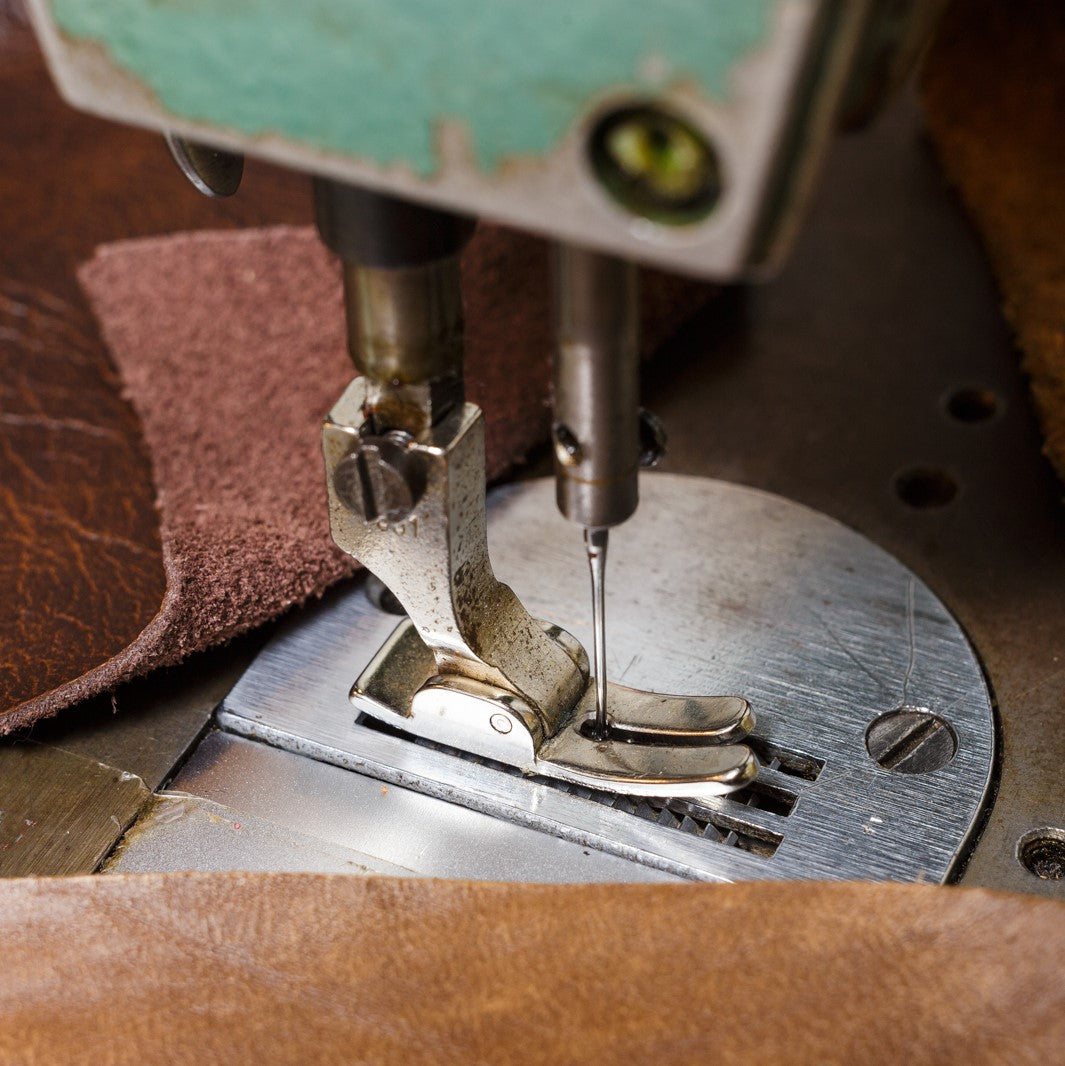
Custom upholstery from makers like Verellen and Wesley Hall uses 12+ stitches per inch and reinforced seam construction to minimize fabric tension and friction points, which directly helps prevent pilling in luxury seating, as noted in the earlier upholstery discussion.
That's a key threshold for decision-stage buyers in Atlanta and surrounding affluent markets. If the frame is worth keeping and the silhouette still belongs in the room, renewal is often the smarter move than replacement. It protects the design integrity of the piece and gives you another chance to specify a fabric that suits how you live.
The best repair decision isn't always the cheapest one. It's the one that preserves a piece you'd regret losing.
For homeowners in Sandy Springs, Buckhead, Alpharetta, Roswell, and greater North Atlanta, that often means treating reupholstery as an upgrade in craftsmanship, not just a correction.
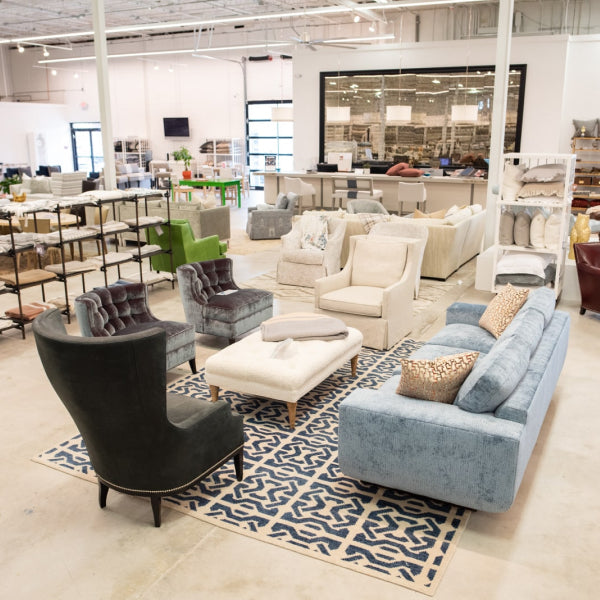
If you're investing in furniture that should look exceptional for years, Lewis and Sheron Textiles is a strong place to start. Their Atlanta design center offers premium upholstery fabrics, custom furnishings, and expert reupholstery for homeowners and designers who care about durability, craftsmanship, and upscale interiors.