





















You know the feeling. You've seen a dozen beautiful bedrooms online, visited showrooms around Atlanta, and still nothing feels quite right for your own home. The scale is off. The headboard is too short for the ceiling height. The upholstery color works under retail lighting but falls flat in your room. Or the frame looks polished at first glance and generic the moment you live with it.
That's usually when a client starts asking about a bed custom made for the space instead of another compromise pulled off a floor.
In Buckhead, Alpharetta, Roswell, and Sandy Springs, the bedroom often has to do more than hold a mattress. It has to anchor the room, relate to the architecture, support your specific sleep style, and feel consistent with the rest of the home's furnishings. A proper custom bed does that. It isn't just a larger catalog order. It's a design decision tied to proportion, material, comfort, and longevity.
Beyond the Showroom Floor Why Choose a Custom Bed
The biggest mistake I see is confusing customizable with custom. Many retailers let you choose a fabric, maybe switch the leg finish, and call it bespoke. That's configuration. Real customization starts with the essential specifications of the piece: dimensions, headboard height, storage, and support system.

That distinction matters because buyers are asking for furniture that fits a specific life, not just a style board. The global custom furniture market is projected to grow from $35.6 billion in 2024 to $57.9 billion by 2033 according to research on configurable furniture demand. That doesn't mean every custom piece is wise. It means more clients are pushing past one-size-fits-all furniture and asking better questions.
What custom solves that showroom pieces usually don't
A well-designed custom bed can correct problems that mass-market beds rarely address well:
- Proportion to the room: A tall headboard can balance generous ceiling height. A lower profile can keep a modern room feeling clean instead of crowded.
- Exact mattress fit: This matters more than people think, especially when the mattress is oversized, unusually deep, or part of a layered bedding system.
- Function hidden inside the design: Storage, integrated support, and custom bed height all affect daily use.
- Material consistency: The bed can relate to your drapery, wall finish, rugs, and adjacent seating instead of looking imported from another house.
A custom bed earns its keep when it solves a spatial or functional problem at the same time it elevates the room.
For clients weighing mattress and bed decisions together, I often suggest reading about the end sleep compromise. It's a useful reminder that comfort itself can be customized, not just the appearance of the frame.
Why heirloom quality matters
A bed is one of the few furniture pieces you use every day and see first and last. That changes how I evaluate value. A custom bed should have enough integrity to justify reupholstery later, enough design discipline to survive changing trends, and enough construction quality to avoid wobble, fabric sag, and awkward scale after a short honeymoon period.
That's also why custom work often makes more sense than buying “designer-looking” retail furniture. There's a practical difference between furniture made for shipping efficiency and furniture made for a specific home. If you're comparing those paths, this discussion of custom upholstery vs retail furniture is a useful place to sharpen the questions before you commit.
Defining Your Vision and Measuring for Success
Before fabric memos and finish samples come out, the room has to be measured correctly. Not approximately. Correctly. Most expensive mistakes in custom furniture happen before production begins.

When I'm helping a client define a bed custom made for their home, I look at three layers at once: the bed's footprint, the room's visual balance, and the path required to deliver the piece into the space. A bed can be perfect on paper and impossible on install day if no one checked the stair hall turn.
Start with the room, not the bed
Measure the bedroom wall where the bed will sit, then measure the room width and depth. After that, look beyond the footprint.
Ask these questions:
- How much breathing room should remain at each side? That affects whether the room will feel well-fitted or cramped.
- How tall can the headboard go before it fights the windows, art, or molding?
- What mattress height do you want once bedding is on? That changes the rail height and the visual weight of the base.
For clients who need a quick reference before a design meeting, understanding bed dimensions is a useful starting point. It won't replace a designer's field measure, but it helps clients speak the same language.
The measurements people forget
These are the measurements that save projects:
- Entry doors: Measure width and height, including hardware that cuts into clearance.
- Stairwells: Check width, landings, rail projections, and ceiling angles.
- Elevators in condos: Interior depth, width, and door opening all matter.
- Tight corners: One awkward pivot can determine whether a headboard ships whole or in sections.
Practical rule: If the delivery team has to “figure it out later,” the design team didn't finish the planning.
Precision matters in the build, not just the drawing
For wood bed frames, the technical weak point isn't the stain or paint. It's dimensional accuracy and squareness. Bosch's build guidance notes that the frame has to match the mattress exactly and maintain precise 90-degree corner geometry so the side walls, headboard, and footboard align correctly during assembly, as outlined in this bed frame construction guide.
That principle applies whether a frame is fully exposed wood or hidden under upholstery. If the underlying structure is off, everything reads slightly wrong. The mattress may shift, the rails may telegraph unevenness, and the upholstered panels won't sit as cleanly as they should.
A designer's pre-approval checklist
Before approving a custom bed, I want these decisions settled:
| Item | What to confirm |
|---|---|
| Mattress | Exact size and depth |
| Headboard | Height, width, shape, wall placement |
| Base style | Platform, rails, box spring use, slat system |
| Access | Delivery route into the room |
| Bedding | Whether sheets and coverlets need extra depth or specific drop |
A beautiful bed starts with vision. A successful one starts with measurements.
Choosing the Right Frame Style and Materials
The frame determines the architecture of the bed. Upholstery and bedding may catch the eye first, but the frame controls the presence, comfort, and usefulness of the piece over time.

In high-end homes across North Atlanta, I usually narrow the frame conversation by lifestyle before style. If a client wants a room that feels restrained and architectural, a platform silhouette often makes sense. If the room needs gravity and ceremony, a four-poster or winged headboard may be the right move. Both can be excellent. Both can be wrong in the wrong setting.
Comparing the main frame directions
Here's the short version I give clients early in the process:
| Frame style | Works well when | Watch out for |
|---|---|---|
| Platform bed | You want a cleaner, lower profile and strong horizontal lines | It can feel too visually low in rooms with tall ceilings |
| Four-poster bed | You want a statement piece with strong vertical presence | It needs space and disciplined proportions |
| Wingback bed | You want softness, enclosure, and an upholstered focal point | Overscaled wings can crowd narrower rooms |
| Sleigh or curved forms | You want traditional shape and sculptural volume | Curves require more floor presence than people expect |
A modern Alpharetta bedroom with large windows and restrained millwork often benefits from a platform or custom-fit upholstered frame. A Roswell home with richer architectural detailing can carry a more traditional silhouette without strain.
Wood frame versus upholstered frame
This choice changes both look and maintenance.
Solid wood frames bring clarity. You see joinery, grain, edge detail, and finish tone. They're ideal when the room already has texture elsewhere, such as drapery, rugs, and layered bedding. Wood also tends to age in a straightforward way. A nick can become character if the species and finish were chosen well.
Fully upholstered frames bring softness and visual depth. They absorb sound better, feel warmer, and let you introduce color, pattern, or texture at a larger scale. They're often the better answer when the bedroom needs comfort without losing polish.
A hybrid approach can be excellent too. Wood legs with an upholstered headboard, for example, can keep a bed from feeling too heavy.
Comfort and accessibility change the specification
A custom bed shouldn't be treated as decoration alone. Height, support, and adjustability can matter for mobility and long-term comfort. SonderCare emphasizes that customization can bridge design and ergonomic support by tailoring bed height, support, and optional adjustable features for health and aging-in-place needs, as described in their overview of customized support-focused beds.
That matters in real projects. A very low platform may look sharp in a photo and feel frustrating in daily use. An overly tall bed may read luxurious and become awkward for someone with knee or hip limitations.
The right frame style is the one that suits the room and the person using it. If it only does one of those jobs, it isn't resolved.
Construction details that deserve more attention
When clients ask what separates heirloom-quality furniture from decorative furniture, I look at structure first. Rail attachment, slat support, center support, corner integrity, and how upholstery is applied all matter more than ornate detailing.
If your project includes upholstered components beyond the bed itself, it also helps to understand foundational construction methods such as 8-way hand-tied furniture support. It's not a bed-frame method in itself, but it sharpens your eye for how serious furniture is built and why better structure feels different over time.
The Art of Selecting Luxury Upholstery Fabrics
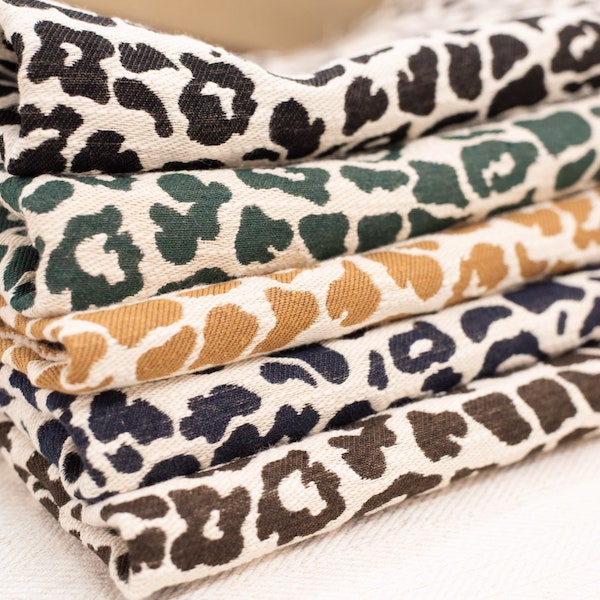
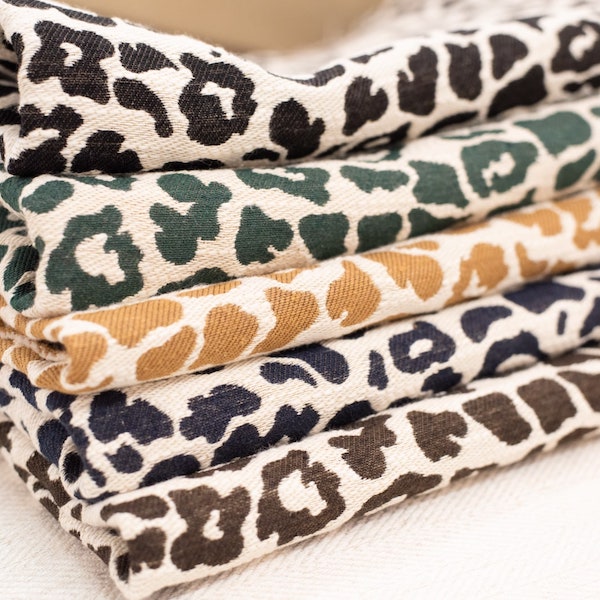
The fabric choice is where a custom bed becomes personal. The frame gives the piece its bones. Upholstery gives it mood, temperature, and character.

This is usually the point where clients want to lead with color. I understand that impulse, but color is only one variable. I'm looking at hand-feel, weave, sheen, seam behavior, cleanability, and how the textile reads in morning light and lamplight. A fabric that looks refined on a sample card can become flat, shiny, or overly casual once stretched across a tall headboard.
Choose texture before you choose drama
For a bed custom made in a primary suite, texture often does more work than pattern. Linen, velvet, cotton blends, bouclé-like surfaces, and performance fabrics all create different moods.
A few practical pairings:
- Belgian linen look: relaxed, neat, and excellent in quieter rooms.
- Velvet or plush pile: rich, dressy, and useful when the room needs depth.
- Performance upholstery: smart for homes with pets, children, or frequent use.
- Tight woven solids: crisp and architectural, especially on more modern forms.
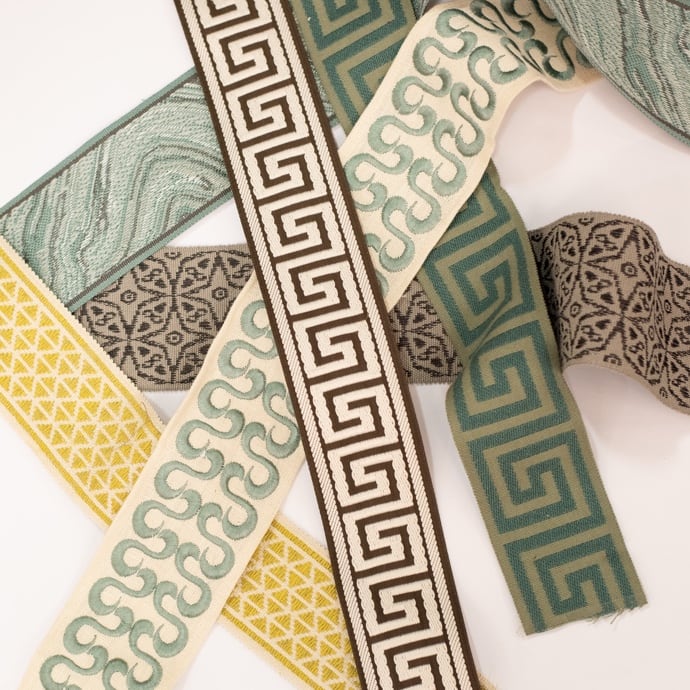
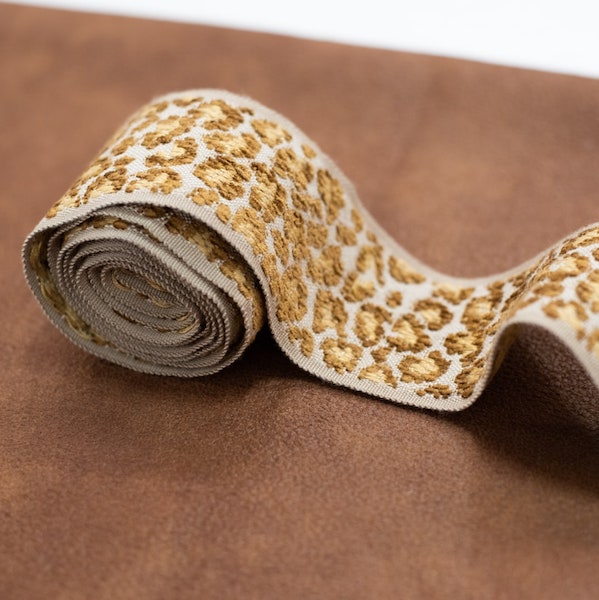
The detail work matters just as much. Channel stitching gives rhythm. Tufting adds depth but can shift the style traditional if overused. Welting sharpens edges. Nailhead trim can work beautifully, but only when it belongs to the architecture of the room.
Why lead time is part of the value
Personalized beds are not a new luxury invention. The tradition goes back much farther than commonly recognized. The earliest known mattress dates to about 77,000 years ago and used layered reeds, and contemporary handcrafted beds still carry that tradition forward. One artisan collection cited by Bedshed notes that each bed is made-to-order in 10 to 12 weeks and handcrafted in Hickory, North Carolina, as described in this piece on the history of mattresses and custom production.
That lead time tells you something important. Good work takes sequencing. Fabric has to be selected, cut, aligned, upholstered, and finished around a specific frame rather than forced into a standard template.
A luxury fabric is only a good choice if it still looks composed after daily contact, changing light, and ordinary wear.
What works in real bedrooms
The best upholstered beds usually avoid two extremes. They don't disappear into the room, and they don't scream for attention from every surface. The fabric should support the architecture and relate to the bedding, rug, and window treatments without turning the room into a sample book.
For clients sorting through those decisions, this guide on how to choose upholstery fabric is a practical reference for balancing texture, durability, and design intent.
Budget Timeline and Working with a Designer
A custom bed budget usually gets set in one of two ways. The first is by starting with a target number and fitting the design inside it. The second is by defining the bed you want, then pricing the construction, upholstery, and installation required to build it properly. For high-end bedrooms, the second approach produces fewer disappointments.
Custom work costs more because more is being decided before a single rail is cut. The shop is not pulling a standard frame from inventory. It is building around your mattress, your room, your preferred height, your fabric, and the details that make the piece feel resolved rather than close enough.
Buyers already accept broad price differences in the sleep category when specification changes. Analysts at NapLab found that hybrid and specialty mattresses sit in higher price ranges, according to mattress pricing data from NapLab. A well-built custom frame belongs in that same conversation. It is part of the sleep system, and often the part that stays in the home longest.
What drives the cost
Two beds can look similar in a photo and price out very differently once the workroom reviews the build. Cost usually moves for four practical reasons:
- Frame construction: Hardwood species, rail thickness, joinery method, and finish process all affect labor and durability.
- Upholstery requirements: Fabric grade matters, but so do repeat size, pattern matching, pile direction, and the amount of waste a design creates.
- Detail and shaping: Tufting, channels, wings, curved profiles, nailheads, welt, and trim each add labor hours.
- Build complexity: Storage bases, adjustable-base compatibility, split headboards for stair access, and custom dimensions require more engineering.
Here is the trade-off I walk clients through in Atlanta all the time. If the budget needs discipline, simplify the silhouette before you cheapen the materials. A clean headboard in a strong fabric over a solid frame will age better than an overdesigned bed built to hit a number.
How to work well with a designer
The strongest projects start with clear constraints. Bring room dimensions, mattress specifications, inspiration images, and a realistic budget range. Bring photos of the path into the home too. In older Atlanta houses, stair halls, tight landings, and elevator limits can shape the construction as much as the design does.
A productive consultation should answer questions like these:
- What is the frame made of? Visible finish materials and hidden structural materials should both be specified.
- How is the bed supporting the mattress? Slats, platform build, center supports, and adjustable-base clearance need to match the mattress you own or plan to buy.
- Will the bed be built in sections? That matters for delivery, installation, and future moves.
- Can the upholstery be replaced later? Reupholstery potential often separates heirloom construction from disposable furniture.
- What approvals are required before production starts? Final measurements, fabric approval, finish samples, and shop drawings should be clear before the deposit is released to fabrication.
Good designers also protect clients from expensive mistakes. They catch scale problems, notice when a patterned fabric will fight the drapery, and ask whether the headboard height still makes sense once pillows are stacked and art is hung.
Timeline expectations
The calendar usually has three phases. First comes design development and pricing. Then approvals and material ordering. Fabrication starts after those decisions are complete, not while they are still being debated.
That distinction matters.
If the bed needs to arrive for a renovation install, a holiday guest room, or a primary suite reveal, start earlier than instinct suggests. Custom schedules can shift because a fabric goes on backorder, a finish sample needs revision, or a headboard detail looks different at full scale than it did on paper.
For Atlanta clients trying to coordinate the bed with drapery, seating, wall color, and other custom pieces, Lewis and Sheron Textiles is useful because the process can stay in one place. Clients can review upholstery options and made-to-order furnishing details through the Design Center, which makes it easier to keep the bed aligned with the rest of the room instead of treating it like an isolated purchase.
Frequently Asked Questions About Custom Beds
Is a custom bed worth it compared with a high-end retail bed
Yes, if you need it to solve more than one problem at once. A custom bed is usually worth it when standard retail dimensions don't fit the room well, when the mattress requires a specific support setup, when you want upholstery or wood finishes tied to the rest of the home, or when the bed needs to carry real visual weight as a statement piece.
If your room is straightforward and your preferences are standard, a retail option can be perfectly sensible. Custom work makes the most sense when fit, proportion, and finish need to be intentional rather than approximate.
What's the difference between custom and customizable
Customizable usually means you're choosing from preset options. Fabric A instead of Fabric B. Leg finish one or two. Standard headboard heights only.
Custom means the underlying piece can change. The width can be adjusted. The headboard can be reshaped. The rail height can be set for your mattress and preferred sleeping height. Storage and support can be specified around how the bed will be used.
That's the dividing line I'd pay attention to.
How long does a custom bed usually take
Lead time depends on the maker, materials, and complexity of the design. Handcrafted furniture isn't immediate because it isn't pulled from warehouse inventory. It's built after approvals are complete.
What matters more than speed is whether the timeline includes enough time for proper decisions. Rushed custom work often creates expensive corrections later.
Can a custom bed be designed for comfort and mobility, not just looks
Absolutely. In fact, this is one of the strongest reasons to go custom. Bed height, headboard shape, support setup, and access around the bed can all be customized for the person using it. That's especially valuable for long-term comfort, aging-in-place planning, or any situation where low beds, deep side rails, or difficult transfers would become frustrating.
A bed should support how you live, not just how the room photographs.
Can I reupholster an existing bed instead of buying a new one
Sometimes yes, and sometimes no. Reupholstery makes sense when the frame is structurally sound and worth preserving. It's a strong option for sentimental pieces, well-built headboards, or beds with proportions you still love.
It's a poor candidate when the frame has weak joinery, poor support, or awkward dimensions that no fabric can fix. Reupholstery is not a magic trick. It can transform the appearance of a good piece. It won't turn a compromised frame into heirloom furniture.
What should I bring to a design consultation
Bring these items if you have them:
- Room measurements: Include ceiling height and the wall where the bed will sit.
- Mattress specifications: Exact size and depth.
- Reference photos: Not just of beds you like, but of your room and adjacent spaces.
- Samples already in the room: Paint, drapery, rug, or casegoods finishes help.
- A short list of priorities: Visual impact, comfort, storage, easier access, or all of the above.
What bedding details matter for a custom bed
Mattress depth matters more than most clients expect. Extra-deep sheets may be necessary for taller or pillow-top mattresses, while standard sheets may be enough for slimmer profiles. Bed presentation also changes the final look. Houzz recommends a top fold of 12 to 18 inches and a clean 45-degree corner tuck for a polished made bed, as shown in their guide to making a bed with precise corners and proper top fold.
That matters because the best custom bed can still look unfinished if the bedding doesn't fit the mattress depth or the proportions of the frame.
If you're ready to commission a bed that fits your room, your style, and the way you live, Lewis and Sheron Textiles is a practical place to begin. Bring your room dimensions, mattress information, and inspiration images, and use the consultation to evaluate materials, construction, upholstery, and whether a fully custom piece or a customized reupholstery approach makes more sense for your home.