


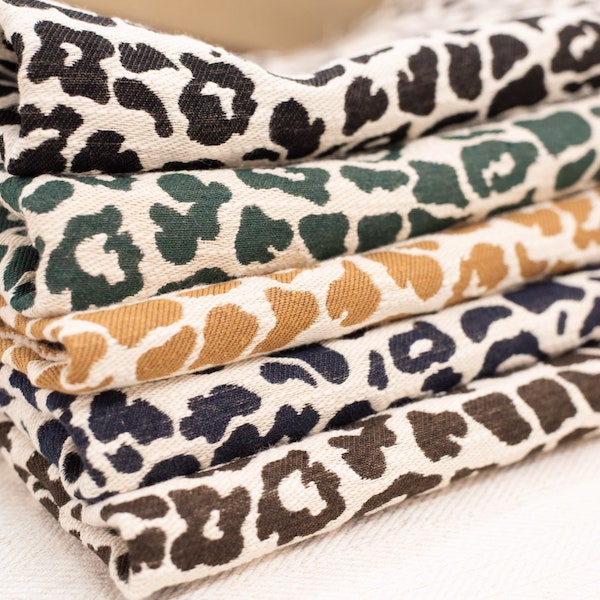
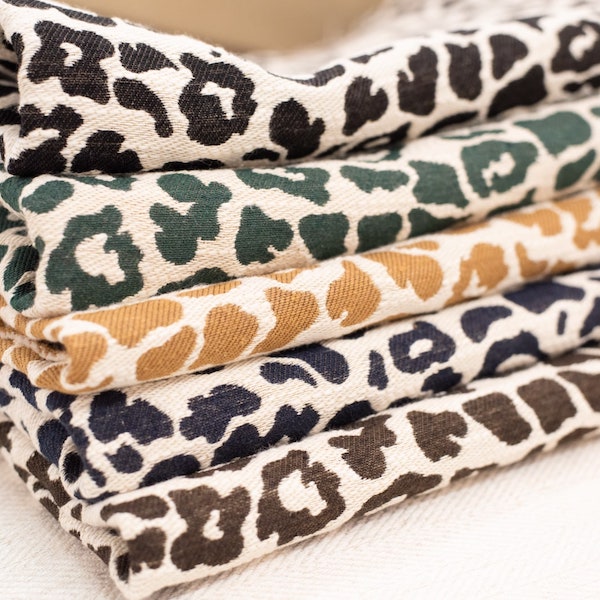
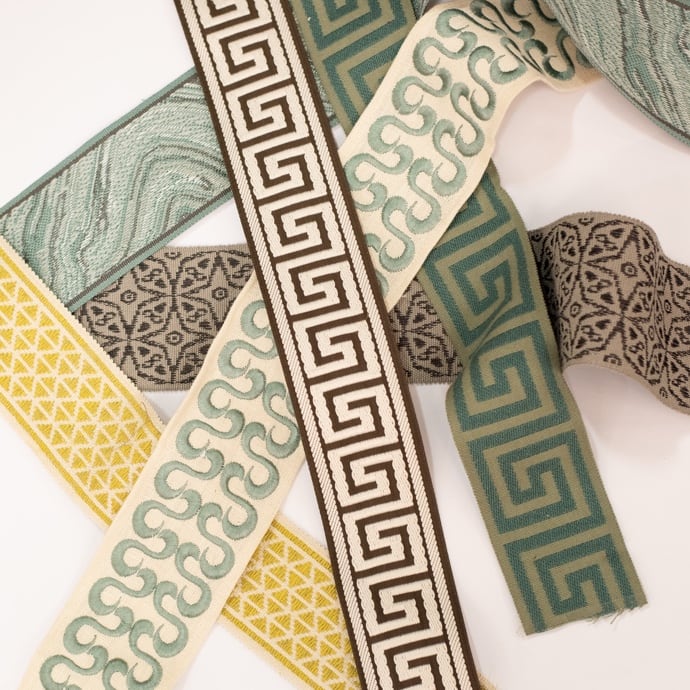

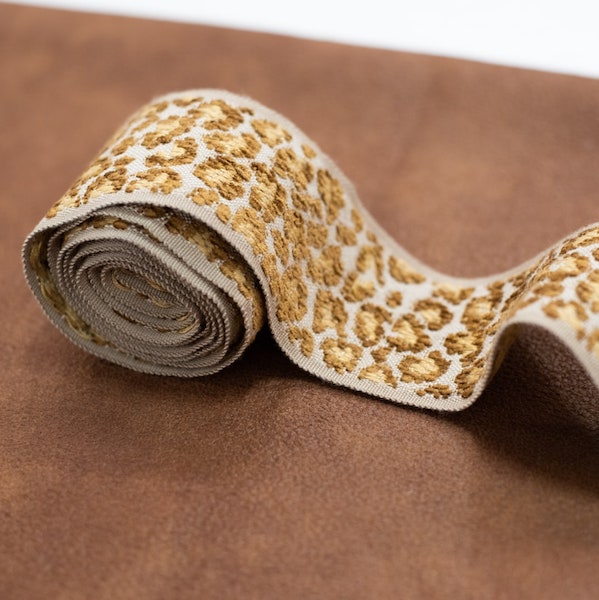








Morning light is hitting your breakfast room a little too hard. The view is beautiful, but the glare isn't. Or maybe your primary suite feels unfinished because blinds look too sharp and drapery feels too heavy. That's the moment many Atlanta homeowners land on Roman shades.
And then they make the wrong decision by treating fabric like a decorative afterthought.
It isn't. Roman shade fabric is the engineering of the shade. It determines how the folds stack, how the light filters, how much privacy you get, and whether the shade still looks well-defined after repeated use. In a Buckhead dining room, a Sandy Springs family room, or a Roswell bedroom, that difference is obvious. Cheap fabric looks limp, uneven, and forgettable. The right fabric looks composed.
The Enduring Elegance of Custom Roman Shades
Roman shades have lasted because they solve two problems at once. They soften a room the way fabric should, but they still deliver the order and architecture that many luxury interiors need. That balance is hard to beat.
They also have real history behind them. Roman shades trace their origin to Ancient Rome, with historical accounts tying them to the Colosseum's retractable shading system, the velarium, which used ropes and pulleys to protect spectators from intense sun exposure. That gives them a documented lineage of roughly two millennia, which is part of why they still feel timeless rather than trendy, as noted in this history of Roman shades.
Why they still work in refined interiors
A good Roman shade sits in the sweet spot between drapery and hard treatments. It gives you texture, softness, and a finished look without adding the visual weight of full panels. That matters in homes where every line is deliberate.
In formal rooms, Roman shades read refined. In casual rooms, they can feel relaxed and understated. The flexibility comes from the fabric, not the mechanism alone.
Practical rule: If you want a Roman shade to look expensive, stop asking only what color you want. Ask how the fabric will fold, stack, filter light, and hold its shape.
Why fabric is the whole story
Clients often start with pattern or color. I start with performance. If the fabric is wrong, the shade won't hang correctly no matter how beautiful the sample looks in your hand.
That's why custom window treatments belong in the same conversation as designer furniture, custom upholstered furniture, and other long-term home investments. You're not buying a piece of cloth. You're specifying a functional furnishing that has to perform every day and still look polished in a high-end interior.
Choosing Your Roman Shade Fabric Material
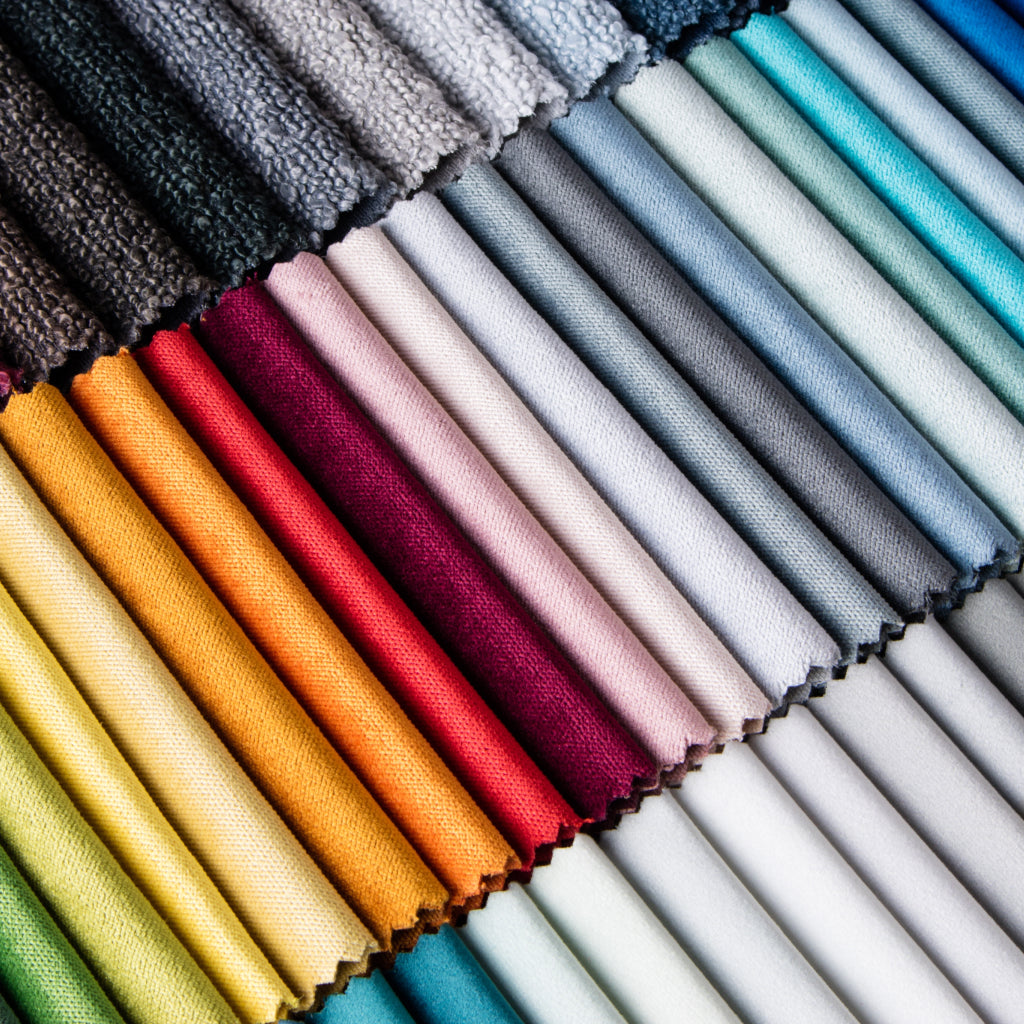
Not every beautiful fabric belongs on a Roman shade. Some belong on a pillow. Some belong on a chair. Some belong nowhere near a lifting system. If you want a shade that looks clean and operates well, choose fabric by behavior first.

Industry guidance is clear on the basic rule. Stiffer fabrics such as cotton, wool, or heavyweight linen suit crisp styles like Flat or Cascade Roman shades, while lighter, more pliable fabrics such as lightweight linen or sheers suit softer styles like Relaxed or Tulip Roman shades, according to The Shade Store's fabric guidance.
How the main fabric families compare
| Roman Shade Fabric Comparison | Best For | Drape & Feel | Considerations |
|---|---|---|---|
| Linen | Relaxed rooms, textural interiors, soft tailoring | Organic, airy, slightly casual | Weight matters. Lightweight linen can feel too loose for sharp folds |
| Cotton | Tailored spaces, patterned shades, versatile applications | Crisp to soft depending on weave and finish | A strong default choice when you want balance |
| Silk | Formal rooms, refined statement windows | Smooth, luminous, dressy | Better for lower-risk spaces where delicacy fits the room |
| Blends | Homes that need beauty with practicality | Controlled texture, often more stable than pure naturals | Often the smartest middle ground |
| Performance fabrics | Family spaces, sun-heavy rooms, practical installations | Depends on construction, often structured and durable | Best when lifestyle matters as much as aesthetics |
My direct recommendations
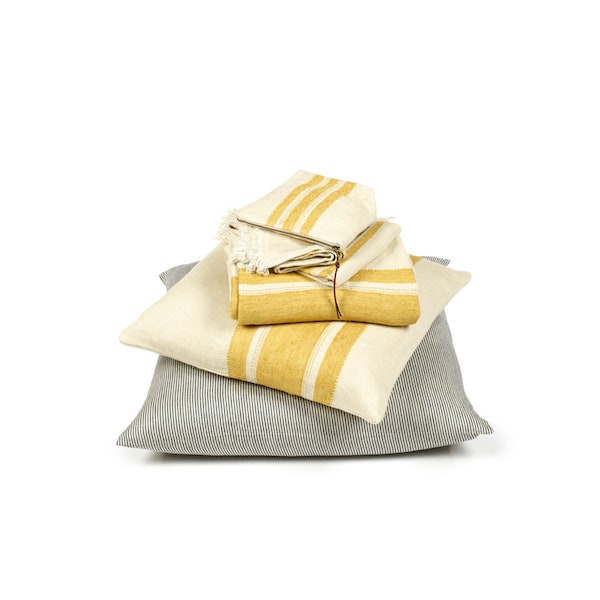
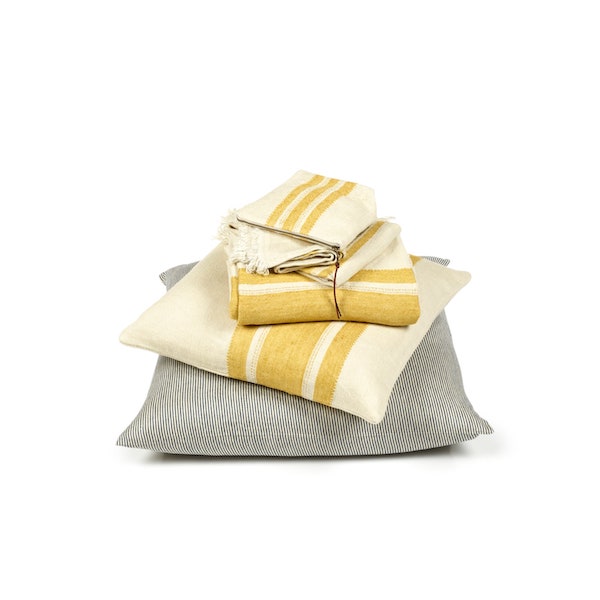
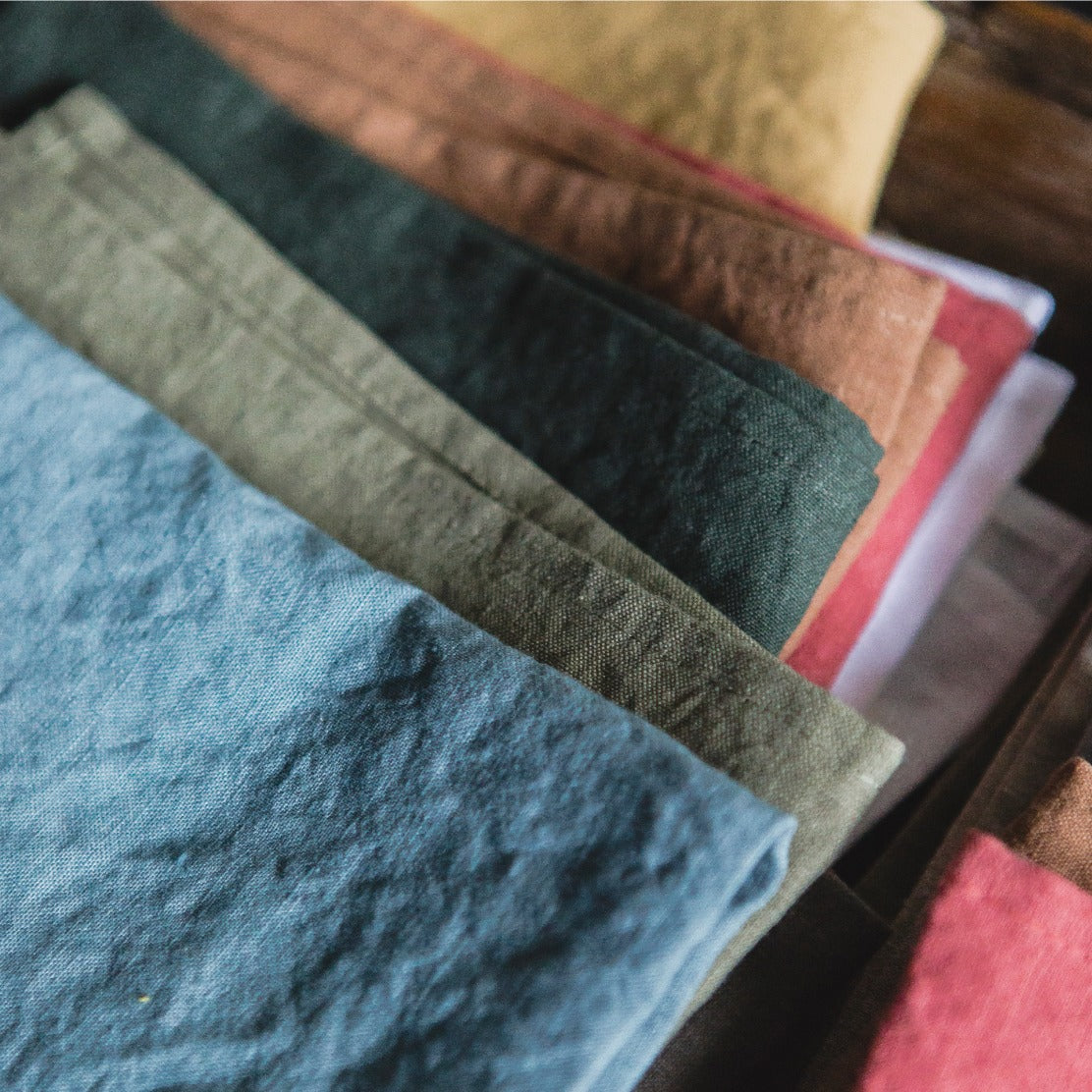
Choose linen when you want a room to feel collected rather than stiff. In North Atlanta homes, linen works beautifully in breakfast rooms, sitting rooms, and bedrooms where filtered light is part of the mood. But be selective. A floppy linen sample may look charming in your hand and disappointing at the window.
Choose cotton if you want the safest high-end answer. Cotton can read structured, classic, or relaxed depending on weave and finish. It's one of the easiest ways to get a polished Roman shade without fighting the fabric.
If you're considering silk, look at a real example of white silk fabric for interiors. Silk can be stunning on a Roman shade, especially in formal living spaces, but only if the room justifies that level of refinement and care.
Choose blends when you want the look of a natural fiber with fewer compromises. In my opinion, blends are often the most intelligent specification for households that want a timeless result without fragile performance.
Match the fabric to the room, not just the sample
A Roman shade in a Buckhead dining room can be more decorative. A Roman shade in a sunny kitchen has to work harder. A bathroom shade has different demands than a library shade.
That's why installation details matter, too. If you're comparing systems or trying to understand mounting basics before finalizing fabric, these Sparkle Tech Screen Service installation tips are a useful reference for thinking about how material and hardware work together at the window.
The right fabric doesn't just look right when the shade is down. It has to look right halfway up, fully raised, and after daily use.
Controlling Light and Privacy with Linings
Face fabric gets the attention. Lining does the serious work.
A Roman shade without the right lining can look thin, uneven, or visually flat. Beyond aesthetics, it may not meet the room's needs. The breakfast room may need soft filtering. The street-facing guest room may need privacy. The primary bedroom may need darkness.

For soft-fold Roman shades, fabrication specs often target 200%, 250%, or 300% fullness, with options including unlined, privacy-lined, 2-pass blackout-lined, and 3-pass blackout-lined constructions, all of which affect the final look and light control, as outlined by Hunter Douglas Hospitality.
What each lining choice actually does
Unlined shades are about atmosphere. They let the fabric speak plainly and allow more light through. They work when softness matters more than screening.
Privacy lining gives you a filtered glow while reducing visibility from outside. For many living areas, this is the most balanced option.
Blackout lining is for rooms where light control isn't negotiable. Bedrooms, media rooms, and nurseries usually need it. It also changes the body of the shade, which can make folds look more substantial.
Why lining changes the appearance
Lining doesn't just affect opacity. It changes how the Roman shade fabric behaves in motion. More support usually means a more authoritative fold. More layers often mean a thicker stack.
That's one reason custom work matters. The same face fabric can feel airy with no lining or look rich and architectural with a blackout build. If you want a fuller understanding of how support layers shape custom treatments, this explanation of the role of drapery lining in custom drapes is worth reading.
How I specify lining by room
- For kitchens and breakfast rooms choose light filtering or privacy lining when you want brightness without raw glare.
- For bedrooms specify blackout if sleep quality and morning control matter.
- For formal rooms use lining to improve body and give the shade a more luxurious hand.
- For street-facing windows don't leave privacy to chance. Build it into the treatment.
A Roman shade that looks thin in the afternoon usually wasn't ruined by the fabric. It was underbuilt.
Mastering Patterns Scale and Direction
Patterned Roman shades can look spectacular. They can also look amateurish fast. The reason is simple. You're not viewing the fabric as a flat panel. You're viewing it as a textile that will bend into repeated horizontal folds.

Professionals generally specify medium-weight fabric with minimal stretch for Roman shades because the textile has to fold repeatedly into crisp horizontal stacks. In fabrication, they also add roughly 10 inches to window height for hems and headings, with more allowance for pattern repeat when needed, which affects both cutting yield and cost planning, according to Blindsgalore's Roman shade fabric guidance.
Scale decides whether the pattern survives the folds
Large motifs can disappear if the shade is narrow or short. A tiny print can turn busy once it starts stacking. That's why I almost always review the full repeat before approving a patterned shade.
If the room already has statement furniture pieces, a patterned shade should support the composition, not fight it. In homes with luxury sofas, custom chairs, and layered textiles, pattern control matters even more.
Direction is not optional
Stripes, botanicals, geometrics, and any motif with a clear top and bottom must be oriented correctly. A fabric can be gorgeous and still be wrong if the design direction doesn't suit the shade's fold and drop.
Here's the practical checklist I use:
- Check the repeat so the most important part of the motif doesn't land inside a fold.
- Check the direction for stripes, florals, and scenic prints before cutting.
- Check the scale at the actual window because a memo sample lies.
- Check stretch because pattern drift gets worse on unstable fabric.
Why this matters in luxury interiors
Custom work should look intentional from every angle. If a pattern gets chopped awkwardly or the stripe breaks oddly at the fold line, the eye catches it immediately. That's the difference between a treatment that feels bespoke and one that feels improvised.
A high-end result requires fabric planning before fabrication starts, not corrections after the shade is made.
Considering Hardware and Stacking Style
Style names confuse people. The decision is straightforward. You're choosing between a cleaner, flatter expression and a more dimensional, permanently pleated expression.

Flat and classic shades don't behave the same way
A flat Roman shade looks sleek when lowered. It shows off the face fabric beautifully, especially solids, textures, and carefully scaled patterns. This is often my preference in homes where the interior leans refined and current.
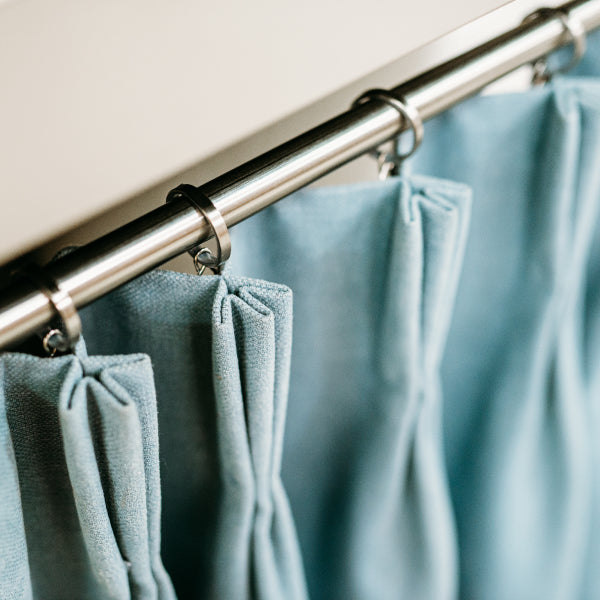
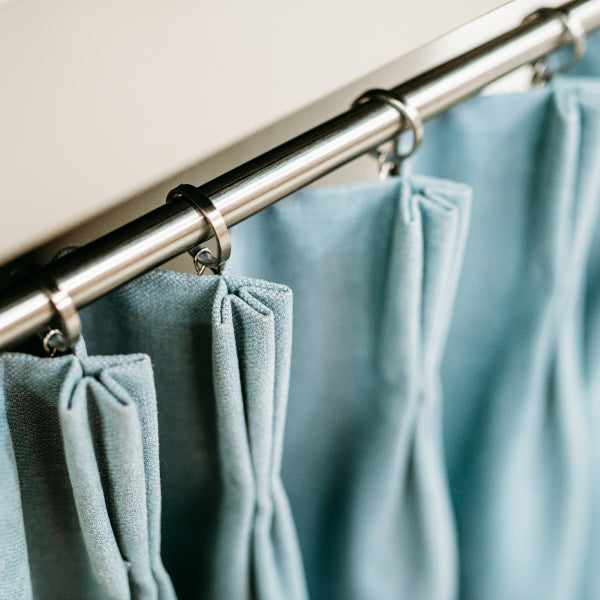
A classic or soft-fold Roman shade keeps more shape even when extended. It feels more traditional and decorative. If you want softness built into the architecture of the treatment, this is the better path.
Fabric weight decides which style works
Stiffer fabrics belong with flatter, sharper silhouettes. They hold the line and give you a crisp stack. Softer and more pliable fabrics suit shades that are supposed to look fuller and more fluid.
This isn't a style preference alone. It's mechanics. If you force a limp fabric into a rigid look, it sags. If you force a heavy structured fabric into a highly voluminous style, it can feel clumsy.
Your fabric and your shade style should agree with each other. If they're arguing, the window will show it.
Think about stack before you order
The shade has to go somewhere when it's raised. Thicker fabric, fuller construction, and heavier lining all create a larger stack at the top. In rooms with beautiful views or detailed millwork, that matters.
For inside mounts especially, I look at three things:
- Window depth so the shade clears properly
- Fabric bulk so the stack doesn't overwhelm the opening
- Hardware compatibility so operation stays smooth over time
In a formal sitting room, a generous stack can feel rich. In a breakfast nook with a view, I usually want less visual interruption.
Ensuring Durability and Ease of Care
Luxury doesn't mean delicate by default. It means the material suits the room and the client's lifestyle.
If your Roman shade fabric can't tolerate the reality of the space, you won't enjoy it for long. A sunny family room, a busy kitchen, and a formal dining room don't need the same textile. That's why I push clients to think beyond the showroom sample and ask how the shade will age.
What to prioritize
First, look for fabric that keeps its shape. Roman shades rise and lower repeatedly, so sagging and distortion are deal breakers.
Second, think about sun exposure. Atlanta homes get plenty of bright light, and windows can be unforgiving. In strong light, some fabrics will hold their appearance better than others.
Third, check the cleaning expectations before you fall in love. Roman shades collect dust, and some rooms invite splashes, moisture, or fingerprints.
My care advice for real homes
- For family spaces choose fabrics that can handle routine upkeep without drama.
- For formal rooms you can be more selective, but only if the room is used for its intended purpose.
- For kitchens and baths don't choose a fabric that resents humidity or regular maintenance.
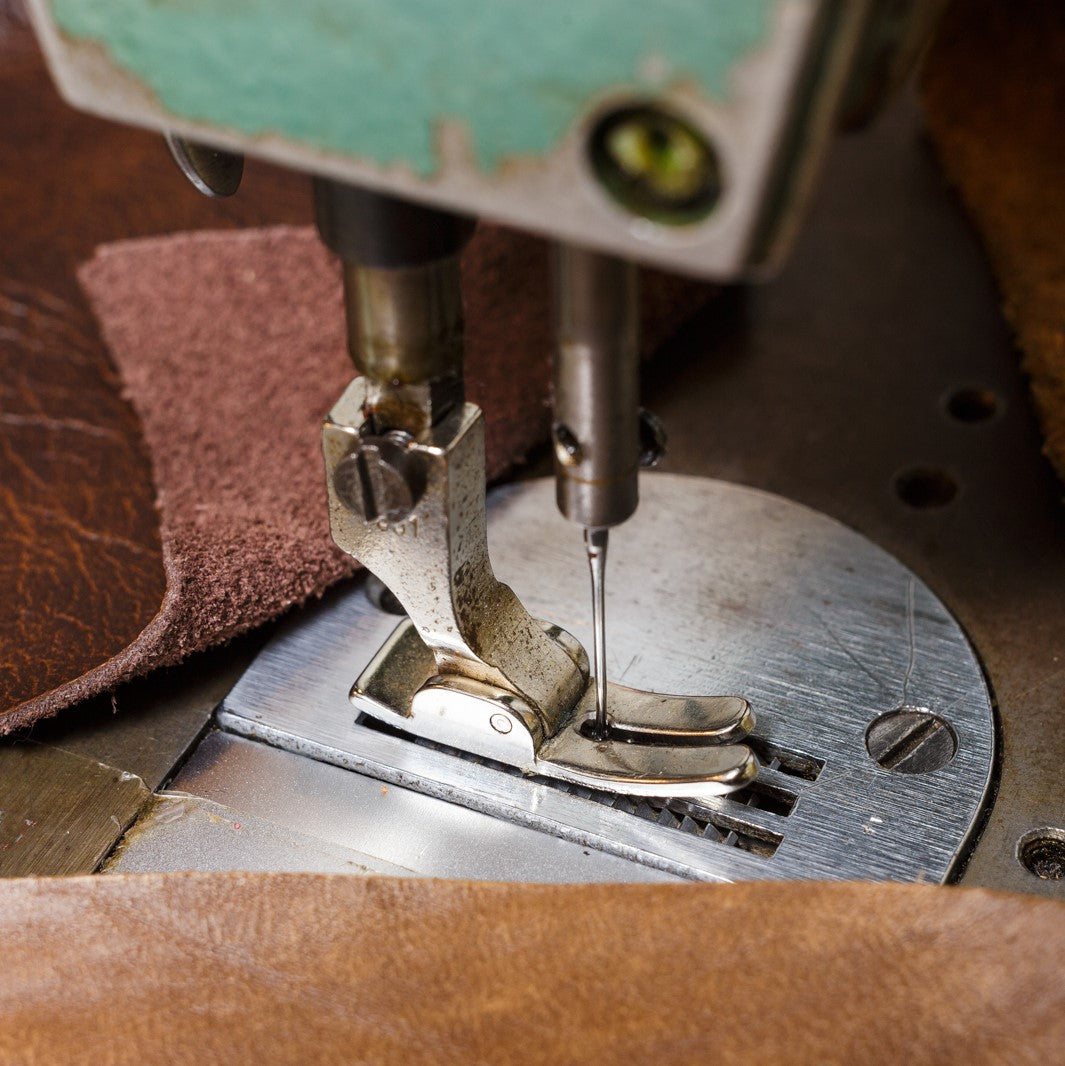
- For investment treatments insist on professional measuring and clean installation so the shade isn't stressed from day one.
If you want a practical overview of installation basics that affect long-term performance, these Rescreen Rescue blind installation tips are helpful to review before final decisions are made.
Where people overspend and where they underinvest
They overspend on a face fabric that's too precious for the room. They underinvest in structure, lining, and fabrication quality.
That's backwards. A Roman shade earns its keep through daily operation. If you want an heirloom-quality result that belongs in a home with designer furniture, premium sectionals, and other carefully chosen furnishings, the fabric has to be beautiful and sensible.
Designing Custom Shades in Atlanta
The right Roman shade comes from a sequence of smart decisions. You choose the fabric family. You choose the weight and stability. You decide how much light to filter, how much privacy to create, and how the shade should stack when raised. Then you match all of that to the room.
That's why custom is worth it in Atlanta homes where the finish level matters. A Roman shade in a Buckhead living room doesn't need to look passable. It needs to look intentional with the millwork, upholstery, rugs, and lighting already in the space.
Why professional guidance still matters
Recent guides show growing interest in no-drill Roman shades, which typically use inside-mount measurements and adhesive mounting. But for premium fabrics and custom construction, professional guidance on fit, hardware, and safety remains essential to protect the investment and ensure a flawless result, as noted in this guide to no-drill Roman shades.
No-drill options can make sense in some settings. They are not the default answer for a fully customized luxury treatment. If the fabric is expensive, the lining is specialized, and the room needs a precise finished look, casual measuring is a costly habit.
What I tell Atlanta clients
Bring the room into the conversation. Your Roman shade shouldn't be selected in isolation from your upholstery, wall color, rug, trim, and natural light. In homes with custom furniture Atlanta clients have spent time choosing carefully, the windows deserve the same level of thought.
For measurement prep, this guide on how to measure windows for shades is a strong place to start before you finalize fabrication details.
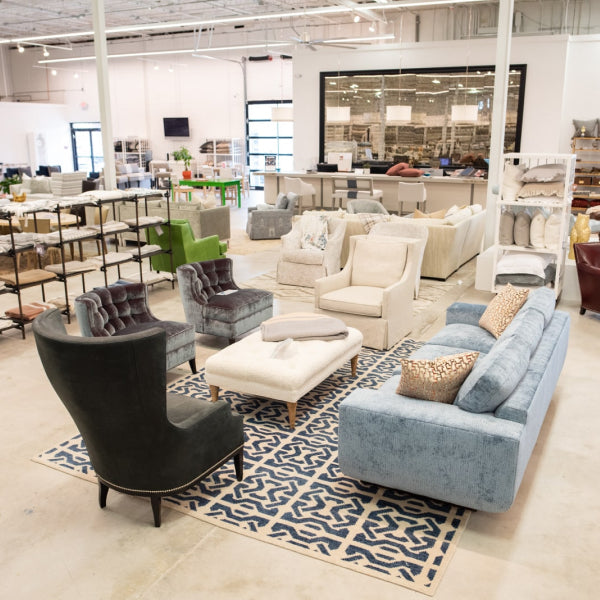
If you want to review options in person, Lewis and Sheron Textiles offers home fabrics, custom shades, furnishings, and in-house design support in Atlanta. That makes it possible to compare textile character, lining needs, and room context before a shade is built.
My final recommendation
Don't choose Roman shade fabric by color alone. Choose it by shape, structure, light behavior, and longevity. That's how you get a shade that looks refined in the morning, polished in the afternoon, and still correct years from now.
For homes in Buckhead, Alpharetta, Roswell, Sandy Springs, and across North Atlanta, that's the standard.
If you're ready to select Roman shade fabric with the same care you'd give custom upholstery or other luxury home furnishings, visit Lewis and Sheron Textiles to explore fabric options, review custom shade possibilities, and start a complimentary design consultation.