











The most repeated advice about linen is also the least useful. “Buy wrinkle-free linen” sounds simple, but for upholstery and drapery it hides the core question: what kind of linen are you buying?
If you're selecting fabric for a luxury sofa in Buckhead, custom chairs in Alpharetta, or full-height drapery in Roswell, that distinction matters. In home furnishings, wrinkles don't read as charming when they pool across seat decks, telegraph through cushion fronts, or catch natural light across a wide wall of curtains. They read as maintenance.
For clients shopping for high-end furniture, custom upholstered furniture, designer furniture near me, or custom furniture Atlanta, the better approach is honesty. Linen is beautiful because it has life, texture, movement, and depth. It also creases. The refined look people want from wrinkle resistant linen comes from smart textile engineering, disciplined fabrication, and correct care, not from marketing language on a tag.
The Enduring Allure of Linen and Its Timeless Problem
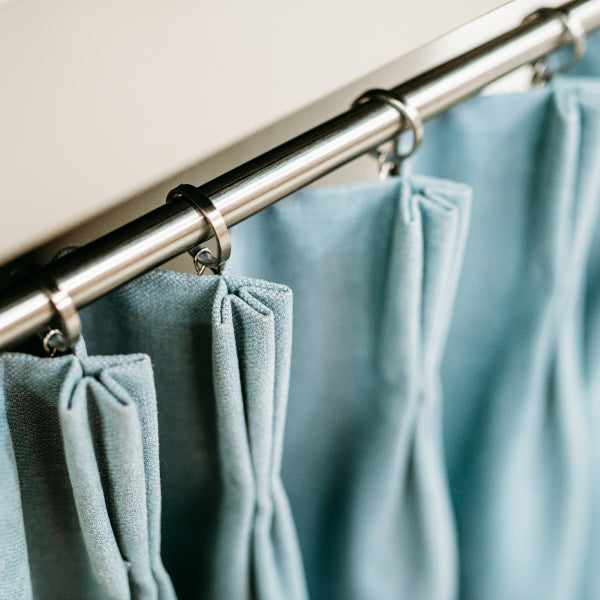
Linen keeps its place in luxury interiors for good reason. It diffuses light beautifully, it gives luxury home furnishings a relaxed authority, and it softens rooms that might otherwise feel too polished. On a structured sofa, a Belgian linen can make a formal silhouette feel livable. On drapery, it can turn a flat window wall into architecture.
But the industry still dances around the same truth. The idea of a “100% wrinkle-resistant linen” is largely a myth. True wrinkle resistance in linen requires chemical treatments or fiber blends, as all 100% natural linen fabrics will wrinkle due to the rigidity of bast fibers and their lack of natural elasticity, as explained in this discussion of why 100 percent natural linen wrinkles.
That doesn't mean linen is a bad choice. It means buyers need to stop treating “linen” as a single category.
What luxury buyers usually want
Most clients in Atlanta, Sandy Springs, and North Atlanta aren't asking for sterile, hotel-flat fabric. They want linen's natural surface, but they don't want every sit, fold, and draw line to stay visible.
That leads to three very different product paths:
- Pure natural linen for texture-first spaces where creasing is part of the look
- Treated linen for projects that need a cleaner, more controlled face
- Blended linen for rooms where use, drape, and recovery matter as much as appearance
Linen isn't wrinkle resistant by nature. It becomes more wrinkle resistant when the mill engineers the cloth correctly.
For statement furniture pieces, premium sectionals, and high-quality couches, good specification is the starting point. If a fabric is sold as easy-care linen, ask what created that performance. Was it a finish, a blend, a tighter weave, or optimistic copywriting?
Where the problem shows up most
In garments, a few wrinkles can feel effortless. In interiors, scale changes everything.
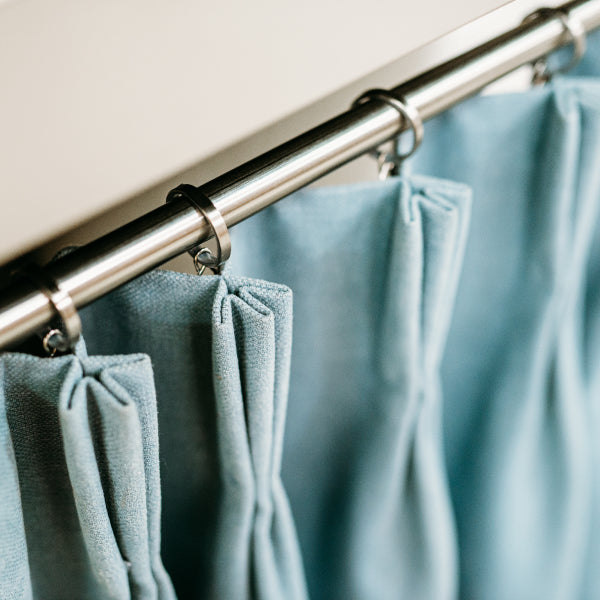
A linen shirt creases across the body. A linen sofa creases across broad cushion planes, arms, and skirt lines. Drapery adds another challenge because side light makes every fold more visible. That's why designers sourcing designer quality furniture and custom soft goods in affluent Atlanta neighborhoods need a more exact standard than “it looks good in the sample book.”
How Wrinkle Resistant Linen Is Made
The short answer is that mills don't “teach” flax to stop wrinkling. They build systems around it. Some systems use chemistry. Some use fiber blending. Some rely on weave structure and finishing to make the cloth behave better in real life.

Why standard linen creases so fast
Linen wrinkles because the fiber itself doesn't rebound well after bending. Its highly crystalline cellulose structure creates strong internal hydrogen bonds, and those bonds don't spring back quickly once the fabric folds or compresses. One explanation of the science behind linen creasing and crease recovery notes that untreated flax fibers typically show a crease recovery angle below 250°, while fabrics considered to have good resistance need to exceed 250° across warp and weft.
In plain language, linen holds the memory of pressure. Sit on a pure linen bench cushion, and the fabric is more likely to keep a record of that sit. Pull back drapery every day, and the fold lines can settle in.
Chemical finishing that actually works
The most credible wrinkle-resistant treatments aren't old-school mystery coatings. The stronger modern approach uses non-formaldehyde, acid-based finishing that cross-links the cellulose so the fabric recovers better after bending.
One key benchmark comes from work highlighted by FIT News on research from the New York Institute of Technology. The process treats linen for exactly 40 minutes with a 6% acid-based solution at a pH of 4, and that protocol significantly improves wrinkle resistance while also increasing tensile strength, according to the report on linen finishing developed through New York Institute of Technology research.
That matters in furnishings. If a treatment improves crease behavior but leaves the cloth weak, it's a poor candidate for seat furniture. If it reduces wrinkling and supports strength, it's much more relevant for custom chairs, bench cushions, and decorative upholstery that gets real use.
The supporting role of finishing and structure
Chemistry isn't the whole story. Mills also improve performance through construction.
A tighter weave can reduce the penetration of fold lines into the cloth. The same Alibaba textile analysis notes that basket-weave or twill structures can reduce fold-line penetration by up to 40% compared to loose plain-weave linen, and that blending linen with other fibers can dramatically improve recovery in use, as described in this review of wrinkle performance in blended and tightly woven linen systems.
Here's how that plays out on a furnishing floor:
- Loose plain weaves look airy and organic, but they show compression quickly
- Twill and basket constructions distribute pressure better
- Enzyme-treated surfaces often feel more refined and relax visible creases faster
- Pre-washed goods usually present a softer, less papery face from the start
Practical rule: If a linen is headed for a seat cushion or a broad drapery panel, don't judge it by fiber label alone. Judge the weave, finish, and end use together.
Heat setting and fabric memory
After treatment, mills cure the fabric with heat to set the finish. That step helps lock in the improved behavior. The result isn't “wrinkle proof.” It's a linen with better shape memory, better recovery, and a more composed appearance between maintenance cycles.
That's the distinction discerning buyers should care about. Real wrinkle resistant linen doesn't promise the impossible. It reduces visible creasing enough to make linen viable for heirloom-quality furniture, designer drapery, and other high-consideration interior projects where appearance has to hold.
Choosing Your Linen Pure Natural vs Blends
For interiors, there isn't one best linen. There's a best linen for the job. A relaxed library sofa, a formal living room drapery package, and a breakfast banquette don't ask the same thing from the cloth.

Three categories that matter
The easiest way to specify linen well is to sort it into three working groups.
| Type | Best quality | Main compromise | Best use |
|---|---|---|---|
| 100% untreated linen | Authentic texture and natural movement | Sharp creasing | Decorative upholstery, low-touch rooms, relaxed drapery |
| Treated linen | Cleaner presentation with reduced wrinkling | Hand may feel less natural | Tailored drapery, occasional seating, formal spaces |
| Linen blends | Better recovery and easier maintenance | Less pure linen character | Daily-use upholstery, family rooms, dining chairs |
Pure linen gives you the truest version of the material. The hand is dry, airy, and unmistakable. It also asks more of the owner. For buyers comparing custom vs mass-produced furniture, specification beats impulse. A mass-market sofa may promise linen styling. A well-made custom piece matches the cloth to the frame, cushion build, and room usage.
What blends do better
Blending changes the performance profile quickly. According to the Alibaba textile review cited earlier, blending linen with 30–45% Tencel™ or recycled polyester dramatically reduces wrinkling, and a 30/70 blend with 30% linen and 70% cotton shows minimal wrinkles, approaching the appearance of standard cotton fabrics in use.
That has clear design implications:
- Linen and cotton usually work well when you want softness, familiarity, and cleaner seat performance
- Linen and Tencel often drape beautifully for panels and can feel smoother in hand
- Linen with recycled polyester can make sense where reduced wrinkling outranks absolute natural purity
A good overview of how these constructions behave appears in this discussion of linen cotton blend fabric and its practical uses.
A fast decision guide for high-end interiors
If you're choosing fabric for luxury sofas and sectionals, ask these questions before you fall in love with the swatch.
- Is this for sitting or just for display? A low-use sitting room can tolerate more natural creasing than a family room sectional.
- Will side light hit the fabric every day? Drapery in bright rooms exposes every wrinkle more than upholstery in shaded corners.
- Do you want texture or control? Pure linen gives more visual life. Blends and treatments give more order.
- How defined is the silhouette? The sharper the furniture line, the more obvious wrinkling becomes.
For upholstery, I usually prefer a cloth that gives up a little purity to gain better recovery. On a large sofa, performance reads as luxury faster than fiber bragging rights.
Which one belongs where
For a formal window treatment in Buckhead, treated linen can preserve the elegant face people expect from designer furniture and custom interiors. For a media room sectional in Roswell, a linen-heavy blend usually makes more sense. For statement furniture pieces in a sitting room, pure linen can be exactly right if the client values texture over crispness.
That's the point many buyers miss. The premium decision isn't “buy linen” or “avoid linen.” It's choosing the right expression of linen for the piece.
Durability and Care for Your Luxury Linen Furnishings
A well-chosen linen performs only as well as it's maintained. And often, many beautiful rooms start to drift. Owners treat upholstery like apparel, or they apply garment-care habits to drapery panels and wonder why the fabric loses its poise.

What lasts and what fades
Some wrinkle-resistant performance comes from durable-press resin finishing. According to this overview of linen care and wrinkle-resistant finish durability, those finishes can hold for 30–50 wash cycles, especially when the owner sticks to low-heat drying and irons while the fabric is still damp.
That matters most for removable covers, dining chair slipcovers, and any application that will see regular cleaning. It also tells you something important about ownership: wrinkle resistance isn't permanent if the care routine is careless.
Care rules for upholstery and drapery
Home furnishings need a calmer protocol than clothing.
- Keep heat low: High heat can damage cellulose structure and make creases more stubborn later.
- Press with moisture present: Linen responds better when pressed damp than when baked dry.
- Avoid over-spinning: Aggressive extraction can set hard wrinkles into removable linen covers.
- Support the finish: Gentle detergents and conservative drying help treated linen hold its intended behavior longer.
For households that want a simple baseline laundering reference, the Ecuadane washing instructions offer a useful reminder that fiber-friendly washing starts with restraint, not brute force.
What owners of luxury furniture should do differently
If you're investing in custom upholstered furniture, luxury sofas, or high-quality couches, your maintenance plan should begin before the first spill.
Use a dedicated care sheet for each fabric. Keep removable linen pieces out of hot dryers. Rotate cushions so the same seat isn't carrying the same compression pattern every day. If you're working with a housekeeper, upholsterer, or workroom, make sure everyone follows the same standard. A single overheated cleaning cycle can undo a lot of thoughtful specification.
For a more fabric-specific refresher, this guide to linen care instructions for long-term performance is worth bookmarking.
Linen rewards gentle handling. The owners who keep it looking expensive are usually the ones who stop trying to force it into behaving like polyester.
Sourcing the Best Linen in Atlanta for Your Project
In Atlanta, the biggest sourcing mistake isn't choosing the wrong color. It's choosing the wrong linen construction for the room. That's why broad internet advice rarely helps much with custom furniture Atlanta, luxury furniture Atlanta, or the “best designer furniture near me” search. Most of it is written for shirts and bedding, not for upholstery and drapery measured in yards and exposed to daily life.

What to look for in an Atlanta showroom
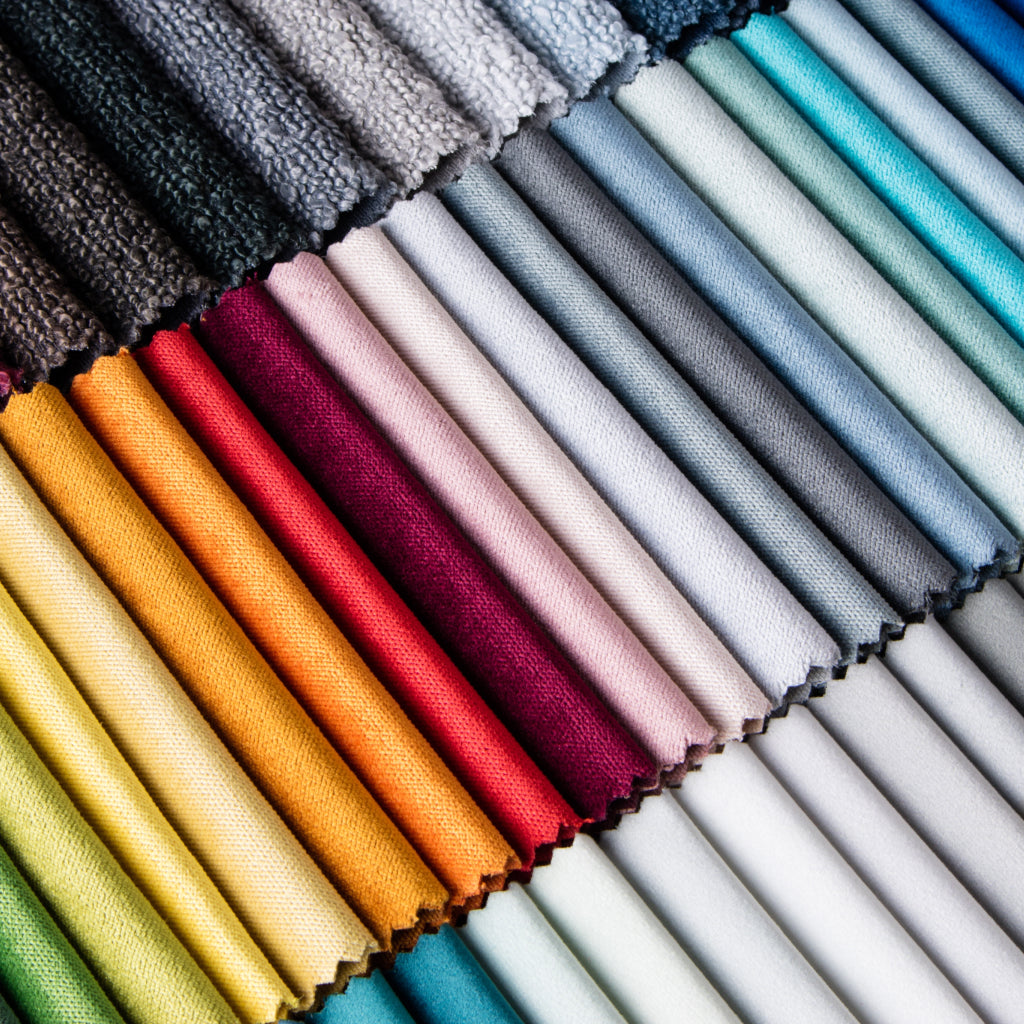
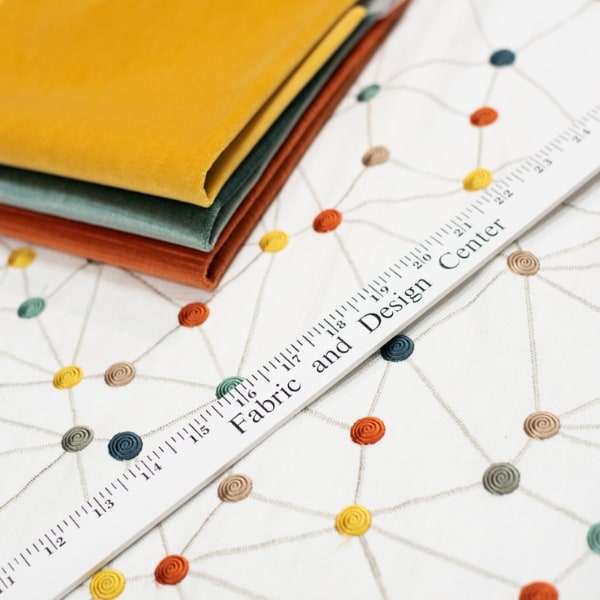
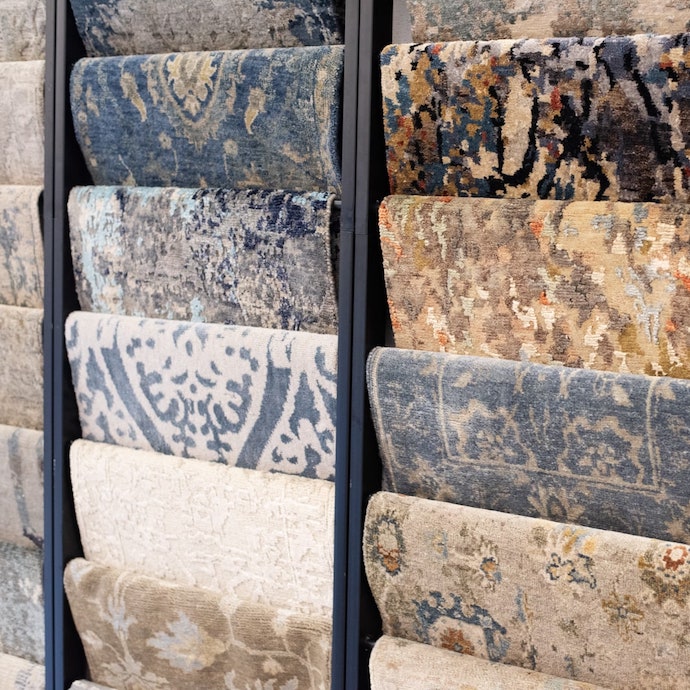
For home projects, the smartest buyers ask to see more than one kind of linen side by side. You want to compare hand, weight, weave density, finish, and how the sample behaves after being folded and released.
One of the clearest gaps in online education is that most content focuses on linen garment care, while home furnishings need a different lens. For custom drapery and upholstery, where wrinkle visibility is magnified, sourcing pre-washed and enzyme-finished linens from premium mills like Libeco is a critical but often overlooked step for long-term aesthetic performance, as noted in this article on keeping linen looking better over time in home use.
That's especially relevant in Buckhead and Sandy Springs, where large windows, formal rooms, and custom installations leave very little room for sloppy cloth behavior.
Match the fabric to the room
The right answer changes by application.
For a premium sectional in a busy family room, I'd steer toward a tighter weave and a linen blend with more recovery. For dining chairs, the same logic applies because repeated sitting creates repeat creases in the same spots. For drapery in a formal living room, treated linen or pre-washed, enzyme-finished linen often gives the balance affluent clients want: softness without visual collapse.
Use this checklist when you're narrowing options:
- For luxury sofas and sectionals: Favor resilience, tighter construction, and cleaner recovery
- For custom chairs: Test how the sample behaves after hand-compression
- For drapery: Look at fold memory, not just color and opacity
- For statement pieces: Decide whether the room wants relaxed texture or sharp tailoring
Why local specification matters
Atlanta homes aren't one-size-fits-all. A Buckhead formal room, an Alpharetta family space, and a Roswell renovation can all call for linen, but not the same linen. Climate, light, use patterns, and the architecture of the room all change what “best” means.
If you're trying to sort through local options, this roundup of the best fabric stores in Atlanta for serious interior projects is a practical place to start.
Buyers searching for where to buy premium furniture in Atlanta, high-end furniture, or designer quality furniture usually focus on silhouette first. That's understandable. But when the fabric is linen, long-term satisfaction often comes down to the specification details you can't see in a lifestyle photo.
Create Your Timeless Interior with Lewis and Sheron Textiles
The most successful linen rooms don't come from chasing a myth. They come from choosing the right version of linen for how a room is lived in. That's the key lesson behind wrinkle resistant linen. Performance comes from engineering, finish, weave, and blend selection. It doesn't come from wishful labeling.
That matters whether you're selecting fabric for luxury sofas & sectionals, building custom upholstered furniture, refining designer and statement pieces, or weighing the long-term value of high-end materials and craftsmanship in a whole-home design plan. Buyers looking for luxury furniture Atlanta, custom furniture Atlanta, and designer furniture near me aren't just shopping for a look. They're investing in durability, comfort, and a finished interior that still feels premium after daily use.
For homeowners and designers across Atlanta, Buckhead, Alpharetta, Roswell, Sandy Springs, Fulton County, and surrounding North Atlanta communities, the best next step is tactile, not theoretical. See the weave. Fold the sample. Compare a pure linen against a treated linen and a blend. Sit on the cushion. Watch how the fabric recovers.
That kind of side-by-side evaluation is what separates expensive mistakes from informed purchases. It's also what helps clients decide whether their room calls for relaxed authenticity, crisp control, or a balanced middle ground.
If your project includes custom chairs, high-quality couches, drapery, reupholstery, or fully bespoke luxury home furnishings, the most valuable guidance usually happens in person, with the fabric in hand and the room requirements clearly defined.
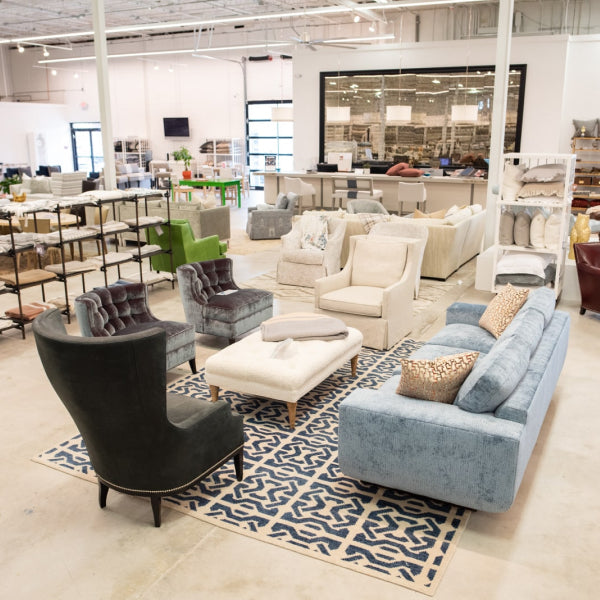
Visit Lewis and Sheron Textiles to explore premium linen fabrics, custom furnishings, and complimentary in-house design guidance for your next Atlanta project. Whether you're sourcing Belgian linen for drapery, selecting fabric for a luxury sofa, or building heirloom-quality custom upholstered furniture, their Design Center gives you the rare advantage of seeing, touching, and comparing the materials before you commit.