









Yes, you can use a glue gun on some fabrics, but the temperature matters. Low-temperature glue sticks melt at around 250°F and high-temperature sticks melt at around 375°F, and that difference is exactly why hot glue is a risky choice for delicate textiles and a poor choice for high-end, custom, or heirloom furniture.
If you're standing over a loose trim edge on a custom sofa, a detached corner on a favorite pillow, or a small fabric issue on a chair you paid good money to upholster, the glue gun can feel like the fastest solution in the room. For inexpensive craft fabric, that instinct is sometimes harmless. For designer upholstery in Atlanta, Buckhead, Alpharetta, Roswell, or Sandy Springs homes, it often isn't.
The question isn't just can I use a glue gun on fabric. It's whether you should use hot glue on fabric that carries design value, replacement cost, sentimental importance, or all three.
The Temptation of the Quick Fix for Luxury Furniture
A minor flaw on premium upholstery has a way of creating urgency. A braid loosens on a skirted chair. The edge of an appliqué lifts. A decorative trim on a bench seat starts to separate in one spot, and suddenly the whole piece looks unfinished.
That is when many homeowners reach for the glue gun.
On low-value craft projects, that decision may be acceptable. On high-end furniture, luxury sofas, custom upholstered furniture, and heirloom chairs, it can turn a small cosmetic issue into a permanent material problem. Heat, surface buildup, stiffness, and residue don't respect the price of the piece.
Why expensive fabric changes the answer
The better the textile, the less room there is for casual repair work. Fine weaves, delicate finishes, performance blends, and designer trims are chosen for hand, drape, and appearance. Hot glue can interfere with all three at once.
Clients shopping for luxury furniture in Atlanta or investing in custom furniture in Buckhead or Alpharetta usually understand this instinctively. They don't want a fast patch. They want the repair to disappear.
Practical rule: If the piece would upset you to replace, don't let a hot glue gun touch the visible fabric.
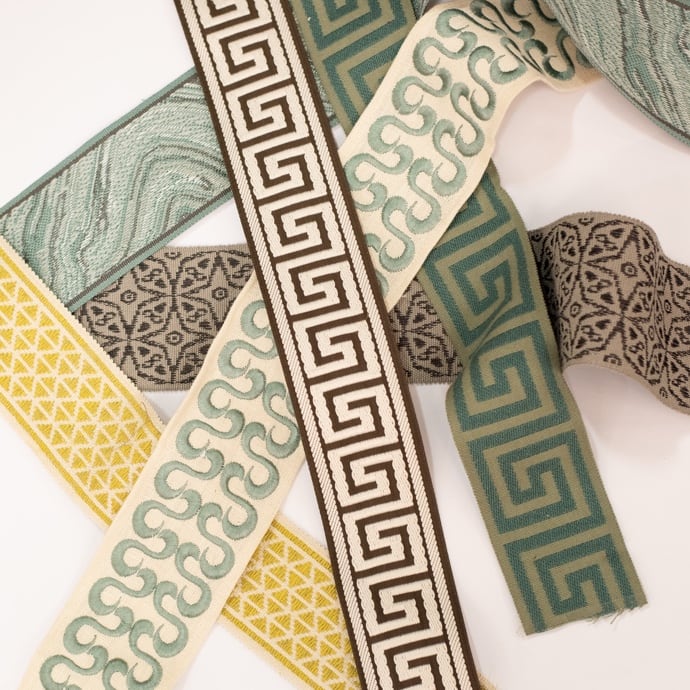
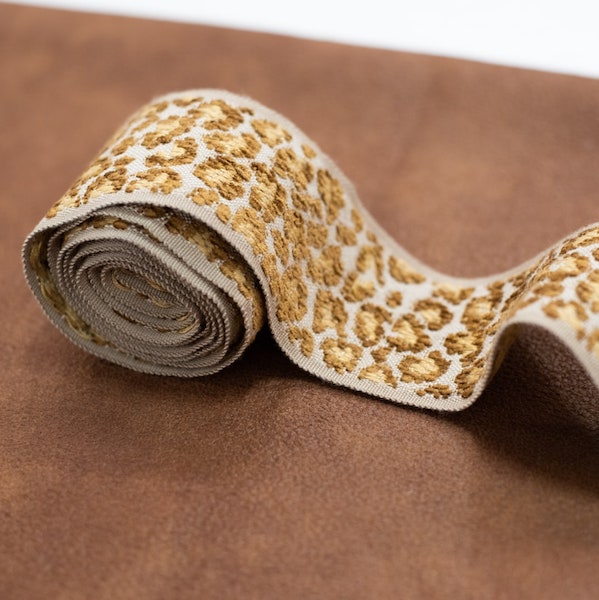
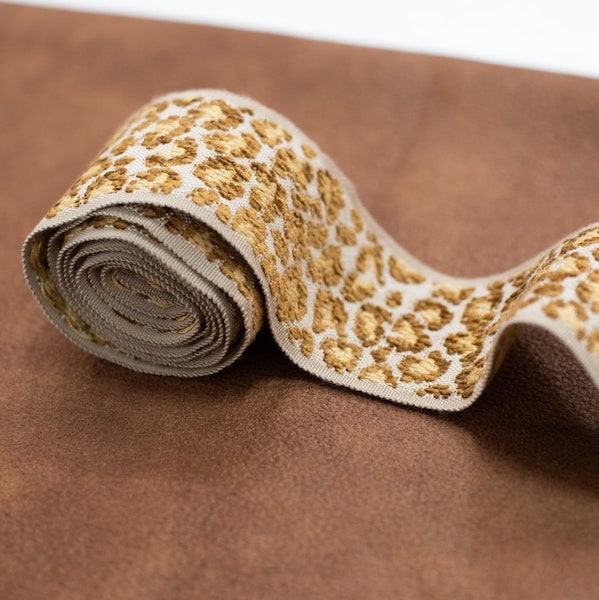
Trim is a common trouble spot, and trim problems tempt people into adhesive shortcuts. If you're evaluating whether a decorative edge should be reattached, sewn, or replaced, this guide to flawless trim finishes is useful because it shows why neat trim work depends on method, not speed.
When the issue involves upholstery itself, not just a loose embellishment, professional repair methods matter even more. A proper professional reupholstery approach preserves shape, tension, seam integrity, and fabric character in a way a glue bead can't.
The investment mindset
Luxury furnishings aren't disposable. A designer sectional in North Atlanta or a custom chair in Sandy Springs isn't just seating. It's a custom interior element, often built around scale, fabric selection, room palette, and long-term use.
A glue gun belongs in a craft drawer. It rarely belongs near statement furniture pieces.
Understanding How Hot Glue Interacts with Fine Fabrics
Hot glue behaves very differently from a sewn seam or a fabric adhesive designed for textiles. It doesn't become part of the cloth. It cools, hardens, and sits as a layer against or between fibers.
That matters because upholstery fabric isn't just something to hold in place. It has to flex, recover, and remain visually clean under light, touch, and pressure.

The heat problem is immediate
The most important technical fact is temperature. Low-temperature glue sticks typically melt at around 250°F, while high-temperature sticks melt at around 375°F, and lower heat is preferred for delicate textiles such as silk, lace, sheer fabrics, polyester, and nylon because higher heat can melt or damage synthetic fibers, as noted in Ageberry's explanation of glue gun temperature and fabric choice.
For upholstery, that risk doesn't stop with obvious melting. Heat can also flatten texture, distort fine yarns, and alter the finish on lighter or more reflective fabrics. On a premium textile, even a subtle mark can become the only thing you see.
Surface bond versus textile movement
Good upholstery lives through motion. People sit, shift, lean, and slide across it. Cushions compress. Corners flex. Welting and trim absorb movement.
Hot glue doesn't move gracefully with fabric unless the application is very limited and the adhesive is selected for textile use. On refined upholstery, that mismatch often shows up as:
- Hard ridges: The area feels rigid under the hand.
- Visible shine: Glue can create a slightly reflective patch under certain light.
- Drag on the face: Fine fibers may snag or pull where glue catches them.
- Edge failure: The bond gives way where the fabric continues to flex.
Hot glue may seem neat when warm, but the finished result often feels more like hardened plastic than fabric construction.
Why luxury textiles are especially vulnerable
A basic craft cotton can forgive a lot. High-design fabrics generally can't. Designer upholstery often uses blends, coatings, raised textures, washed finishes, or intricate weaves that respond poorly to heat and stiffness.
Many online answers fall short. They answer whether hot glue can stick to fabric. They don't answer whether the fabric will still look, feel, and perform the way it should after the repair.
For valuable furniture, that distinction is everything.
The Extremely Limited Cases for Using a Glue Gun on Fabric
There are a few situations where using a glue gun on fabric is reasonable. They are narrow, low-stakes, and temporary.
Industry guidance says hot glue is useful for light-duty or temporary fabric work, including temporary repairs and holding trim, appliqués, buttons, and interfacing in place, but it isn't generally recommended for items that must endure repeated washing or strong movement, as explained by the American Sewing Guild's guidance on using glue in sewing projects.
Cases where it may be acceptable
Think craft support, not furniture repair.
- Temporary positioning before sewing: Holding a small appliqué or trim segment in place long enough to stitch it correctly.
- Seasonal décor work: Attaching a ribbon end or a decorative accent to a fabric item that won't be washed or handled heavily.
- Non-structural pillow embellishment: Only on an inexpensive cover, and only if the glued area isn't expected to flex much.
Cases where it isn't worth the risk
The list below is where I advise clients to stop immediately.
- Visible repairs on luxury sofas or premium sectionals
- Any fix on silk, sheer, lace-like, or heat-sensitive fabric
- Seat cushions, arms, backs, and corners that take daily use
- Anything washable
- Any heirloom chair, designer bench, or custom upholstered furniture piece
A practical do and don't list
Do use hot glue only when the item is low value, non-washable, and not under stress.
Don't use it as a substitute for upholstery stitching, trim attachment on investment furniture, or repair work on pieces you expect to last.
If a repair needs to survive actual living, not just a photo or a holiday season, a glue gun is rarely the right tool.
A Guide to Testing Hot Glue with Extreme Caution
If you're still considering hot glue, keep it to a low-value project and treat the process as a test, not a repair method you can trust blindly.
For fabric work, the adhesive formula matters as much as the glue gun itself. Fabric-specific hot-melt sticks are designed for a stronger, more flexible bond, mini sticks are recommended for small appliqués, and immediate pressure after application helps avoid weak bonds and misalignment because hot glue sets within seconds, according to Surebonder's discussion of fabric-specific hot glue sticks.

Start with the least aggressive setup
If you're asking can I use a glue gun on fabric for a small home project, don't begin with a full-size high-heat setup. Start with the smallest, most controlled option available.
- Choose a low-temperature tool: Less heat reduces the chance of immediate fabric damage.
- Use fabric-specific sticks: General clear sticks aren't the same as hot-melt products intended for textiles.
- Work on scrap first: A matching leftover swatch is far better than learning on the actual item.
Where to test
Never test on the face of the fabric first. Use one of these instead:
- A leftover offcut from the original project
- A hidden seam allowance if one exists
- An underside area that won't be seen or touched often
The goal isn't just to see whether it sticks. You are checking whether the fabric changes.
What to look for after cooling
Apply a tiny bead. Join the layers immediately. Press at once, then let the area cool fully before evaluating it.
Inspect in this order:
- Surface appearance: Look for darkening, shine, puckering, or flattening.
- Hand feel: Rub the area lightly. If it feels hard or scratchy, the bond may be unacceptable.
- Flexibility: Bend the fabric. If the glued spot resists movement, that stiffness will be worse in real use.
- Bulk: Check whether the bead creates a visible bump or ridge.
Testing standard: If you can see the glue, feel the glue, or hear a slight crackle when the fabric bends, it doesn't belong on refined upholstery.
Keep the application tiny
The safest hot glue test is one you can still walk away from. Use less than you think you need. A narrow dot or short bead gives you information without flooding the fibers.
This is also where many people go wrong. They try to improve hold by adding more glue. On fabric, more glue often means more stiffness, more residue, and a more obvious repair.
If you need more adhesive to make the fix work, that usually means the method itself is wrong for the job.
The Irreversible Risks to Designer Upholstery and Heirloom Pieces
The danger with hot glue on fine upholstery isn't only failure. It's damage that remains after failure.
Once hot glue cools into the fabric structure, removal can pull fibers, leave residue, or create a hard shadow line where the adhesive sat. On a custom chair or heirloom seat, that can turn a minor loose edge into a visible restoration problem.
Washability and longevity are where hot glue loses
A recurring weakness in hot glue advice is that it stops at initial adhesion. Mainstream guidance may say hot glue works on fabric, but the more useful question is whether it will hold through laundering, movement, and time. That gap is addressed well in Gluegun.com's discussion of glue guns, glue sticks, and fabric, which notes that hot glue is best for temporary tasks and that users frequently report failure in laundering or hard, uncomfortable seams.
On furniture, you may not be laundering the frame fabric, but you are subjecting it to repeated movement. Seat decks flex. Cushion covers pull. Trim catches hands and vacuum attachments. Comfort matters too. A hardened line under the fingers can make a premium piece feel oddly cheap.
Risk by fabric type
The exact outcome depends on the textile, but the pattern is consistent. The finer or more specialized the fabric, the less forgiving it is.
| Fabric Type | Primary Risk | Repairability |
|---|---|---|
| Silk upholstery or silk blend | Heat marking, discoloration, stiffness | Poor |
| Velvet or pile fabric | Flattened pile, visible texture change, residue | Poor |
| Fine linen or Belgian linen | Fiber distortion, darkened adhesive spots, fraying during removal | Limited |
| Wool upholstery | Surface stiffening, texture disruption | Limited |
| Performance synthetics | Heat damage, glossy patches, hardened seams | Limited to poor |
| Decorative trim and braid | Visible seepage, edge hardening, later lift-off | Variable |
Removal is rarely clean
Homeowners often assume they can peel hot glue away later. On smooth nonporous surfaces, sometimes that's possible. On woven upholstery, removal is much less predictable.
Once adhesive enters the weave of a valuable textile, the repair usually shifts from reattachment to restoration.
If you're dealing with a family piece or a period chair, preservation should take priority over experimentation. A thoughtful antique furniture restoration process respects original materials and avoids shortcuts that become permanent scars.
That is why I don't recommend hot glue for designer furniture near me searches, custom chairs, premium sectionals, or any furnishing chosen for long-term beauty. The material cost is only part of the risk. The significant loss is craftsmanship.
Professional Alternatives for a Flawless and Lasting Finish
A loose trim on a custom sofa can tempt any homeowner to reach for the nearest glue gun. On valuable upholstery, that impulse usually costs more than the original flaw.
Hot glue belongs low on the list of repair methods for furniture-grade fabric. It can hold something briefly. It rarely delivers the clean hand, controlled bond, or discreet finish that high-end upholstery demands.

Better DIY options for fabric
For a simple household textile, a few alternatives perform better and leave less evidence behind.
- Flexible fabric glue: Better suited to flat bonding jobs where the fabric still needs to bend and drape naturally.
- Fusible bonding web: Useful for controlled, pressed applications when the material can tolerate heat and the repair area is not heavily stressed.
- Hand sewing or machine stitching: The cleaner choice for hems, trim, detached seams, and any area that will be handled regularly.
Readers comparing heat-based methods may find understanding DTF transfer application useful for one reason. It highlights a principle I stress often. Heat must match the textile, the adhesive, and the intended use. A process built for garment decoration does not translate neatly to upholstery repair.
When to stop DIY work
A repair should move out of the DIY category when the material is expensive, the damage sits in plain view, or the piece carries design or family significance. I would add one more threshold. If a failed attempt will make a later restoration harder, stop before applying anything.
That standard covers many pieces in luxury homes. Custom sectionals, designer dining chairs, upholstered headboards, and heirloom accent seating all deserve a method chosen for preservation, not speed.
The right answer for valuable furniture
For furniture that matters, professional upholstery repair remains the best path to a stable and visually quiet result. A skilled workroom can reattach trim, restitch weakened seams, replace a damaged panel, or rebuild padding while keeping the surface consistent in color, texture, and support.
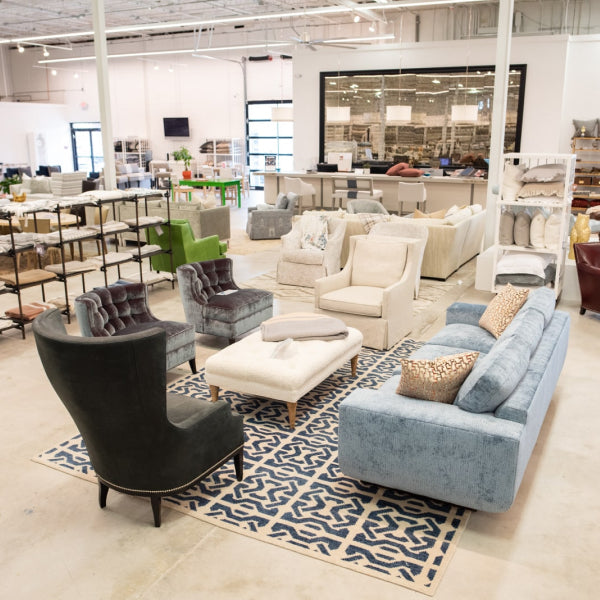
Lewis and Sheron Textiles offers fabric, custom furnishings, and reupholstery services in Atlanta. That kind of resource matters when a repair calls for proper material matching and workmanship suited to designer interiors rather than improvised fixes.
Prevention also deserves more attention than emergency repair. A thoughtful furniture fabric protection plan helps reduce the spills, abrasion, and panic decisions that lead homeowners to try hot glue on pieces they should protect more carefully.
For luxury furniture, "good enough" is not a useful standard. The right repair should preserve the textile, respect the original build, and disappear into the piece.