






















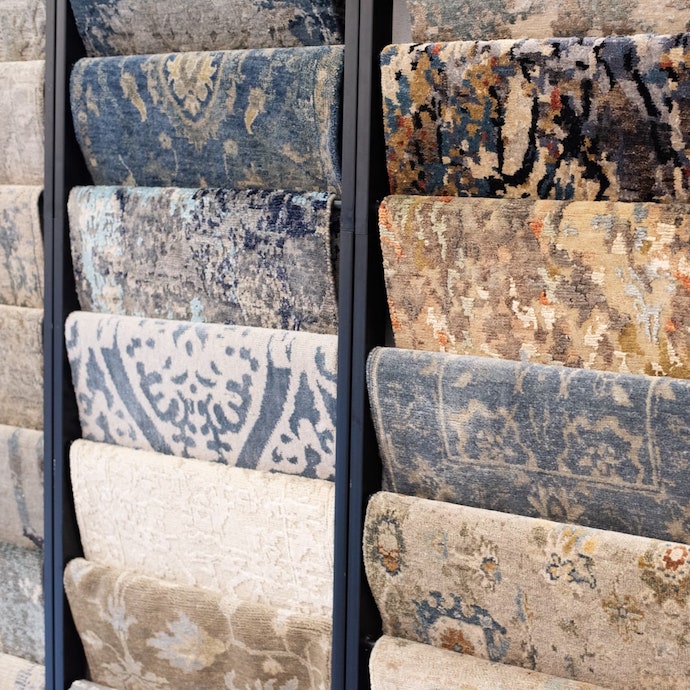
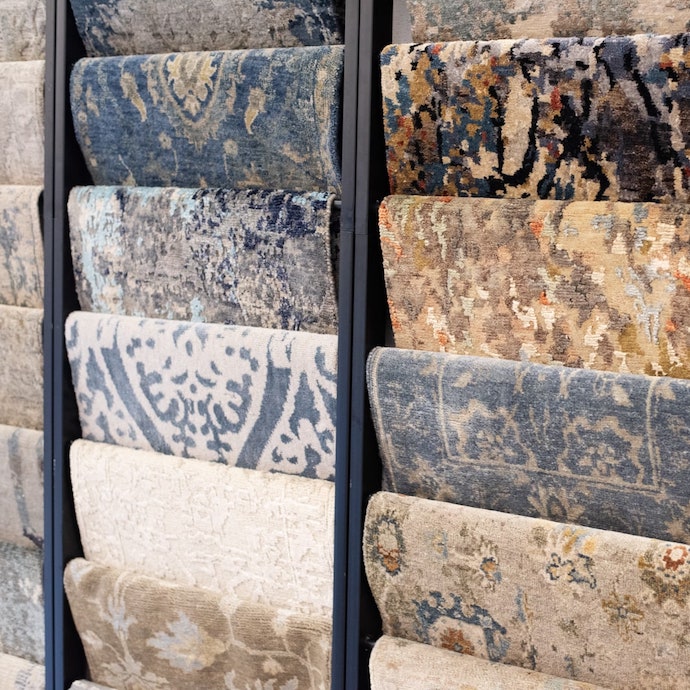
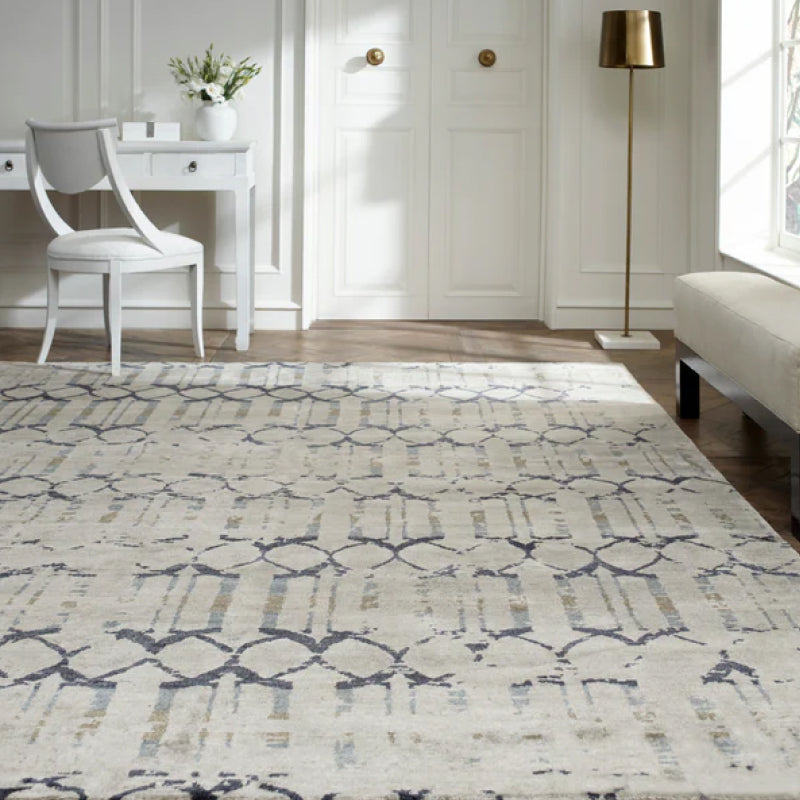
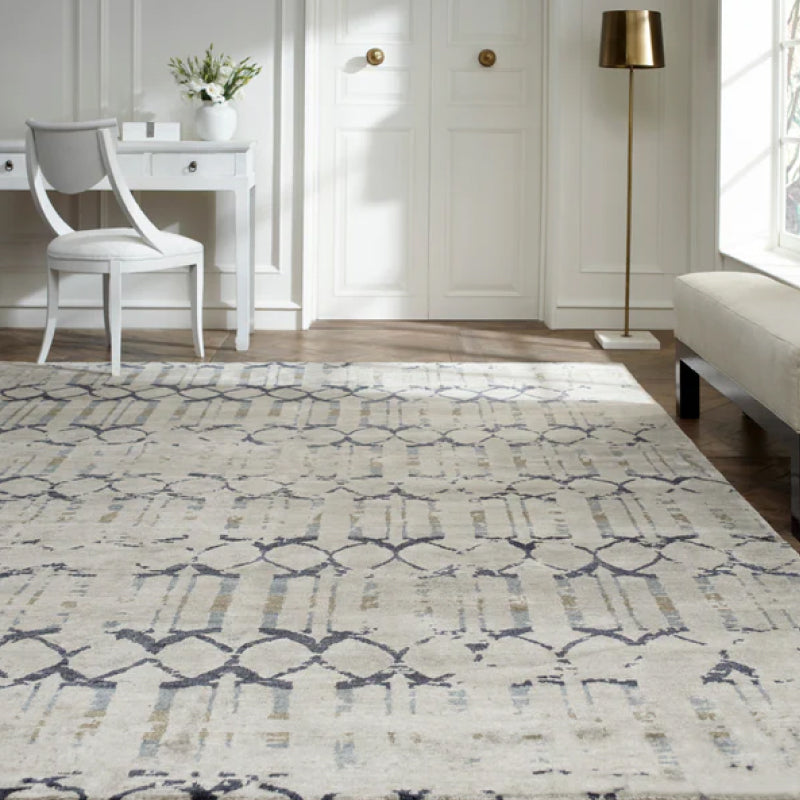
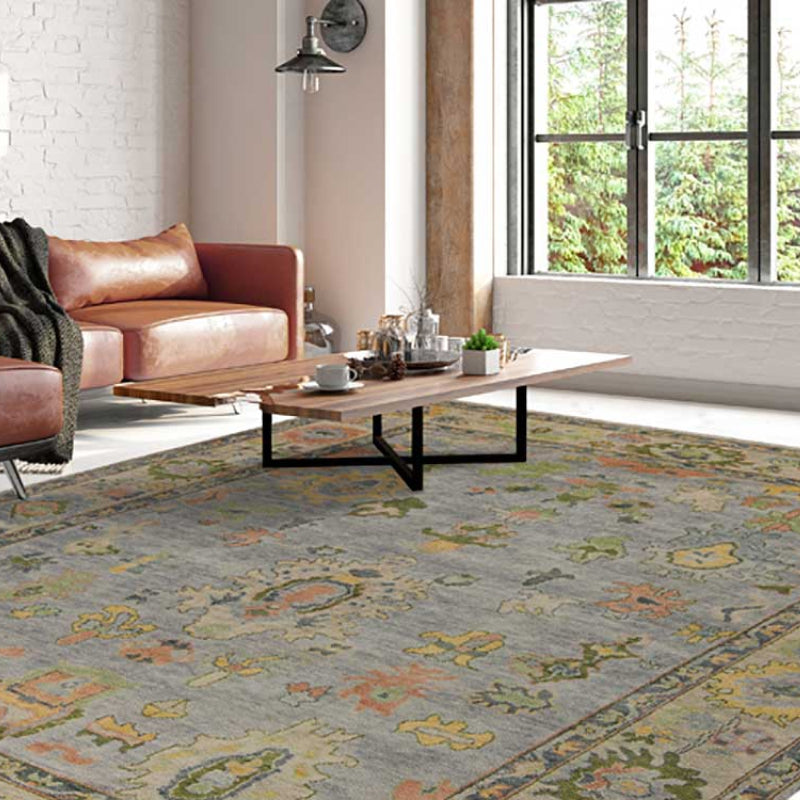
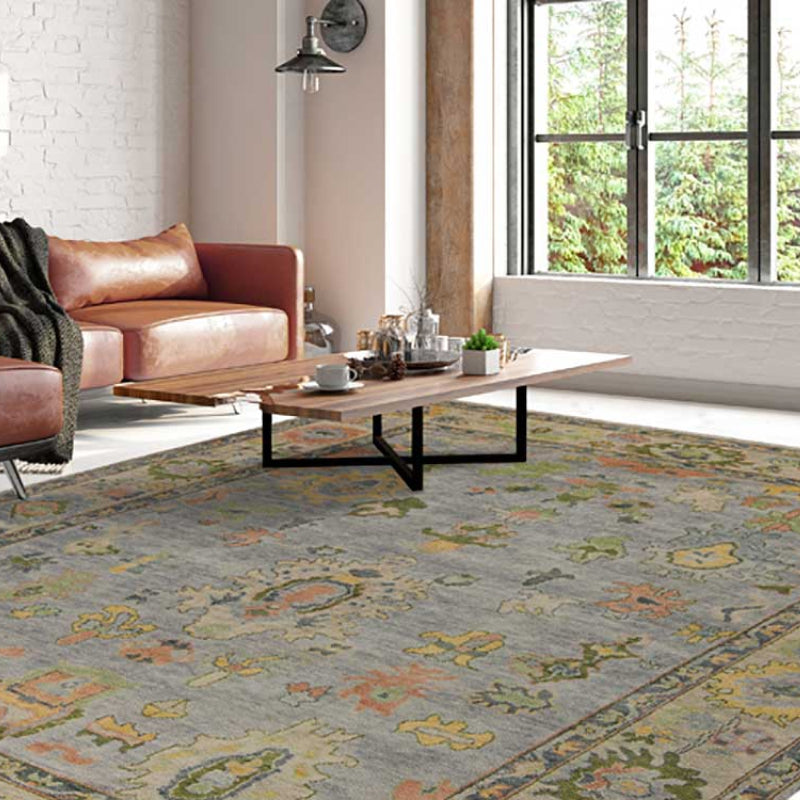
A silk rug usually changes the room before you've even finished placing the furniture. The light shifts, the palette settles down, and suddenly that custom upholstered sofa, those custom-made draperies, and the statement chair across the room all look more intentional. In homes across Atlanta, Buckhead, Alpharetta, Roswell, and Sandy Springs, that's often the moment a space stops feeling furnished and starts feeling curated.
That's also the moment owners realize silk asks for a different level of care.
Silk rug care isn't housekeeping in the casual sense. It's preservation. If you've invested in designer furniture, premium sectionals, high-quality couches, or heirloom-quality furniture, the rug beneath them deserves the same standard of attention. A silk rug can anchor luxury home furnishings beautifully, but only if you treat it like a fine textile rather than a general floor covering.
The Soul of the Room Your New Silk Rug
The first unrolling is memorable for a reason. A silk rug doesn't passively reside in a room. It catches light, reflects tone differently through the day, and brings softness that even the best luxury sofas and custom chairs can't create on their own. In a polished living room, it often becomes the visual bridge between architecture and furniture.

That's why silk rugs belong in the same conversation as heirloom-quality furniture. They aren't impulse pieces. They're usually chosen after long consideration, often to ground a room built around custom upholstered furniture, designer furniture, and carefully chosen finishes. If you appreciate the craftsmanship behind hand-knotted rugs, you already understand that beauty and maintenance are tied together.
Why silk changes a room differently
Silk has a luminous surface that reads almost like a finish layer in the room. It can soften a formal seating area, sharpen a neutral palette, or give depth to a space filled with statement furniture pieces. In luxury interiors, that matters. The rug isn't afterthought décor. It often determines which wood tones, upholstery textures, and accent materials feel right around it.
A room with a silk rug also asks for better habits. Chairs can't be dragged carelessly. Spills can't linger. Strong sun can't be ignored because it falls in a beautiful spot every afternoon.
Silk performs best in homes where people value materials and use them thoughtfully.
The emotional investment is real
Many buyers treat a new silk rug the same way they treat a bespoke sofa or a favorite antique chest. They circle it. They touch the pile with the back of the hand. They move accessories around it until the balance feels right. That instinct is correct. Silk rewards attention.
It also punishes rough handling faster than most high-end materials in the home.
That doesn't mean it's impractical. It means the owner has to think like a steward, not just a shopper. A silk rug can live beautifully among premium sectionals, custom chairs, and other luxury home furnishings for years, but only if care starts on day one. Placement, traffic, light, cleaning, and storage all matter from the start.
Your Essential Maintenance Rhythm
A silk rug keeps its finish when care becomes part of the room's routine. In a well-designed space, that routine protects more than the rug itself. It preserves how the light reads across the floor, how the sofa sits on the surface, and how the whole seating group feels when every material still looks intentional.
If you already know the maintenance habits that keep wool rugs looking their best, silk asks for a lighter hand and closer observation. I tell clients in our Atlanta showroom to treat silk the way they treat fine upholstery. Regular attention prevents expensive correction later.
Your weekly habit
Vacuuming should be controlled and quiet. The goal is to remove dry grit before foot traffic presses it deeper into the pile.
The safest routine comes from the rug trade and from conservation guidance such as the care recommendations from the Victoria and Albert Museum, which advise gentle cleaning methods and caution around fragile fibers and edges.
Use this method:
- Choose suction only: Use a brushless attachment on low suction.
- Move with the pile: Let the nozzle travel in the same direction the silk naturally lays.
- Keep passes slow: Fast strokes create drag and usually miss embedded dust anyway.
- Treat fringe separately: If the fringe needs attention, use a handheld upholstery tool carefully or leave it for a professional visit.
Formal rooms often do well on an every-two-week schedule. In living spaces with active seating areas, weekly care is the safer standard. Silk shows pressure, dust, and dulling sooner than many clients expect, especially beside pale upholstery or polished wood.
What to stop doing
Daily habits wear silk down faster than a single dramatic mistake.
Practical rule: If a tool is built to scrub broadloom carpet, keep it off silk.
Avoid these common problems:
- Power heads and beater bars: They can fuzz the surface, pull at the foundation, and rough up the sheen that gives silk its depth.
- Repeated vacuuming under chair fronts: Dining and accent chairs create concentrated wear where legs shift in and out.
- Home spot tools used “just in case”: Even light moisture can leave rings, flatten pile, or disturb dyes.
- Humid placement: Basements, baths, and rooms that stay damp put stress on both fibers and foundation.
- Unmanaged sun exposure: A beautiful pool of afternoon light can fade one side of the rug and leave the seating arrangement visibly uneven over time.
That last point matters in luxury interiors. If a silk rug sits under a custom sofa and a pair of statement chairs, uneven fading or crushing throws off the balance of the whole composition, not just the floor covering.
The monthly and seasonal rhythm
Good maintenance includes looking at the room from above and at floor level. Once a month, inspect traffic lanes, edge curl, fringe condition, and any area where furniture legs rest without protective cups. Small changes are easier to correct before they become permanent.
Seasonally, rotate the rug if the design and wear pattern allow it. Reassess sunlight, especially in rooms with tall windows. Check whether a heavy coffee table, sofa leg, or sculptural chair is creating pressure marks in the same spots month after month. Museums and textile conservators regularly stress the value of reducing light and pressure exposure for delicate floor textiles, and the Smithsonian's textile care guidance supports that broader principle.
A simple schedule works well:
| Timing | What to do | Why it matters |
|---|---|---|
| Weekly or every two weeks | Vacuum with suction only | Removes grit before it abrades the pile |
| Monthly | Inspect edges, fringe, traffic lanes, and furniture contact points | Catches wear before it spreads |
| Seasonally | Rotate if appropriate, reassess sun exposure, and adjust furniture pressure | Keeps the rug aging evenly within the room |
If indoor humidity spikes after a leak, storm, or HVAC issue, dry the room quickly and keep moisture away from the rug's foundation. General drying guidance from Restore Heroes wet carpet tips is useful for stabilizing the space, but silk itself still deserves specialized care.
One quick authenticity check
Clients sometimes inherit a rug labeled silk that is viscose or another imitation fiber. A quick showroom habit is to look first, not rub first. Genuine silk usually has depth and luster that shift with the viewing angle, while many substitutes look uniformly shiny or slightly glassy.
For certainty, use a qualified rug professional rather than a home test. That matters because silk, viscose, and silk blends do not age or clean the same way, and the maintenance plan should match the actual fiber.
An Emergency Guide to Spills and Spots
A glass of red wine tips near a silk rug just as guests settle into the room. In that moment, the rug is not an isolated floor covering. It is part of the entire composition, sitting under custom seating, reflecting light back into polished wood, metal, and upholstery. A rushed cleanup can leave a watermark or color shift that throws off everything around it.

Silk gives you very little room for experimentation. The first goal is containment. The second is avoiding extra damage from good intentions.
What to do in the first minute
Start by protecting the rug's structure and dyes.
- Clear the area. Keep shoes, pets, chair legs, and foot traffic away from the wet spot.
- Use a clean white cloth. White cotton or plain white paper towels help you avoid transferring dye onto the pile.
- Blot straight down. Press, lift, and repeat. Keep the motion vertical so you are absorbing liquid instead of pushing it deeper.
- Switch to a fresh area of the cloth often. A saturated cloth only redistributes moisture.
- Lift solids gently if needed. Use the edge of a spoon to pick them up without scraping across the fibers.
That restraint matters. Silk pile can distort quickly, and once the face yarns lose their direction, the rug may never read the same way in the room again.
If the spill spreads beyond the obvious surface and the surrounding area stays damp, some of the general moisture-control logic in Restore Heroes wet carpet tips helps explain why fast drying matters. Standard carpet methods still should not be applied directly to silk.
What causes the worst damage
In showroom consultations, I see more harm from overcleaning than from the original spill. Homeowners panic, reach for water, soap, or an all-purpose spot remover, and turn a localized problem into dye bleed, pile distortion, or a stiff patch that catches the light differently from the rest of the rug.
Avoid these common mistakes:
- Do not rub. Friction roughs up silk and drives the spill into the foundation.
- Do not flood the spot with water. Extra moisture can spread dyes well beyond the original mark.
- Do not use household carpet cleaners. Products made for synthetic broadloom are too aggressive for fine silk.
- Do not apply soap casually. Residue attracts soil and can leave the area flat or dull.
- Do not use colored towels. Transfer from the towel is one more stain to solve.
Choose the least invasive action first.
Which spills should go straight to a specialist
Some incidents can be stabilized at home with prompt blotting. Others need professional attention immediately, especially in a high-design room where even slight visual change stands out against designer furniture and refined finishes.
Call a silk rug specialist if you see any of these:
- Strongly dyed liquids, such as wine, coffee, tea, or juice
- Oil-based or protein-based spills, including sauce, cosmetics, milk, or pet accidents
- A wet area larger than the visible spot
- Color movement, bleeding, or a halo around the spill
- Texture changes, including stickiness, crushing, or pulled pile
That is the practical trade-off. Waiting can save the service call if the spill is minor. Waiting can also turn a cleanable spot into a permanent visual break in a rug that anchors the whole room.
A smart response kit to keep nearby
Homes with silk rugs should keep a small cleanup kit within easy reach, preferably in the same cabinet where furniture touch-up supplies and upholstery care items are stored. Silk care belongs in the same conversation as caring for a custom sofa or a finely finished chair.
Keep these on hand:
- White absorbent cloths
- A clean dry towel
- A spoon for lifting solids gently
- Good lighting
- The phone number of a qualified rug cleaner
Patience belongs on that list too. With silk, a measured response protects both the rug and the larger design story it supports.
When to Trust a Professional Rug Cleaner
A silk rug can look clean and still be carrying the wrong kind of wear. In a luxury room, that matters. Once the surface loses its light, the whole composition feels flatter, especially next to finely finished upholstery, polished woods, and chairs chosen for texture and line.
Professional cleaning belongs in the normal care cycle for silk. The exact timing depends on traffic, sunlight, pets, and how the room is used, but silk should be assessed far sooner than a standard wool rug or broadloom carpet. Owners often wait until they see visible grime. By then, dry soil has usually been grinding at the base of the pile and muting the finish that gave the rug its presence in the first place.

What an actual silk process looks like
A qualified silk cleaner handles the rug as a textile, not as flooring. That distinction protects the sheen, the hand, and the structure. Fort Street Studio's maintenance guidance cautions against steam and overly aggressive wet methods on silk, particularly where finish and color subtlety matter.
Good shops usually start with inspection under strong light, dust removal, dye-stability testing, and a cleaning plan specific to the rug's weave, age, and fiber blend. Cleaning is controlled and low-stress. Drying is controlled too. Grooming after cleaning is part of the work, because pile direction and texture need to be reset before the rug fully dries.
That last step gets missed more often than clients realize.
Why the wrong cleaner is expensive
The wrong cleaner can remove soil and still damage the rug. I have seen silk come back brighter in the worst possible way. Stripped, flattened, and missing the softness that made it worth buying.
Common failures are easy to spot once you know them. Colors look slightly harsh. The pile lies in patches. The rug feels limp underfoot. Fringe becomes brittle. Those changes are especially obvious in rooms built around custom seating, layered materials, and careful contrast. A compromised rug does not stay an isolated problem. It weakens the furniture around it.
Risk after cleaning is not limited to washing mistakes. Storage, transport, and poor plant conditions can introduce pests. If a cleaner cannot explain inspection and prevention protocols, read up on eliminating carpet beetles effectively and ask harder questions before handing over a valuable textile.
Questions worth asking before handing over the rug
A serious cleaner should be comfortable with technical questions and give specific answers.
Ask these:
- Do you clean silk rugs in a separate process from standard carpet work?
- How do you test for dye movement before cleaning?
- Do you use steam or high-heat extraction on silk?
- How do you control drying time, airflow, and humidity?
- What is your method for grooming pile and protecting fringe after washing?
- How is the rug wrapped, transported, and stored while in your care?
Listen for process, not confidence. A specialist should be able to describe each stage plainly.
A simple red-flag table
| Cleaner says | What it suggests |
|---|---|
| “We'll steam clean it” | They may be using a carpet method that is too aggressive for silk |
| “A little scrubbing is fine” | They may not understand how quickly silk pile can distort |
| “Soap and water should do it” | They are treating a high-value rug like generic carpet |
| “We test dyes, control drying, and groom the pile by hand” | Worth serious consideration |
The right cleaner protects more than cleanliness. They protect proportion, color balance, and finish across the whole room. That is the standard silk deserves in a curated interior.
Long-Term Preservation for Heirloom Quality
Cleaning keeps a silk rug attractive. Preservation keeps it collectible, livable, and worthy of passing down. This is the part owners often miss because the rug can look fine while quiet damage is developing from friction, sunlight, storage errors, and room conditions.

Critical maintenance includes rotating rugs 180° every 3 to 4 months to distribute wear evenly, using high-density rug pads of at least 10mm thickness, and storing with breathability because 71% of silk rugs stored without breathability develop mold or pest infestation, according to Nazmiyal's silk rug care guide.
Protect the rug from the room itself
Furniture, windows, and climate all shape the rug's future.
Use a preservation checklist like this:
- Rotate on schedule: Turn the rug 180° every 3 to 4 months so traffic and light don't wear one side faster.
- Use a proper pad: A high-density rug pad at least 10mm thick reduces friction from foot traffic and furniture pressure.
- Control placement: Keep silk away from strong direct sun and damp rooms.
- Watch heavy legs: Use furniture placement thoughtfully so one table or chair doesn't repeatedly stress the same area.
Expert reminder: A silk rug doesn't just wear from footsteps. It wears from pressure, drag, heat, and neglect.
Storage is where many beautiful rugs are lost
Owners often store a silk rug during renovation, staging, seasonal moves, or room redesign. Done correctly, storage is safe. Done casually, it can undo years of careful ownership.
Follow this method:
- Clean the rug before storage. Dirt left in the pile invites trouble.
- Roll, never fold. Folding creates stress points.
- Keep the pile facing inward. This protects the visible surface.
- Wrap around a sturdy tube. Structure matters.
- Use breathable fabric, not plastic. Breathability is essential.
- Air it occasionally if stored long-term. Don't leave it forgotten.
That last point matters because silk and wool can attract moths and carpet beetles. If you're dealing with an active pest concern in the broader home, a practical resource on eliminating carpet beetles effectively can help you understand the problem before it reaches textiles.
Common preservation mistakes
Some errors look tidy and responsible but aren't.
| Mistake | Better choice |
|---|---|
| Folding the rug | Roll it around a sturdy tube |
| Wrapping in plastic | Use breathable fabric |
| Leaving it in a basement | Store in a dry, stable interior space |
| Parking it in harsh sun | Choose filtered light or another room |
Silk can absolutely function as an heirloom piece. But heirloom status doesn't come from age alone. It comes from informed stewardship.
A Curated Home in Atlanta from the Ground Up
In well-designed homes, the rug is rarely separate from the furniture plan. It sets the tone under a sculptural cocktail table, supports the scale of a premium sectional, and softens the lines of custom upholstered furniture. In that sense, silk rug care is part of interior preservation, not a side task.
That matters in Atlanta's design-driven neighborhoods. High-end furniture stores in Atlanta, such as Mathews Furniture and Cantoni Atlanta, are specifically sought by consumers rejecting low-quality brands, which points to strong decision-stage demand around custom furniture Atlanta and designer furniture near me among affluent homeowners in areas like Buckhead and Roswell, based on discussion captured in this Atlanta furniture thread. The buyer searching for high-end furniture in Atlanta is often the same buyer choosing luxury home furnishings, designer furniture, and statement furniture pieces with a long timeline in mind.
Why silk belongs in the luxury conversation
People shopping for the best luxury sofa brands or weighing custom vs mass-produced furniture usually ask the right questions. How was it made? Will it last? Does the finish improve the room or just fill it? Silk rugs deserve that same standard.
A maintained silk rug supports:
- Luxury sofas and premium sectionals by giving them visual grounding
- Custom chairs and bespoke upholstery by adding depth and contrast
- Designer furniture near me searches with a more complete room vision
- Heirloom-quality furniture collections through material harmony
A room that combines strong upholstery, thoughtful scale, and a well-kept silk rug feels complete from the floor up. That's true in Buckhead formal living rooms, Alpharetta family spaces, Sandy Springs renovations, Roswell character homes, and throughout Fulton County and North Atlanta.
The room reads as one story
The best interiors don't look assembled in separate shopping trips. They look edited. A silk rug helps create that effect, but only if it keeps its surface clarity, color, and texture.
For homeowners refining a living room around the best area rugs for living room design, the lesson is simple. Don't treat the rug as the final accessory. Treat it as the foundation that allows every surrounding material to perform better.
A beautiful silk rug under neglected conditions becomes a liability. A beautiful silk rug under disciplined care becomes one of the most persuasive design elements in the home.
If you're building a room around fine textiles, hand-knotted rugs, custom upholstered furniture, and heirloom-quality pieces, Lewis and Sheron Textiles offers the kind of design-centered expertise that helps a space come together thoughtfully. From luxury home furnishings and premium fabrics to custom furniture in Atlanta, their team helps homeowners and designers create interiors that are as enduring as they are beautiful.