












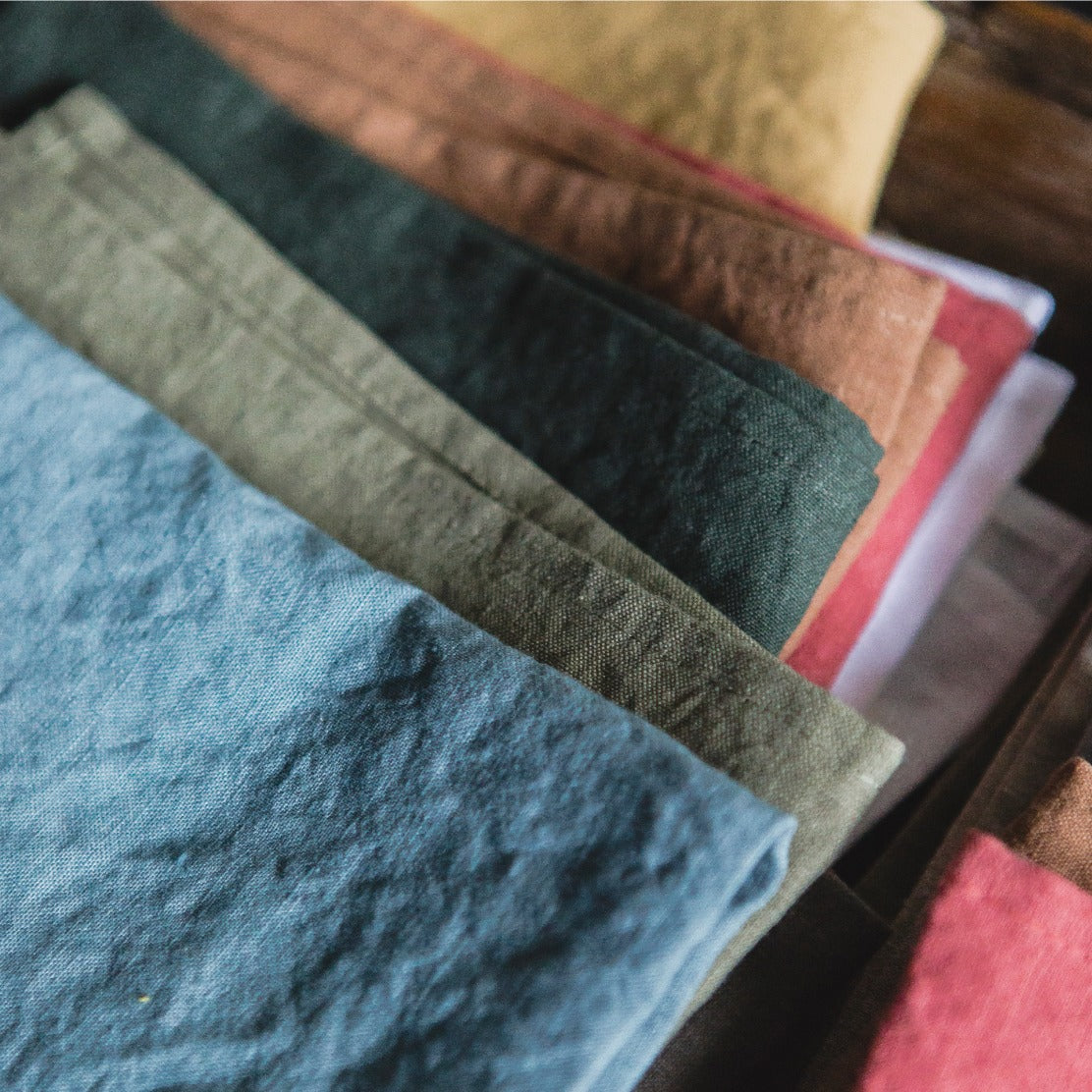

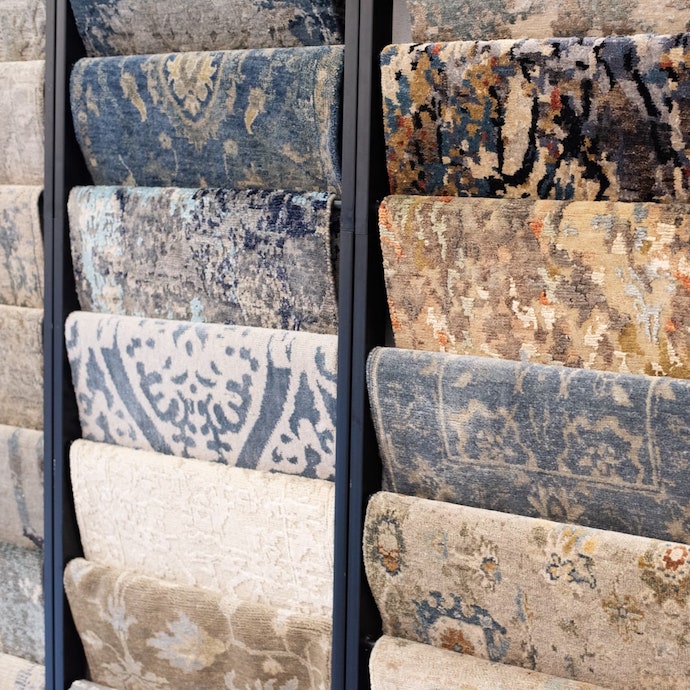
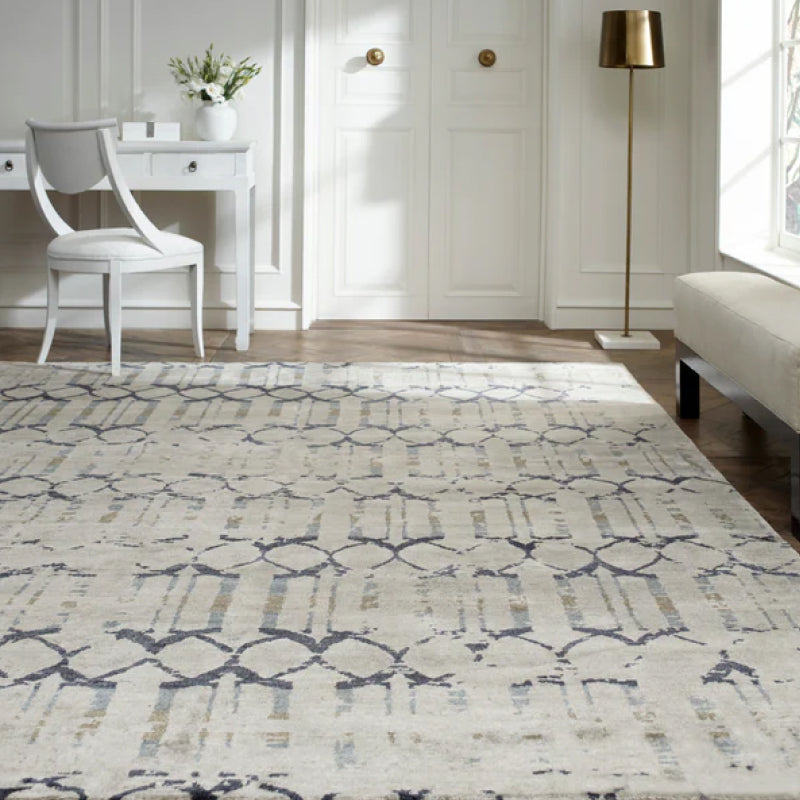
A client once ran a hand across the skirt of a custom sofa and stopped because she couldn't find the closure. That was the point. In luxury interiors, the details you don't see often tell you the most about how a piece was made.
The Unseen Detail in Luxury Home Furnishings
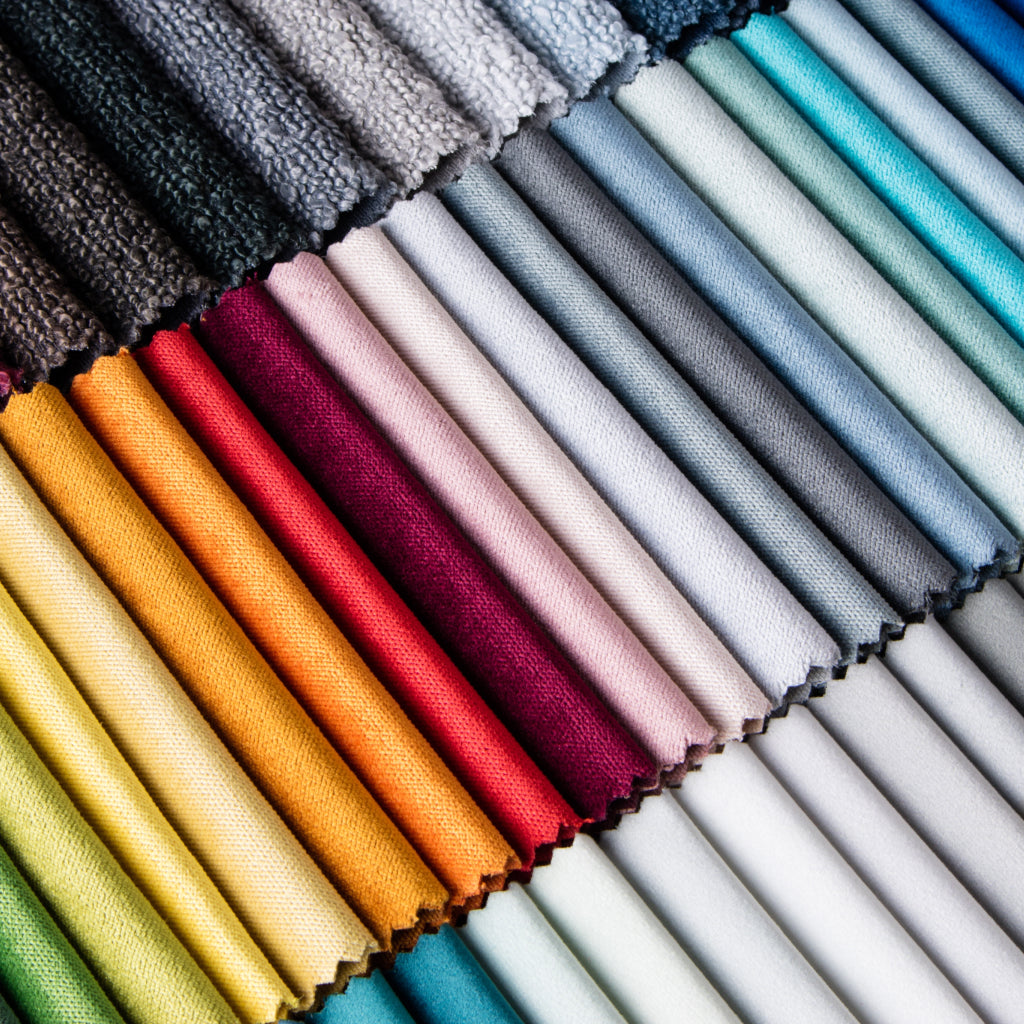
In a well-furnished room, attention usually goes to the obvious things first. The shape of a sofa. The hand of the velvet. The way a lined drapery panel falls cleanly to the floor. But in custom upholstered furniture and designer textiles, the difference between a polished piece and a merely expensive one often comes down to the smallest hidden components.
A hook and eye fastening is one of those components. It is commonly known as a sewing notion. In high-end work, it functions more like precision hardware. It holds a closure where a zipper would look bulky, where Velcro would read casual, or where a visible button would interrupt the line of the design.

Where luxury shows itself
In a mass-produced piece, closures are often chosen for speed. In a custom chair, premium sectional, or custom cushion, the closure has to serve the design. It needs to stay quiet, nearly disappear, and keep the textile lying flat instead of pulling or telegraphing through the face fabric.
That matters in several places:
- On fitted cushion backs where a visible closure would break a clean silhouette.
- Inside upholstered skirts where bulk ruins the drape.
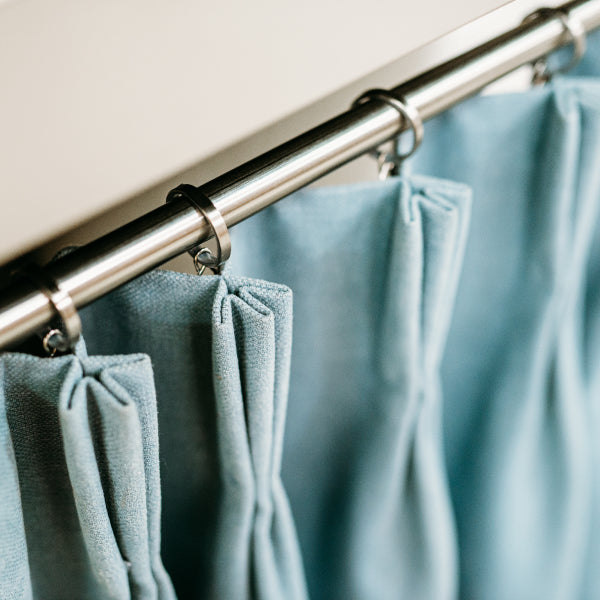
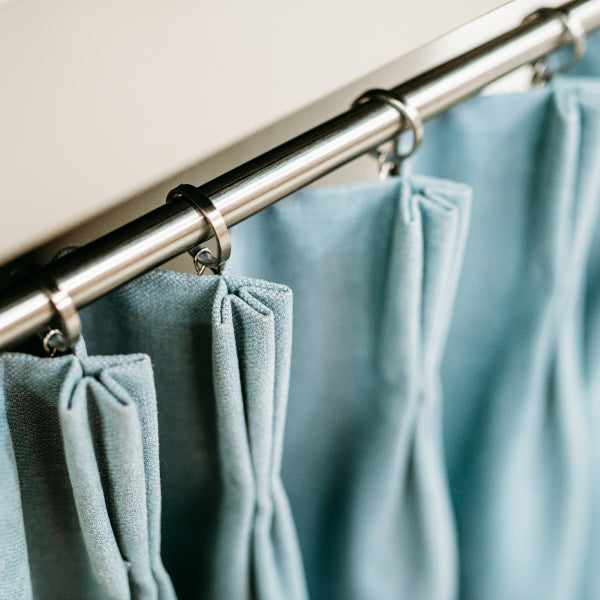
- At drapery returns or overlap points where hardware has to secure fabric without announcing itself.
- On heirloom restoration work where the right fastening preserves the original look.
Practical rule: If the eye goes to the closure before it goes to the fabric, the closure was chosen or installed poorly.
For homeowners shopping for luxury furniture in Atlanta, or designers sourcing for homes in Buckhead, Alpharetta, Roswell, and Sandy Springs, this is one of the quiet markers of quality. It's also one of the easiest details to miss until something fails. A closure that twists, prints through, or strains the seam changes how the entire piece feels.
Why it matters in custom work
The best custom upholstered furniture doesn't rely on a single grand gesture. It relies on dozens of disciplined decisions. A hidden fastening has to support tension, survive repeated use, and preserve the line of the textile. If it's undersized, badly placed, or mismatched to the fabric, even beautiful materials start to look unsettled.
That's why furniture artisans and textile workrooms pay attention to these small mechanical choices. In high-end furniture, refinement is built from hidden structure as much as visible style.
From Medieval Garments to Modern Heirlooms
The hook and eye fastening has lasted because it solves a basic design problem elegantly. It closes an opening with very little visual interruption. That's as useful on a historic garment as it is on a lined cushion, a drapery return, or a precise upholstery detail today.
Its history reaches back much further than many people realize. Hook-and-eye fastening has a documented history reaching at least the 14th century in England, where Valerie Cumming and co-authors cite a written reference to “hooks and eyes” known as crochets and loops. By the mid-15th century, surviving paintings show metal hooks used with eyes or loops, and by the mid- to late-18th century mechanically made hooks and eyes had become available in Europe, replacing artisan-made versions, as described in this historical review of hook and eyes.

A fastening that stayed useful
That longevity isn't accidental. The design is simple, repairable, and adaptable. It can be tiny and discreet, or sturdy enough for heavier textiles. It can disappear into a seam allowance or sit just under an edge where it supports the line of the work without turning into decoration.
Archaeology reinforces that continuity. Historic Jamestowne recovered almost 100 iron and copper-alloy clothing hooks and eyes from contexts dated 1607–1699, including three silver hooks. The finds range from pieces about 7 mm × 7 mm and 0.25 g to larger examples around 20 mm × 20 mm and 14 g, showing the fastening worked across different garment weights and remains recognizably similar to modern closures, according to the Historic Jamestowne artifact record.
Why designers still care
Interior designers often talk about timelessness as a visual quality. It's also a construction choice. When a fastening method survives for centuries, it usually means it answers a real functional need without calling attention to itself.
That's one reason the hook and eye still appears in couture and formal construction. If you're interested in how hidden structure shaped dressmaking, the past of corsets offers useful context for understanding why small closures mattered so much in fitted work.
Good craftsmanship tends to reuse old solutions when those solutions still do the job better than a trendy alternative.
For custom furniture Atlanta clients and designers furnishing refined homes in North Atlanta, that idea translates well. Heirloom quality doesn't mean old-fashioned. It means using methods with a long record of doing their job cleanly.
Choosing the Perfect Fastener for Your Project
A hook and eye fastening only works well when its size, shape, and material match the textile and the load. Many otherwise beautiful projects then go wrong. People choose by appearance first, then ask the hardware to do work it wasn't meant to do.

Start with load and fabric behavior
Hook-and-eye hardware is commonly standardized in sizes 0 to 3, with size 0 the smallest and size 3 the largest. That sizing lets makers match the fastener to fabric weight and closure load rather than guessing. In industrial fastener applications, hook-style components are also produced in corrosion-resistant carbon steel or stainless steel with multiple sizes and thread configurations, which underscores how much material and geometry affect durability and retention, as outlined in this hook and eye size chart overview.
For home furnishings, that leads to a practical comparison.
| Project type | What usually works | What often fails |
|---|---|---|
| Light linen cushion | Smaller, discreet hardware that won't print through | Oversized hooks that create ridges |
| Heavy velvet drapery | Larger, sturdier hardware matched to fabric weight | Delicate closures that distort under pull |
| Upholstered skirt closure | Flat, controlled fastening that disappears into the construction | Bulky closures that interrupt the line |
| Layered or lined textiles | Hardware selected with enough clearance and anchoring surface | Tiny hardware forced through thick build-ups |
Shape matters as much as size
The eye component changes with the edge geometry.
- Bar-style eye works better on lapped openings, where one edge overlaps the other.
- Round eye suits abutting openings, where edges meet rather than overlap.
- Covered or fabric-wrapped options can help when visibility matters more than raw hardware appearance.
- Heavier coat-style hooks make sense when the textile is thick and the pull is direct.
If you want a broader primer on the small components that make sewing and upholstery possible, this guide to what sewing notions are is useful background.
A practical selection mindset
In luxury interiors, I'd rather see a plain fastening chosen correctly than a decorative one chosen badly. On a high-quality couch or custom chair, the closure should support the textile, not compete with it.
Ask three questions before choosing:
- How much strain will the closure take?
- Will the edge overlap or meet cleanly?
- Is invisibility more important than ease of replacement?
Those answers usually narrow the field fast. For designer furniture near me searches and local clients comparing custom versus mass-produced work, this is one of the hidden areas where bespoke construction earns its keep.
Professional Placement on Luxury Textiles
Selection is only half the job. Placement determines whether the fastening disappears properly and whether it stays easy to use after repeated opening and closing. Poor placement makes even good hardware feel awkward.

The baseline position
For a clean, hidden closure, the hook is typically sewn so it sits about 1/8 inch (3 mm) from the fabric edge. That recessed position helps the textile lie flat under tension while still giving the hook enough slack to engage the eye easily, as explained in this guide to hook and eye construction.
That small offset matters more than people expect. Sew the hook too close to the edge and it can show. Sew it too tightly and it becomes fussy to close. Sew it too far in and the edge can gap or buckle.
Matching placement to the textile
On luxury textiles, placement changes with thickness, lining, and strain. A silk drapery return behaves differently from a skirted sectional. A lined cushion panel behaves differently from a single layer of linen.
Use this working approach:
- For lapped edges choose placement that lets the overlap sit naturally without a visible bump.
- For abutting edges align the eye so the meeting line stays straight and calm.
- For thick layers avoid burying the hook so much that the user has to fight the fabric to engage it.
- For delicate face fabrics anchor into stable underlying layers whenever possible, not just the visible cloth.
The cleanest closure is the one that closes almost effortlessly and leaves no argument in the fabric.
There's a couture parallel here. The same discipline that makes a garment look composed makes a room look composed. This piece from the Vivien Lauren boutique captures that larger idea of luxury craftsmanship well.
Where placement usually goes wrong
The biggest mistakes show up in custom home applications, not because the hardware is complicated, but because the textiles are. Upholstery often introduces backing, interlining, welts, trims, and seam bulk. That changes how the closure engages.
A few common failures:
- Ignoring pull direction on a sofa skirt or cushion edge.
- Using garment placement habits on upholstery that has far more bulk.
- Forcing symmetry over function when one side has a thicker buildup than the other.
For anyone evaluating reupholstery or custom fabrication, understanding these hidden decisions helps explain why skilled work costs more. This overview of the art of professional reupholstery is a helpful companion if you want to see how much construction logic sits beneath a finished piece.
Placement in premium interiors
In custom upholstered furniture, the fastening has to preserve the silhouette. In drapery, it has to support fall and return. In heirloom pieces, it has to respect original proportion. Placement isn't just technical. It's visual judgment under mechanical constraints.
That's why this tiny fastening belongs in the conversation about designer furniture, luxury home furnishings, and long-term quality.
Sewing and Attaching Hooks and Eyes Correctly
In a luxury workroom, poor attachment shows up long before a hook fails outright. The panel starts to pull off line. A cushion closure begins to fight the hand. A skirt edge no longer sits cleanly. The fastening is small, but on custom upholstery and drapery, its stitching has to carry strain without leaving a trace on the face.
A key challenge in attachment is fabric strain. Heavy linen, interlined drapery, velvet, and upholstered goods all react differently once the closure is put under repeated use. The goal is to secure the hardware firmly enough to hold, while leaving just enough freedom for the hook and eye to meet naturally.
A workroom method that holds up
The best results come from a measured sequence, not speed.
- Mark the exact meeting point with the piece closed in its finished position.
- Sew the hook first using firm hand stitches that secure the base into stable layers.
- Test the catch before fixing the eye permanently.
- Attach the eye so it stays flat and does not cant upward under tension.
- Inspect the face after each step to catch any show-through, dimpling, or distortion early.
That third step saves rework. On heirloom furnishings, a hook that lands a fraction off can shift the line of a cushion band or make a drapery return sit poorly. Good handwork accounts for use, not just appearance on the table.
How stitch choice affects the finish
More stitches do not automatically mean better attachment. Too much thread packed into one point can stiffen the area, print through the face fabric, or create a ridge that gives the closure away. The stronger method is to place stitches where the textile has structure and let the hardware sit with controlled flexibility.
A few habits consistently produce cleaner results:
- Carry the load into the underlayers rather than relying only on the visible loops of the hook.
- Add small securing stitches over the eye so it stays aligned during repeated opening and closing.
- Match the stitch approach to the textile because backed upholstery fabric and soft decorative panels do not behave the same way.
- Test again after sewing since thread tension can pull the hardware slightly out of position.
For makers refining this level of handwork, this guide to different types of sewing stitches is useful for understanding why one stitch gives better control than another.
Bench note: A well-set hook and eye should close with a quiet, certain feel.
The same standard applies across the room
This discipline carries over to other finishing hardware in high-end interiors. Drapery specialists deal with the same expectation. Hardware must perform, stay visually quiet, and support the line of the design. For a related example, see this guide to a professional finish for holdbacks.
The Finishing Touch on Your Timeless Interior
The smallest hardware often carries the biggest burden. A hook and eye fastening has to close cleanly, stay hidden, manage strain, and preserve the line of the textile. When it does all of that well, its efficient operation remains unobserved. What is noticed, instead, is that the room feels finished.
That's the standard behind heirloom-quality furniture and custom home furnishings. Not flashy construction. Disciplined construction. A luxury sofa, custom chair, or statement drapery panel earns its place over time because the visible beauty is supported by hidden decisions that keep working.
What refined construction looks like
In the Atlanta luxury market, buyers looking for high-end furniture, custom furniture Atlanta, or designer furniture near me are usually weighing more than style. They're deciding whether a piece will keep its composure after years of living with it.
That comes down to details like these:
- Correct selection so the fastening suits the textile and the load.
- Thoughtful placement so the closure stays discreet and easy to use.
- Careful attachment so repeated handling doesn't distort the fabric.
- Respect for the design line so structure supports appearance instead of disrupting it.
For homeowners in Buckhead or Sandy Springs, and for interior designers sourcing for projects across Fulton County and North Atlanta, those details separate custom work from cookie-cutter production.
Why this detail belongs in the larger conversation
People often ask what makes furniture “designer quality.” Part of the answer is material. Part is proportion. Part is comfort. But another part is whether the piece has been built by people who care about the hidden mechanics as much as the visible finish.
That's where timeless interiors come from. Not from one grand feature, but from many small correct choices made consistently.
If you're planning custom upholstery, drapery, or a room built around lasting materials, Lewis and Sheron Textiles offers fabrics, furnishings, and design support that help turn those hidden construction details into a finished interior with staying power.