












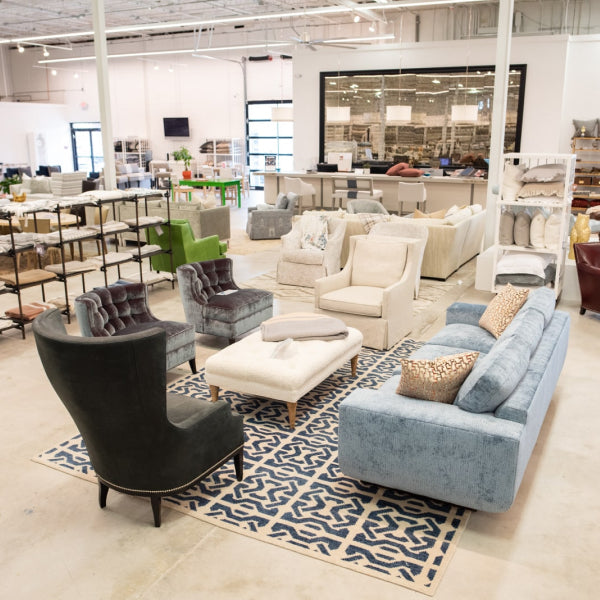



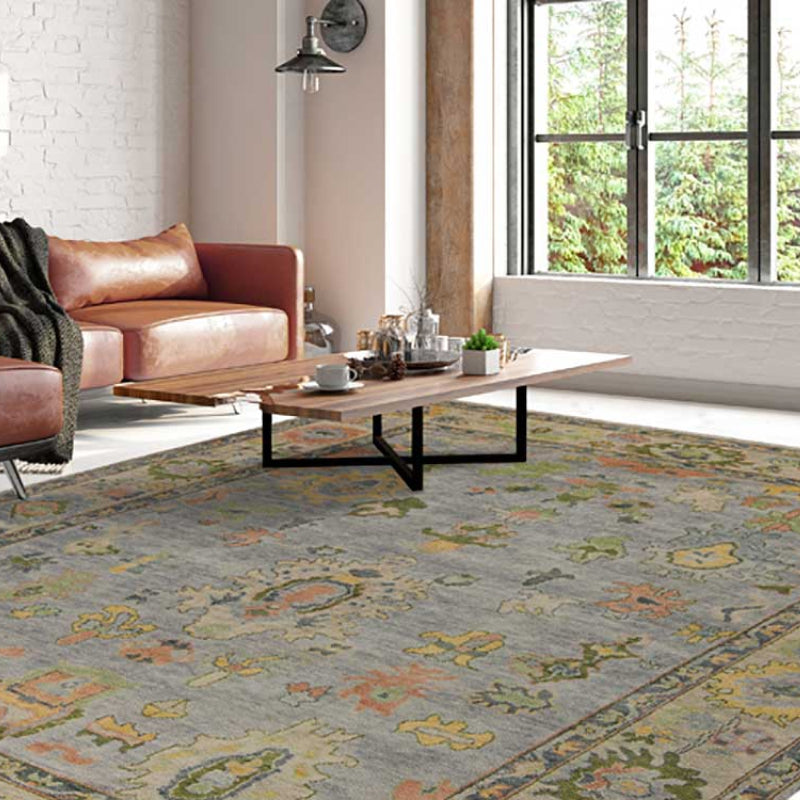
A standard sofa usually disappoints in one of three ways. It's too shallow for the way you lounge, too long for the wall once lamps and side tables are in place, or too generic to belong in a carefully finished home. That problem shows up in very different Atlanta interiors, from a historic Buckhead living room with difficult millwork to a sleek Alpharetta great room that needs a large seating plan without feeling heavy.
That's why custom sectional sofas sit in a different category from ordinary seating. A well-made sectional isn't just a place to sit. It's a floor plan decision, a fabric decision, a comfort decision, and often the largest statement furniture piece in the room. For buyers comparing high-end furniture, luxury sofas, designer furniture, and custom upholstered furniture in Atlanta, the right sectional should answer the architecture of the space first, then support the way the household lives.
Why Choose a Custom Sectional for Your Atlanta Home
The strongest reason to go custom is simple. Your room isn't standard, so your sofa shouldn't be either.
In Atlanta, that shows up constantly. A Roswell family room may need a sectional that defines an open-concept area without blocking circulation. A Sandy Springs condo may need a chaise positioned for skyline views. A Buckhead home may have formal proportions, deep windows, or fireplaces that make a stock sectional look undersized or awkward.

Fit Matters More Than Catalog Dimensions
A custom sectional solves more than width and depth. It lets you control:
- Seat depth: Important if one person likes upright posture and another wants a deeper lounge seat.
- Arm scale: A trim track arm reads very differently from a rolled arm in a formal room.
- Back height: This affects both comfort and visual weight.
- Chaise length or corner geometry: These details often determine whether a room feels resolved or crowded.
Buyers aren't imagining the appeal. Among all sofa types, sectional sofas held the largest share of the global sofa market at 27.3% in 2025, and North America led with a 38.5% share, a reflection of how well sectionals suit open-concept living and larger residential layouts, according to Grand View Research's sofa market report.
That popularity doesn't mean every sectional is worth buying. It means more people recognize the format works. Quality still separates a lasting piece from a large mistake.
Custom Is About Cohesion
The best luxury home furnishings don't look “custom” because they're flashy. They look right because nothing feels forced. The sectional relates to the rug, the drapery, the coffee table clearance, the lamp height, and the way people enter the room.
Practical rule: If a sofa only fits when the rest of the room bends around it, it doesn't fit.
This is also where bespoke work outperforms mass-market designer furniture near me searches. Custom allows you to respond to the room's architecture instead of settling for the nearest approximation. If you're weighing whether bespoke is worth it, this guide to what bespoke furniture means is a useful starting point.
For homeowners in Buckhead, Alpharetta, Sandy Springs, and the rest of North Atlanta, the appeal isn't novelty. It's long-term confidence. A sectional built for your room, your scale, and your fabric choice has a much better chance of becoming heirloom-quality furniture instead of a very expensive compromise.
Planning Your Perfect Layout and Configuration
The smartest layout work starts before anyone discusses fabric or cushion fill. A sectional can anchor a room beautifully, but it can also interrupt traffic, crowd windows, and make a generous space feel clumsy if the footprint is wrong.
This is the point where many buyers measure one wall and stop. That shortcut usually leads to oversized arms, a chaise that blocks a walkway, or a corner unit that lands too close to a fireplace return.

Start With Use Before Shape
Ask what the room needs to do on an ordinary day.
A Roswell family room often needs durable seating for daily use, conversation, and television viewing. A U-shape may work if the room is broad and social, but in many homes an L-shape defines the seating zone without trapping people inside it. In a Sandy Springs high-rise, a chaise sectional often works better because it preserves sightlines and keeps the layout visually lighter.
Use this checklist before settling on a configuration:
- Track the room's movement paths. Note how people enter, cross, and exit the space.
- Mark fixed elements. Fireplaces, windows, floor vents, built-ins, and door swings all affect placement.
- Decide the main orientation. Will people face each other, a view, or a media wall?
- Separate daily use from occasional use. Entertaining needs differ from movie-night needs.
- Account for companion pieces. Side tables, floor lamps, ottomans, and accent chairs need real space.
Match Configuration to the Room
Different sectional forms solve different problems. The right choice depends less on trend and more on circulation and balance.
| Configuration | Best use | Common mistake |
|---|---|---|
| L-shape | Defines a conversation area in an open room | Extending one side too far into traffic |
| Chaise sectional | Good for lounging and preserving openness | Choosing a chaise that overwhelms the room |
| U-shape | Strong for large family rooms and entertaining | Making the center feel closed off |
| Pit sectional | Works in media spaces with generous square footage | Using it in rooms that need formal flexibility |
| Modular layout | Useful when access or future adaptability matters | Assuming every modular piece can be endlessly rearranged |
Tape the footprint on the floor before ordering. That old design trick still works better than many apps because it exposes clearance problems immediately.
If the taped outline looks large when the room is empty, the finished sectional will look larger once cushions, tables, and lighting are in place.
Measure for Scale, Not Just Access
A sectional has to enter the house, but that's only one part of sizing. It also has to sit correctly in relation to ceiling height, rug size, and nearby casegoods. Narrow arms can buy back visual space. Taller backs can make a low-ceiling room feel compressed. Deep seats can feel luxurious in a large Alpharetta great room but cumbersome in a tighter Fulton County sitting room.
For a more detailed measuring approach, this walkthrough on how to measure for a custom sectional is worth reviewing before final specifications are approved.
The strongest custom sectional sofas feel inevitable in the room. That doesn't happen by accident. It comes from planning circulation, comfort, and proportion with the same care as the upholstery itself.
Deconstructing Designer Quality What Defines Heirloom Furniture
A sectional can photograph beautifully, fit the room perfectly, and still disappoint within a few years if the build is wrong for the fabric chosen. In custom work, heirloom quality starts earlier than many buyers realize. The upholstery specification often determines the frame tolerances, suspension choice, cushion wrap, and even how cleanly the tailoring will hold over time.

Start With the Frame
The frame carries the consequences of every design decision above it. A heavy woven performance fabric, a large Kravet pattern that needs precise matching, or a relaxed linen with less forgiveness at stress points all place different demands on the body underneath.
The fabrication process outlined in What A Room's construction guide is useful here because it points to the benchmarks serious makers follow: thicker premium wood framing, muslining before final upholstery, and sit-testing before the piece is approved. Those steps matter. They help catch pitch problems, arm scale issues, and comfort flaws before expensive fabric is cut.
Mass production rarely allows for that level of correction. Better custom pieces are built with hardwood frames, reinforced joinery, and construction methods intended to be repaired and reupholstered. That is a very different proposition from disposable furniture built around speed and yield.
Suspension and Cushioning Decide How the Piece Ages
Clients usually notice fabric first. After a year or two, they notice suspension and cushions.
A sectional upholstered in a refined textile needs support that matches it. Tight, tailored fabrics show every sag. Soft chenilles and linens can relax in a handsome way, but only if the seat deck and cushion crown were engineered correctly from the start. This is why eight-way hand-tied seating construction still matters at the high end. It gives a more balanced sit and better long-term recovery than lower-grade support systems.
Cushion build is just as important. Foam density, feather or fiber wraps, ticking, and spring-down options all change the look and maintenance profile of the sectional. I advise clients to ask not only what feels best in the showroom, but what will still look disciplined in their chosen fabric after daily use. A crisp Crypton can tolerate a different cushion approach than a washed linen sectional designed to have a softer, more relaxed hand.
If a showroom sample already shows flattening, drift, or wrinkling at the front rail, the finished piece will not improve in your home.
What to Ask Before You Buy
Designer quality is easier to verify when the questions are specific.
- What species and thickness is the frame stock? Hardwood and proper scale matter.
- How are corners and stress points reinforced? Joinery should be explained clearly.
- What suspension system is inside the seat? Ask for the actual method, not a vague comfort claim.
- How are the cushions built for this exact fabric? The right answer should connect textile, fill, and intended use.
- Was the piece muslined or sit-tested before final upholstery? That step separates careful custom work from guesswork.
- Can it be reupholstered later? Furniture with a long service life should justify future recovery.
For buyers comparing luxury sectionals, the answer is not found in a label, but in the construction. Fabric may be the visible finish, yet it often dictates whether the interior build needs to be firmer, more forgiving, more heavily reinforced, or more precisely fitted. That is the difference between furniture that merely looks expensive and furniture that earns its place for decades.
The Art of Fabric Selection Durability Style and Performance
Most buying guides treat fabric like the finishing touch. In practice, fabric often dictates the whole build.
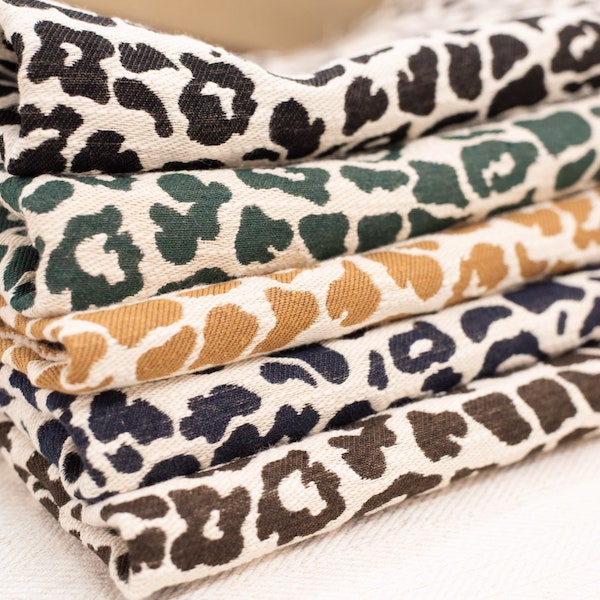
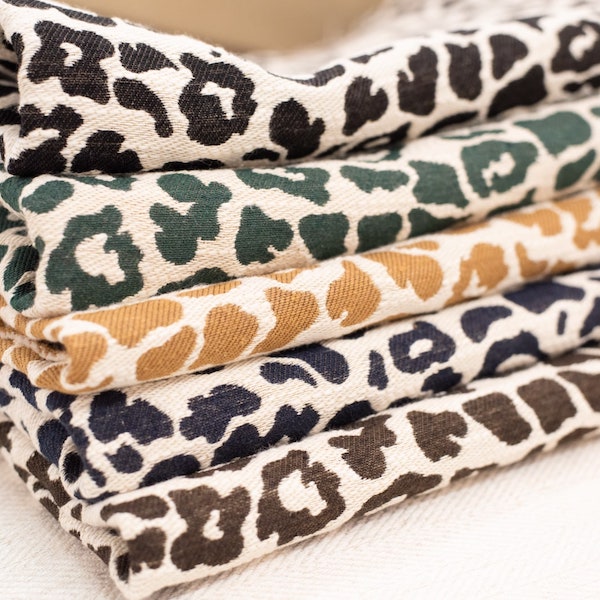
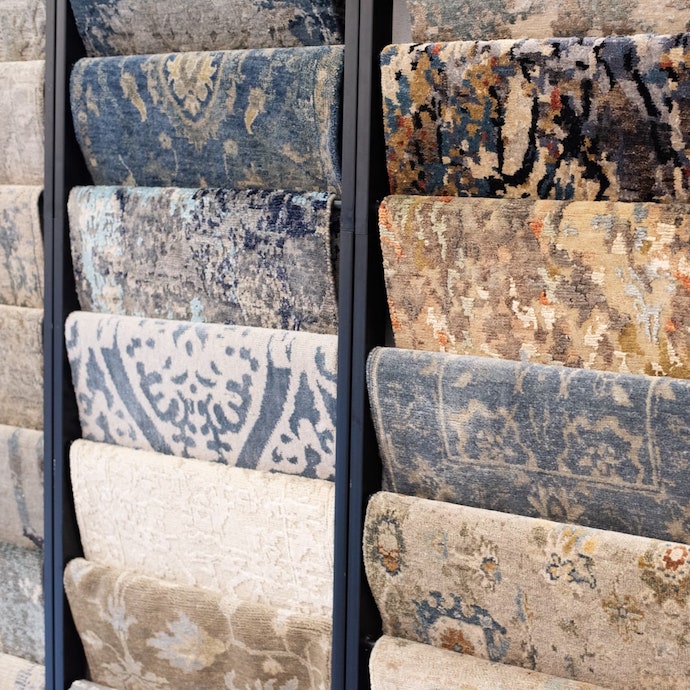
That's especially true with custom sectional sofas. The textile affects seam placement, cushion shape, welt decisions, pattern matching, wear performance, and how crisp or relaxed the final silhouette feels. A sectional specified in Crypton won't be handled the same way as one upholstered in a loose Belgian linen. A large-scale Kravet pattern changes cutting and alignment decisions long before the piece reaches final upholstery.

Fabric Choice Changes the Build
In affluent Atlanta markets such as Buckhead and Alpharetta, designers often start with textile range because deep customization depends on access to over 1,000 in-stock bolts and thousands of cut-yardage options from mills such as Kravet and Fabricut, which allows distinctive, non-cookie-cutter furniture, as noted in this overview of Atlanta designer furniture showrooms.
That matters because premium fabrics bring trade-offs:
- Crypton and other performance textiles: Strong choice for kids, pets, and high-use family rooms.
- Libeco and other Belgian linens: Beautiful, elegant, and often better for clients who appreciate a more natural, relaxed expression.
- Patterned designer fabrics: Excellent for statement furniture pieces, but they require disciplined railroaded cuts, seam planning, and repeat management.
- Textured neutrals: Often the best route for long-term versatility, but they still need the right backing and cushion profile.
The Modular Myth
This is the issue many buyers discover too late. They hear “modular” and assume the sectional can be rearranged indefinitely after it's upholstered.
That assumption often fails. Data from interior design forums shows 68% of buyers regret their purchase after learning their modular custom sectional can't be rearranged without professional re-stitching, because once high-end fabrics are applied to custom frames, reconfiguration can compromise seam alignment or frame stability, according to MOR Furniture's discussion of configurable sectionals.
Fabric isn't a skin applied at the end. In custom upholstery, it's part of the engineering.
That doesn't mean modular sectionals are a bad choice. It means you need to ask a better question: can this sectional be reconfigured after final upholstery without disrupting the integrity of the piece?
Choose Performance for the Real Room
The best fabric isn't the prettiest swatch under showroom lighting. It's the material that suits the room's traffic, sunlight, humidity, and use pattern.
For a formal sitting room in Buckhead, a refined woven from Kravet or Fabricut may be exactly right. For a lower-level media room in North Atlanta with children and pets, performance fabric usually wins. For a sunroom or mixed-use lounge, texture and cleanability need to work together.
Buyers shopping designer furniture near me often focus on color first. That's understandable, but backwards. Start with performance requirements, then move to hand, color, pattern, and finish. The best custom upholstered furniture does both jobs at once. It performs and it belongs.
The Custom Order Process From Design Approval to Delivery
A bespoke sectional moves through a sequence that's slower than retail, but much more controlled. That slower pace is the point. Handcrafted upholstery gives you more opportunities to correct proportion, comfort, and detailing before the fabric is cut for good.
The process usually starts with a room plan and a comfort conversation. Clients often arrive focused on style. The better discussion begins with how they sit, who uses the room, whether they want a structured seat or a softer lounge feel, and how formal the piece should read once installed.
What Happens After the Design Is Approved
Once dimensions, silhouette, and fabric are finalized, the order enters production. Custom upholstered furniture from leading American makers like Wesley Hall and LEE Industries typically requires 8 to 12 weeks for production, reflecting the handcrafted nature of heirloom-quality upholstery, according to Holland MacRae's Atlanta upholstery overview.
Some custom builds involve more than a paper approval. The strongest workrooms verify shape through intermediate steps such as muslining or a sit-test before final upholstery. That's where comfort gets confirmed instead of assumed.
A practical timeline usually includes:
-
Design approval
Final dimensions, arm style, back profile, cushion spec, and orientation are signed off. -
Fabric confirmation
Swatches are reviewed in the home's lighting, not just under showroom lamps. -
Workroom production
The frame, suspension, cushions, and upholstery move through fabrication. -
Delivery coordination
Access is checked. Stairwells, elevators, and entry turns matter for sectionals.
Expect Revisions in the Right Places
Good custom work isn't chaotic, but it is collaborative. The revisions should happen before final upholstery, not after delivery.
For many homes, it also helps to finish the room in layers. Once the sectional is underway, clients often finalize pillows, drapery, rugs, and wall art so the room lands as a complete composition. If you're looking for something personal above the sofa or on an adjacent wall, it can help to shop personalized canvas art while upholstery is in production, so scale and palette are coordinated from the start.
The easiest custom project is the one where decisions are made in the right order. Layout first, construction second, fabric third, accessories after that.
Delivery Should Feel Predictable
White-glove delivery matters more with a sectional than with many other furniture types. Corners, connectors, leg protection, fabric inspection, and final placement all need attention on site. A luxury sofa shouldn't arrive as a puzzle the homeowner has to solve.
In Atlanta, Buckhead, Roswell, Sandy Springs, and Alpharetta homes often present very different access conditions. New construction may have generous openings. Older homes may have tighter entries and more challenging stair runs. That's why serious planning before delivery saves time and protects the upholstery.
The custom process works best when buyers treat it like commissioning architecture on a smaller scale. Once that mindset clicks, the timeline feels less like waiting and more like quality control.
Long-Term Care and Future-Proofing Your Investment
A client finishes a renovation, orders a custom sectional in a beautiful Kravet weave, and then treats it like a commodity sofa. That is usually where long-term value starts to slip. Premium upholstery needs maintenance that matches the fabric, because the textile you chose at the beginning continues to dictate how the piece should be used, cleaned, repaired, and even stored years later.
That point gets missed in many furniture guides. Frame quality matters, and so does cushion construction, but fabric is often the first thing to fail if the room conditions and care habits are wrong. A high-performance Crypton can tolerate family life, pets, and frequent use in a way a delicate linen cannot. A textured natural fiber may age beautifully in a formal sitting room, then struggle on a sunny window wall or in a lower-level media room with higher humidity. Good future-proofing starts with respecting the material you selected.
Routine care is straightforward, but it needs consistency. Vacuum the deck and creases before grit works into the weave. Rotate and fluff loose cushions if the build calls for it. Follow the mill's cleaning code instead of reaching for a generic spot remover that can strip finishes, set stains, or leave water rings.
A few habits make a measurable difference over time:
- Use the sectional as it was built to be used: Arms, front rails, and backs are not designed to take repeated body weight.
- Control light and moisture: Sun fades rich color. Humidity can affect fillings, decking, and some natural-fiber coverings.
- Keep the paperwork: Fabric name, colorway, cleaning code, cushion spec, and order details help if you ever need service or matching panels.
- Repair early: Loose seams, softened crowns, and minor cushion breakdown are easier and less expensive to correct before wear spreads.
For a well-built custom sectional, reupholstery is part of the ownership cycle, not a sign of failure. I often tell clients to judge the piece by whether the frame and proportions are worth keeping after the first fabric has lived its life. If the answer is yes, you own something with lasting value. That is one reason fabric selection matters so much at the front end. Some textiles are chosen for a ten-year run in a busy family room. Others are chosen because the silhouette and frame deserve to be recovered later as the house changes.
Use also changes over time. Sectionals are no longer reserved for the primary living room. Homzie Designs' sectional buying article notes a 42% year-over-year increase in inquiries for custom sectionals in non-main living spaces since early 2025, which aligns with what many designers and workrooms are seeing in media rooms, basements, studios, and multipurpose family spaces. That shift puts even more pressure on fabric choice, because those rooms often ask more of the upholstery than a formal main salon ever would.
If a renovation, move, or seasonal transition puts the sectional into storage, protect it properly. Posch & Silva's storage guide gives a practical overview of how to store upholstered furniture without damaging fabric, cushions, or frame integrity.
The sectionals that become heirlooms are not only expensive. They are built well, upholstered in the right textile for the room, and cared for with enough discipline to justify keeping them.