



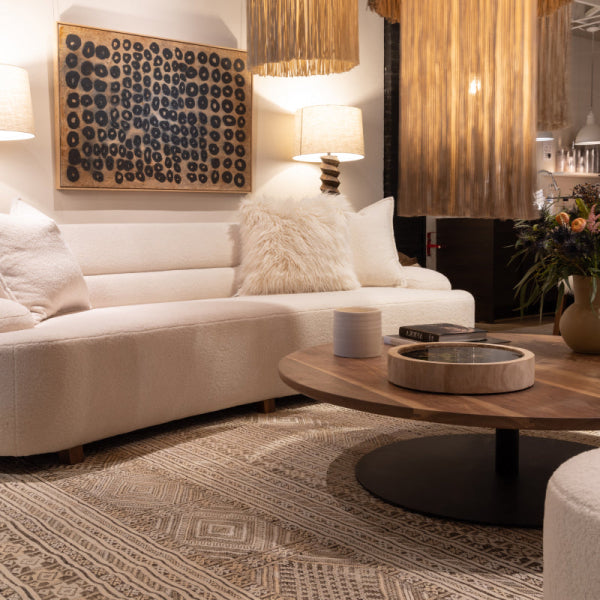
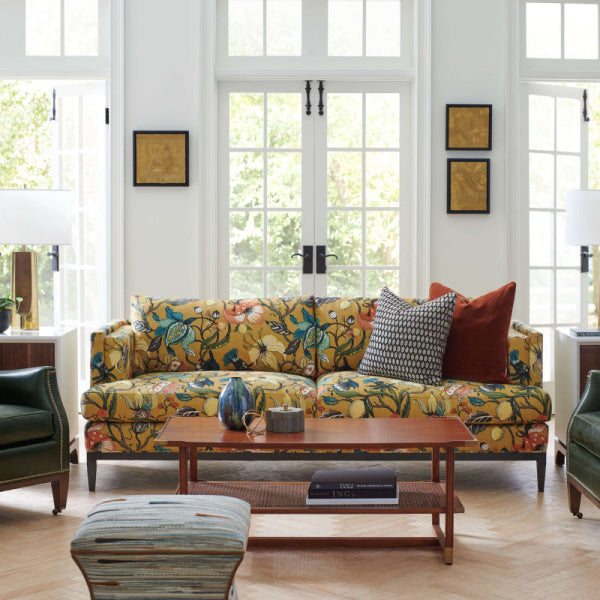
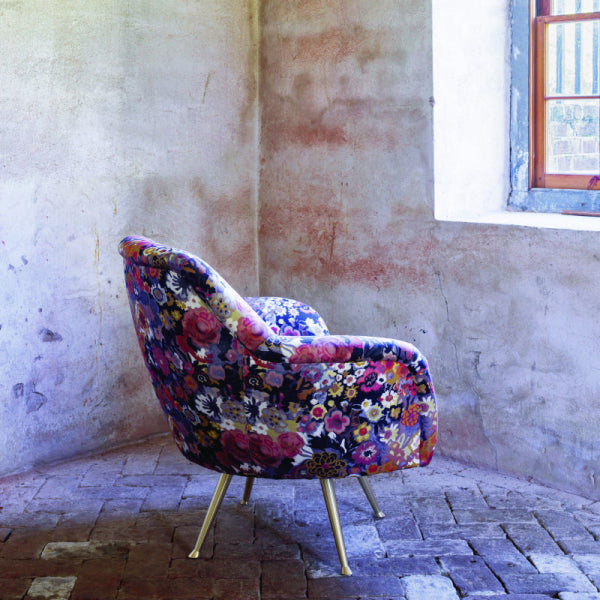
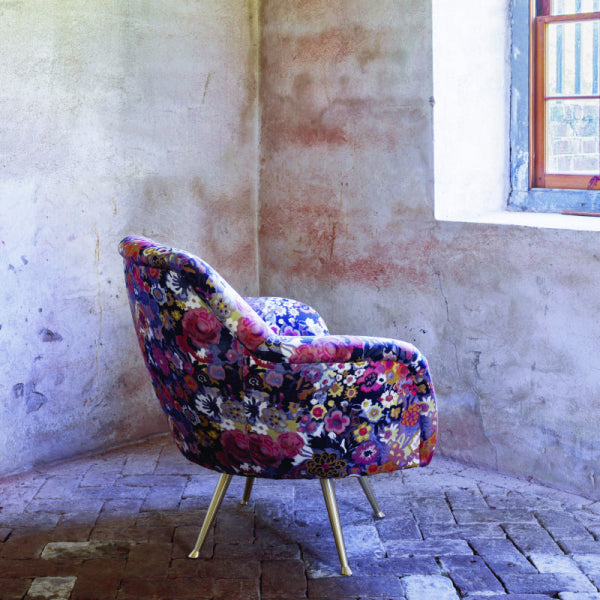
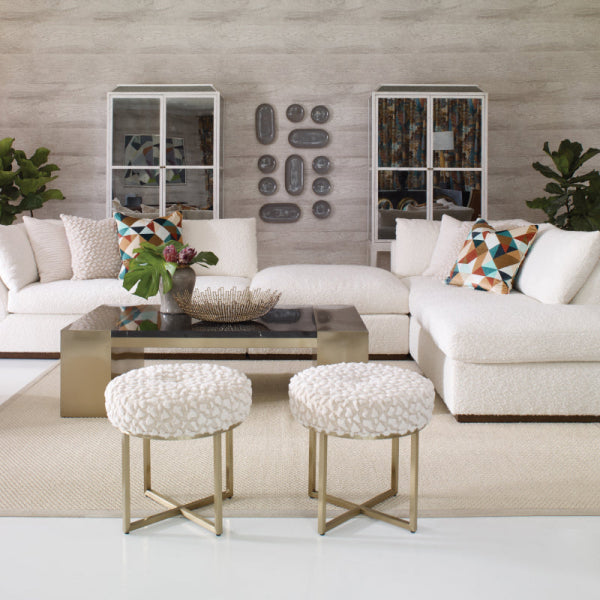











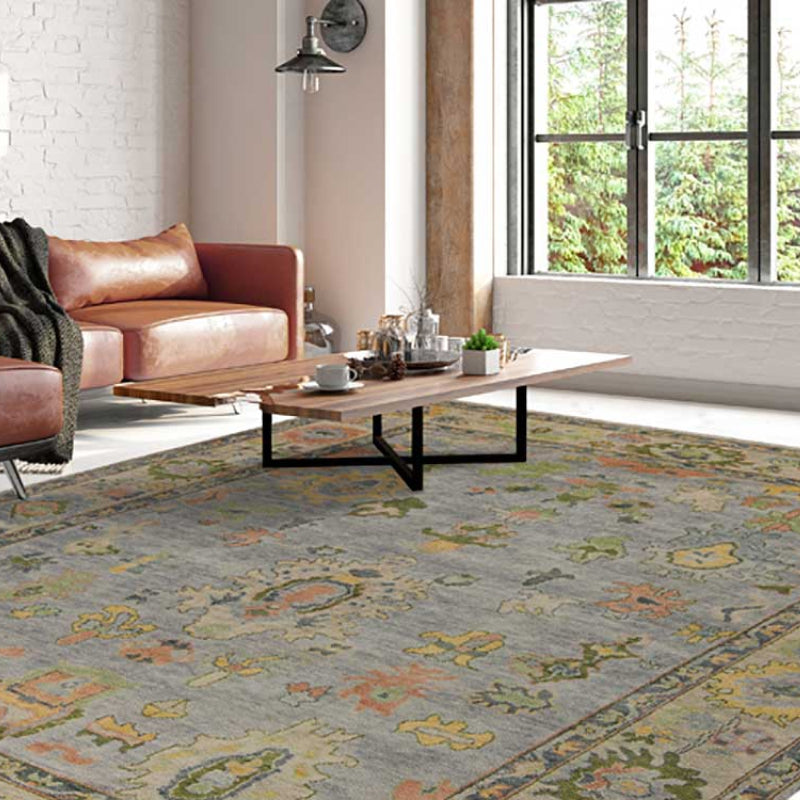
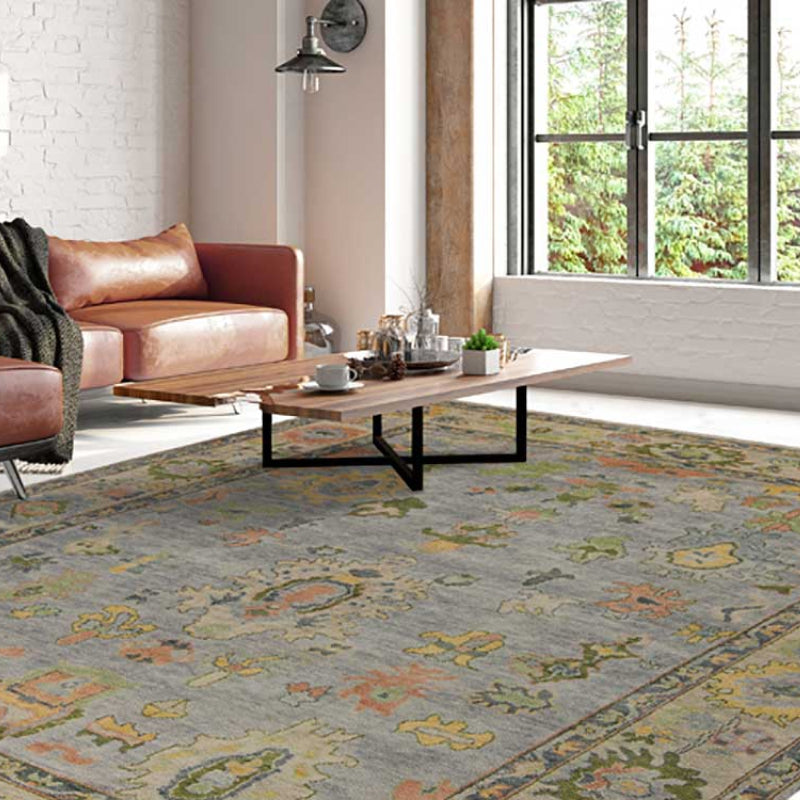
You're probably here because your room is not bad, but it isn't saying much. The sofa fits, the coffee table works, the art is acceptable, and yet the whole space feels like it was assembled instead of designed. That happens often in Atlanta homes, especially after a move, a renovation, or a round of quick purchases meant to “finish” the room.
In Buckhead, Alpharetta, Roswell, and Sandy Springs, I see the same frustration repeatedly. Homeowners invest real money, but the result still feels generic because the pieces were chosen one by one, without enough attention to scale, materials, finish, and continuity. Boutique home decor solves that problem when it's approached correctly.
The key is to stop treating boutique shopping as a hunt for novelty. The goal isn't to collect unusual objects. The goal is to build a home that feels edited, custom, and settled, with furniture and textiles that can age well.
What Is Boutique Home Decor Beyond the Buzzword
Boutique home decor is not one look. It isn't automatically modern, traditional, European, collected, or eclectic. It's a method of buying and layering that prioritizes curation, craftsmanship, customization, and restraint.
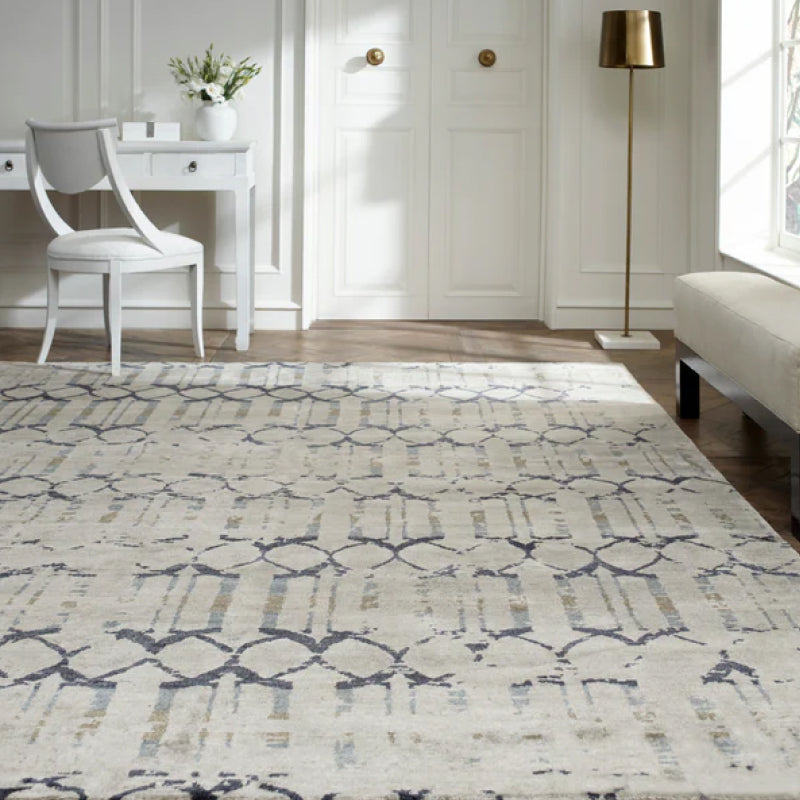
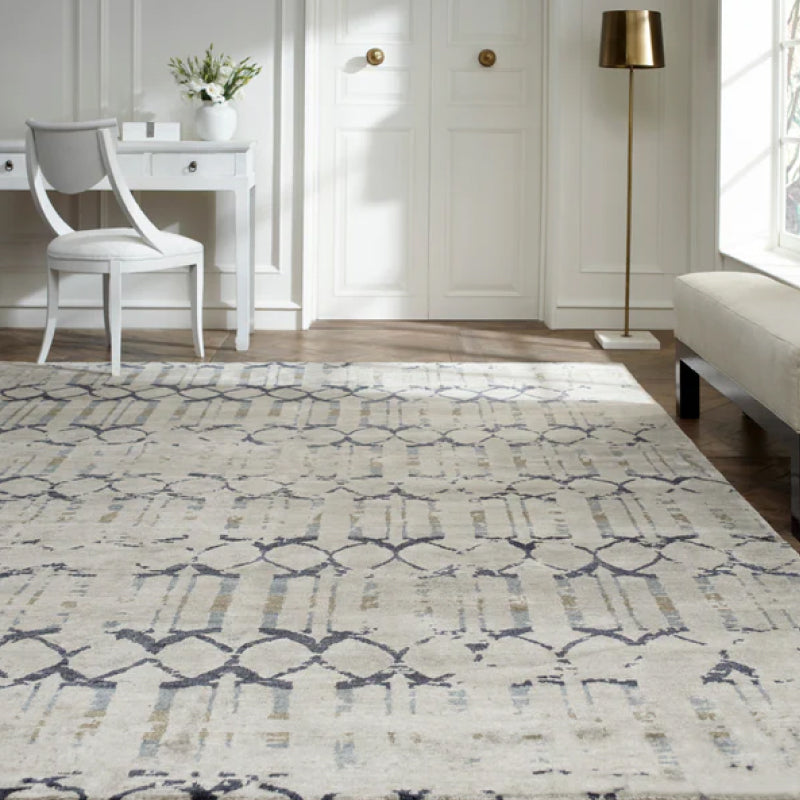
A boutique room usually has fewer throwaway decisions. The sofa is selected for frame, comfort, fabric, and proportion. The drapery is made for the window, not pulled from a shelf. The rug is chosen to support the architecture and the seating plan, not just to add pattern. Even small accents are there because they belong, not because they filled a blank spot.
What separates boutique from mass market
Mass-produced furniture can be useful. It can solve a short-term need, furnish a guest room, or fill an apartment quickly. But when every major decision comes from the same cycle of trend-led retail, rooms start to flatten out. The silhouettes repeat. The finishes repeat. The upholstery often looks good for a brief season, then begins to show where corners were cut.
Boutique home decor works differently.
- It starts with the room rather than a trend.
- It values materials that improve the look and feel of a space.
- It allows for custom fit in upholstery, drapery, and soft goods.
- It favors longevity over seasonal churn.
That approach aligns with where premium buying is headed. The premium segment of the home decor market was valued at US$151.82 billion in 2025 and is projected to reach US$238.98 billion by 2034 at a 5.17% CAGR, according to Mordor Intelligence's home decor market analysis. That matters because it shows quality-focused buying is not fringe behavior. It's a substantial part of the market.
Boutique home decor is less about being different and more about being deliberate.
What it looks like in practice
In a well-finished home, boutique doesn't shout. It reads through the details.
A luxury sofa in Atlanta should feel appropriate to the room's architecture and the way the household lives. A custom chair should solve a real need, perhaps a tighter swivel in a sitting room, or a deeper lounge seat in a family room. Designer furniture should add shape and distinction, but it still has to participate in the whole room.
That's why the best boutique interiors don't feel over-curated. They feel settled. The materials repeat subtly. Wood tones relate to one another. Fabric weight makes sense. Trim is used with intention. Nothing looks accidental, but nothing looks overly rehearsed either.
Identifying the Hallmarks of High-End Furnishings
Most shoppers can tell when a room looks expensive. Fewer can explain why. The answer is almost never one dramatic piece. It's usually a stack of correct decisions made at the construction and material level.

Start with materials, not marketing language
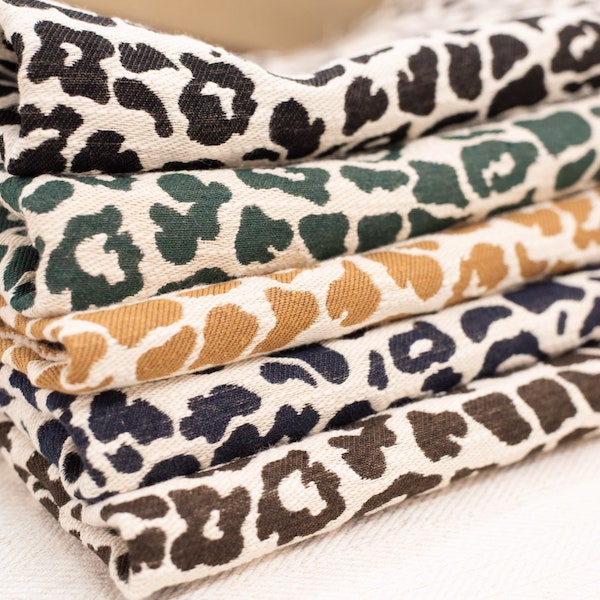
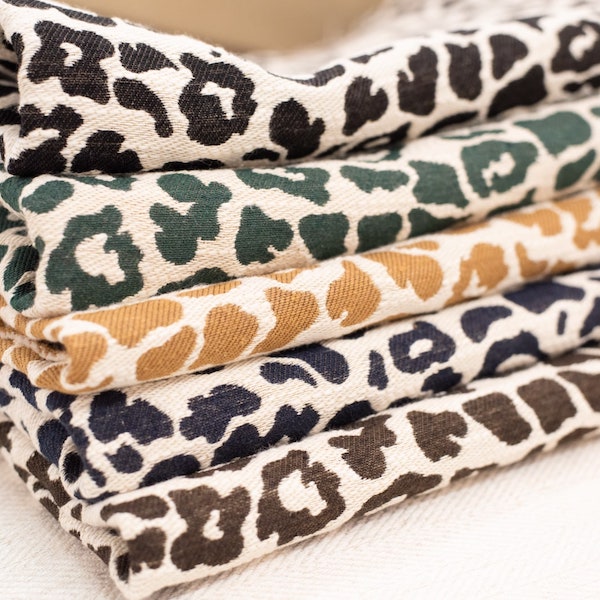
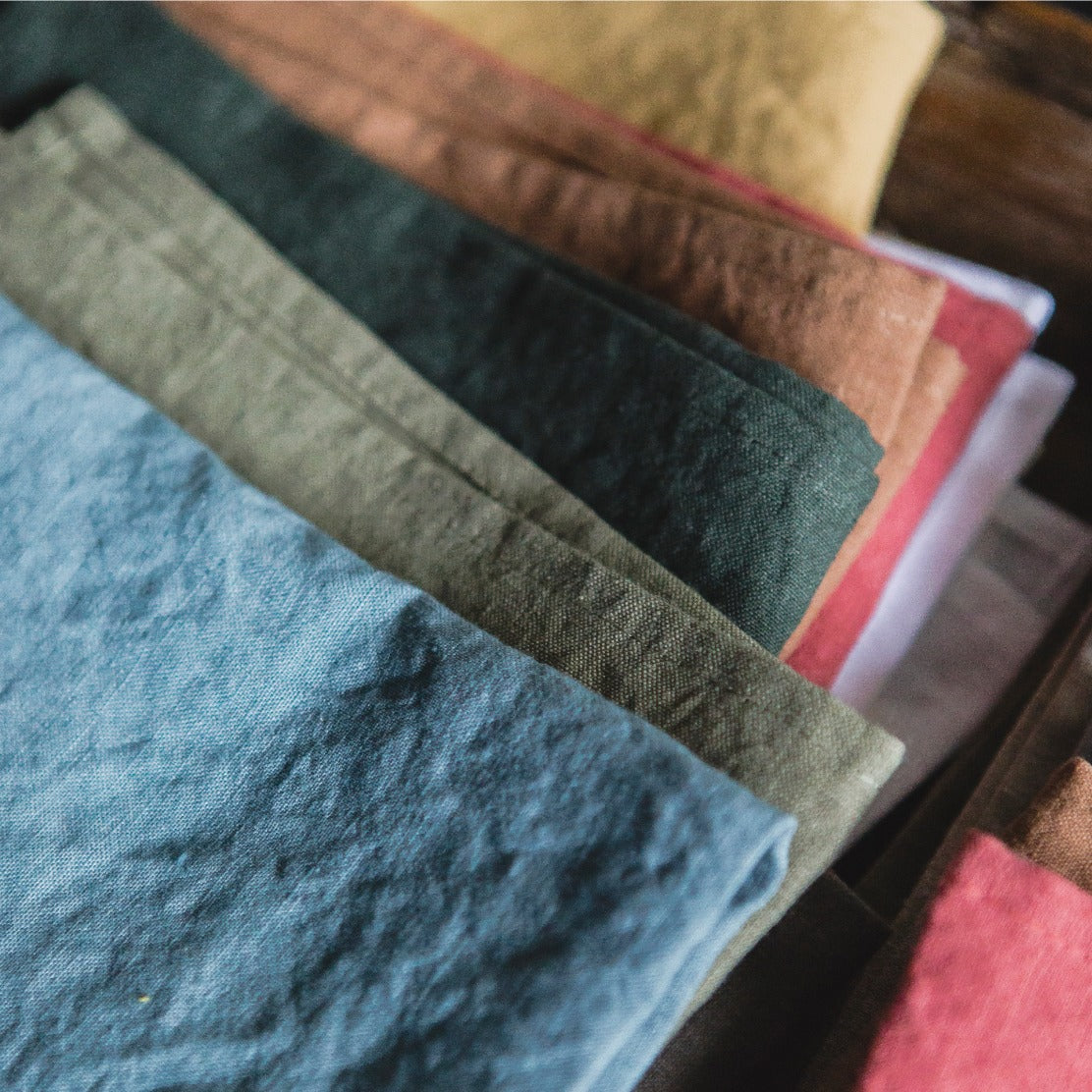
If you're evaluating high-end furniture, the fabric and fiber story matters immediately. Textiles are not a finishing touch. They are a major part of how a room feels, performs, and ages.
One consumer summary notes that textiles remain a major category in home decor spending, with carpets and rugs projected at US$51.87 billion and curtains at US$44.31 billion by 2025, as outlined in these home decor industry statistics. That makes sense in practice. Soft furnishings do a disproportionate amount of visual work in a room.
Look closely at:
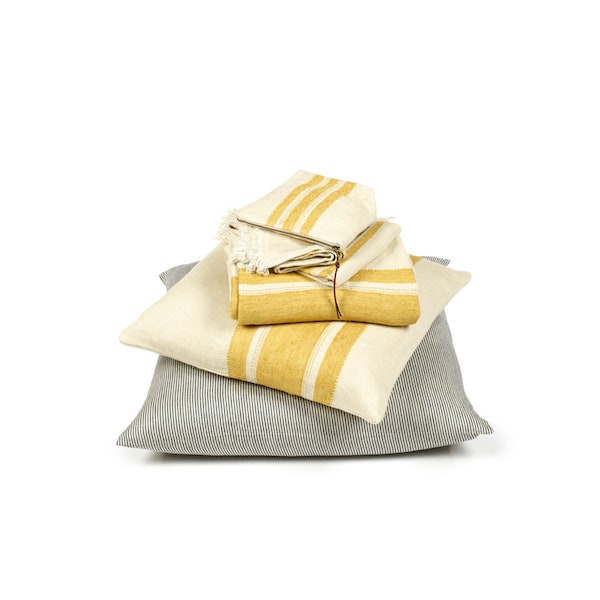
- Natural fiber character such as Belgian linen, wool, cotton, and blends that drape well and develop depth over time
- Performance where needed such as Crypton in family rooms, breakfast banquettes, or homes with pets
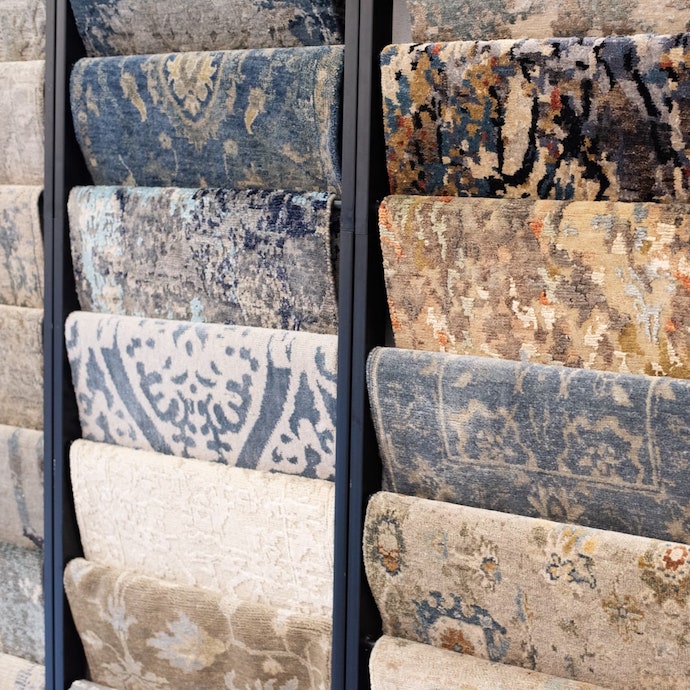
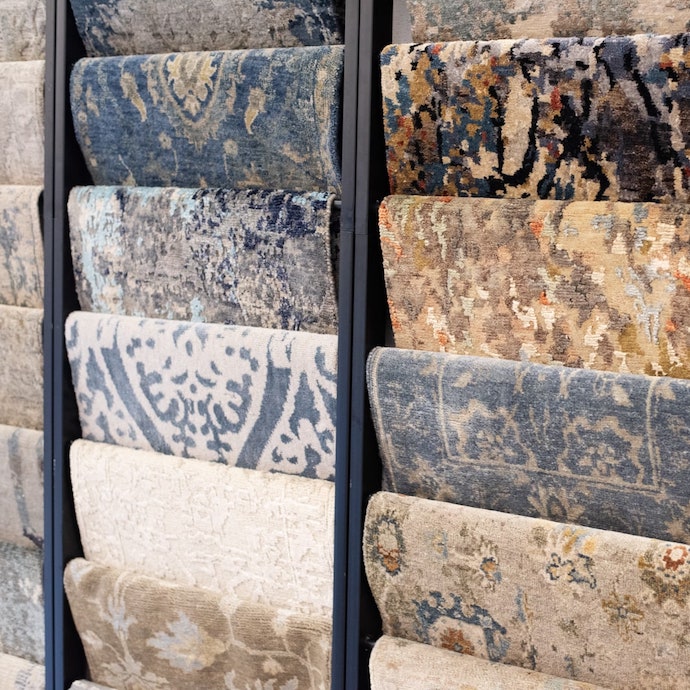
- Rug construction including hand-knotted or well-made woven options that ground seating with substance
- Lining and interlining in drapery, which often separates a flat treatment from one that reads architectural
A well-designed room also benefits from contrast. A smooth velvet sofa beside a nubby linen pillow or a matte wool rug under a polished wood table creates a layered finish that stock rooms often miss.
If you're adding sculptural greenery as part of that finish, this helpful guide on choosing large cacti is useful because it shows how plant form affects visual weight, which matters when styling corners around substantial furniture.
Construction tells the truth
Furniture quality shows up fastest in motion and wear. Sit in enough sofas and you can feel the difference within seconds. The deck either has resilience or it doesn't. The cushion either returns gracefully or it slumps. The arm either feels substantial or hollow.
Here's what I tell clients to inspect before they fall for fabric alone:
| Quality marker | What to check | Why it matters |
|---|---|---|
| Frame integrity | Hardwood construction, stable joinery, no wobble | Prevents twisting and early failure |
| Upholstery finish | Straight welting, crisp seams, pattern alignment | Signals care at the workroom level |
| Cushion quality | Support, recovery, fill consistency | Affects comfort and long-term appearance |
| Seat suspension | Ask how the seat is built | Determines resilience and ride |
| Scale discipline | Depth, arm width, back height | Keeps the room proportionate |
Practical rule: If the silhouette is beautiful but the seat feels weak, keep walking.
Design integrity is quieter than most people expect
True designer furniture doesn't need to rely on novelty. It holds its shape when the trend cycle moves on. That usually comes from proportion, finish quality, and editing.
A room with one strong statement piece and several supporting elements almost always outperforms a room full of competing statements. The same is true for premium sectionals and high-quality couches. If every piece is trying to be the star, the room loses authority.
The most refined spaces use distinction carefully. A Verellen sofa, a Wesley Hall chair, a hand-knotted rug, or a beautifully made drapery panel can all coexist. They just need shared logic in tone, scale, and material.
Custom vs Mass-Produced The Value of Heirloom Quality Furniture
The question isn't whether custom furniture costs more upfront. Often, it does. The better question is whether it solves the room better and lasts long enough to justify the investment.
For many high-value purchases, especially luxury sofas, custom upholstered furniture, and dining chairs used every day, the answer is yes.
Where custom earns its keep
Mass-produced furniture is built for average rooms and average use assumptions. But most well-designed homes are not average. A family room in North Atlanta may need a sectional depth that fits both conversation and television viewing. A formal sitting room in Buckhead may need a tighter back height to preserve sightlines. A Roswell breakfast nook may require a banquette in a performance fabric that doesn't look commercial.
Custom work gives you control over the decisions that matter most:
- Scale and fit for the exact room
- Fabric selection based on wear, light, and maintenance
- Finish choices that relate to flooring, millwork, and adjacent furnishings
- Comfort profile based on how you sit and live
It also avoids one of the biggest hidden costs in furniture buying. Replacement due to compromise.
The lifecycle difference
A key advantage of boutique sourcing is the move away from trend-led replacement. As discussed in this analysis of repair, longevity, and value in premium decor, reupholstery can offer better lifecycle value for high-end buyers than repeatedly replacing trend-driven mass-market pieces.
That matters because furniture rarely fails all at once. More often, the fabric dates the piece, the cushion loses shape, or the finish no longer suits the room. A well-built frame can often stay in service if the piece is worth recovering.
For anyone investing at that level, it also helps to know how to handle and transport older pieces properly. This TLC Moving & Storage antique guide is a practical reference if you're moving heirloom furniture, vintage case goods, or restored seating.
Custom Heirloom Furniture vs. Mass-Produced Pieces
| Feature | Custom Heirloom Furniture (e.g., Wesley Hall, LEE Industries) | Mass-Produced Furniture |
|---|---|---|
| Fit to room | Built around room dimensions and layout | Standard sizing with limited flexibility |
| Fabric options | Broad choice of premium upholstery and trim | Restricted selections |
| Construction focus | Greater attention to frame, seat, and tailoring | Built for speed and volume |
| Repair potential | Often worth reupholstering or refinishing | Often replaced rather than restored |
| Design outcome | More personal and architecturally aligned | More generic, easier to date |
When custom is not the right answer
Not every piece needs to be bespoke. That's where people overspend.
Reserve custom for the items that anchor the room or take real daily use. Sofas, sectionals, dining chairs, lounge chairs, ottomans, and custom drapery often justify the investment. Small occasional tables, decorative stools, or certain accent pieces can be sourced more flexibly.
If you're weighing that decision more closely, this overview of bespoke furniture gives a useful framework for understanding where personalization has the most value.
Buy custom where replacement would be painful, compromise would be visible, or daily use would expose weak construction.
Where to Find Designer Furniture in Atlanta
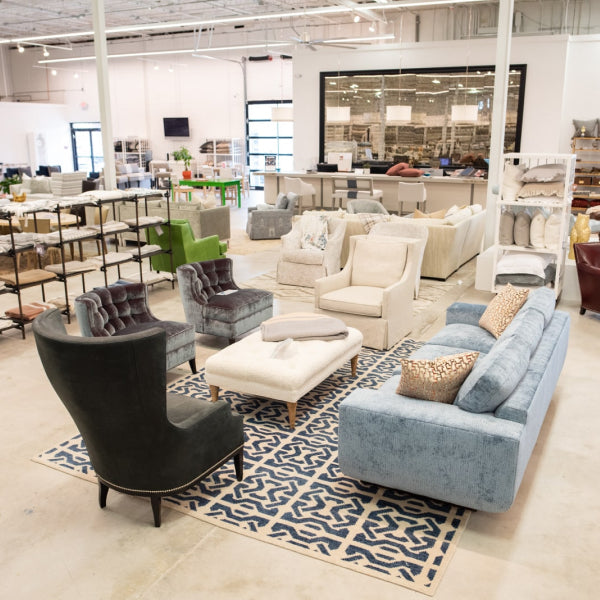
Finding designer furniture near me is easy if all you want is a showroom. Finding furniture, fabric, rugs, trim, drapery support, and practical design guidance in one place is harder. That's the difference that matters when you're trying to build a cohesive room instead of making isolated purchases.

What to look for in an Atlanta sourcing destination
If you're shopping for luxury furniture in Atlanta, don't start with upholstery color. Start with sourcing structure.
A good destination should let you do the following in one visit:
- Test seating comfort across multiple silhouettes and cushion profiles
- Compare fabrics in person under real light, not just on a screen
- Review rugs and drapery options alongside the furniture
- Get help with proportion so you don't overbuy or underscale
- Decide between custom and floor stock based on timeline and priorities
That matters in Atlanta-area projects because homes in Alpharetta and Sandy Springs often have different spatial demands than in-town properties. Ceiling height, open-plan flow, family use, and natural light all affect the right upholstery and textile choices.
Why the one-roof model works better
The fragmented way of shopping is what trips people up. They choose a sofa at one store, a rug somewhere else, drapery fabric later, then discover the undertones fight each other and the scale never landed.
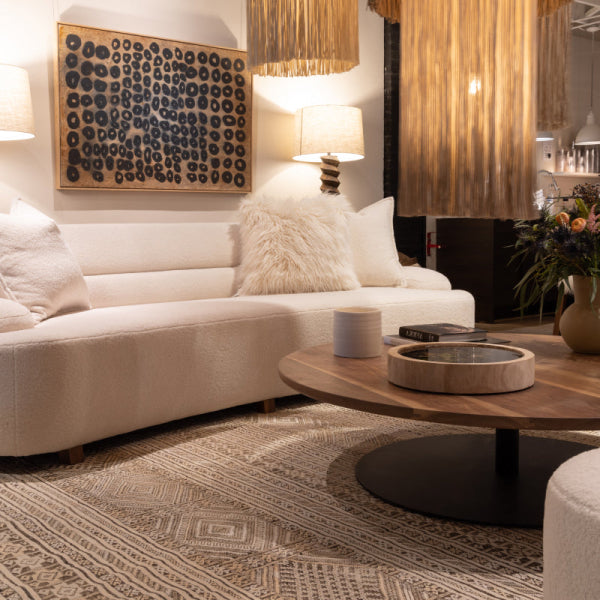
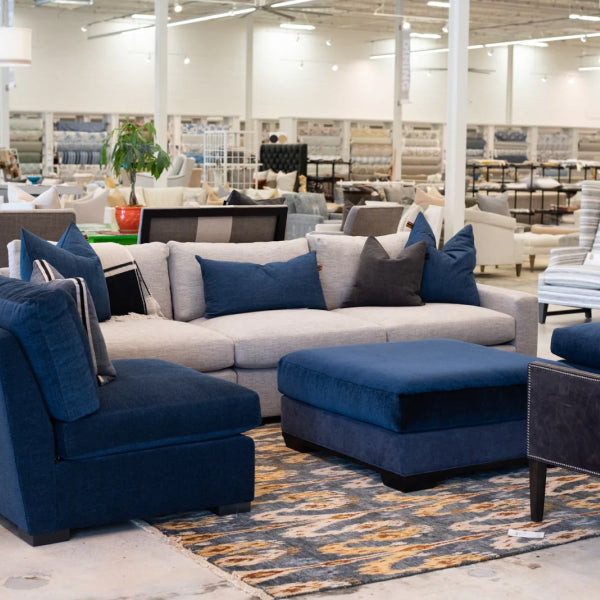
A more complete sourcing environment allows the room to be composed in context. Lewis and Sheron Textiles is one Atlanta option for that process, with in-stock fabric bolts, cut-yardage options, custom upholstery, rugs, drapery, and design assistance available within the same design center. For local buyers comparing options, their own guide to luxury furniture stores in Atlanta is a practical place to start.
A better buying sequence
If you're shopping in Buckhead, Roswell, or greater Fulton County, use this order:
- Choose the anchor seating first
- Confirm the rug size before ordering
- Select drapery fabric after the upholstery is set
- Add accent furniture only after the big proportions are resolved
That sequence prevents the common mistake of buying statement furniture pieces that are attractive on their own but disconnected in the room.
How to Style and Layer Boutique Decor Pieces
The hardest part of boutique home decor isn't finding beautiful pieces. It's combining them so the room feels coherent rather than assembled from separate shopping trips.
That's where many rooms lose their authority. Distinctive furniture, artisan rugs, and collected accessories can quickly become fragmented if there's no repeating logic.

Repeat materials before you repeat objects
It's a common misconception that cohesion comes from matching. It doesn't. Matching is blunt. Cohesion usually comes from repetition of texture, tone, or finish across different forms.
A room might pair a finely made linen sofa with a wool rug, trimmed drapery, antique wood, and a ceramic lamp. None of those items match exactly. What unifies them is that each one supports the same level of refinement.
Use these anchors:
- Repeat one wood tone family even if the finishes vary
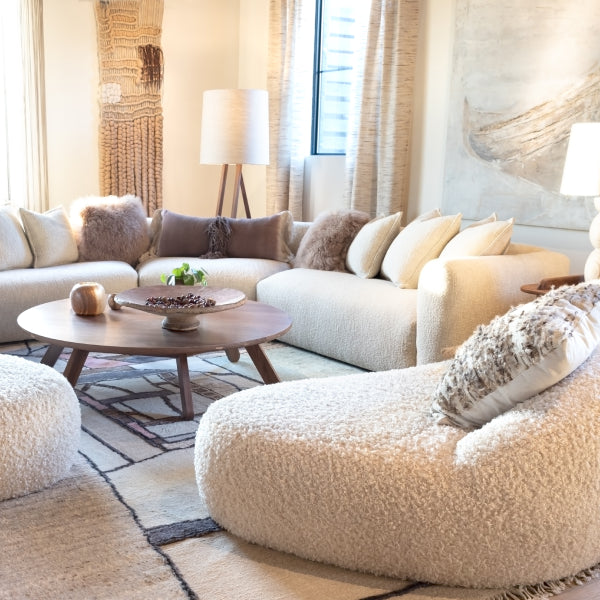
- Echo one textile idea such as boucle, linen, or velvet in more than one place
- Carry one accent color through art, pillows, and accessories in small doses
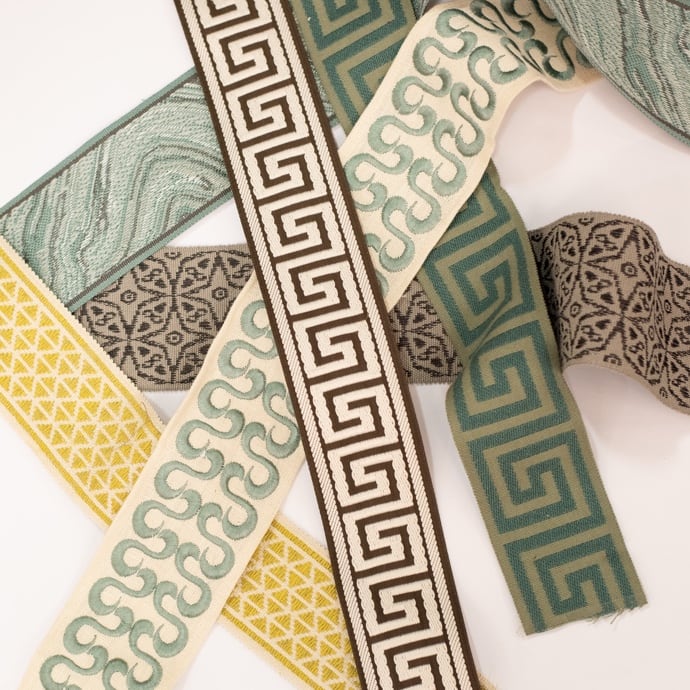
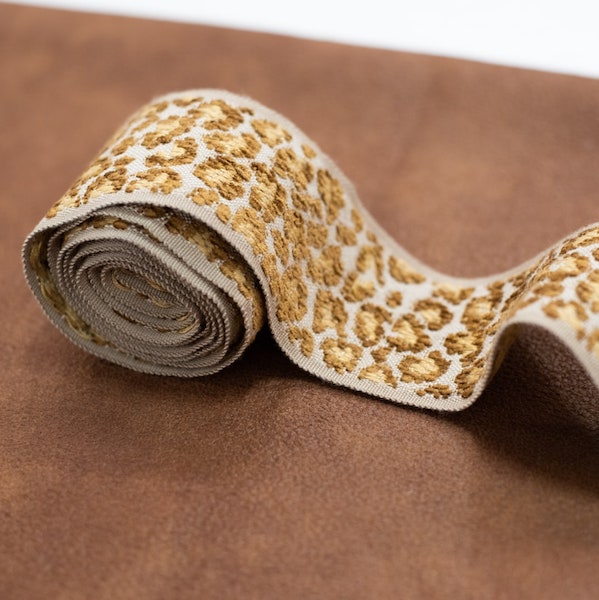
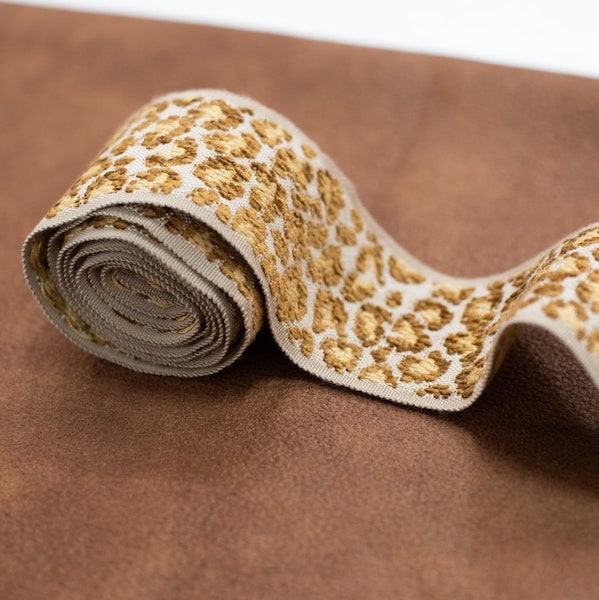
- Use trim selectively to sharpen edges and connect custom pieces
If you want help thinking through pattern balance, this guide to mixing patterns in home decor is useful because it addresses scale and coordination without pushing a formula.
Layering works best when one piece leads
A room should have a hierarchy. Usually that means one principal upholstery statement, one supporting textile story, and then quieter accents.
For example:
| Layer | Strong choice | Supporting move |
|---|---|---|
| Anchor | Sculptural sofa or premium sectional | Keep adjacent chairs lighter in profile |
| Foundation | Hand-knotted or natural fiber rug | Pull one or two colors upward into pillows |
| Window treatment | Full custom drapery | Let trim or leading edge add definition |
| Accent layer | Lamps, ceramics, books, florals | Keep forms varied but palette controlled |
That hierarchy is what prevents a room from feeling over-styled.
If every item is special, none of them gets the space to matter.
Lighting is part of the textile story
Many expensive rooms still fall flat. They rely on recessed cans and a decorative chandelier, then wonder why the fabric looks dull at night.
Luxury design guidance recommends 3 to 5 additional light sources beyond ceiling fixtures to create mood and depth, as explained in this layered lighting guidance for interiors. That's not just atmosphere. It's a material issue. Side lighting and lamp light reveal the texture in linen, velvet, woven shades, trim, and custom drapery far better than overhead lighting alone.
Use a combination of:
- Table lamps to create warmth at seating height
- Floor lamps to pull light into underlit corners
- Picture or accent lighting where art or millwork needs presence
- Soft window layering so daylight and evening light both flatter the room
Finish with life, not clutter
Accessories should add rhythm, not noise. Florals, branches, and greenery are often the easiest way to soften a room with substantial furniture and strong textile lines. They also help bridge traditional and contemporary pieces.
For that layer, I like references that focus on shape and restraint rather than event-style arrangement. This Fiore luxury home floral inspiration is helpful because it treats florals as part of room composition, not just decoration.
Achieving a polished look requires editing. Leave breathing room on surfaces. Let one beautiful box, one low vessel, and one stack of books do the work that six smaller objects would only dilute.
Your Boutique Decor Shopping and Design Checklist
A boutique interior comes together more smoothly when decisions are made in the right order. That matters even more when you're investing in high-quality couches, custom chairs, rugs, and drapery that need to relate to one another.

The checklist that keeps a room cohesive
A common gap in decor advice is integration. As noted in this discussion of boutique curation and room cohesion, the more distinctive the pieces, the more important repeated materials and textile continuity become.
Use this sequence before you buy:
-
Define the room's job
Decide how the space needs to function first. Formal entertaining, family lounging, reading, hosting, or mixed use all demand different upholstery choices. -
Measure the architecture
Note wall lengths, ceiling height, window placement, circulation paths, and existing millwork. Good rooms are scaled, not guessed. -
Choose the anchor furniture
Start with the luxury sofa, sectional, or primary chairs. These pieces establish silhouette and comfort expectations for everything else. -
Build the textile backbone
Select the main upholstery fabric, then the rug, then drapery. Through these choices, continuity is achieved.
What to check before you commit
- Construction quality matters more than showroom styling
- Fabric suitability should match sun exposure, pets, children, and frequency of use
- Finish compatibility should be reviewed against flooring and adjacent wood tones
- Repair potential should be part of the decision for any major purchase
A room feels expensive when the large decisions are resolved well. Accessories only confirm that work.
The final edit
-
Layer in secondary seating and case goods
Add custom chairs, benches, or side tables only after the main upholstery and rug are working. -
Plan lighting intentionally
Don't stop at overhead fixtures. Use lamps and accent light to reveal shape and texture. -
Use trim and accessories with restraint
A contrast welt, tape trim, or a few strong objects often delivers more polish than a long list of decorative extras. -
Leave room for adjustment
The best interiors don't arrive in a single shopping day. Once the anchors are in place, the room will tell you what it still needs.
If you're planning a room with custom upholstery, drapery, rugs, or reupholstery, Lewis and Sheron Textiles is a practical Atlanta resource for seeing materials in person and working through the details that make boutique home decor feel cohesive instead of pieced together.