














You’re probably in one of two places right now.
Either you’ve moved into a home in Buckhead, Alpharetta, Roswell, or Sandy Springs and realized that filling large, well-designed rooms with average furniture makes the whole house feel unfinished. Or you’ve spent weeks scrolling through store lists for “designer furniture near me” and found the same names repeated, with very little help on what separates a nice showroom from a meaningful investment.
That frustration is reasonable. High-end furniture shopping in Atlanta often gets reduced to brand recognition, price tags, or glossy showroom photos. But the key difference usually comes from something less obvious: access to custom upholstery, fabric sourcing, design guidance, and reupholstery expertise that helps you furnish a home with intention instead of just buying expensive pieces.
An Introduction to Atlanta's Luxury Furniture Scene
Atlanta has no shortage of places selling upscale furniture. What many buyers discover, though, is that not every expensive sofa belongs in the same conversation as bespoke, heirloom-quality furniture. If you want a room that feels layered, personal, and lasting, you need more than a polished sales floor.

Why many buyers get stuck
A lot of online roundups of luxury furniture stores in atlanta focus on recognizable retail names. That helps if you want a quick shopping list. It doesn’t help much if you’re trying to decide between a stock sectional, a made-to-order sofa, or a custom chair upholstered in a specific mill fabric.
That gap is getting wider. Data from Google Trends for 2025 to 2026 shows a 35% year-over-year spike in searches for “custom upholstery Atlanta” and “Atlanta fabric mills to-the-trade”, yet many store pages still emphasize retail browsing over professional collaboration and detailed service offerings, as noted in this Atlanta luxury furniture search trend overview.
If you’re also evaluating fabrics, trims, and room coordination, it helps to start with a resource focused on textiles, such as this guide to Atlanta fabric stores for design-focused shoppers.
What luxury should mean to you
In practical terms, luxury furniture isn’t just about buying from an upscale address in West Midtown or Buckhead. It means asking better questions.
- How is the frame built
- Can the dimensions be adjusted
- Are there designer fabric libraries on site
- Can the store help with rugs, drapery, and finishing layers
- If you own a family piece, can they reupholster it instead of replacing it
A beautiful showroom may get you through the door. Thoughtful customization is what makes the home feel finished.
That’s the shift worth making. Once you stop thinking only in terms of brands and start thinking in terms of craftsmanship, customization, and service, the Atlanta market becomes much easier to understand.
What Truly Defines Luxury Furniture
Luxury is recognized when felt, but explaining why one sofa feels substantial and another overpriced can be difficult. The simplest comparison is clothing. A bespoke jacket and a mall blazer may look similar from a distance. Up close, the fabric, structure, fit, and finishing tell the truth.
The same applies to designer furniture, premium sectionals, luxury sofas, and high-quality couches.

Materials matter first
If a piece starts with weak materials, no styling can rescue it. That’s why higher-end furniture makers pay attention to wood species, metal quality, upholstery composition, and performance in real conditions.
For outdoor and transitional pieces especially, material specifications matter in Atlanta’s climate. Premium furniture brands often use weathered teak with a Janka hardness of 1,000 to 1,200 lbf and marine-grade A4-316 stainless steel hardware, a combination associated with better durability in humid conditions, according to this high-end outdoor furniture materials reference.
That may sound technical, so here’s the plain-English version. Better materials dent less, corrode less, and age more gracefully. You notice it in the arm of a chair, the edge of a dining table, and the way hardware holds up over time.
A useful way to compare options is this:
| Element | Lower-grade version | Higher-grade version |
|---|---|---|
| Wood components | Thin veneers over weak substrates | Solid hardwoods or robust engineered components suited to long-term use |
| Metal hardware | Basic hardware that can degrade faster | Marine-grade or powder-coated components chosen for durability |
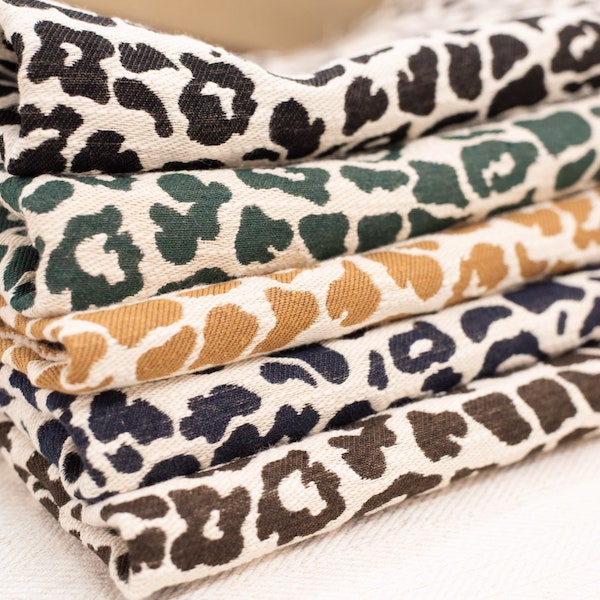
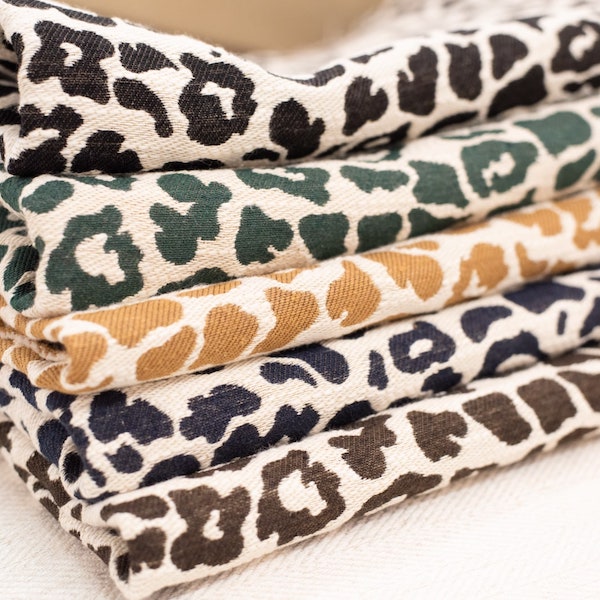
| Upholstery textiles | Limited stock fabrics | Designer textiles selected for feel, performance, and fit for the room |
| Outdoor surfaces | Softer or untreated materials | Harder, better-specified materials like weathered teak |
Craftsmanship shows in the hidden parts
You don’t buy heirloom-quality furniture for the showroom photo. You buy it for what happens after years of daily use. That means looking at the hidden work.
Check the seams. Sit down and stand up a few times. Lift the front corner of a sofa slightly. Open drawers. Look underneath a dining chair. Ask how the joints are assembled and whether the upholstery is bench-made or mass-produced.
Practical rule: If a store can’t explain how a piece is constructed, you should assume the construction is not the selling point.
Well-made furniture usually feels calm. It doesn’t wobble, squeak, rack, or look overstuffed in a careless way. The proportions feel resolved. The tailoring looks deliberate.
Design has to outlast trends
Luxury also means enduring design, not just dramatic styling. A statement piece should still work when wall color, rug, or lighting changes years later. The goal isn’t bland furniture. It’s furniture with enough design integrity to stay relevant.
That’s why some of the strongest Atlanta homes mix a sculptural sofa with quieter case goods, or pair a custom upholstered chair with antique pieces and modern lighting. The room feels collected rather than bought all at once.
If you want to sharpen your eye for quality benchmarks, it’s useful to discover heirloom furniture pieces and compare how respected brands talk about construction, scale, and finish.
Customization is part of the definition
True luxury includes the ability to adjust. That might mean selecting a deeper seat for a family room, choosing a tighter back cushion for a formal living room, or changing fabric entirely to suit children, pets, sunlight, or entertaining habits.
Here’s where many affluent buyers get confused. They assume customization is an upgrade added at the end. In reality, for many high-end pieces, customization is the point. The frame is only the beginning.
How to Evaluate Atlanta's Luxury Furniture Showrooms
A showroom tells you a great deal before anyone says a word. You can learn a lot from how the furniture is presented, how the staff speaks about construction, and whether the space supports decision-making or just visual browsing.

Read the room before you read the price tag
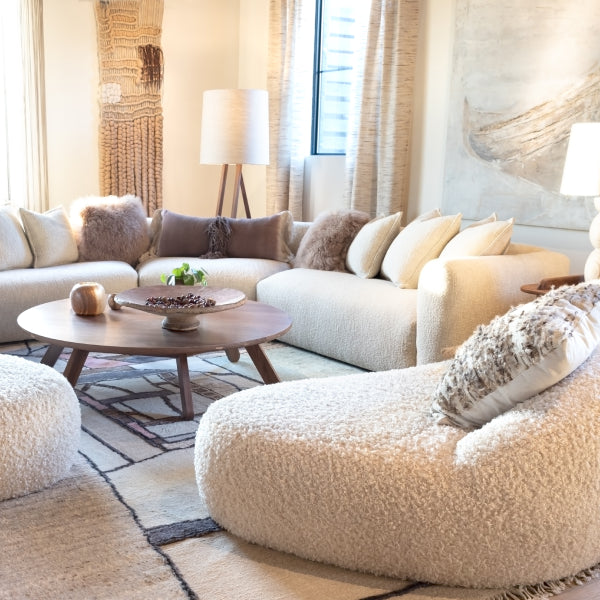
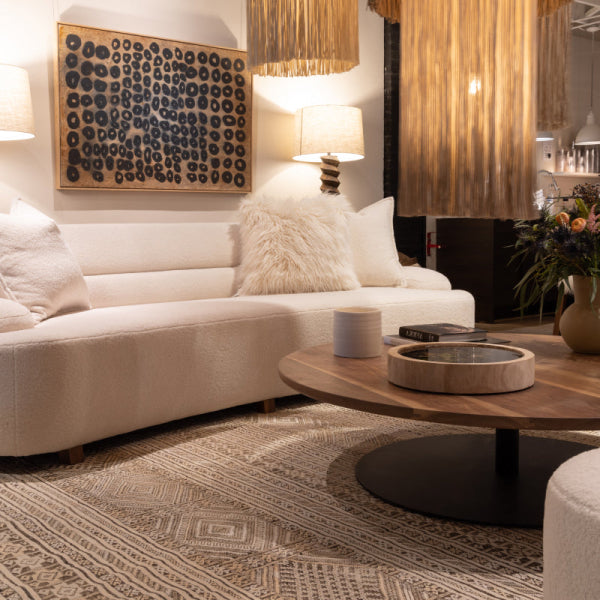
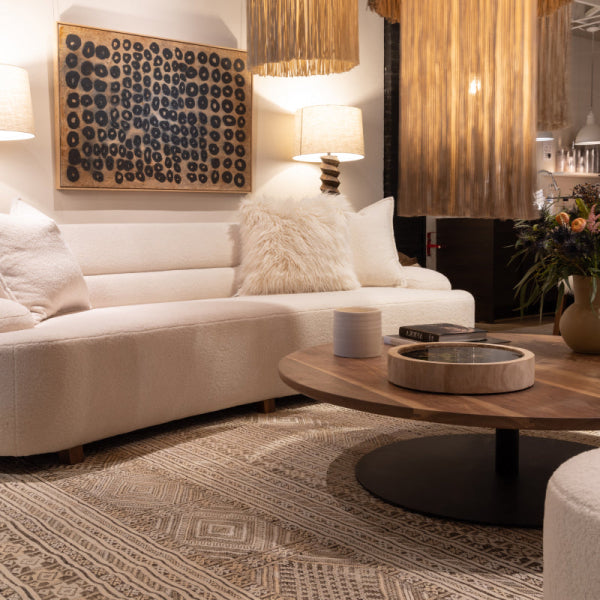
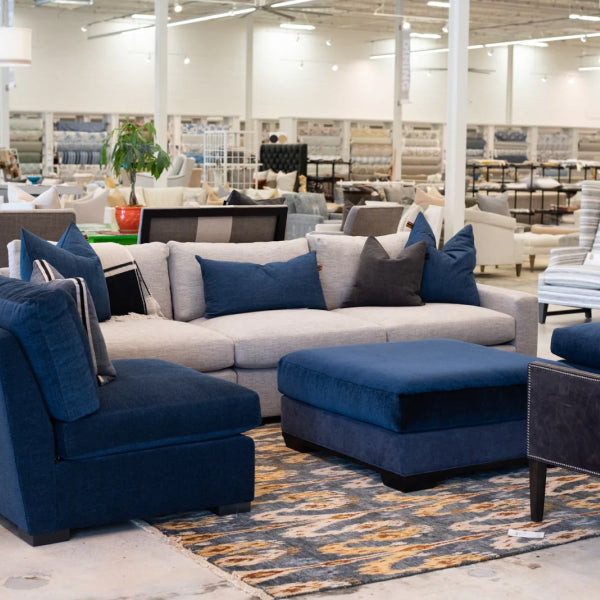
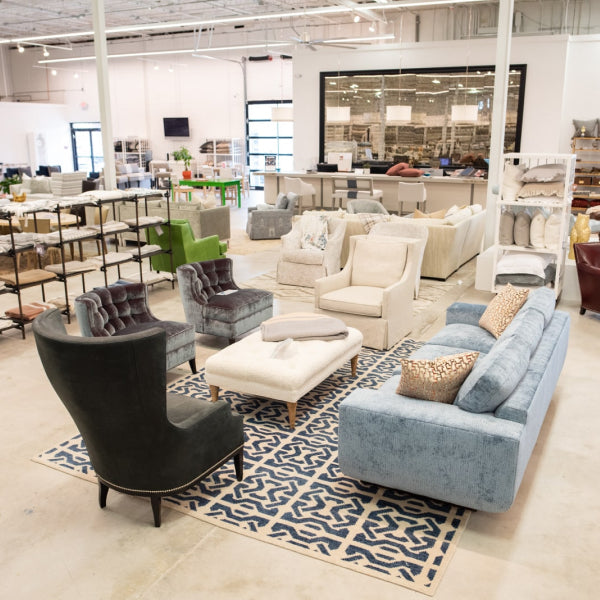
A strong luxury showroom doesn’t feel crowded. It gives pieces enough space to breathe, lets you understand scale, and shows how materials behave under light.
That isn’t accidental. Cantoni Atlanta operates a 30,000-square-foot showroom, and industry benchmarks cited there note that showrooms over 20,000 square feet can see 15 to 20% higher conversion rates because immersive product visualization helps customers engage with pieces more fully, according to this Cantoni Atlanta showroom overview.
For a buyer, the takeaway is simple. Space supports judgment. When you can walk around a sectional, compare chair depths, and view a dining table from multiple angles, you make better decisions.
What to watch during your visit
Some signs are obvious. Others are easy to miss if you haven’t shopped at this level before.
-
Vignette quality
Look for rooms that feel resolved rather than staged in a hurry. A thoughtful vignette shows scale, proportion, and material contrast. -
Staff fluency
Ask what can be changed on a sofa. A good designer or sales consultant should be able to discuss fabrics, fill options, finishes, and use case without sounding scripted. -
Sample access
Better showrooms make it easy to review textiles, wood finishes, and rug possibilities. If everything has to be “looked up later,” the process may be more retail than design-oriented. -
Construction transparency
Ask how a chair is built and whether it’s made to order. The answer should be direct and specific. -
Comfort range
Sit in several categories. Some luxury sofas are loungey. Others are upright and formal. A strong showroom helps you identify the right fit for your life, not just what photographs well.
If you’re trying to understand the tradeoffs between made-to-order upholstery and standard store inventory, this explainer on custom upholstery versus retail furniture is a useful companion before you shop.
Signs a showroom is built for design, not just sales
Some stores are meant for quick transactions. Others are structured around consultation. You can usually tell by observing what happens around you.
| Signal | What it usually means |
|---|---|
| Designers reviewing swatches with clients | The store supports customization |
| Multiple finish and fabric samples nearby | The showroom expects detailed decisions |
| Staff asking about floor plans and room use | The process is consultative |
| Mix of floor stock and special-order options | The store can handle both immediate and long-range projects |
If a showroom only wants to tell you what’s available today, it may not be the right place for a whole-home furnishing project.
The Power of Customization Services You Should Expect
The most important difference between a good luxury purchase and a costly mistake is often not the furniture itself. It’s the service ecosystem around it.
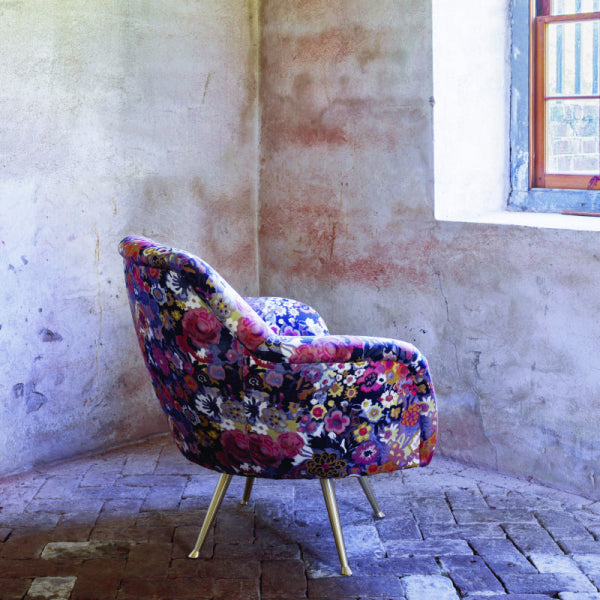
A beautifully made frame can still be wrong for your room if the seat depth is off, the cushion fill doesn’t match how you live, or the fabric can’t handle sunlight or pets. That’s why serious buyers should pay close attention to custom upholstered furniture, in-house design guidance, textile sourcing, and reupholstery.

Custom upholstery changes everything
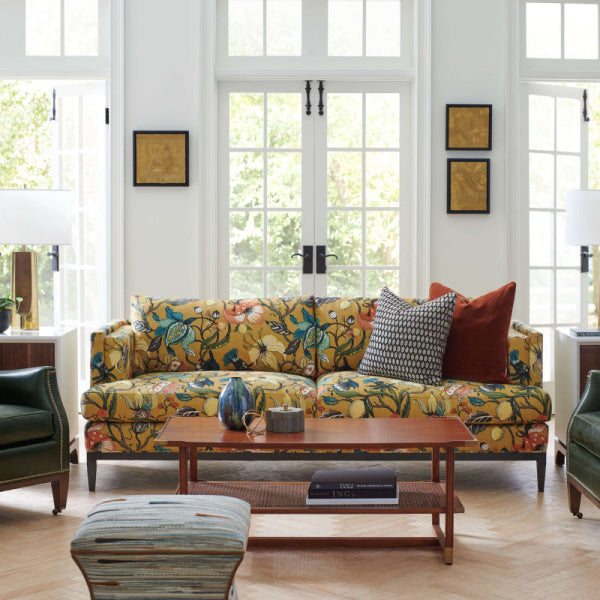
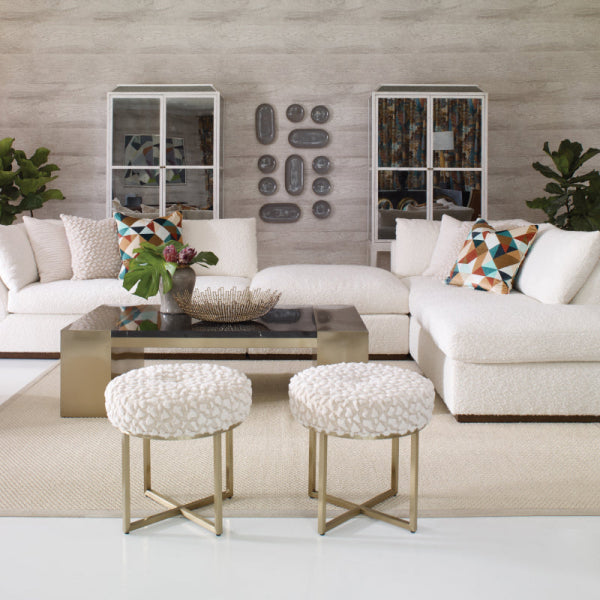
A stock sofa works when your room is standard and your taste is flexible. Many Atlanta homes are neither. Open-concept layouts, long family rooms, formal living spaces, and mixed-use dens often need more precise proportions.
Custom upholstery lets you make choices that affect daily comfort:
- Seat depth for upright conversation versus lounging
- Cushion fill for a structured look or a softer sit
- Arm style to suit architecture and room formality
- Fabric selection to balance beauty with wear
- Finish choices that connect the piece to flooring and millwork
It's in these showrooms that “luxury sofas” and “premium sectionals” stop being search terms and start becoming design tools.
Reupholstery protects the pieces worth keeping
Affluent homes often contain at least one piece with good bones. It may be a club chair from a parent’s home, a bench-made sofa that needs fresh fabric, or dining seats that no longer fit the room.
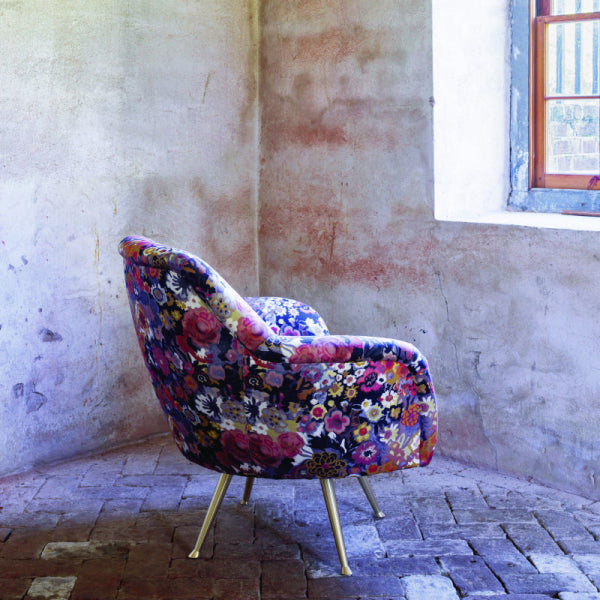
Reupholstery matters because quality frames are worth preserving. A skilled workroom can update the textile, refine the finish details, and return a sentimental or architecturally appropriate piece to active use. That’s especially useful when a home needs personality, not another generic purchase.
The smartest room in the house is often the one that mixes new custom pieces with one older piece that has history.
Integrated sourcing saves the project
One of the biggest practical frustrations in luxury shopping is having to assemble the room in separate stops. You find a sofa in one place, rugs in another, trims somewhere else, and then struggle to make everything relate.
That disconnect shows up in buyer behavior. Consumer data from 2025 found that 28% of online reviews for Atlanta furniture stores asked about locating high-end fabrics and rugs in the same place, pointing to an unmet need for integrated sourcing such as access to mills like Libeco and rug lines like Kalaty, as noted in this Atlanta furniture and fabric demand summary.
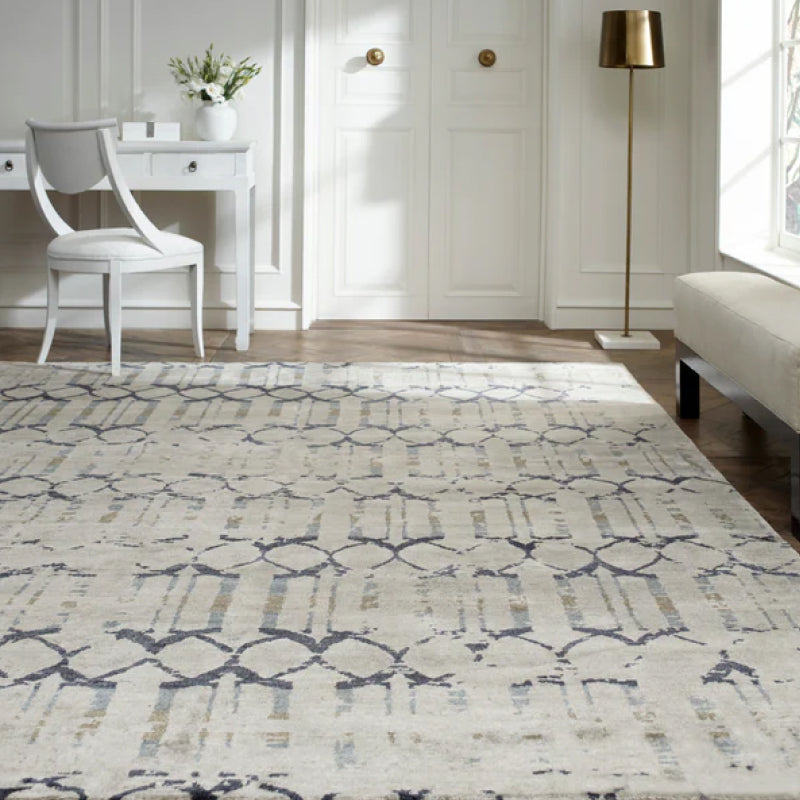
That matters because rooms aren’t built one item at a time in isolation. The upholstery fabric affects the rug. The rug affects the drapery. The drapery changes how the wood finish reads. Good stores understand that chain reaction.
Complimentary design help should be normal at this level
When clients hear “design consultation,” they sometimes assume it means a full decorating contract. Not necessarily. In many strong luxury showrooms, it means someone knowledgeable helps you edit the choices.
That guidance might include:
-
Refining scale
Making sure the sectional isn’t too deep for the room or the sofa back doesn’t cut across window lines. -
Balancing textiles
Pairing a textured solid upholstery with a patterned rug and quieter drapery. -
Correcting assumptions
Steering you away from the pale fabric that won’t suit your household, even if it looks lovely under showroom lighting. -
Building continuity
Making the living room, dining room, and bedroom feel related without looking repetitive.
One Atlanta option in this category is Lewis and Sheron’s bespoke furniture approach, which combines custom furnishings, textiles, rugs, reupholstery, and complimentary in-store design support. That kind of integrated model is often what separates a design resource from a standard furniture retailer.
Navigating Your Investment Price Expectations and Long-Term Value
The wrong question is “Why is this sofa so expensive?” The better question is “What am I paying for, and how long will it serve the house well?”
Luxury furniture pricing usually reflects a combination of materials, labor, customization, and longevity. A custom chair with excellent tailoring and strong construction costs more upfront because more people have touched it, more decisions have gone into it, and better components have been selected from the start.
Think in years of use, not in checkout shock
Mass-market furniture often encourages replacement. A piece looks current for a season, performs acceptably for a while, then starts to sag, wobble, pill, or feel dated. Higher-end furniture asks for a larger commitment at the beginning, but it aims to reduce the cycle of replacement.
That matters in large homes, where every compromise multiplies. If you furnish a living room, keeping room, office, and guest suite with disposable thinking, the eventual cost is rarely lower. It’s just spread out and easier to ignore.
A well-made sofa isn’t cheap because it’s fashionable. It costs more because it’s expected to keep working long after fashionable pieces are gone.
Atlanta’s market supports long-view buying
This city has a long history of supporting established, design-oriented furniture businesses. Atlanta’s luxury furniture market includes institutions such as ADAC, founded in 1961, and Havertys, which has operated since 1885, a sign of lasting regional demand for quality furnishings, as described in this history of Atlanta luxury showrooms.
That history should reassure buyers. You’re not investing in a passing fad or a temporary retail moment. You’re shopping in a market where long-standing showrooms, design centers, and home furnishing businesses have supported quality-focused buying for decades.
What long-term value looks like
Long-term value doesn’t always mean buying the most formal or elaborate piece in the room. It means buying the piece that keeps earning its place.
Consider these signs of value:
- It suits the architecture of the home
- It can be reupholstered or refreshed later
- It isn’t tied to one temporary trend
- It feels better after living with it, not worse
- It integrates with future updates rather than forcing replacement
That’s how affluent buyers build rooms that still feel current years later.
Your Atlanta Luxury Furniture Shopping Checklist
Bring this with you when you visit luxury furniture stores in atlanta. It will keep you focused on substance instead of showroom theater.
In-Showroom Quality Checklist
| Area of Inquiry | What to Ask or Inspect |
|---|---|
| Frame construction | Ask what the frame is made from and how key joints are assembled. |
| Customization options | Ask whether you can adjust dimensions, cushions, arm styles, finishes, or fabric. |
| Fabric library | Inspect whether the showroom has meaningful textile options on site or only limited swatches. |
| Comfort profile | Sit on the piece for more than a minute. Notice seat depth, back support, and cushion recovery. |
| Tailoring | Inspect seams, welting, pattern alignment, and skirt or leg attachment for neatness. |
| Scale | Ask a designer whether the piece fits your room proportions, window placement, and traffic flow. |
| Finish quality | Look closely at wood tones, stain consistency, and how the finish reads in natural light. |
| Rug and accessory coordination | Ask whether the store can help source rugs, trims, pillows, or drapery that work with the furniture. |
| Reupholstery services | Ask whether they can refresh an existing heirloom or bench-made piece you already own. |
| Delivery and placement | Ask how the piece will be delivered, installed, and protected in the home. |
Questions worth asking out loud
Some buyers hesitate to ask detailed questions because they don’t want to sound difficult. Ask anyway. Serious showrooms expect it.
- What makes this sofa designer quality instead of retail quality
- What can be changed on this frame
- Which fabrics would you avoid for my household
- Can you show me a similar piece in a different upholstery or finish
- If this piece needs refreshing later, can it be reupholstered
Good answers tend to be calm, specific, and unhurried.
Curating Your Timeless Atlanta Home with Lewis and Sheron
You walk into one showroom and find a beautiful sofa with only a handful of fabric choices. In the next, you see excellent textiles but no clear path to turn them into a finished room. By the third stop, the day starts to feel less like decorating and more like project management.
For many Atlanta homeowners, that is the turning point. A luxury purchase is rarely about one statement piece. It is about bringing furniture, fabric, rugs, and finish decisions into one clear process, with someone experienced enough to guide the sequence.
Lewis and Sheron has been part of that Atlanta process since 1944. Its offering spans the categories serious buyers often need at the same time: custom furnishings, reupholstery, drapery, premium fabrics, hand-knotted rugs, trims, and in-house design guidance.
Why this model works for high-consideration buyers
High-end furnishing projects tend to break down when the sourcing is scattered. One showroom may have appealing floor samples but very few upholstery options. Another may stock beautiful textiles but offer little support in turning those materials into a finished chair, sofa, or banquette. The result is delay, second-guessing, and rooms that feel assembled in pieces instead of composed as a whole.
Lewis and Sheron brings those decisions closer together in one setting:
- Custom upholstered furniture from American makers including Verellen, Wesley Hall, LEE Industries, and Ambella
- Expert reupholstery for clients who want to preserve an existing bench-made or sentimental piece
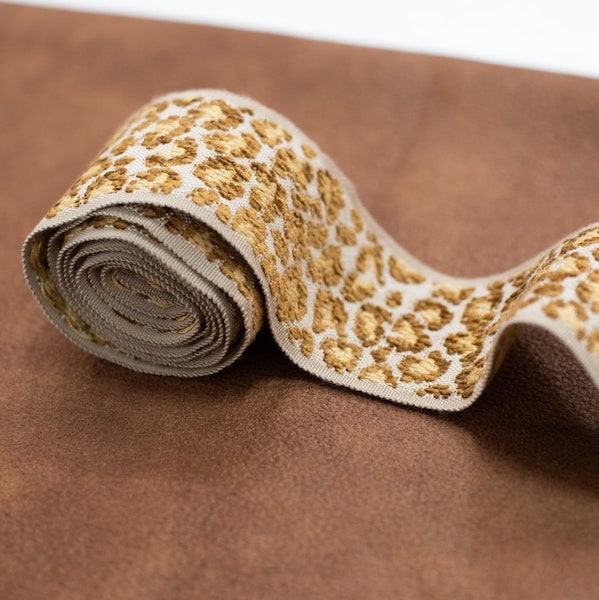
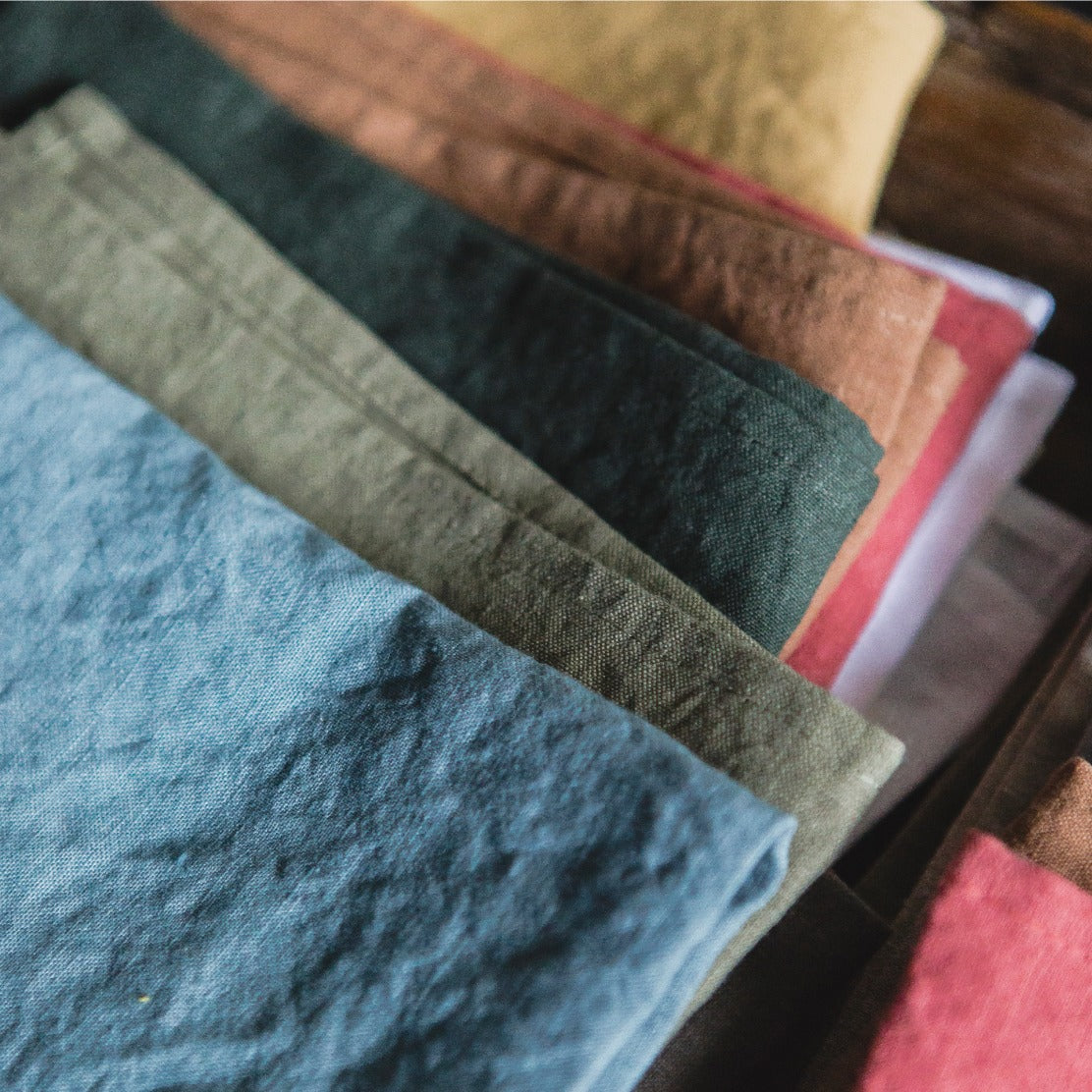
- Designer fabric access with in-stock bolts and cut-yardage options from mills such as Kravet, Fabricut, P. Kaufmann, Libeco Home, and Crypton
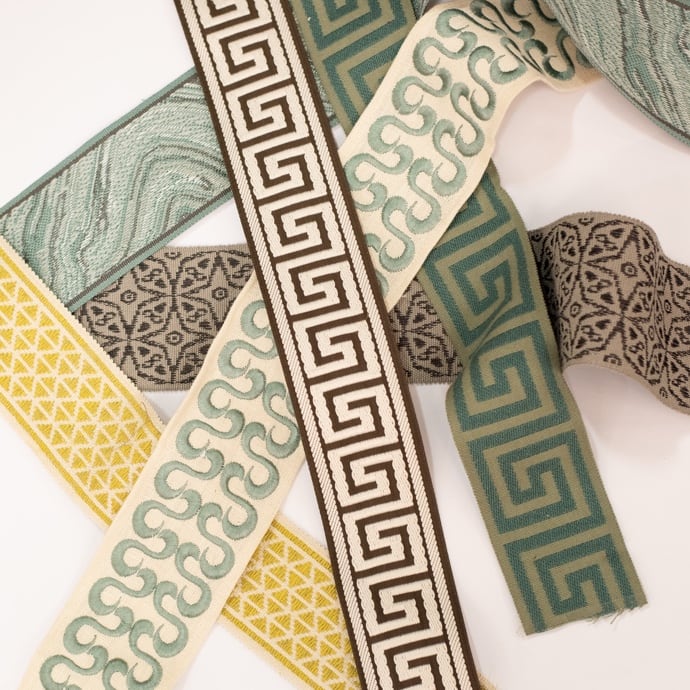
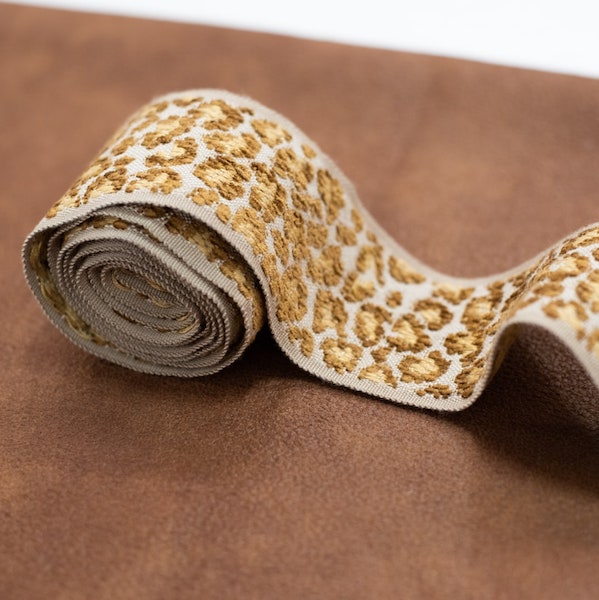
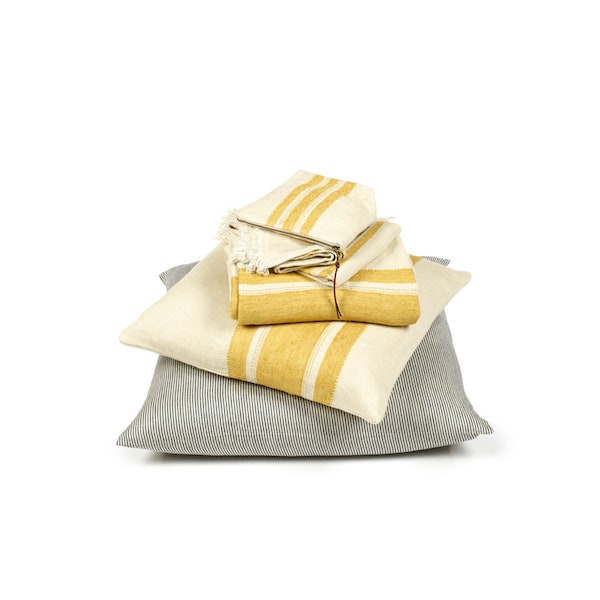
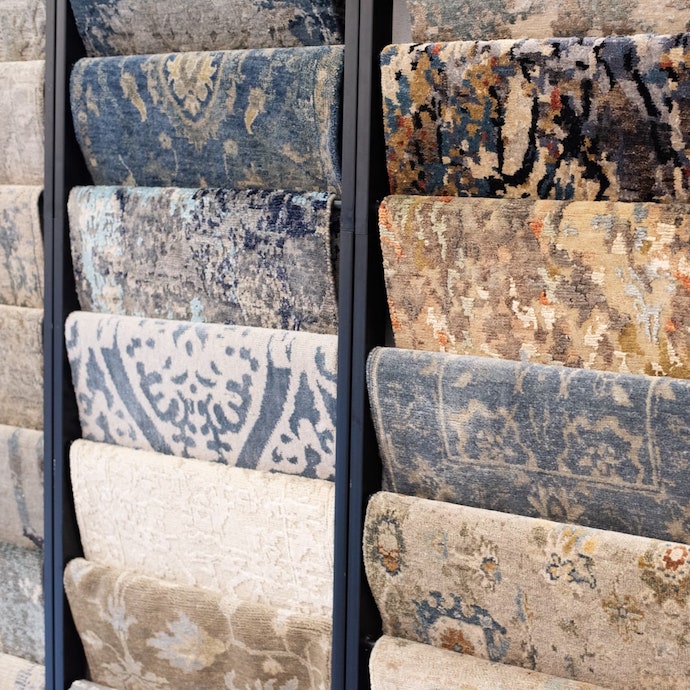
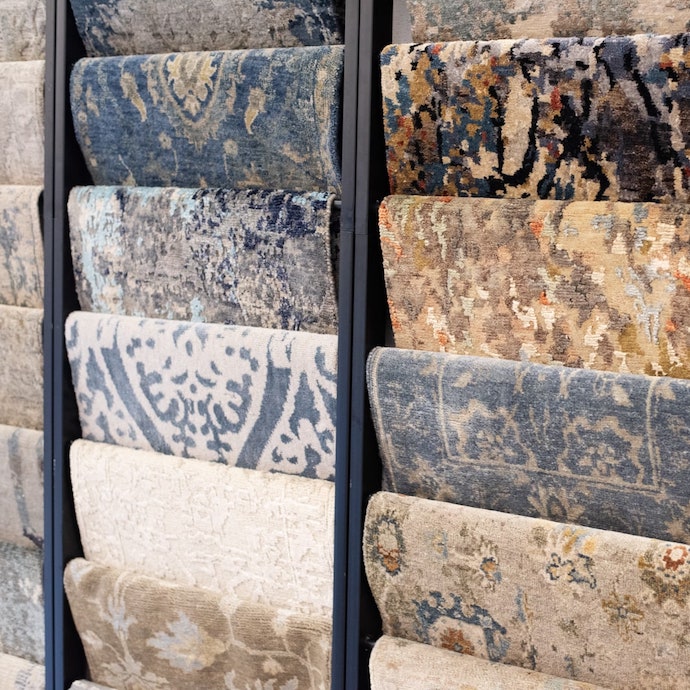
- Rug and accessory layers including Belgian linens, trims, pillow forms, and hand-knotted rugs from Kalaty and HRI
- Complimentary in-store design help while shopping
For a homeowner in Buckhead, North Atlanta, Alpharetta, Roswell, or nearby Fulton County communities, that saves time. Of greater significance, it improves decision quality.
What that means inside your home
The best rooms have the same quality as a well-edited wardrobe. The jacket, shirt, and shoes do not match exactly, but they belong together. A luxury interior works the same way. The upholstery, wood finish, rug pattern, trim, and drapery each play a role, and someone has to keep the full composition in view.
That is the practical advantage of a resource like Lewis and Sheron. You can lay a fabric against a rug before ordering either one. You can compare a quiet linen to a performance textile and ask which one makes more sense for the way your household lives. You can reupholster an heirloom chair for the study while ordering a made-to-order sofa for the family room, without treating those as separate design conversations.
That is often what separates a room that presents as expensive from one that feels settled, personal, and lasting.
Who tends to benefit most
Three types of clients usually get the most value from this approach.
The first is the homeowner furnishing a new build or renovation who wants high-end furniture with more character than standard retail inventory can offer.
The second is the client who already owns at least one well-made piece worth saving. Reupholstery can be the better decision when the frame is excellent and the proportions still work for the home.
The third is the interior designer who needs trade-oriented sourcing, access to serious fabric libraries, and a showroom where clients can make confident decisions by seeing and touching materials in person.
If you have been searching for custom furniture Atlanta, designer furniture near me, or luxury home furnishings beyond stock retail assortments, use that standard. Look for a source that can support the room from frame selection to fabric choice to final layering.
If you are ready to furnish with more intention, Lewis and Sheron Textiles offers a practical next step. You can explore custom upholstery, fabric and rug sourcing, reupholstery, and complimentary in-store design guidance in one Atlanta showroom, which makes it easier to create a home that feels personal, cohesive, and built to last.