



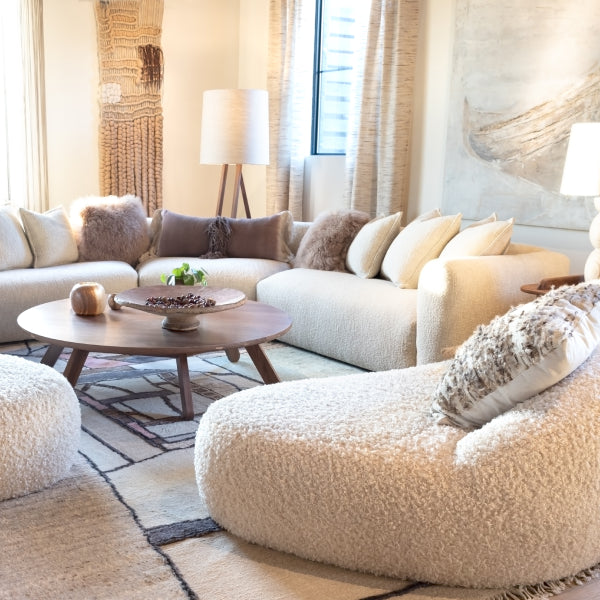
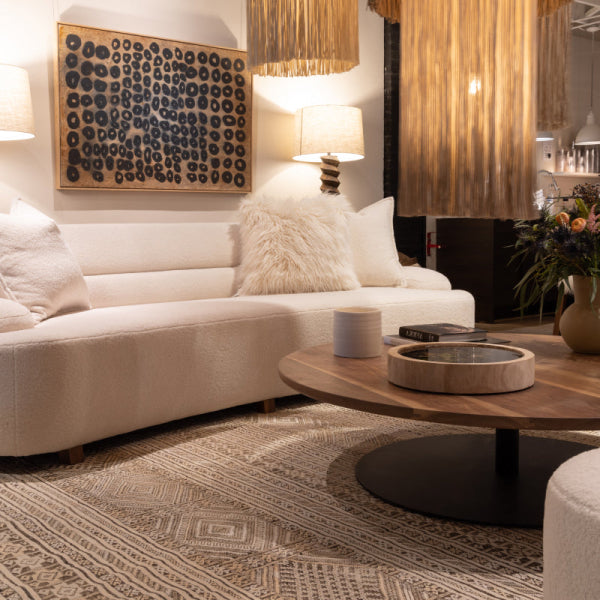









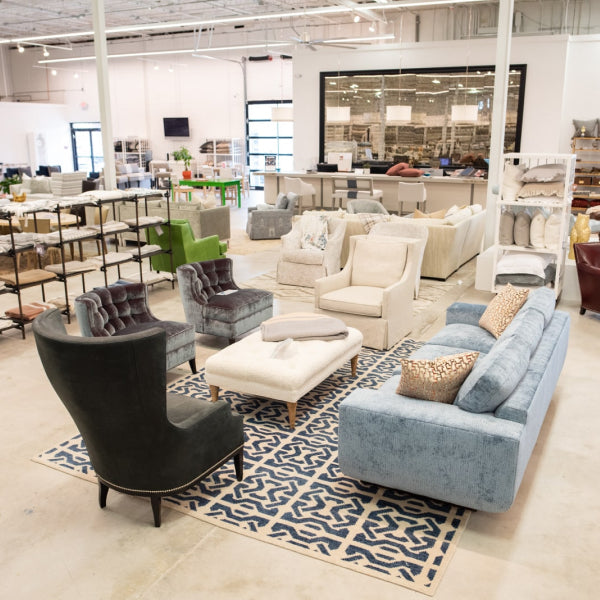


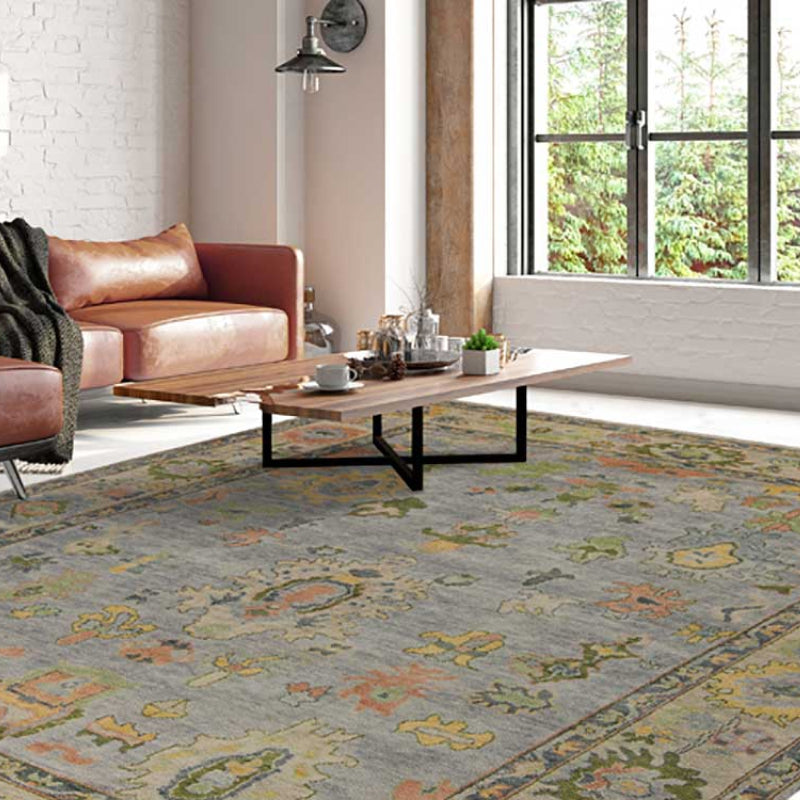
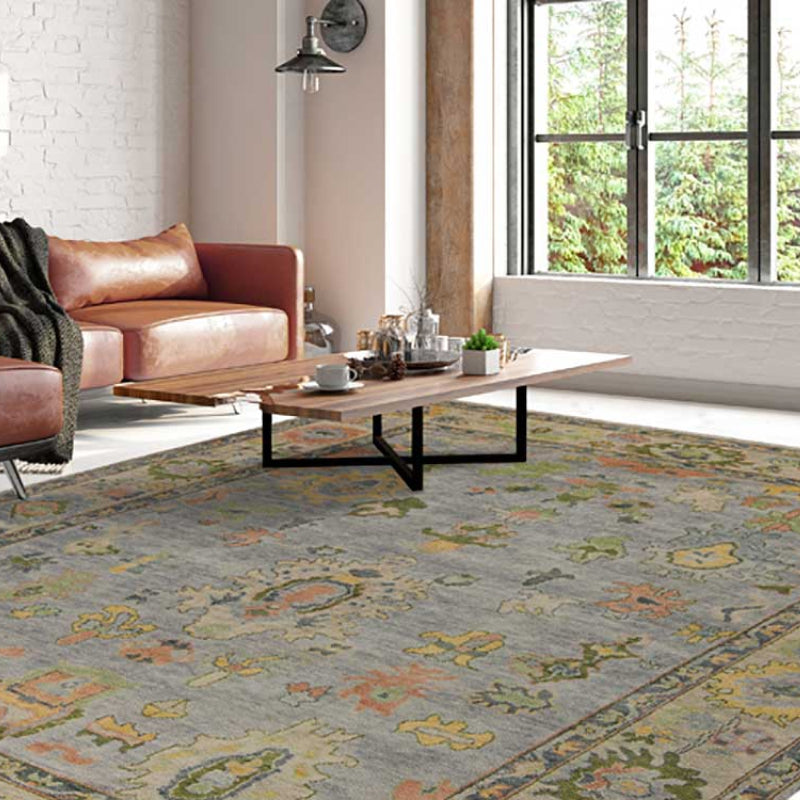
You’re probably looking at a living room that should feel resolved by now, but doesn’t. The architecture is strong. The ceilings are generous. The windows are doing their job. Yet the sofa options you’ve seen in showrooms either look too small, too generic, or too disposable for the room they’re supposed to anchor.
That’s common in Buckhead. A lot of homes here have larger footprints, taller rooms, and more formal sightlines than the average retail floor was designed for. Standard sofas can work in a condo or a secondary den. In a Buckhead living room, they often leave the space feeling unfinished.
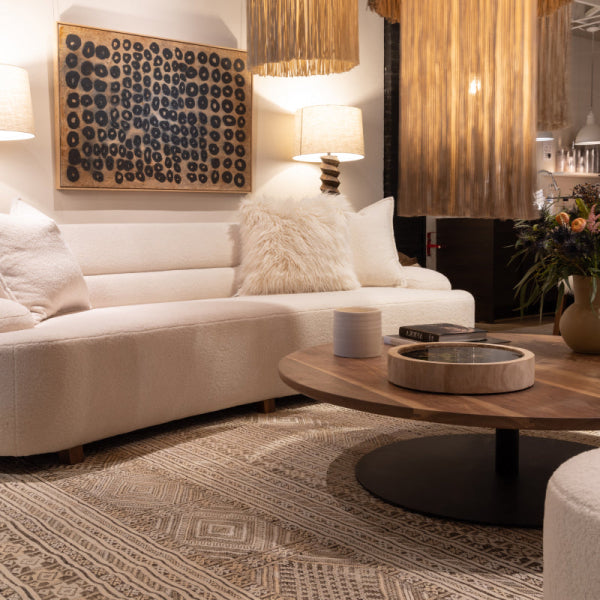
Custom Sofas for Buckhead Living Rooms make sense when the room itself is asking for better proportion, better materials, and a stronger point of view. The right piece doesn’t just fill space. It sets the tone for how the room lives, how it entertains, and how it will age over time.
Why a Custom Sofa is the Ultimate Investment for Your Buckhead Home

Walk into a Buckhead living room with 12-foot ceilings, full-height windows, and a formal fireplace wall, and a standard sofa usually looks undersized before anyone sits down. I see it often in Georgian and Neoclassical homes, where the millwork is crisp, the rooms are symmetrical, and the furniture has to hold its own against strong architecture. In newer Buckhead builds with open main levels, the issue shifts slightly. The sofa also has to define space without making the room feel chopped up.
That is why custom tends to be a better investment here than stock upholstery.
A custom sofa costs more upfront because it is built to a specification, not pulled from inventory. The added cost usually goes into dimensions, frame construction, cushion build, and fabric selection. Production also takes longer. That lead time is part of what you are buying. A made-to-order piece gives the room a better fit and usually holds up better under daily use than a sofa chosen only because it was available quickly.
Buckhead rooms expose shortcuts fast. A low, shallow sofa can disappear under tall casings and long drapery panels. An over-decorated silhouette can fight with ornate plasterwork or traditional paneling. A piece with the wrong visual weight can make a large room feel unsettled even when every other finish is right.
Scale is the first reason custom pays off. Experienced local designers and buyers see under-scaled furniture constantly in larger Buckhead homes, a point also noted in Chase Mizell’s guidance on choosing furniture that fits a Buckhead home. The correction is not “buy a bigger sofa.” It is choosing the right length, depth, arm size, and seat height for the architecture and for the way the room is used.
For example, a formal Georgian living room often benefits from a sofa with a disciplined silhouette, moderate seat depth, and enough length to read as substantial across a fireplace-centered elevation. A transitional Buckhead family room with wide openings into the kitchen usually wants more lounge depth and a heavier visual stance so the seating area feels grounded from every angle. Those are different design problems. A stock sofa rarely solves both well.
Material choices matter in Atlanta too. Buckhead homes often get strong natural light, and our humidity swings are real. That affects how fabrics wear, how cushions recover, and how certain frame components age. Custom gives you more control over fade resistance, cushion density, and the balance between softness and support, which matters if the sofa will see both daily family use and frequent entertaining.
The value shows up in a few concrete ways:
- Better proportion: The sofa can be built for a room with tall ceilings, long walls, or formal symmetry instead of forcing a standard size into place.
- Longer useful life: Higher-grade frames, suspension, and cushion construction usually age better than mass-market upholstery.
- Smarter fabric decisions: Sun exposure, pets, children, and entertaining habits can be addressed before the piece is built.
- Fewer corrective purchases: One properly scaled sofa often eliminates the need to add extra chairs or filler tables just to make the room feel complete.
That last point matters more than many clients expect. In a large Buckhead living room, one sofa with the right presence can carry the entire seating plan. Two smaller compromises usually cost more in the long run because they create a room that still feels unresolved.
Custom also protects against a common mistake in Atlanta homes with generous square footage. Homeowners often focus on wall length and forget circulation, sightlines, and how the sofa reads from adjoining rooms. If you want a practical reference before committing to size, this guide on how to measure for a custom sectional is a good starting point because it frames sizing around actual use, not just dimensions on paper.
A well-made custom sofa does not need to announce itself. It reads right because the scale suits the room, the comfort suits the household, and the materials suit the climate. In Buckhead, where architecture tends to be more demanding than the average retail floor expects, that kind of fit is not a luxury extra. It is the difference between furniture that merely occupies the room and furniture that finishes it.
The Foundation of Quality Planning Your Bespoke Sofa
The planning stage is where most mistakes are prevented. Good custom upholstery starts long before fabric memos and finish samples hit the table. It starts with an honest read of the room and the way you live in it.

Start on the floor, not on a website
Measure the room first. Then measure the usable room.
Those aren’t the same thing. Fireplaces, door swings, traffic paths, radiator covers, floor outlets, and deep drapery returns all reduce what the sofa can be. Before choosing a silhouette, tape the footprint onto the floor. If you’re ordering a sectional, tape every return and chaise extension as well.
For a more detailed measuring approach, this guide on how to measure for a custom sectional is a useful reference because it forces you to think in terms of circulation, not just wall length.
Here’s the worksheet I use in practice:
- Map the entry path: Note where people enter the room and where they naturally cut across it.
- Mark conversation distance: A formal sitting room and a family room don’t need the same spacing.
- Check visual weight: In Buckhead homes with larger windows and ceiling heights, low-profile sofas can disappear unless the room is intentionally minimal.
- Account for adjacent pieces: Coffee table depth, side tables, and occasional chairs affect what the sofa should be.
Tape on the floor tells the truth faster than any rendering.
Define what the sofa has to do
A living room sofa in Buckhead often serves one of two jobs. It’s either formal seating for entertaining, or it’s the daily landing spot for family life. Some rooms try to do both. That’s possible, but only if you’re deliberate.
Use function to drive the specification:
- For entertaining: You’ll usually want a more upright sit, cleaner lines, and a seat depth that supports conversation.
- For family use: You may lean into a deeper seat, softer back construction, and more forgiving fabric choices.
- For mixed use: Custom solutions work best here. You can blend the refined look of a formal sofa with the comfort profile of a room people use.
Do a real sit test
One of the most useful parts of the custom process is the Sit Test. The expert process starts by testing preferences for seat depth, typically 22 to 26 inches, and cushion firmness. Combined with frame specification and an ergonomic mock-up, that step can reduce revision rates by 80% and raise long-term comfort success to over 92% in post-delivery surveys, according to Alden Miller Interiors’ seven-step custom sofa process.
That means you shouldn’t walk into a luxury furniture showroom and say, “I want something comfortable.” That description is too vague to be useful.
Instead, pay attention to specifics:
- Your feet: Do they rest naturally on the floor?
- Your lower back: Do you feel supported or pushed forward?
- Your shoulders: Does the back cushion hold you comfortably, or do you collapse into it?
- Your posture: Are you perched, lounging, or sitting exactly how you intend to use the piece?
A good custom brief is physical, not abstract. “I want a sofa with a slightly firmer seat, moderate depth, and enough arm width for a cocktail during entertaining” is the kind of direction that gets results.
Navigating Materials and Craftsmanship for Lasting Luxury
A Buckhead living room can make a weak sofa look convincing for about six months. High ceilings, long sightlines, and generous room scale flatter almost any silhouette at first. Then Atlanta humidity, regular entertaining, and daily use start to expose what sits under the upholstery.

Start with the frame and suspension
For Buckhead homes, kiln-dried hardwood frames are the standard for a reason. Atlanta’s humidity can stress poorly prepared wood over time, especially in larger rooms where a long sofa or sectional carries more span and more weight. A properly dried hardwood frame holds its shape better, keeps joints tighter, and reduces the small shifts that eventually show up as squeaks, racking, or uneven seat lines.
Suspension deserves the same scrutiny. The benefits of 8-way hand-tied furniture are worth reviewing before you approve a build, particularly for formal living rooms in Buckhead where a sofa needs to keep its shape across a wide seating area. Nova Furniture Mall’s custom sofa guide notes that 8-way support systems tend to deliver stronger long-term satisfaction than basic sinuous construction, and that lower-grade spring systems show sagging sooner under regular use. In practical terms, 8-way hand-tied support usually gives a more controlled, quieter sit. Sinuous springs can still be a sound choice in the right build, but they need a well-made frame and are less forgiving in large, heavily used seating pieces.
Cushion engineering decides how the sofa ages
Clients often judge comfort in the first few minutes. Longevity shows up in year five.
The same Nova Furniture Mall guide explains that high-resiliency foam in the right density range outperforms generic polyfoam in long-term support and failure rate. That is the difference between a seat that keeps its shape and one that starts looking tired long before the fabric does. For Buckhead households that host often, or for family rooms where people use the sofa every day, I generally prefer cushion constructions with enough core support to prevent that overstuffed, under-supported feel that develops with cheaper fills.
A larger room also changes the equation. On an 8-foot to 10-foot sofa, or a broad sectional common in Buckhead homes, weaker cushions telegraph wear faster because every dip is more visible across a long bench of seating. Good cushion engineering keeps the profile consistent from one end to the other.
A quick comparison helps:
| Construction area | What works | What usually disappoints |
|---|---|---|
| Frame | Kiln-dried hardwood | Lightweight or unstable construction |
| Suspension | 8-way hand-tied support | Basic sinuous systems in heavy-use rooms |
| Seat cushion | HR foam with thoughtful ILD selection | Generic polyfoam that softens too fast |
| Scale management | Reinforced long spans in large sofas and sectionals | Wide frames without enough internal support |
If a sofa feels plush on day one, ask how the seat is built, what the frame is made from, and how the suspension is supported across the full width.
Tailoring reveals the discipline behind the build
Fine upholstery work is easy to spot once you know where to look. Welt should stay even through corners. Pattern placement should align from cushion to cushion. Cushion crowns should look intentional, not swollen in one spot and flat in another. On a custom piece, those details tell you whether the workroom is consistent or merely good at first impressions.
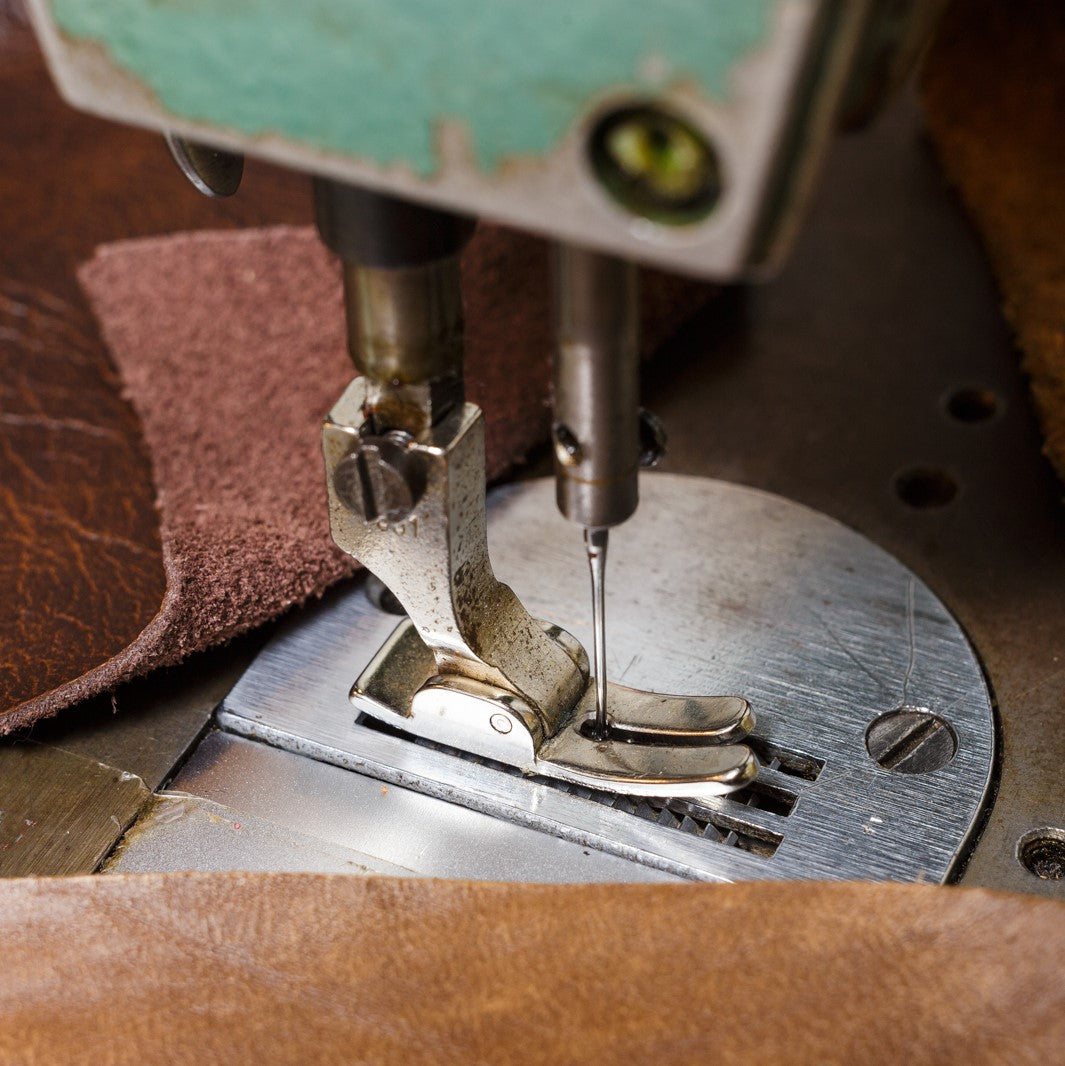
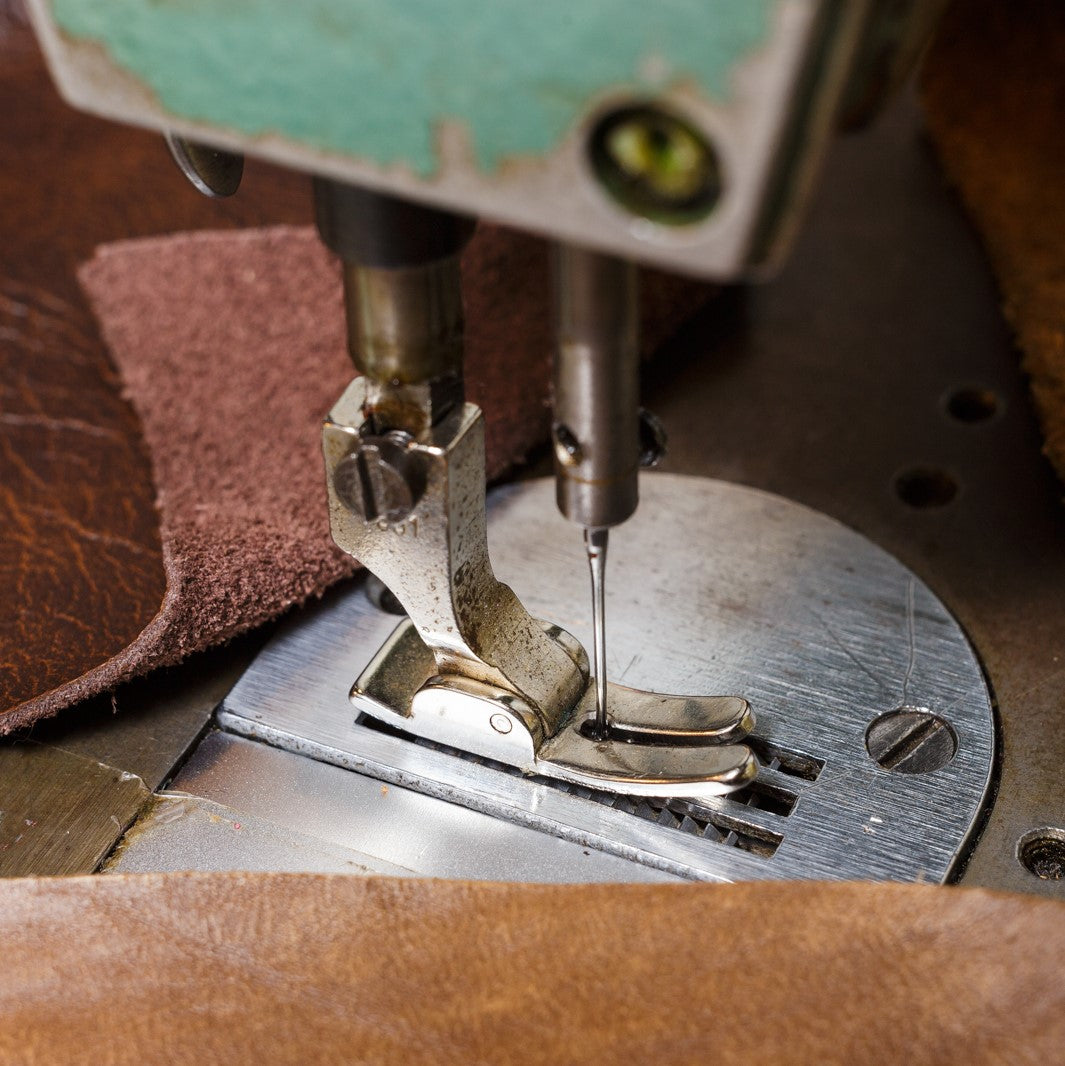
Thread, needle choice, and stitch quality matter here as well. B-Sew Inn thread and needle tips offer a useful look at how seam construction affects strength and finish quality. That matters in Buckhead homes where a sofa often sits in a highly visible room with strong natural light. Sunlight across a pale linen or textured performance fabric will expose puckering, misaligned welts, and sloppy topstitching quickly.
The best custom sofas hold up structurally and visually. In a well-designed Buckhead living room, both matter.
Selecting the Perfect Upholstery Performance Fabrics and Designer Textiles
A Buckhead living room often has two jobs at once. It needs to look polished for a Saturday evening gathering, then hold up to a dog jumping up after a walk through spring pollen, or kids coming in from the terrace during a humid Atlanta afternoon. Fabric has to answer both conditions.

Buckhead clients usually need a fabric that looks tailored and lives easily
In our showroom, many Buckhead homeowners ask for upholstery that can handle pets, frequent entertaining, and daily use without losing its refinement. That shift has changed the conversation. Performance fabrics are no longer a fallback for casual spaces. They are a smart specification for formal living rooms, keeping rooms, and large family spaces where the sofa gets real use.
For primary seating, I usually start with performance textures, tightly woven chenilles, or solution-dyed blends that still have depth in the hand. If you’re comparing categories, this guide to choosing the best performance fabrics is a useful reference for weighing cleanability, texture, and day-to-day wear.
Match the textile to the room, not to a label
The right upholstery depends on how the room functions and how the house is used.
- Performance woven textures: A strong choice for main living rooms with pets, children, or regular entertaining. They hide minor wear well and tend to vacuum clean more easily during heavy pollen season.
- Designer plains and refined chenilles: Good for clients who want softness and visual depth without the maintenance of a loose weave or delicate pattern.
- Linens and linen blends: Beautiful in quieter sitting rooms or formal spaces, especially in Buckhead homes with lighter interiors and classic millwork. They bring a relaxed sophistication, but they will show wrinkling and often need a more disciplined household.
- Silk-forward fabrics or formal patterns: Better for lower-use rooms where appearance matters more than easy maintenance.
Atlanta climate should influence the fabric specification
Atlanta’s conditions are hard on upholstery in specific ways. High pollen counts settle into open weaves and heavily textured fabrics, which makes regular vacuuming more important. Long humid stretches can leave some rooms feeling damp, especially in homes with large windows, shaded exposures, or lower air circulation, so mildew resistance and quick surface cleanability matter more than many buyers expect.
Indoor-outdoor traffic is another factor in Buckhead homes. Terraces, pools, motor courts, and covered porches mean people move through the house with more dust, moisture, sunscreen, and oils than they realize. A fabric that resists absorption and cleans without watermarking usually ages better in that setting than a delicate natural fiber used on its own.
That does not mean every sofa needs a technical-looking textile. It means the fabric should suit the architecture and the way the room is lived in.
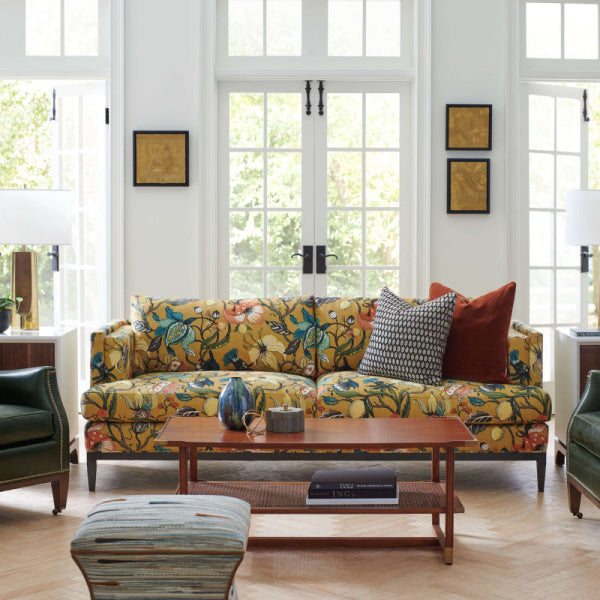
In larger Buckhead living rooms, scale changes the fabric decision too. A long sofa or sectional upholstered in a flat solid can look underdressed across twelve or fourteen feet. A subtle texture, heathered weave, or quiet pattern usually gives a larger piece more presence without making the room feel busy.
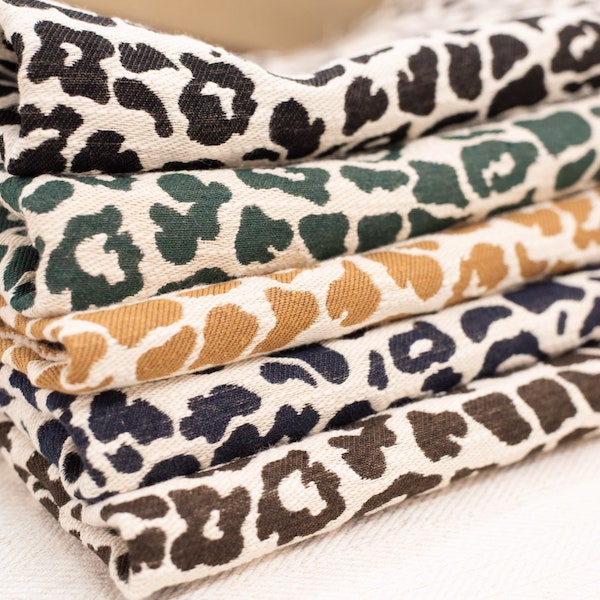
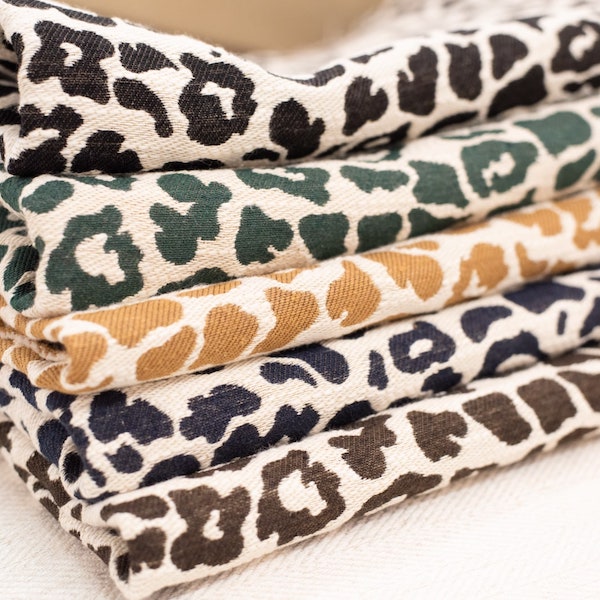
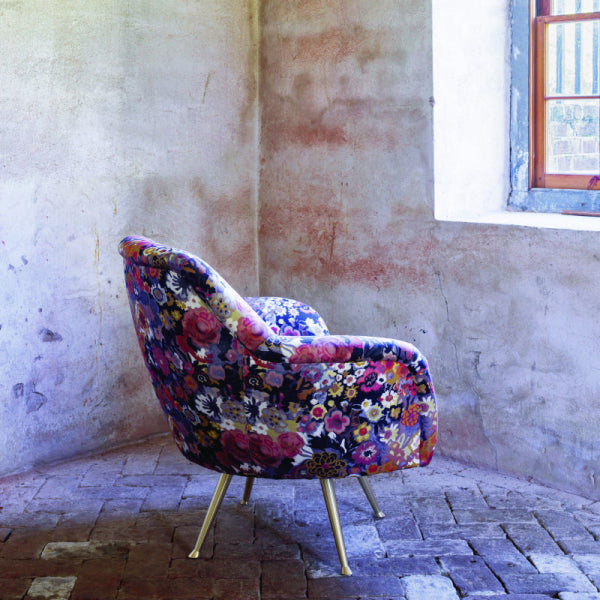
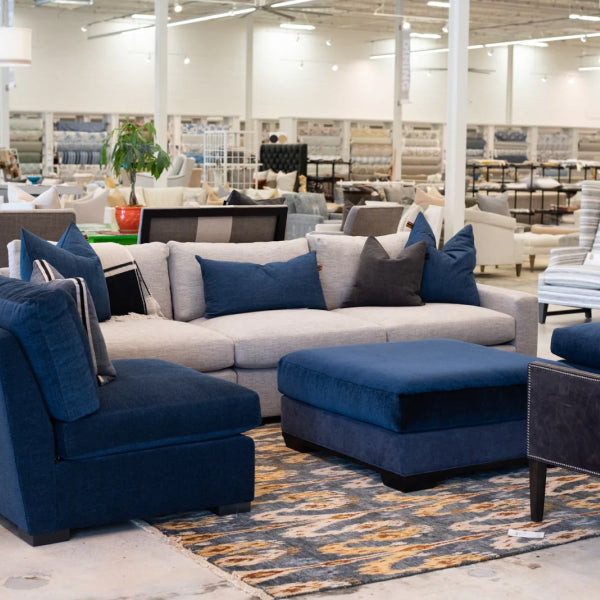
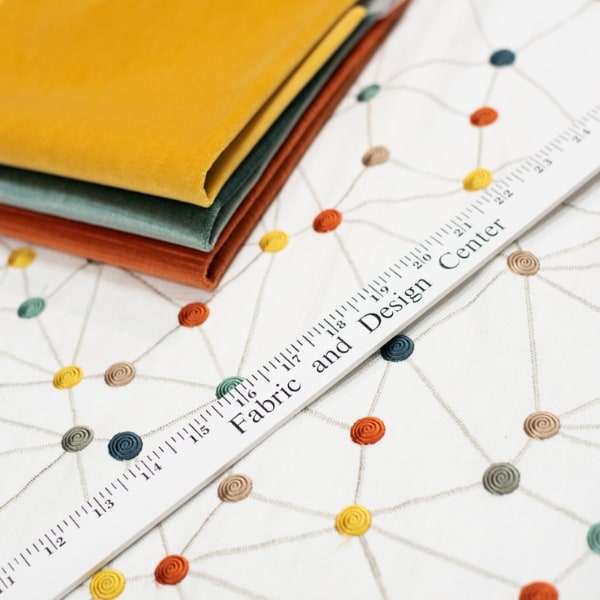
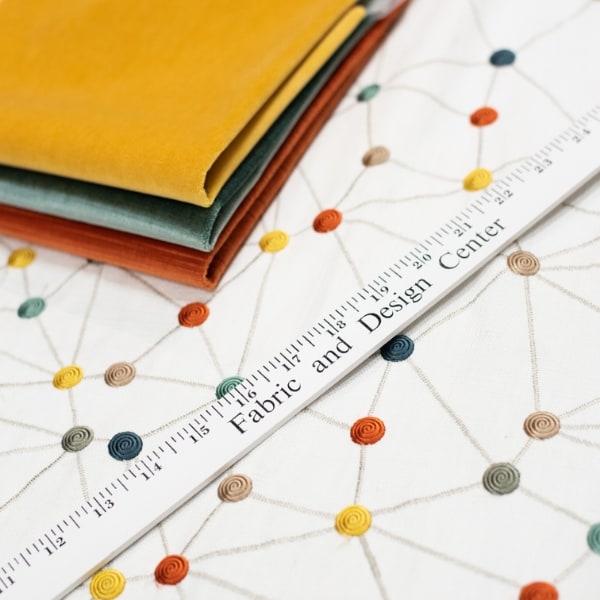
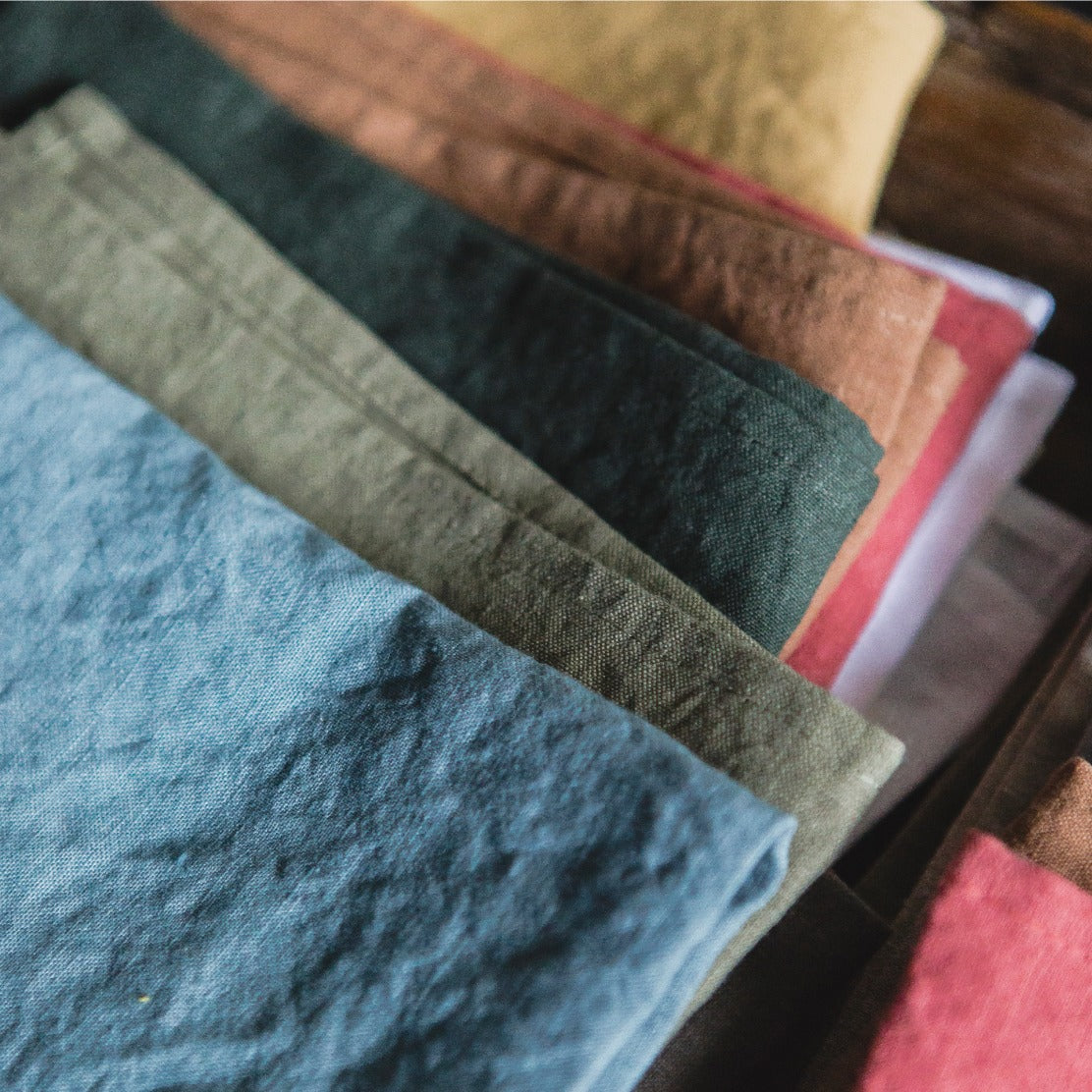
Lewis and Sheron Textiles carries in-stock bolts and cut-yardage options from mills including Kravet, Fabricut, P. Kaufmann, Libeco Home, and Crypton. That range is useful when a client wants to compare designer textiles and performance fabrics side by side instead of choosing from memo samples alone.
A fabric should let you use the room confidently. If the household is worried about every drink, every guest, or every pet paw, the specification is off.
From Order to Installation The Custom Sofa Process in Atlanta
Once the design is approved, the custom process becomes a logistics project. This is the point where expectations matter. Good clients aren’t frustrated by the timeline. They’re frustrated when nobody explains it clearly.
What happens after you place the order
For American-crafted upholstery from makers such as Verellen or LEE Industries, standard lead times can run 12 to 16 weeks, while improvements in logistics for the Atlanta market can cut certain orders to 8 to 10 weeks, according to Roger + Chris delivery timeline information.
That range reflects several phases, not one long pause:
- Order entry and approvals: Final dimensions, arm style, cushion fill, and fabric selections are confirmed.
- Material allocation: The factory reserves the required textile and construction components.
- Frame build and upholstery: The piece is constructed, padded, upholstered, and inspected.
- Transit and scheduling: Delivery is coordinated around local receiving and installation windows.
If you’re furnishing a primary residence in Buckhead or a new build in North Atlanta, place the sofa order earlier than you think you need to. Custom upholstery shouldn’t be the last item on the specification schedule.
Why local oversight matters
The best custom furniture process has a point person. Someone needs to keep the specification clean, answer factory questions, and catch issues before the sofa reaches your house.
That’s especially important for designer furniture in Atlanta homes with elevators, narrow stair halls, or tight turns from garage entry to main living level. White-glove delivery is only smooth when those details are checked in advance.
A solid delivery plan includes:
- Access review: Doorways, stair clearance, elevator dimensions, and turning radius.
- Protection plan: Floor covering, wall protection, and final room placement.
- Installation review: Cushion placement, leg attachment, and basic quality check at delivery.
Custom rewards patience if the specification is right
Mass retail gives you speed. Custom gives you control.
That control matters more in high-end interiors because the sofa isn’t an isolated purchase. It connects to rug scale, cocktail table height, drapery fullness, lighting, and the circulation of the room. A rushed stock purchase can arrive faster and still set a project back if it forces compromises everywhere else.
For clients shopping luxury furniture near Buckhead, Roswell, or Sandy Springs, I’d rather see a room wait for the right sofa than settle for the wrong one and redesign around it later.
Styling Your New Sofa A Guide to Pillows Rugs and Throws
A custom sofa doesn’t finish the room by itself. It establishes the standard. The styling around it should support that standard, not compete with it.
Build the pillow plan with contrast
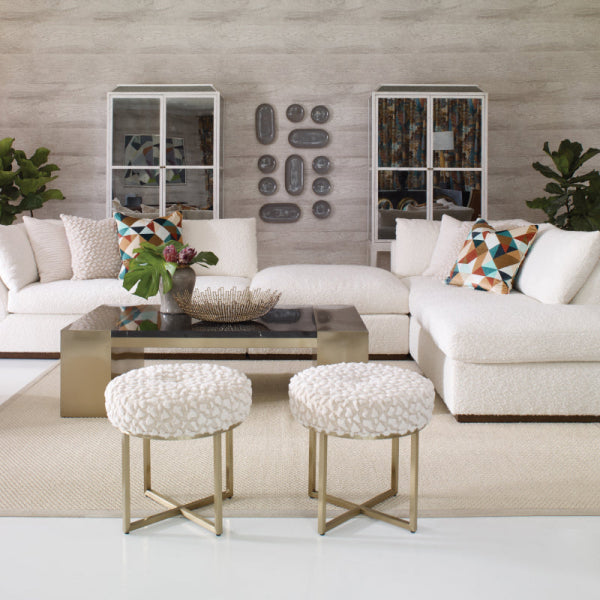
The best pillow groupings mix scale, texture, and tension. If the sofa is structured, the pillows can soften it. If the sofa has a relaxed slipcovered feel, the pillows can sharpen it.
Use a mix like this:
- Large anchors: Start with substantial corner pillows that match the room’s scale.
- A textural middle layer: Bouclé, velvet, or a refined woven adds depth without adding noise.
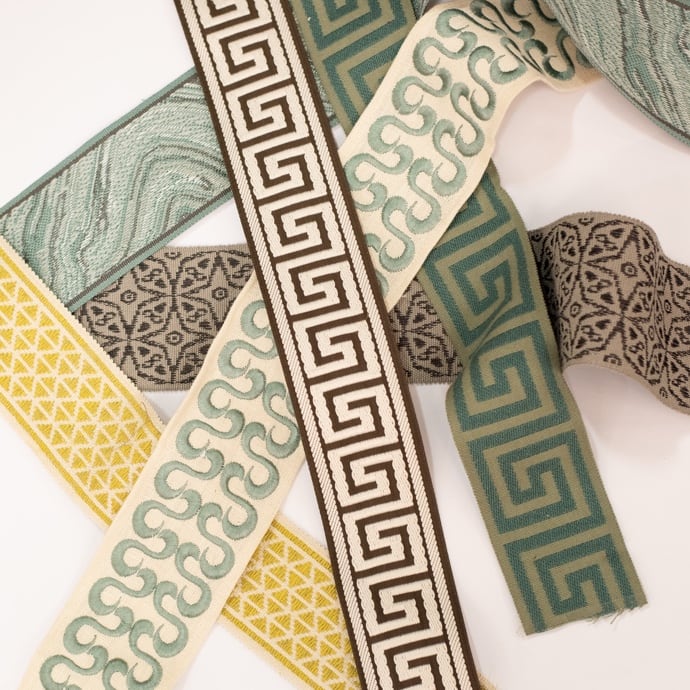
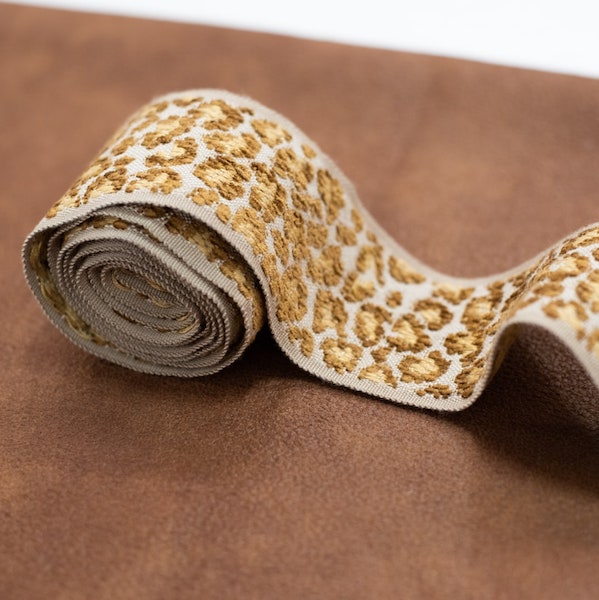
- One accent note: A print, trim, or subtle contrast welt keeps the arrangement from feeling flat.
Cheap pillow inserts ruin expensive fabric. Use quality forms with enough fill to hold a crisp shape.
Let the rug do architectural work
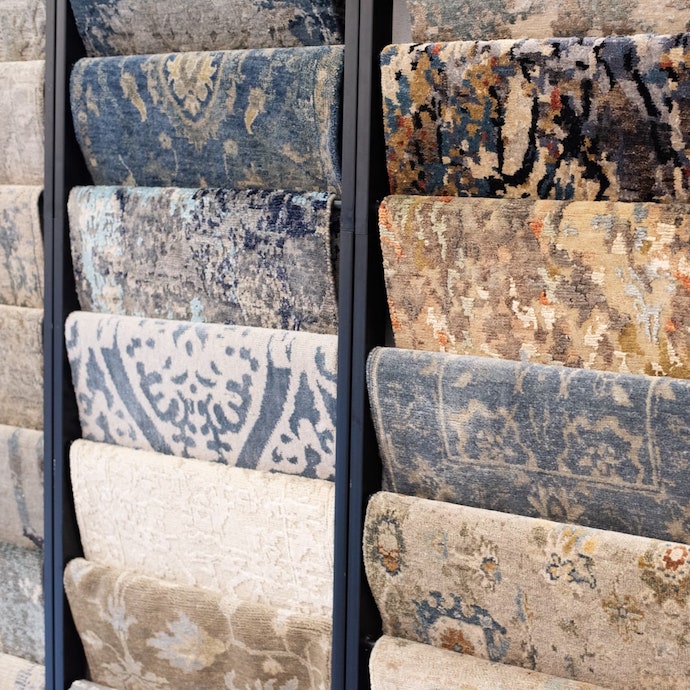
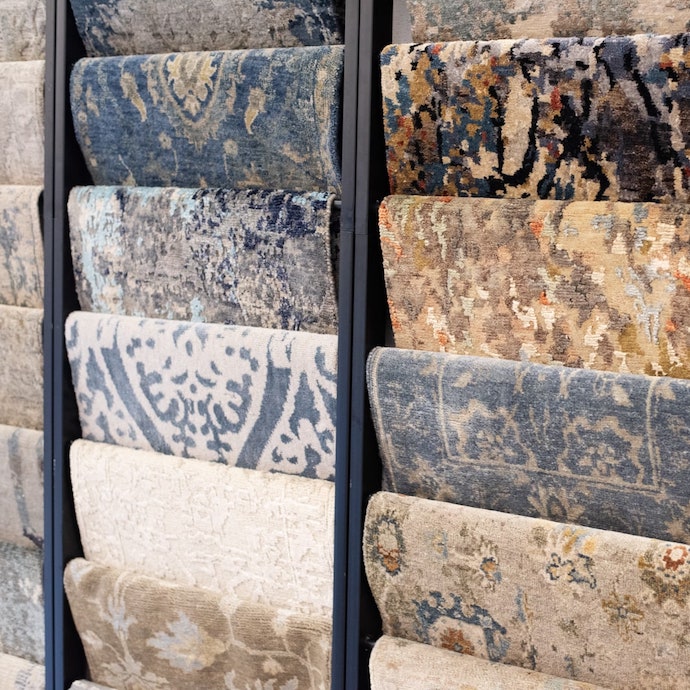
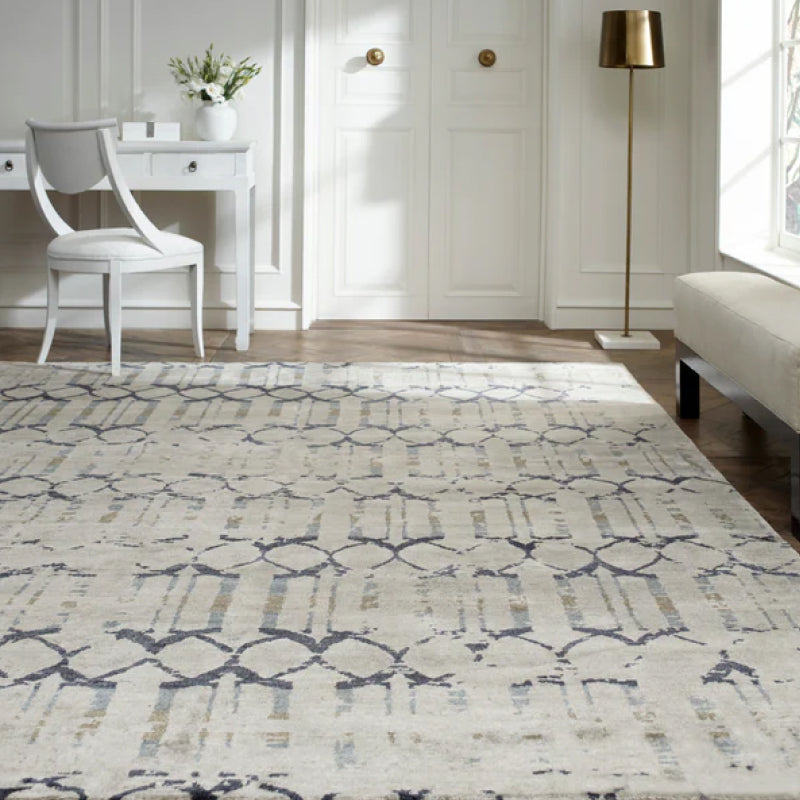
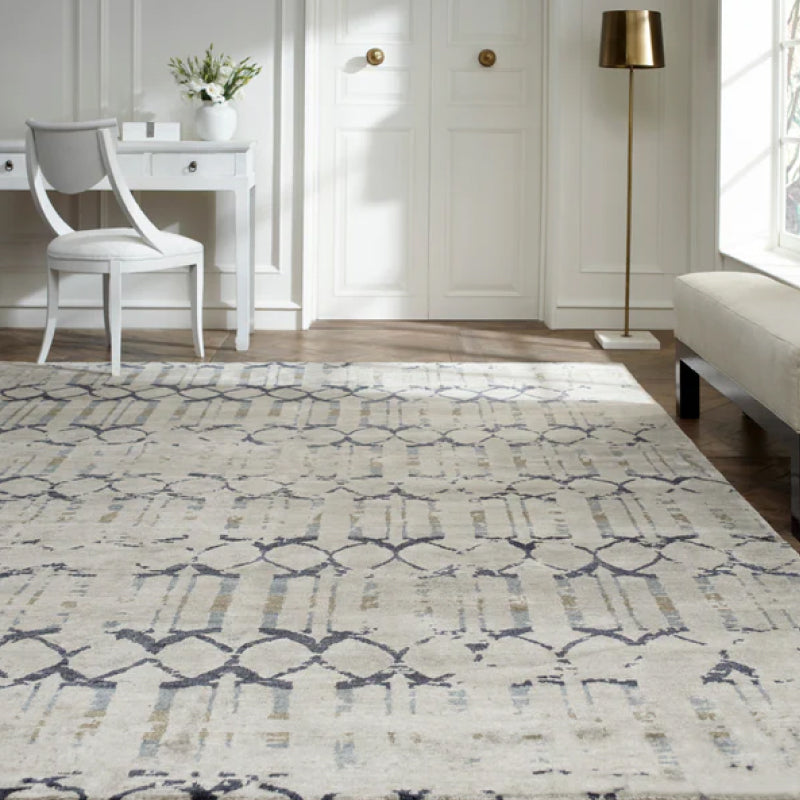
In Buckhead living rooms, the rug should usually define the seating group, not float under the coffee table like an afterthought. Premium hand-knotted rugs, including pieces in the Kalaty category, work well because they bring weight and visual stability to larger spaces.
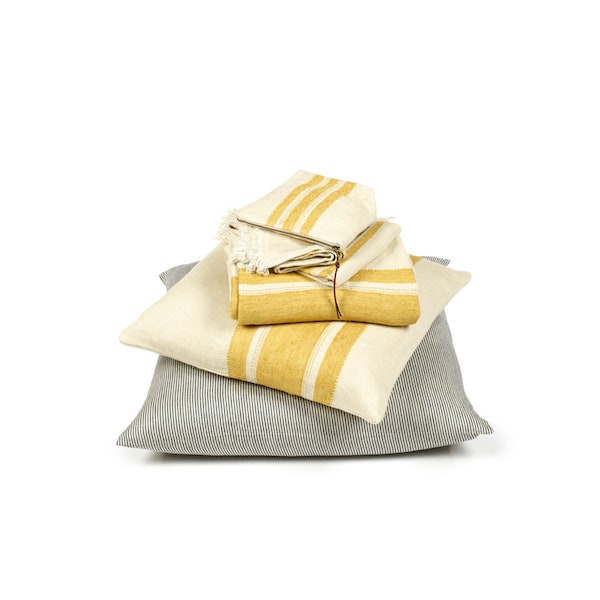
Throws should feel edited. One well-chosen throw in linen, cashmere, or a refined textured weave is better than several casual layers fighting for attention.
For finishing touches beyond the sofa itself, good wall composition matters too. If you’re balancing statement furniture pieces with art, these statement home decor ideas are a helpful reference for thinking through scale and presence in the living room.
A well-styled sofa should look lived in, but not rumpled. Collected, but not crowded. In a strong room, every accessory should make the sofa look even more intentional.
If you’re sourcing Custom Sofas for Buckhead Living Rooms and want to compare fabrics, custom upholstery options, rugs, and finishing details in one place, Lewis and Sheron Textiles offers home fabrics, custom furnishings, reupholstery, and design support for Atlanta-area homeowners and designers.