


















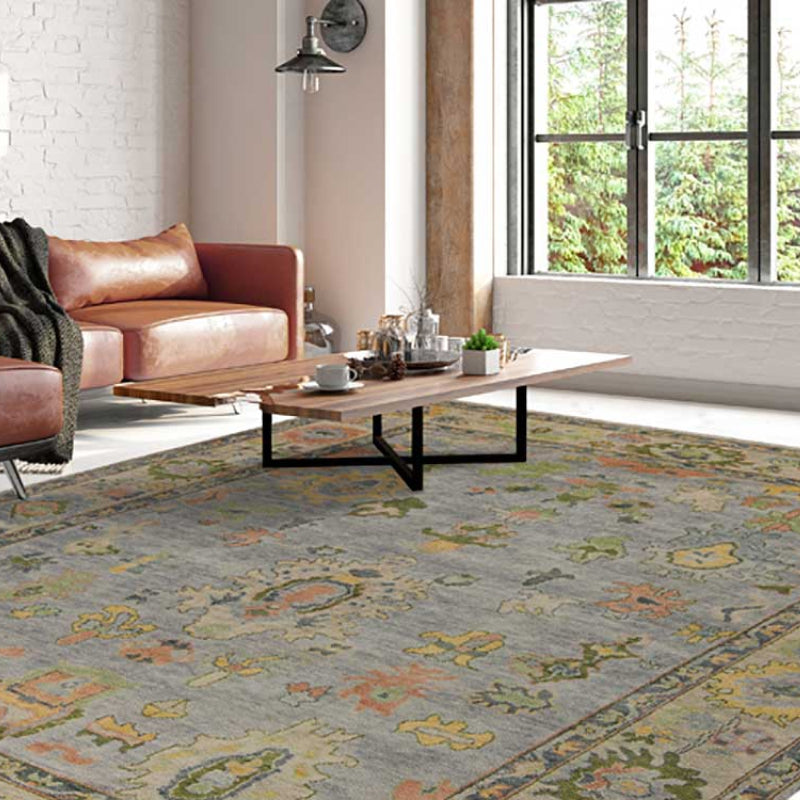
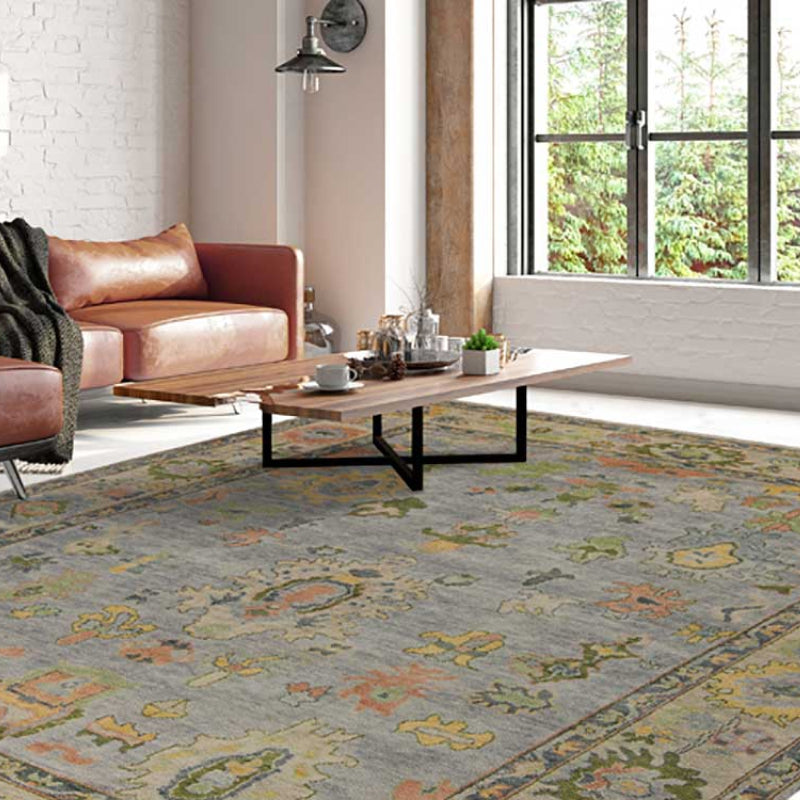
A lot of Atlanta homeowners arrive at the same moment from different directions. A sofa from a designer showroom still has a strong frame, but the fabric is tired. A grandmother's chair has one loose arm, faded trim, and more presence than anything new in the room. An estate piece in Buckhead or Roswell has beautiful lines, but it doesn't yet work with the rest of the house.
That's where heritage furniture restoration earns its place. It isn't just about sentiment, and it isn't the same as a quick refinish or a cosmetic recover. In a high-end home, restored furniture can become the most convincing statement piece in the room because it carries both design character and substance.
For buyers comparing high-end furniture, luxury sofas, custom upholstered furniture, and designer furniture near me in Atlanta, the question isn't only what looks good today. It's what deserves to stay in the house for years, what can be adapted to the room, and what holds value better than a mass-produced replacement.
The Enduring Value of Heirloom-Quality Furniture
In Buckhead, Alpharetta, Sandy Springs, and Roswell, the pieces worth restoring are usually easy to spot once you know what you're seeing. They have shape. They have weight. They sit properly. Even worn, they look intentional in a way that many newer pieces don't.
That matters because good furniture starts with construction, not styling. High-end furniture constructed with solid hardwood frames and premium upholstery typically lasts 15–25 years, while mass-produced furniture with softwood or particleboard frames lasts only 5–7 years according to this Atlanta luxury furniture durability reference. For anyone shopping premium sectionals, high-quality couches, custom chairs, or other luxury home furnishings, that durability gap changes the whole value calculation.
Restoration is not refinishing
Homeowners often use the words interchangeably, but they're not the same. Refinishing usually means stripping away the existing finish and replacing it. Restoration aims to preserve what should remain, stabilize what has failed, and improve appearance without erasing the piece's history.
That distinction is where both financial and aesthetic return live.
A well-made chair with original shape, old growth wood, and proper joinery can often be restored into something far more compelling than an off-the-floor substitute. The room gets a more individual look. The owner keeps a piece with real material quality. The result feels collected rather than furnished.
Professional restoration protects character first. Once original surface, shape, and evidence of age are removed, they usually can't be put back convincingly.
Why luxury buyers still restore
For affluent homeowners and designers in North Atlanta, restoration solves a design problem that new furniture often doesn't. It allows a piece to keep its architecture while receiving a customized update through fabric, finish correction, padding, and detailing. That's especially useful when the goal is a room that feels refined rather than cookie-cutter.
A restored heirloom can sit beside a new designer sectional, a custom bench, or a pair of bespoke lounge chairs and still hold its own. In many interiors, it becomes the anchor.
That's why heritage furniture restoration belongs in the same conversation as custom furniture Atlanta, best luxury sofa brands, and what makes furniture designer quality. The smartest rooms rarely rely on replacement alone. They mix lasting construction with careful editing.
Evaluating Your Piece for Professional Restoration
Before anyone touches sandpaper, stain, or staple remover, the first job is diagnosis. The strongest restoration projects begin with restraint and observation, not action.

A thorough assessment should document structural damage and surface issues while preserving original patina and tool marks, which can triple or quadruple a piece's market value. Modern replacements can reduce authenticity and value by up to 50% as explained in this guide to antique furniture restoration and preservation.
Start with what the piece is made of
Look underneath, inside drawers, behind dust covers, and at the back of rails. Good candidates for professional restoration usually show honest construction.
- Solid wood parts: Hardwood frames, carved legs, and substantial rails usually justify deeper repair work better than thin composite material.
- Traditional joinery: Mortise-and-tenon joints, dovetails, dowels, and pegged construction suggest the piece was built to be serviced rather than discarded.
- Visible age with integrity: Surface wear, small finish losses, and softened edges aren't necessarily defects. On many pieces, they're part of the appeal.
If you're unsure what original character should look like, this practical article on how to restore antique furniture gives a useful frame for thinking about preservation before intervention.
Check what has failed and what hasn't
A chair can wobble and still be an excellent restoration candidate. A sofa can have collapsed cushions and worn decking while the frame remains exceptional. The key is to separate superficial wear from structural failure.
Use this inspection list:
-
Joints and movement
Hold the piece at its strongest points and test for sway, twist, and rack. Loose joints are common and repairable. Broken geometry is more serious, but still workable in skilled hands. -
Veneer and surface stability
Look for lifting veneer, cracks, deep water marks, or old repairs. What matters isn't whether damage exists. It's whether the original material is still present and recoverable. -
Hardware and maker details
Check hinges, pulls, nails, screws, casters, labels, and stamps. Original hardware helps establish age and authenticity. Replacements often look harmless to a homeowner but can undermine value and visual credibility. -
Upholstery layers
On upholstered pieces, don't judge only by the outer fabric. Padding, webbing, springs, tack rails, and seat deck condition tell you much more about what the project really involves.
What homeowners most often get wrong
The biggest mistake is assuming damage must be erased to be fixed. It doesn't. In heritage furniture restoration, the best work is often the least visually aggressive.
Practical rule: If your first instinct is to strip, sand, fill, or replace everything visible, stop and get a professional opinion first.
Another common mistake is treating all older furniture as “antique” in the same way. Some pieces benefit from careful conservation. Others are better served by sympathetic redesign through new upholstery and selective repair. The answer depends on age, construction, finish history, and intended use.
Questions worth asking before you commit
A piece is usually a strong candidate when the answer is yes to most of these:
- Does it have a well-built frame?
- Is the form distinctive enough that replacing it would mean compromising style?
- Would custom upholstery or finish correction help it fit the room better?
- Does it carry family, historical, or design value that a new purchase won't replicate?
If so, you're not looking at a repair problem. You're looking at a design asset.
The Art of Structural and Aesthetic Furniture Repair
Once a piece has earned restoration, the work divides into two tracks. One is structural. The other is visual. Strong projects respect both, but they don't confuse them.
A chair that looks better but still fails at the joints hasn't been properly restored. A cabinet that's structurally sound but stripped of its original character hasn't been properly respected either.

Structural work that lasts
Good structural repair begins by taking the piece apart only as far as necessary. Loose joints need cleaning, proper reassembly, and adhesives that future conservators can reverse when needed. Cracked rails may need stabilization. Old veneer may need to be relaxed, reset, and secured without flattening the life out of the surface.
The trade-off is simple. Fast repairs often force parts together or flood them with permanent materials. Better repairs preserve the option of future treatment and respect how the piece was originally built.
- Reversible adhesives: These matter because heritage furniture shouldn't be trapped inside a permanent modern fix.
- Traditional joinery: Rebuilding a failed connection in the language of the original maker gives better visual and structural continuity.
- Selective intervention: Not every mark should disappear. Structural danger should be solved. Honest age often should remain.
Surface repair without killing character
Many DIY efforts often go sideways, as aggressive stripping can make an old piece look flat, overexposed, and strangely anonymous. The grain may still show, but the depth, tone variation, and patina that made it special are gone.
A restorer usually starts with the gentlest effective method. Cleaning, wax removal, minor color integration, finish consolidation, and careful touch-up often produce a better result than full removal.
For homeowners dealing with isolated blemishes rather than whole-piece failure, it also helps to understand the difference between minor cosmetic fixes and full restoration. This guide on how to fix wood scratches is a useful reference for thinking through when a surface issue is simple and when filler-heavy repair can create a bigger problem.
A scratch is not the same as a finish failure. A cloudy top is not the same as a broken veneer field. Treating all wood damage the same is how value gets lost.
Where modern tools help
Traditional craftsmanship still leads. But new methods can solve old problems cleanly when they're used with discipline.
Recent innovations allow restorers to use 3D printing to replicate missing hardware or decorative elements with remarkable accuracy, and eco-friendly cleaning solutions plus reversible conservation adhesives help protect finishes from harmful chemical damage, as described in this overview of modern antique restoration methods.
That matters for luxury clients in Atlanta who want restored pieces to feel complete without relying on generic substitute parts. If a rosette, pull, foot cap, or carved accent is missing, a thoughtful replica can be far better than an obvious mismatch.
The real balancing act
Professional heritage furniture restoration always asks the same question. What must be preserved, what must be repaired, and what can be improved without falsifying the piece?
That judgment is the craft. It's why an heirloom-quality chair, statement settee, or designer side table can move from damaged to distinguished without losing the qualities that made it worth saving.
Choosing Luxury Fabrics for Custom Upholstered Furniture
A restored frame is only half the story. Upholstery is where the piece starts speaking to the room again.
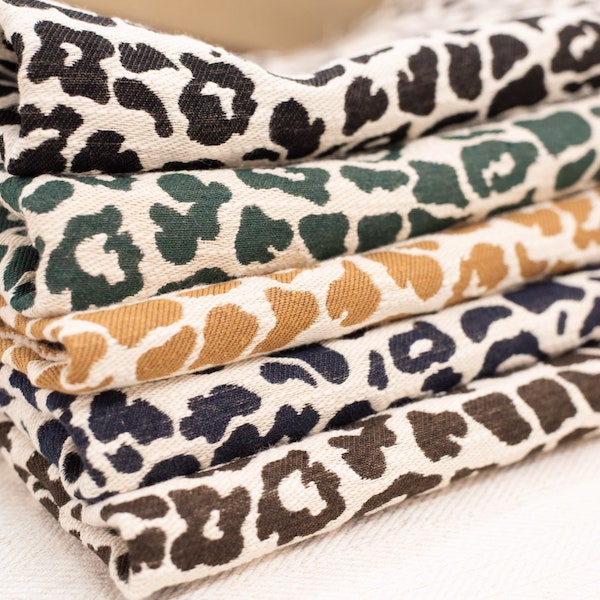
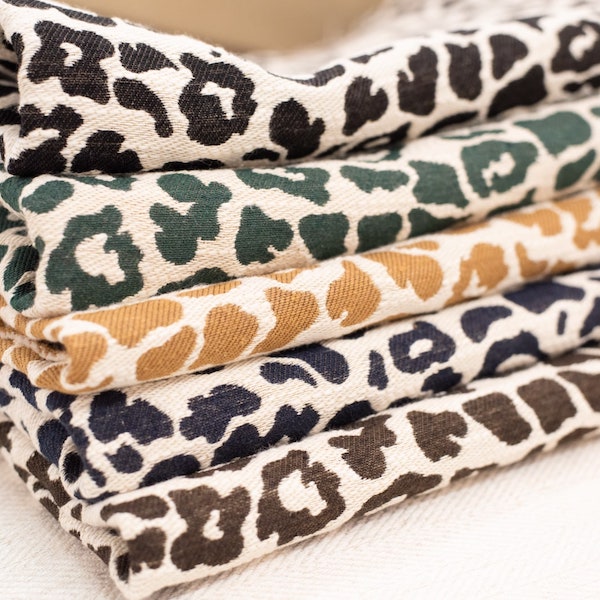
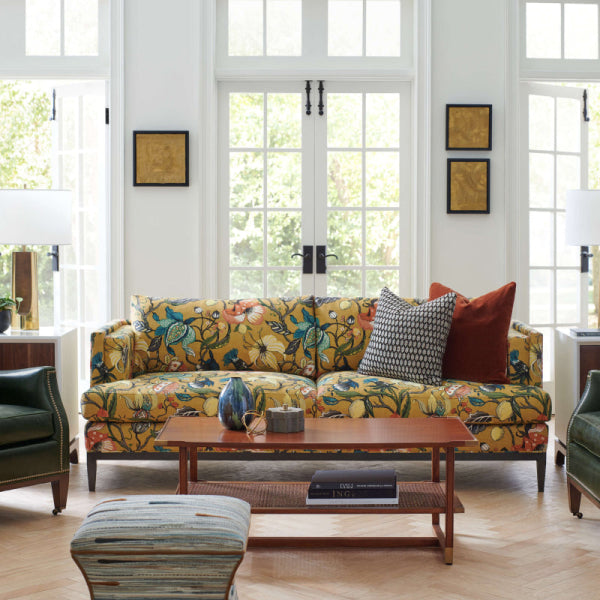
That's especially true in Atlanta homes where formal sitting rooms, layered family spaces, and designer-led interiors call for more than a serviceable fabric. In Buckhead, Sandy Springs, Alpharetta, and the broader Fulton County market, buyers looking for custom upholstered furniture, luxury sofas, premium sectionals, and statement furniture pieces usually want three things at once. They want beauty, durability, and a finish that doesn't look chosen off a rack.

Fabric changes the category of the piece
A good frame in the wrong fabric still feels unresolved. A good frame in the right fabric becomes designer furniture.
That's why fabric selection shouldn't begin with color alone. It should begin with use, silhouette, room architecture, and how structured or relaxed the finished piece should feel.
Luxury furniture buyers in Atlanta prioritize extensive fabric choices and modular configurations, with 68% of high-end interior designers saying custom upholstery is essential for cohesive, refined home aesthetics, according to this article on upholstery in Atlanta.
Match the textile to the role
Different rooms ask different things from upholstery. So do different forms.
- Belgian linen for air and drape: Linen suits elegant slip seats, fitted skirts, and quieter silhouettes. It brings softness and movement, especially in formal spaces or lighter transitional interiors.
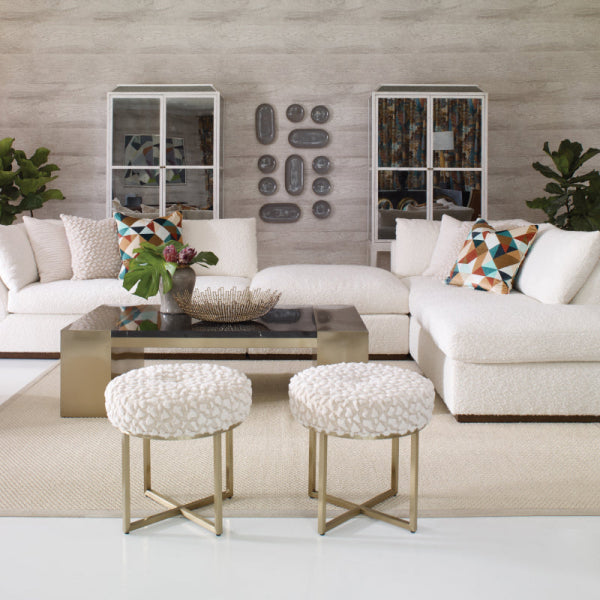
- Crypton for family performance: In active living spaces, performance fabric helps a piece stay usable without looking overly technical. It's a smart choice for high-quality couches and custom sectionals that get daily use.
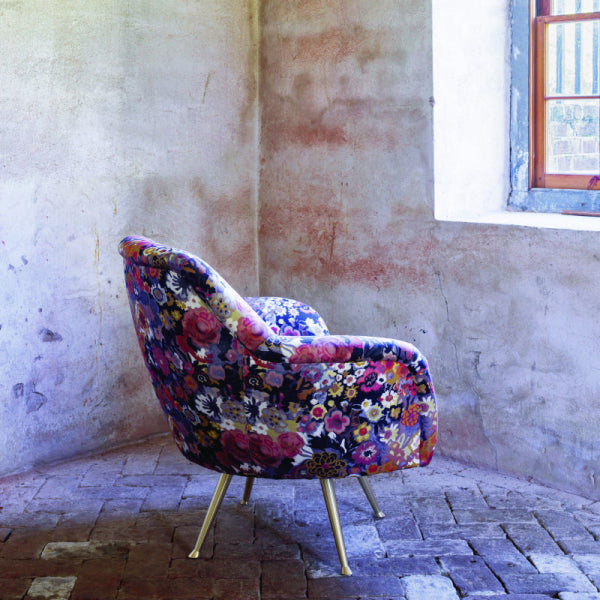
- Velvet for depth: Velvet can turn a modest frame into a statement. On a tight-back chair or a sculptural bench, it adds richness and stronger light response.
- Leather for structure: On certain club chairs, executive seating, and masculine traditional forms, top-grain leather emphasizes shape and permanence.
If you're weighing function against appearance, this guide on how to choose upholstery fabric is a useful place to sort through practical fit before committing.
Customization is where value compounds
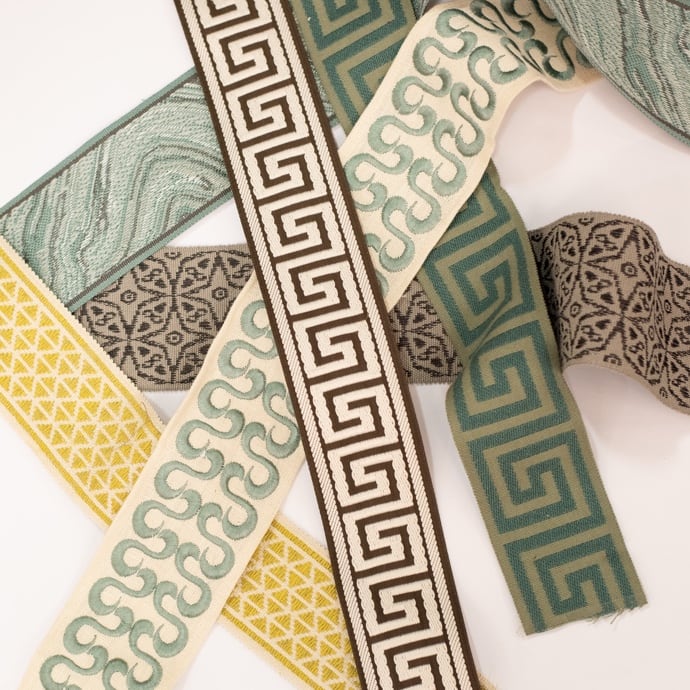
The strongest custom upholstery work goes beyond fabric alone. Details determine whether the piece feels bespoke or merely recovered.
Consider the layers that change the final effect:
| Custom element | Why it matters |
|---|---|
| Cushion fill | Controls seat depth, resilience, and formality |
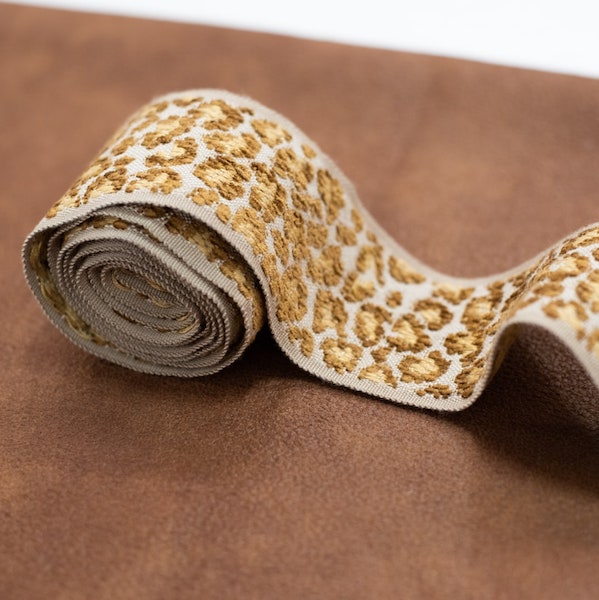
| Welting or contrast trim | Sharpens lines and highlights shape |
| Skirt, leg, or base style | Changes how traditional or current the piece reads |
| Pattern placement | Prevents a luxury textile from looking careless |
| Back height and seat profile | Helps the piece sit correctly in proportion to the room |
A Sandy Springs family room may call for a generous sectional feel in a durable fabric with practical cushion support. A Roswell study may need a pair of custom chairs with tighter tailoring and richer texture. A Buckhead formal room might justify a more expressive textile because the furniture acts as visual punctuation rather than everyday seating.
Upholstery should answer the room. If it only answers the sample book, it's the wrong choice.
Why restoration and custom upholstery belong together
Replacement furniture often gives you a fixed identity. Restoration with custom upholstery gives you flexibility. You can keep the lines, scale, and craftsmanship that made the piece worth saving, then rework its presence so it belongs in the house you live in now.
That's why heritage pieces often outperform new generic seating in design-led homes. They arrive with architecture already built in. Fabric turns that architecture into a finished point of view.
Project Costs Timelines and Finding an Atlanta Restorer
A Buckhead client usually asks the same question at this point. Is it smarter to put serious money into the family piece, or buy something new and be done with it? In the upper end of the Atlanta market, that answer turns on construction, provenance, and how the piece will read in the room five years from now, not just on the initial invoice.
For well-made seating, restoration often compares favorably with replacement. Reupholstering a cherished heirloom in Buckhead or Sandy Springs typically costs $800–$2,500 depending on complexity and fabric choice, restores 70–90% of the furniture's original value, and can be a cost-effective alternative to new luxury sectionals priced at $4,000–$12,000, according to this Atlanta reupholstery cost reference. The same source notes that cost and value shift with the piece's condition, construction quality, and level of customization.
Restoration investment versus buying new
Clients at the decision stage usually need a clear comparison.
| Metric | Heirloom Reupholstery | New Luxury Armchair |
|---|---|---|
| Starting point | Existing quality frame with design history | New purchase with no personal history |
| Typical cost range | Often a lower entry point for a strong existing frame, with final pricing tied to labor, repairs, and textile selection | Luxury seating often lands higher once materials, freight, and designer-grade specifications are included |
| Value outcome | The same Atlanta source cited above reports that restoration can preserve a meaningful share of original value on the right pieces | Value depends on brand, construction, and resale appeal |
| Design control | High, especially with custom fabric, cushion, and finish decisions | Limited to what the maker offers |
| Best use case | Distinctive frames, family pieces, heirloom-quality furniture | Cases where the existing piece lacks quality or cannot justify the labor |
The financial return is only part of the equation. A restored antique or heritage frame often has better scale, joinery, and visual presence than many new pieces sold into luxury showrooms. If the bones are right, restoration buys both performance and character.
What drives cost besides fabric
Fabric gets attention because it is visible. Labor is what determines whether the piece will last.
A tight seat chair with clean internals is one kind of project. A carved bergere with loose joints, fatigued springs, crushed stuffing, and finish loss is another. Pricing changes quickly when the bench work includes regluing, spring repair, webbing replacement, padding rebuild, arm reshaping, finish blending, and detailed pattern placement.
For a grounded look at how shops build estimates, this guide on how much reupholstery costs is useful because it explains how construction and labor complexity affect price.
A good estimate should separate upholstery from structural repair. If those numbers are lumped together without explanation, ask why.
Timeline expectations that protect the result
Fine restoration is rarely fast. The honest timeline depends on what appears after the old cover comes off.
A typical project moves through review, approvals, structural work, upholstery, and final detailing. Delays usually come from material lead times, hidden frame damage, or finish work that needs curing time instead of rushed handling. In our trade, the jobs that hold up best are usually the ones that were not forced through the shop in a week.
If a piece needs to be stored before delivery or during a renovation, use breathable protection rather than plastic wrap. Proper specialist furniture covers help protect restored finishes and textiles from dust, abrasion, and moisture swings while the project is in transition.
If a shop talks fluently about fabric but cannot explain joinery, spring systems, or finish repair, it is pricing a surface treatment, not a restoration.
How to vet an Atlanta restoration professional
Atlanta has no shortage of upholsterers. Fewer shops can handle heirloom work at a level that supports both resale value and design credibility.
Look for these signs:
- They inspect the frame, joints, springs, and prior repairs before quoting
- They explain what should be preserved and what should be replaced
- They can show work that includes both structural repair and refined upholstery
- They understand period details, proportion, and finish compatibility
- They are comfortable working with designers, architects, and exacting homeowners
- They give realistic lead times instead of promising speed they cannot support
For clients furnishing homes in Buckhead, Sandy Springs, Roswell, or Alpharetta, the right restorer is not just a vendor. The right shop protects a design investment, preserves a family asset, and delivers a piece that belongs in a high-value interior rather than looking like an old chair with new fabric.
Long-Term Care for Your Restored Furniture
A strong restoration can last beautifully, but only if the environment and maintenance habits support it. Fine furniture doesn't need fussing. It needs consistency.
Wood, finish, padding, and fabric all respond to heat, light, moisture, and use. Owners who treat a restored piece as part of the architecture of the home, rather than as disposable furniture, usually get the best long-term return.
Protect the wood first
Recommended environmental conditions for wooden furniture are 45–55% relative humidity, and the broader purpose of conservation is to preserve items of historical and personal value for future generations, according to this explanation of wooden furniture conservation and humidity control.
That single range does a lot of work. It helps reduce stress on joints, limits cracking and warping, and supports finish stability.
Use a simple routine:
- Keep humidity stable: Seasonal swings do more harm than many homeowners realize.
- Avoid direct sun: Strong exposure fades fabric and stresses finish films.
- Dust gently: Use soft cloths, not abrasive household tools.
- Lift, don't drag: Moving a chair by its crest rail or a table by one leg invites joint failure.
Care for upholstery like a custom surface
Custom upholstered furniture should be maintained according to fiber and finish. Linen, velvet, leather, and performance textiles all age differently, and they should be cleaned accordingly.
A few habits make a real difference:
- Rotate use when possible: This helps cushions and arms wear more evenly.
- Address spills promptly: Blot. Don't scrub.
- Vacuum with care: Use an upholstery attachment and avoid harsh pulling at seams or trim.
- Schedule professional cleaning when needed: Especially on pale or textured fabrics that hold dust in the weave.
Storage and protection during projects or moves
Restored furniture is often most vulnerable when it's not being used at all. Renovation dust, movers' straps, and uncovered storage can undo careful work quickly.
When a piece needs to be set aside during remodeling or transport, properly fitted specialist furniture covers are more useful than thin plastic or improvised sheets because they help shield surfaces from abrasion and dirt without treating the item like ordinary cargo.
Good care is quiet. Stable humidity, clean handling, and thoughtful placement do more for restored furniture than any miracle polish.
A restored heirloom should keep earning its place year after year. That's the point of the work. Not a brief visual upgrade, but a longer life with dignity intact.
If you're weighing restoration against replacement, or you want guidance on fabrics for a custom sofa, premium sectional, statement chair, or heirloom reupholstery project, Lewis and Sheron Textiles is a strong place to start. Their Atlanta design center has served the city since 1944, with in-stock luxury fabrics, custom furnishings, reupholstery support, and complimentary in-house design help when shopping, making them a valuable resource for homeowners and interior designers across Atlanta, Buckhead, Alpharetta, Roswell, Sandy Springs, and surrounding North Atlanta communities.