


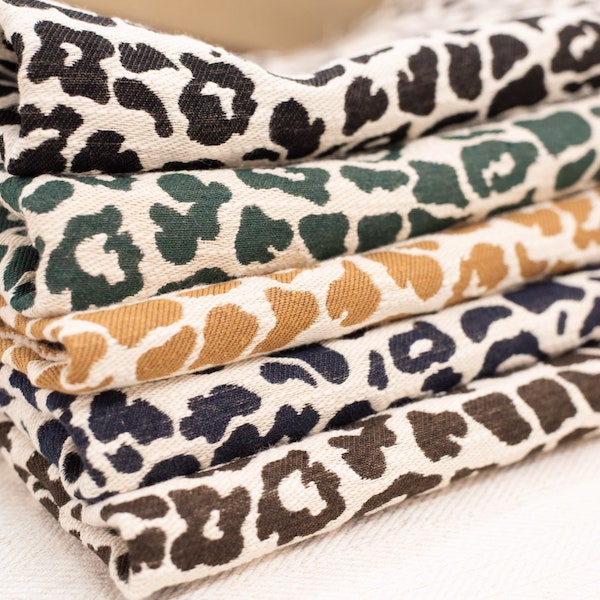
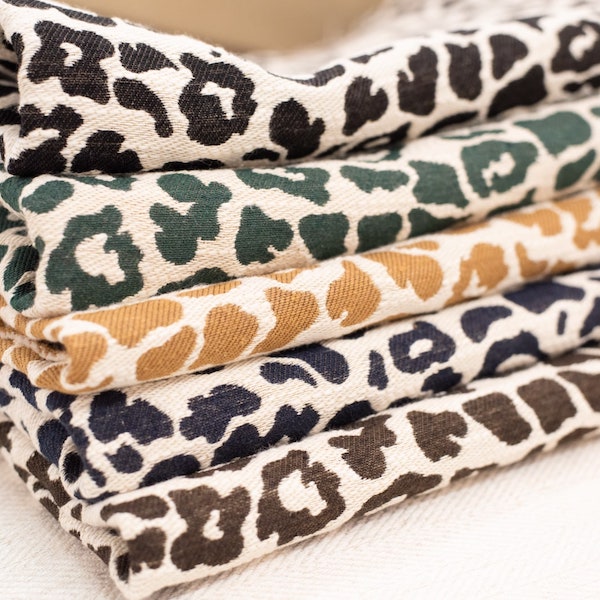
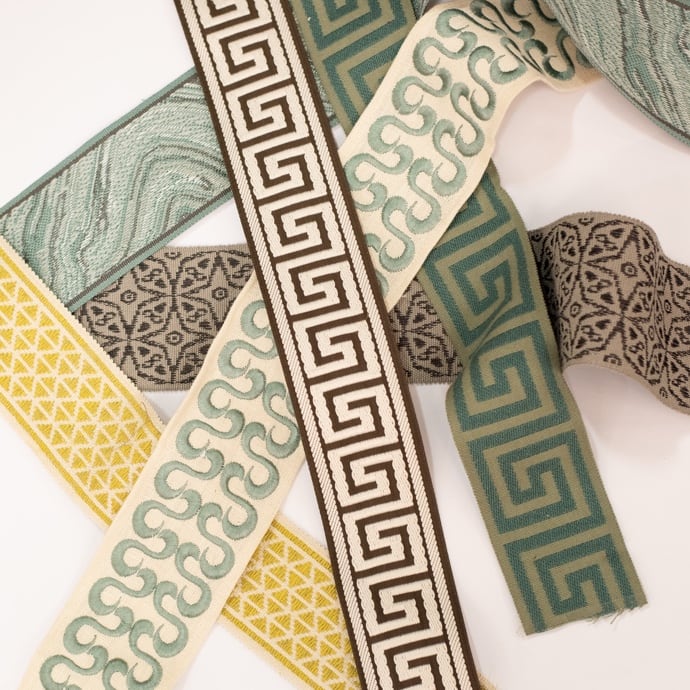

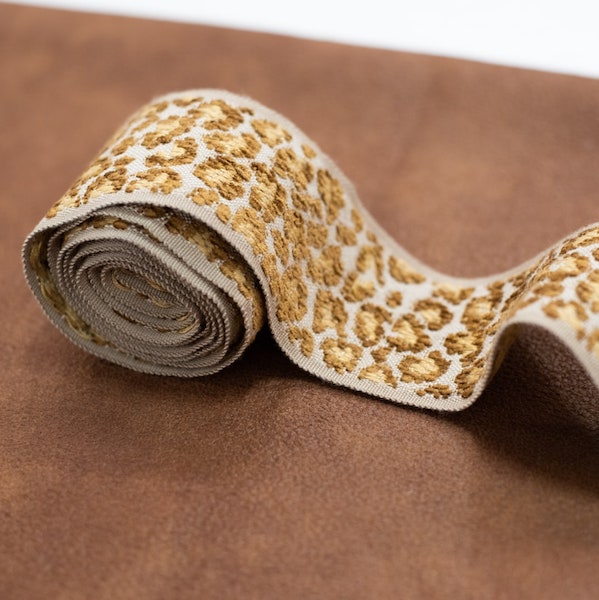
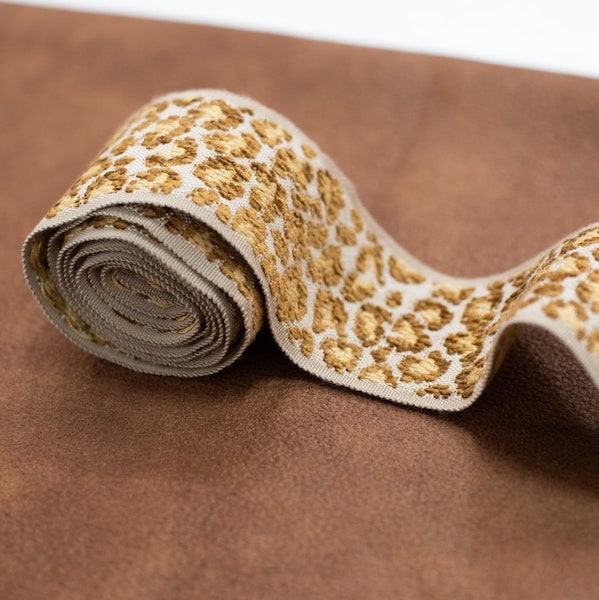
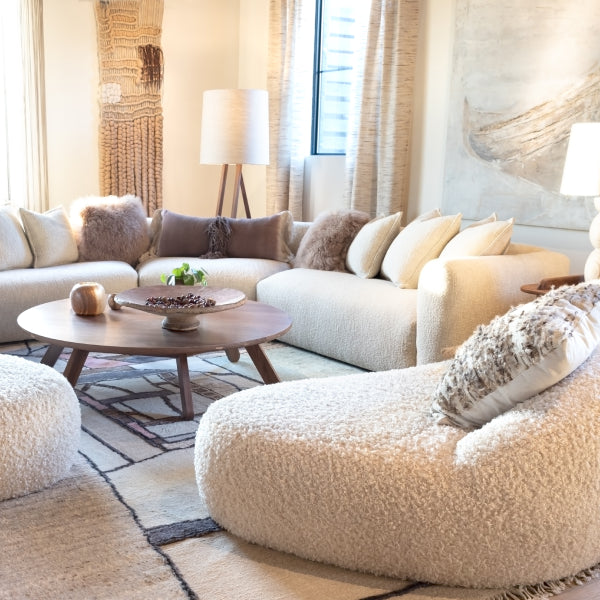
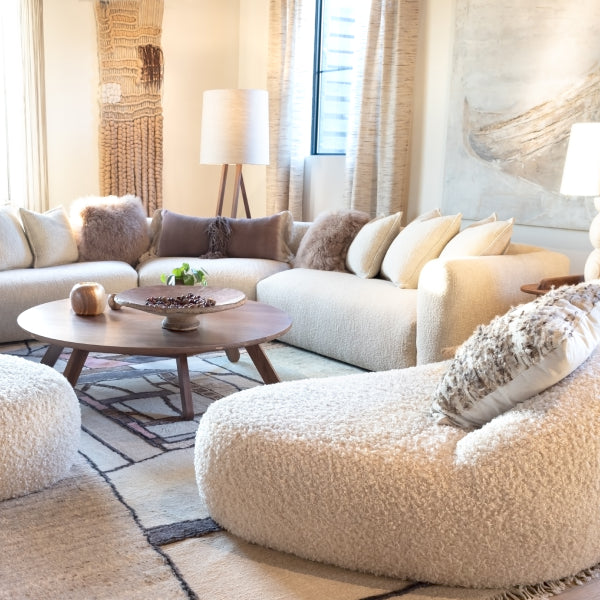
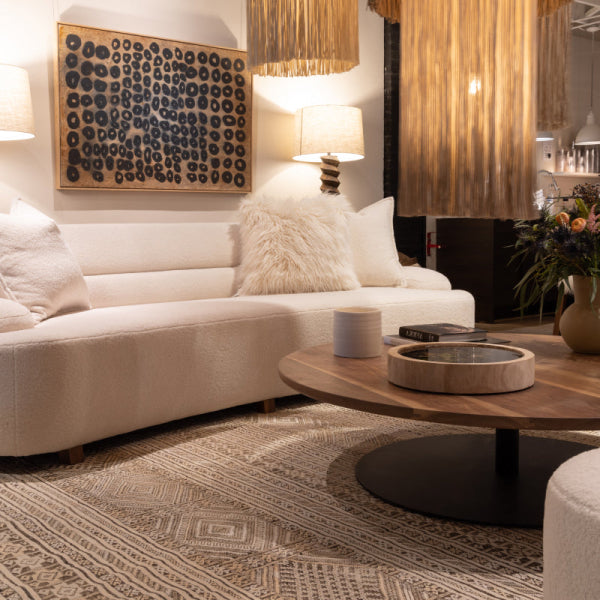

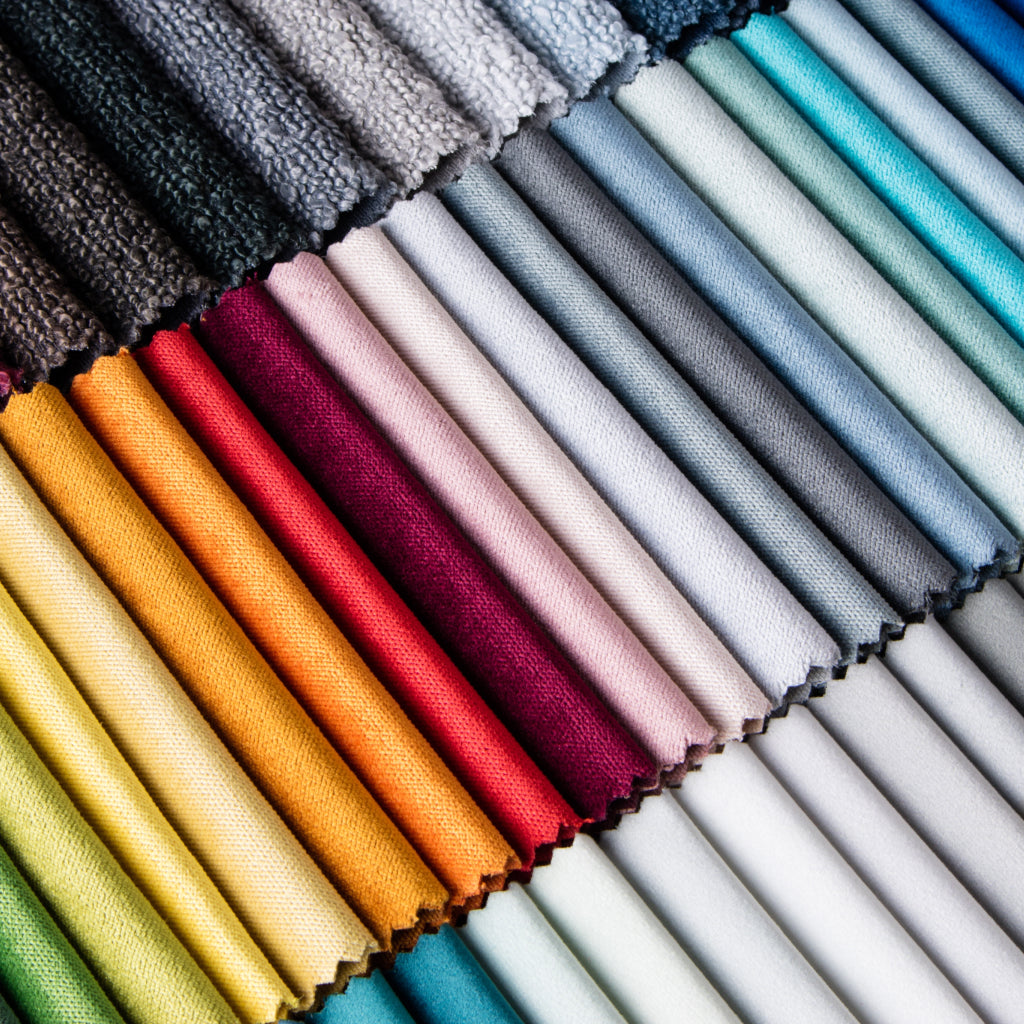

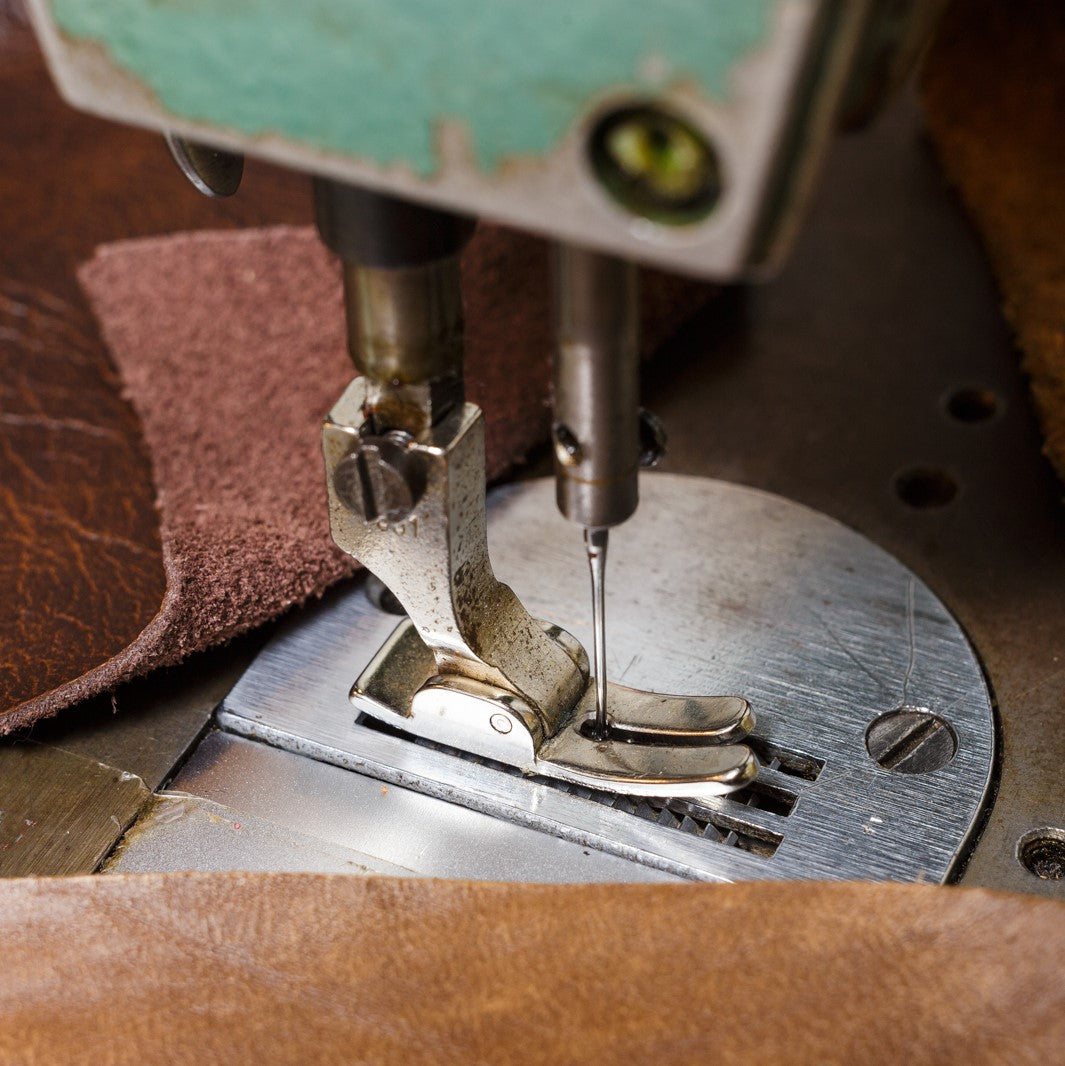
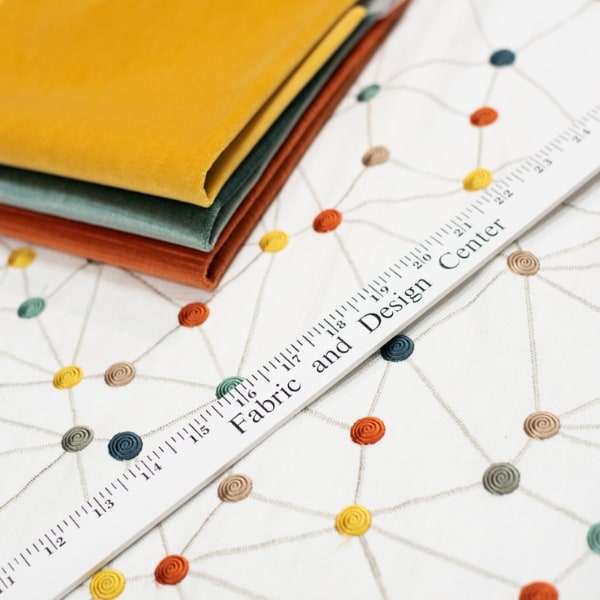





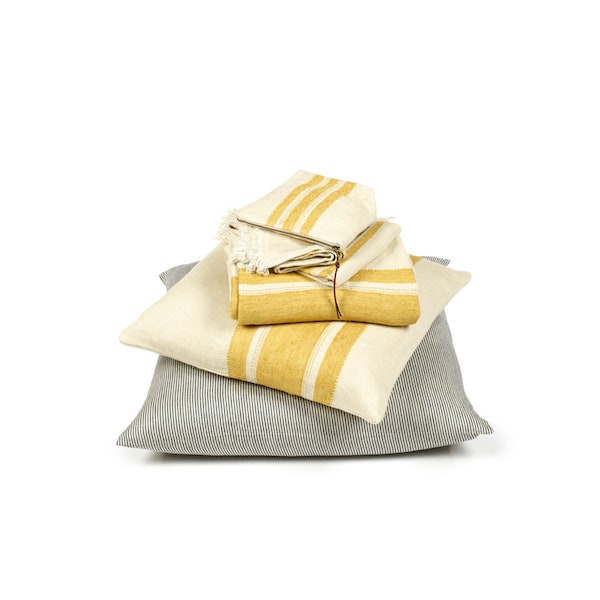
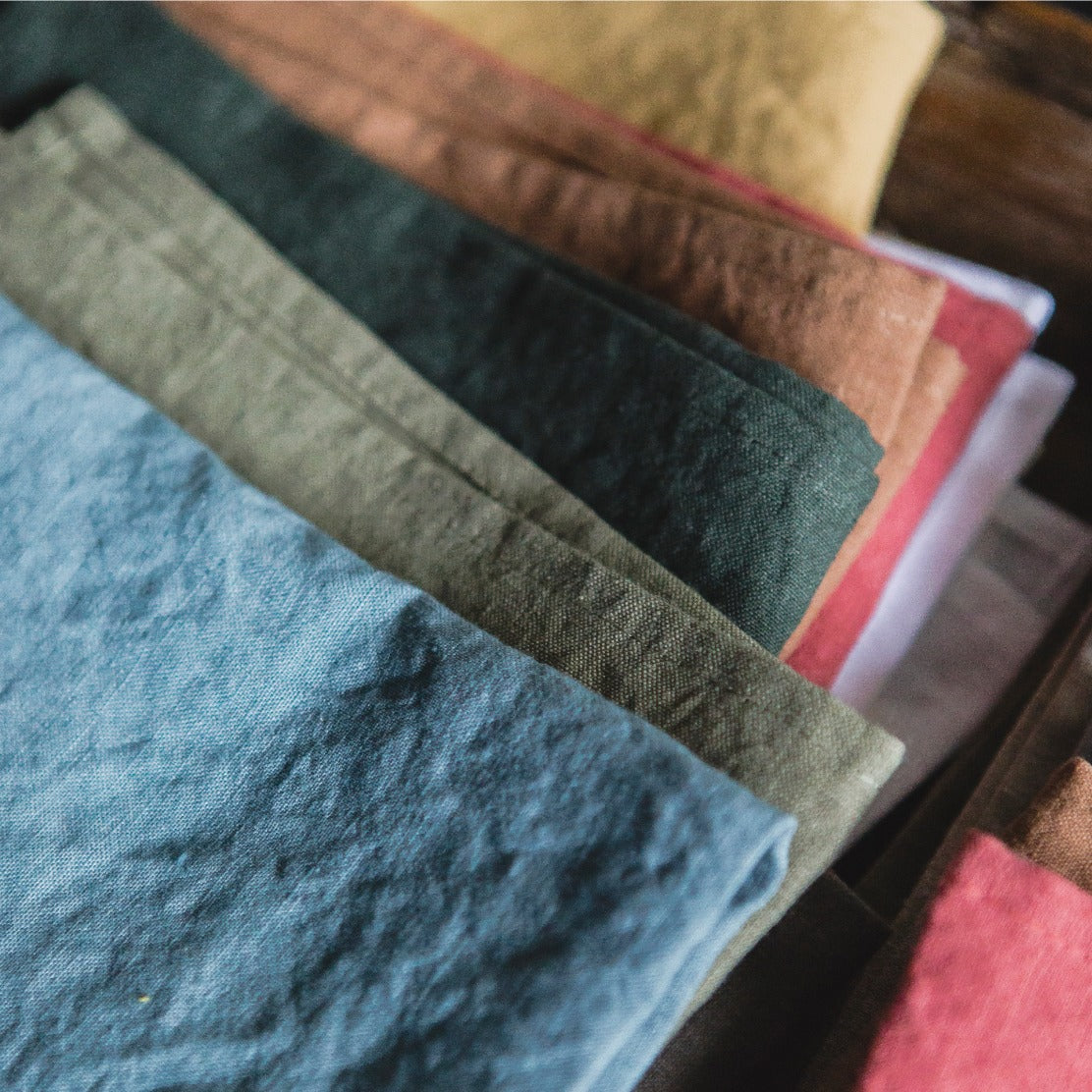

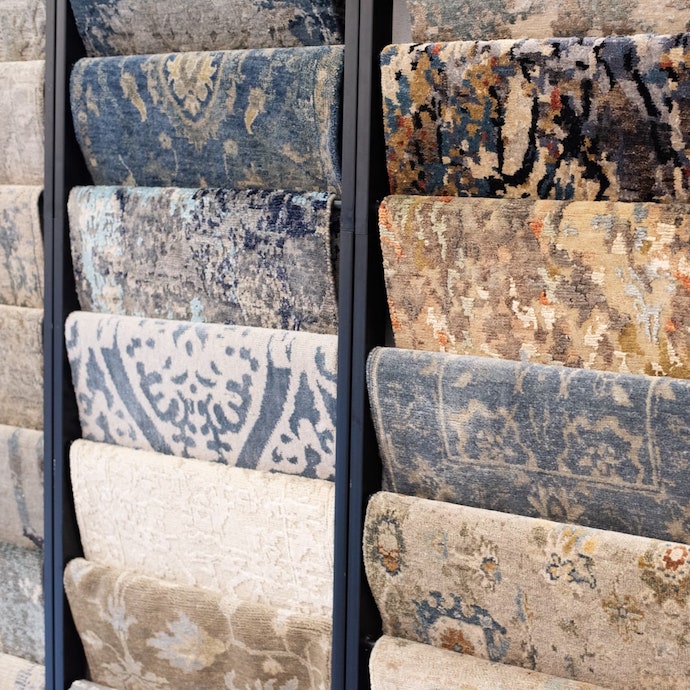
You're standing in a fabric showroom in Atlanta with a swatch that feels exactly right. Maybe it's a Belgian linen with that dry, crisp hand, or a performance fabric that can hold up in a busy family room without looking utilitarian. The silhouette is decided. The room is planned. The investment is real.
Then the practical question arrives. What holds that fabric to the frame, and will the construction live up to the material?
That's where a stapler for upholstery stops being a shop detail and becomes part of the design conversation. In luxury sofas, custom chairs, premium sectionals, and other heirloom-quality furniture, the fastener matters because the finish matters. A puckered rail, a fabric tear at a corner, or a loose seat deck can cheapen a piece that was meant to anchor the room.
Your Guide to Crafting Heirloom Furniture in Atlanta
A familiar Atlanta scenario starts with confidence and ends with hesitation. A client in the Lewis & Sheron design environment has chosen a beautiful upholstery textile for a custom sofa in Buckhead or a statement chair for Alpharetta. The fabric is right. The scale is right. The color is right. But once you move from swatch to workroom, the question shifts from taste to execution.

In this market, clients aren't shopping for disposable seating. They're looking for high-end furniture, designer furniture, custom upholstered furniture, and statement furniture pieces that belong in refined homes across Atlanta, Buckhead, Roswell, Sandy Springs, and Alpharetta. That expectation changes everything about the build.
Why the tool matters when the fabric is premium
The stakes are easy to underestimate until you attach a real dollar figure to the project. The average cost for custom furniture in North Atlanta, GA ranges from $1,210 to $4,521 according to custom furniture pricing in North Atlanta. That's enough reason to stop treating upholstery hardware like an afterthought.
A high-quality couch or custom chair can fail long before the fabric wears out if the wrong stapler drives the wrong staple at the wrong depth. That's especially true when working with dense, premium textiles and carefully defined lines where every pull, fold, and return shows.
Practical rule: Expensive fabric doesn't forgive rough fastening. The better the textile, the more precision the build requires.
For clients restoring an existing piece instead of commissioning new work, visible damage often begins small. If you're evaluating whether a leather piece is still worth saving, this guide on how to repair a rip in leather sofa is a useful reference before deciding on a full rebuild.
From selection to execution
Designers and homeowners often spend most of their energy on silhouettes, trims, and mills. The quieter decisions inside the workroom determine whether the piece looks designer-grade in five years or tired in one. That's why understanding the build process matters, especially if you're coordinating with a custom workroom. A closer look at an Atlanta custom upholstery workroom helps clarify what should happen after the fabric is chosen.
For luxury home furnishings, the stapler is not a minor tool. It's one of the instruments that protects the entire investment.
The Upholstery Stapler is Not a Staple Gun
A general staple gun and an upholstery stapler may look like close cousins, but they don't behave the same way on furniture. The difference is similar to a surgeon's scalpel versus a heavy kitchen knife. Both cut. Only one is built for fine control where the finish can't show trauma.

The upholstery stapler is designed for fine-wire staples, controlled placement, and cleaner penetration through layers of fabric, padding, tack strip, and panel materials. The goal isn't merely fastening. The goal is fastening without telegraphing damage through the finished surface.
What makes it specialized
An upholstery stapler is shaped and tuned for furniture work. It needs to reach tight inside corners, seat rails, and awkward returns where bulkier construction tools become clumsy. More important, it has to set staples consistently enough that the upholsterer can focus on tension, alignment, and pattern placement instead of fighting the tool.
A hardware-store staple gun often drives too bluntly for refined upholstery work. It may crush fibers, set staples unevenly, or leave proud legs that have to be corrected by hand. On a casual household task, that's an annoyance. On custom furniture Atlanta clients expect to keep for years, it's unacceptable.
The right tool should disappear into the workmanship. If you notice the fastening in the finished piece, something went wrong.
Why the category keeps growing
This isn't a fringe tool type. The global Staple Gun Market was valued at USD 1.54 Billion in 2024 and is projected to reach USD 1.97 Billion by 2032, with a Compound Annual Growth Rate of 3.13% from 2025 to 2032, according to Maximize Market Research on the staple gun market. Upholstery remains one of the key functional use cases in that demand.
That broader demand doesn't mean every stapler belongs in an upholstery shop. It means more tools are available, which makes selection more important. For luxury sofas, custom chairs, and designer furniture near me searches that lead to serious buying decisions, the difference between a specialized upholstery stapler and a generic staple gun is one of the hidden markers of quality.
The finish clients actually notice
Clients rarely ask what stapler was used. They ask why one sofa looks crisp and well-finished while another looks slightly strained at the corners. They ask why one seat deck stays supportive and another loosens. Those are fastening questions, even when they sound like design questions.
That's why any discussion of what makes furniture designer quality has to include the fastening method, not just the frame, cushion fill, or fabric name.
Four Types of Upholstery Staplers for Your Project
Not every upholstery job needs the same tool. A simple seat pad, a fully rebuilt club chair, and a custom sectional for a large Buckhead living room place very different demands on the stapler. The mistake is assuming all staplers for upholstery live in one category.
Manual tackers
A manual tacker is the lightest option in the group. It can work for very small jobs, light fabric attachment, and occasional touch-up tasks where speed and force aren't critical. If someone is covering a basic dining seat or making a craft project, it may get the job done.
Its limitations show up fast on serious furniture. Hand fatigue builds. Drive depth varies. Dense hardwood, layered padding, leather, or heavier designer textiles expose the tool's weakness. For high-quality couches or custom upholstered furniture, it's rarely the right long-term answer.
Heavy-duty staple guns
A heavy-duty staple gun sounds promising because the name suggests strength. In reality, it usually sits in an awkward middle ground for furniture. It offers more force than a manual tacker, but it's still often geared toward broader household or construction-style tasks rather than precise upholstery work.
That means it may be useful for rougher fastening jobs around a workshop, but less useful for visible furniture areas where fabric needs a cleaner hold and controlled placement. The heavier build can also make delicate corner work more cumbersome.
Electric staplers
Electric staplers appeal to homeowners because they feel like the bridge between DIY convenience and professional efficiency. For occasional projects, that appeal makes sense. They reduce some hand strain and can be easier to operate than a manual tool.
But convenience has a ceiling. The problem isn't whether an electric stapler can fire a staple. The problem is whether it can do it repeatedly, at consistent depth, through dense materials, without introducing avoidable variation into a premium upholstery job.
Pneumatic staplers
For serious furniture work, pneumatic staplers sit in a different class. Pneumatic staplers of the 71 series are universally recognized as the optimal tool for upholstery due to their engineering for fine wire staples, typically with 3/8″ crowns, delivering consistent force and depth control that manual or electric alternatives cannot match, as outlined in this upholstery stapler guide on the 71 series.
That consistency is the point. On a premium sectional, hundreds of fastening decisions stack up across arms, decks, rails, backs, and outside panels. You don't want each one behaving slightly differently.
| Stapler Type | Power Source | Best For | Key Consideration |
|---|---|---|---|
| Manual tacker | Hand pressure | Small repairs and simple seat projects | Fatigue and inconsistent depth show up quickly |
| Heavy-duty staple gun | Hand pressure | Utility fastening and rougher workshop tasks | Too blunt for refined upholstery details |
| Electric stapler | Electricity or battery | Occasional home upholstery work | Convenient, but may struggle with consistency on demanding materials |
| Pneumatic 71 series | Air compressor | Professional upholstery, custom chairs, luxury sofas, premium sectionals | Best control for fine-wire staples and repeatable results |
The term worth knowing
If you're sourcing tools or reviewing a workroom setup, remember 71 series. That term tells you you're looking at the standard category associated with professional upholstery work rather than a generic stapling tool.
Ask what series the stapler uses, not just whether it's “heavy-duty.” In upholstery, those are not the same question.
For affluent homeowners and interior designers trying to distinguish custom vs mass-produced furniture, this is one of the quiet details that separates true workroom construction from improvised assembly.
Matching Staples to Your Luxury Fabric and Frame
The stapler matters. The staple matters just as much. In fine upholstery, the staple is the actual point of contact between the textile, the padding, and the frame. If the staple size is wrong, even a good tool can't rescue the result.
Where staple length changes the outcome
Upholstery staple selection is critical: 3/8″ staples are standard for securing fabric and padding to the frame, while longer 9/16″ staples are required for attaching jute webbing and other components that support body weight, according to Kim's Upholstery on choosing staple size.
That distinction matters because these are different jobs. Attaching face fabric and padding is about clean grip and finish. Anchoring support materials is structural. Use too short a staple in a load-bearing area and the hold can fail under use. Use too long a staple where it doesn't belong and you risk telegraphing, breakout, or damage to the frame and layers beneath.
A practical sizing guide
For upholstery work, staple length should follow material function rather than habit.
- 1/4″ staples work for attaching fabric to arm end panels and similar lighter applications.
- 3/8″ staples are the standard choice for securing fabric and padding directly to the frame.
- 9/16″ staples belong on jute webbing, sagless strips, and layered areas that need deeper bite and dependable anchoring.
With premium materials, this gets even more important. Belgian linen can show every irregularity in pull and fastening. Velvet punishes poor placement because pile and sheen reveal waviness. High-performance textiles can resist casual fastening and demand a cleaner, stronger set.
On luxury upholstery, staple length is a design decision disguised as a shop decision.
Fabric choice and fastening choice belong together
Designers often think in terms of color, hand, abrasion, and pattern repeat. Upholsterers have to think one step further. The right fabric still needs the right staple crown, wire, and leg length for the frame beneath it and the layers behind it.
That's why material selection should happen alongside construction planning, especially when evaluating how to choose upholstery fabric. A fabric that's perfect for a formal Roswell sitting room may need different handling from a performance textile going onto a family sectional in Sandy Springs.
For heirloom-quality furniture, beautiful fabric is only half the story. Correct fastening is what lets the fabric perform with dignity over time.
Choosing the Right Tool for Your Furniture Project
The right stapler depends on what you're building, what fabric you're using, and how much variation the project can tolerate. On low-stakes work, you can sometimes get away with compromise. On luxury furniture, compromise tends to show.

If the project is occasional
If you're refreshing a single dining chair seat or doing a straightforward home project with forgiving material, a quality electric stapler may be serviceable. It offers ease of use and can be enough for modest work where a missed staple or uneven set won't jeopardize the whole piece.
That said, electric tools have a clear performance ceiling. A closer look at electric upholstery stapler considerations is worthwhile before trusting one with expensive fabric.
If the project is custom and high-consequence
For custom sofas, premium sectionals, and designer chairs where fit and finish are paramount, pneumatic remains the professional choice. The reason isn't romance. It's repeatability.
A 2025 comparative test showed electric staplers fail under 30% of continuous professional sessions, with 42% of Atlanta interior designers avoiding them for custom projects involving premium mills like Kravet due to inconsistent performance on high-density fabrics, as reported in this comparative test reference. That aligns with what many workrooms already know from experience. Denser textiles don't reward weak or inconsistent drive.
Simple decision logic
Use this as a working rule set when evaluating a stapler for upholstery:
- If you're upholstering one simple seat and the fabric is forgiving, an electric tool may be enough.
- If you're working with dense premium fabrics or multiple material layers, move to pneumatic.
- If the frame is hardwood or the project includes webbing and structural layers, don't rely on a casual DIY tool.
- If the piece is a custom statement for a main living space, choose the tool that gives the most consistent depth and control.
Expensive fabric deserves a tool that behaves the same way on the first staple and the last one.
For Atlanta designers sourcing luxury furniture near me, this matters because many clients aren't buying a stopgap piece. They're commissioning seating meant to define the room. In Buckhead, Alpharetta, and the broader Fulton County market, buyers looking for best luxury sofa brands, premium sectionals, and custom furniture Atlanta options usually care about longevity as much as appearance. The stapler choice is one of the hidden decisions that supports both.
Transforming Your Vision into Timeless Furniture
The conversation starts with a stapler, but it ends with something larger. It ends with whether a piece feels composed, durable, and worthy of its room. That's the standard for luxury home furnishings.
A well-built upholstered piece demonstrates its quality. The corners sit clean. The deck feels secure. The outside back stays smooth. The tailoring supports the silhouette instead of fighting it. Those outcomes come from craftsmanship, and craftsmanship is a chain of correct decisions made all the way down to the fastener.
What discerning buyers should look for
If you're comparing custom vs mass-produced furniture, look past the showroom impression. Ask how the piece is built. Ask who upholsters it. Ask whether the workroom is equipped for fine-wire stapling and proper structural attachment. Ask what happens on the inside, not just what appears on the floor.
For homeowners in Atlanta, Roswell, Sandy Springs, and Buckhead, that's often the dividing line between a piece that merely photographs well and a piece that lives well. The same goes for interior designers sourcing designer furniture, custom chairs, and high-end furniture for clients who expect lasting performance.
Why craftsmanship still leads
Some of the most respected names in premium upholstery still earn their place through workmanship. Top designer upholstery brands such as Verellen, Cisco Home, and Chaddock are handmade in America and available through Atlanta showrooms, meeting the expectations of designers and affluent homeowners, as noted by Holland MacRae's overview of designer upholstery in Atlanta.
That matters because heirloom-quality furniture isn't created by material selection alone. It takes good frames, appropriate suspension, disciplined tailoring, and the right fastening methods. The stapler for upholstery is one piece of that chain. It's not the glamorous part, but it's one of the parts that separates custom work from imitation.
When the right textile, the right frame, and the right tool come together, the result isn't just a finished chair or sofa. It's a piece with presence. The kind you keep, recover, and hand down.
If you're investing in custom upholstered furniture, luxury sofas, premium sectionals, or heirloom-quality furniture in Atlanta, Lewis and Sheron Textiles is a smart place to begin. Their long-standing design expertise, premium fabric selection, custom furnishings, and reupholstery services make them a strong resource for homeowners and interior designers who want lasting quality rather than cookie-cutter furniture.