


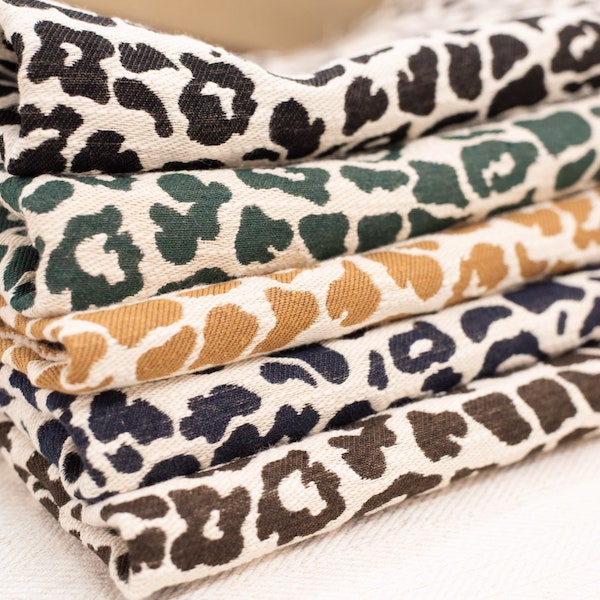
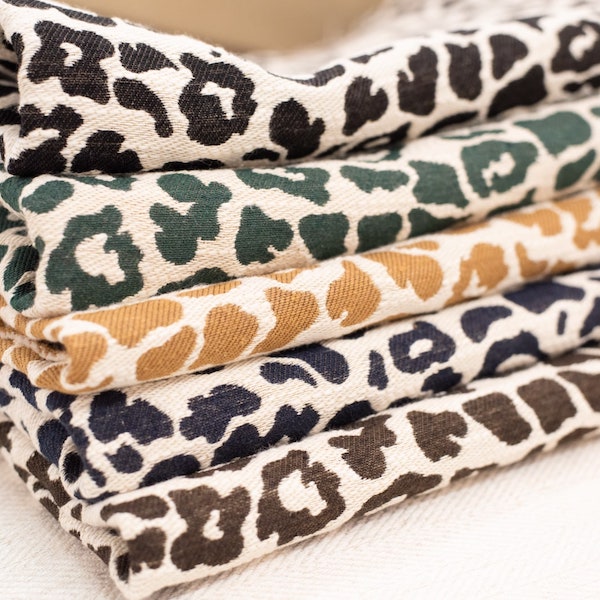
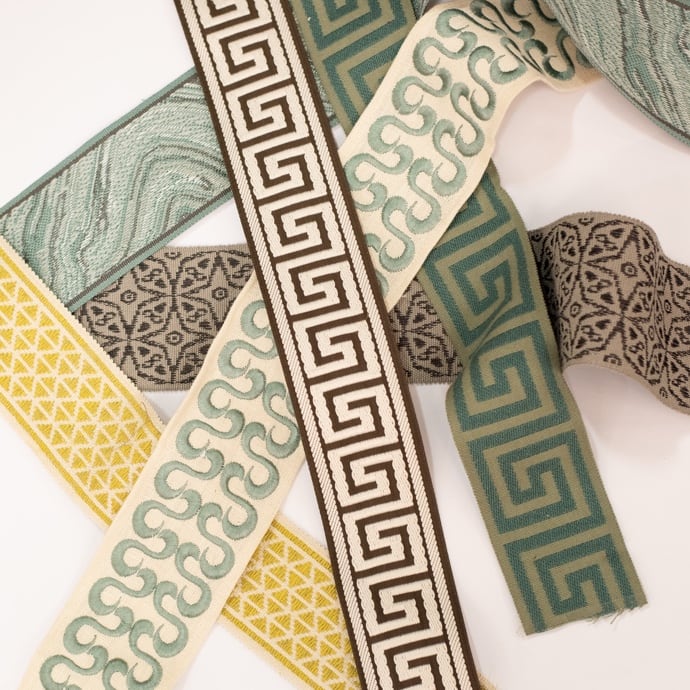

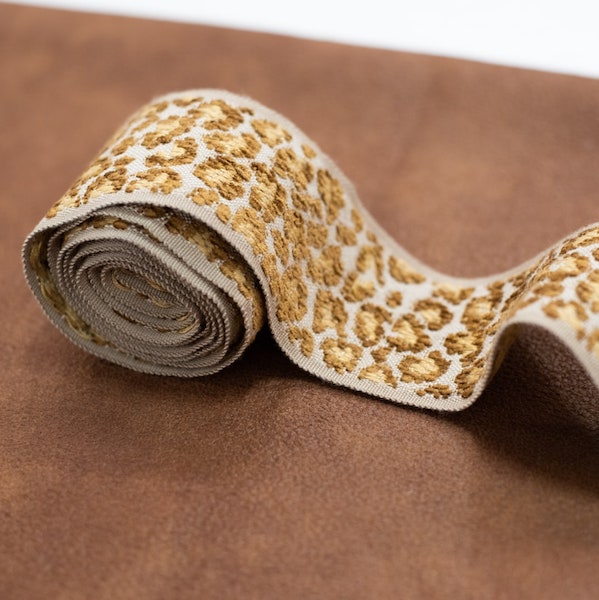
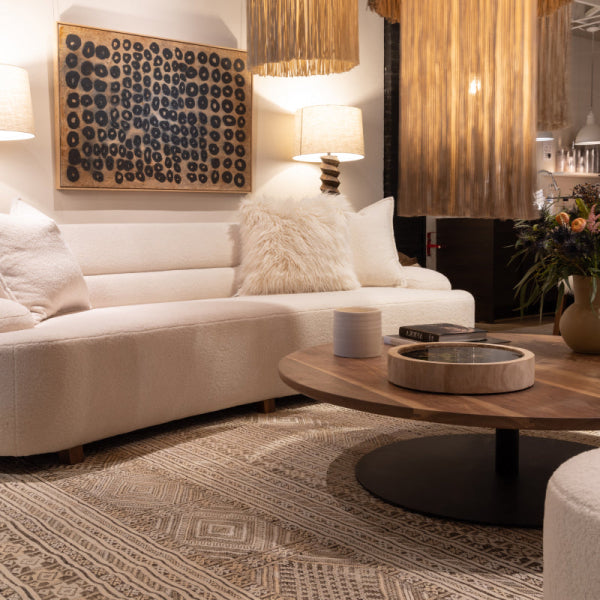
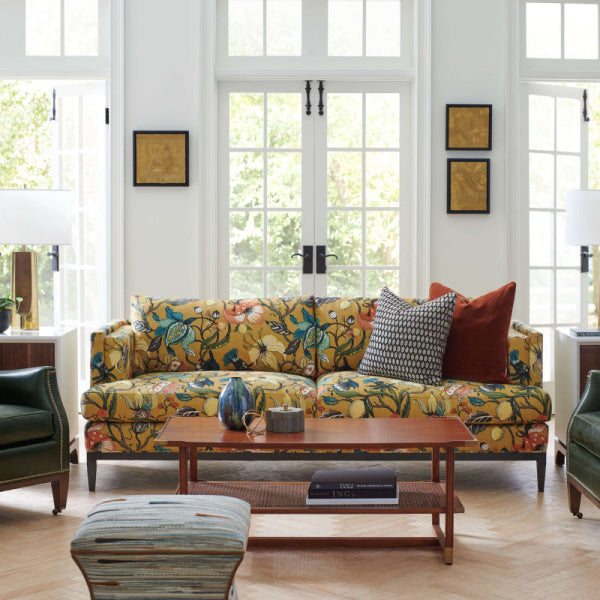
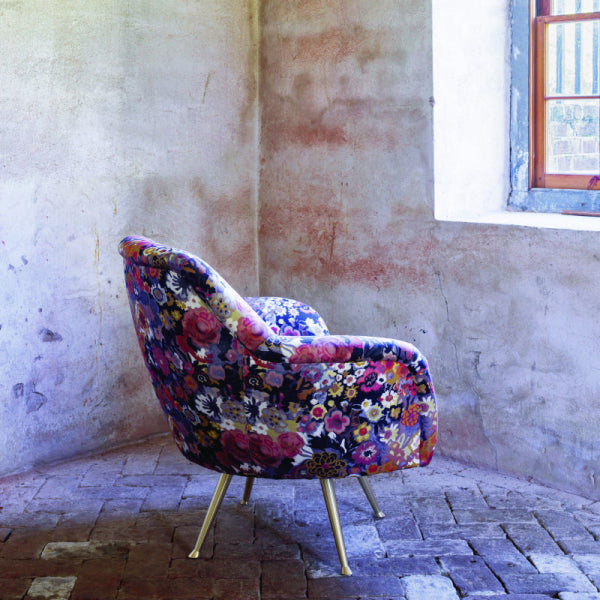
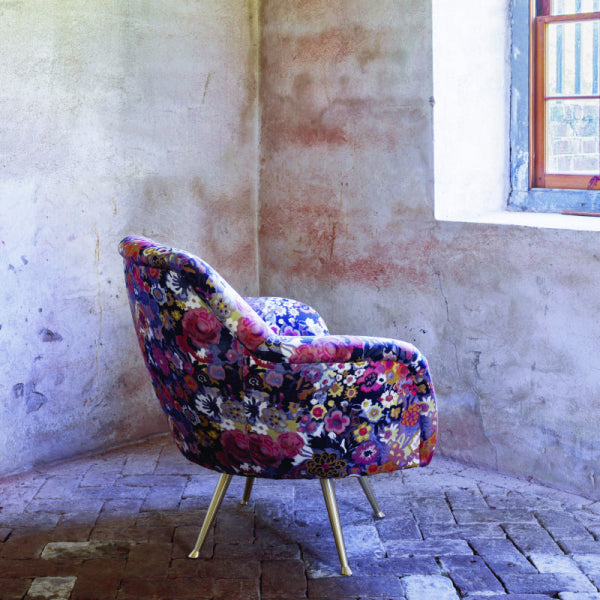
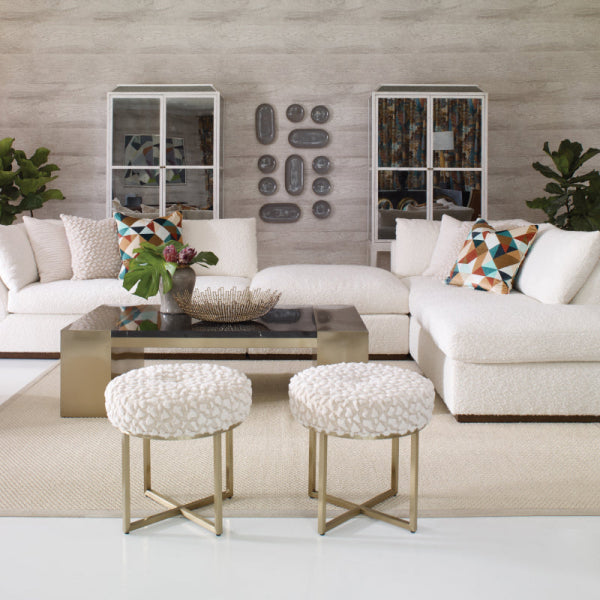
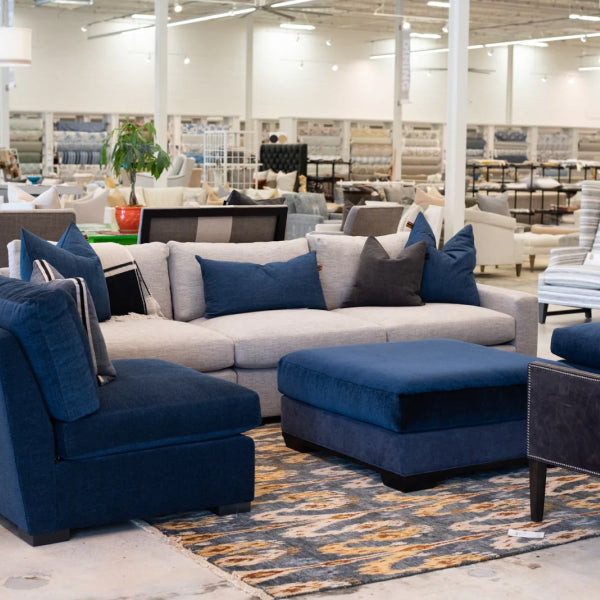









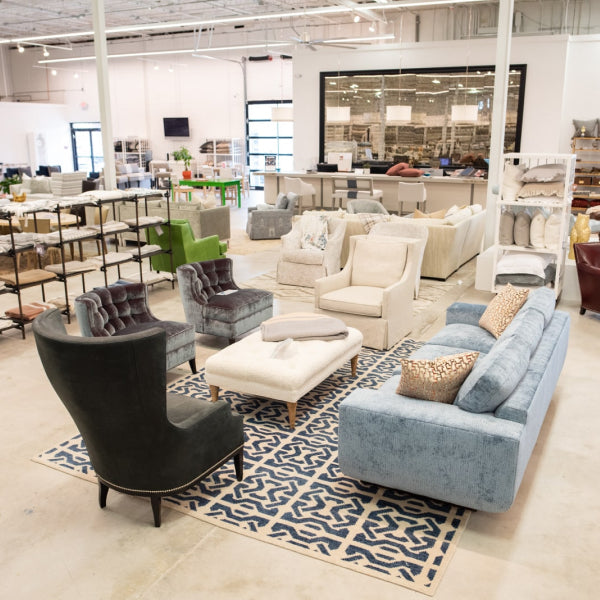


A lot of Atlanta clients arrive at the same moment from different directions. One has a family sofa in Buckhead that still has the right scale and silhouette, but the seat has softened and the fabric no longer belongs in the room. Another is furnishing a new build in Alpharetta or Sandy Springs and can't find a luxury sofa or sectional with the exact depth, arm shape, and fabric hand they want. A third has inherited dining chairs that are structurally sound, but visually adrift.
What they're really deciding isn't whether to “fix furniture.” They're deciding whether a piece deserves to become part of the next chapter of the home.
That's where an Atlanta Custom Upholstery Workroom matters. At the high end of the market, upholstery is less about swapping fabric and more about proportion, construction, comfort, and finish. The workroom becomes part fabric advisor, part builder, part translator between the way you live and the way the piece needs to perform. If the goal is heirloom-quality furniture rather than a temporary solution, that distinction matters.
The Art of Commissioning Heirloom Furniture in Atlanta
A client inherits a chair that has never been comfortable, but the frame is beautifully scaled and the carving is exceptional. Another has spent months shopping for a sofa that fits a Buckhead living room and still cannot find the right depth, arm height, or cushion profile. In both cases, the central decision is the same. They are deciding whether to create a piece with enough substance, comfort, and character to stay in the home for years.

Why Atlanta has long supported bespoke upholstery
Atlanta has supported custom upholstery for a long time because the city has always had clients who care about fit, finish, and longevity. Designers, homeowners, hospitality groups, and builders have all kept skilled workrooms busy with projects that retail furniture cannot solve cleanly. The local market rewards shops that can pattern carefully, build accurately, and stand behind their labor.
That continuity matters. Good workrooms stay in business because designers return to them, clients send pieces back for a second room instead of a repair apology, and frames worth keeping continue to circulate through Atlanta homes.
Practical rule: If a furniture piece still has the right bones, right scale, and right emotional weight for the room, it is often worth treating as a design asset.
What high-end clients are actually commissioning
Luxury buyers are not just ordering a sofa or recovering a chair. They are commissioning control over comfort, proportion, and visual presence. That includes the seat depth for long evenings, the crown of the cushion, the firmness of the back, the height of the arm, and the way the fabric meets at every corner.
Those choices affect value. A custom piece earns its keep when it fits the room correctly, wears well, and still looks intentional after trends move on. Clients comparing custom upholstery vs. retail furniture usually discover the same thing. Retail can be fast, but it rarely gives the same level of precision in scale, construction, or finishing detail.
A serious Atlanta workroom asks better questions than a showroom floor does. How will the piece be used on an ordinary Tuesday. Does the room get hard afternoon sun. Do guests sit upright with a cocktail, or does the family sink in for two-hour movies. Will the skirt break cleanly on a textured rug. Should the piece recede into the architecture or carry the room as a focal point.
That is why heirloom upholstery has to be treated as a commission. Fabric matters, but fabric is only one layer. The frame, spring system, cushion build, tailoring, and finish determine whether the piece will feel temporary or enduring. If the piece has a disposable-quality build, labor and fabric won't change that. If the structure is strong and the design decisions are disciplined, the result can outlast several room refreshes and become part of the home's identity.
Should You Reupholster or Commission a New Custom Piece
This is the first decision that matters, and it's the one clients often try to answer too quickly. A beautiful fabric won't rescue a weak frame. A new custom sofa won't automatically outperform an older one if the older piece was built better in the first place.
The question isn't which option sounds more luxurious. The question is which route gives you the best long-term result for the piece, the room, and the way you live.

When reupholstery makes the most sense
Reupholstery is the right move when the frame is worth preserving and the proportions already work. This shows up often with vintage sofas, antique dining chairs, custom-fit club chairs, and older custom pieces that were built with more substance than many retail options.
A strong candidate usually has some combination of these traits:
- A solid frame: The piece feels stable, not loose or racked.
- Good proportions: The width, depth, and height suit the room and the user.
- Meaning or pedigree: It's a family piece, an older designer frame, or something you haven't been able to replace successfully.
- A style mismatch, not a structural dead end: The upholstery is tired, dated, stained, or poorly suited to your current interior.
One practical advantage is environmental. The EPA reports that furniture is a significant part of household bulky waste, and The Hartford's upholstery overview notes that reupholstering a quality piece with a solid hardwood frame is often cheaper than replacing it with a new high-end item while also helping avoid landfill waste and the loss of embodied carbon.
If the frame is excellent and the complaint is mostly fabric, cushion support, or outdated detailing, reupholstery usually deserves a serious look before you shop for replacement.
When a new custom piece is the better investment
Sometimes reupholstery is the wrong answer. If you need a specific sectional footprint for an open-plan Sandy Springs great room, a banquette sized to an awkward breakfast nook, or a sofa with exact seat depth for a tall client, a made-to-order piece usually gives you cleaner results.
New custom furniture also makes more sense when:
- The original dimensions are wrong: The sofa floats awkwardly, blocks circulation, or looks underscaled.
- The silhouette fights the architecture: A rolled-arm traditional frame may never become the clean-lined piece the room needs.
- The internal build isn't worth rebuilding around: If the piece feels disposable at its core, labor and fabric won't change that.
- You want a fully bespoke statement: A custom headboard, premium sectional, or pair of matching chairs often starts better from a fresh design.
A quick comparison you can actually use
| Factor | Reupholstery | Made-to-Order Custom Furniture |
|---|---|---|
| Existing frame | Best when the frame is worth saving | Not required |
| Design flexibility | Works within the bones of the current piece | Full control over size, shape, and details |
| Sentimental value | Preserves it | Starts fresh |
| Fit for unusual spaces | Limited by original dimensions | Strong option for exact sizing |
| Sustainability | Keeps quality furniture in use | Depends on materials and build |
| Best for | Heirlooms, vintage pieces, strong older frames | New room plans, custom sectionals, signature pieces |
For clients weighing these options in a decision-stage way, this guide to custom upholstery vs retail furniture is a useful complement to the conversation.
The mistake to avoid
The biggest mistake is choosing based only on the surface. Fabric is visible, so it gets all the attention. Construction is less visible, so people skip the harder questions.
Don't decide until someone has looked at the frame, suspension, cushion structure, and proportions. In luxury interiors, the best value rarely comes from the fastest answer. It comes from choosing the option that gives you a piece you'll still want in the room years from now.
Your Journey with an Atlanta Custom Upholstery Workroom
The best custom projects feel smooth to the client because the workroom is disciplined behind the scenes. Good process protects the design. It also protects your investment.
When you understand the sequence, you ask better questions, choose materials more wisely, and avoid the common mismatch between what a client imagines and what a piece can become.

The consultation and the room read
Bring more than inspiration images. A productive first meeting usually includes room photos, overall room dimensions, nearby finish samples, and clear notes about who uses the piece every day. For a custom chair or luxury sofa, comfort preferences matter as much as appearance.
This is also where priorities get clarified. Some clients want a clean formal silhouette that sits beautifully but won't be the family nap sofa. Others want a high-quality couch that can handle constant use without looking overbuilt. Those are different briefs.
If you're working through a fabric and furnishings resource such as Lewis and Sheron Textiles workroom services, the conversation can include both textile sourcing and fabrication coordination in the same planning stage.
Fabric selection is a design decision and a performance decision
Clients often start with color, but the better starting point is behavior. Does the room get hard afternoon sun in Alpharetta? Do grandchildren visit every weekend? Is this a formal living room sofa or the sectional everyone collapses into at night?
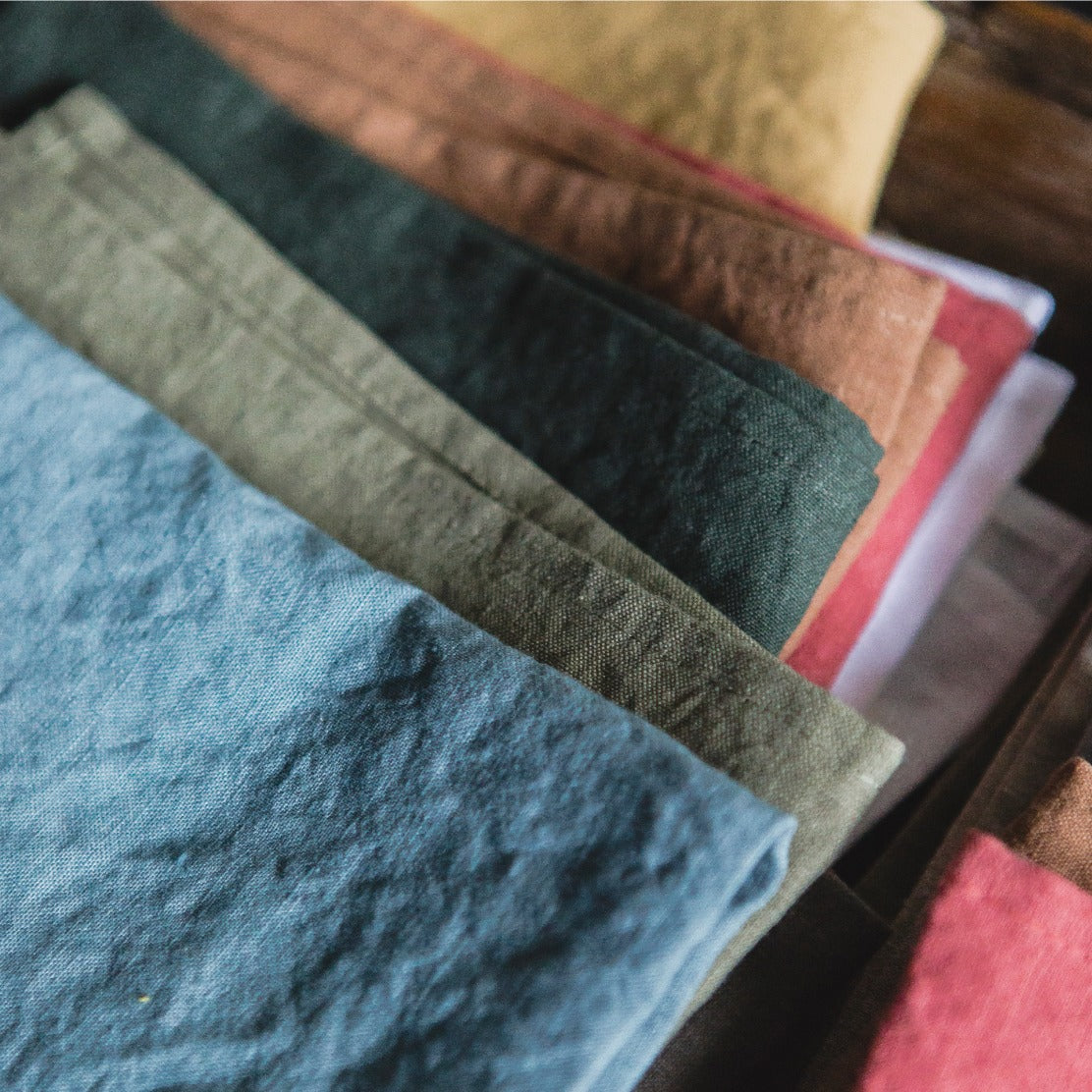
A good workroom will narrow options by asking how the piece needs to perform, then weigh pattern scale, hand, drape, seam behavior, and cleanability. On a bench seat, a large repeat can be stunning if it's centered properly. On a tight back with multiple interruptions, the same fabric may create unnecessary visual noise.
Consider these practical checkpoints:
- Light exposure: Some fabrics are better suited to bright rooms.
- Texture tolerance: Bouclé, velvet, linen blends, and performance weaves all age differently.
- Pattern complexity: Plaids, stripes, and large repeats require more discipline in cutting and placement.
- Room role: A statement chair can carry more visual personality than a large everyday sectional.
The right fabric isn't just beautiful on the hanger. It has to stay convincing when stretched over corners, cushions, borders, and repeated daily use.
The frame inspection and structural truth-telling
Trust is earned by a professional workroom when the true condition of a piece is revealed. Once a piece is opened, the hidden condition becomes visible. Loose joints, tired webbing, weakened springs, and old repairs all show up here.
In a professional workroom, sequence matters for quality control. Rebecca Atwood's upholstery workflow notes describe the process as stripping the piece to the bare frame, repairing or retying springs and webbing, building up foundation layers, and only then cutting and applying the final fabric. The same workflow notes a key technique: cutting fabric with about five extra inches all around to allow for centering and tensioning, which helps prevent skew on curves and complex shapes.
That's why an experienced upholsterer doesn't promise too much based on a quick glance alone. A seat that merely looks tired may need significant internal rebuilding. A chair that appears rough may have excellent bones.
Patterning, templating, and why precision changes the result
The visible elegance of custom upholstered furniture usually comes from invisible restraint. Pattern placement, seam location, border balance, and corner handling all matter. When they're wrong, even premium fabric looks amateur.
For clients, the takeaway is simple. Don't judge craftsmanship only by the final color and style. Judge it by alignment, symmetry, and whether the tension feels even across the piece.
A workroom should account for:
- Centering motifs where the eye lands first
- Keeping stripes or directional textures consistent
- Avoiding corner distortion on arms and boxed cushions
- Using enough allowance to make adjustments before final fastening
Upholstery, detailing, and the final fit
Once the internal structure is resolved and the cutting is accurate, the piece starts to become itself again. At this stage, cushion fills, deck fit, welting, skirts, buttons, channeling, or topstitching either sharpen the design or dilute it.
Some of the best luxury furniture projects are quiet in this phase. No gimmicks. Just disciplined finishing. A refined bench cushion that sits flat. A contrast welt that feels intentional. An inside back that doesn't ripple. Arms that mirror one another properly.
A bespoke piece should look finished from every angle, including the side view, the back, and the way the fabric turns at the corners.
Delivery and what to inspect before you sign off
When the piece comes home, don't only react emotionally. Inspect it. Sit in it. Walk around it.
Look for these details:
- Seat consistency: Cushions should feel balanced, not uneven from left to right.
- Pattern placement: Obvious motifs should feel intentional, not random.
- Tailoring: Skirts should hang properly. Welts should be smooth. Seams should look controlled.
- Scale in the room: The piece should feel integrated with the surrounding furnishings, not oversized or timid.
The custom process works best when it's collaborative, but not casual. A strong Atlanta Custom Upholstery Workroom follows a disciplined order because that's how bespoke furniture becomes reliable, comfortable, and visually exact.
What Defines Designer-Quality Upholstery and How to Budget
Designer-quality upholstery starts inside the piece. Clients often focus on the visible layer first, which is understandable, because fabric, trim, and silhouette are what you notice immediately. But premium furniture earns its value in the hidden build.
That's also why two sofas can look similar on a showroom floor and perform very differently over time.

The internal anatomy matters more than clients think
High-end upholstery is labor-intensive because each layer addresses a different failure point. Designs by Donna's chair restoration walkthrough describes a rebuild from the bare frame using jute webbing, multi-directionally tied springs, burlap, edge roll, upholstery cotton, Dacron, and finally the decorative fabric. That layered approach is what creates an heirloom-quality piece built to last for generations.
If you remove or rush those layers, problems show up quickly. The seat loses support. Corners bunch. The outside back looks unstable. The piece may still photograph well for a moment, but it won't wear with grace.
What to inspect when you want high-end furniture
A luxury sofa, premium sectional, or custom chair should feel considered in both structure and tailoring. In practical terms, these are the signs I tell clients to look for:
- Frame integrity: The piece should feel stable and substantial when moved or sat on.
- Suspension quality: Good support should feel controlled, not hollow or slack.
- Cushion construction: Comfort should match the intended use of the room.
- Fabric suitability: The textile should make sense for wear, light, and maintenance.
- Tailoring discipline: Seams, welts, skirts, and pattern placement should look deliberate.
What doesn't work is chasing “designer furniture” as a style label only. A dramatic silhouette in a weak build is still a weak build.
Why budgeting for custom upholstery can feel opaque
Clients aren't wrong when they say custom upholstery pricing can seem difficult to decode. Labor, material choice, and complexity all move the final number, and two pieces that appear similar from a distance can demand very different amounts of bench work.
These factors tend to drive the investment most:
| Cost driver | Why it changes the project |
|---|---|
| Structural repairs | Rebuilding internals adds skilled labor before visible upholstery begins |
| Fabric selection | Pattern repeat, texture, and specialty textiles affect cutting and yield |
| Piece complexity | Tight backs, curved arms, tufting, skirts, and channels take more time |
| Cushion work | New inserts and fit adjustments change comfort and finishing |
| Detailing | Contrast welt, trims, buttons, and matched patterns require precision |
For homeowners comparing options, this article on how much reupholstery costs helps frame the cost drivers in practical terms.
Budget for the structure first, then the surface. Beautiful fabric over weak internals is one of the most expensive ways to get disappointed.
How to think about value without reducing it to price
Luxury home furnishings should justify themselves in use, not just in presentation. If a piece fits the room exactly, supports the body well, ages attractively, and still feels relevant after trends shift, that's value.
For Atlanta clients furnishing primary homes, second seating areas, libraries, and formal spaces, the smartest budget mindset is this: spend where the body and the eye keep returning. Seat comfort, frame strength, fabric appropriateness, and disciplined upholstery matter more than decorative extras that don't improve performance.
Designer-quality furniture isn't expensive because it's exclusive. It costs more because more decisions are made correctly.
Selecting the Right Atlanta Workroom for Your Luxury Project
A client falls in love with a sculptural sofa silhouette, chooses a remarkable textile, and expects the result to feel as refined in ten years as it does on installation day. That outcome depends less on the fabric memo in hand and more on the workroom behind it.
The right Atlanta upholstery workroom is not merely a vendor. It is the shop that can translate design intent into a piece with proper scale, disciplined tailoring, and structure that holds up to real use. For a luxury project, that distinction matters because you are not buying a quick visual update. You are commissioning furniture that should earn its place in the house for a long time.
Atlanta gives clients real range. Some shops are strongest with antiques and careful restoration. Others are built for custom banquettes, sectionals, or designer coordination. Long-established local workrooms reflect a market with deep craft roots and longstanding trade relationships, which is exactly what high-end projects tend to require.
Questions worth asking before you commit
A workroom should be vetted with the same care you would give a millworker or remodel team. Skill matters, but process tells you whether the piece will come together cleanly.
Ask direct questions such as:
- What kinds of projects fill your schedule? A shop that regularly builds or rebuilds refined residential seating will answer differently than one focused on simple recover work.
- What happens below the fabric? Ask whether they handle frame correction, spring repair, deck work, cushion rebuilding, and comfort adjustments in-house or through outside partners.
- How do you manage fabric risk? Pattern placement, railroaded goods, repeats, panel widths, and shortages should be discussed before cutting starts.
- Who signs off on details? Confirm how the shop documents arm style, seat height, cushion fill, skirt treatment, welt, trim, and final proportions.
- How do you communicate when conditions change? Hidden frame damage, weak joints, or a poor prior repair should trigger a call and a decision, not a surprise on the invoice.
For broader vetting discipline, the same logic behind essential questions for a successful remodel applies here. You are choosing the craft partner who will shape a future heirloom.
What separates a strong workroom from a risky one
A polished portfolio is useful, but it is only the starting point. The better indicator is whether the shop can explain how it works, where compromises tend to appear, and which details deserve protection because they affect the finished piece every day.
Strong workrooms are specific. They talk clearly about lead times, approval points, COM requirements, cushion options, and what can or cannot be achieved on a given frame. They will also tell you when a beloved piece is worth rebuilding and when sentiment is pushing you toward a poor investment.
That honesty saves money.
Risk usually shows up in softer ways first. Vague estimates. Casual promises about timing. No discussion of pattern placement. No questions about how the piece will be used, by whom, and in which room. In luxury upholstery, those omissions are rarely small. They are often the difference between a chair that looks custom and one that lives as custom furniture should.
A practical local option for sourcing and coordination
For Atlanta homeowners and designers who want fabric selection and fabrication support in one place, Lewis and Sheron Textiles offers home fabrics, made-to-order upholstery, reupholstery, and design support through its Atlanta design center. That can simplify decision-making on projects where textile suitability, yardage planning, and fabrication details need to be resolved together.
The best workroom conversations sharpen the project. You leave knowing what the piece should become, what it will take to get there, and whether the result justifies the investment. That is the standard worth holding if the goal is furniture with staying power, not furniture that photographs well for a season.
Your Custom Upholstery Questions Answered
How long does a custom upholstery project usually take in Atlanta
The honest answer is that timeline depends on the piece, the work scope, and the fabric path. A straightforward dining chair project moves differently than a rebuilt sofa or a fully custom sectional. Structural repairs, COM approval, pattern matching, and scheduling all affect the calendar.
A good workroom won't give you a casual answer just to sound fast. They'll tie the timeline to real steps, approvals, and material availability.
Can I provide my own fabric
Yes, many workrooms accept COM, which means customer's own material. But the fabric still has to be appropriate for the piece. Upholstery weight, repeat, backing, direction, and durability all matter.
Before you buy anything, confirm yardage, pattern repeat issues, and whether the fabric is suitable for the shape you're upholstering. A fabric that works beautifully for drapery may be a poor candidate for a tight upholstered frame.
What should I do to care for custom upholstered furniture
Use the piece the way it was intended to be used. Rotate cushions if the construction allows it. Address spills promptly according to the fabric's care guidance. Keep strong direct sun in mind when placing light-sensitive textiles.
The broader goal is consistency, not panic. Regular maintenance protects a piece better than occasional aggressive cleaning.
The best-looking upholstered furniture usually comes from a combination of good initial construction and calm, routine care.
Is it better to work through an interior designer or directly with the workroom
Both paths can work well. If you already have an interior designer, that relationship often streamlines the visual decisions, finish coordination, and overall room fit. If you're working directly, the workroom may guide more of the practical specification process.
The key is clarity about who approves what. Fabric, cushion feel, trim, dimensions, and final details should all have a clear decision-maker.
How do I know a workroom can handle a high-stakes project
Look for evidence that they've served the design trade over time. Workrooms that support designers tend to be stronger at approvals, specifications, revisions, and deadline discipline. On Houzz, Douglass Workroom is described as serving the design trade for over 25 years, and Century Upholstery Atlanta notes 30+ years of service and craftsmanship. That kind of long B2B history is a useful signal when a project has no room for casual mistakes.
What's the biggest mistake luxury buyers make
They focus too much on the covering and not enough on the build. Fabric matters. So do style and finish. But comfort, support, proportion, and tailoring are what determine whether a custom piece still feels right after the excitement of delivery has passed.
A future heirloom doesn't happen because a piece is expensive. It happens because the design choices and construction choices hold up together.
If you're planning custom upholstered furniture, reupholstery, or a made-to-order statement piece for your Atlanta home, Lewis and Sheron Textiles is a practical place to start. You can explore premium fabrics, review custom furnishing options, and work through the details that turn a good idea into a finished piece that belongs in the room for years.