



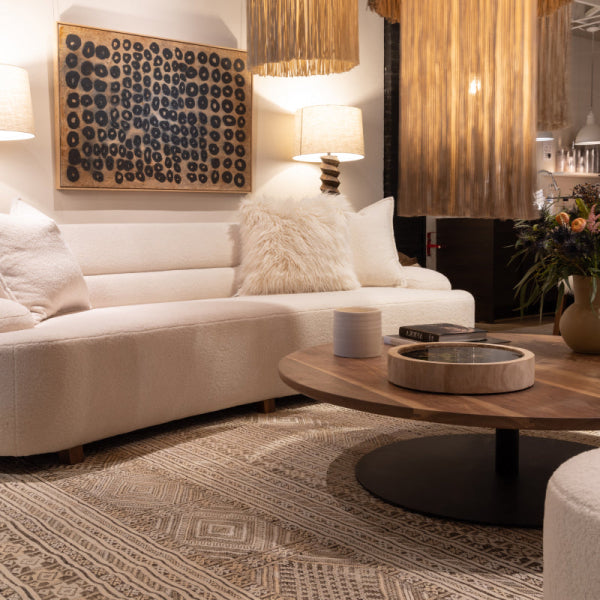
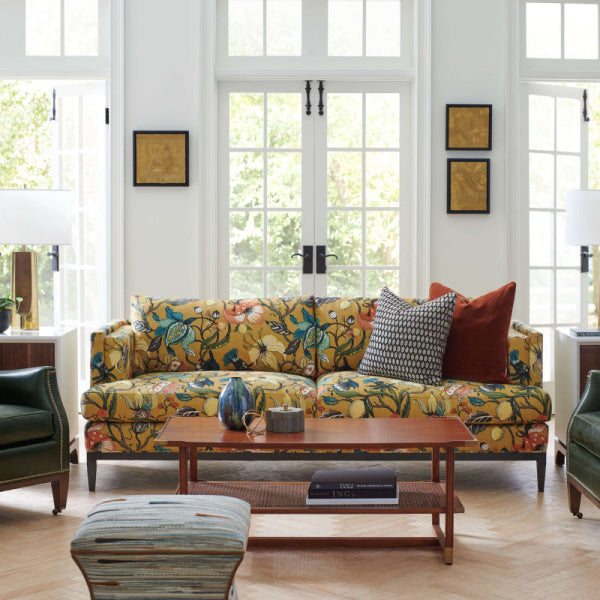
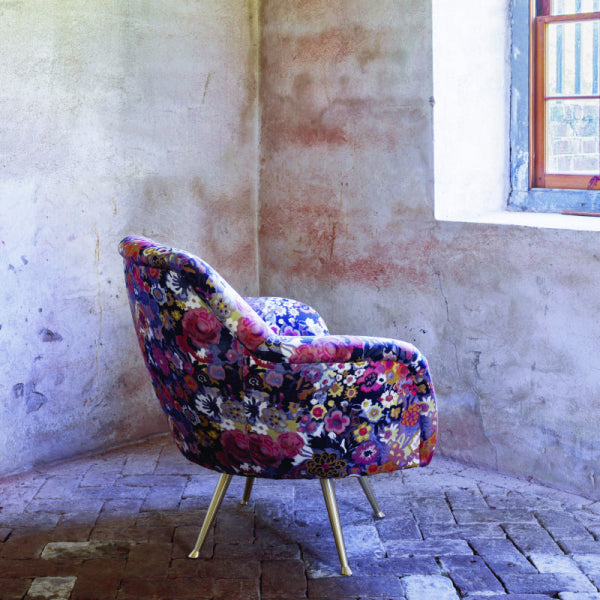
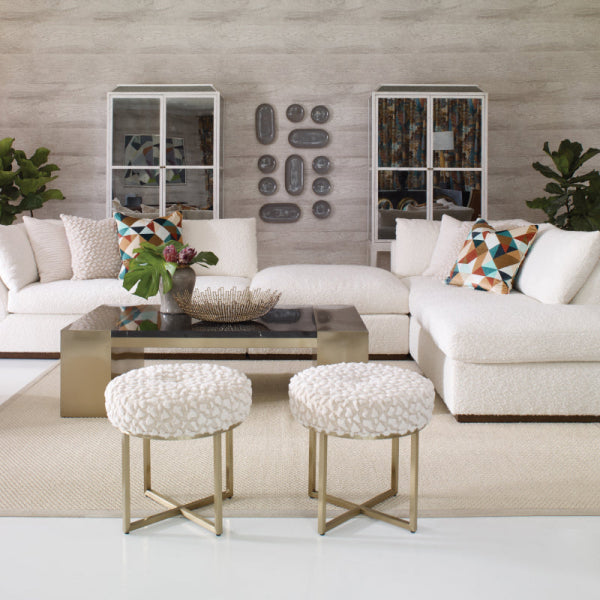
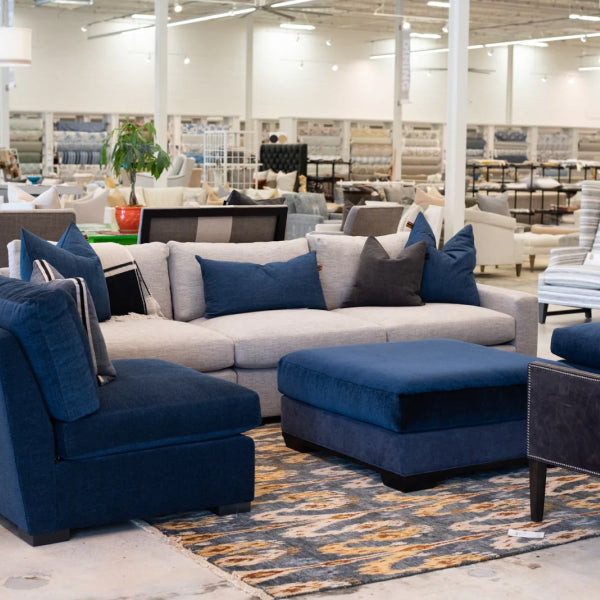









You found the sofa online, or in a polished showroom, and everything about it looked right. The scale seemed generous. The fabric looked expensive. The styling felt current without being loud. Then real life started. Seat cushions softened unevenly. The arm showed wear faster than expected. A fabric that looked refined under store lighting suddenly felt fragile in a family room.
That's the moment many homeowners in North Atlanta realize there's a difference between buying expensive furniture and investing in high-end home decor. Price alone doesn't create quality. Construction does. Material specification does. So does fit, especially in larger homes where proportion matters as much as finish.
That's why John's Creek High-End Home Decor deserves a more disciplined approach than a simple list of stores. Johns Creek is a natural market for serious furnishing decisions because of its affluent housing base. The city has just over 85,000 residents, a median household income of roughly $132,000, and a median home sale price of about $783,000, all of which point to homeowners who are more likely to invest in custom furnishings and upscale interiors than settle for quick replacements, according to this Johns Creek market overview.
Investing in a Legacy Not Just a Living Room
A well-furnished room should age gracefully. It should look settled, not tired. The best interiors in Johns Creek, Alpharetta, Buckhead, Roswell, and Sandy Springs don't feel assembled in a weekend. They feel considered. The sofa suits the room. The rug supports the furniture instead of fighting it. The chair by the window feels like it belongs there because someone thought about scale, light, and use before a single order was placed.
Luxury buyers rarely regret choosing quality. They regret choosing in haste.
What goes wrong with surface-level luxury
The most common mistake isn't choosing a style that goes out of fashion. It's choosing a piece that photographs beautifully but performs poorly. A sectional may look substantial and still be built for short-term appeal. A chair can have a handsome silhouette and still sit awkwardly because the pitch, cushion fill, or seat depth wasn't right for the household using it.
That's where design judgment matters. A family room in Johns Creek doesn't need furniture that looks untouchable. It needs furniture that can carry daily life without losing its line, comfort, or dignity.
Practical rule: If a piece can't explain how it's made, what it's covered in, and how it will age, it isn't luxury. It's styling.
Why investment thinking changes the outcome
Investment-minded furnishing starts with a different set of questions:
- How will this piece wear? Not just in the first month, but after years of use.
- Does the scale suit the room? Large open-plan homes punish furniture that's undersized.
- Can the material be maintained? Beauty that can't survive the household becomes a source of stress.
- Is the design specific enough to feel personal? Cookie-cutter rooms become forgettable quickly.
Clients looking for luxury sofas, custom upholstered furniture, premium sectionals, or designer furniture near Atlanta usually aren't trying to fill an empty room. They're trying to create a home with staying power. They want fewer compromises. Better materials. Stronger tailoring. Thoughtful customization. Pieces that still make sense years from now.
That's the right instinct. High-end home decor works best when you treat it as part design decision, part technical purchase, and part legacy planning.
The Hallmarks of Heirloom-Quality Furniture
“Heirloom quality” gets used loosely. In practice, it means a piece was built to be repaired, recovered, and lived with for a long time. It doesn't rely on novelty. It relies on integrity.
The easiest way to understand the difference is to think about clothing. An off-the-rack jacket can look sharp for a season. A bespoke jacket is shaped for the wearer, built from better cloth, and finished so it continues to look right over time. Furniture follows the same logic.

Start with what you can't see
Most furniture failures begin inside the piece, not on the surface. Frame quality determines whether a sofa remains solid and quiet or starts to wobble, creak, and shift. Seat support determines whether cushions feel composed or collapse into the deck. Tailoring determines whether the whole piece reads crisp or sloppy.
When evaluating high-quality couches, custom chairs, or luxury sectionals, inspect these first:
- Frame construction: Hardwood frames generally hold up better than weaker alternatives because they resist twisting and fatigue over time.
- Seat suspension: Better suspension creates more even comfort and a longer useful life.
- Cushion engineering: The right cushion depends on the room. A formal sitting room and a family media room shouldn't use the same comfort formula.
- Tailoring and alignment: Plaids, stripes, welting, skirt lines, and cushion seams tell you how carefully the piece was made.
The fabric isn't decoration
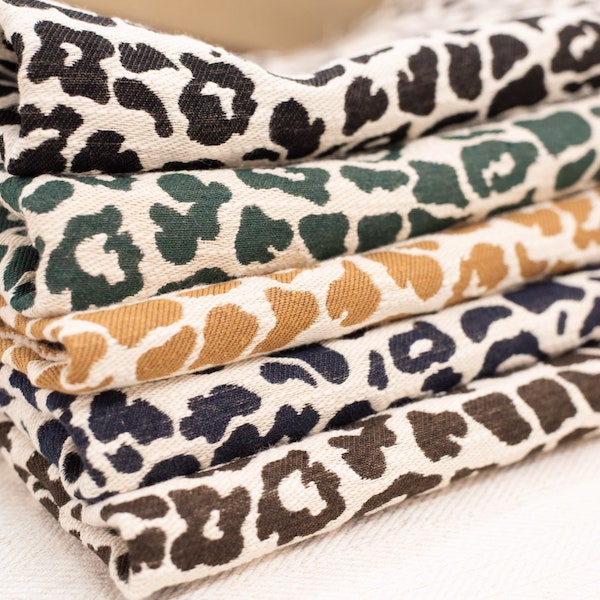
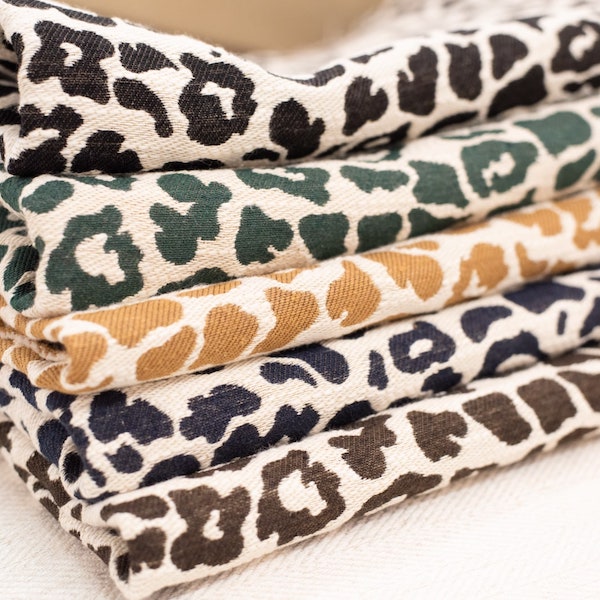
The trade side of the furnishing business has always understood something retail often obscures. Fabric is a performance decision. It affects appearance, maintenance, and lead time. The high-end decor supply chain is built around the design trade rather than mass retail, and mills such as Kravet, Fabricut, and Crypton matter because fiber content and rub count directly shape durability and cleanability, as noted in this Atlanta design trade feature.
That single fact changes how smart buyers shop.
A handsome fabric with the wrong specification can ruin an otherwise excellent frame. A stronger performance textile can turn a beautiful sofa into a practical one without sacrificing refinement. A linen that drapes beautifully on panels may be the wrong answer for a hard-working breakfast banquette.
Good furniture isn't just built well. It's specified well.
What designer quality usually includes
A piece doesn't need ornament to feel luxurious. It needs discipline. In the showroom, designer furniture often stands apart for quieter reasons.
| Hallmark | What to look for | What often disappoints |
|---|---|---|
| Proportion | Balanced arm width, seat depth, and back height | Overscaled or underscaled forms that dominate or shrink in the room |
| Tailoring | Smooth seams, consistent welting, thoughtful pattern placement | Twisting skirts, uneven seams, sagging corners |
| Material selection | Fabrics and finishes suited to use | Beautiful surfaces chosen with no regard for wear |
| Repair potential | Recoverable frames, replaceable cushions, serviceable construction | Disposable construction that can't be meaningfully refreshed |
Timeless is not the same as traditional
Many buyers hear “timeless” and picture something formal or old-fashioned. That isn't the point. Timeless furniture can be modern, sculptural, or quiet. What makes it enduring is that the shape is resolved, the materials are appropriate, and the construction supports years of use.
That's what separates a statement furniture piece from a fad purchase. One becomes part of the house. The other dates the room almost immediately.
Selecting Premium Fabrics and Rugs A Tactile Guide
The frame is the skeleton. Fabric and rugs are the skin. They're what you touch every day, and they're where expensive mistakes become obvious fastest.
In Atlanta-area homes, especially in family-centered communities such as Johns Creek and Alpharetta, the right textile choice usually comes down to a clear trade-off. Do you want a soft hand above all else, or do you need a fabric that forgives spills, humidity, pets, and traffic? The strongest rooms usually balance both.
Fabric choices that match the room
A formal accent chair, a primary bedroom bench, and a family room sectional shouldn't all be upholstered with the same mentality. The use case matters more than the trend.
Here's a practical way to compare common choices.
Material Showdown: Choosing Between Style and Real-Life Durability
| Material | Best For | Feel & Appearance | Care & Durability |
|---|---|---|---|
| Belgian linen | Formal rooms, lower-abrasion seating, relaxed drapery | Airy, natural, elegant drape | Beautiful but less forgiving in heavy-use settings |
| Linen blend | Living rooms with moderate use | Softer texture with a tailored look | Often easier to live with than pure linen |
| Performance fabric | Family rooms, breakfast banquettes, media rooms | Can range from crisp to plush | Better suited to stains, frequent use, and easier upkeep |
| Velvet | Accent seating, dining chairs, statement sofas | Rich depth and light play | Depends heavily on fiber and finish |
| Wool rug | Bedrooms, studies, living spaces | Warm, substantial, classic | Strong everyday choice when properly specified |
| Hand-knotted rug | Primary rooms and long-term installations | Depth, variation, artisanal character | Serviceable and often worth maintaining over time |
If you're weighing options for upholstery, this guide on how to choose upholstery fabric gives a useful starting point for thinking through room use, wear, and maintenance.
Linen versus performance fabric
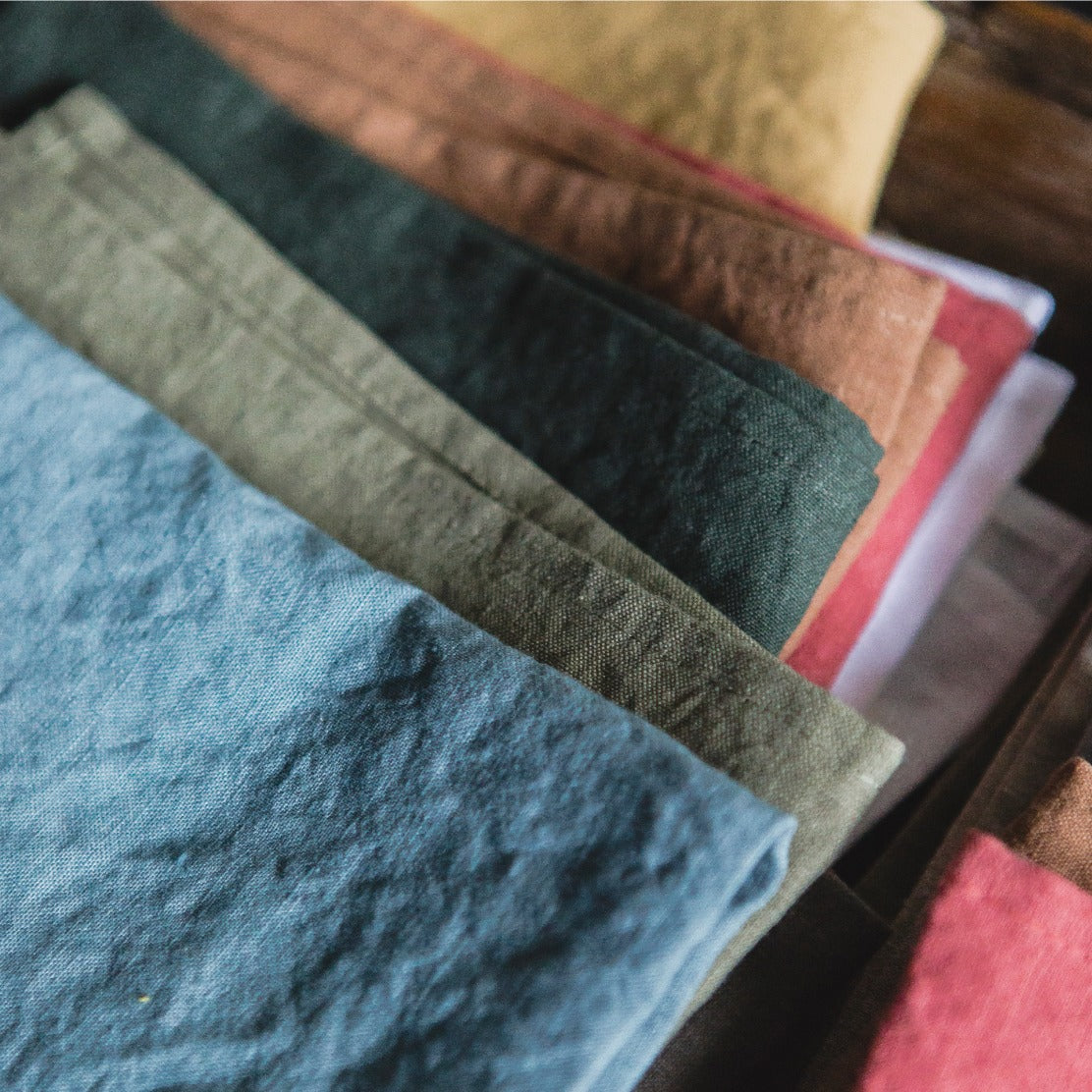
Belgian linen has a distinct charm. It breathes well, drapes naturally, and brings a softness that many synthetic-looking fabrics can't imitate. In the right setting, it's beautiful. It can make a room feel settled and refined instead of overdone.
It's not always the right answer.
Performance fabrics exist because many households want elegance without constant vigilance. If a room hosts children, pets, frequent entertaining, or daily lounging, a performance textile often solves stress before it begins. That doesn't mean every performance fabric feels the same. Some still read flat or overly slick. The better ones retain texture and depth.
Choose linen for the rooms you want to preserve. Choose performance fabric for the rooms you want to use without apology.
Rugs deserve the same level of scrutiny
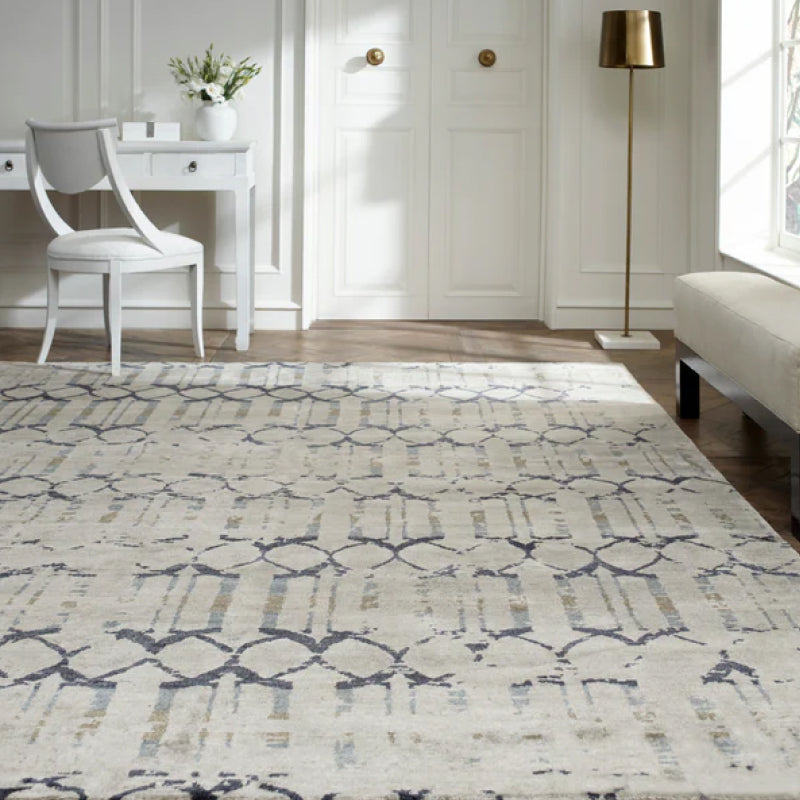
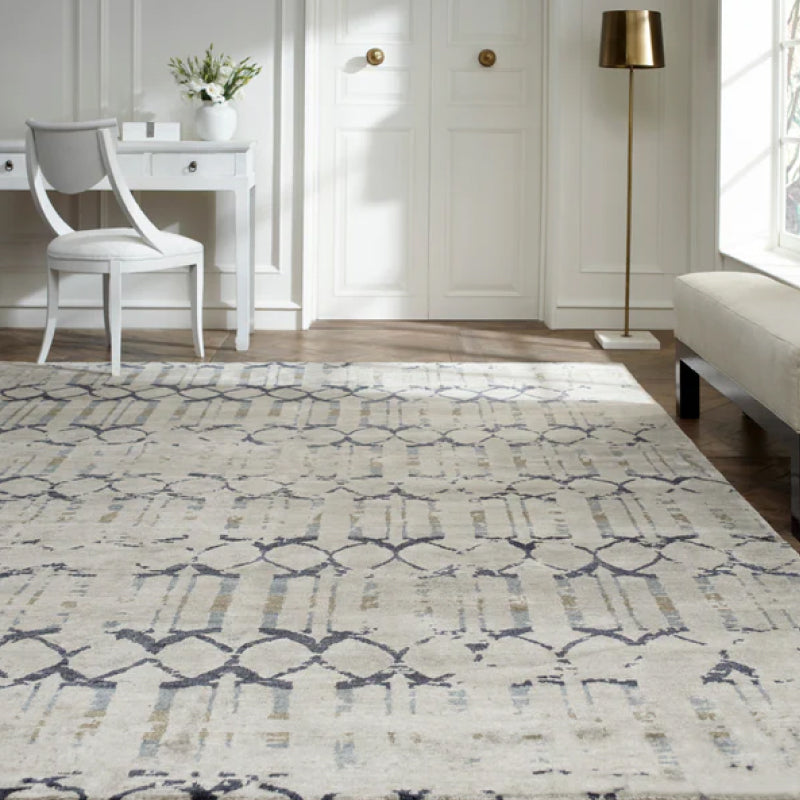
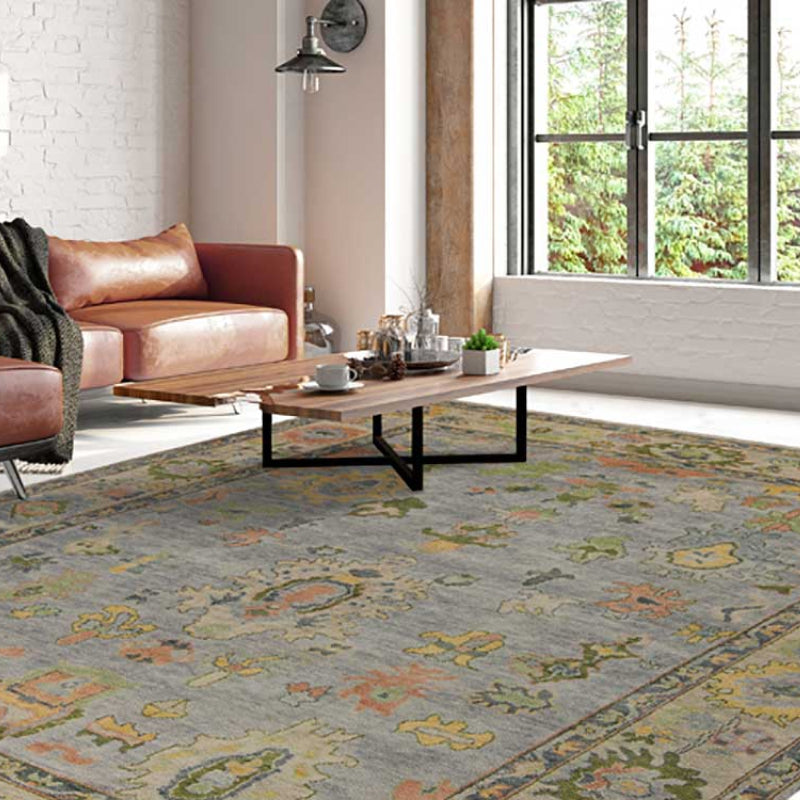
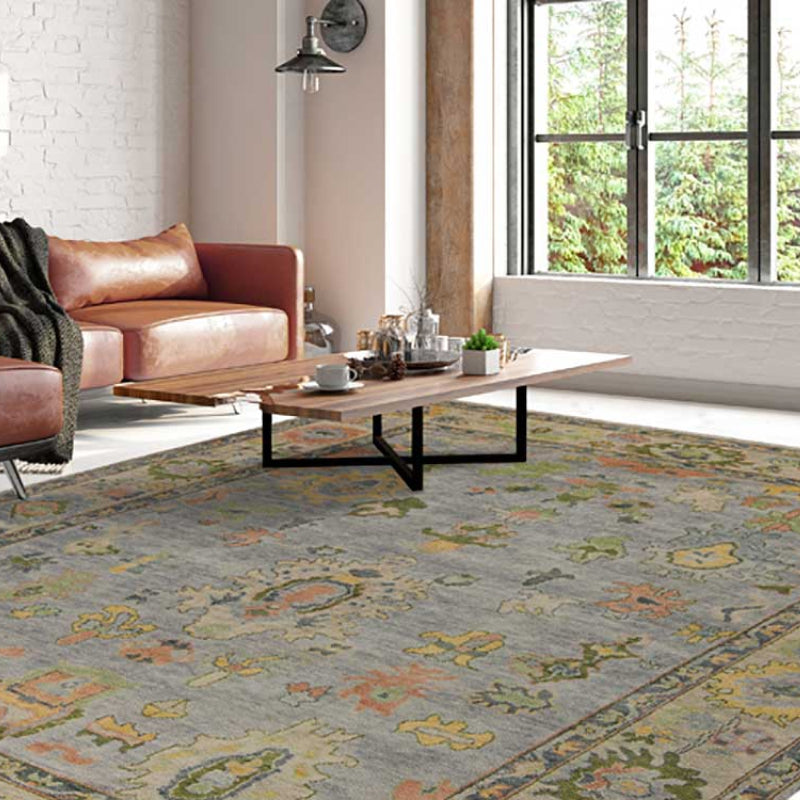
Rugs do more than add softness underfoot. They establish scale, absorb sound, and anchor the architecture of the room. In large North Atlanta homes, a rug that's too small makes every furniture decision look less considered.
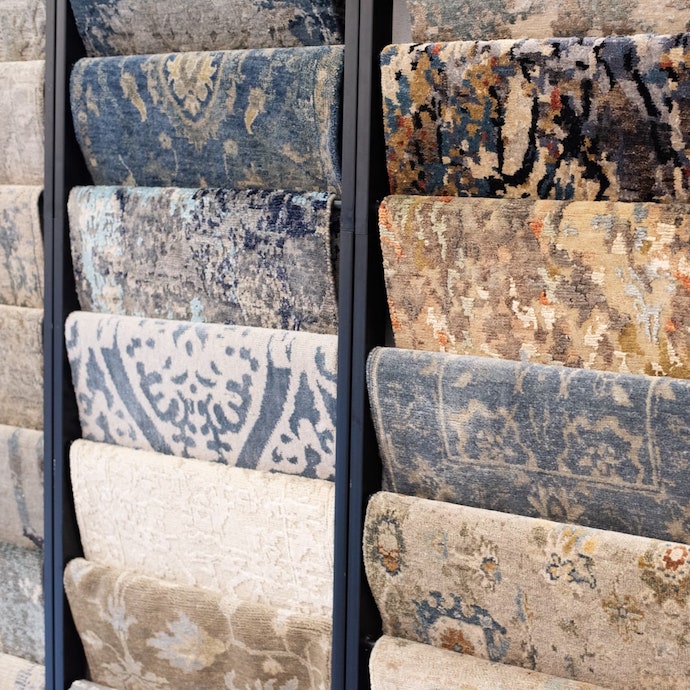
Hand-knotted rugs stand apart because they tend to carry visual depth and repair potential that machine-made alternatives often lack. They also age with more character. That matters when you're furnishing for the long term rather than for a seasonal refresh.
A few practical distinctions matter:
- Hand-knotted rugs: Better for buyers who value longevity, dimension, and a more collected look.
- Wool blends: Easier entry point when you want warmth and everyday usability.
- Highly decorative surface rugs: Often attractive at first glance, but they may not deliver the same long-term satisfaction in busy spaces.
Match texture to architecture
Textiles should support the house itself. A large open-plan room with hard surfaces often benefits from fabrics and rugs that add visual softness. A more detailed traditional home may need restraint, not another layer of fuss.
Good rooms usually mix surfaces rather than repeating one note. That might mean a crisply upholstered sofa in a durable weave, a pair of softer custom chairs, Belgian linen drapery, and a hand-knotted rug with subtle movement. The room feels layered because the materials do different jobs.
The Power of Personalization Custom and Reupholstery
Custom furniture becomes valuable the moment a standard piece fails the room. That happens often in Johns Creek. Large family spaces, taller ceilings, wider openings, and open-plan layouts expose proportion mistakes immediately. A sofa that looked generous on a sales floor can look undersized in a real home. A chair with the right silhouette may have the wrong seat height. A sectional may technically fit on paper and still interrupt circulation.
In premium markets, specification-driven customization is the differentiator. Custom upholstery and drapery reduce fit errors and improve visual proportion because designers work from measured clearances, sightlines, and fabric performance requirements, as described by VRA Interiors in its Johns Creek design overview.

Why custom pays off
Custom furniture isn't only about exclusivity. It solves practical problems that off-the-floor buying often can't.
A custom sofa can correct seat depth for the people who use it. A made-to-order sectional can respect architectural lines and traffic flow instead of forcing the room to work around it. A custom chair can deliver the exact pitch, arm height, and textile that a reading corner or formal living room needs.
That's why buyers searching for custom furniture in Atlanta or designer furniture near me are often closer to a decision than they think. They're not browsing. They're trying to stop compromising.
A strong custom process usually addresses:
- Scale and clearance so the piece fits the room instead of merely entering it.
- Fabric performance so the material suits the household.
- Comfort profile because a formal upright sofa and a deep lounging sofa serve different lives.
- Finish and detail so the piece belongs with the rest of the interior.
For homeowners considering a made-to-order route, this Johns Creek custom upholstery guide is a helpful reference for how the process typically works.
Reupholstery is not the fallback option
Well-made older furniture often deserves more respect than newer retail pieces. If the frame is sound and the proportions are right, reupholstery can be the smartest move in the room. It allows you to preserve what is structurally worth keeping while changing what no longer works.
That might be a family bergère with sentimental value. It might be a vintage bench with excellent lines. It might be a sofa whose shape still suits the room but whose fabric and cushion package need an update.
Reupholstery makes sense when the bones are better than what you'd replace them with.
That's not nostalgia. It's discernment.
What customization gets wrong when done poorly
Custom isn't automatically superior. It has to be managed with restraint. Too many details can make a piece feel overdesigned. A dramatic fabric on a complicated frame can tip from distinctive to tiring. Scale can still go wrong if no one checks the room carefully.
The discipline lies in editing.
- Use custom to solve a problem, not to add novelty for its own sake.
- Keep one element quiet if another is expressive.
- Respect the architecture before introducing statement details.
- Choose fabrics with the room's light in mind, because natural light changes color and texture all day.
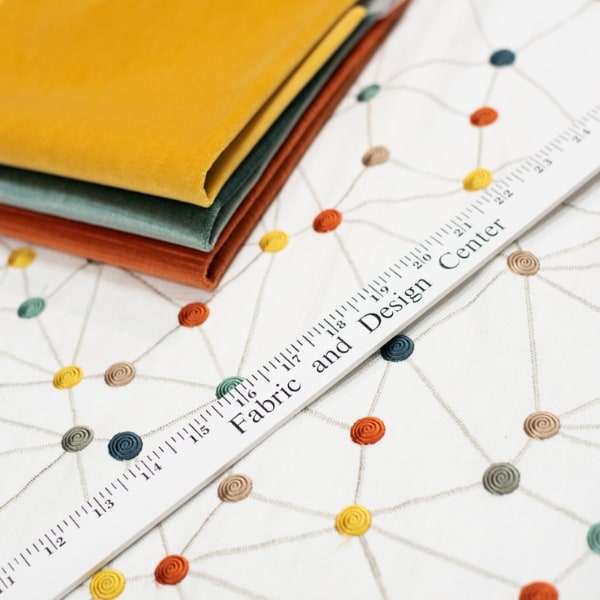
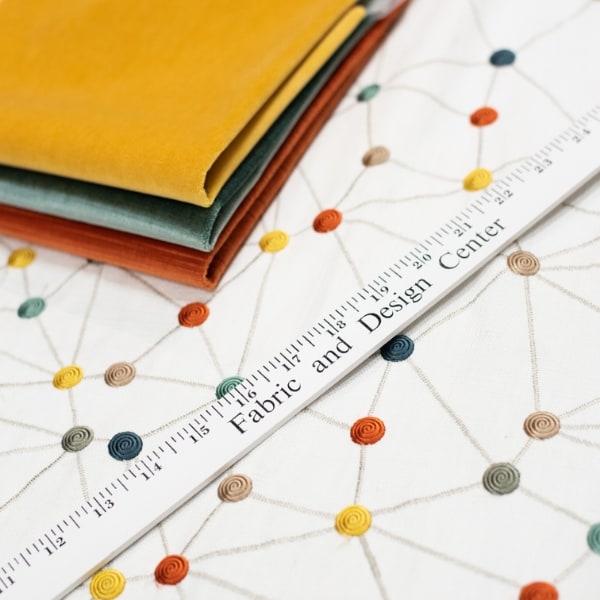
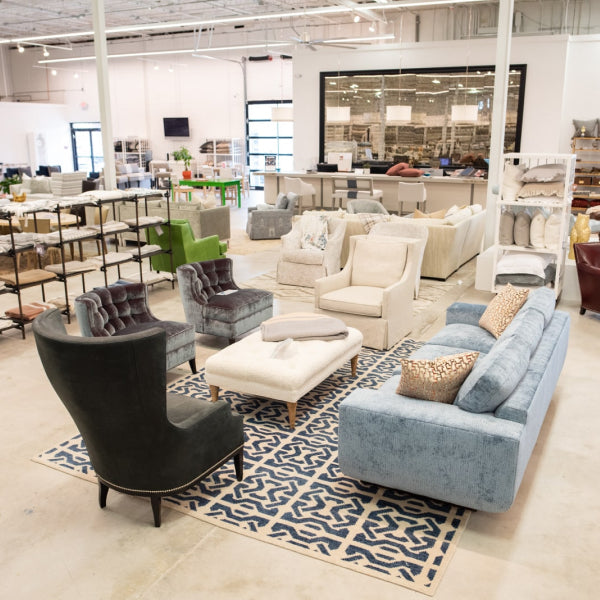
One practical source for this kind of project is Lewis and Sheron Textiles, which offers in-stock bolts, cut-yardage from mills such as Kravet, Fabricut, Libeco Home, and Crypton, along with made-to-order upholstery and reupholstery services. That combination matters because it lets buyers handle both selection and execution in one place rather than treating fabric, furniture, and finishing as separate decisions.
Designing for Real Life Durability in Luxury Decor
One of the least helpful ideas in home design is that luxury has to be delicate. It doesn't. The better question is whether the room was specified for the life being lived inside it.
That question matters in family homes. Johns Creek buyers often want designer furniture, custom upholstered pieces, and premium sectionals that look polished but don't require everyone to sit perfectly still. They want rooms that welcome guests, children, pets, and ordinary use without feeling casual in the wrong way.

The material shift that changed luxury buying
A major unanswered concern for premium buyers has been how to avoid showroom-perfect furniture that won't hold up at home. The market has moved toward performance fabrics that prioritize longevity and maintenance, and brands like Crypton engineer textiles for stain, moisture, and odor resistance, which aligns with the demand for a polished look that survives pets, children, and high traffic, as discussed by CH HOME Interiors.
That shift matters because it removes an old false choice. You no longer have to decide between attractive and usable as often as buyers once did.
Where performance fabrics belong
Not every room needs a performance textile. But many do.
Use them thoughtfully in spaces where life is active:
- Family room sofas: Frequent lounging, food, blankets, and heavy seating rotation
- Breakfast banquettes: Repeated spills and constant friction
- Playroom-adjacent seating: High-touch use with lower tolerance for maintenance stress
- Pet-preferred chairs or benches: Hair, paws, and repeated contact
In lower-traffic spaces, a more delicate textile may still be the right call. A formal sitting room can support finer materials because the demands are different. Durability isn't about choosing the toughest thing everywhere. It's about choosing the right thing in the right place.
The most successful luxury rooms are not the most fragile. They're the most intelligently specified.
Durability also includes what happens after purchase
A room can be beautifully furnished and still suffer damage during delivery, renovation, or a cross-state move. That's one reason clients handling relocation or storage planning often review practical resources such as TLC Moving & Storage's guide to shipping household goods before moving upholstered furniture, rugs, or case pieces. Protection and handling affect longevity just as much as material selection.
What works and what doesn't
A few decisions hold up repeatedly in real homes.
| Works well | Usually disappoints |
|---|---|
| Textured performance upholstery in active rooms | Delicate show fabrics in daily-use seating |
| Rugs chosen for traffic and maintenance realities | Light, precious surfaces placed where everyone walks |
| Cushions designed for the room's actual use | Soft fills selected only for first-sit showroom comfort |
| Mixed-material rooms with breathable, practical surfaces | Entire rooms specified as if nobody lives there |
Luxury home furnishings should lower friction, not increase it. If a room makes the household anxious, the specification failed, even if the styling looked impressive at install.
How to Shop for High-End Furniture in Atlanta
Shopping for high-end furniture in Atlanta is easier when you arrive with decisions already narrowed. You don't need every answer. You do need enough clarity to use a showroom well.
Most purchase regret starts before anyone sits on a sofa. It begins with missing information. No floor plan. No room photos. No sense of how the piece has to function from morning to night. Buyers then react to beauty alone, which is understandable, but incomplete.
What to bring before you shop
Come prepared like you're hiring for an important role in the house. Because you are.
Bring these with you:
- Room measurements: Include wall lengths, window placement, and major openings.
- Photos of the space: Wide shots help with proportion. Detail shots help with finish coordination.
- A rough floor plan: It doesn't have to be elaborate. It does need to show circulation.
- Inspiration images: Not so someone can copy a room, but so they can identify what you consistently respond to.
- Notes on how the room works: TV watching, entertaining, reading, formal use, pets, children, all of it matters.
If you're comparing options across the city, this roundup of luxury furniture stores in Atlanta can help you think through where different shopping styles and product categories fit.
Questions worth asking in the showroom
A strong showroom conversation should move quickly past color and style. Ask the questions that reveal whether the piece is worth your attention.
Consider asking:
- What's the frame made from, and can this piece be recovered later?
- What cushion options are available for this model?
- Is this fabric appropriate for the way we'll use the room?
- Can the dimensions be adjusted without compromising the design?
- What will this look like from across a large room, not just up close?
Those questions separate luxury furniture from decorative temptation. They also help sales teams and designers guide you more accurately.
Off the floor versus made to order
Both options have a place. Off-the-floor furniture works well when the room needs an immediate answer and the piece already meets the requirements for size, comfort, and finish. It's practical when the decision is straightforward.
Made-to-order furniture makes more sense when any of the following are true:
- The room has unusual scale
- The household needs specific fabric performance
- The seat depth or overall dimensions need adjustment
- You want the piece to coordinate precisely with existing furnishings
Neither route is superior in itself. The right one depends on how exacting the room needs to be.
Use expert help efficiently
If a showroom offers design guidance, use it well. Be candid about budget range, timing, and what you dislike. Vague approval slows the process. Precise reactions speed it up.
Say, “I like this arm shape, but the seat feels too deep,” or “I want the room to feel intentionally designed, not formal.” That kind of specificity helps a designer refine options quickly. It also keeps you from overbuying, which is a common issue in large homes where every room seems to invite one more piece.
Creating Your Timeless Home with Lewis and Sheron
A timeless home rarely comes from chasing what's new. It comes from choosing what lasts. That means stronger construction, better textiles, thoughtful scale, and customization where it improves the result.
In John's Creek High-End Home Decor, the smartest purchases are usually the quietest ones. A luxury sofa that sits correctly. A custom chair with the right pitch. Drapery that fits the architecture. A rug that anchors the room instead of floating beneath it. None of those choices are flashy on paper. In a finished interior, they make all the difference.
This is also why quality and practicality should never be treated as opponents. The strongest interiors hold both. They look composed, but they welcome life. They feel personal, but they aren't trendy. They age well because someone made material and construction decisions with care.
For homeowners in Atlanta, Buckhead, Alpharetta, Roswell, Sandy Springs, and the broader North Atlanta market, that kind of home is achievable when the process starts with discernment instead of impulse. Good rooms aren't assembled. They're specified.
Frequently Asked Questions about Luxury Home Decor
Is high-end furniture worth it for a family home
Yes, if the piece is specified for the way your household lives. Luxury becomes worthwhile when you're paying for stronger construction, better materials, repair potential, and customization that improves fit and comfort. If you buy only for appearance, the value drops quickly.
What makes furniture designer quality
Designer quality usually shows up in the decisions beneath the surface. Frame integrity, seat support, cushion design, tailoring, and textile specification matter more than a fashionable shape alone. The best pieces also allow for service, recovery, or refresh rather than acting like disposable decor.
Should I choose custom furniture or buy off the floor
Choose off the floor when the dimensions, comfort, and finish already work for the room. Choose custom when scale, fabric performance, or layout make a standard piece feel like a compromise. Large rooms and open-plan homes often benefit most from custom because proportion becomes more demanding.
Is reupholstery worth considering
Often, yes. If the frame is well made and the proportions are strong, reupholstery can preserve a better piece than many newer retail alternatives. It's especially smart for family pieces, vintage finds, and furniture with architectural lines that are difficult to replace well.
Why does all of this matter so much now
Because home decor and interior design are part of a very large global consumer category. The global interior design market was valued at $136.12 billion in 2023, while the home decor market reached $133.60 billion in 2024, according to these interior design and home decor market figures. In a category this large, informed buying matters. The more options the market produces, the more valuable judgment becomes.
If you're ready to furnish with more confidence and less guesswork, explore Lewis and Sheron Textiles for premium fabrics, custom furnishings, reupholstery, rugs, and design support designed for how your home is used.