


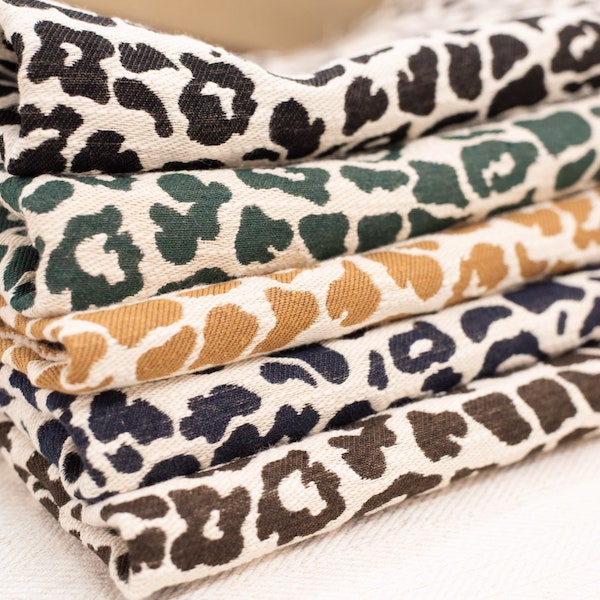
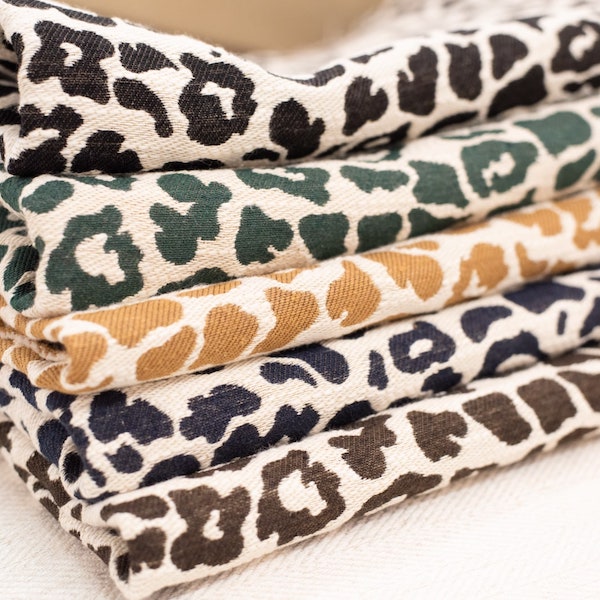

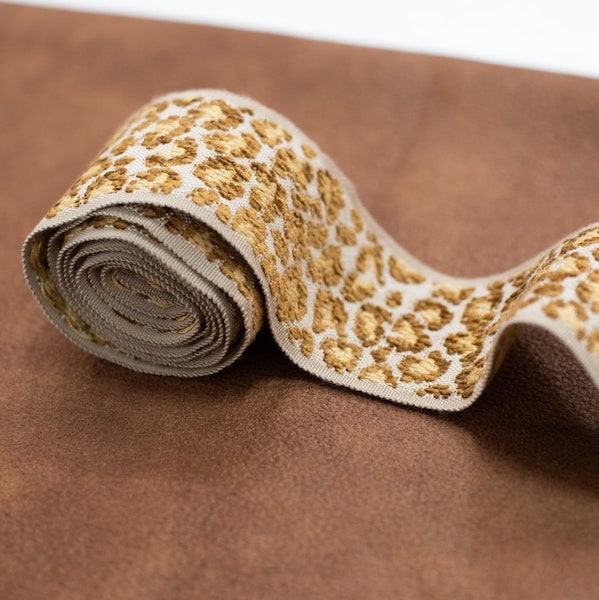
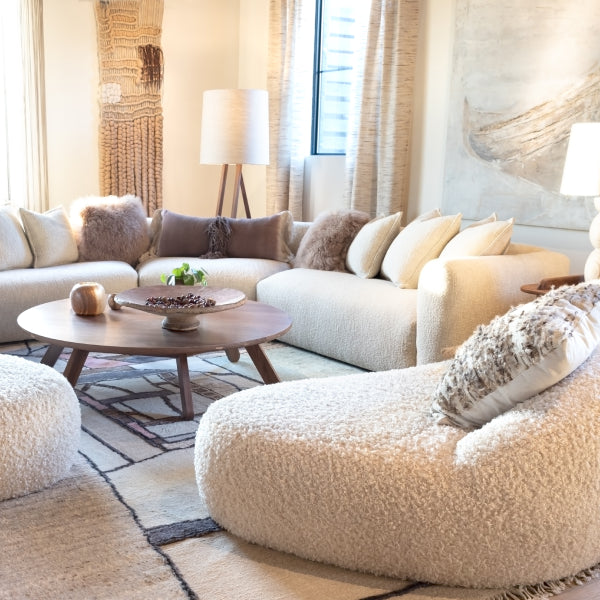
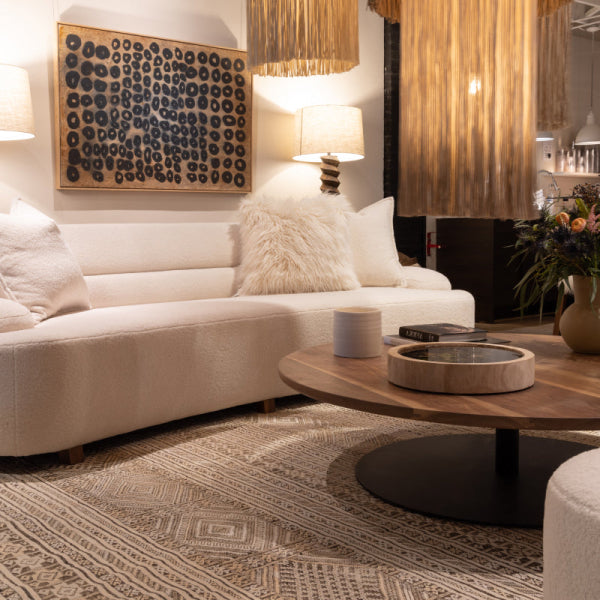






You're probably in one of two places right now. You've found a sofa, chair, or headboard silhouette you like, but the fabric options feel flat and forgettable. Or you're furnishing a Buckhead, Alpharetta, Roswell, or Sandy Springs home and you know mass-market upholstery won't carry the room the way a true statement textile will.
That's where floral applique fabric deserves serious attention.
Used well, it doesn't read crafty. It reads collected, layered, and expensive in the right way. On custom upholstered furniture, floral applique fabric brings relief, shadow, and hand to a room that printed florals cannot match. If you're shopping for luxury sofas, custom upholstered furniture, designer furniture, or statement furniture pieces in Atlanta, this is the sort of material that separates a room with intention from a room that just has nice things in it.
Beyond Print The Allure of Dimensional Design
A client walks into a design showroom looking for a high-quality couch for a formal sitting room. She's already rejected the usual options. The bouclé feels overused. The flat linen floral looks polite but anonymous. The velvet is handsome, but it doesn't say anything.
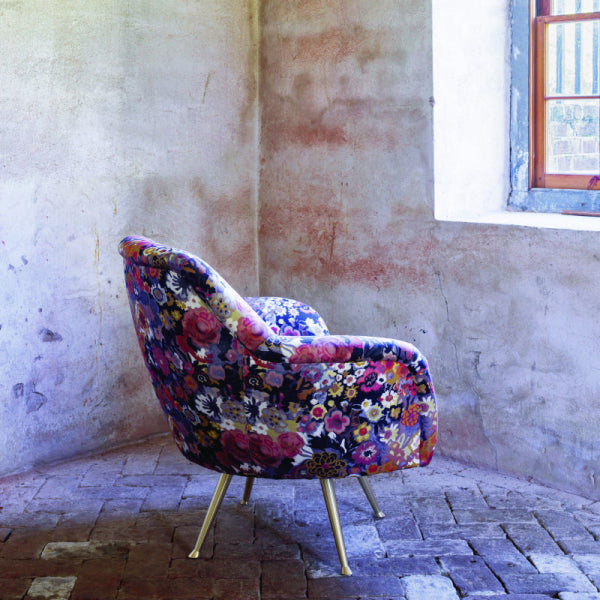
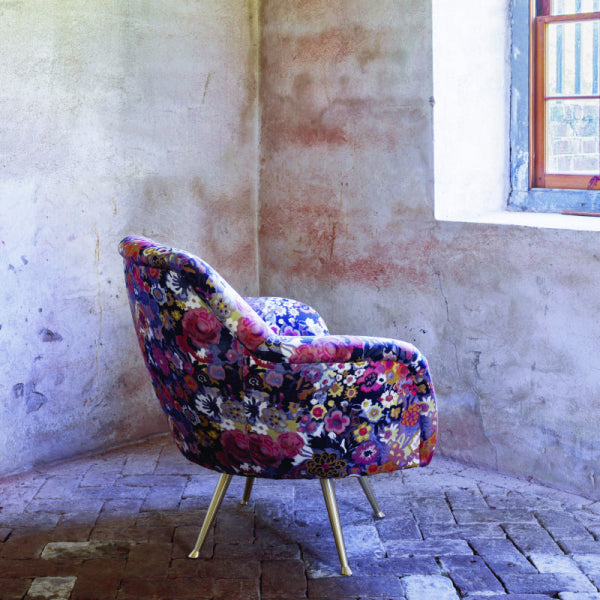
Then she sees a chair upholstered in floral applique fabric.
The reaction is immediate because applique changes how furniture behaves visually. A printed floral sits on the surface. Applique rises from it. Light catches the edge of a petal. Stitching defines the contour. The fabric stops being background and starts acting like decoration in its own right.
That's why I recommend floral applique most often for clients who want luxury home furnishings with character, especially in rooms that need a focal point without resorting to flashy color or oversized scale. A custom chair in floral applique can do more for a room than a larger sofa covered in a generic woven.
Why affluent interiors respond to texture
In North Atlanta homes, especially newer builds, the common problem isn't a lack of square footage. It's a lack of surface interest. Clean architecture, tall ceilings, and neutral palettes can feel cold if every textile is smooth and flat.
Floral applique solves that quickly:
- It adds relief: The room gains depth without needing louder pattern.
- It looks bespoke: Even when the motif is refined, the layered construction feels carefully crafted rather than mass produced.
- It softens formal spaces: Dining chairs, window panels, and accent benches gain warmth fast.
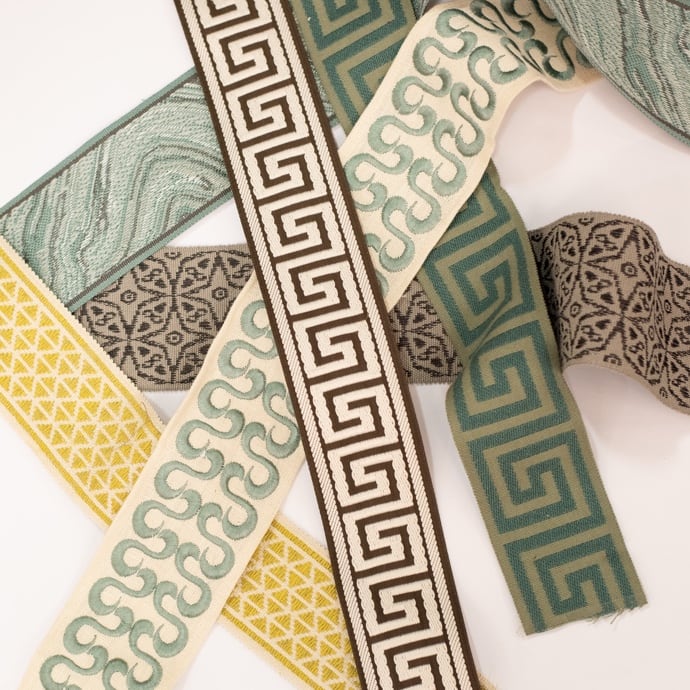
If you want to understand the finishing side of dimensional detailing, this overview of expert sew on trim application is useful because trim and applique often live in the same design conversation. Both depend on placement, edge control, and proportion.
Floral applique works best when you treat it as textile architecture, not decoration for decoration's sake.
For a statement piece, that's the distinction that matters.
Understanding Floral Applique Fabric
Think of floral applique fabric as the difference between an architectural relief and a painted wall mural. Both can be beautiful. Only one has shadow lines, contour, and physical depth.
That's the appeal. Floral applique fabric isn't just printed with flowers. It's built through layered motifs that are attached to a ground fabric, usually with stitching, fusing, embroidery, or a combination of techniques. The flower isn't just seen. It's constructed.
What it is in practical terms
At its most refined, applique combines several design values affluent buyers care about:
- Craftsmanship: Someone had to cut, place, and secure each motif.
- Surface variation: The eye reads edges, threadwork, and relief.
- Visual hierarchy: The room gets pattern without the blur that some allover prints create.
That makes it especially compelling for custom furniture Atlanta shoppers who want a piece to feel authored rather than selected from a standard floor assortment.
If you're comparing textiles broadly before committing, this guide on choosing furniture upholstery is a useful companion because it frames how upholstery materials behave in real interiors, not just on a sample hanger.
For readers sourcing motifs and companion patterns, Lewis and Sheron also offers a dedicated selection of floral fabrics for upholstery and window treatments.
Why its history matters
Floral applique isn't a novelty trend. It has a documented history spanning nearly 3,000 years, with early verified examples in ancient Egypt around 1000 BCE, and by the 12th and 13th centuries it had become prominent in European quilted textiles. In the United States, the Ohio Rose design became iconic between 1840 and 1860, marking a distinct American quilting aesthetic, as noted in EBSCO's applique overview.
That history matters for one reason. It proves this technique has longevity beyond fashion cycles.
Why luxury clients should care
A print can be pretty. Applique can be memorable.
For a custom chair, designer sofa, or heirloom reupholstery project, that difference has consequences. Furniture covered in applique asks more of the upholsterer and more of the room. In return, it gives you a surface with presence. That's why I'd place it in the category of high-end materials and craftsmanship, not novelty embellishment.
If you want furniture that looks collected instead of ordered, applique is a smart direction.
The Craftsmanship of High-End Applique
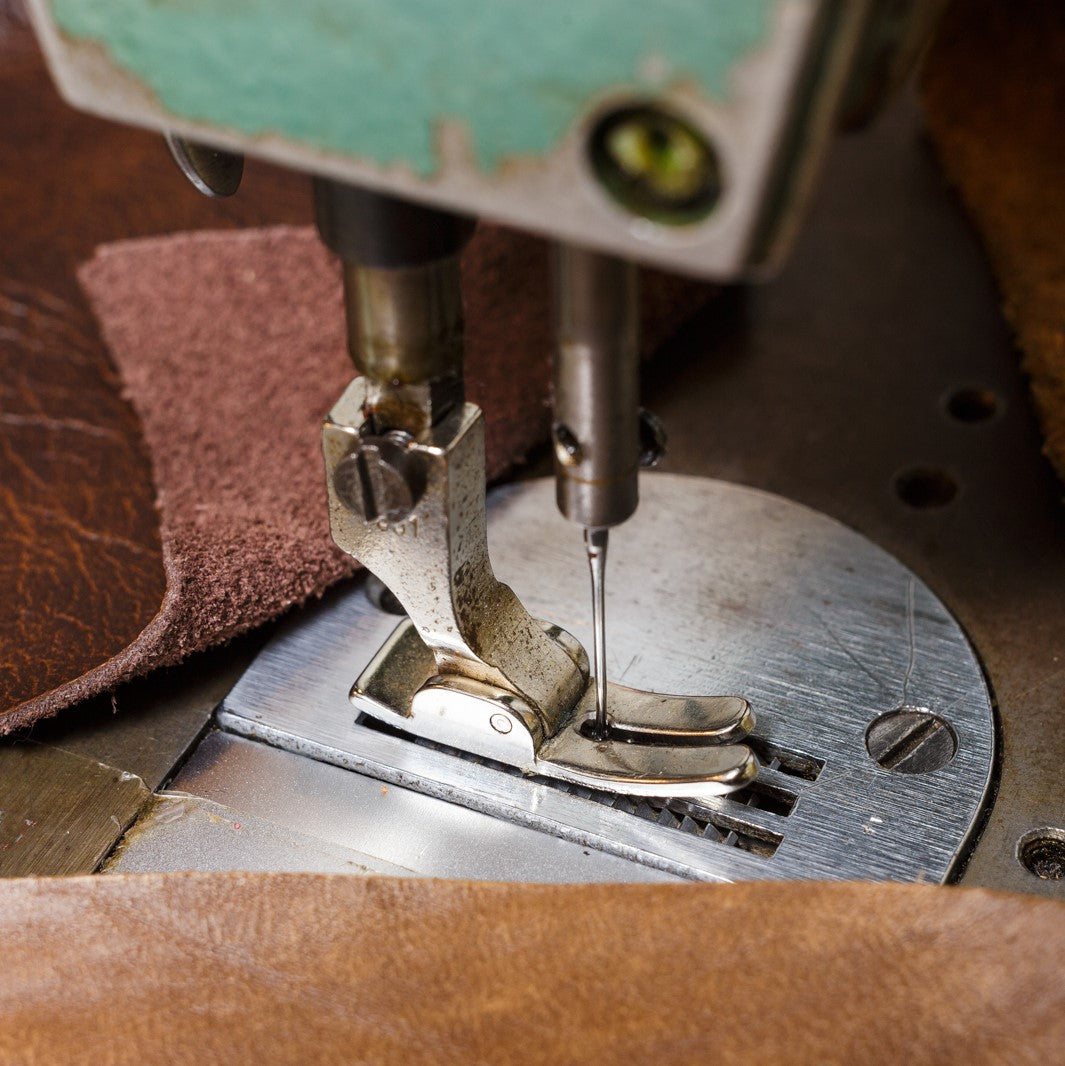
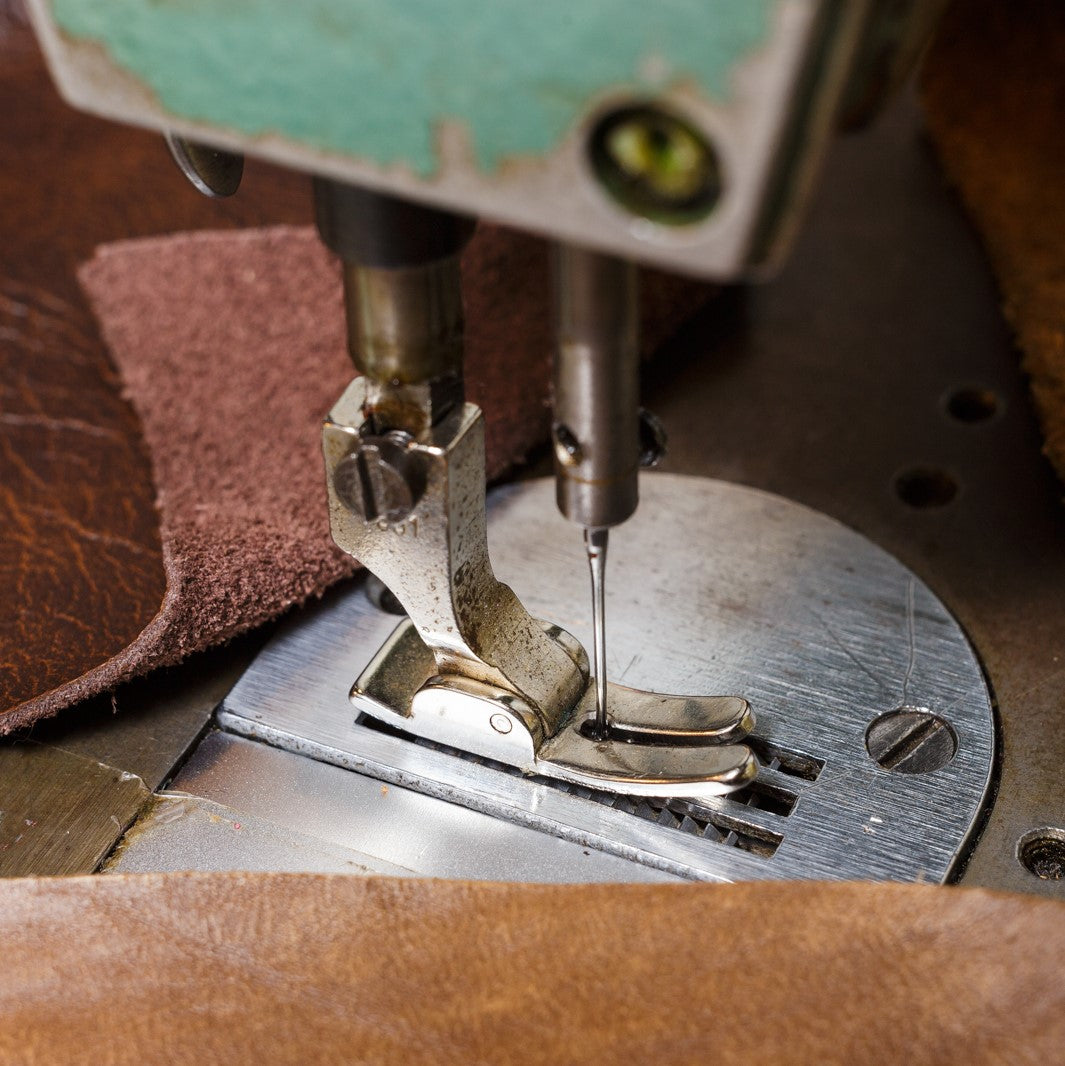
High-end applique succeeds or fails in the workroom.
A floral fabric can look striking on a memo and still perform badly once it is cut, matched, padded, and pulled over a frame. For custom upholstery in Atlanta homes, where clients expect beauty and durability in equal measure, craftsmanship matters more than ornament. I judge applique by three things first. The ground fabric, the stabilizing method, and the finish on every cut edge.

Start with the ground fabric
The base cloth does the heavy lifting. If it shifts, stretches unevenly, or collapses under tension, the applique will never sit correctly on furniture.
Many applique textiles use light decorative grounds such as tulle, net, or organdy because they keep the design airy and detailed. That can work beautifully on panels, bedding accents, or formal drapery. Upholstery is less forgiving. A chair back, tight seat, or shaped ottoman needs a base fabric that can accept strain, hold staples or seams cleanly, and support backing where needed.
Cut accuracy matters too. Clean motif cutting reduces fray, keeps the flower outline crisp, and gives the upholsterer a clearer edge to work around. The stabilizer also matters. Pellon's overview of fusible web and applique support products is useful here because it shows how the wrong support layer can affect hold, shape, and handling.
Stability decides whether it lasts
Here, expensive-looking fabric gets exposed.
If the motif is attached with adhesive alone, I pass. For upholstered furniture, I want applique that is both secured and stitched. Fusible support can hold the shape during production, but stitching is what keeps petals, leaves, and outer edges from lifting after repeated use. That is especially important on pieces that will be sat on, brushed against, or cleaned by hand.
The stitch itself matters. Dense satin stitching gives a defined perimeter and stronger edge protection, while a looser decorative finish can snag or curl over time. If you want a clearer read on construction details, Lewis and Sheron's guide to different types of sewing stitches explains why stitch selection changes both appearance and wear.
What I inspect before I approve it
I do not approve floral applique for upholstery until these points are checked:
- Attachment method: The motifs should be stitched, not only fused.
- Edge control: Edges should look clean, tight, and intentional, with no fuzzing or lift.
- Backing behavior: The fabric should bend around curves without turning stiff or bulky.
- Repeat and placement: Large floral forms need to land correctly on inside backs, rails, cushions, and arms.
- Bulk at seams: Layered applique near welts, corners, or boxing can create an awkward build-up if the pattern is placed carelessly.
This is the difference between a decorative textile and a furniture-grade candidate. Atlanta clients commissioning a custom banquette, pair of host chairs, or statement headboard should ask the upholsterer how the fabric will be backed, where seams will fall, and whether any motifs need to be removed and reapplied by hand for a cleaner result.
If you are weighing applique against other upholstery options, Tip Top's guide to choosing fabrics is a useful practical reference. It covers the basic performance questions every buyer should answer before approving a textile for furniture.
My rule: choose floral applique only when the construction is good enough to justify custom upholstery labor. If the fabric cannot hold up in the workroom, it does not belong in a luxury interior.
Matching Applique Fabric to Your Furniture
A client falls in love with a floral applique and wants it on everything. That is usually the moment I slow the project down.
Applique earns its keep on the right silhouette and looks overwrought on the wrong one. In luxury interiors, the question is not whether the fabric is beautiful. The question is whether the furniture gives that dimensional work the right scale, sightline, and level of wear.
Start with form. Floral applique reads best on pieces with enough surface area to show the motif clearly, but not so much daily friction that the raised work becomes a maintenance problem. That makes it a strong choice for host chairs, bedroom benches, headboards, ottomans used more for styling than lounging, and formal drapery. In Atlanta homes, I specify it most often for a pair of statement chairs in a Buckhead sitting room, a custom headboard in a primary suite, or a refined bench at the foot of the bed.
Use more discipline on furniture that works hard. Sofas, sectionals, breakfast banquettes, and everyday dining seats need a fabric plan that respects how people live. If the room sees children, pets, frequent guests, or nightly use, reserve the applique for outside arms, outbacks, inset panels, or pillows. Keep the seat deck, cushions, and inside back in a companion solid or textured weave. That is how you get the beauty without paying for a poor decision twice.
Put applique where it will be seen, not where it will be scrubbed, sat on, and dragged across every day.
Scale matters as much as placement. Large floral motifs need broad, calm furniture lines. They suit barrel chairs, exposed-frame occasional chairs, upholstered beds, and longer drapery panels. Smaller, tighter applique patterns are more forgiving on petite benches, vanity stools, and decorative cushions. If the motif is oversized and the furniture is fussy, both lose.
Floral Applique Fabric Application Guide
| Application | Durability Rating | Key Consideration |
|---|---|---|
| Formal accent chair | High | Strong visual payoff and controlled wear |
| Decorative headboard | High | Raised detail shows clearly without constant abrasion |
| Statement cushions | Medium to High | Excellent accent use, but busy family rooms can cause snagging |
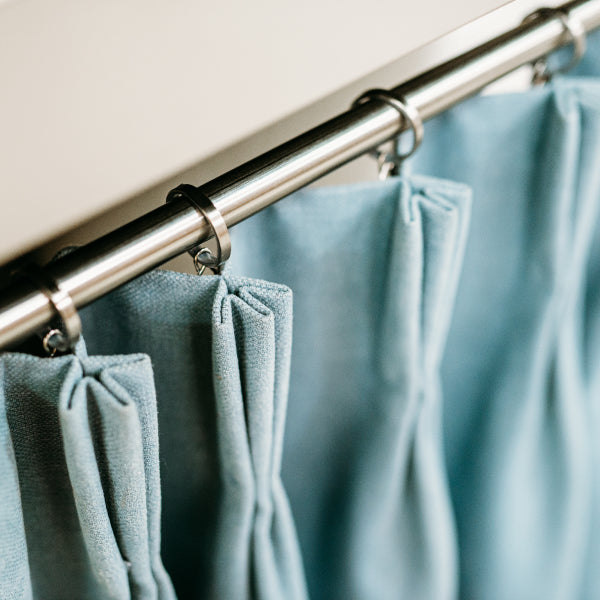
| Drapery panels | High | Light catches the applique beautifully |
| Bench at foot of bed | Medium | Best in bedrooms with moderate use |
| Luxury sofa in formal living room | Medium | Use selectively and place motifs carefully |
| Family room sectional | Low to Medium | Daily friction and cleaning will shorten its life |
| Dining chair seats for daily use | Low to Medium | Repeated contact wears down dimensional surface detail |
One more point. Match the fabric to the furniture style, not just the room. Applique has presence, so it belongs on frames with confidence. Clean-lined modern pieces can work if the floral is graphic and restrained. Traditional and transitional shapes often give you more freedom because the upholstery already supports decorative detail. If you are balancing applique with other textiles in the same scheme, use a clear hierarchy for scale and pattern. Our guide to mixing patterns in home decor will help you keep the room disciplined.
My recommendation is simple. Do not upholster an entire family room sectional in floral applique just because the sample is stunning on the hanger. Use it where it can act like a jewel. On the right chair, headboard, or upholstered panel, it gives custom furniture the depth and distinction affluent Atlanta interiors often lack.
Styling Applique for a Cohesive Luxury Interior
Floral applique fails when the room competes with it. It succeeds when the rest of the interior knows its role.
The fabric already carries movement, shape, and edge detail. Your job is to give it contrast and breathing room. In a luxury interior, that usually means pairing it with quieter surfaces that let the dimensional work stand out.

Pair it with restraint
My preferred pairings are straightforward:
- Belgian linen: A clean Libeco-style linen gives applique air and softness.
- Velvet: Velvet adds depth, but use it in controlled doses so the room doesn't become heavy.
- Textured solids: Think performance wovens, brushed cottons, or understated chenilles with enough body to support the look.
If you're balancing multiple textiles in one room, this guide to mixing patterns in home decor is useful because applique almost always benefits from a disciplined pattern hierarchy.
Match the room style to the textile language
In a Buckhead estate, floral applique often looks strongest when it's integrated into a more classic envelope. That could mean a carved wood frame, custom drapery, and a hand-knotted rug from makers such as Kalaty or HRI.
In an Alpharetta new build, I'd take the opposite route. Use applique as the softening device in a cleaner room. One sculptural chair, a restrained rug, matte finishes, and fewer competing prints.
A few combinations that work
- Modern architecture plus floral applique chair: Excellent because the textile counterbalances hard lines.
- Traditional room plus applique drapery border: Elegant if the rest of the palette stays controlled.
- Primary bedroom plus applique bench and pillows: Strong when the bedding remains quiet and simple.
The richer the applique, the calmer the supporting materials should be.
What to avoid
Don't stack floral applique on top of busy wallpaper, aggressive rug pattern, and ornate trim all at once. That's not layered. That's crowded.
Don't force applique into every upholstered piece in the room either. A single standout item usually has more authority than a suite of matching pieces.
The best luxury interiors in Atlanta rarely scream. They edit.
Creating Your Custom Furniture Masterpiece
Custom furniture is where floral applique makes the most sense because the placement can be deliberate from the start. That's the difference between buying fabric and creating a piece worth keeping.
A well-run custom process begins with the frame, not the flower. First decide what the furniture needs to do. Is this a formal occasional chair, a bedroom bench, an heirloom bergère, or a sofa that has to earn its keep? Once that's clear, the fabric choice becomes honest.
New custom furniture versus reupholstery
For new pieces, I'd look at strong American-crafted upholstery lines such as Verellen, LEE Industries, Wesley Hall, or Ambella, then decide where applique belongs on the silhouette. Tight-back chairs, exposed-wood frames, and benches often showcase it better than overstuffed casual forms.
For reupholstery, applique can transform a family piece that has good bones but no visual authority. A grandmother's occasional chair, a Louis-style side chair, or a simple headboard often becomes more relevant with the right floral surface than it ever would with another safe woven.
Choose application before you choose beauty
For dimensional floral applique, published product specifications commonly show a wide, lightweight base such as embroidered netting or 100% polyester mesh. That structure supports raised embroidery and cording while keeping the textile lighter and more drapable, which makes it especially suitable for drapery, statement cushions, and decorative overlays rather than heavily worked seating surfaces, as shown in these dimensional floral applique fabric specifications.
That's the part clients need to hear. Not every gorgeous applique belongs on every frame.
How I'd specify it in practice
Here's the approach I trust:
- Select the furniture role first. Formal and decorative pieces are the easiest win.
- Map the motif placement. Large flowers on a cushion seam can look clumsy if they're chopped apart.
- Use companion fabrics intelligently. Pair applique with solids on seats, backs, or welts where durability matters.
- Review the workroom plan. The upholsterer should know exactly which panels get featured and which get quiet support.
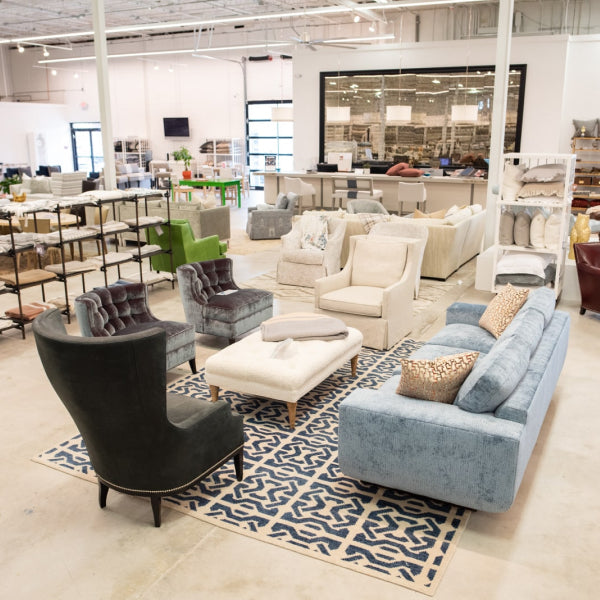
Lewis and Sheron Textiles offers in-house design guidance, custom furnishings, reupholstery, and access to a broad range of fabrics and frames, which makes that kind of specification process easier to manage in one place.
If you're investing in high-end furniture in Atlanta, that coordination matters. Good custom work doesn't happen by accident.
Sourcing and Caring for Your Applique Fabric
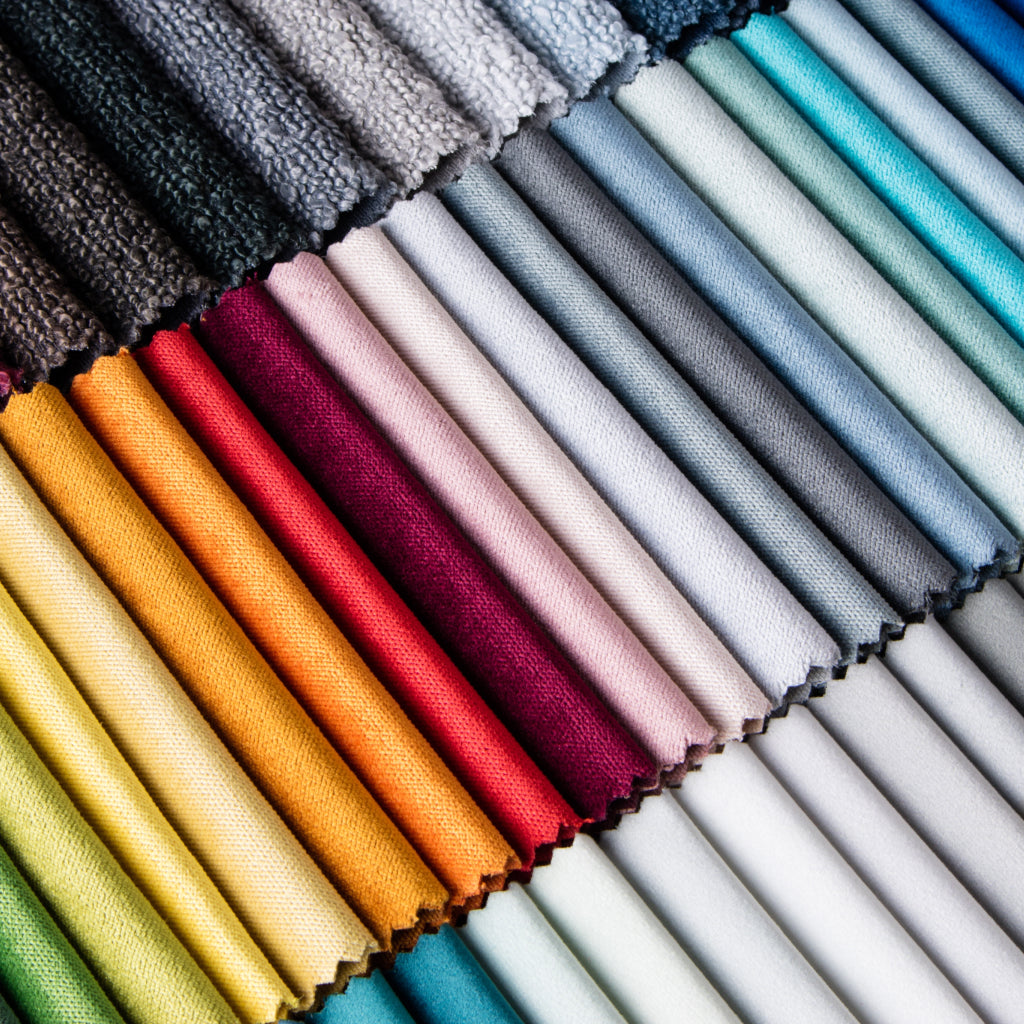
You shouldn't buy floral applique fabric from a thumbnail image and a hopeful attitude. This is a tactile category. You need to see the relief, touch the base cloth, and understand how the motif behaves when folded, draped, and handled.
That's especially true if you're selecting fabric for custom upholstered furniture, drapery, or a statement headboard. Light changes it. Scale changes it. The room changes it.
How to source it intelligently
Use a disciplined process:
- View it in person: Raised motifs can read refined in one colorway and overly sweet in another.
- Ask for furniture-specific input: Some appliques belong on drapery, some on pillows, and some can handle selective upholstery use.
- Test companion materials: Bring your rug sample, trim options, paint color, and wood finish into the conversation.
- Study repeat and placement: A dramatic floral can be ruined by poor centering on a chair back or cushion face.
How to care for it like an investment
Applique needs more respect than a flat woven. That's not a flaw. It's the cost of choosing texture and detail.
My care advice is direct:
- Vacuum gently: Use an upholstery attachment and avoid aggressive brushing over raised petals or cording.
- Treat spills carefully: Blot. Don't scrub. Scrubbing can distort stitched edges and rough up the motif.
- Rotate decorative cushions: If applique appears on pillows, spread wear rather than leaving one piece in constant use.
- Keep pets honest: Claws and raised textile surfaces are a bad combination.
- Use professional cleaning when needed: Delicate dimensional textiles deserve cleaners who understand specialty fabrics.
Buy floral applique for rooms where beauty matters. Maintain it like a material with structure, not like an indestructible performance fabric.
For Atlanta homeowners, designers, and buyers searching for designer furniture near me, luxury furniture Atlanta, or custom furniture Atlanta, that's the right mindset. Floral applique can be extraordinary. It just needs the right application, the right workroom, and the right expectations.
If you're considering floral applique fabric for a custom chair, luxury sofa accent, headboard, drapery panel, or heirloom reupholstery project, Lewis and Sheron Textiles is a practical place to start. You can review fabrics in person, compare texture and scale, and work through upholstery or drapery applications with design guidance grounded in real materials rather than guesswork.