



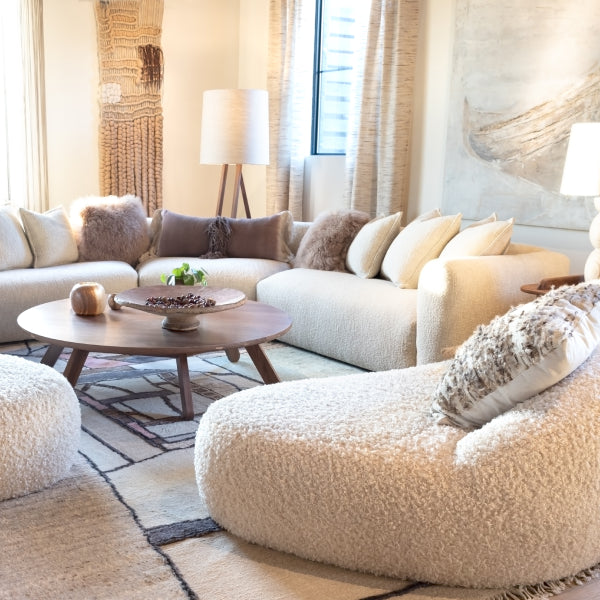
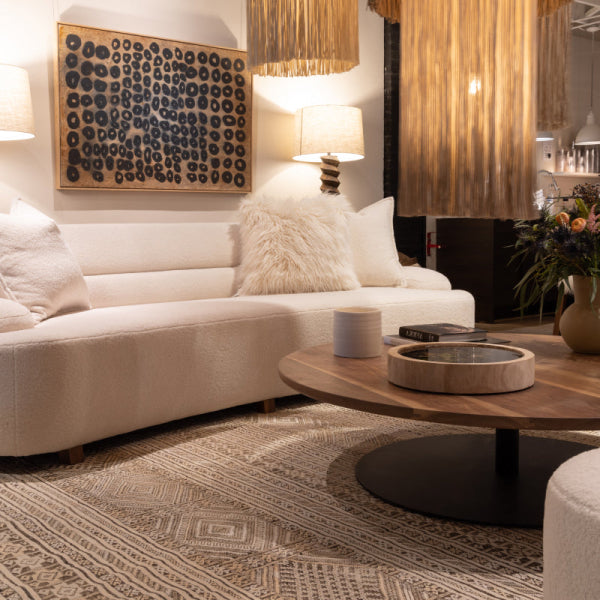
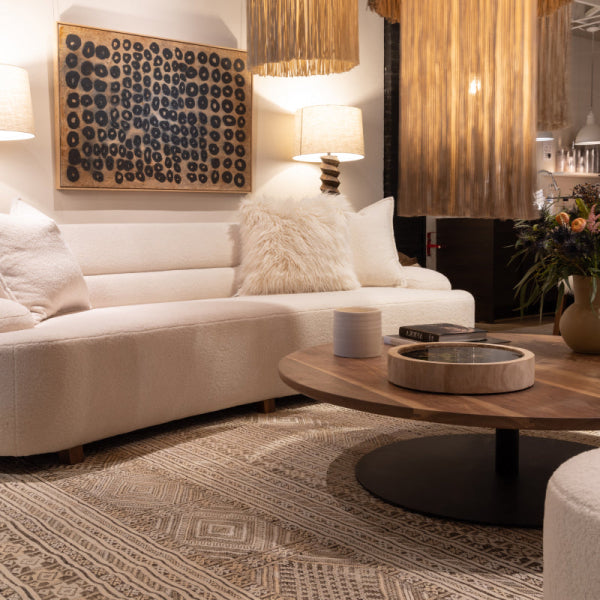
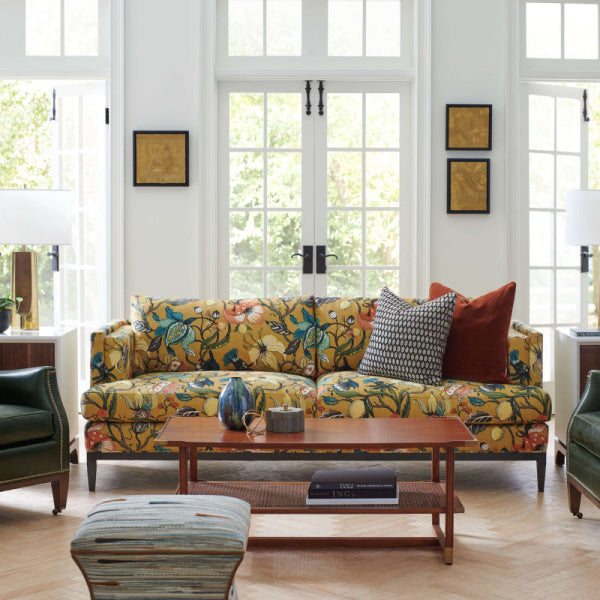
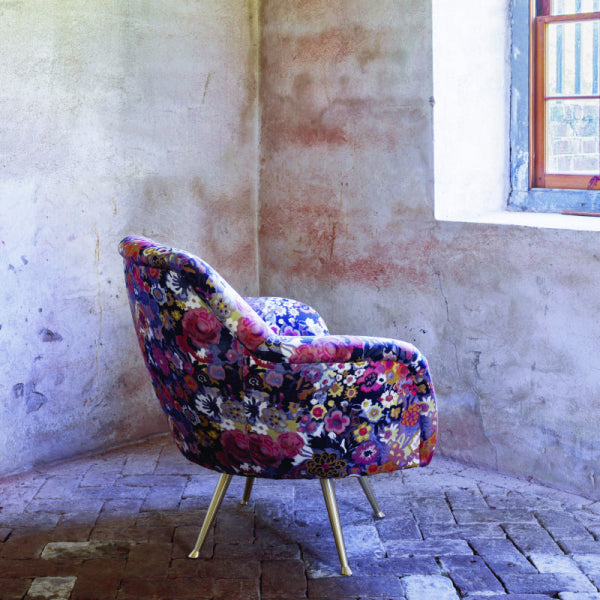
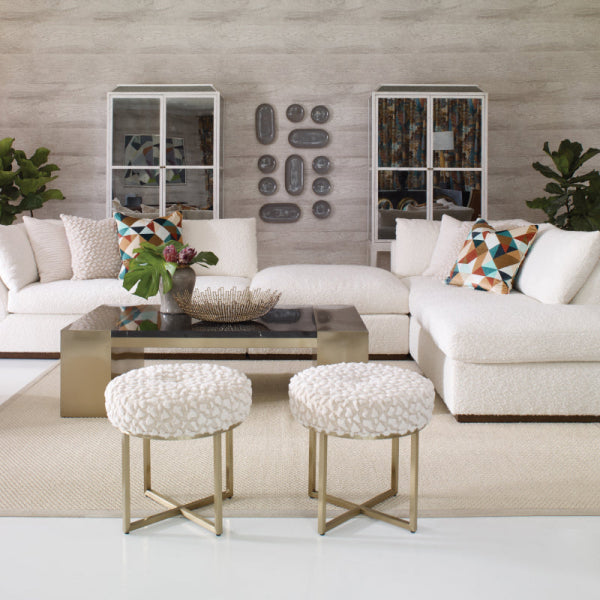
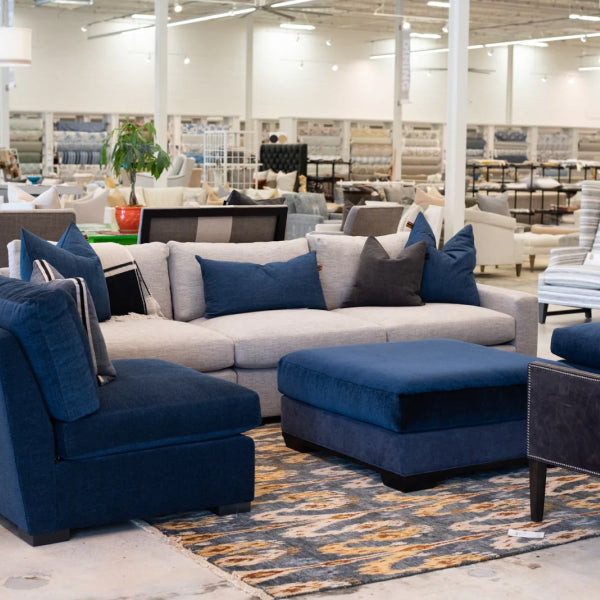









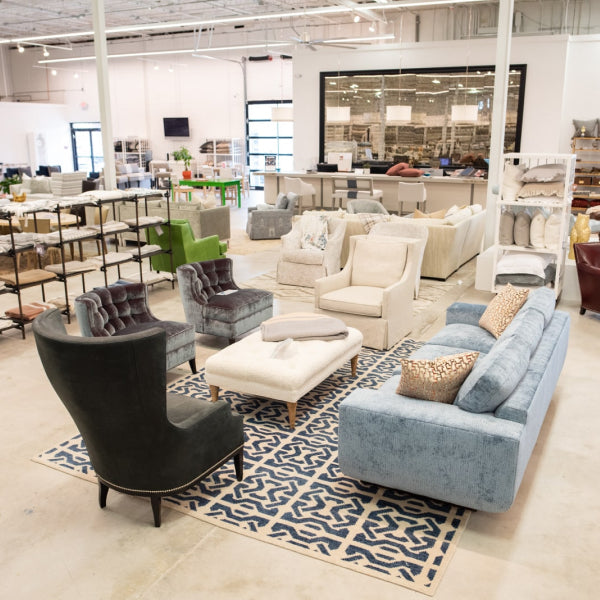


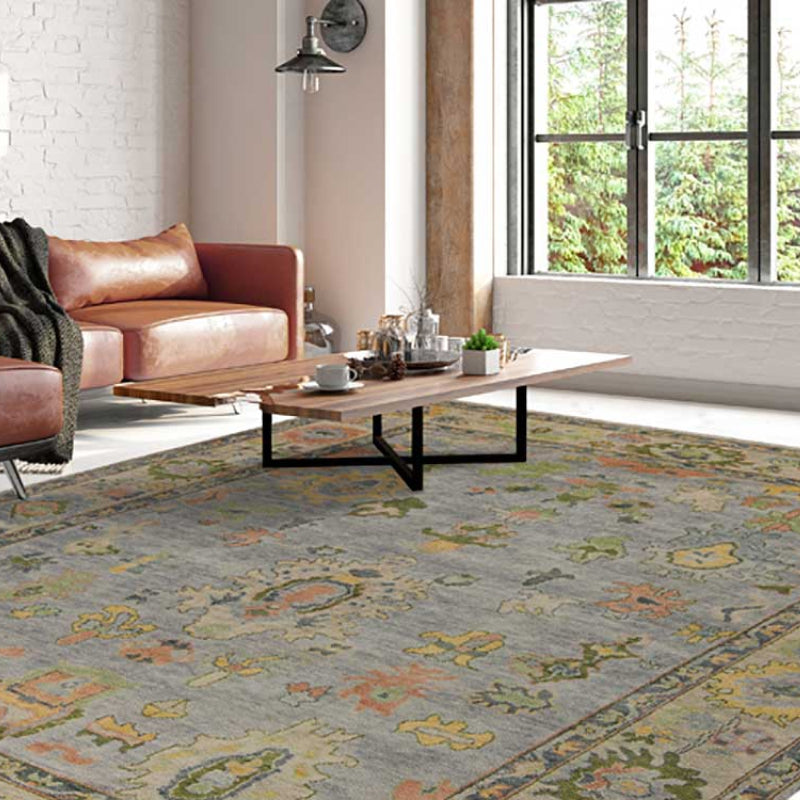
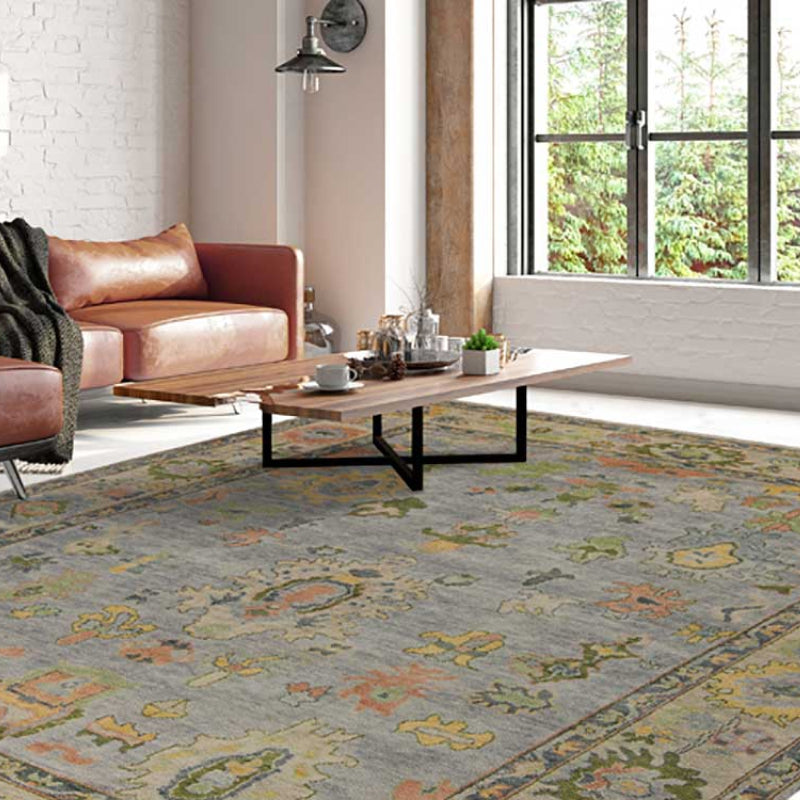
You've chosen the sofa. The frame is right, the fabric is right, and the scale finally fits the room the way it should. Maybe it's a custom-fit sectional for a Buckhead renovation, a pair of custom chairs for a Roswell sitting room, or a substantial sofa that anchors an open-plan home in Alpharetta. Then the room stalls at the last decision. The rug goes in, and suddenly everything either comes together or subtly falls apart.
That's why rug selection matters so much in high-end interiors. A rug doesn't just fill floor space. It affects how luxury sofas sit, how statement furniture pieces read from across the room, how easy the room is to maintain, and whether heirloom-quality furniture feels grounded or visually adrift. In homes built around designer furniture, premium sectionals, and custom upholstered furniture, the wrong pile height can make a carefully considered room feel clumsy.
This rug pile height guide is for buyers who are already making serious choices. People comparing custom furniture Atlanta options, searching for designer furniture near me, or investing in luxury home furnishings in Atlanta, Buckhead, Sandy Springs, and North Atlanta aren't looking for generic advice. They want the kind of detail that protects the investment.
The Final Detail That Defines Your Room
A common situation in Atlanta design work goes like this. A homeowner spends weeks choosing a custom upholstered sofa, often from a maker known for quality construction and specific proportions. The upholstery is refined, the wood finish relates to the case goods, and the room feels almost complete. Then the rug arrives, and something's wrong. Chair legs sink too far. The coffee table feels unstable. The room looks heavier than intended.
That problem usually isn't color first. It's often pile height.
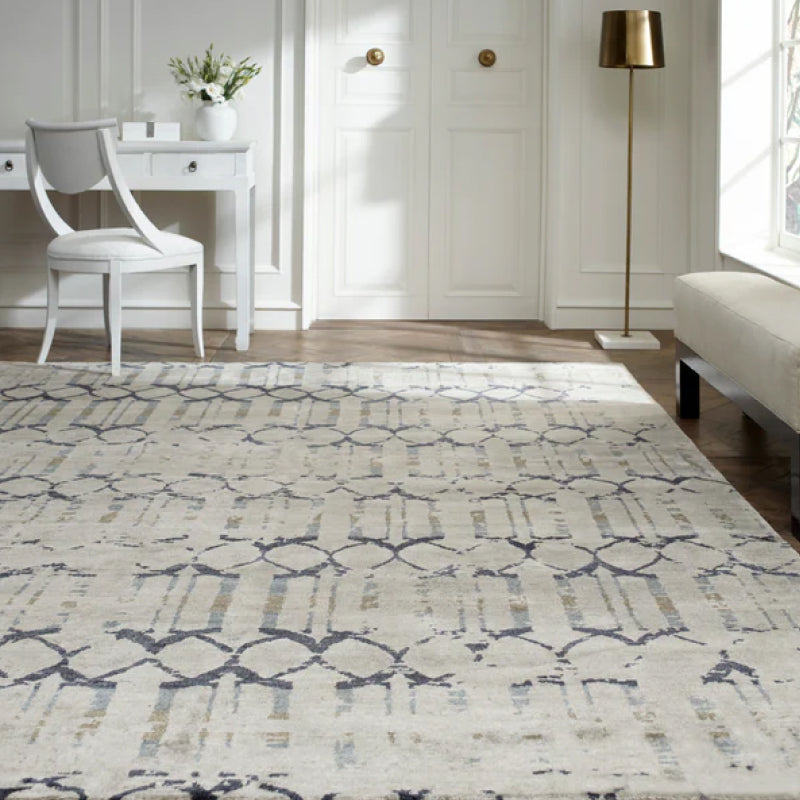
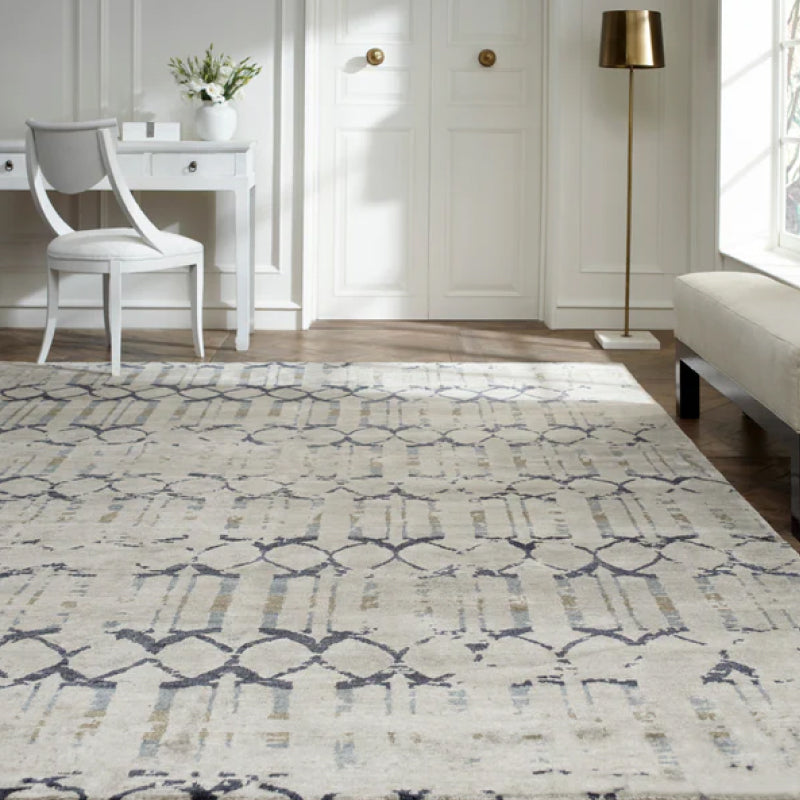
In a room built around high-quality couches, designer furniture, or heirloom-quality furniture, the rug is the foundation line. It determines whether furniture sits with clarity or gets visually buried. It also changes the way the room functions day after day. A plush rug may look inviting in a showroom setting, but under a substantial sectional or beneath a frequently used cocktail table, it can fight the furniture instead of supporting it.
Practical rule: If the rug makes your furniture look less intentional, it isn't finishing the room. It's competing with it.
This matters even more in affluent markets like Buckhead, Sandy Springs, and Fulton County, where homeowners often want spaces that feel collected rather than decorated in one pass. The rug has to do several jobs at once. It has to support the architecture, flatter premium sectionals and custom chairs, and still perform under real use.
Furniture placement is part of that conversation too. If you're weighing rug size and layout at the same time, Gorins Furniture & Mattress help offers a useful refresher on how pieces should sit together in a living room before you commit to the final floor layer.
When buyers ask what separates a polished room from one that still feels unfinished, this is often the answer. The pile height isn't a minor technical detail. It's the last design decision that defines whether the room supports your investment in luxury furniture or undermines it.
What Exactly Is Rug Pile Height
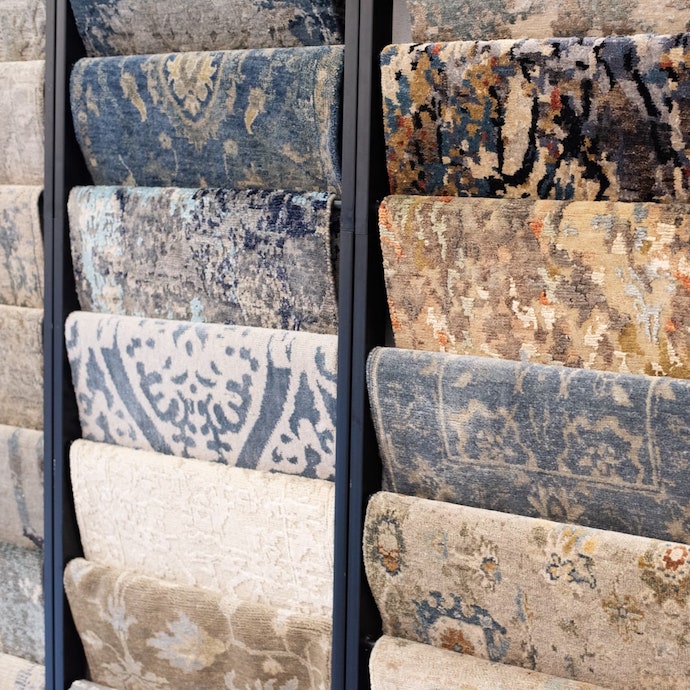
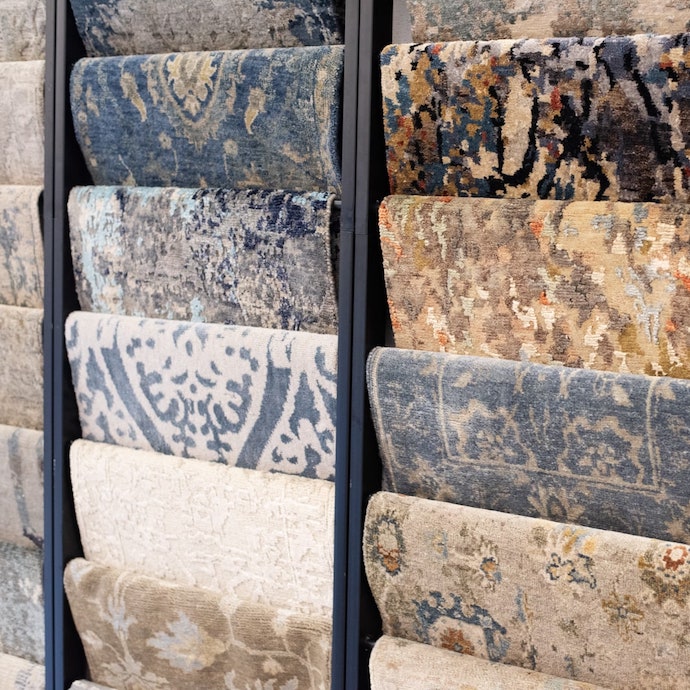
Pile height is the length of the visible fibers that rise above the rug's backing. The simplest way to think about it is lawn height. A low pile feels closer to a putting green. A high pile feels closer to deep grass underfoot.
That distinction sounds simple, but it changes how a rug wears, cleans, and feels in the room.

The three standard categories
Rug pile height is systematically categorized as Catalina Rug explains: low pile is less than ¼ inch or 6.35 mm, medium pile is ¼ to ½ inch or 6.35 to 12.7 mm, and high pile is ½ to ¾ inch or 12.7 to 19.05 mm. Those thresholds matter because they directly affect maintenance, acoustic performance, and durability.
Here's the practical version:
- Low pile works when you want a cleaner line, easier vacuuming, and less visual bulk.
- Medium pile gives you a more forgiving, balanced feel.
- High pile introduces softness, texture, and a more cocooning effect.
The category tells you more than softness. It tells you how the rug will behave once furniture, foot traffic, pets, and regular cleaning enter the picture.
How professionals measure it correctly
In trade settings, pile height should be measured from the top of the backing to the tip of the fibers. The backing itself shouldn't be included. That's why a showroom sample or cross-section matters. If you're specifying for a detailed install, ask for a cross-section photo or a physical swatch so the pile can be verified accurately.
That detail prevents a common mistake. Buyers compare two rugs labeled “plush” or “low profile,” but those words aren't precise enough for a room built around luxury sofas or designer furniture. Measured height is.
A rug can look restrained in a display and still be too tall once chair legs, dining chairs, or a bench start moving across it.
Layering creates another point of confusion because the floor already has texture before the rug goes down. If you're working through that issue, these expert tips for rug layering can help you think through how pile interacts with carpet and overall room finish.
For buyers comparing luxury furniture near Atlanta or custom furniture in Buckhead, understanding pile height removes guesswork. It lets you evaluate rugs with the same precision you'd use when judging seat depth, cushion fill, or upholstery performance.
The Myth of Thickness and Quality
Many buyers still assume the thickest rug must be the best rug. In luxury interiors, that assumption causes expensive mistakes.

Why thickness can mislead you
As One Kings Lane notes, “thick pile does not necessarily equate to quality.” Some of the finest, most durable rugs are thin, while shorter piles generally last longer and are easier to vacuum.
That single point changes how discerning buyers should shop. A lofty, soft rug may feel luxurious when you touch it with your hand. But if the construction is sparse, it won't necessarily wear well. In contrast, a finely made low-pile rug can carry much more visual sophistication and long-term durability, especially in a room that sees daily use.
What to pay attention to instead
The better question isn't “How plush is it?” It's “How well is it made?”
For a luxury buyer in Alpharetta, Roswell, or Buckhead, quality usually reveals itself through several signals:
- Construction quality: Hand-knotted and carefully woven rugs often show more refinement than bulky, trend-driven options.
- Definition in the pattern: A lower pile can display intricate design with greater clarity.
- Stability under furniture: Designer furniture and custom chairs sit more cleanly on rugs that don't swallow the leg line.
- Ease of maintenance: A rug that can be vacuumed and lived on without constant fuss often proves the better investment.
A dense, visually crisp rug under a structured sofa tends to read as more expensive than an oversized shag that collapses around every leg and corner.
The most luxurious rug in a room isn't always the softest one. It's the one that supports the furniture, keeps its shape, and still looks intentional after real use.
Buyers looking for best luxury sofa brands or custom vs mass-produced furniture should apply the same standard to the floor that they apply to upholstery. Designer quality comes from construction, not theatrics. The rug should show the same restraint and substance you expect from high-end furniture.
Low Pile vs High Pile The Performance Tradeoff
Once you move past appearances, pile height becomes a performance decision. Every rug category asks you to trade one advantage for another. The right choice depends on what the room needs most.

Where low pile wins
For active areas, low pile is usually the strongest performer. According to Magic Rugs, for high-traffic areas, a low pile height of ≤0.25 inch is recommended, and short-pile fibers experience 40% less tensile stress during daily foot traffic, resulting in a 2–3 year extended service life in active households compared to higher piles.
That's why entryways, halls, and hardworking living spaces tend to benefit from a shorter profile. Furniture sits more steadily. Vacuuming is easier. The room keeps its shape.
Low pile also suits homes where people are buying premium sectionals and high-quality couches for daily life, not just for show. A rug in that setting has to handle motion, weight, and repeated cleaning without looking defeated.
Where high pile earns its place
High pile isn't wrong. It's more selective.
In a quieter bedroom, a formal sitting room, or a retreat space that isn't carrying constant traffic, a plush rug can add softness and absorb sound in a way a flatter weave can't. It can also visually counterbalance substantial upholstery. A generous sofa with deep cushions may benefit from that softness if the room has enough scale and enough breathing room.
What doesn't work is forcing that same rug into a hard-use zone and expecting it to behave like a purpose-designed low pile.
Rug pile height at a glance
| Characteristic | Low Pile (< 1/4") | Medium Pile (1/4" - 1/2") | High Pile (> 1/2") |
|---|---|---|---|
| Everyday durability | Strong choice for busy rooms | Balanced for moderate use | Better in quieter rooms |
| Cleaning | Easiest to vacuum and maintain | Manageable for regular care | Takes more effort to clean deeply |
| Underfoot feel | Firmer, more tailored | Softer without being bulky | Most plush and cushioned |
| Furniture compatibility | Excellent under tables, chairs, and sofas | Flexible in mixed-use spaces | Best where furniture movement is limited |
| Visual effect | Crisp, refined, architectural | Relaxed and versatile | Soft, cozy, and more casual |
For homeowners comparing options for active rooms, this guide to best rugs for high-traffic areas is a helpful companion to pile-height decisions.
Choose pile height the way you choose upholstery. Start with how the room is used, then let comfort and style follow.
That approach keeps the rug from becoming the weak point in an otherwise well-designed space.
Pairing Pile Height with Luxury Furniture
A rug doesn't sit in isolation. It changes how every major piece above it is perceived. In rooms furnished with custom upholstered furniture, statement furniture pieces, and heirloom-quality seating, pile height affects proportion, silhouette, and visual discipline.
Clean lines need a disciplined foundation
Low pile often flatters furniture with exposed legs, slimmer arms, and sharper profiles. Think of a modern custom chair, a refined bench, or a sleek sofa with an elegant base. When the rug stays visually close to the floor, the furniture line remains visible. The room reads cleaner and more deliberate.
That matters in homes where buyers are searching for luxury furniture Atlanta, designer furniture near me, or custom furniture Atlanta because they want pieces with character. If the rug is too lofty, it can blur the shape of the very furniture they paid to showcase.
A flatter rug also tends to support statement woods, metal details, and sculptural tables more gracefully. You see the form instead of a soft halo around every leg.
Substantial upholstery can handle more softness
Now consider a plush sofa, a deep-seated sectional, or a room built around comfort and scale. A somewhat fuller pile can work beautifully if the room isn't overloaded and traffic is appropriate. It can make a large upholstered piece feel anchored rather than floating.
In affluent markets like Buckhead, Atlanta, custom furniture professionals often work with interior designers who seek heirloom-quality, non-cookie-cutter pieces, and the right rug foundation is essential to showcase those bespoke designs, as reflected in this Buckhead furniture market profile.
The key is balance. Large furniture already brings volume. If the rug adds too much bulk, the room can lose definition.
Match the rug to the upholstery intent
The easiest way to pair rug and furniture is to ask what you want the upholstery to say.
- Structured furniture: Pair it with a lower pile that keeps edges crisp.
- Relaxed, sink-in seating: A moderate or fuller pile can reinforce comfort if the room can support it.
- Dining and occasional movement: Stay lower so chairs and legs don't fight the rug.
- Collector-style rooms: Let intricate rugs and distinctive furniture complement each other, not compete for softness.
If you're choosing materials at the same time as rugs, this guide on how to choose upholstery fabric is useful because pile height and fabric hand should work together, not send conflicting signals.
The best rooms in North Atlanta don't rely on one “luxury” element. They build luxury through coordination. Rug, upholstery, wood tone, silhouette, and scale all have to agree.
A Room-by-Room Guide for Atlanta Homes
General advice only gets you so far. Pile height should change from room to room because the demands change from room to room.

Living room and family room
In a Sandy Springs family room or an active North Atlanta living space, medium pile usually offers the most forgiving balance. It feels more welcoming than a flat, minimal rug but doesn't create the same maintenance burden as a high pile. If the room holds premium sectionals, a cocktail table, and regular daily traffic, that middle ground tends to work well.
For more formal living rooms, the choice depends on use. A room built for conversation and occasional entertaining can support more texture. A room where everyone lives every evening usually benefits from a lower, more controlled surface.
If you want another perspective on choosing area rugs for your home, that resource is useful for thinking through room function before narrowing the field.
Dining room and breakfast area
Dining rooms are the least forgiving place to get pile wrong. Chair legs have to move smoothly. The table should feel stable. Crumbs and debris shouldn't disappear into the rug.
That almost always points you toward low pile. Under a custom dining table or breakfast banquette, a plush rug tends to create friction and visual clutter. A lower profile keeps the room elegant and functional.
In dining spaces, softness is rarely the priority. Clearance, movement, and cleanability are.
Primary bedroom and sitting area
Bedrooms can support more softness because the traffic pattern is gentler. In a Roswell primary suite or a Buckhead retreat, high pile can feel appropriate beside the bed or in a dedicated seating corner, as comfort underfoot carries more value than strict performance.
That said, the furniture still matters. If the room includes delicate benches or smaller occasional tables, too much depth can make them look unsettled.
Children's rooms and homes with pets
This is the one area where the recommendation should be very specific. For children's rooms and households with pets, Istanbul Rug notes that safety experts and cleaning professionals mandate a strict low-pile threshold of ≤0.35 inch (8.9 mm) as the gold standard, because that height reduces tripping risks and minimizes pet hair entrapment.
That's the standard I'd use in real homes where practicality matters. It gives you a clear limit instead of vague “low to medium” advice.
A useful companion when planning this room is how to choose a living room rug, especially if you're trying to balance comfort, scale, and everyday use across adjacent spaces.
Hallways and entry sequences
Keep these lean and durable. Hallways in busy homes take more abrasion than many people expect, and entry rugs have to handle repeated traffic without looking worn too quickly. Low pile is the cleanest answer, especially in homes where designer furniture and luxury home furnishings set a polished tone from the front door onward.
Making Your Final Choice at Lewis and Sheron
A good rug doesn't just look right on day one. It continues to support the room after the furniture is delivered, the family starts using the space, and the styling settles in. That's why pile height deserves the same attention you'd give to frame construction, cushion fill, or upholstery selection.
For buyers investing in high-end furniture, luxury sofas, designer furniture, and custom chairs in Atlanta, Buckhead, Alpharetta, Roswell, and Sandy Springs, the final decision usually comes down to a short checklist.
The final checklist
- Start with traffic: Busy rooms usually need a lower, tougher surface.
- Look at the furniture leg line: If the shape of the furniture matters, don't bury it.
- Match the rug to room purpose: Formal and quiet rooms can tolerate more softness than hardworking spaces.
- Think about movement: Dining chairs, ottomans, and frequent rearranging all favor lower pile.
- Be honest about maintenance: The prettiest option isn't always the best long-term option.
Why this matters for custom interiors
High-end custom upholstered furniture from premium American makers like Verellen, Wesley Hall, and LEE Industries typically requires 45 to 60 days for production, reflecting the handcrafted nature of designer-quality pieces that deserve the perfect rug pairing, as noted by Holland MacRae.
That lead time says something important. Pieces of this caliber are chosen slowly and expected to last. The rug beneath them should be selected with the same discipline.
When buyers ask what makes furniture feel designer quality, the answer usually includes proportion, craftsmanship, material integrity, and customization. The floor covering has to uphold those same standards. If it doesn't, even excellent furniture can lose presence.
If you're comparing rugs, custom upholstered furniture, and luxury home furnishings in Atlanta, visit Lewis and Sheron Textiles to see materials in person, feel the difference in construction, and get complimentary guidance from in-house designers. It's one of the few places where you can evaluate premium hand-knotted rugs, American-crafted upholstery, custom options, and design details together so your final room feels cohesive from the ground up.