



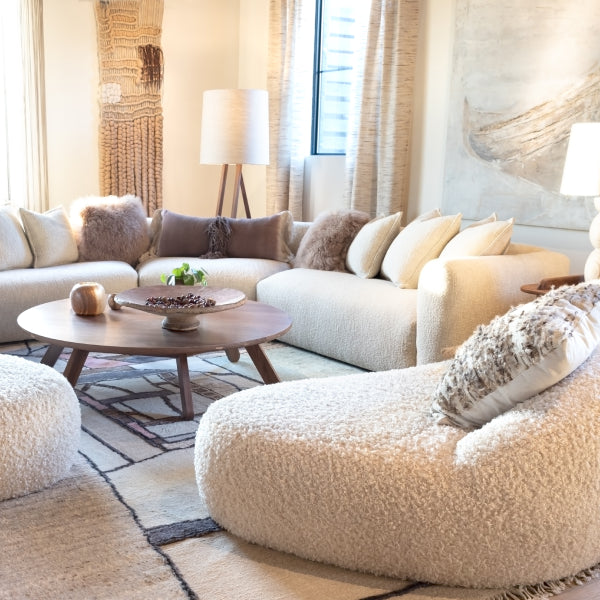
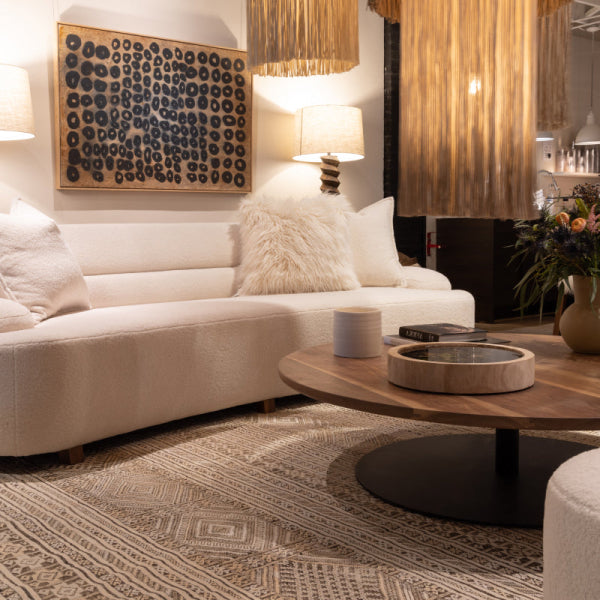
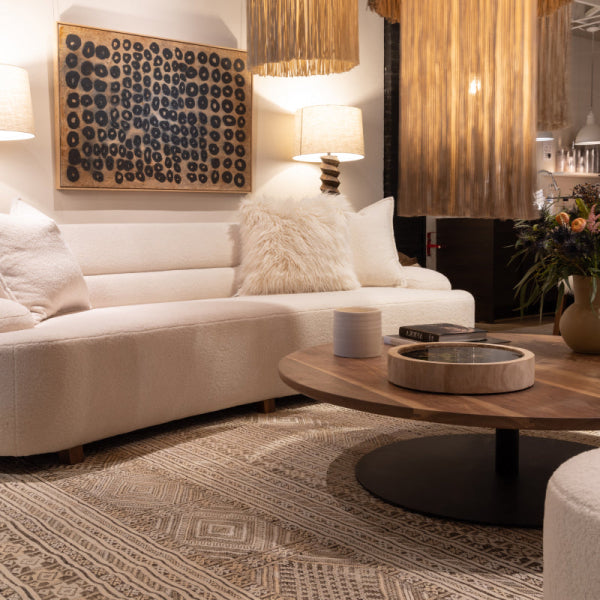
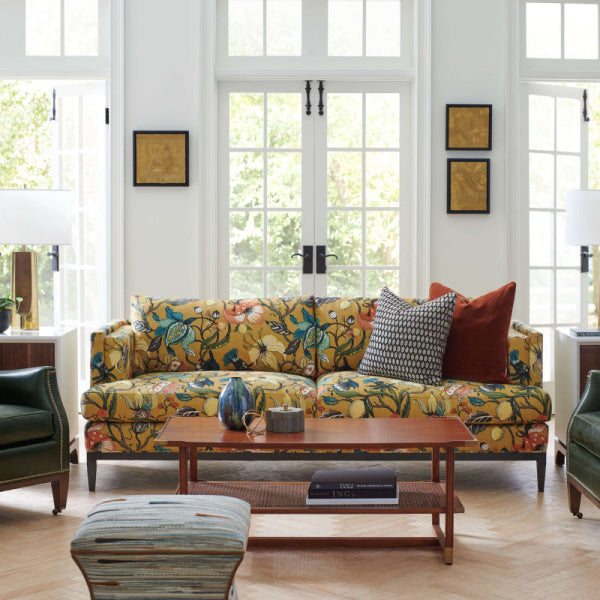
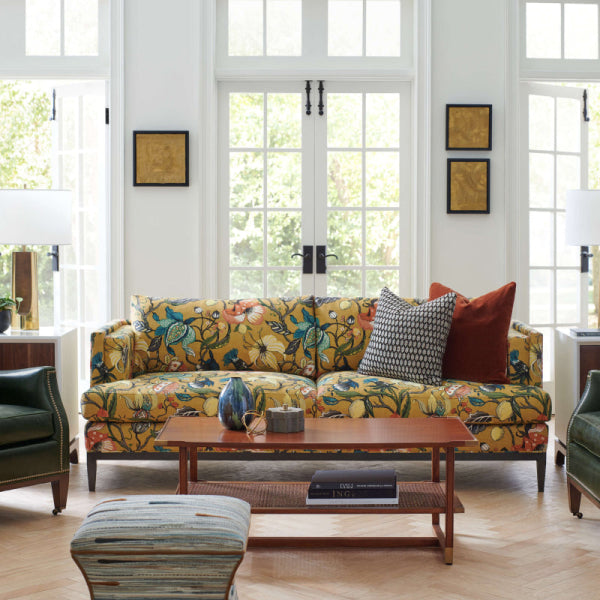
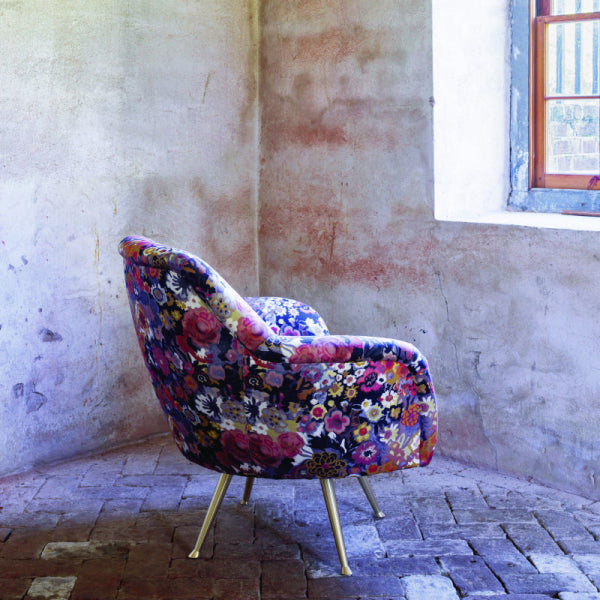
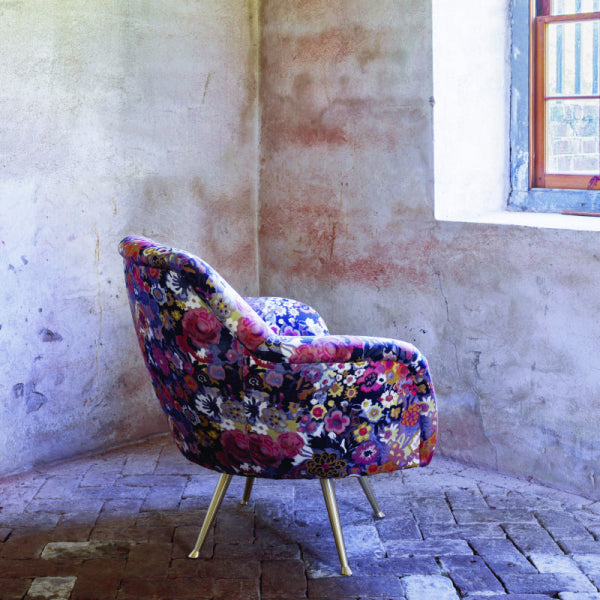
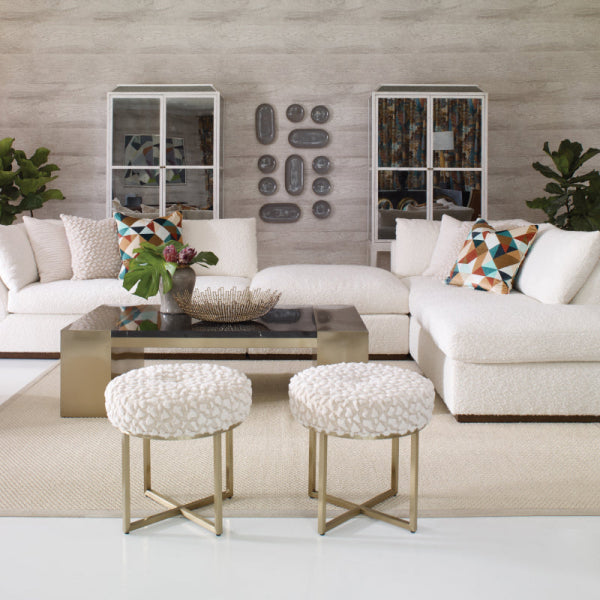












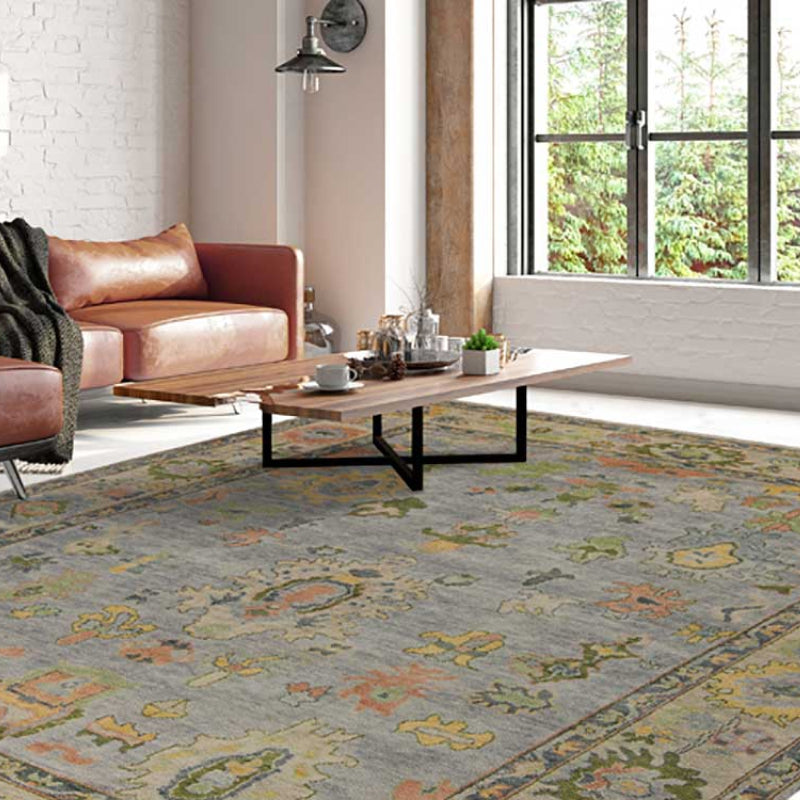
You've narrowed it down to a beautiful piece. Maybe it's a custom-fit sofa for a Buckhead living room, a custom sectional for an Alpharetta family space, or a pair of designer chairs that need to work with rugs, drapery, and existing millwork. The hesitation usually starts right there. Not because you don't know what you like, but because high-end furniture and luxury textiles ask for decisions that carry weight.
A poor choice in scale, fabric, cushion construction, or finish can follow a room for years. A strong choice can make the entire home feel settled.
That's why an interior design consultation matters. For clients investing in luxury home furnishings, custom upholstered furniture, and heirloom-quality pieces, the consultation is where style gets tested against real life. It's where preferences become specifications, and where expensive mistakes usually get prevented.
What Is an Interior Design Consultation
An interior design consultation is the working session where a designer studies the room, listens to how you live, and starts translating ideas into a plan you can act on. It's not a vague style chat. It's the first stage of decision-making for a room that needs to function well, feel cohesive, and justify the investment going into it.

For a luxury client in Atlanta, Sandy Springs, Roswell, or North Atlanta, that usually means more than picking colors. It often includes evaluating room scale, traffic flow, upholstery needs, material durability, lighting conditions, and how one statement piece will affect every other selection in the space.
The category itself is far from niche. The U.S. Interior Designers industry is projected at $26.5 billion in 2026, with residential demand accounting for 57.39% of the market, according to IBISWorld's U.S. Interior Designers industry data. That matters because it confirms what clients already sense in practice. Consultation is not an extra layer attached to decorating. It's part of a large professional service market centered on residential improvement and furnishing decisions.
What clients often expect, and what the consultation actually does
Many homeowners think the first meeting should produce immediate answers. Which sofa. Which rug. Which fabric. Which wall color.
A strong consultation does something more useful first. It defines the problem correctly.
If you're shopping for a luxury sofa in Atlanta, the primary question may not be which silhouette looks best on the floor. It may be whether the room needs a tighter seat depth, a performance textile, a different arm profile, or a sectional orientation that preserves circulation. If you're considering custom furniture, the first meeting should surface those issues before anyone places an order.
Practical rule: If a consultation jumps straight to aesthetics without discussing room use, constraints, and investment level, it usually leaves too much risk in the project.
Why this matters even for smaller projects
Clients often assume consultation is for full renovations only. In reality, some of the highest-stakes consultations are tightly focused. One sofa. One pair of custom chairs. One reupholstered heirloom piece. One drapery program that has to sit correctly against architecture and light.
That's also why practical resources can help frame expectations before you meet with a designer. If you want to see how another category explains an entry-level service model, Free design service for bathrooms is a useful example of how consultation can guide material and layout decisions before larger commitments are made.
An interior design consultation gives the room a direction. Even more, it gives the client a basis for making expensive choices with confidence.
Understanding the Interior Design Consultation Process
The best way to think about the process is as a blueprint phase. Before an architect finalizes a build, they verify the site, the constraints, and the intended use. A furnishing project works the same way. You don't start with the final fabric memo or the custom sectional order. You start by building a clear scope.

A technically sound consultation should function as a scope-gathering and risk-reduction stage. Guidance on designer workflow emphasizes questions about how each room is used, detailed budget discussion, and the client's biggest pain points so the project doesn't fail later from functional or financial mismatch, as discussed in this expert consultation guidance video.
Discovery comes before design direction
The first phase is usually a short intake conversation. During this conversation, the designer learns whether you're furnishing one room or several, whether you're starting with textiles or furniture, and whether existing pieces need to stay.
That early conversation should also clarify the type of help you want. Some clients need a prescriptive plan with product direction. Others need an expert eye to confirm that their selections will work together. Both are valid, but they are not the same service.
A useful companion piece if you're still deciding how to collaborate is this guide on how to work with an interior designer.
The consultation itself
Once the meeting begins, the designer studies the room in person or virtually. At this stage, the process gets more rigorous than many clients expect.
A designer should be asking questions such as:
- How is the room used daily. Formal entertaining, television, reading, children, pets, frequent guests.
- What frustrates you now. Bad layout, pieces that feel too small, fabric wear, poor lighting balance, a room that looks finished nowhere.
- What needs to stay. Art, rugs, antiques, flooring, inherited furniture, window treatments.
- What investment level feels appropriate. Not to limit creativity, but to align recommendations with what you're ready to do.
The best consultations don't confuse aspiration with suitability. A pristine linen sofa may photograph beautifully, but it may be the wrong answer for a busy family room. A deep sectional may sound inviting, but in a narrow room it can crowd circulation and make every other piece feel secondary.
The consultation should solve for use, not just appearance.
Concept direction and refinement
After the meeting, the designer begins translating observations into recommendations. At this stage, rough ideas become a more disciplined concept. That can include furniture direction, fabric categories, color relationships, layout options, and priority sequencing.
A high-value consultation often narrows options rather than expanding them. Clients rarely need more possibilities. They need fewer, better ones.
Here's how that usually looks in practice:
| Stage | What happens | Why it matters |
|---|---|---|
| Discovery | Goals, frustrations, room history | Prevents generic recommendations |
| Space review | Measurements, photos, architectural context | Protects scale and fit |
| Selection logic | Fabrics, furnishings, finishes, priorities | Keeps the room cohesive |
| Refinement | Feedback and adjustment | Aligns beauty with comfort and budget |
| Implementation | Ordering, procurement, or next-step planning | Turns ideas into action |
For high-end furniture buyers in Buckhead or Alpharetta, this structure is often what separates a polished room from a room filled with expensive but unrelated objects.
Preparing for a Successful Design Consultation
Clients get more value from a consultation when they arrive with useful information. Not polished information. Useful information. The goal isn't to impress the designer. The goal is to make your decisions sharper.
One of the biggest gaps in public-facing design content is simple preparation. Many consultation listings don't explain what to bring, how much to decide in advance, or what materials help the designer read the room accurately. That gap is especially noticeable when the project starts with textiles, upholstery, or custom furniture rather than a full renovation, as noted by Sweethearts Design's discussion of consultation expectations.

What to gather before the meeting
Start with the room as it exists today. That means current dimensions, photos, and a short summary of what isn't working.
Bring or prepare these items:
- Room measurements. Overall room dimensions, ceiling height, window sizes, and any architectural features that affect placement.
- Photos from multiple angles. Wide shots matter more than styled close-ups. Designers need to see pathways, openings, and what visually competes in the room.
- Inspiration images. Save rooms, details, and furniture shapes you're drawn to. These help reveal pattern tolerance, color preference, formality level, and comfort expectations.
- A realistic investment range. Not because design should be reduced to a number, but because custom upholstery, premium sectionals, and designer furniture need to align with your comfort level from the start.
- A list of keepers. Rugs, art, antiques, casegoods, or family pieces that the new room needs to respect.
What you do not need to finalize
Many clients wait too long to schedule because they think they need to have everything figured out. You don't.
You do not need to choose the exact fabric before the consultation. You do not need to know whether the room should lean transitional, European, modern classic, or custom traditional. You do need to know what outcome you want.
That outcome might sound like this:
- “I need a living room that feels finished enough for entertaining.”
- “I want a high-quality couch that won't feel dated in a few years.”
- “I need custom chairs and drapery that make the architecture feel intentional.”
That level of clarity is enough to begin.
A few preparation mistakes to avoid
Clients sometimes bring too much noise into the first meeting. Hundreds of saved images from unrelated homes. Competing opinions from friends. Measurements taken casually. Those details can blur the brief instead of sharpening it.
A better approach is to edit first.
Bring examples of what you consistently like, not every room you've ever saved. Repetition reveals your taste better than volume.
If your project overlaps with cabinetry, construction, or a broader remodel, planning discipline becomes even more important. This article on The Cabinet Coach project planning is a practical resource for organizing early decisions before multiple trades get involved.
If you're preparing for an appointment that includes fabric, furniture, or finish direction, this design services questionnaire is also a useful model for the kinds of details that help a designer work efficiently.
Essential Questions to Ask Your Interior Designer
A consultation is not only for the designer to evaluate your room. It's also your chance to evaluate the designer. Luxury projects move more smoothly when the working relationship is clear from the beginning.
You're not just hiring taste. You're hiring judgment.
Ask about decision-making, not just style
A portfolio can tell you whether someone likes clean lines, traditional layering, or bold pattern. It tells you much less about how they make choices under constraints.
Ask questions such as:
- How do you decide when custom upholstery is the right move versus buying off the floor?
- How do you approach rooms that need to look refined but still handle daily use?
- How do you keep a statement piece from overpowering the rest of the room?
- How do you handle a project when a client wants one look, but the architecture asks for another?
Those questions reveal whether the designer can balance aesthetics with proportion, use, and material performance.
Ask how they manage boundaries and scope
Many consultation disappointments happen because the client and designer mean different things by the same words. “Consultation” might mean broad verbal advice to one person and a highly specific sourcing plan to another.
Clarify items like these:
| Question | What you're really learning |
|---|---|
| What does the consultation include | Whether the service is exploratory or prescriptive |
| Will I receive selections or only direction | How actionable the outcome will be |
| Do you help with procurement | Whether the designer stays involved after recommendations |
| How do you handle revisions | How flexible the process is after first concepts |
A good answer should sound concrete. If the scope stays vague, the expectations usually do too.
Ask about materials and longevity
If you're investing in designer furniture near Atlanta or considering custom furniture in Buckhead, the quality conversation matters as much as the style conversation.
Ask whether the designer is comfortable advising on:
- Performance textiles for everyday seating
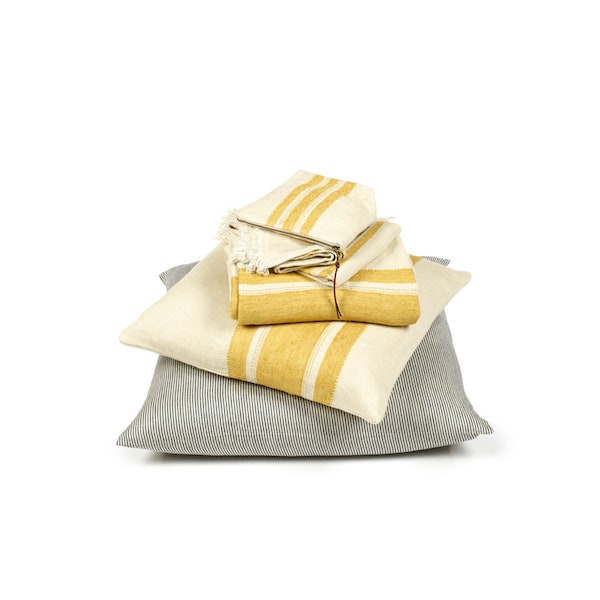
- Belgian linen and natural fibers where patina is part of the appeal
- Reupholstery when the frame is worth preserving
- Custom drapery when fit and fullness affect the room's finish
- Heirloom-quality furniture where comfort, tailoring, and construction all matter
For clients trying to think through one highly visible element, paint can be a good example of how nuanced these decisions become. This Colorado homeowners' paint color guide is a useful reminder that even one finish decision can affect the whole room when light, undertone, and architecture enter the conversation.
The right designer won't rush you toward a signature look. They'll help you make fewer regrets.
The Lewis and Sheron Advantage Complimentary In-House Design
For high-value furnishing projects, the main advantage of a consultation isn't that it feels polished. It's that it lowers the chance of getting the expensive parts wrong.
That matters more in a value-sensitive market, where clients are asking a smart question. Does professional guidance save money, or does it add another layer of cost? For premium fabrics and custom upholstery, consultation often works as a risk-reduction tool by helping clients avoid mistakes in material choice, labor assumptions, and specifications that have long-term consequences, as discussed on The Expert's consultations platform.

Why risk shows up so quickly in luxury furniture
A mass-market mistake is frustrating. A custom mistake is expensive and slow.
If a client orders a custom sofa in the wrong scale, there's no simple reset. If they choose a delicate fabric for heavy daily use, the issue appears long before the room has matured. If drapery is specified without enough attention to fullness, lining, light control, or hardware placement, the windows can make the entire room feel underfinished.
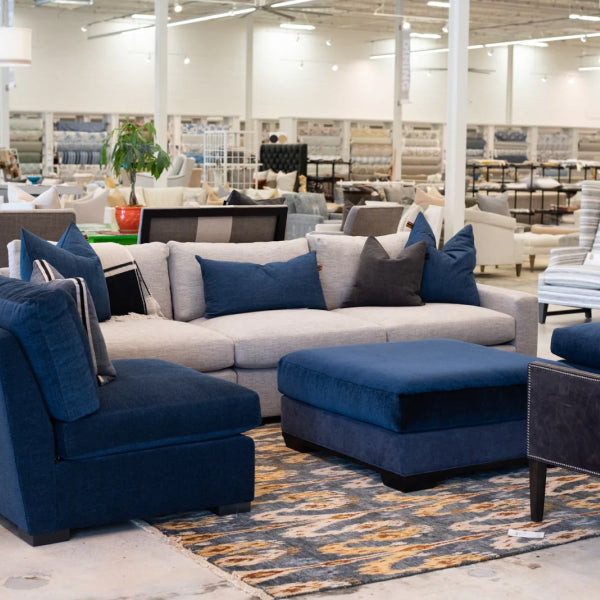
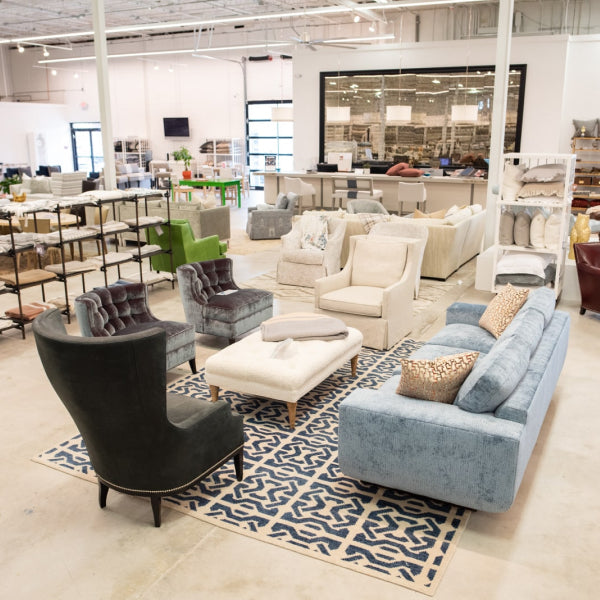
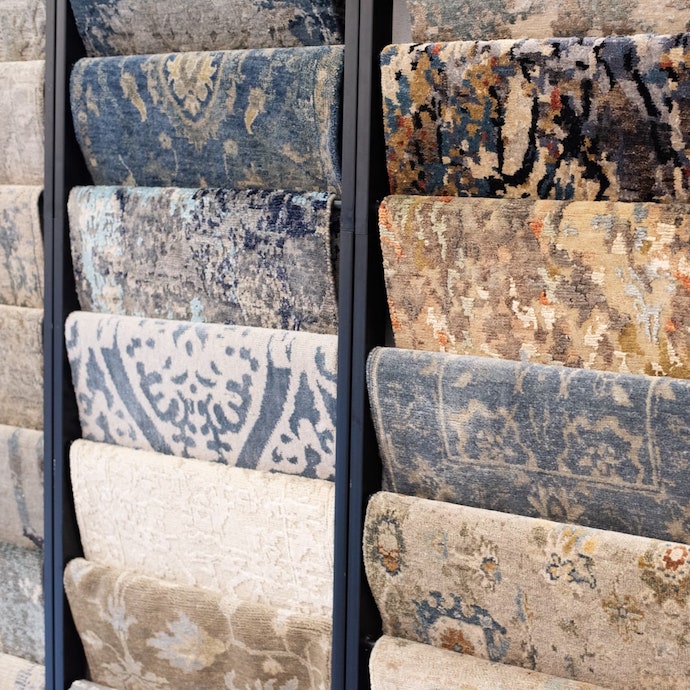
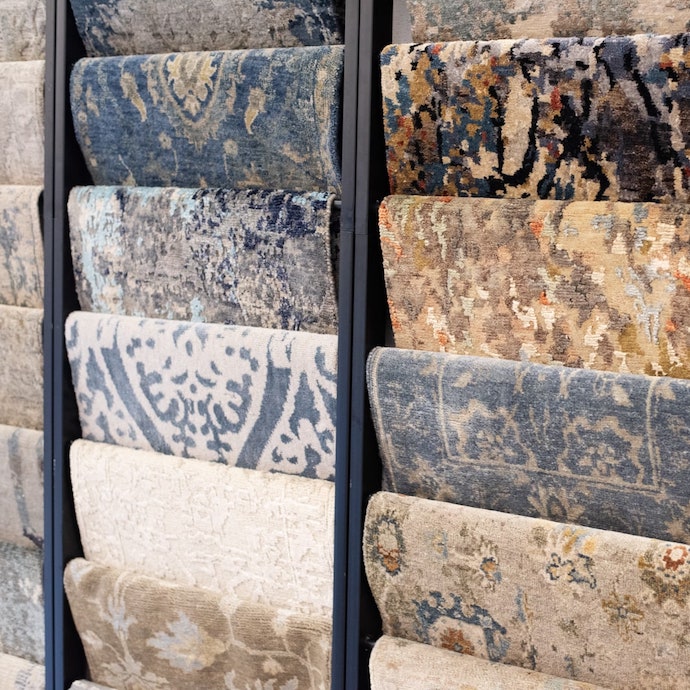
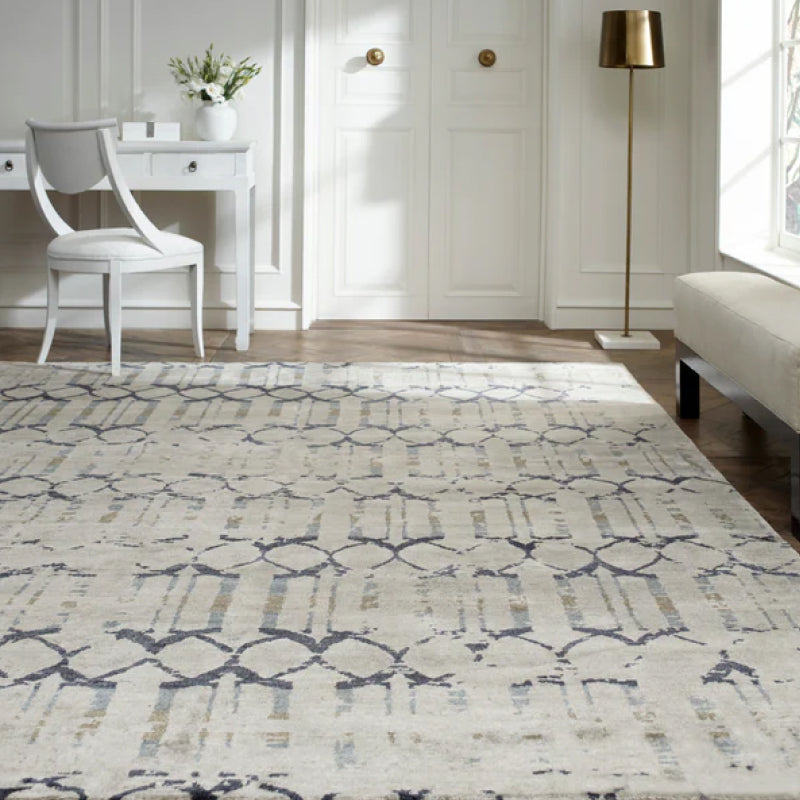
That's where showroom-based consultation becomes useful. You can compare hand, texture, durability, pattern scale, and color in person. You can look at one upholstery frame in several fabric directions. You can place a rug concept, trim detail, and pillow finish into the same conversation rather than making isolated choices.
Where in-house guidance helps most
For clients shopping luxury sofas, premium sectionals, or custom chairs in Atlanta, the consultation is often most valuable in these categories:
- Custom upholstered furniture. Shape, seat depth, cushion feel, arm style, fabric suitability, and how the piece will sit in the room.
- Reupholstery. Whether the frame merits restoration, which textiles are appropriate, and how updates can preserve character without making the piece feel stuck in the past.
- Drapery and soft goods. Fit, fullness, lining, trim, and the relationship between window treatments and furniture scale.
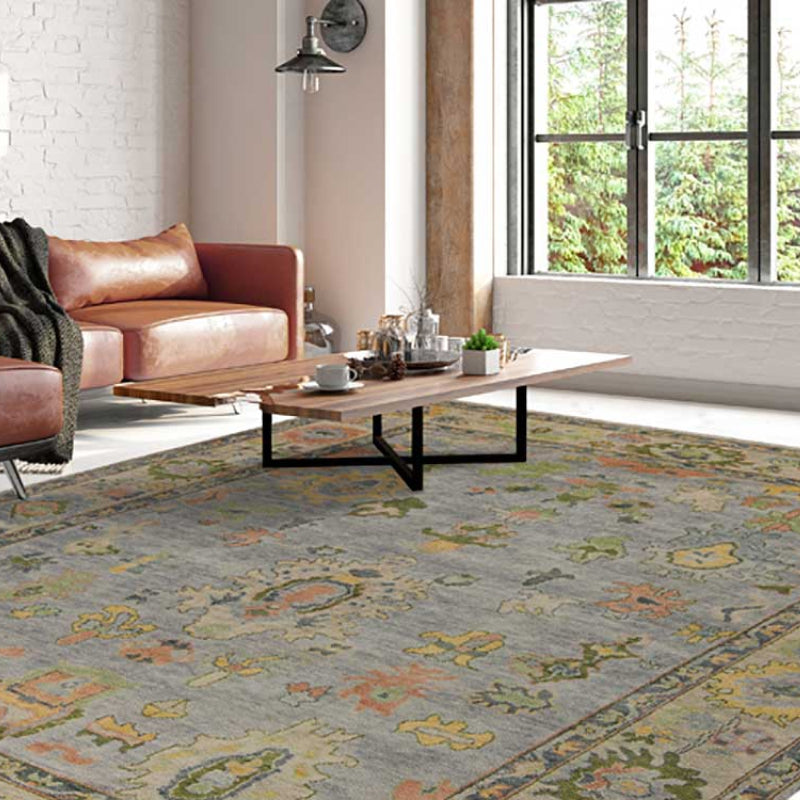
- Layering around statement pieces. Rugs, pillows, casegoods, and supporting upholstery that allow one focal piece to lead without overwhelming the room.
One factual example of this model is Lewis and Sheron Textiles, which offers complimentary in-house design by appointment while clients shop fabrics, custom furnishings, rugs, and upholstery options in the showroom. In practical terms, that gives clients one place to compare custom upholstery lines such as Verellen, Wesley Hall, LEE Industries, and Ambella alongside textile options from mills including Kravet and Libeco Home.
What works better than trend chasing
Luxury rooms age well when the consultation focuses on lasting criteria. Proportion. Comfort. Material honesty. Tailoring. The way the room is lived in.
What doesn't work is building a room around images that ignore the home's architecture or the client's habits. A curved designer sofa may be beautiful, but if the room needs cleaner circulation and better conversation grouping, the curve becomes a liability. A pale textured fabric may be stunning on a sample hanger, but in a family room it may ask too much of the household.
A consultation earns its keep when it helps a client say no to the wrong beautiful thing.
That's the advantage. Not more options. Better filtration.
Your Next Steps Toward a Beautifully Designed Home
Most clients start in the same place. They know they want quality. They know they're ready to invest in a better room. They just don't want to make an expensive decision out of sequence.
A strong interior design consultation solves that. It gives shape to the project before orders are written, fabrics are committed, or custom dimensions are locked in. Instead of reacting to individual pieces, you begin with a plan that considers use, scale, finish, and longevity together.
What a productive consultation can leave you with
When the meeting is handled well, the outcome is tangible. Industry process guidance notes that actionable consultation deliverables often include a mood board, shopping list, drawings, elevations, and an FF&E schedule, and that in-home consultations commonly run 1 to 3 hours with pricing often structured hourly or as a fixed fee, as outlined by Designers Oasis on defining interior design services.
That matters because it shows the consultation is meant to produce decisions, not just inspiration.
You may leave with:
- A furnishing direction that clarifies which silhouettes and scales belong in the room
- Fabric and finish priorities that keep custom work aligned with real use
- A phased shopping list if the room needs to come together over time
- Clear exclusions so you know what is and isn't part of the current scope
When to book the consultation
Book before you buy the anchor piece, not after. The earlier the designer can study the room, the more likely your sofa, chairs, rugs, and drapery will work as one composition.
If you're still weighing the investment side of the service, this guide on interior design consultation cost offers helpful context around how consultation fees and deliverables are typically framed.
For homeowners in Atlanta, Buckhead, Alpharetta, Roswell, and Sandy Springs, the right consultation doesn't make the process complicated. It makes it clearer. You stop guessing. You start selecting with purpose.
If you're ready to turn a room idea into a furnishing plan you can trust, schedule a consultation with Lewis and Sheron Textiles. Their Atlanta Design Center supports projects involving custom upholstery, luxury textiles, rugs, drapery, and reupholstery, with complimentary in-house design available by appointment while you shop.