












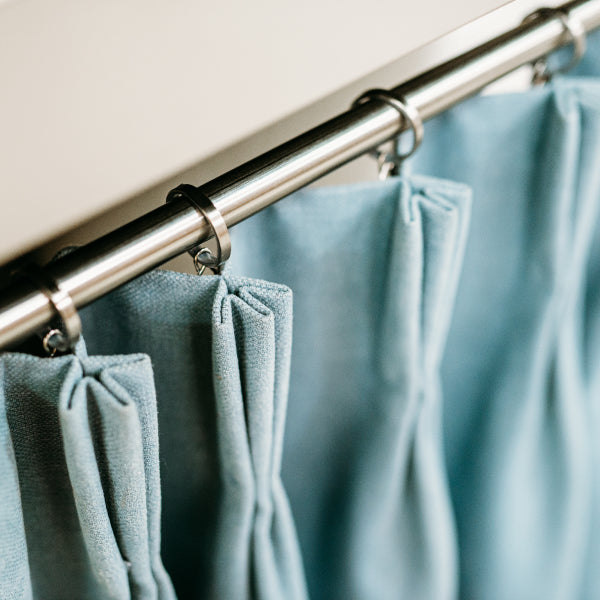
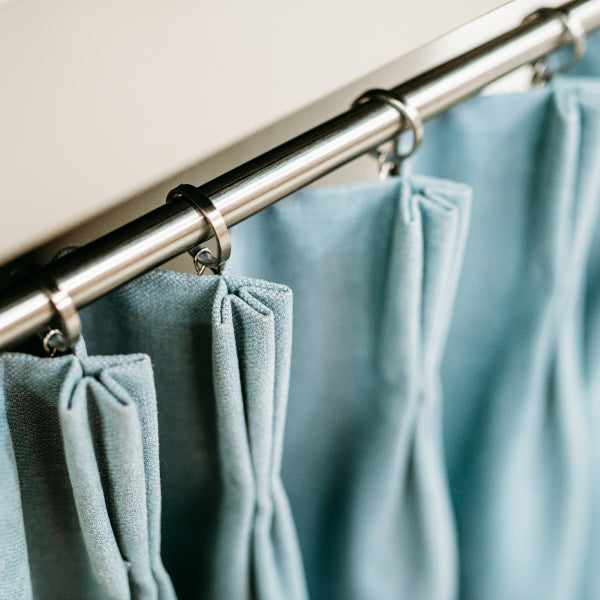
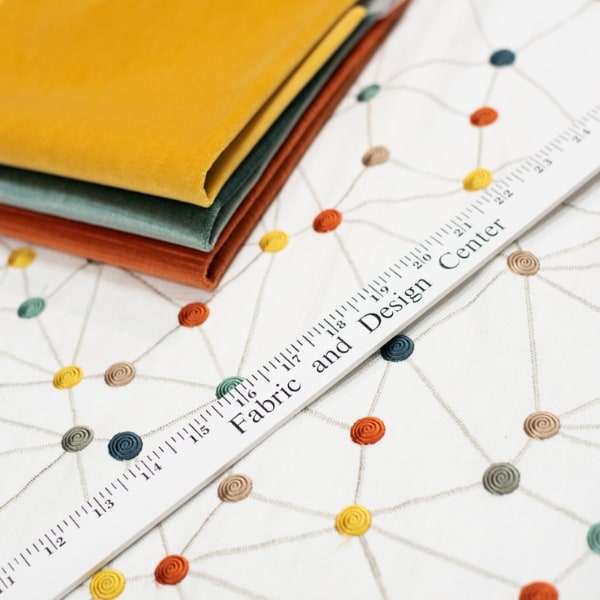
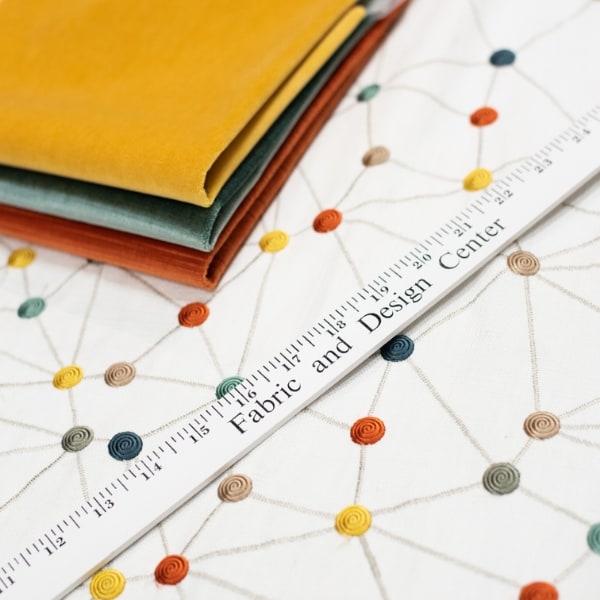







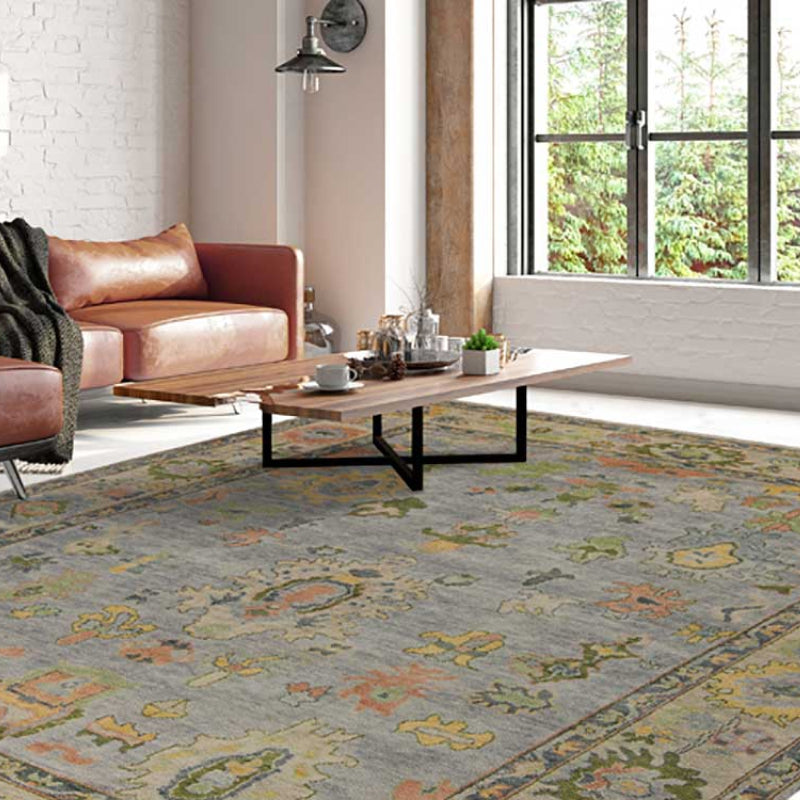
Morning light is usually the moment when clients decide whether a room feels finished. In a Buckhead sitting room or an Alpharetta primary suite, the difference is easy to see. Standard sheers flatten the window. Sheer silk fabric softens it. Light comes through with a glow instead of a glare, and the furniture, rugs, and wall color all look more considered.
That matters in homes built around custom details. If you've invested in a custom sofa, statement chairs, hand-knotted rugs, or drapery hardware that deserves to be seen, the fabric at the window can't feel like an afterthought. Sheer silk works when the goal is restraint with presence. It doesn't shout. It refines.
The Allure of Sheer Silk in Modern Luxury Design
A client usually notices sheer silk at the window before they know they are looking at silk. In an Atlanta home with generous glass, layered millwork, and custom furnishings, the effect is immediate. Light feels filtered, proportions look cleaner, and the room reads as finished rather than only furnished.

In practice, sheer silk is rarely a stand-alone statement. It works in relation to the architecture around it. A crisp silk organza can sharpen a tall Sandy Springs window and support a more structured interior. A softer silk voile can quiet a Roswell bedroom, reduce visual noise, and keep the view present without putting every exterior detail on display.
That response is partly cultural. Silk has long been associated with rarity, handwork, and status, and clients still read those cues quickly. In residential interiors, that matters. Materials with a long decorative history tend to feel settled and convincing in a way trend-driven fabrics often do not. Homeowners drawn to timeless design and craftsmanship usually respond to silk for that reason.
The appeal is also practical. For high-end furnishings, the window treatment has to do more than cover glass. It has to control light, support the color palette, and keep the room from feeling visually top-heavy or flat. Sheer silk handles that balance better than many synthetic options, especially when the goal is a refined layer rather than a decorative feature competing with upholstery, rugs, or art.
A few qualities make it stand out:
- It moderates daylight with more nuance. Light comes through softened, which is especially useful in rooms with reflective finishes, polished stone, or darker paint colors.
- It adds depth without heaviness. Under decorative panels or alongside shades, silk creates a layered window treatment that still feels architectural.
- It subtly conveys quality. The luxury comes from hand, light response, and drape, not from surface shine alone.
Designers comparing different sheer fabric types for drapery and interiors usually find that silk occupies a very specific position. It is less casual than linen sheer, less flat than many polyester sheers, and more sensitive to specification mistakes than either. That trade-off is part of its value. Used in the right room, with the right lining strategy and exposure in mind, it gives a custom interior the restraint that expensive rooms need.
Clients tend to feel the difference most in primary bedrooms, formal living rooms, stair landings, and breakfast spaces with directional light. Wood finishes look warmer. Painted walls gain depth. Metal details stop feeling sharp.
Sheer silk earns its place because it changes how the whole room is perceived, not just how the window looks.
Understanding the Essence of Sheer Silk Fabric
Sheer silk is often initially judged by appearance. Professionals judge it by appearance, hand, and specification. If you want the fabric to perform properly in a luxury interior, you need to look past the word “sheer.”
What creates the glow
Silk filaments are extremely fine, typically 12–30 μm in diameter, and their structure is unusually regular. That fineness is what gives sheer silk fabric its luminous, lightly diffusing look in drapery and layered window treatments, according to Swicofil's silk properties reference. The same reference notes that silk filaments often run around 300 m per filament, with a length-to-breadth ratio above 2000:1, which helps explain why the material can feel delicate but still hold together well when woven correctly.

Silk's highly crystalline, predominantly beta-configured polymer structure also matters. In practical terms, that means two things clients notice right away. Color looks rich, and the cloth has surprising strength for such a refined hand.
Why momme matters more than thread count
For silk, momme weight is usually the more useful buying metric than thread count. A simple way to think about it is this: thread count tells you something about how many threads are present, but momme tells you more about the body of the silk. When you're specifying sheers, body affects drape, opacity, and how the fabric hangs once it's pleated, lined, or left unlined.
If you're comparing samples, ask questions in this order:
- How does it hang? A good sheer silk should fall cleanly, not collapse into limp wrinkles.
- How does it handle light? You want diffusion, not flat transparency.
- What is the weight? Weight helps you predict whether the fabric will read airy, crisp, or slightly fuller at the window.
Practical rule: If a silk sample is being sold on thread count language alone, keep asking questions. For sheers, drape and weight tell you more.
Published silk guides also point out that silk is highly breathable, moisture-wicking, and low in heat retention, which is part of why it feels so comfortable and airy in interiors. The same guides note that silk is sensitive in other ways, which makes specification important when the fabric will hang near sun or friction-heavy areas. For a broader overview of construction options, Lewis and Sheron's guide to sheer fabric types is useful context when you're comparing silk to other luxury sheers.
Clients shopping across categories sometimes compare silk's surface feel to bedding fabrics. If that's part of your decision process, this overview of best satin sheets is a helpful reminder that luster alone doesn't define performance. With silk sheers, weave and weight matter just as much as shine.
A Designer's Guide to Sheer Silk Weaves
Not all sheer silk fabric behaves the same way. That's where many expensive mistakes begin. A homeowner falls in love with the look of a sample, but the weave doesn't suit the treatment. A designer wants softness and gets structure instead.

Organza and chiffon
These are the two sheer silks most often worth discussing for residential interiors because both are suitable for drapes and curtains when you want sunlight to come through while preserving some privacy.
| Weave | Best visual effect | Best use in the room | Where it falls short |
|---|---|---|---|
| Silk organza | Crisp, architectural, lightly luminous | Structured panels, stationary side panels, cleaner pleats | Can feel too formal or rigid in relaxed rooms |
| Silk chiffon | Soft, floating, romantic | Bedrooms, layered drapery, softer treatments | Can look insubstantial if the room needs definition |
Organza is the choice when you want the treatment to hold a cleaner line. In a modern Buckhead living room with tall trim and custom-fit upholstery, that structure can be an advantage. The window reads intentional rather than casual.
Chiffon is looser visually. It suits rooms that need movement and softness. If the bed, headboard, and case goods are substantial, chiffon can keep the envelope of the room from feeling dense.
Georgette and gauze
These aren't always the first request, but they can be the right answer in very specific projects.
- Georgette: Slightly grainier in appearance. Useful when a room needs softness without too much gloss.
- Gauze-like silk constructions: More relaxed and atmospheric. Better in informal spaces than in formal entertaining rooms.
- Decorative overlays: Some projects use a sheer silk as a top layer rather than the primary treatment, especially when a designer wants a nuanced light effect over another fabric or lining.
Matching weave to application
A quick shorthand helps narrow it down:
- For precisely designed rooms: Choose organza.
- For serene bedrooms: Choose chiffon.
- For transitional spaces: Consider georgette if you want less polish and more texture.
- For statement installations: Use sheer silk as a layer, not necessarily as the only fabric.
The wrong move is choosing by sample alone. A small piece of chiffon can look beautiful in hand and still disappear on a large-scale window. A crisp organza can look restrained on the table and become exactly right once it's fabricated into full-height panels.
The Pros and Cons for High-End Home Furnishings
Sheer silk is worth buying for the right application. It isn't the right answer for every application. Luxury clients usually make better decisions when both truths are on the table.

Where sheer silk earns its place
Silk performs beautifully when the fabric can hang freely and do what it does best. Industry fabric guides describe silk as highly breathable with low heat retention, which contributes to comfort in light-filtering curtains, bedding overlays, and decorative panels. The same guides also note that silk performs best in low-wear uses rather than places where the fabric takes frequent rubbing or handling, as explained in this silk fabric guide.
For high-end interiors, the biggest advantages are practical as well as aesthetic:
- Light quality: It filters daylight without turning the window into a visual block.
- Natural fiber appeal: Clients who prefer natural materials often want silk because it feels distinct from polyester sheers.
- Drape: Good sheer silk gives windows depth and movement that many mass-market fabrics don't.
Where it does not belong
Silk has limits, and ignoring them is expensive.
A sheer silk isn't a smart primary upholstery fabric for a high-quality couch, premium sectional, dining chair seat, or family-room ottoman. It's too vulnerable to abrasion, pulling, and daily contact. Silk's strength also drops when wet, which matters in cleaning and maintenance. If you need upholstery for active seating, choose a fabric built for abrasion resistance and reserve sheer silk for windows or low-contact decorative use.
The fact that a fabric is luxurious doesn't mean it belongs on every surface in the room.
A realistic decision filter
Use this simple framework before specifying it:
- Choose sheer silk if the fabric will hang, glow, layer, and stay relatively undisturbed.
- Avoid sheer silk if pets, children, direct handling, or frequent spot cleaning are part of daily life at that surface.
- Add protection if the room gets strong sun and you still want silk at the window.
That balance is what makes a luxury project feel intelligent, not just expensive.
How to Style Sheer Silk in Luxury Interiors
The strongest interiors use sheer silk with purpose. In Atlanta homes, that often means balancing bright daylight, privacy needs, and furniture that already makes a statement. The silk should support the room, not compete with it.
Layered windows in formal rooms
In a formal living room with custom upholstered furniture, sheer silk often works best as the first layer at the glass. It softens daylight during the day, then pairs with fuller drapery panels for more control in the evening. That combination is especially effective in Buckhead and Sandy Springs homes where front-facing rooms need polish but can't feel closed off.
Silk chiffon and organza are both well-suited to drapes and curtains because they allow sunlight through while maintaining some privacy. The important nuance is that most sheer fabrics are translucent, not fully clear, so daytime privacy and nighttime visibility need to be judged room by room, as discussed in this overview of lace and sheer fabrics.
A few styling approaches work consistently:
- Behind heavier drapery: This is the most versatile setup for living rooms and dining rooms.
- As fixed side panels: Good for spaces where privacy is handled elsewhere and the goal is softness.
- At tall windows with statement furniture: Sheer silk keeps the room from feeling overfurnished.
Bedrooms and private spaces
Primary suites benefit from silk in a different way. The fabric can turn sharp morning light into a calm wash, which changes how the entire room feels when you wake up. In a Roswell or Alpharetta bedroom with an upholstered bed, bench, and layered bedding, silk sheers can be the element that makes the room feel complete.
For bedrooms, ask three practical questions before finalizing the treatment:
- Is the window street-facing? If yes, a lining or secondary layer may be necessary.
- How bright is the exposure? Bright rooms usually need more than a single sheer layer.
- Will the window be used daily? If the panels will be opened and closed constantly, fabrication details matter more.
Most disappointment with sheers comes from expecting one layer to solve beauty, privacy, and blackout control at the same time.
Accent use beyond windows
Sheer silk can also work in restrained decorative roles. Think bed canopies, soft panels behind a reading nook, or occasional accent pillows where the silk is protected and clearly ornamental.
It usually does not belong on the seat or back of custom chairs, luxury sofas, or everyday family-room furniture. In those cases, use silk nearby, not under daily wear. That's how a room keeps both beauty and function.
Sourcing Sheer Silk and Custom Services in Atlanta
A client walks into the showroom with plans for a full-height living room in Buckhead or a primary suite in Alpharetta, and the first question is usually color. My first concern is performance at the window. With sheer silk, the right specification depends on how the cloth reads in Atlanta light, how it will be fabricated, and how it will live alongside the rest of the room.
That is why serious silk sourcing should happen in person. A phone screen cannot show how open the weave is, whether the finish reads crisp or fluid, or how a pale ivory shifts against limestone floors, painted trim, and evening lamp light.
What to check before you order
Start with a memo sample at the glass, not on a worktable. Sheer silk can look refined in a showroom and too thin, too shiny, or too yellow once it is backlit in the home.
Before approving yardage, review four points:
- Color under site conditions: View the sample in morning and afternoon light if possible.
- Transparency at full drop: A folded swatch hides how open the fabric really is.
- Hand and recovery: Some silk sheers hang in a clean column. Others soften and relax more than clients expect.
- Workroom suitability: A panel meant to stay in place can be a poor choice for drapery that will be drawn every day.
Neutral references help here. If you are refining a palette, reviewing examples of white silk fabric often makes weave irregularity, luster, and finish easier to judge before you commit to a dyed colorway.
Working with a local resource
In Atlanta, good results usually come from sourcing silk in the same conversation as furniture, trim, and drapery construction. Lewis and Sheron Textiles is useful in that process because clients can evaluate silk alongside other home fabrics, custom furnishings, and workroom planning instead of treating the window treatment as an isolated purchase.
That matters more than many homeowners expect. A silk sheer that looks beautiful beside a paint chip may fall apart visually once it sits near a textured sofa, a formal rug, or a crisp leading-edge band.
For designers managing a full room, local coordination also reduces expensive mistakes. Header choice, return depth, hardware scale, lining strategy, and hem weight all affect how sheer silk presents once installed.
Who benefits most from this approach
This sourcing method suits projects where the fabric budget is meaningful and the room is expected to hold its value over time:
- Homeowners finishing a primary room with custom drapery and furnishings
- Designers specifying windows and furniture together
- Clients updating established Atlanta homes where new treatments must respect existing architecture
- Buyers who want a custom result instead of a ready-made approximation
Silk also needs to be specified with the room's wear pattern in mind. If the same project includes family seating, pets, or children, separate the decorative silk decisions from the hard-use upholstery decisions. Guidance on preventing furniture shedding is useful in those mixed-material rooms, where beauty and durability need different answers.
The best silk jobs are rarely selected quickly. They are tested, compared, and fabricated with intent. That is how a sheer remains luxurious after installation, not just at the sample stage.
Protecting Your Investment in Sheer Silk
A sheer silk panel can look flawless on installation day and tired much sooner if the room was specified without enough protection. In Atlanta homes, the usual problem is not the fabric itself. It is heat, direct sun, condensation near windows, or daily handling in a spot that asks too much of a delicate weave.
Sheer silk performs best when it is treated as a decorative finish, not a workhorse fabric. I recommend it for drapery layers, bed canopies, and stationary panels where the hand and light transmission matter more than abrasion resistance. For a family room window that gets opened every morning, a silk blend or a different sheer often gives a better long-term result.
What keeps it looking right
The main risks are predictable. UV exposure weakens fibers and can shift color. Friction from rings, trim, pets, or repeated touching can roughen the surface. Moisture leaves marks, and casual spot cleaning often makes those marks worse.
Good protection starts at specification, not after installation.
- Use sheer silk in lower-contact applications: Stationary side panels, layered drapery, and formal bedrooms are usually better choices than high-traffic openings.
- Control the light exposure: Add a lining, an interlining where appropriate, or a secondary shade if the room gets strong afternoon sun.
- Reduce stress at the hardware: Smooth rings, correct return depth, and a panel size that stacks properly all help prevent strain and snagging.
- Keep it away from rough companions: Textured stone sills, sharp metal hardware, and heavily nubby upholstery can all catch a sheer weave.
Cleaning and maintenance habits
Professional cleaning is the safest choice for most finished silk treatments. Day-to-day care should stay simple. Dust lightly with a soft upholstery attachment, keep hands off the fabric as much as possible, and never rub a spill into the yarns.
It also helps to think about maintenance for all materials in the room together. A beautiful interior lasts longer when delicate drapery, upholstery, rugs, and trim are each used where they perform well. Practical guidance on preventing furniture shedding is useful in mixed-material rooms, especially when the design includes both decorative silk and hard-use seating.
One more point matters in high-end residential work. Store extra yardage and fabrication notes after installation if the budget allows. Dye lots change, and exact replacements are not always available later.
Buy sheer silk for the rooms that can support its character. Protect it from sun, friction, and careless cleaning, and it will keep the room refined for years.
If you're planning custom drapery, evaluating luxury fabrics, or coordinating sheer silk with upholstery and rugs for an Atlanta-area home, Lewis and Sheron Textiles offers fabric sourcing, custom furnishings, and design support to help you make confident specification decisions.