



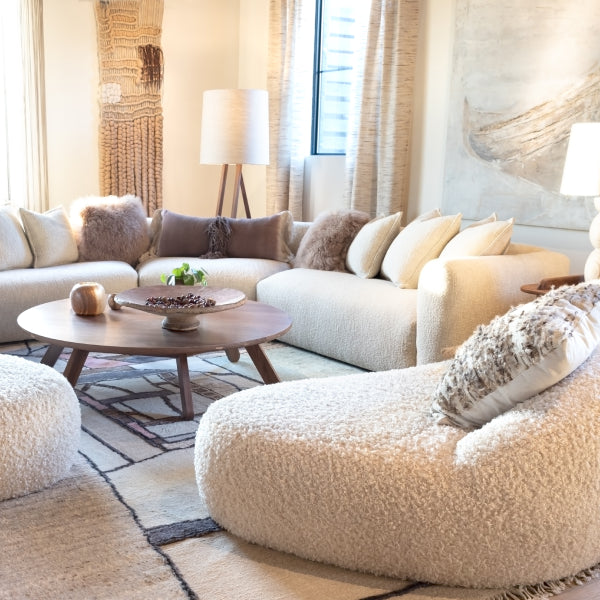
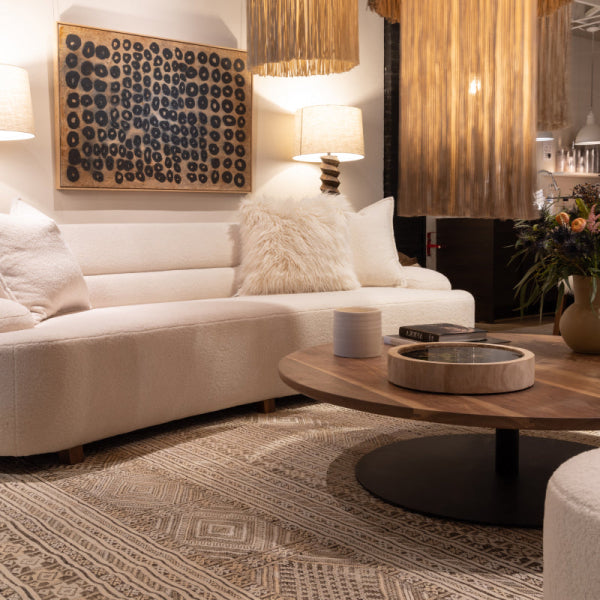
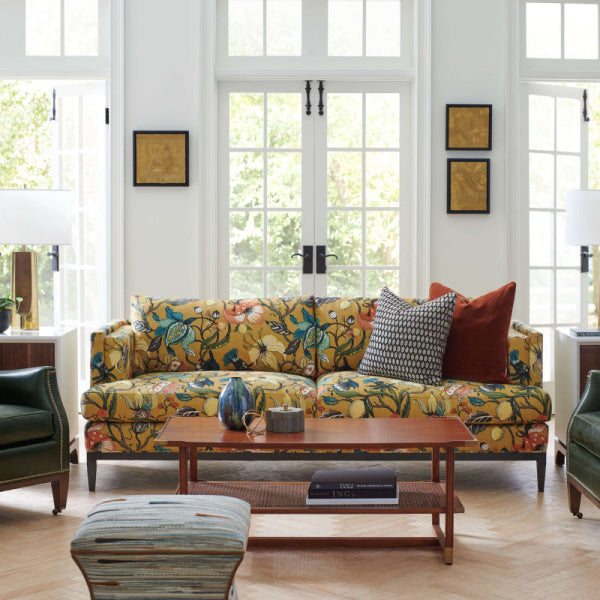









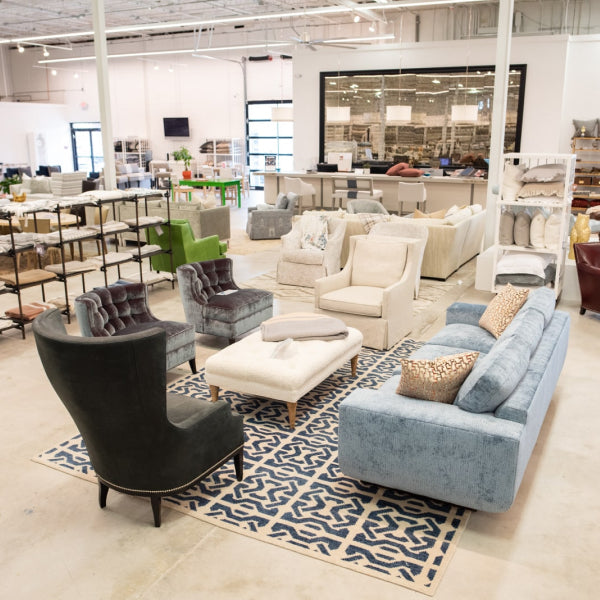


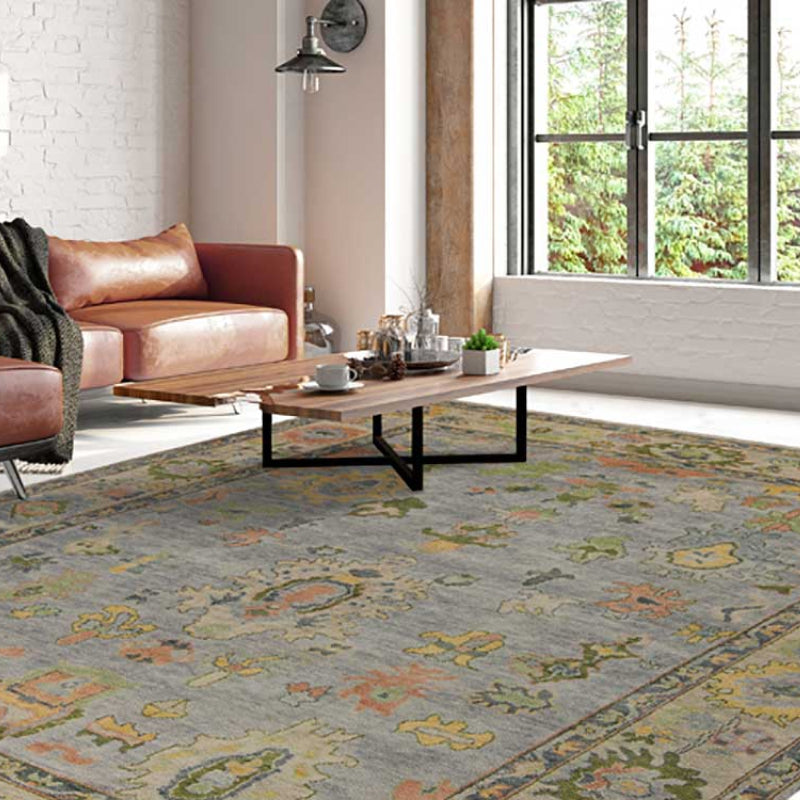
You've chosen the sofa. The upholstery is right, the frame has substance, and the room already holds the kind of pieces that aren't bought casually. Then the rug arrives, and something still feels off. The seating area looks smaller than it should. The chairs seem disconnected. The whole room loses the quiet confidence that high-end furniture is supposed to bring.
That problem shows up often in Atlanta homes, especially when clients invest in luxury sofas, premium sectionals, custom chairs, and other statement furniture pieces without giving the rug equal strategic attention. In Buckhead, Alpharetta, Roswell, and Sandy Springs, I see beautifully furnished rooms undermined by one expensive mistake: the rug is too small, placed too timidly, or chosen for the room's outline instead of the furniture that needs anchoring.
If you're searching for how to choose rug size while comparing designer furniture near me, custom furniture Atlanta options, or the best way to support heirloom-quality furniture, the answer starts with proportion. A rug isn't a finishing touch. It's the platform that makes high-end furniture read as intentional.
The Critical Role of Rugs in Luxury Interior Design
You walk into a newly furnished living room in Buckhead or Sandy Springs and the pieces are all right on paper. The sofa has presence. The chairs are beautifully scaled. The cocktail table has real substance. Yet the room still feels unsettled. In many cases, the rug is the reason.
In high-end interiors, the rug does more than soften the floor. It sets the visual footprint for the furniture, controls how the room reads at a glance, and gives large pieces a shared sense of order. In Atlanta homes with generous floor plans, taller ceilings, and open transitions between rooms, that role becomes even more important. A rug that is too small leaves expensive furnishings looking adrift. A rug that is too large without a clear plan can flatten the architecture and crowd circulation.
I see this often in homes with oversized sectionals, long dining tables, curved seating, and custom furniture built for the room rather than pulled from standard retail sizing. Generic rug advice breaks down quickly in those spaces. The goal is not just to fill floor area. The goal is to support the furniture, respect the room's architecture, and make the proportions feel settled from every angle.
Where expensive rooms start to feel careless
Poor rug sizing shows up first in how a room functions. According to The Spruce's rug sizing guidance, a common mistake is choosing a dining room rug that is too small, which can cause chair legs to catch the edge when guests push back from the table. The same principle applies across luxury interiors. If the front legs barely reach the rug, or only the coffee table sits on it, the arrangement feels temporary even when every piece is well made.
That is usually where clients feel the disconnect. The room photographs well enough, but it does not hold together in person.
A rug that is underscaled makes the entire investment look less resolved.
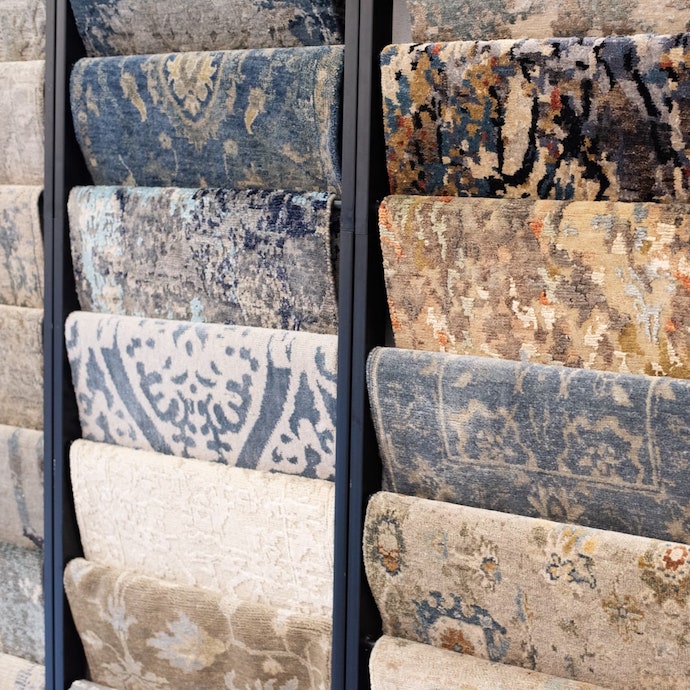
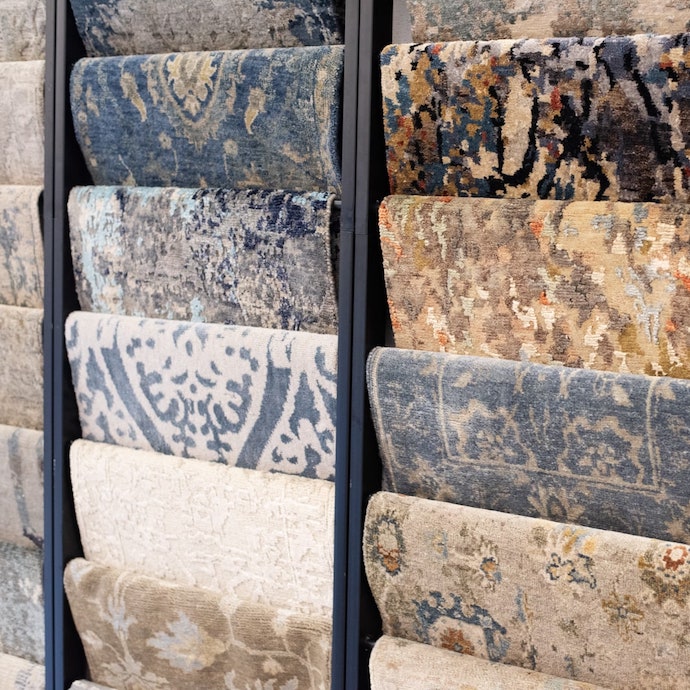
Material also affects the result. Size determines whether the room is composed. Construction determines how well the rug wears, ages, and justifies its place under serious furniture. If you are comparing quality as carefully as scale, this guide to hand-knotted rugs is a useful place to start.
What a well-sized rug actually does
A properly sized rug brings discipline to a room in ways clients notice immediately and appreciate for years:
- Anchors substantial furniture so sofas, lounge chairs, and tables read as one intentional grouping
- Protects daily use by giving chairs enough clearance to move and preserving clean circulation paths
- Improves proportion so custom upholstery, heirloom pieces, and architectural details feel balanced instead of crowded or disconnected
- Solves awkward layouts in open-plan Atlanta homes, keeping large rooms from feeling like a series of unrelated islands
In a luxury interior, the rug is part of the architecture. It is not an accessory added at the end. It is one of the decisions that determines whether the room feels finished, durable, and worth what was spent on it.
Foundation Rules for Perfect Rug Placement
The quickest way to avoid a wrong-size rug is to stop guessing from product dimensions on a screen. In high-consideration spaces, I always recommend laying out the footprint first.
Start with the painter's tape test

The painter's tape test is the most practical tool for choosing rug size before purchase. Designers map the exact dimensions of a potential rug directly onto the floor, which helps homeowners and interior designers in Atlanta and Alpharetta judge proportion against designer furniture while leaving 12 to 18 inches of exposed flooring around the perimeter, as described in Edward Martin's rug sizing guidance.
For luxury furniture, this matters because scale mistakes are expensive to correct after the fact, especially with custom orders.
Use the tape test in this order:
-
Outline the candidate rug sizes
Tape out the exact dimensions you're considering, such as 8' x 10' and 9' x 12'. -
Place the furniture mentally, not decoratively
Focus on the sofa, chairs, sectional return, and traffic path first. Ignore lamps and accessories. -
Walk the room
Check whether the taped outline leaves enough breathing room at the perimeter and whether the seating area still feels grounded.
Know when all legs on works best
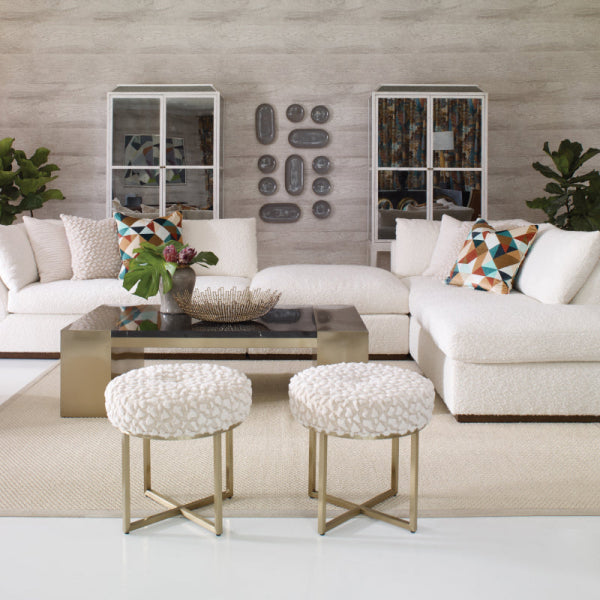
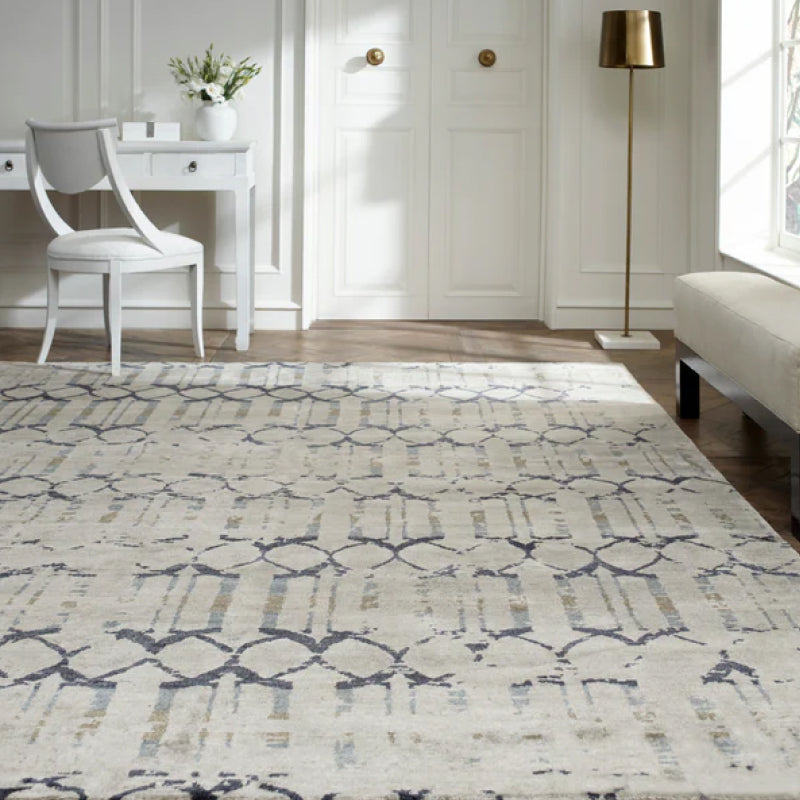
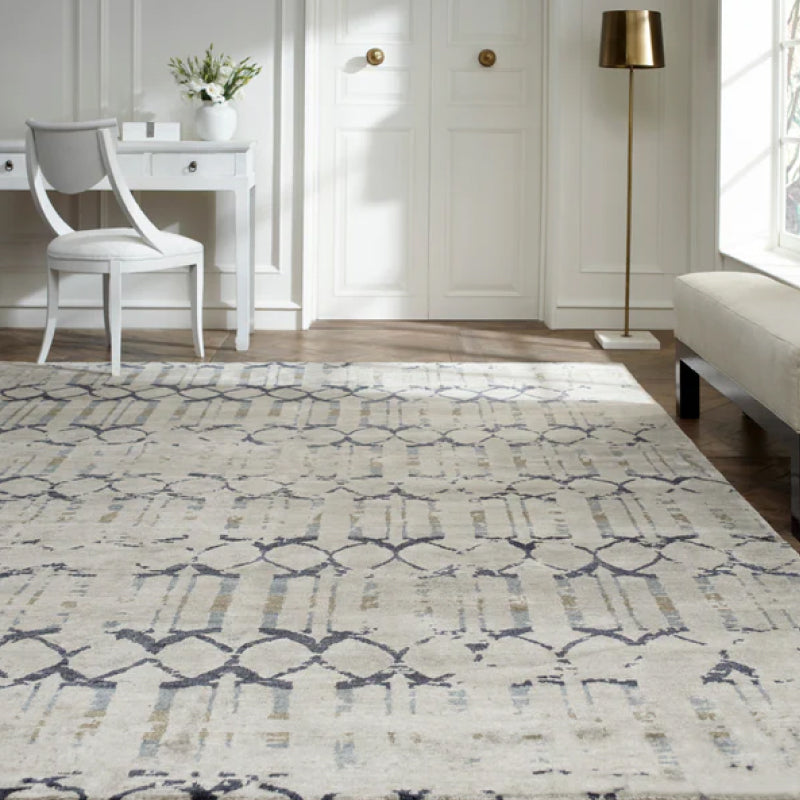
For formal living rooms, larger spaces, or rooms with substantial designer furniture, the strongest look is often all major furniture legs on the rug. This approach gives the room a broad, settled footprint. It's especially effective with high-end furniture that has deep seats or generous proportions.
This is the placement I prefer when the room can support it without crowding the walls. It gives premium sectionals and high-quality couches the visual authority they deserve.
Front legs on is the practical standard
The most reliable default for many seating areas is front legs on. The sofa and chairs both place their front legs on the rug, which visually connects the entire conversation area without covering too much floor. If you're balancing scale in a Buckhead sitting room or a tighter Fulton County family room, this usually lands in the sweet spot.
For more room-by-room placement ideas, this guide on how to choose a living room rug offers helpful visual references.
Practical rule: If the rug only holds the coffee table, it's almost certainly too small for a luxury seating group.
What never looks right
A few layouts fail almost every time:
- Coffee-table-only rugs that leave the sofa and chairs disconnected
- Half-committed placement where one chair is on the rug and another is off
- Wall-hugging rugs that make the room feel more like broadloom than an intentional area rug composition
The test is simple. If the rug doesn't clearly belong to the furniture grouping, the room won't feel finished.
Sizing Rugs for Living Rooms with Designer Furniture
Living rooms carry the most visual pressure. In them, people compare custom furniture Atlanta options, look for the best luxury sofa brands, and decide whether designer quality is really worth it. If the rug is undersized, even exceptional furniture can lose presence.

For premium living rooms featuring luxury sofas and statement sectionals, the rug must be at least 8 to 12 inches wider than the sofa on both sides. This rule is described as an essential standard for designer furniture in Atlanta markets like Buckhead and Roswell, along with maintaining a 30 to 36 inch walkway around large furniture groupings, according to Emily Henderson's rug size guidance.
Luxury sofas need visual margin
That extra width on both sides of the sofa does more than satisfy a formula. It gives the furniture room to breathe. A sofa designed with strong arms, a bench seat, or a custom skirt needs visible rug beyond the frame so the piece feels anchored rather than perched.
This is especially important with:
- Custom upholstered furniture with fuller proportions
- Premium sectionals that already dominate the room visually
- Statement furniture pieces with sculptural or oversized silhouettes
If the rug stops too close to the sofa edge, the room feels compressed.
Different seating plans need different rug logic
A standard sofa with two custom chairs behaves differently from a sectional. The goal isn't just square footage. It's connection.
| Layout | What works | What fails |
|---|---|---|
| Sofa with two chairs | Rug connects sofa and both chairs at the front legs minimum | Chairs floating off the rug while only the sofa touches |
| Large sectional | Rug extends beyond the outer edges enough to support the full conversation zone | Rug tucked under only the chaise or centered under the coffee table |
| Sofa facing swivel chairs | Rug wide enough to visually hold movement and symmetry | Narrow rug that leaves the chairs visually outside the arrangement |
A sectional often persuades homeowners to buy too small because the shape itself already fills the room. That's the trap. Large furniture needs more floor anchoring, not less.
Walkways protect the room's elegance
In high-end spaces, comfort comes from circulation as much as furniture quality. You should be able to move around the seating group without turning sideways or clipping a table corner. That's one reason designer furniture near me searches often lead people to rooms that feel refined but can't explain why. Good rooms flow.
When a rug supports both the furniture and the walkway, the room feels expensive in the way people actually experience it, not just in the way it photographs.
Choosing Rugs for Dining Rooms and Bedrooms
Dining rooms and bedrooms ask for different kinds of discipline. In the dining room, the rug has to perform under movement, weight, and repetition. In the bedroom, it has to soften the room and make the bed feel intentionally placed.

A useful benchmark from Jaipur Living's professional rug size guide is straightforward: dining room rugs should extend 24 to 36 inches beyond the table edges on all sides. The same guide recommends a 12-to-24-inch visible floor border around bedroom rugs, with a 9' x 12' rug for a King bed so the rug extends at least 18 inches past the foot of the bed.
Dining rooms punish undersized rugs quickly
Dining chairs are the stress test. If chairs catch at the edge of the rug when someone sits down or pushes back, the room never feels graceful. That's why dining rugs need more generosity than people expect.
When choosing a dining room rug, focus on these points:
- Chair travel matters most. Measure with chairs pulled out, not tucked in.
- Material needs resilience. Dining spaces reward durable constructions and easy maintenance.
- Shape should follow the table. Rectangular with rectangular, round with round, unless the room architecture strongly suggests otherwise.
If you're considering proportion and practicality together, this article on how to choose a rug for a dining room is a useful companion.
Bedrooms are about exposed softness
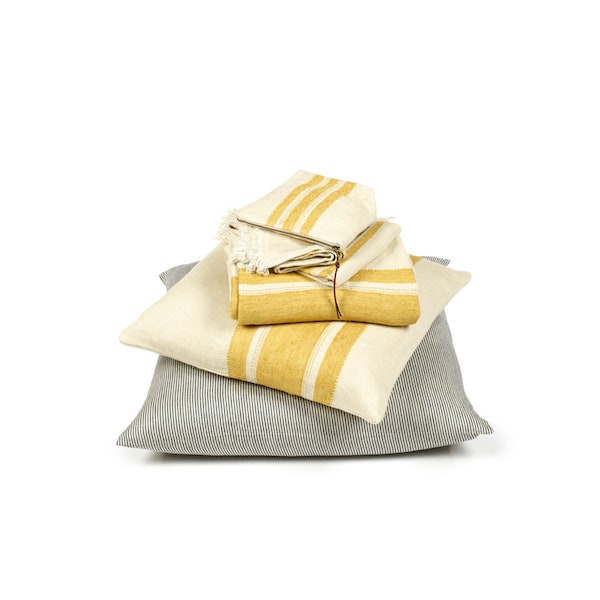
Bedroom rugs shouldn't disappear under the bed. They should provide a visible frame around it. That exposed border is what creates the quiet, refined feeling people want in primary suites with custom headboards, Belgian linen bedding, and more architectural furniture.
A few common options work well:
- Large rug under the bed and nightstands for the most integrated look
- Large rug under the lower two-thirds of the bed when nightstands shouldn't sit on the rug
- Runners only when space is constrained, though this reads less luxurious than a full under-bed rug
The bedroom rug should be visible enough to matter the moment you enter the room, not only when you stand at the foot of the bed.
The better choice depends on the room's mood
Dining rooms ask, “Can the furniture move?” Bedrooms ask, “Does the room feel settled?” Confusing those goals leads to bad purchases. In one room, performance leads. In the other, comfort and composition do.
Rug Size and Placement Cheat Sheet
If you want a quick reference before visiting a showroom or ordering samples, keep this framework handy. It won't replace a floor plan, but it will prevent the most common scale errors and help you shop with more confidence for luxury home furnishings, premium rugs, and designer furniture.
Rug Size Guide by Room and Furniture
| Room | Furniture Grouping | Common Furniture Size | Recommended Rug Size |
|---|---|---|---|
| Living room | Sofa with two chairs | Standard sofa | Choose a rug large enough for at least the front legs of all seating pieces to sit on the rug, and large enough to extend beyond the sofa ends |
| Living room | Large sectional | Premium sectional | Choose a rug that extends beyond the outer edges of the sectional and visually contains the full seating area |
| Living room | Sofa and coffee table only layout | Standard sofa | Avoid a rug that only fits the coffee table. Size it to connect the seating |
| Dining room | Dining table with chairs | Six-person table | Choose a rug that extends well beyond the table so chairs stay on the rug when pulled out |
| Bedroom | Queen bed | Queen | An 8' x 10' rug is a standard recommendation for a Queen bed, as noted earlier in the article's cited guidance |
| Bedroom | King bed | King | A 9' x 12' rug is a standard recommendation for a King bed, as noted earlier in the article's cited guidance |
| Entry or hall | Runner | Varies | Leave visible floor at the sides so the runner doesn't feel wall-to-wall |
Quick decision filters
Use this shortlist when narrowing options:
- If the room feels chopped up, the rug is usually too small
- If the rug nearly touches every wall, it's probably acting too much like installed carpet
- If the bed hides most of the rug, go larger
- If dining chairs catch at the edge, the rug is undersized for function
- If a luxury sofa dominates the room, increase rug width so the sofa doesn't appear to float
High-end decisions differ from mass-produced ones. Better furniture deserves better proportion. That's part of what makes designer quality visible.
Expert Solutions for Custom Rugs and Unique Spaces
A client buys a beautiful 9' x 12' rug for an open living room in Buckhead, only to find that the rug fits the room on paper and still makes the furniture look unsettled. One side dies into a walkway. Another stops short of a pair of swivel chairs. The issue is not taste. The issue is that standard rug sizes are built for standard rooms, and many high-end Atlanta homes are anything but standard.

In Sandy Springs, Buckhead, and newer custom homes across metro Atlanta, I often work around bay windows, angled walls, oversized sectionals, double conversation areas, and long sightlines that run through several zones at once. In those rooms, the rug should be sized to the furniture grouping it needs to hold together, not to the outer perimeter of the architecture. Architectural Digest's discussion of rug sizing for complex rooms supports that approach for difficult layouts.
Why custom proportions often outperform standard sizes
A stock size works well in a clean rectangle with predictable furniture placement. In an L-shaped room, a keeping room off the kitchen, or a large primary suite with a seating area, that same stock size often creates awkward leftover strips of floor or misses part of the composition.
Custom rugs solve proportion problems that standard dimensions cannot.
They are especially useful when:
- The room has unusual geometry, including curves, angles, columns, or deep window projections
- Large-scale furniture needs cleaner margins and standard sizes leave the rug too tight on one side and too open on another
- Open-plan spaces need visual order across connected seating, dining, or lounge areas
- A focal piece needs proper breathing room, such as a sculptural bed, a grand piano, or a pair of statement chairs
Anchor the furniture, not the architecture
In complex rooms, the rug's job is to define how the room functions. It should support the seating arrangement, preserve circulation, and make the furniture feel intentionally placed. That matters more than having the rug mimic every jog in the wall line.
This is often the turning point in luxury projects. Once the rug is sized to the actual use of the room, the layout reads with more confidence and less visual noise.
I tell clients to judge the rug from the furniture outward. If the sofa, chairs, and cocktail table feel composed, the room usually looks right, even when the architecture is irregular. If the rug tries to answer every architectural condition, it often becomes too large, too small, or oddly placed for daily living.
In unusual rooms, the best rug size is often the one that makes the furniture feel inevitable, even if the rug does not mirror the room's outer shape.
Material and construction still matter
Custom dimensions alone do not make a rug worth the investment. Construction, fiber, and finish determine how well it will wear under heavy furniture, shifting chair legs, and years of traffic.
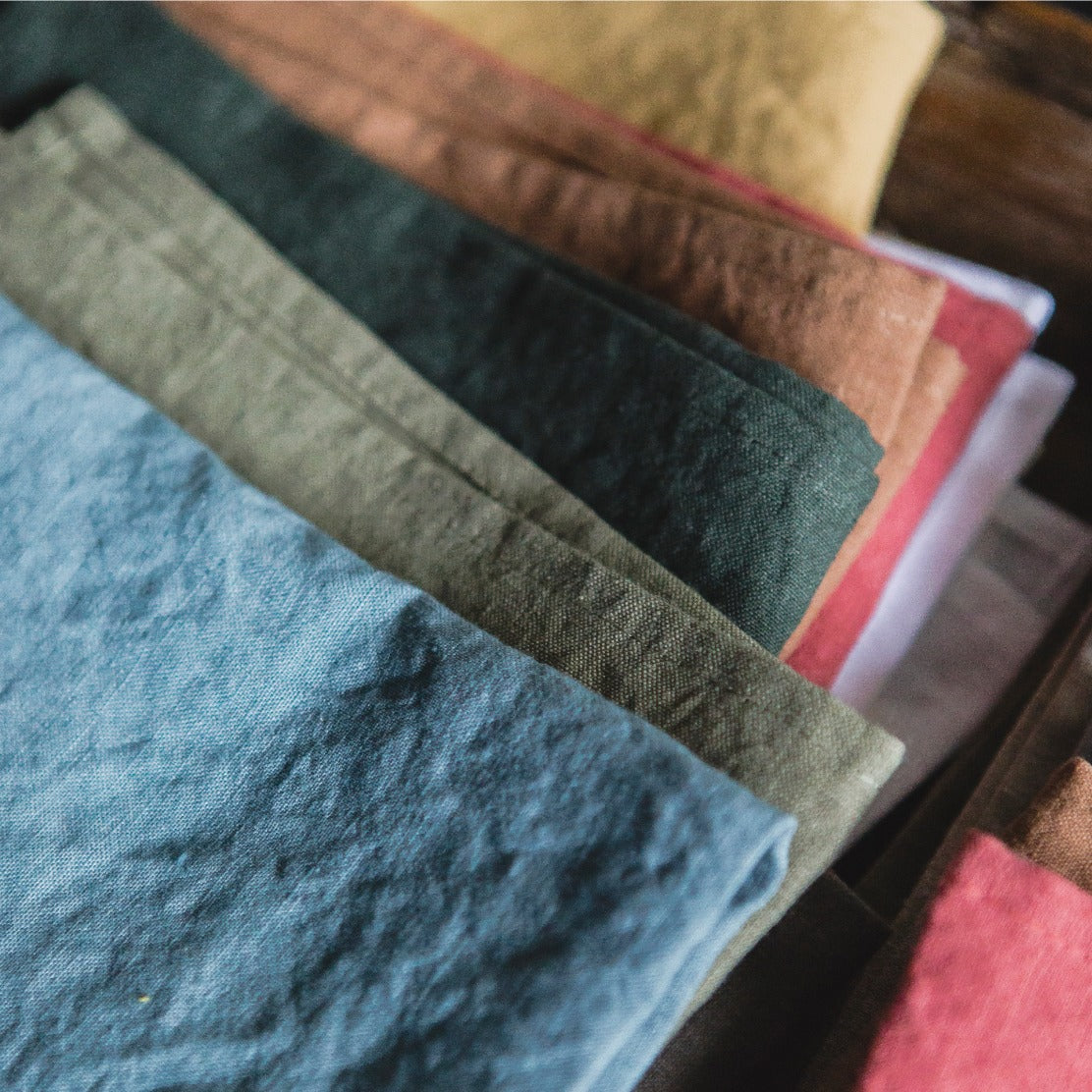
For high-end interiors, I usually steer clients toward hand-knotted wool or other dense, well-made constructions that hold their shape and maintain a refined edge. That is particularly important with larger custom rugs, where weak construction becomes obvious quickly. Rippling, curling, and premature wear are expensive problems in a room furnished with custom upholstery or heirloom pieces.
Custom also gives you more control over the final composition:
- Pattern scale that suits the room instead of overpowering it
- Color balance that supports fine upholstery, drapery, and case goods
- Specific shapes for alcoves, sitting areas, or asymmetrical floor plans
- Layering options where a larger neutral base supports a smaller decorative rug
What works in open-plan homes
Open layouts require restraint. One oversized rug can unify the main seating area beautifully, but it can also blur the edges between functions if it stretches too far into dining or circulation zones. Separate rugs can solve that problem, though only if they relate in scale, tone, and placement.
There is no fixed formula for these rooms. The right answer depends on furniture size, sightlines, traffic paths, and how formally the household lives.
In many Atlanta homes with generous footprints and custom furnishings, a made-to-measure rug produces the cleanest result because it corrects the small proportion mistakes that keep a room from feeling finished.
If you're investing in premium rugs, custom furnishings, or designer-quality interiors in Atlanta, Lewis and Sheron Textiles offers the kind of depth serious buyers appreciate. Their Design Center brings together luxury fabrics, American-crafted upholstery, hand-knotted rugs, custom drapery, and expert design help, making it easier to choose pieces that fit your room properly and live beautifully for years.