











You're probably looking at a wingback chair right now and having the same thought many Atlanta homeowners have when a room starts feeling dated. The frame is still beautiful. The proportions are still right. But the fabric has given up, or worse, it cheapens the entire room.
That's where people make the wrong move. They treat a wingback as a simple recover job, pick a fabric swatch in isolation, and hope it works. It won't. A wingback chair is one of the most sculptural pieces in a room. The fabric doesn't just cover it. The fabric defines it.
In Buckhead, Sandy Springs, Roswell, Alpharetta, and the rest of North Atlanta, I see this piece used the right way in libraries, sitting rooms, bedrooms, and formal living spaces where clients want high-end furniture that feels personal rather than mass-produced. If you care about designer furniture, custom chairs, luxury home furnishings, and heirloom-quality furniture, your fabric choice needs to be made with the chair's shape, use, and setting in mind.
Your Wingback Chair An Enduring Statement Piece
A wingback chair earns attention even when the rest of the room is quiet. It has height. It has presence. It has enough architecture to stand alone as a statement furniture piece.

I've watched homeowners in Buckhead inherit a wingback from a grandparent, move it from house to house, and finally decide it deserves better than “good enough” upholstery. The same thing happens in Roswell and Sandy Springs with chairs bought years ago from quality workrooms or designer showrooms. The frame lasts. The silhouette stays relevant. The wrong fabric is usually the only thing standing between a tired chair and a standout room.
Why this chair deserves more thought
A wingback isn't an accent chair you tuck into a corner and forget. It often anchors the visual rhythm of a room, especially beside luxury sofas, premium sectionals, or a custom bed. If the chair looks flat, underscaled, or overly trendy, the whole room feels off.
What clients usually want is simple:
- A fabric with presence: Something that holds the chair's shape and gives the wings and arms definition.
- A finish that lasts: Not just pretty on installation day, but still handsome after daily life.
- A result that feels collected: The chair should look like it belongs with the home's architecture and the owner's taste.
A wingback chair should never look like an afterthought. It should look chosen.
The investment mindset
If you're shopping for custom furniture Atlanta, searching designer furniture near me, or comparing custom vs mass-produced furniture, this is the right way to think about a wingback. It isn't just upholstery. It's design editing.
That's why the best outcomes come from choosing fabric the way you'd choose leather for a luxury handbag or stone for a kitchen. The material has to serve beauty and performance at the same time. If it misses either one, you'll feel it every day.
The Foundation Choosing Your Fabric Family
Often, the initial focus is on color. That's a mistake. Start with the fabric family first, because that determines hand, drape, durability, and how polished the chair will look over time.

Think of this the way you'd evaluate materials for a luxury handbag. Full-grain leather, coated canvas, and a hybrid material can all look attractive. But they wear differently, feel different in the hand, and fit different lifestyles. Fabric for wingback chairs works the same way.
Natural fibers for softness and character
Natural fibers give a room soul. Linen, cotton, and wool blends often have the richness clients want when they're furnishing a primary suite, formal living room, or library.
Natural fibers work best when you want:
- Relaxed elegance: Linen brings softness and a refined, lived-in quality.
- Depth without flash: Cotton and wool can feel well-crafted and expensive without looking overly shiny.
- A classic point of view: These fabrics suit traditional homes, transitional interiors, and English-inspired rooms especially well.
The trade-off is simple. Natural fibers can be less forgiving in hard-use settings. If the chair sits in a family room with kids, pets, snacks, and constant use, beauty alone isn't enough.
Performance synthetics for hard-working rooms
If the chair will see real life every day, performance fabrics deserve serious consideration. They aren't just for casual spaces anymore. The best ones now look clean, neat, and elegant enough for high-quality couches, custom banquettes, and formal upholstery.
Choose performance-forward options when:
- The chair lives in a busy room
- Pets claim every seat as their own
- You want easier stain resistance without sacrificing style
This is the practical choice for many homes in Alpharetta and Fulton County where clients want luxury, but they also want to use their furniture without anxiety.
Practical rule: If you have to constantly protect a chair from your own household, you chose the wrong fabric.
Blends for the best balance
Blended upholstery fabrics are often the smartest answer. They combine the visual warmth of natural fibers with the resilience of synthetic content. For many of my clients, this is the sweet spot.
Here's the quick comparison:
| Fabric family | Best for | Watch-outs |
|---|---|---|
| Natural fibers | Formal rooms, layered interiors, soft hand | Can demand more care |
| Performance synthetics | Family spaces, pet-friendly homes, daily use | Some look too flat if poorly chosen |
| Blends | Most luxury residential projects | Requires careful review of texture and finish |
If you're investing in custom upholstered furniture or a reupholstered heirloom, don't choose by trend. Choose by how you live. The most beautiful chair in the room should still be a chair you use.
Durability The Science of Heirloom Quality Fabric
A wingback chair has a demanding shape. Tight inside curves, exposed outer wings, shaped arms, and a tall back all put stress on upholstery in ways a simpler chair doesn't. If you want heirloom-quality furniture, you need more than a handsome swatch.

People love to ask what makes furniture “designer quality.” The answer usually comes down to construction, tailoring, and material integrity. Fabric is a major part of that equation.
Weight and width matter more than most buyers realize
For this chair type, the technical target is clear. Technical specifications for high-performance upholstery fabrics suitable for wingback chairs indicate an optimal fabric weight range of 320–350 gsm and a standard width of 140–150 cm, which balances tensile strength with pliability for tight upholstery contours.
That matters because wingbacks need both structure and flexibility. Fabric that's too light often looks limp on the outer wings and arm fronts. Fabric that's too stiff can fight the upholsterer on curved sections and produce a bulky finish.
What to look for beyond the swatch
Don't judge durability by touch alone. A smooth hand can still hide a weak construction. A textured weave can look rugged and still snag in the wrong environment. Instead, evaluate durability through these filters:
- Weight: A fabric with enough body helps the chair keep a crisp, defined line.
- Weave structure: Dense, stable constructions generally perform better on shaped upholstery.
- Recovery: The fabric should handle pressure points without looking tired too quickly.
- Application fit: A fabric that works on a bench cushion may not be the best choice for a tight wing profile.
If you're considering a performance option, this guide to choosing the best performance fabrics is a useful place to compare practical upholstery priorities.
Good upholstery fabric doesn't just survive abrasion. It has to wrap the chair cleanly and still look intentional years later.
The standard I recommend
For a high-contact chair, I'd rather see a client choose a slightly more disciplined fabric than a precious one that won't age well. That's especially true if the piece sits in a room used every day instead of one reserved for guests.
Use this simple decision lens:
- If the chair is decorative first, prioritize texture, depth, and elegance.
- If the chair is used daily, prioritize structure and cleanability.
- If the chair must do both, choose a high-quality blend or refined performance textile in a tailored weave.
That's how you separate a fabric that merely looks expensive from one that supports the life of a serious piece of furniture.
Design for a Dramatic Silhouette Pattern and Texture
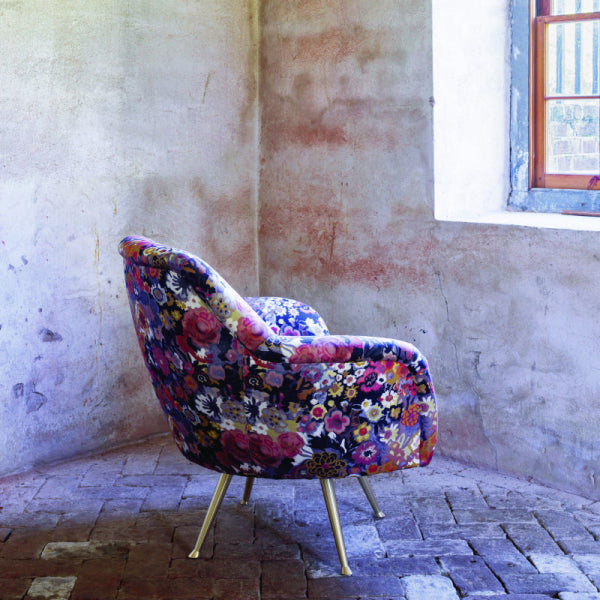
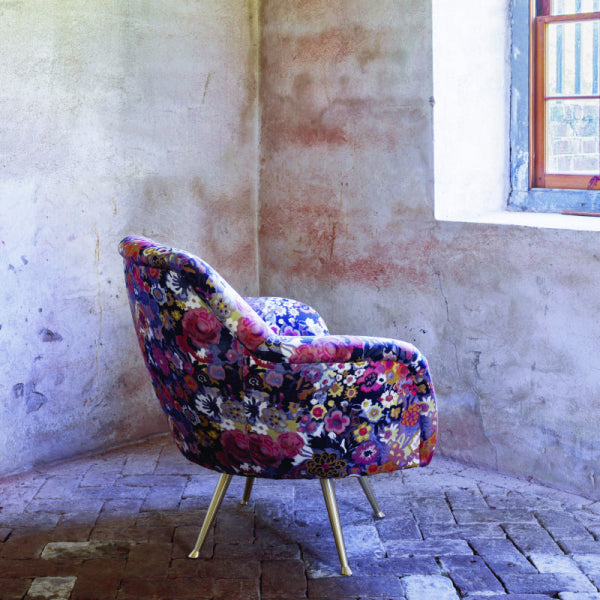
A wingback chair can take bolder fabric than is commonly thought. In fact, playing it too safe is often what makes the piece disappear.
The tall back gives you a vertical canvas. The wings create natural framing. The outside back reads almost like a panel. This chair wants design tension. It wants contrast. It wants enough conviction to justify its shape.
Use scale that matches the chair
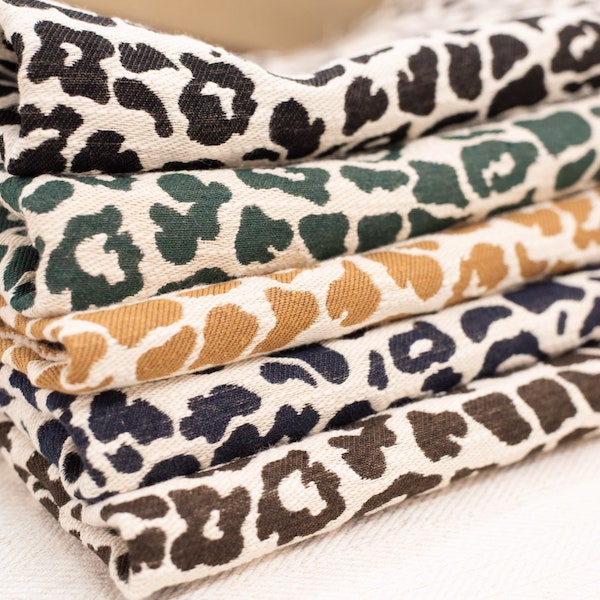
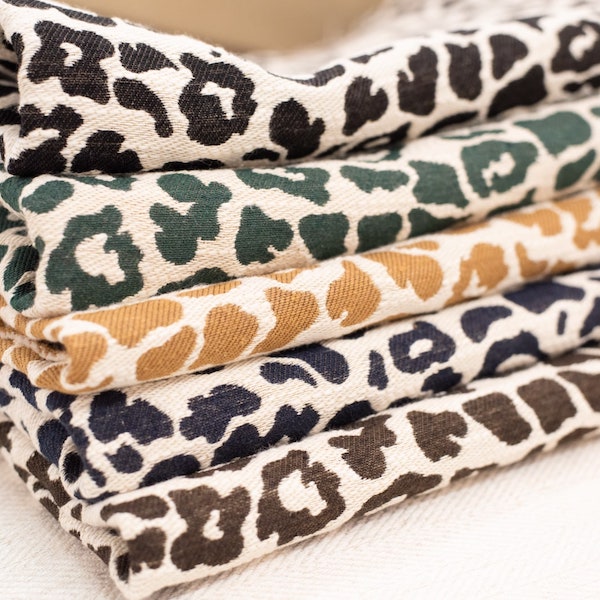
Tiny prints often die on a wingback. They can look busy on the seat and insignificant on the back. Large-scale patterns, broad textures, and confident solids usually perform better because the chair itself has visual mass.
That's why a wingback can carry:
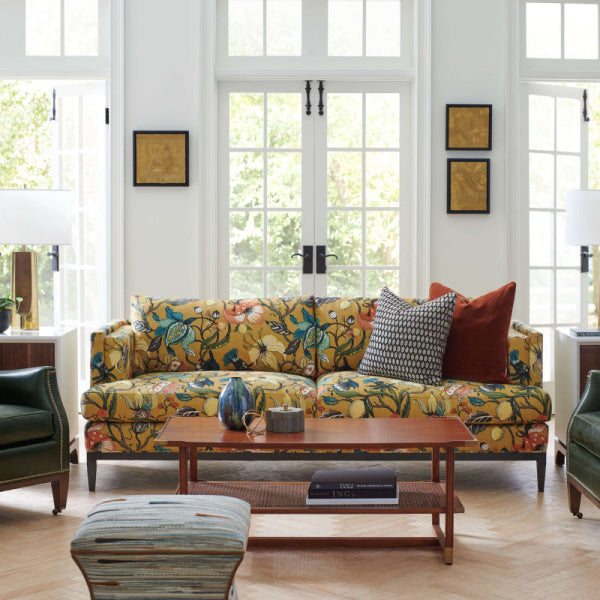
- A substantial botanical or geometric
- A dense velvet with directional light
- A textured woven solid with pronounced depth
- A stripe used deliberately to emphasize height
The key is proportion. If the fabric doesn't have enough scale or enough surface interest, the chair can feel generic.
Dual-fabric applications are worth considering
This is one of the smartest ways to make a wingback feel custom. Emerging trends in 2024–2025 show 35% more designers using dual-fabric wingbacks, with contrasting fabrics for the inside vs. outside of a wingback chair becoming a popular technique for creating visual impact and highlighting the chair's form.
I like this approach because it respects how the chair is seen. The outside back often reads from across the room. The inside seat and back are experienced up close. Those are different visual moments, and they don't have to wear the same fabric.
A few combinations work especially well:
- Pattern outside, textured solid inside: Best for clients who want drama without overwhelming the seat.
- Velvet inside, woven outside: Rich and tailored, with strong tactile contrast.
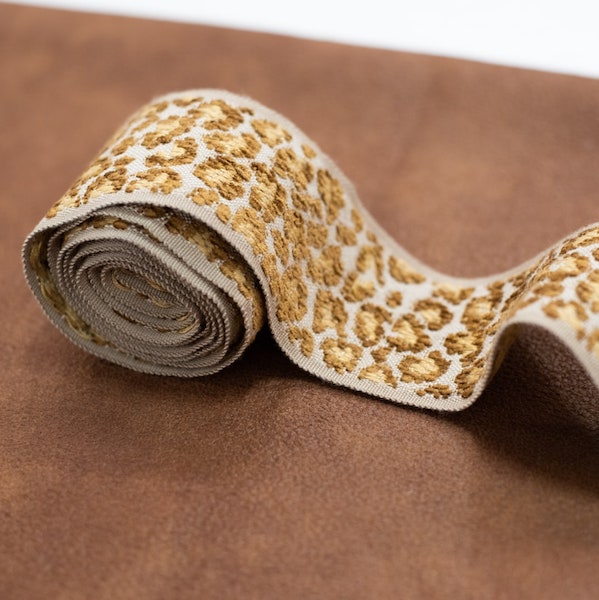
- Solid inside, print on the welt or pillow only: Restrained, but still custom.
The outside of a wingback is not a leftover surface. It's one of the best design opportunities in the room.
Don't ignore nap and room color
Velvets and other pile fabrics need consistent nap direction or the chair will look patchy and amateur. This is essential. The same goes for stripes and obvious directional weaves. If they aren't handled correctly, the chair loses its sense of polish.
Color also needs to be considered in the full room, not in isolation. Before you commit to a dramatic upholstery fabric, review your wall color, trim, and adjacent upholstery. If you're refining the entire room, these interior paint ideas for your home can help you align the chair with the architecture and mood of the space.
The Reupholstery Journey From Plan to Perfection
Reupholstering a wingback chair is not guesswork. It's a technical process, and the planning stage matters just as much as the installation.
The question I hear most is straightforward. How much fabric do you need? For a standard wingback chair, reupholstery typically requires between 6 to 8 yards of fabric, with 7 yards as the average to account for the chair's 12 distinct sections and the allowances needed for a clean installation.
Why yardage runs higher on a wingback
This chair uses more material because the shape is more demanding. You're covering the deck, bottom front, inside and outside wings, arms, back, and cushion. The same source notes the need to measure those 12 distinct sections and add a 4-inch allowance to each calculation before converting total inches to yards by dividing by 36 in order to avoid shortages during upholstery work.
That's exactly why wingbacks can frustrate people who try to estimate based on a dining chair or slipper chair. The wings, curvature, and height drive the yardage.
A better way to prepare for consultation
If you're planning reupholstery for a cherished chair in Alpharetta, Buckhead, or Roswell, come prepared. You'll get a sharper recommendation and a better result.
Bring or confirm these details:
- Overall chair photos: Front, side, and back views matter.
- A close look at the seat cushion: Loose cushion and tight seat construction affect planning.
- The repeat, if your fabric has a pattern: Pattern matching can change what's practical.
- Your lifestyle notes: Pets, children, sun exposure, and daily use all affect selection.
If you're also weighing labor and scope, this article on how much reupholstery costs is worth reading before you commit.
Reupholstery pays off when the frame is worth saving and the new fabric is chosen with discipline.
What separates excellent work from average work
The difference isn't just sewing skill. It's judgment. A good upholsterer knows how to place a motif on a tall back, where seams should disappear, how to respect nap, and how to keep the silhouette crisp rather than overstuffed.
That's what protects the value of a serious chair. Without that level of craftsmanship, even expensive fabric can look cheap.
Finding Your Perfect Fabric in Atlanta
If you're shopping for luxury furniture in Atlanta, custom furniture Atlanta, or designer furniture near me, the challenge isn't finding fabric. It's finding the right fabric in the right context.
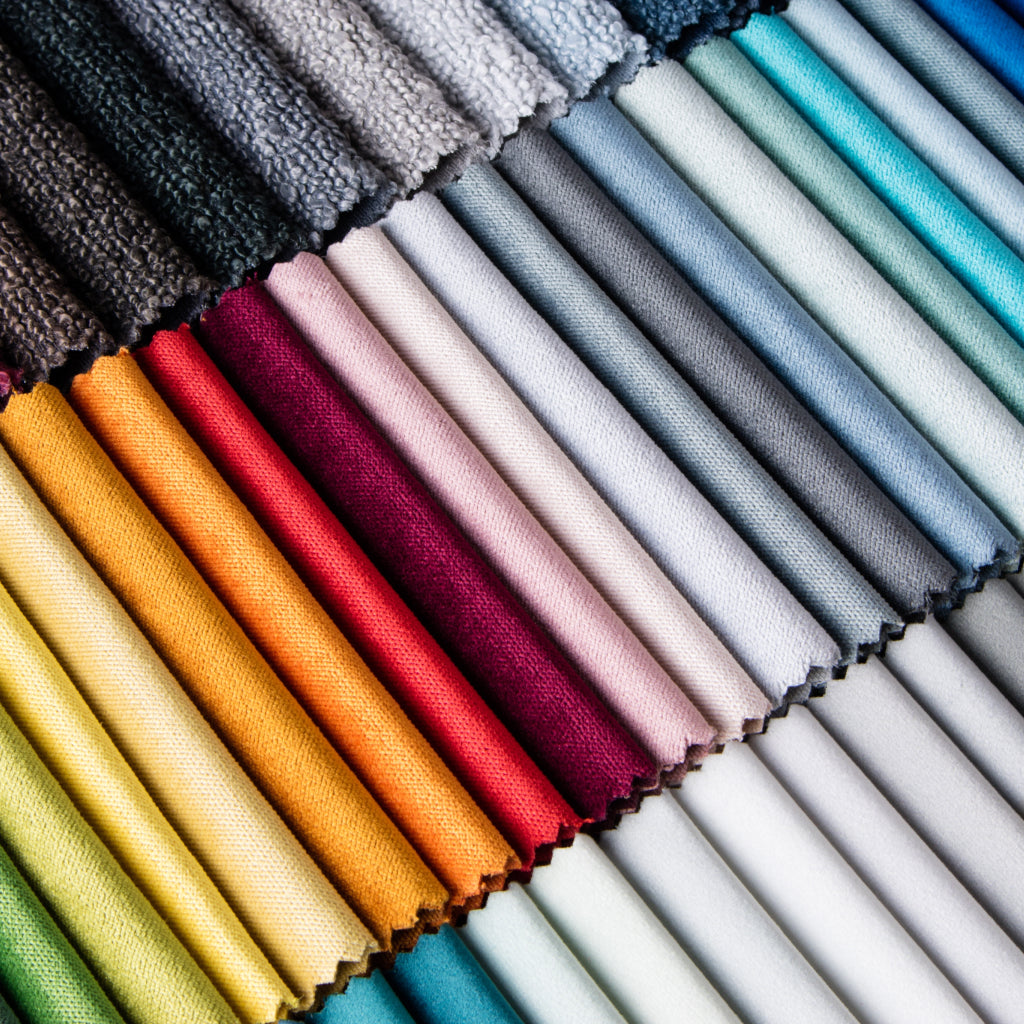
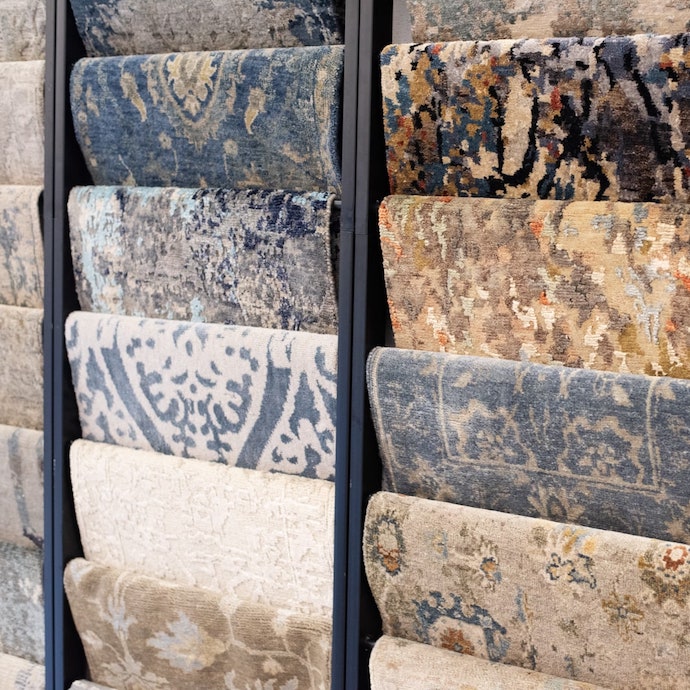
Swatches online don't tell you enough. They don't show scale properly. They don't let you judge hand. They don't tell you how a woven reads next to a velvet, or how a subtle ground changes under natural light in a Sandy Springs living room versus a Buckhead study.

What serious buyers should look for
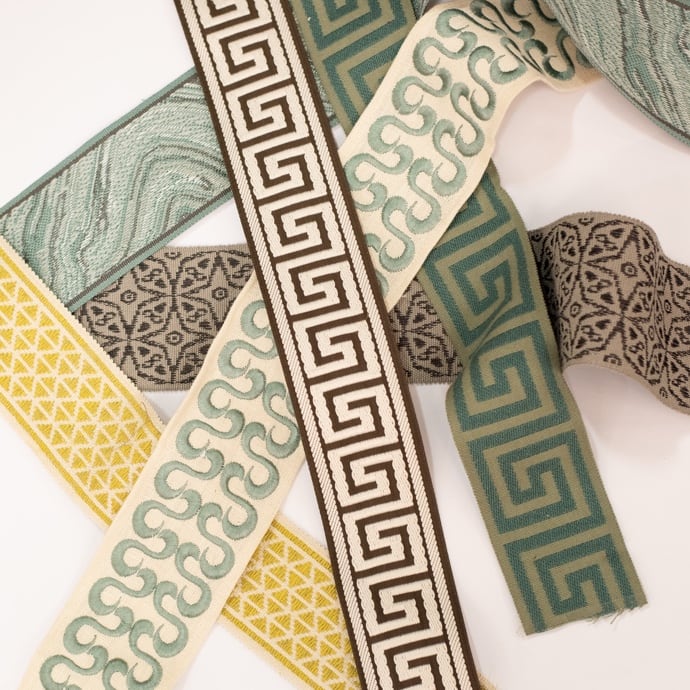
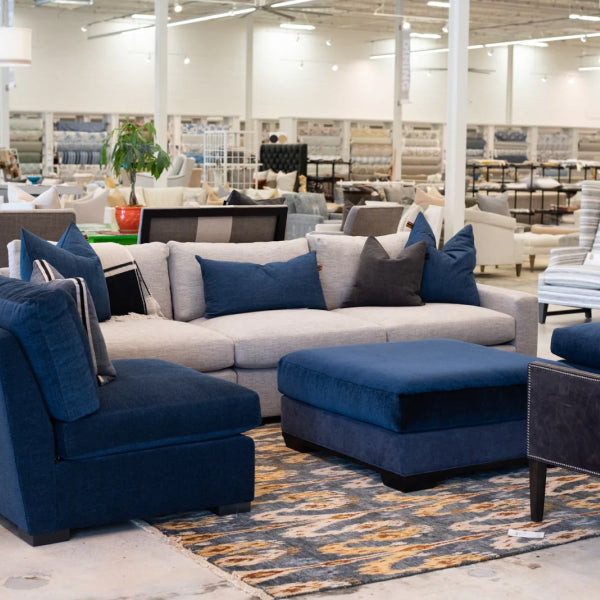
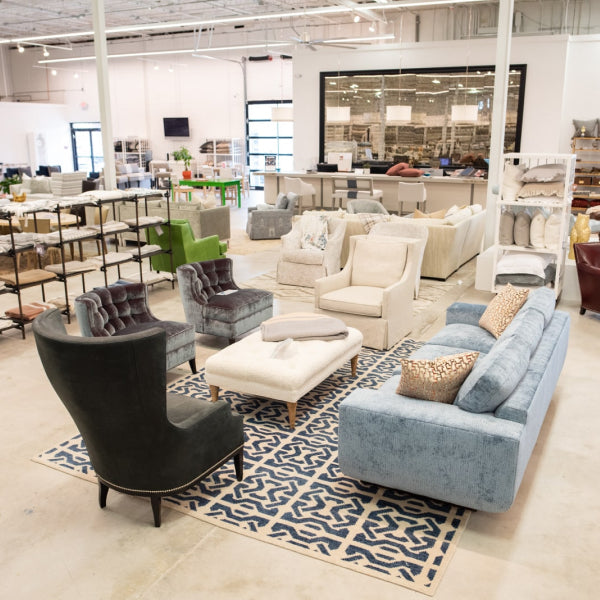
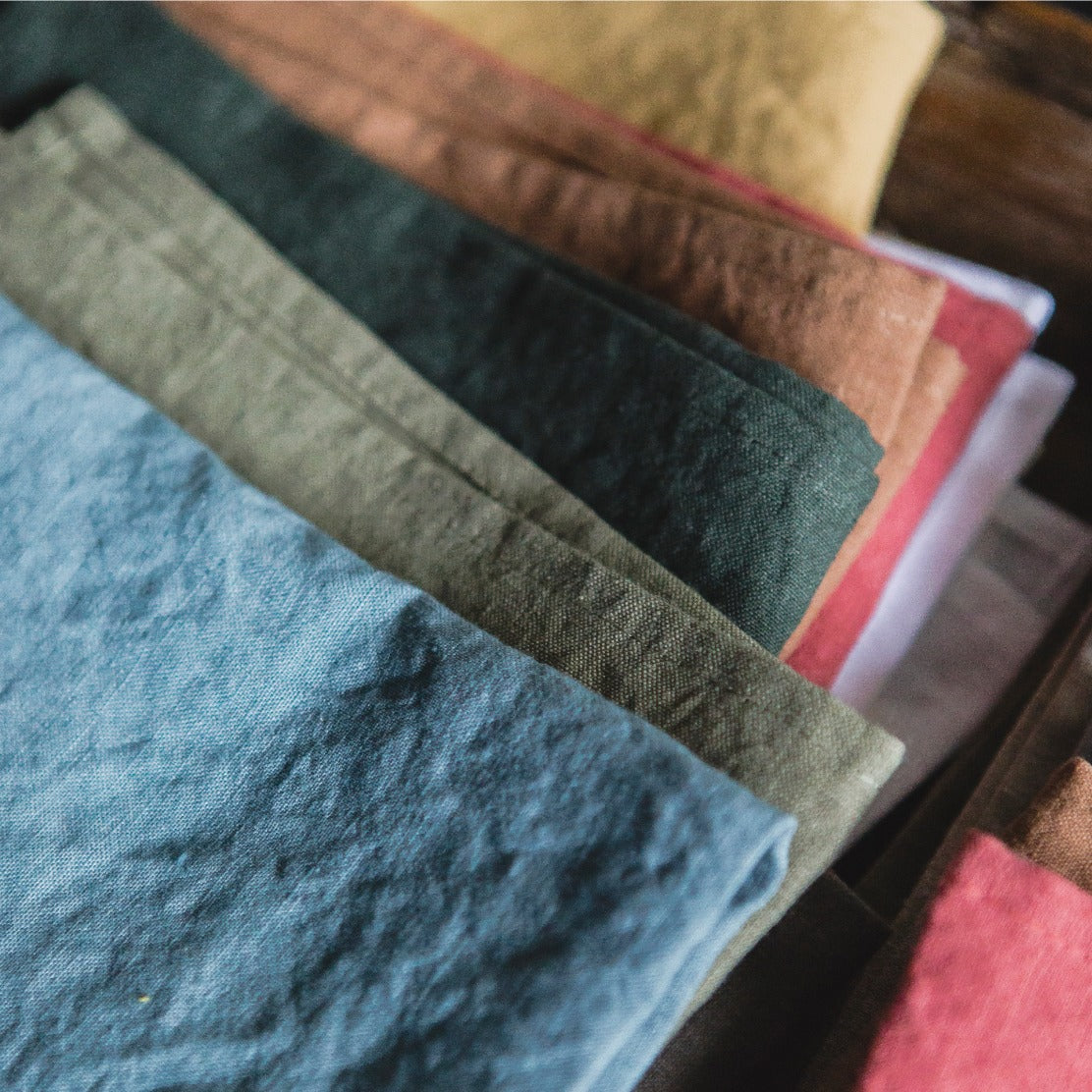
The best buying experience is tactile and comparative. You want to see substantial options side by side, hold them against wood finishes, compare solids with patterns, and edit with someone who understands upholstery, not just retail.
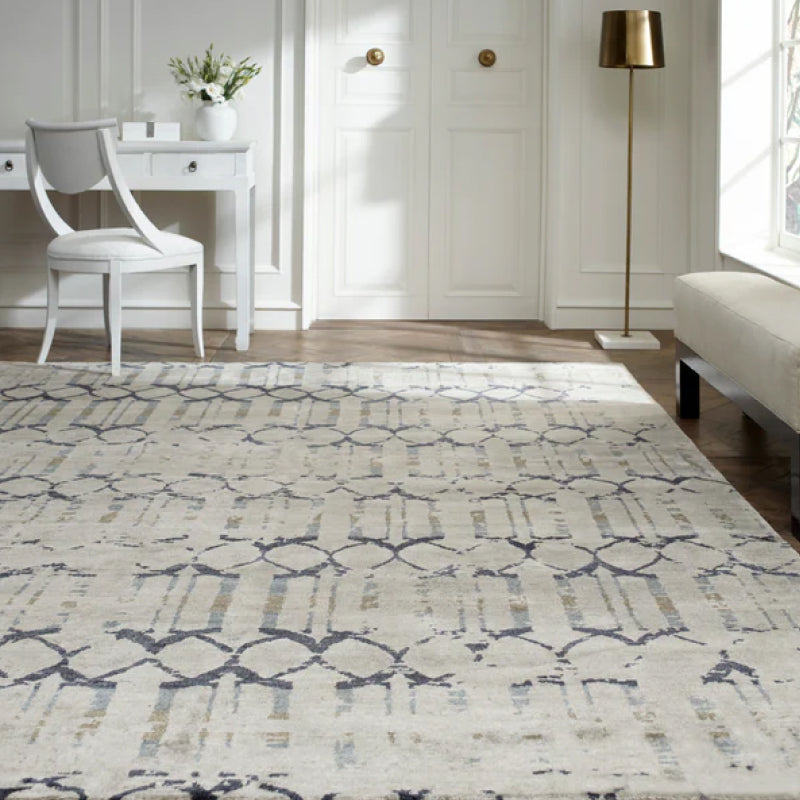
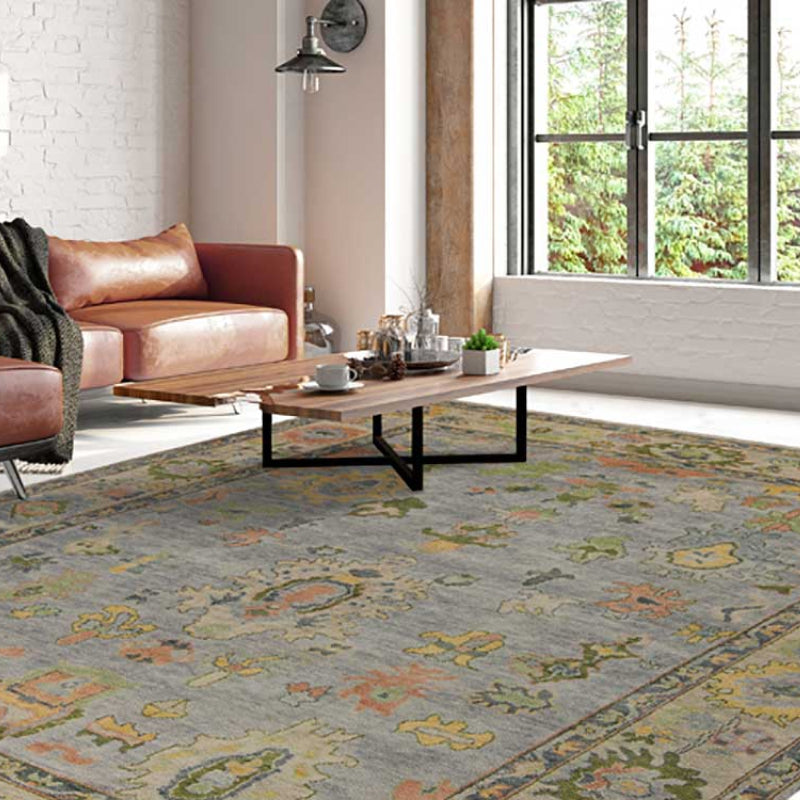
That's especially important if you're pairing a wingback with other luxury home furnishings, such as high-end furniture, custom drapery, rugs, or premium sectionals. A fabric that looks impressive on its own may still be wrong for the room.
A useful local resource for narrowing options is this guide to the best fabric stores in Atlanta.
Why showroom quality matters
A wingback chair deserves fabric with enough substance, character, and finish to support its lines. Buyers looking at the top end of the market should also understand what quality looks like in furniture itself. Top American-made designer custom upholstery brands like Verellen, Chaddock, Cisco Home, and Holland MacRae are available through premier Atlanta showrooms, offering the high-end materials and craftsmanship essential for heirloom-quality furniture.
That matters because the best fabric choices usually live in the same conversation as the best upholstery construction. If you care about designer quality, don't separate those decisions.
Atlanta buyers should trust their hands, not just the screen
For homeowners in Buckhead, Roswell, Alpharetta, Sandy Springs, and across Fulton County, this is one category where in-person shopping still wins. Texture, density, finish, and color nuance are impossible to evaluate fully from a thumbnail.
When you're making a decision on a statement chair, you want certainty. You want to know the fabric feels right, looks right, and belongs in a room with the rest of your investment pieces.
Custom Furniture The Ultimate Expression of Style
Sometimes reupholstery is the right move. Sometimes the smarter move is starting fresh with a custom wingback built to your proportions, your room, and your taste.
If you've been searching for custom upholstered furniture, custom chairs Atlanta, or the best luxury sofa brands, you're already thinking at the right level. Mass-produced furniture solves for speed. Custom furniture solves for fit, finish, and individuality.
Why custom beats cookie-cutter
A custom wingback gives you control where it matters:
- Proportion: The chair can be scaled for a tall room, a tight corner, or a bedroom sitting area.
- Materials: You can specify fabric combinations that would never exist on a standard retail floor.
- Presence: The result looks collected, not copied.
This is what separates a room with furniture in it from a room with a point of view.
American-made upholstery is still the benchmark
For buyers who care about craftsmanship, American-made upholstery continues to set the tone in the luxury market. The appeal isn't novelty. It's the ability to order furniture with intention instead of settling for whatever happens to be stocked.
That's also why this matters: American Leather offers a 30-day custom upholstery program for any sofa, chair, or bed, enabling buyers to invest in unique pieces rather than mass-produced options.
That kind of flexibility is exactly what high-consideration buyers want. Not more sameness. Better choices.
If you already know what you want the chair to say in the room, custom furniture is usually the cleanest path to getting it right.
A well-made custom wingback belongs in the same conversation as the finest luxury sofas, designer furniture, and heirloom-quality furniture in your home. It isn't a filler piece. It's a signature piece.
If you're ready to choose fabric for wingback chairs with the level of care a serious investment deserves, Lewis and Sheron Textiles is Atlanta's destination for premium home fabrics, custom furnishings, and expert design support. Their Design Center serves homeowners and trade clients across Atlanta, Buckhead, Alpharetta, Roswell, Sandy Springs, Fulton County, and North Atlanta with extensive in-stock selection, custom upholstery, reupholstery, and complimentary in-house design guidance when shopping.