














Most advice about quiet luxury gets the order wrong. It starts with color, styling, and shopping shortcuts, as if a room becomes refined once you add a beige throw, a curved lamp, and a few neutral accessories.
It doesn't.
A quiet luxury interior design scheme is built from harder questions. What will this fabric look like after years of use? Does this sofa have the frame, suspension, and tailoring to age well? Will this rug still feel grounded and elegant once the trend cycle moves on? In high-end homes across Atlanta, Buckhead, Alpharetta, Roswell, and Sandy Springs, the difference between a room that merely looks expensive and one that feels settled, gracious, and lasting usually comes down to materials and craftsmanship.
That matters because the broader category isn't small. The global interior design market was valued at $136.12 billion in 2023 and is projected to exceed $228.01 billion by 2033, according to Alma de Luce's quiet luxury design overview. Yet the segment that continues to hold discerning buyers is the one centered on enduring quality, not visual noise.
The Enduring Appeal of Quiet Luxury Design
Luxury doesn't need to announce itself. In fact, the most convincing rooms rarely do. They rely on proportion, restraint, material depth, and comfort that reveals itself slowly.
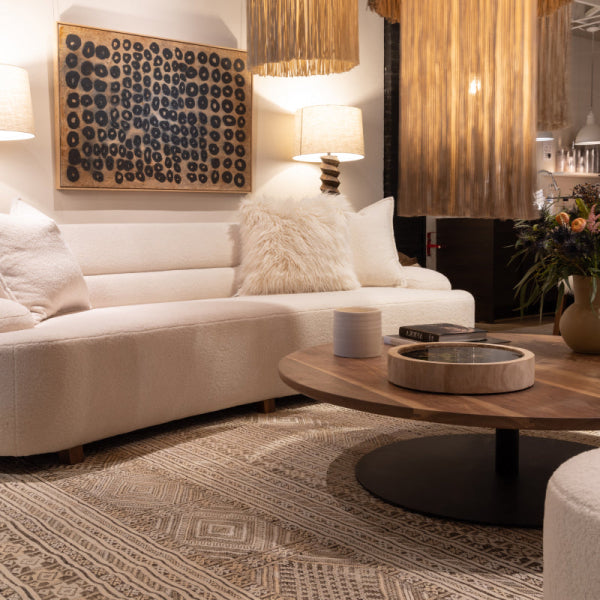
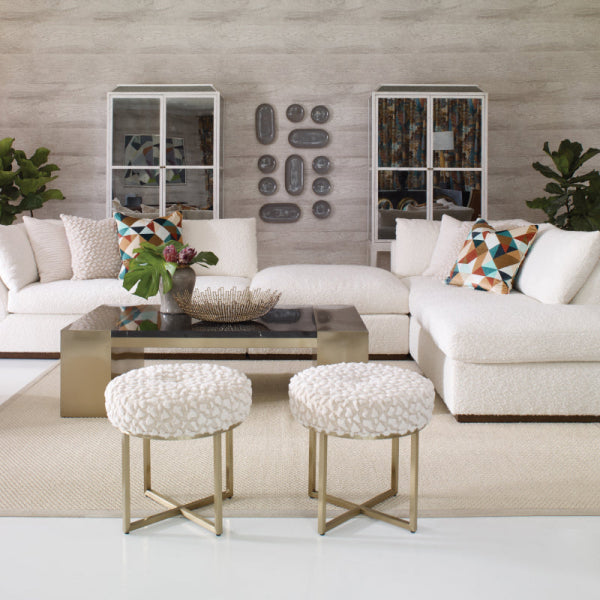
That's why quiet luxury interior design has staying power. It isn't a decorating trick. It's a design philosophy rooted in quality over quantity and longevity over trends, with rooms shaped around daily use rather than short-lived impact. Neutral foundations such as cream, beige, and soft white support that approach because they let texture, silhouette, and finish carry the room instead of loud contrast.
What discerning homeowners are choosing instead
In heritage neighborhoods and newer custom homes alike, buyers looking for luxury furniture in Atlanta, custom furniture in Buckhead, or designer furniture near me are often less interested in novelty than permanence. They want a living room that still feels correct years from now. They want luxury sofas, premium sectionals, and statement furniture pieces that don't date themselves by chasing the latest showroom formula.
Quiet luxury answers that need by rejecting conspicuous display. It favors handmade furniture over machine-made alternatives and fine finishes executed with care. The result is a home that feels composed, not decorated.
Practical rule: If the room depends on immediate visual impact to feel luxurious, it usually won't improve with time.
Why this works in Atlanta homes
Atlanta homeowners tend to live with their rooms. Formality matters, but so does comfort. A Buckhead sitting room has to welcome guests without feeling staged. A Roswell family room needs to hold up to use while still reading as polished. An Alpharetta primary bedroom should feel well-appointed, but never cold.
Quiet luxury works in those settings because it's less about stripping things back and more about editing wisely. One properly scaled sofa in a noble fabric does more for a room than several fashionable pieces that compete with one another. One excellent rug can quiet an entire floor plan.
For homeowners refining a main living space, this approach to creating a timeless living room aligns with the same long-view thinking. The room should feel better after you've lived in it, not worse.
The Philosophy of Understated Elegance
A quiet luxury room is the interior equivalent of a bespoke suit in a superb cloth. It doesn't need oversized branding, exaggerated styling, or obvious signals to communicate quality. The cut, the drape, the hand of the fabric, and the precision of the finish do the work.
A logo-heavy outfit does the opposite. It asks to be noticed immediately. Many mass-market “luxury” interiors operate the same way. They substitute trend-coded shapes, bright brass everywhere, and overscaled accessories for actual substance.
The three qualities that separate substance from styling
The first is material honesty. Quiet luxury depends on materials that feel authentic in the hand and convincing in the room. Natural fibers, solid woods, stone, and metals with real depth carry a different visual weight than imitation surfaces.
The second is craftsmanship. Construction matters because the eye eventually notices what the room is made of, even when the viewer can't name the detail. Clean upholstery lines, balanced proportions, properly finished wood, and disciplined tailoring create calm.
The third is timeless design. Timeless doesn't mean bland. It means the piece isn't so tied to a single season's trend language that it will feel forced once tastes shift. That's why the best high-end furniture, custom chairs, and designer furniture often feel subtly confident rather than theatrical.
What buyers are really responding to
Discerning clients usually aren't chasing less. They're chasing less noise.
They want a home that feels personal, composed, and restful. That's different from minimalism. Minimalism can remove. Quiet luxury refines. It keeps what deserves to stay and upgrades what doesn't.
A useful test is this:
| Question | Quiet luxury answer | Surface-level answer |
|---|---|---|
| Why is this piece here? | It adds comfort, quality, or meaning | It fills space |
| Why does it feel expensive? | Materials and workmanship | Styling cues |
| Will it age well? | Yes, visibly and gracefully | Probably not |
A sophisticated room doesn't beg for attention. It rewards attention.
That distinction matters for high-intent buyers comparing best luxury sofa brands, weighing custom vs mass-produced furniture, or searching for premium furniture in Atlanta. The goal isn't to own more expensive things. It's to own fewer things that are better made, better scaled, and better suited to real life.
Hallmarks of a Quiet Luxury Interior
You can usually identify a true quiet luxury room before you know where anything came from. The room feels settled. The palette is restrained, but not flat. The furniture has presence without looking overdesigned. The finishes don't glare at you.
The most reliable marker is material character. House of Nuances notes that quiet luxury interiors are defined by natural materials that visibly age and gain character, such as solid hardwoods, unlacquered metals, and heavy linens or wool. That aging is part of the appeal. It signals craft and use, not decline.

Color that supports instead of competes
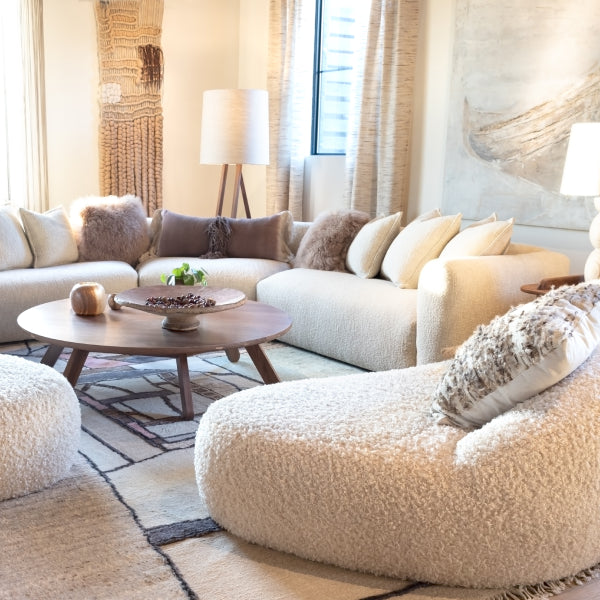
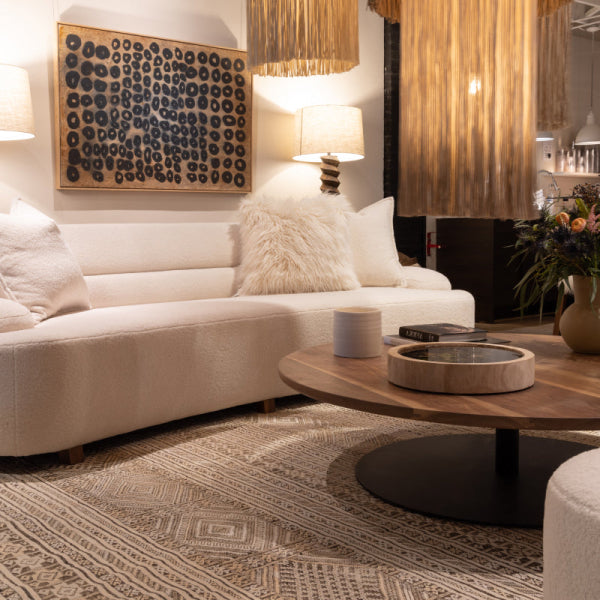
Quiet luxury doesn't require an all-beige room, but it does rely on restraint. Cream, taupe, warm stone, muted brown, soft white, and gentle wood tones create a backdrop that lets form and texture lead.
That backdrop matters because it shifts attention away from novelty and toward quality. On a loud palette, even weak materials can hide for a while. On a calm palette, every shortcut shows.
A strong room often uses:
- Layered neutrals: Multiple tones of cream, mushroom, oat, and sand rather than one flat beige.
- Natural wood presence: Oak, walnut, or other hardwoods that add warmth without visual clutter.
- Controlled contrast: Dark metal, aged bronze, or charcoal used sparingly to define edges and anchor lighter elements.
Materials that improve the room over time
Not every neutral fabric supports quiet luxury. Synthetic blends can mimic the look at first, but they rarely deliver the same depth, drape, or aging pattern as natural fibers. Heavy linen, wool, cotton velvet, and solid wood gain complexity with use. That's one reason material selection is where many “budget quiet luxury” rooms fall apart.
The goal isn't perfection. It's patina.
For architectural surfaces, variation is equally important. Limewash, Venetian plaster, natural stone with restrained veining, and unlacquered metal all introduce subtle irregularity. Those micro-shifts in texture and finish keep a room from feeling static.
Designer's lens: Uniformity is often the enemy of refinement. Real luxury usually contains slight variation, not machine-perfect sameness.
What craftsmanship looks like in person
Buyers searching for designer furniture near me or custom furniture Atlanta should pay as much attention to what's hidden as what's visible. Good furniture speaks through proportion, tailoring, and joinery.
Look for these signs:
- Clean upholstery work: Seams sit straight, cushions fit correctly, and the silhouette holds its line.
- Substantial frames: Fine furniture feels grounded, not hollow or flimsy when moved.
- Thoughtful finish work: Wood grain reads clearly, edges feel deliberate, and hardware suits the piece rather than over-styling it.
- Surface depth: Stone, plaster, metal, and glass should contribute tactility, not just shine.
Glass can be especially effective when used with discipline. For homeowners thinking beyond textiles and wood, this guide on creating a luxurious feel with glass is a useful companion because it focuses on how reflective surfaces can enhance a room without pushing it into flash.
Investing in Heirloom Quality Custom Furniture
If you're deciding between a showroom-ready mass-produced sofa and a custom upholstered piece from a respected American maker, the key question isn't just price. It's service life, repairability, comfort over time, and whether the frame deserves to be reupholstered later.
That's where the gap becomes obvious. Upfront Upholstery Buckhead states that high-end custom upholstered furniture is engineered to last 15 to 25 years with proper maintenance, compared with 5 to 7 years for mass-produced furniture, largely because of solid hardwood frames and hand-tied suspension systems. For anyone weighing high-quality couches, luxury sofas, or premium sectionals, that difference changes the conversation.

Custom versus mass-produced in practical terms
Mass-produced furniture is often built for shipping efficiency and rapid turnover. That usually means lighter frames, simpler suspension, more glue-dependent construction, and fabrics selected to hit a price point.
Custom upholstered furniture is built around longevity. Brands such as Wesley Hall and LEE Industries are often part of this conversation because buyers at the decision stage want more than a good-looking silhouette. They want a piece with lasting structure and a fabric story that supports the room.
A useful comparison looks like this:
| Buying factor | Custom upholstered furniture | Mass-produced furniture |
|---|---|---|
| Frame quality | Often solid hardwood | Often lower-grade engineered components |
| Suspension | Built for long-term support | Commonly simplified |
| Fabric selection | Broad, design-driven, room-specific | Limited, inventory-driven |
| Future reupholstery potential | Strong | Often poor |
What makes a piece heirloom quality
“Heirloom” gets overused. In practice, it should mean a piece is worth keeping, worth maintaining, and worth recovering later.
That usually requires:
- A sound frame: If the bones are weak, no fabric can save the piece.
- Quality suspension: Comfort should hold, not collapse quickly.
- Tailoring that respects the form: A sofa with poor pattern matching or loose detailing never develops grace.
- A fabric with staying power: The upholstery has to belong to the architecture of the room, not just a trend board.
For buyers comparing options, this guide to what bespoke furniture means is worth reading because it clarifies the difference between made-to-order customization and generic customization language.
Buy the frame first, the comfort second, and the fabric third. If the first two are wrong, the piece will never become heirloom quality.
How Atlanta buyers should think about timing
In the Atlanta market, timing can matter for buyers shopping investment pieces. Houzz notes that January, July, and major holiday weekends such as Presidents Day and Labor Day are common windows when retailers clear out models and may offer 15 to 30% discounts on premium sofas and sectionals. If you're furnishing a full room in Buckhead, Sandy Springs, or North Atlanta, that can be a smart moment to compare floor models, custom lead times, and fabric upgrades.
Sourcing and Styling with Lewis and Sheron Textiles
Quiet luxury is rarely the result of buying quieter colors. It comes from specifying better materials, understanding how they wear, and editing the room with discipline.
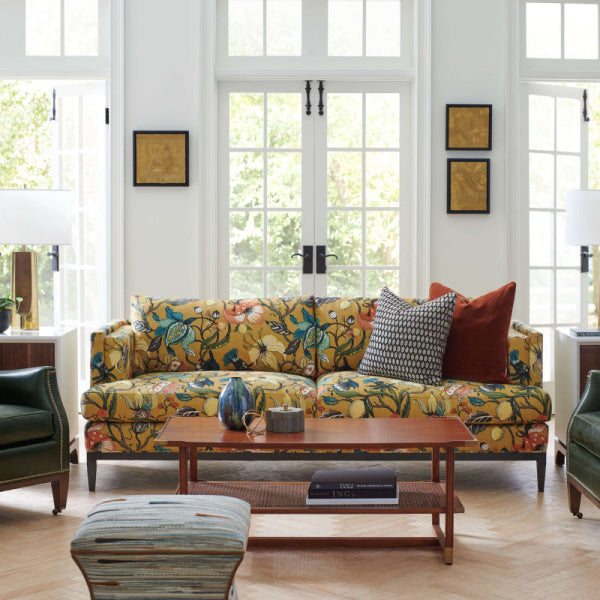
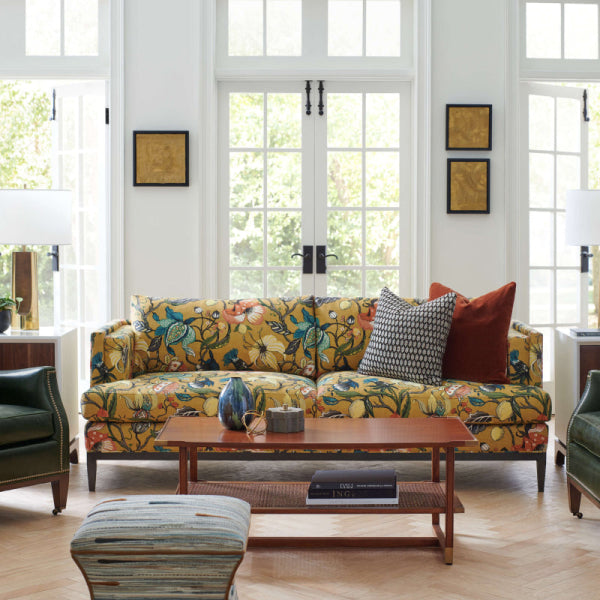
That is why textile sourcing deserves more attention than accessories. Fabric hand, fiber content, backing, finish, and repeat size affect how a room looks on day one and how it ages five years later. A neutral scheme in weak materials still feels temporary. Strong materials with restraint feel settled.

What qualifies as designer quality
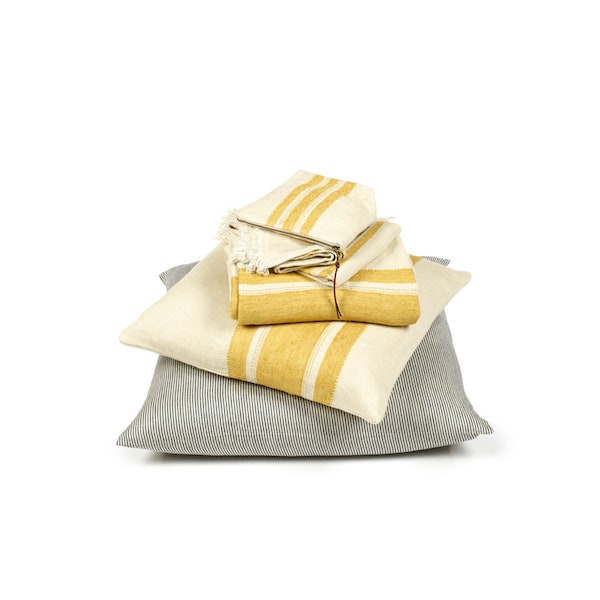
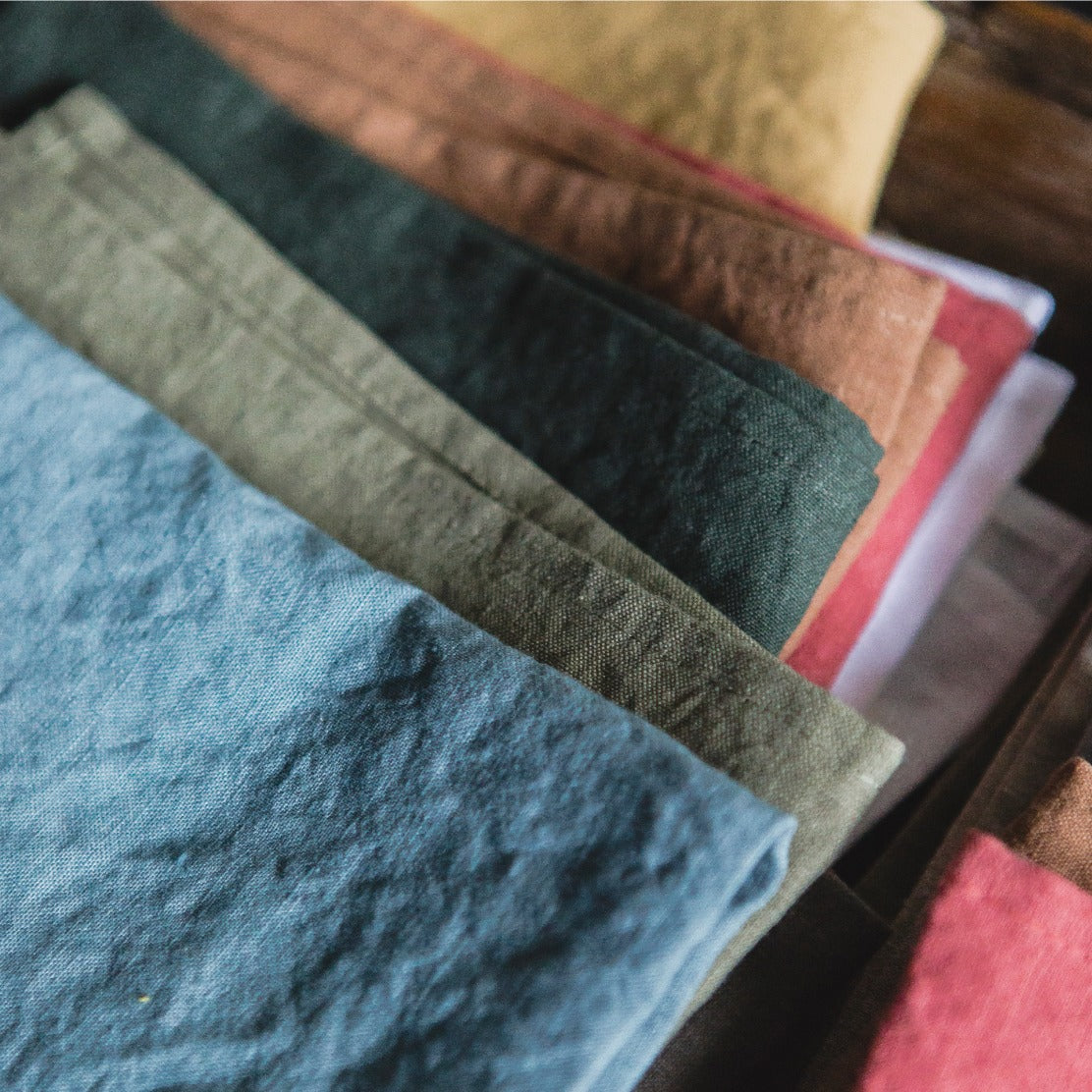
Designer quality starts with material integrity. Belgian linen from mills such as Libeco has a character that lower-grade linen imitations do not. The yarn quality, weave consistency, and finish give it a drier hand, better drape, and more natural variation. Those are small distinctions until the fabric is on a full sofa or a wall of drapery, then they become the difference between refined and flat.
Performance fabrics matter too, but they need to be chosen carefully. Crypton and similar constructions can be a smart answer for family rooms, breakfast banquettes, and homes with children or pets. The trade-off is feel. Some high-performance fabrics protect well but lack the depth and softness clients expect in a formal room. Good specification means matching the finish to the way the room is used.
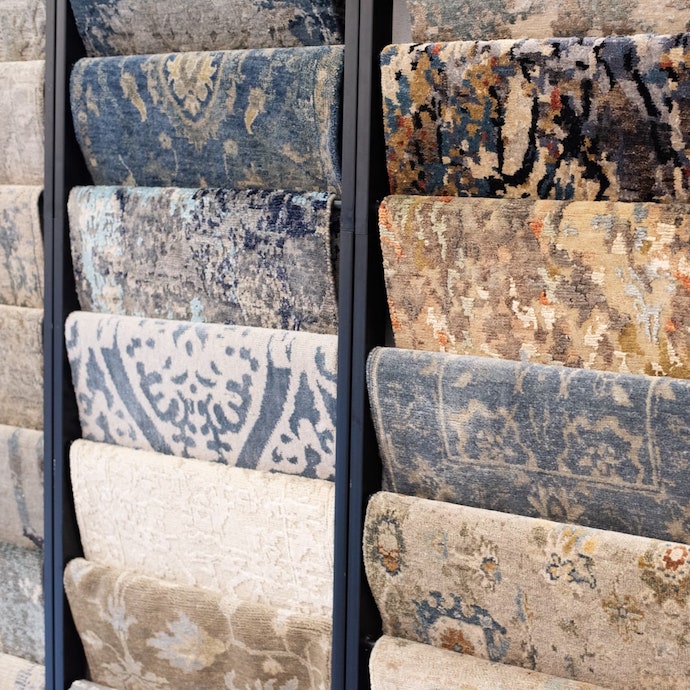
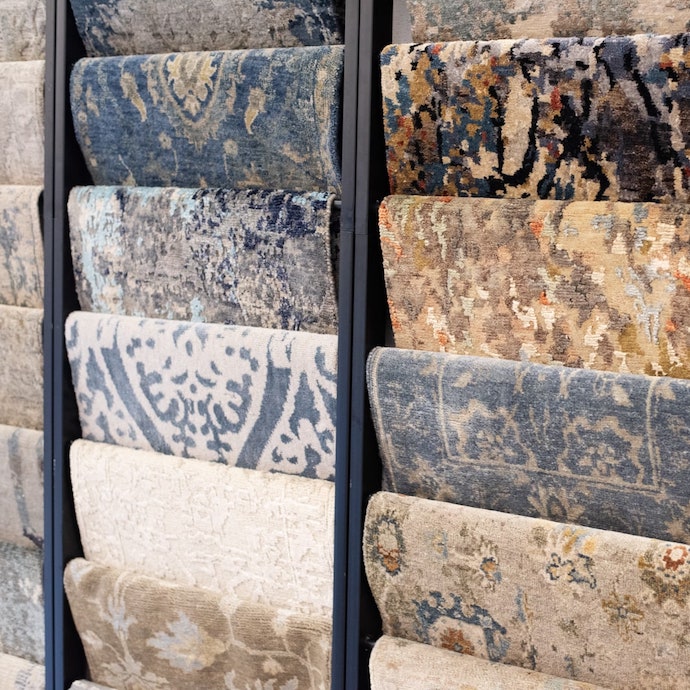
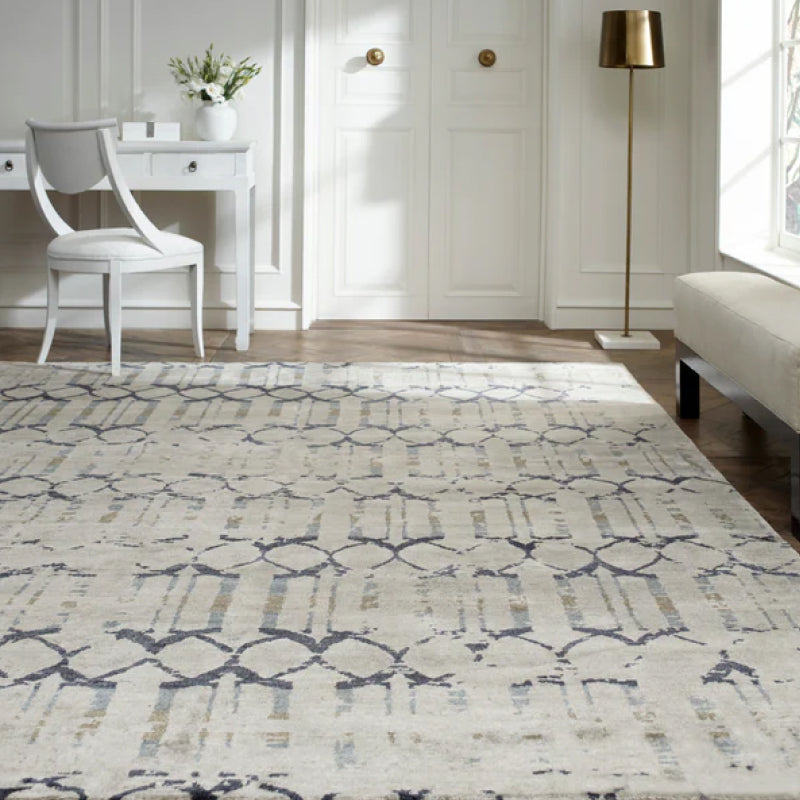
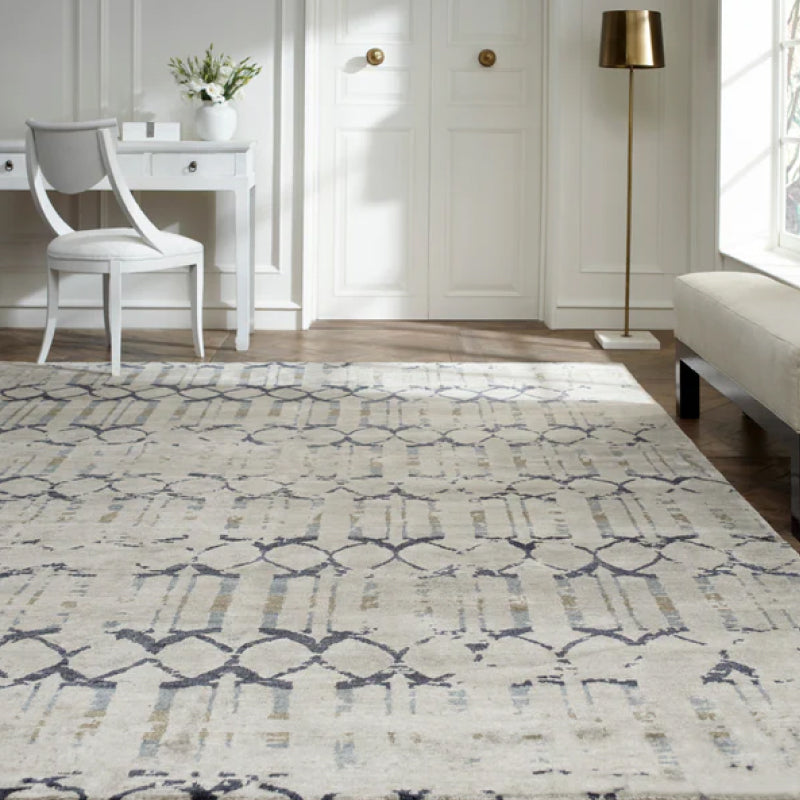
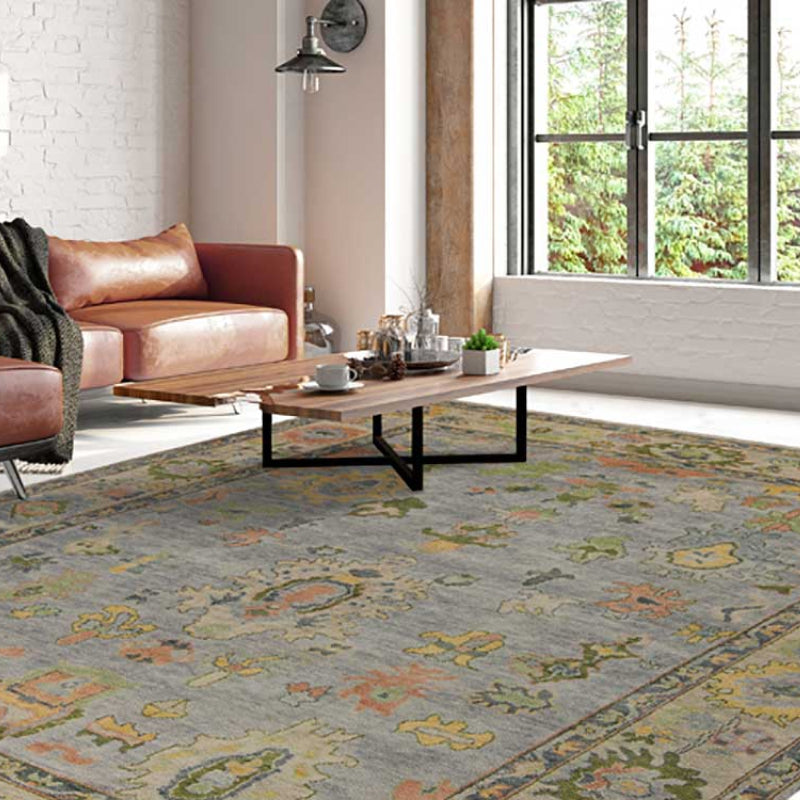
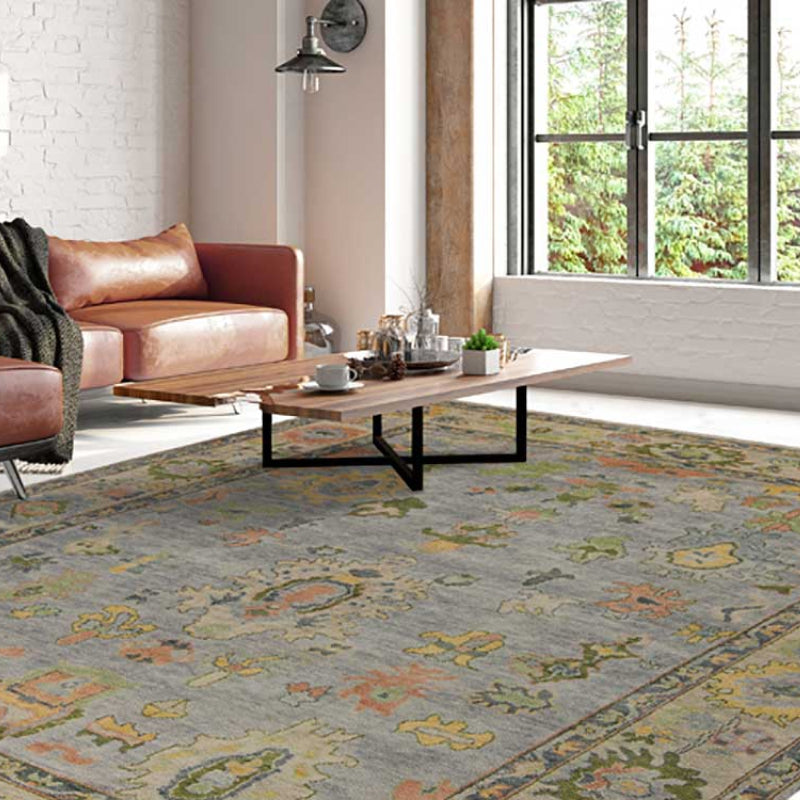
Rugs belong in the same conversation. Hand-knotted pieces from makers such as Kalaty and HRI bring weight, irregularity, and depth of color that machine-made rugs often miss. In a quiet luxury room, that visual calm matters because the floor should support the architecture, not compete with it.
A practical sourcing sequence
The best rooms are usually sourced in a clear order, because every later decision depends on the earlier ones.
-
Choose the lead textile first
Start with the upholstery or drapery fabric that carries the room. Look at fiber content, abrasion suitability, light exposure, and how the color shifts from morning to evening. -
Build from the floor up
A substantial rug sets the visual weight of the room and changes how every wood tone and upholstery color reads above it. -
Set performance standards before approving patterns
A beautiful fabric that cannot handle the room's use is an expensive mistake. In active households, stain resistance, cleanability, and weave stability need to be part of the first conversation. -
Use reupholstery where the frame deserves it
Older chairs and sofas with sound construction often justify new life through better fabric and sharper tailoring. That is often a better investment than replacing them with trend-driven case goods or upholstery of lesser build quality. -
Add detail last
Pillows, trims, and bedding should refine the composition. They should not be asked to rescue weak foundational choices.
The same discipline applies outside the living room. A kitchen feels quieter or busier based on wood species, grain pattern, stain depth, and finish reflectivity. For readers comparing cabinetry decisions with furnishing choices, DreamKitchen.ai's kitchen insights offer a useful material-based perspective.
Why in-stock and custom both matter
Good sourcing balances immediacy with precision. In-stock yardage helps when a project needs to move quickly, especially for reupholstery, guest rooms, or a fast drapery installation. Custom orders make more sense when the room calls for exact coloration, a specific weave, or a textile that has to coordinate with existing architecture and heirloom pieces.
For Atlanta homeowners, that balance is practical, not theoretical. A Buckhead formal living room may justify waiting for the right Belgian linen. A family den in Sandy Springs may call for an in-stock performance fabric that can be installed sooner and used hard from the start. The point is not to choose custom every time. The point is to choose with intention.
For homeowners comparing mills, finishes, and practical buying criteria before an upholstery or drapery project, this guide to the best places to buy upholstery fabric is a useful place to start.
Quiet Luxury FAQ for Atlanta Homeowners
Is quiet luxury the same as minimalism
No. Minimalism is usually stricter and barer. Quiet luxury allows warmth, upholstery, layered textiles, collected objects, and richer surfaces. The room should feel edited, not sparse.
Can renters create this look without changing the architecture
Yes. For renters, 85% of the quiet luxury atmosphere can be created without permanent changes by focusing on textural layering and light manipulation, including properly sized rugs and layered lighting rather than moldings or paneling, according to this rental-focused quiet luxury guidance.
That means a renter in Atlanta or Sandy Springs can get surprisingly far with:
- A substantial rug: It anchors the room and removes the temporary feel.
- Layered lighting: Floor lamps, table lamps, and subtle accent lighting create depth.
- Better textiles: Linen throws, wool, cotton velvet, and lined drapery soften the shell.
Is custom furniture worth it
If you're buying for long-term use, yes. The value isn't just in appearance. It's in comfort retention, stronger construction, room-specific sizing, and the ability to reupholster later instead of replacing the piece.
What's the biggest mistake people make
They copy the palette without upgrading the materials. Beige furniture in a weak fabric isn't quiet luxury. It's just muted furniture.
The style comes from the build quality and the hand of the materials. The neutral palette only helps reveal it.
Where should I invest first
Start with the piece you use most. In many homes, that's the sofa. After that, invest in the rug and the primary textile layers. Those three decisions do more to establish a room than a dozen decorative accessories.
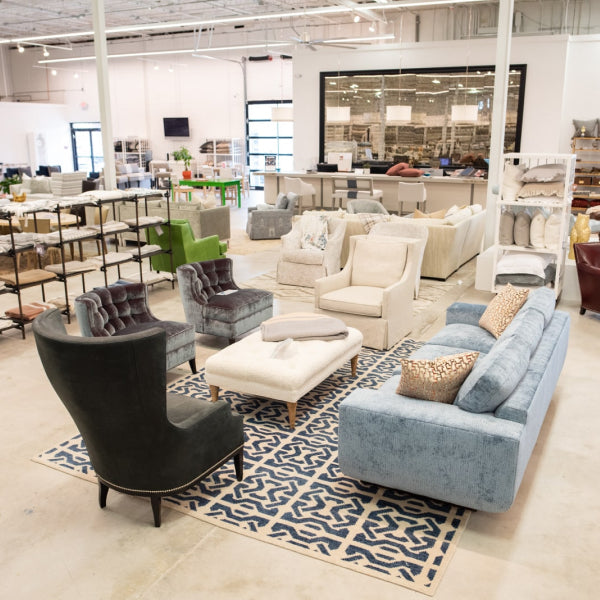
If you're ready to create a quieter, more enduring home, Lewis and Sheron Textiles offers Atlanta homeowners and design professionals access to premium fabrics, custom furnishings, rugs, reupholstery, and complimentary in-house design guidance. It's a strong place to begin when you want quality materials, customized solutions, and furniture that's meant to live beautifully for years.