


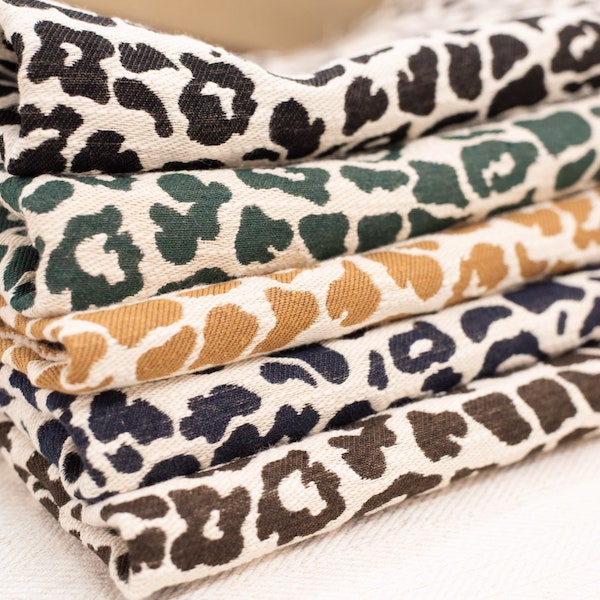
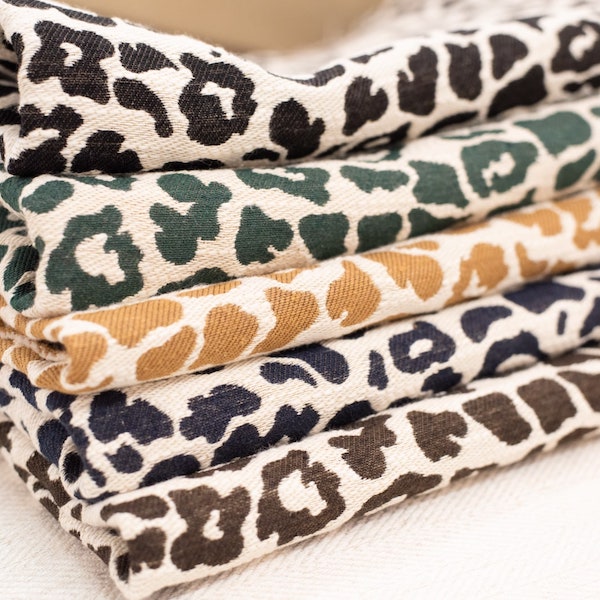
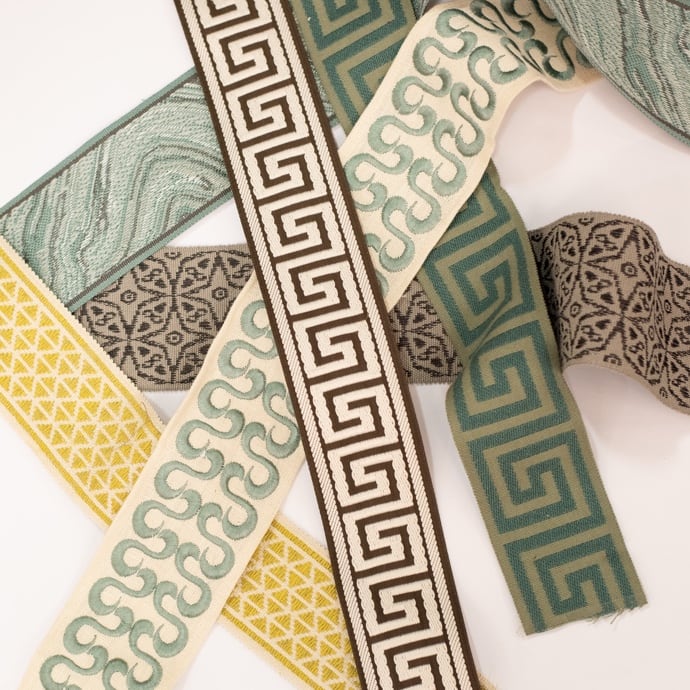

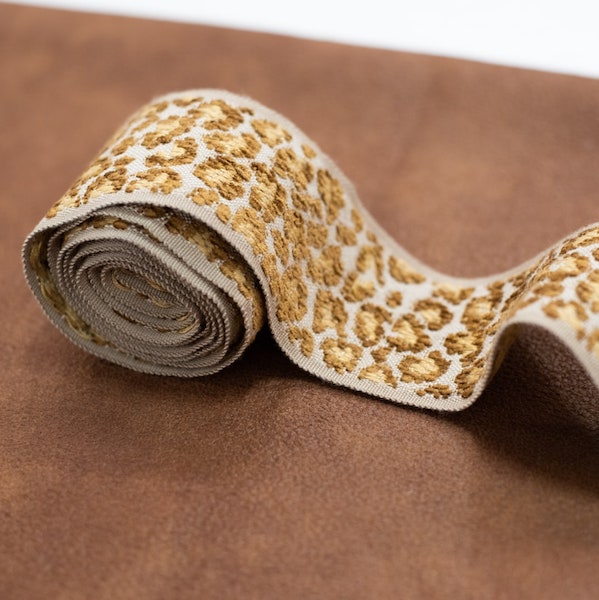
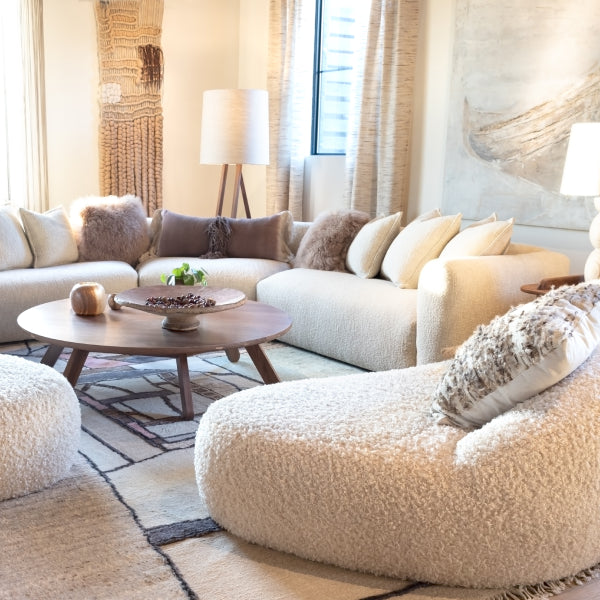
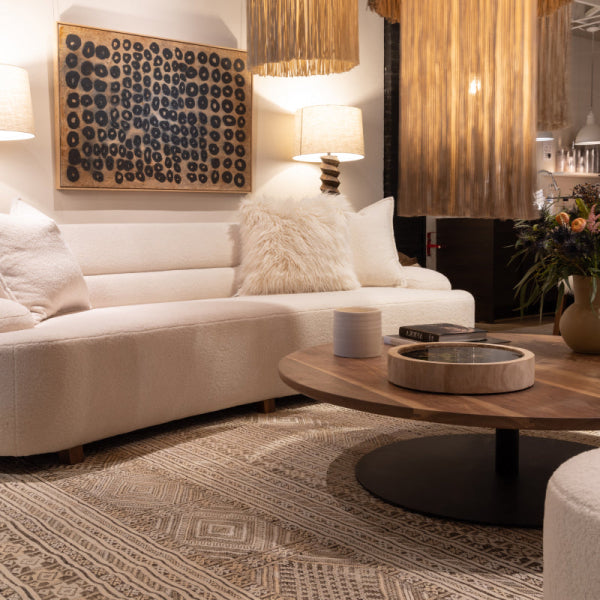
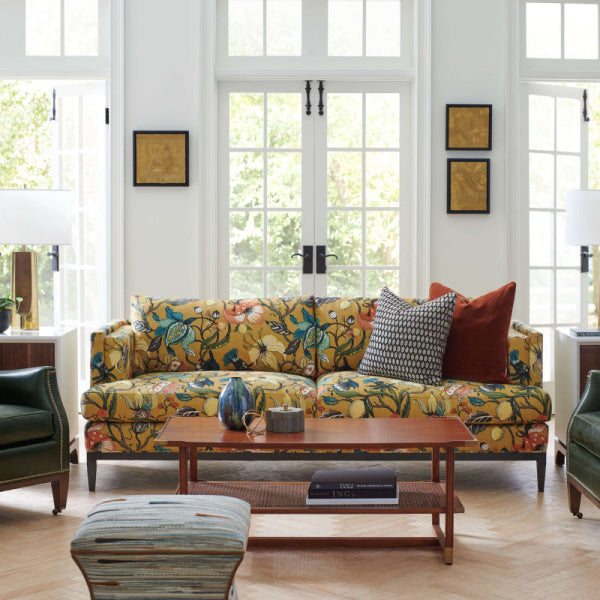
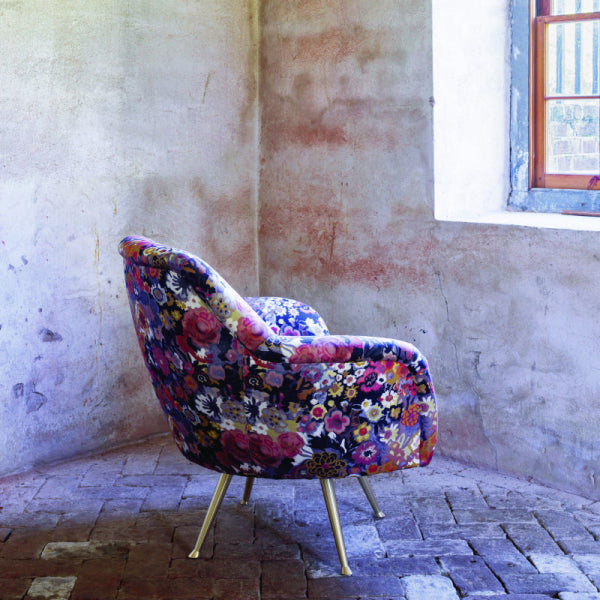
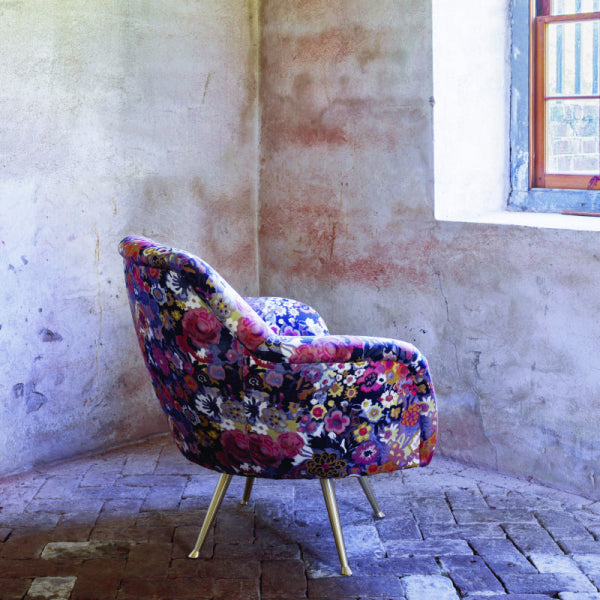
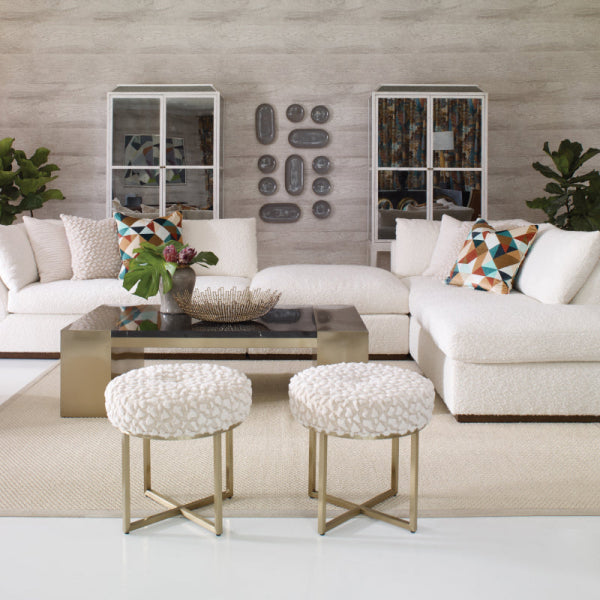











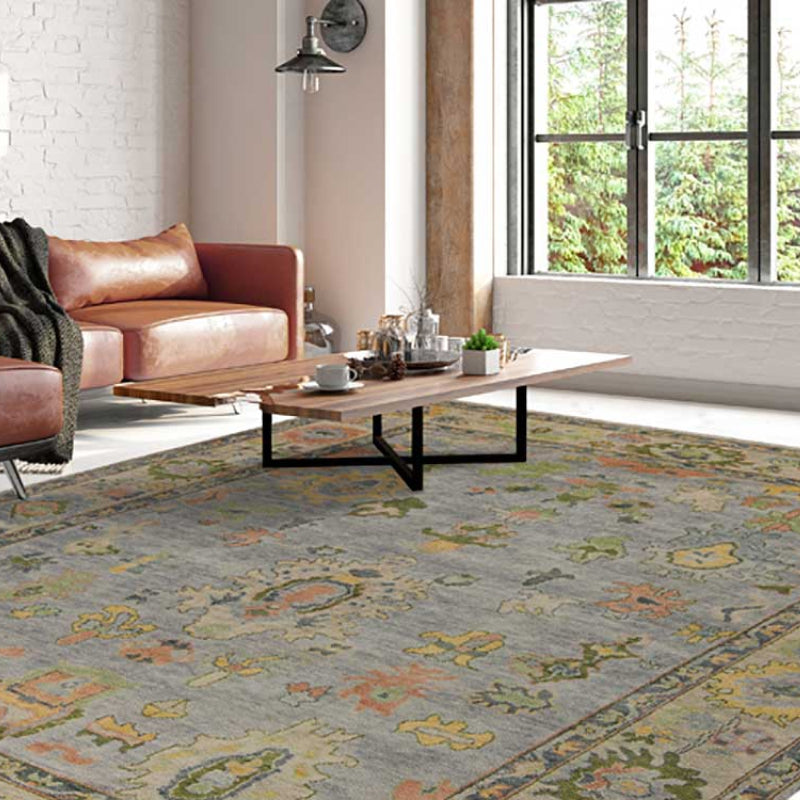
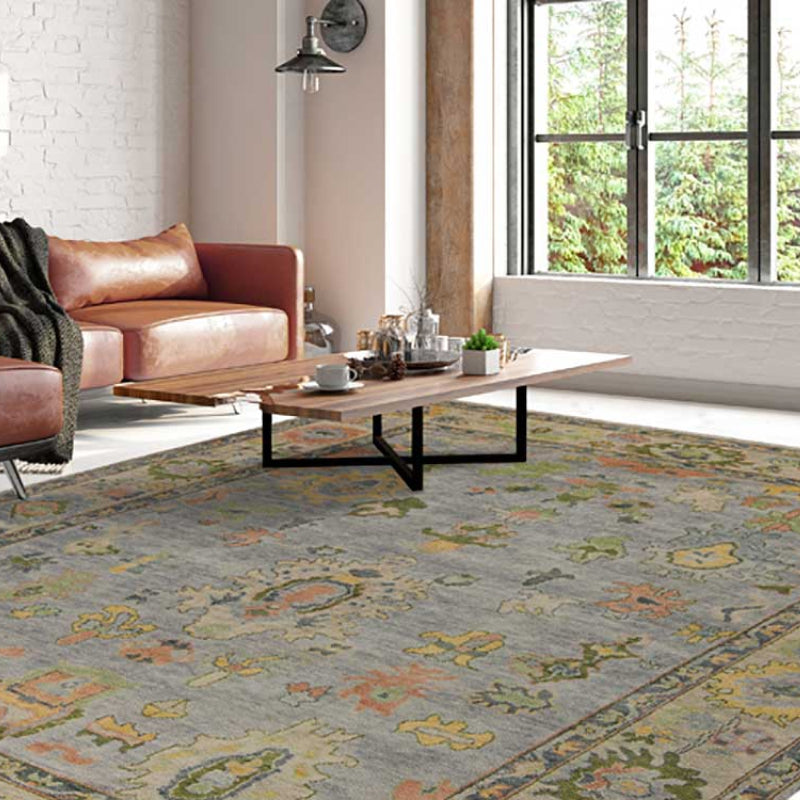
A lot of Atlanta homeowners reach the same point at once. The room is finished, the art is up, the lighting is right, and then the sofa still feels temporary. Or the chair you inherited has beautiful bones, but the fabric and cushion profile no longer belong in the home you've created.
That moment usually isn't about buying “more furniture.” It's about choosing a piece with permanence. In Buckhead, Alpharetta, Roswell, Sandy Springs, and other design-conscious parts of North Atlanta, clients aren't just looking for something to fill square footage. They want high-end furniture that reads as personal, customized, and worth keeping.
For some, that means restoring a frame that already deserves a second life. For others, it means commissioning a new custom upholstered furniture piece with the exact depth, seat height, arm shape, and textile that a mass-market floor sample can't deliver. Both paths can lead to the same outcome: an heirloom-quality result that feels settled from the day it arrives.
Investing in Timeless Design in Atlanta
The classic Atlanta scenario looks like this. A homeowner in Buckhead has moved out of the “buy it and replace it later” phase. The living room needs a luxury sofa with proper scale. The breakfast room needs custom chairs that can handle daily use and still look composed for entertaining. The existing den sofa may be structurally better than anything on a big-box floor, but it needs a different silhouette through fabric, cushioning, and finish details.
That kind of project fits Midtown naturally. Midtown Atlanta's identity as a mixed-use, design-aware district didn't happen by accident. According to Midtown Atlanta's history, Midtown Alliance was formally incorporated as the Midtown Business Association in January 1978, and by the end of that decade the area had already started a major buildout that included 2.2 million square feet of commercial office space, 60,000 square feet of retail space, and 1,500 residential units. That combination helps explain why premium interior services have durable relevance here. Offices, residences, and retail all pull design culture into the same geography.
Why Midtown suits custom work
Midtown supports a client who shops differently. This client compares proportion, not just price. They notice whether a bench seat crowns correctly, whether the pitch of a chair supports conversation, and whether the fabric has enough body for the intended shape.
A true Midtown Atlanta custom upholstery shop works well in that environment because custom upholstery sits at the intersection of architecture, comfort, and material knowledge. It serves the condo owner who wants a tighter footprint, the family in Sandy Springs furnishing a larger room with premium sectionals, and the designer sourcing statement pieces for a renovated home in Fulton County.
Good upholstery changes more than appearance. It changes how a room is used, how long a piece stays relevant, and whether the investment still feels wise years later.
The shift away from disposable furniture
Mass-produced seating often disappoints in predictable ways. The seat depth is almost right. The arm is too heavy for the room. The fabric looks flat under natural light. The frame may be fine for a short cycle, but not for a long ownership horizon.
That's why thoughtful clients start asking better questions. They compare custom upholstery vs retail furniture in terms of longevity, fit, and design control, not only upfront convenience. A useful starting point is this guide on custom upholstery vs retail furniture.
When people want designer furniture near me, they're often looking for something more precise than a store directory. They're looking for confidence that the piece they choose will belong to their home, not just fit inside it.
Reupholster or Commission New A Strategic Choice for Luxury Furniture
Most clients think they're choosing between an old piece and a new one. That's not quite right. Instead, the choice is between two luxury paths. One begins with an existing frame that may deserve preservation. The other begins with a blank page and a fully custom build.
In the Atlanta market, that fork in the road is still underserved. Atlanta Craftsman notes that many homeowners want clearer guidance on when it's smarter to restore a frame versus buying made-to-order, especially when the decision depends on frame quality, labor intensity, and long-term value.

When reupholstery is the smarter move
Reupholstery makes sense when the foundation is worth saving. That usually means the frame feels stable, the proportions still work in the room, and the piece has either sentimental value or construction quality you'd struggle to replace at the same level.
Look closely at these signals:
-
The frame has integrity
If the piece sits square, doesn't rack under pressure, and has an underlying structure worth retaining, reupholstery can be a disciplined investment rather than a nostalgic one. - The silhouette is still relevant A classic tight-back chair, a well-scaled English arm sofa, or a crisp club chair can look current in many interiors with the right textile and cushion rebuild.
-
You want to preserve history
Family pieces often carry details you won't find on newer production furniture. The goal isn't to freeze them in time. It's to translate them into the present. -
The room needs character, not another generic form
Recovered vintage and heirloom pieces often bring exactly the layer of individuality that a room full of new items lacks.
If you enjoy creative transformations beyond upholstery, it can also help to look at broader ideas for how others upcycle furniture with inspiring ideas. Not every decorative approach suits a luxury interior, but the examples can sharpen your eye for what should be refreshed versus replaced.
When a new custom piece is the better investment
Sometimes restoration is the wrong answer. If the dimensions are off, the seat comfort has always been compromised, or the frame quality was mediocre from the beginning, custom new work usually gives you better value.
A new commission tends to win when:
| Situation | Better path |
|---|---|
| The room needs exact dimensions | Commission new |
| The old frame has weak structure or poor lines | Commission new |
| You need a highly specific sectional layout | Commission new |
| The piece is sentimental and structurally sound | Reupholster |
| You love the shape but hate the fabric and cushioning | Reupholster |
| You want full control over arms, depth, back height, and cushion style | Commission new |
The practical framework clients actually need
Use three filters.
First, assess foundation. Is the frame good enough to justify skilled labor and premium fabric?
Second, assess design fit. Even beautifully made furniture can be wrong for your current architecture or lifestyle. If you keep trying to solve a shape problem with fabric alone, you're solving the wrong problem.
Third, assess ownership horizon. If you want a piece to stay with you through multiple moves, kids, pets, or a future renovation, invest in the path that gives you confidence over time, not just relief today.
Decision rule: Reupholster when the frame and proportions already support your goal. Commission new when you need to change the piece at its core.
Clients who are early in this decision often benefit from seeing what a dedicated furniture reupholstery resource in Atlanta looks like before they commit to either direction. A serious shop should be able to tell you not only what can be done, but whether it should be done.
Your Vetting Checklist for a Midtown Atlanta Upholstery Partner
Choosing the right shop is less about polished language and more about what they can show you. A refined showroom helps, but what matters is whether the team can evaluate construction, guide material selection, and communicate clearly once the piece enters production.
The easiest mistake is hiring based on photos alone. Upholstery work lives in details that don't always photograph well: pattern placement, seam discipline, cushion consistency, deck smoothness, and whether the finished piece sits correctly.

What to ask in the consultation
Bring questions that reveal process, not salesmanship.
-
How do you evaluate an existing piece before quoting it?
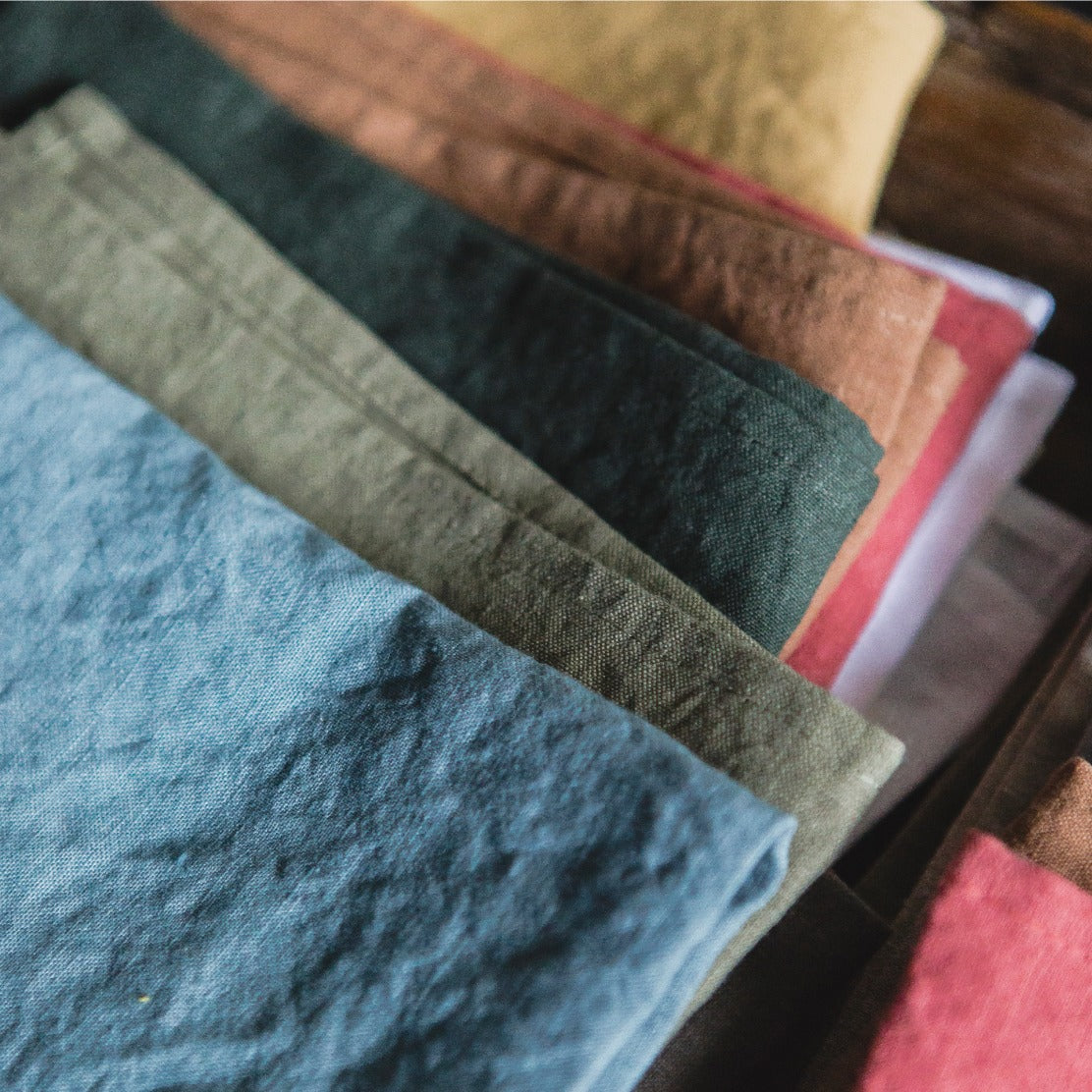
A strong answer should mention the frame, cushions, spring support, fabric suitability, and any repair scope that could affect both cost and timing. - Can I see and handle a broad fabric library in person? Luxury upholstery decisions are tactile, necessitating in-person evaluation. Color alone isn't enough. You need to compare weight, hand, weave, durability, and drape.
-
Do you offer design support while selecting materials and scale?
High-end furniture often fails at the editing stage, not the making stage. Someone should help you decide what belongs together. -
How do you manage custom work from estimate through delivery?
You want clarity around approvals, updates, and changes. Vague communication almost always becomes a scheduling problem later.
What a strong showroom reveals
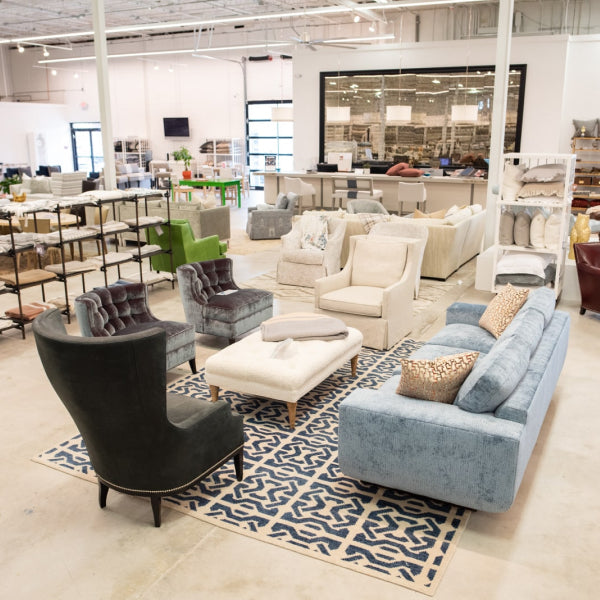
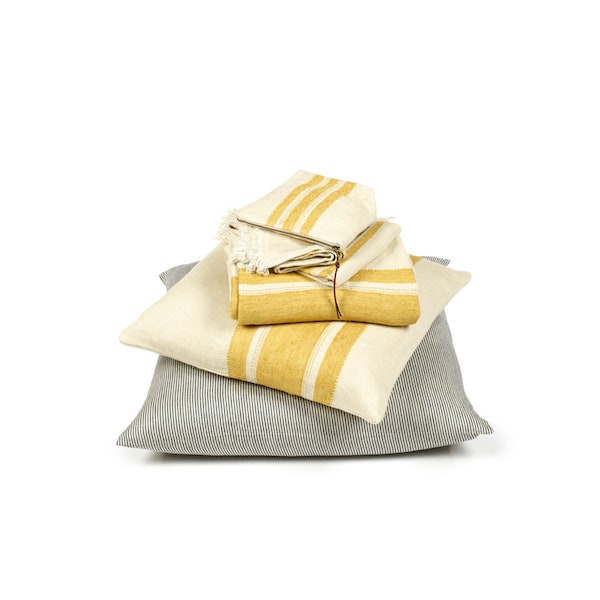
A good showroom tells you how seriously a shop takes the design side of upholstery. You should be able to compare textiles from established mills, review trim and finish options, and discuss whether the room calls for Belgian linen, performance upholstery, or something more architectural in body and texture.
If a shop works with made-to-order lines from names such as LEE Industries, Wesley Hall, Verellen, or Ambella, that can also be useful. It shows they understand the broader custom furniture ecosystem, not only isolated recover jobs. The same is true of a fabric library that includes mills such as Kravet, Fabricut, P. Kaufmann, Libeco Home, and Crypton.
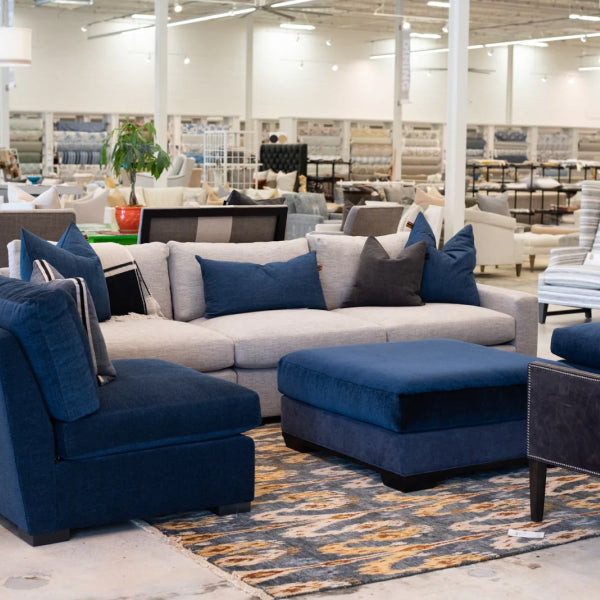
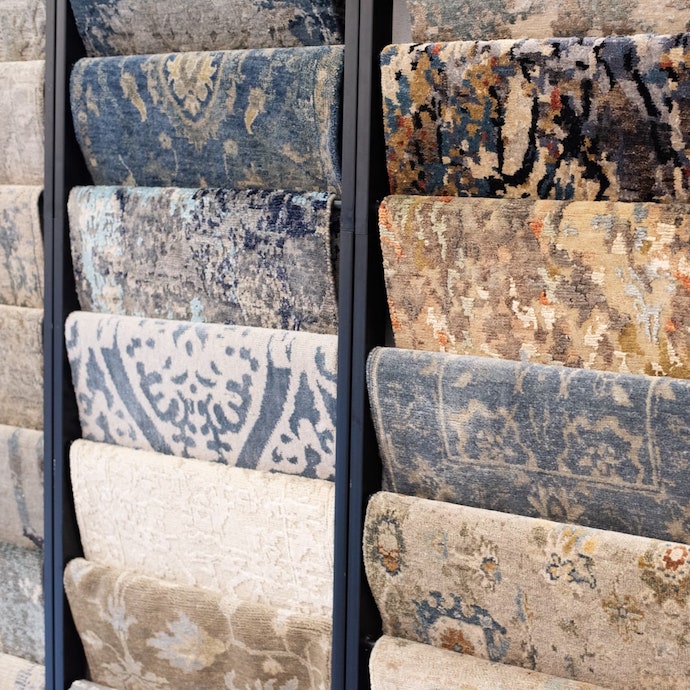
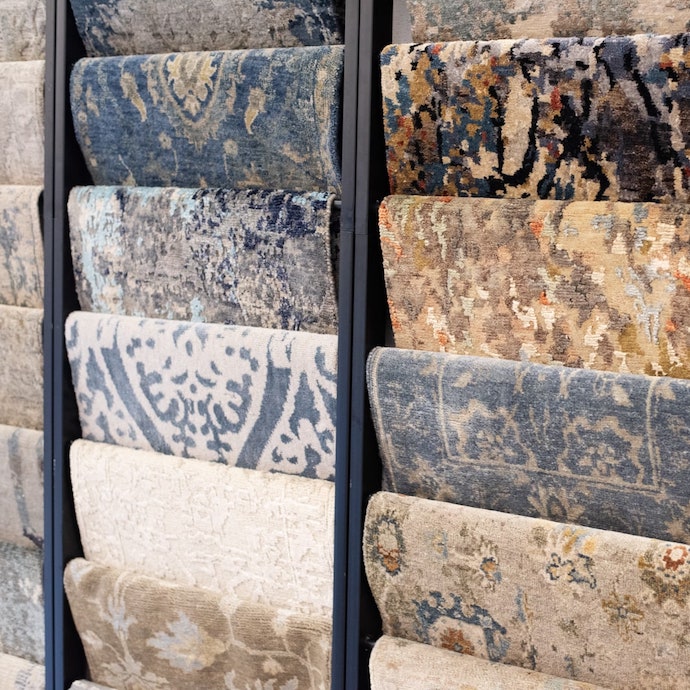
One Atlanta example is Lewis and Sheron Textiles, which combines a large fabric showroom, custom furnishings, reupholstery, drapery, rugs, and complimentary in-store design help. That kind of setup can simplify decision-making because the conversation about fabric, frame, scale, and room context happens in one place.
Ask to see how the shop handles both beauty and utility. A glamorous textile that can't support the intended use isn't a luxury choice. It's an expensive mismatch.
Green flags and warning signs
Use this quick comparison when you're narrowing options.
| Green flag | Why it matters | Warning sign |
|---|---|---|
| Detailed questions about your room and use | They're designing for real life | Immediate quoting without inspection |
| Willingness to discuss fabric behavior | They understand material performance | Only talking about color and trend |
| Visible examples of varied styles | They can adapt, not just repeat one look | Portfolio that feels one-note |
| Transparent process and approvals | Fewer surprises during production | Unclear timeline language |
| Comfort discussing repairs and limitations | Honest assessment protects your investment | Promising everything without caveats |
The local advantage matters
For clients in Midtown, Buckhead, Sandy Springs, Alpharetta, or Roswell, local access makes custom work easier. You can sit in cushions, view fabrics in changing light, and solve problems before they become costly revisions. That's especially important for high-quality couches, designer chairs, and statement pieces where comfort and proportion matter as much as appearance.
A good Midtown Atlanta custom upholstery shop doesn't just accept your order. It helps you edit your choices until the final result feels inevitable.
The Bespoke Journey From Vision to Heirloom Piece
The custom process feels intimidating mainly when it's opaque. In a well-run workroom, each phase has a purpose, and each approval protects the finished result. The experience should feel collaborative, not mysterious.
The first conversation usually starts with the room itself. A client may arrive with a floor plan, inspiration images, cushion preferences, and measurements from an existing sofa that felt too deep or too shallow. Those details are useful because comfort is highly personal. The right luxury home furnishings solution often comes from resolving small dislikes that have irritated you for years.

Phase one through three
- Consultation and brief During this phase, dimensions, use patterns, room architecture, and aesthetic direction are established. A serious brief includes who uses the piece, how often, and what has or hasn't worked in past furniture.
-
Fabric and finish selection
This stage goes beyond swatch beauty. The team should consider texture, fiber character, color variation, tailoring potential, and whether the textile suits the shape you're building. - Design approval For a new custom piece, dimensions, arm profile, back height, seat depth, and cushion type get confirmed. For reupholstery, repair scope and design updates are finalized.
Why pricing should be separated clearly
Clients often ask what custom furniture costs, but the more useful question is how the quote is structured. In the Atlanta market, furniture upholstery KPI guidance and pricing data suggest that simpler upholstery work can fall around $249 to $454, while complex custom builds can exceed $3,000. The same guidance notes that reliable shops often maintain production utilization around 75% or higher and separate labor and fabric costs for transparent quoting.
That separation matters. It tells you what you're paying for, makes revisions easier to understand, and prevents a fuzzy flat price from hiding time-intensive work such as frame repair, spring correction, decking rebuilds, pattern matching, or complex cushion construction.
If a quote lumps everything into one number, ask for the labor scope and fabric scope separately. Transparency usually signals a more disciplined production process.
Phase four through seven
A custom project moves better when each later stage builds on an approved earlier stage.
-
Frame construction or structural restoration
New commissions begin with the frame. Reupholstery projects may begin with tightening joints, correcting support issues, or rebuilding worn interior components. - Upholstery and tailoring Craftsmanship is evident in the details. Pattern placement, seam alignment, welting choice, skirt treatment, and cushion fill all affect whether a piece looks crisp or merely expensive.
-
Quality review
The final piece should be checked for comfort, visual balance, and finish consistency before delivery is scheduled. - Delivery and installation White-glove placement matters more than is often underestimated, especially with large premium sectionals or bespoke pieces in delicate textiles.
Clients who want to understand how an Atlanta workroom supports this process can review an example of an Atlanta custom upholstery workroom. It's a useful reference point for what the production side should feel like behind the scenes.
What makes the timeline feel smooth
The calmest projects usually share three qualities:
-
Decisions are made in the right order
Don't choose fabric before you've settled the form. -
The quote reflects the real scope
Hidden structural work is where many projects lose momentum. -
The client knows what must be approved
Good custom work doesn't rush commitment. It sequences it.
When that happens, the project stops feeling like a gamble and starts feeling like what it should be: a measured investment in furniture you'll want to keep.
Decoding the DNA of High-End Upholstered Furniture
A high-end upholstered piece speaks for itself. It doesn't need ornament to prove value. You feel it in the seat, see it in the lines, and notice it months later when the cushions still hold their shape and the tailoring still reads clean.
Construction comes first. A strong frame, a well-resolved suspension system, and appropriate cushion composition matter more than trend-driven details. Terms like kiln-dried hardwood, eight-way hand-tied springs, high-density foam, and down-wrapped cushions aren't decorative vocabulary. They describe the internal decisions that shape comfort, recovery, and longevity.

What the best pieces get right internally
A luxury sofa or chair should feel composed before fabric ever enters the conversation.
-
Frame logic
The underlying structure should support the scale and intended use of the piece. Large sectionals need different confidence than an accent chair. -
Suspension quality
Good springing influences comfort, resilience, and how evenly a seat ages. - Cushion composition The right fill depends on lifestyle. Some clients want a more structured sit. Others want a softer, lounge-driven comfort with a more relaxed crown.
-
Tailoring discipline
Even excellent fabric can look ordinary if the upholstery lacks tension, balance, and precision.
Why fine textiles require technical judgment
Luxury upholstery isn't just about beautiful material selection. It also requires respect for material behavior. A technically sound upholstery workflow begins with a fabric-and-frame audit, and IICRC-informed guidance summarized here emphasizes checking fiber type and dye stability before any wet process because over-wetting or using the wrong solvent on fine fabrics can cause browning or distortion.
That's especially relevant when restoring heirloom pieces or working with delicate textiles. Belgian linens, textured weaves, performance fabrics, velvets, and printed goods all respond differently to handling, cleaning, and reconstruction. An expert workroom doesn't assume. It tests, assesses, and matches the method to the material.
The more refined the textile, the less room there is for guesswork.
Material choices that change the outcome
In luxury interiors, the textile does more than provide color. It shapes the furniture's personality.
Consider how different categories behave:
| Material direction | Best use case | Design effect |
|---|---|---|
| Belgian linen | Rooms that want softness and natural elegance | Relaxed, elevated, architectural |
| Performance fabric | Family rooms, high-use seating, pet-friendly spaces | Practical with tailored polish |
| Velvet | Statement seating, formal rooms, dramatic accents | Depth, richness, light play |
| Textured weave | Transitional or layered interiors | Subtle movement and tactile interest |
The same principle extends beyond homes. Teams responsible for hospitality or shared commercial environments often think carefully about maintaining facility upholstery because heavy use exposes weaknesses fast. Residential clients can learn from that mindset. Performance, maintenance, and beauty should be considered together.
A piece becomes heirloom-quality furniture when the hidden engineering and visible finish support each other. If either side is weak, the illusion fades quickly.
Frequently Asked Questions About Custom Upholstery in Atlanta
How much fabric will I need for my custom sofa or chair
The exact yardage depends on the piece's dimensions, back style, cushion count, skirt or no skirt, and whether the fabric has a repeat that requires pattern matching. That's why experienced shops prefer to calculate yardage after reviewing the frame or approved design. Yardage guessed too early often creates delays or unnecessary overbuying.
Can I use my own fabric
Often, yes. Many shops will accept COM, or customer's own material, if the fabric is suitable for upholstery use. The key issue isn't whether you own it. It's whether the textile has the right hand, durability, width, and pattern behavior for the piece you want to build or recover.
A workroom should also tell you if your chosen fabric introduces complications. Large repeats, directional nap, paneling issues, or fabrics that don't upholster cleanly can affect both appearance and labor.
How do I know if my existing sofa is worth reupholstering
Start with three questions. Is the frame structurally sound? Do you still like the proportions? Does the piece offer quality or emotional value that a replacement won't easily replicate?
If the answer is yes to those, it's worth a serious evaluation. If the seat was always too deep, the arms too bulky, or the frame mediocre from the day you bought it, new custom is often the cleaner path.
What's the difference between designer quality and ordinary retail furniture
Designer quality usually shows up in the elements people don't see at first glance. Better internal construction, more thoughtful suspension, more nuanced cushion fills, cleaner tailoring, stronger fabrics, and more precise scaling all contribute.
Ordinary retail furniture often looks convincing under showroom lighting. The difference becomes obvious with use. Better furniture tends to sit better, recover better, and age with more grace.
Can a custom sectional be tailored to an awkward room
Yes, and this is one of the strongest arguments for custom. Rooms with unusual traffic flow, narrow entries, open-plan sight lines, or a fireplace wall that limits symmetry often need a sectional shaped around architecture rather than chosen despite it.
Custom work lets you refine length, return depth, chaise proportion, arm width, and seat count so the sectional feels integrated instead of imposed.
How long do custom upholstery projects usually take
Lead time depends on the shop's workload, the complexity of the piece, and whether the project involves structural repair, custom frame building, or specialty textiles. A chair and a large sectional won't move through production at the same pace.
What matters more than a fast promise is a credible process. A good shop will explain what must happen before cutting begins and what can affect delivery timing.
How should I care for luxury upholstered furniture
Use the least aggressive maintenance method that keeps the piece in good condition. Vacuum with an upholstery attachment, rotate and fluff loose cushions as needed, and address spills according to the fabric type rather than using a one-size-fits-all cleaner.
For delicate or premium textiles, ask the shop for fabric-specific care guidance at delivery. That's especially important with linen, velvet, and any textile with visible texture or dye sensitivity.
Is custom furniture only for formal rooms
Not at all. Some of the most worthwhile custom projects are the pieces used hardest. Family room sofas, breakfast banquettes, reading chairs, and bedroom benches all benefit from the right dimensions and fabric choices.
Luxury doesn't have to mean precious. In well-designed homes, it often means comfort that has been solved properly.
Should I buy off the floor or order made to order
Both can be smart choices. Buy off the floor when the piece already checks the major boxes: scale, comfort, construction, and textile. Order made to order when one or more of those factors needs refinement.
The mistake is forcing a floor sample to become ideal when it's only “close enough.” Close enough is expensive when you live with it every day.
What should I bring to my first upholstery consultation
Bring room photos, dimensions, inspiration images, and anything that shows scale. If you're reupholstering, include clear photos of the current piece from multiple angles. If you're commissioning new furniture, note what you like and dislike about your current seating.
The best consultations aren't built on abstract style words alone. They're built on specifics: how you sit, how you entertain, what annoys you, and what you want the room to feel like when it's finished.
If you're weighing reupholstery against a new custom build and want to make the right long-term choice, Lewis and Sheron Textiles offers Atlanta clients access to premium upholstery fabrics, custom furnishings, reupholstery services, and in-store design guidance to help shape a piece that fits your home and your ownership goals.