










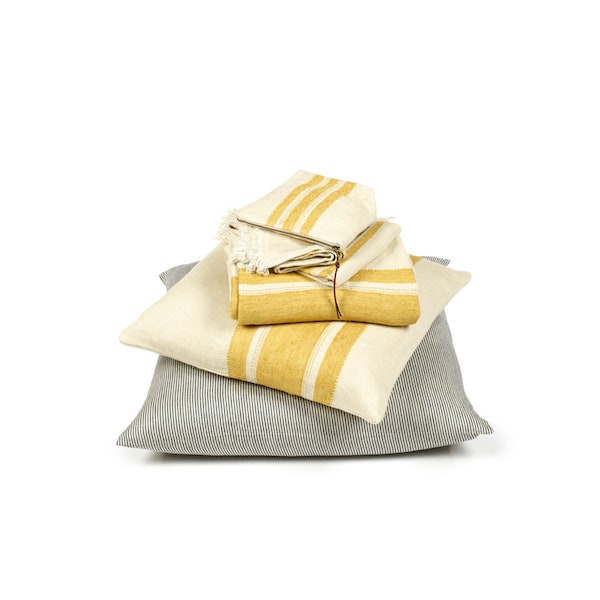
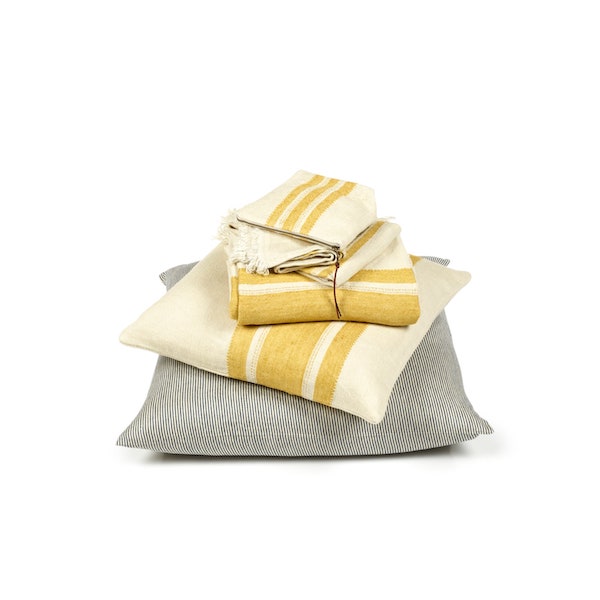
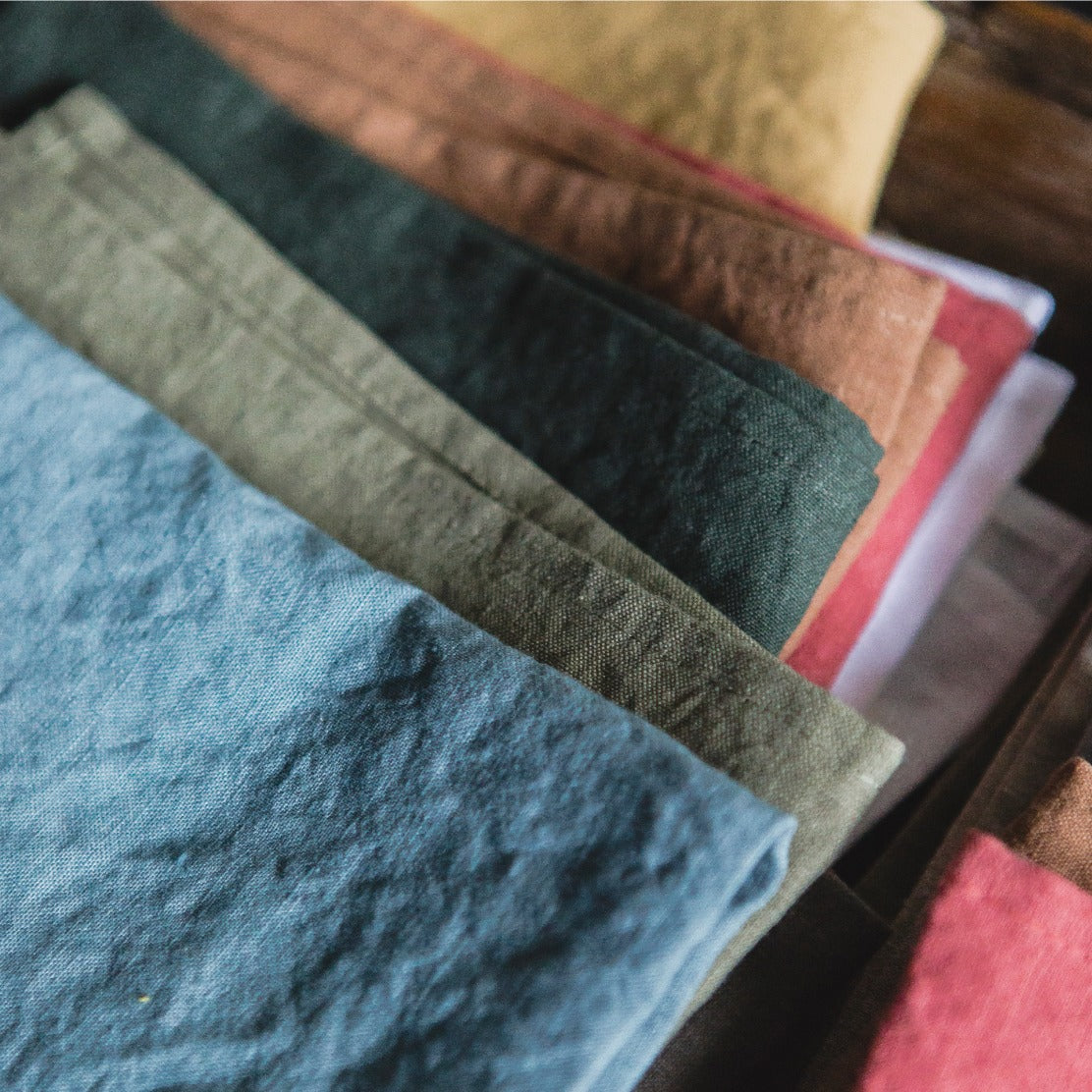

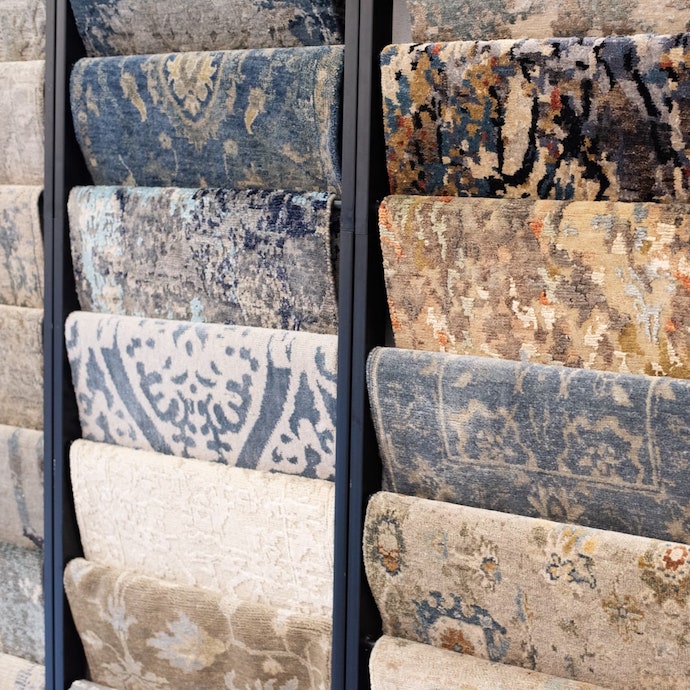
The most repeated advice in any sheet thread count guide is also the least reliable: buy the highest number you can afford. That sounds sensible until you look at how sheets are made. Then the number on the label starts to matter a lot less than the yarn, the weave, and the honesty of the construction.
That same mistake shows up all over the home category. Buyers in Atlanta, Buckhead, Alpharetta, Roswell, and Sandy Springs often see inflated claims in bedding, then run into the furniture version of the same problem when shopping for high-end furniture, luxury sofas, premium sectionals, and custom upholstered furniture. A big number or polished showroom story can distract from what lasts.
If you want a home filled with lasting comfort, the better question isn't “What sounds more luxurious?” It's “What is this made of, and how will it live over time?” That's the mindset discerning homeowners, interior designers, and individuals seeking designer furniture near me or custom furniture Atlanta should bring to both linens and investment furniture.
Deconstructing the Thread Count Myth
The number on the package isn't the whole story
A high thread count sounds like proof of quality. In practice, it often works as packaging shorthand for “premium,” even when the sheet itself isn't especially refined.
The biggest point of confusion is single-ply versus multi-ply yarn. According to a luxury sheet thread count explanation from Yves Delorme, the most underserved angle in sheet buying is this exact confusion. That same source notes that thread count claims over 800 should trigger skepticism because manufacturers often double-count two-ply threads to inflate the number.
That means a label can look impressive while the fabric tells a different story.
Practical rule: If a sheet leads with a giant number and says very little about fiber, weave, or ply, treat that as a warning sign.
Why inflated counts mislead shoppers
Most shoppers assume a 1,000 thread count sheet must be finer than a 400 thread count sheet. That would only make sense if both were woven in a straightforward manner from comparable yarns. Often, they aren't.
A simpler way to think about it is this:
- Single-ply yarn uses one thread in each woven position.
- Multi-ply yarn twists thinner strands together, then some brands count those components separately.
- The result is a larger advertised number without the same gain in comfort, breathability, or longevity.
This is why many experienced buyers prefer a lower number from a trustworthy mill over an inflated luxury claim from mass retail. In a good Sheet Thread Count Guide, the label is a clue, not the verdict.
For buyers considering fine cotton, Egyptian cotton fabric is a useful category to study because it shifts attention back to fiber quality instead of scoreboard marketing.
What shoppers in the luxury market should ask
Atlanta clients shopping for luxury home furnishings usually already understand that expensive and well-made aren't always the same. Bedding deserves that same scrutiny.
Ask these questions before you buy:
-
Is the cotton single-ply or multi-ply?
If the brand avoids the question, that's telling. -
What fiber is being used?
Long-staple cotton and Belgian linen communicate more than a giant number ever will. -
What weave am I getting?
Crisp percale and silky sateen serve different sleepers. -
How does it feel in the hand?
A sheet can feel dense and heavy rather than refined.
Good sheets don't need numerical theater. They need honest materials and a weave that matches how you sleep.
Why Fiber and Weave Matter More Than Numbers
A sheet thread count guide becomes useful only when it moves beyond arithmetic. Fabric quality starts with two decisions: what the thread is made from and how those threads are woven together.

Fiber gives the fabric its character
Cotton, linen, silk, and other fibers don't behave the same way. That's why two sheet sets with similar labels can feel completely different in your bedroom.
Think of fiber as the raw ingredient. If the ingredient is excellent, the final fabric has a better chance of aging well. If the ingredient is mediocre, no amount of marketing language can fix it.
A few examples make this easier to feel in real life:
- Long-staple cotton tends to feel smoother and more polished.
- Linen has texture, airflow, and a relaxed look that many design-conscious homeowners love.
- Silk emphasizes drape and softness.
- Tencel or Lyocell appeals to shoppers who want a soft hand and moisture management.
If you want a quick primer on fabric construction beyond bedding, these examples of woven fabrics help clarify why structure changes performance.
Weave changes the experience of the sheet
The weave is what turns yarn into a sleeping experience. It determines whether a sheet feels crisp, smooth, matte, cool, or softly lustrous.
A useful shorthand:
- Percale feels like a crisp button-down shirt.
- Sateen feels closer to a fluid, polished blouse.
- Linen weave feels airy, textured, and relaxed rather than slick.
The number alone can't tell you any of that.
Where thread count stops being useful
There is a physical limit to how dense single-ply cotton can be. According to Matteola's guide to cotton sheet thread count, single-ply woven cotton has a physical density limit of 500 to 600 threads per square inch, and claims above 800 are structurally impossible without multi-ply yarn construction. That matters because the inflation happens through construction tricks, not through better fiber.
Here's the key takeaway in plain language:
| What you see | What it may mean |
|---|---|
| A moderate thread count with strong fiber details | The brand is confident in the material |
| A very high thread count with vague construction language | The brand may be selling the number |
| Clear weave and fiber information | Easier to predict feel and performance |
| No ply disclosure | Harder to know what you're paying for |
Fiber and weave decide whether sheets feel crisp, silky, breathable, or weighty. Thread count only matters once those two choices are right.
Choosing Your Ideal Sheets by Feel and Fiber
Sleep isn't typically a spreadsheet exercise. Instead, it's about feel. The best sheet thread count guide should help you identify the experience you want, then match that to the right weave and fiber.
For the cool, crisp sleeper
If you sleep warm, dislike clingy bedding, or want that fresh-hotel-bed feeling, percale is usually the right lane. According to Bedzzz Express on ideal thread count by weave type, percale performs best at 200 to 400 thread count, giving it the crisp, cool character that hot sleepers tend to prefer.
This is often the best fit for Atlanta's warmer months, especially in homes where breathability matters more than drape.
For readers comparing breathable options, this guide to the best linen sheets for hot sleepers is a useful companion.
For the silky, cocooning sleeper
Some people want their bed to feel smoother and slightly warmer. That's where sateen shines. The same Bedzzz Express source notes that sateen works best at 300 to 600 thread count, where it develops the softer, silkier hand and subtle sheen that define the weave.
This suits buyers who want a more dressed, polished bed and a fabric that drapes elegantly.
For the natural-texture buyer
If you're drawn to Belgian linen, relaxed interiors, and materials that become more characterful with time, linen deserves its own category. Linen doesn't play by cotton rules. That same source states that linen sheets function best at 80 to 120 thread count, which is why standard cotton benchmarks don't apply.
A lower linen number isn't a downgrade. It's often exactly what the material is supposed to be.
Sheet Recommendation Guide by Sleeper Type
| Weave / Fiber | Ideal Thread Count | Feel | Best For |
|---|---|---|---|
| Percale | 200 to 400 | Crisp, cool, matte | Hot sleepers, guest rooms, warm climates |
| Sateen | 300 to 600 | Smooth, silky, slightly lustrous | Cooler sleepers, formal bedding, luxe feel |
| Linen | 80 to 120 | Textured, airy, relaxed | Natural-fiber lovers, casual elegance, year-round layering |
A quick way to choose in store
Use this filter instead of chasing the biggest number:
- You kick the covers off at night. Start with percale.
- You want softness first and sheen second. Look at sateen.
- You care about texture, airflow, and understated luxury. Choose linen.
The right sheet isn't the one with the highest count. It's the one whose fiber and weave match the way you actually sleep.
Extending the Quality Mindset to Luxury Furniture
The logic that helps you avoid bad sheet marketing also protects you when buying high-end furniture, high-quality couches, custom chairs, and statement furniture pieces. Surface claims are easy. Construction is harder to fake.

The same question applies in every room
If you wouldn't overpay for inflated thread count, why accept vague language around a sofa frame or cushion fill?
Luxury buyers in Buckhead, Sandy Springs, Roswell, and Alpharetta often search for terms like best luxury sofa brands, custom furniture Atlanta, designer furniture near me, and how long high-end furniture lasts. Those are smart searches because they move past looks and into life expectancy.
According to Lusso Modern Home on sofa lifespan, high-end or luxury couches built with solid hardwood frames and premium upholstery typically last 12 to 15 years or longer, while budget sofas usually last 5 to 7 years. That gap isn't decoration. It's materials and build quality.
Quality thinking travels well
The same home can contain both a beautifully crafted linen bed and a disappointing sofa if the buyer treats textiles carefully but furniture casually. A better approach is to evaluate all major purchases through the same lens:
- What is the structure?
- What is the visible material?
- How will it age with daily use?
- Is this a trend piece or heirloom-quality furniture?
That mindset also helps when you're making larger home decisions. If you're weighing storage upgrades, this discussion of prefab or custom cabinet considerations is useful because it asks the same core question: what are you getting beneath the finish, and how customized is the result to your home?
Good design isn't just about choosing attractive things. It's about choosing materials and construction methods that stay attractive after years of living.
What Defines Heirloom-Quality Custom Furniture
Anyone can call a sofa “designer.” The term matters only when the construction supports it. For buyers in North Atlanta and Fulton County comparing luxury sofas, premium sectionals, and custom upholstered furniture, the fastest way to judge quality is to move from the inside out.

Start with the frame
The frame is the furniture equivalent of fiber quality in sheets. If it's poor, everything layered over it becomes suspect.
According to Povison's luxury sofa quality guide, a sofa built for long life should use kiln-dried hardwood or high-quality plywood, not particleboard. The same guide points to high-resilience or high-density foam and durable upholstery such as full-grain or top-grain leather or tightly woven performance fabrics as key material markers.
For shoppers comparing wood construction more broadly, this piece on how to choose the right furniture material offers useful context on how surface appearance and structural value can differ.
Suspension separates long-term comfort from quick showroom comfort
A sofa can feel soft for five minutes and still wear out badly. Suspension is where many mass-produced pieces cut corners.
A Reddit summary discussing furniture durability notes that contract-grade materials are rated for 50,000 to 100,000 rubs, and that strong suspension systems such as 8-way hand-tied foundations or high-quality Pirelli webbing can last 20 years or more, while inexpensive sinuous wire springs generally last about a decade, as outlined in this discussion of average sofa lifespan and materials.
That doesn't mean every excellent sofa must be made one way. It does mean the support system should be discussed clearly and confidently.
Cushion density is one of the few numbers worth asking for
Foam density gives buyers a measurable way to evaluate seat longevity. According to What A Room on durable sofa cushions, 1.8 density foam lasts 3 to 5 years, 2.0 density foam lasts 4 to 6 years, and 2.5 density foam lasts 10 to 15 years. If you're investing in custom upholstered furniture and expect it to perform like luxury home furnishings should, 2.5 density foam is the benchmark that aligns with a longer ownership horizon.
That single specification can tell you more than a sales script full of adjectives.
What designer quality looks like in practice
When clients ask what makes furniture “designer quality,” I usually bring it back to four checkpoints:
-
The frame is made to resist movement and failure
Kiln-dried hardwood and well-executed joinery matter more than a dramatic silhouette. -
The seat support is engineered for repeated use
A quality foundation holds shape and comfort over time. -
The cushions recover well
Density, resilience, and wrapping determine whether a sofa keeps its profile. -
The upholstery is chosen for both hand and endurance
Beautiful fabric should still make sense for the room, household, and wear pattern.
Questions worth asking in a luxury showroom
If you're shopping for designer furniture, custom chairs, or heirloom-quality furniture, ask direct questions:
- What is the frame material?
- What suspension system is inside?
- What is the foam density?
- Is the upholstery contract-grade or performance-oriented?
- Can this piece be reupholstered or refreshed later?
Those questions matter whether you're buying a custom-made accent chair for a Buckhead study, a sectional for a family room in Alpharetta, or statement furniture pieces for a Roswell renovation.
A high price doesn't guarantee heirloom quality. Specific construction details do.
Invest in Enduring Style with Atlanta's Design Experts
A smart sheet thread count guide teaches a larger lesson. Luxury isn't the biggest number, the loudest claim, or the trendiest label. It's material honesty. It's construction you can explain. It's comfort that improves your daily life instead of impressing only at the point of sale.
That principle is especially relevant for homeowners searching for luxury furniture Atlanta, custom furniture Atlanta, designer furniture near me, or high-end furniture in Buckhead, Sandy Springs, Roswell, Alpharetta, and across North Atlanta. The most satisfying purchases usually come from slowing down and asking better questions.
Buy for the life of the piece
A refined home isn't built from impulse purchases. It's assembled from pieces that perform beautifully and age with grace.
That applies to:
- Luxury sofas and premium sectionals that need to support real daily living
- Custom upholstered furniture that should fit both the room and the owner
- Designer and statement pieces that bring distinct personality without sacrificing structure
- Luxury home furnishings that feel edited, personal, and lasting
Affluent homeowners and interior designers often understand this instinctively. The challenge is staying disciplined when marketing language gets glossy.
The best homes balance beauty and evidence
The strongest interiors don't choose between aesthetics and performance. They ask for both. Bedding should feel refined and be made with integrity. Furniture should look sophisticated and hold up under use. Textiles should contribute softness, depth, and character while still making practical sense for the household.
That's the heart of long-term value. You may pay more upfront for superior fabric, stronger joinery, better cushion density, or custom tailoring. But you also buy fewer disappointments, fewer replacements, and fewer compromises.
What to remember when you're ready to buy
Keep these principles close:
- Ignore inflated signals when the materials aren't clearly explained.
- Prioritize fiber, weave, and ply when choosing sheets.
- Prioritize frame, suspension, cushion density, and upholstery when choosing furniture.
- Choose pieces that suit your habits, not just the showroom vignette.
- Think in years of use, not moments of first impression.
That's how you create a home with both polish and staying power.
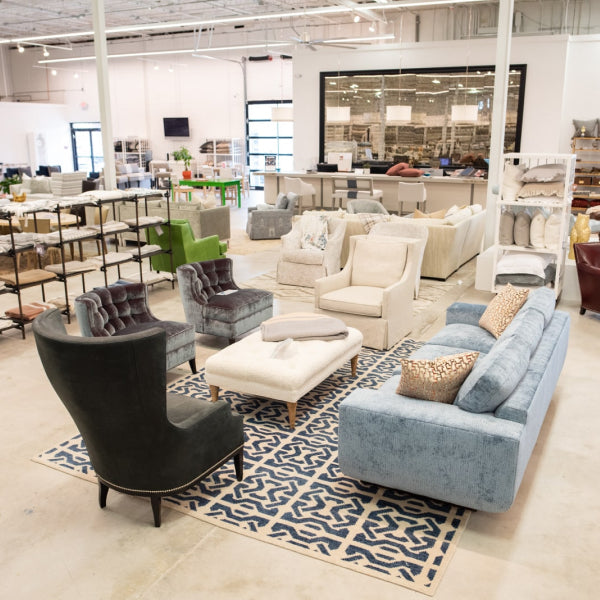
If you're looking for bedding, custom furnishings, premium textiles, or design guidance grounded in materials and craftsmanship, explore Lewis and Sheron Textiles. Their Atlanta Design Center serves homeowners and design professionals seeking custom upholstered furniture, luxury home furnishings, Belgian linen, rugs, drapery, and customized support for creating rooms with lasting quality.