















You're probably standing in one of two places right now. You either have a bare window that needs softening, or you've looked at ready-made panels and realized they don't quite match your room, your rod height, or the standard of the rest of your home.
That's where easy curtain sewing patterns earn their place. They give you control over fabric, length, finish, and proportion without requiring advanced tailoring. And if you care about interiors, especially in homes across Atlanta, Buckhead, Alpharetta, Roswell, and Sandy Springs, you'll quickly notice that curtains behave like furniture. The difference between basic and designer quality comes down to materials, scale, and execution.
A simple pattern can absolutely produce a polished result. But it only does that when the measuring is disciplined, the fabric is chosen for how it hangs, and the finishing is handled with care.
The Foundation of Designer Curtains Measuring and Fabric
The curtain doesn't start at the sewing machine. It starts with the tape measure and the fabric table.
Many beginner tutorials use a 1.25x to 2x fabric fullness ratio, which means the finished curtain width is typically 25% to 100% wider than the window so the panel gathers and drapes instead of hanging flat, and one common beginner finish uses a double 4-inch hem created from an 8-inch fold for weight and structure, as outlined in this easy curtain sewing tutorial. That single idea explains why some homemade curtains look crisp and others look skimpy. Coverage isn't the same as presence.

Measure for the look, not just the opening
A lot of DIY mistakes happen because people measure the glass and stop there. A room never reads the glass alone. It reads the height of the rod, the amount of fabric at rest, and how the panels frame the wall.
Use this sequence:
- Measure the rod width or planned rod width rather than the window opening alone.
- Decide the finished look. Soft and casual needs some fullness. Structured and modern still needs enough width to avoid a flat sheet effect.
- Account for hems and top treatment before cutting.
- Check the drop twice from rod position to desired finish.
If you want a refresher on the basics of recording opening dimensions accurately, these tips for measuring window size are useful because they train your eye to work methodically rather than approximately.
For curtain-specific planning, this guide on how to measure windows for curtains helps translate dimensions into fabric decisions.
Practical rule: If the fabric doesn't have enough width for graceful folds, the project will look underscaled no matter how straight your stitching is.
Fabric choice decides whether the curtain looks casual or custom
This is the part many beginners underestimate. Pattern simplicity is rarely the issue. Fabric is.
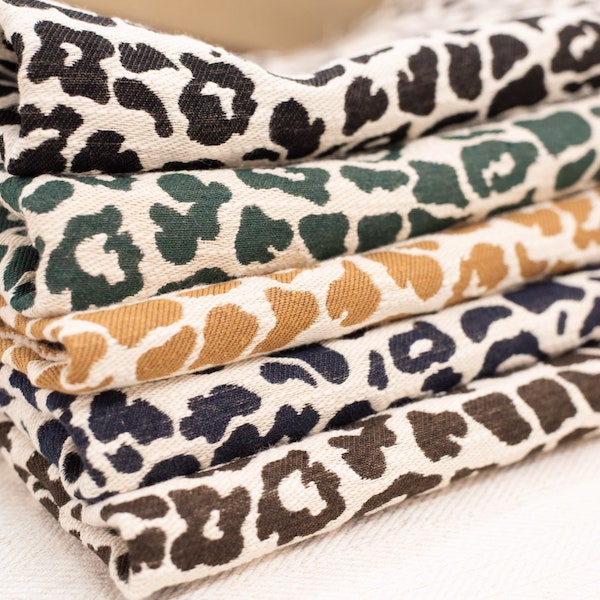
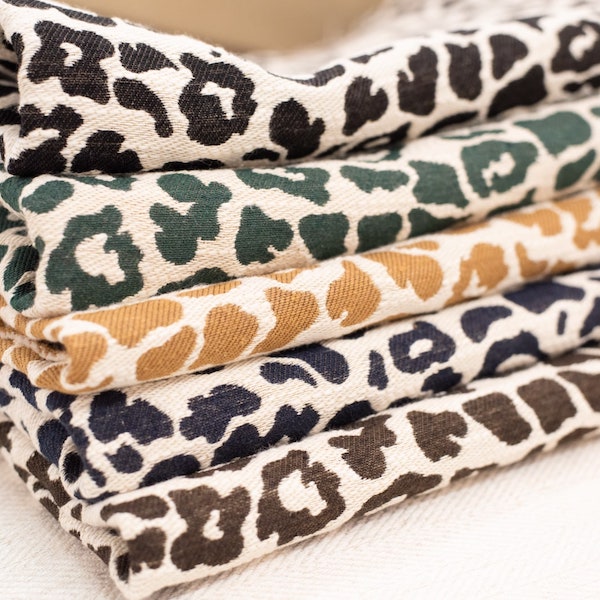
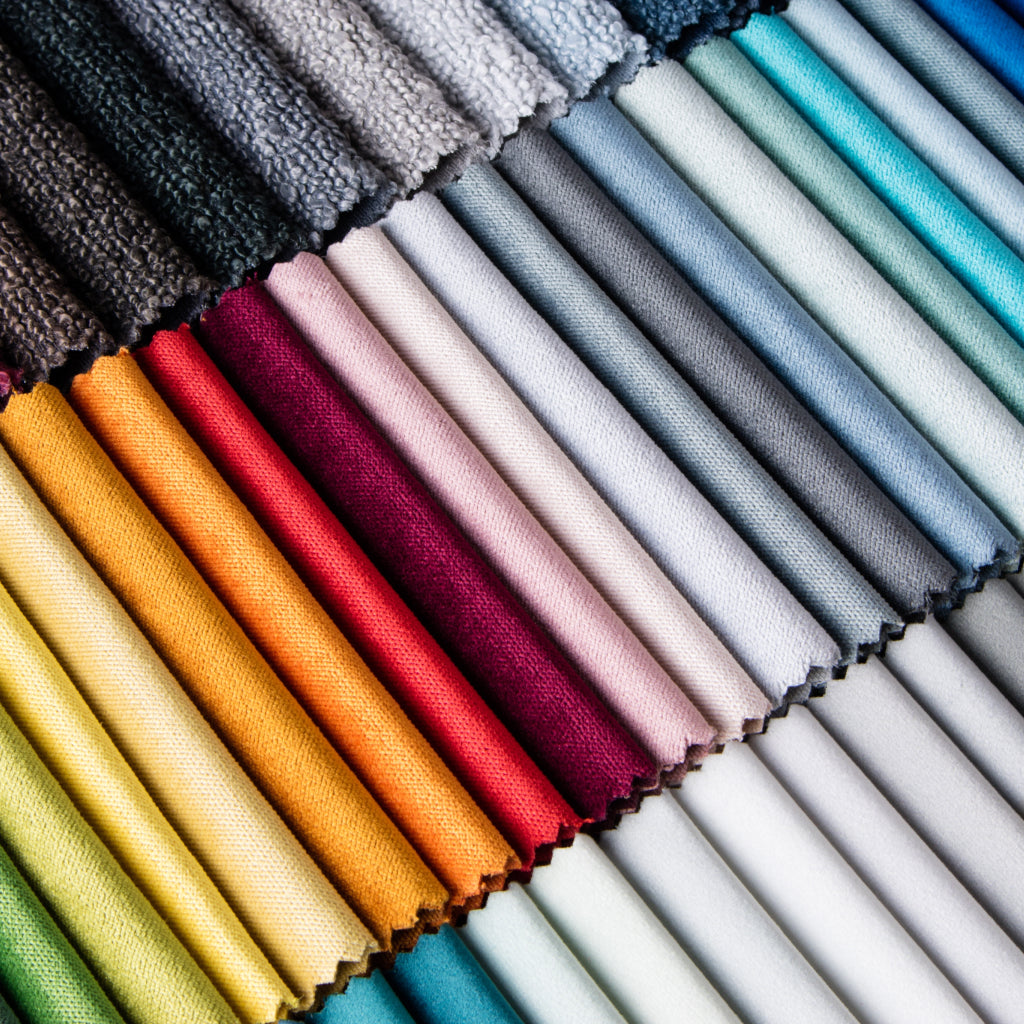
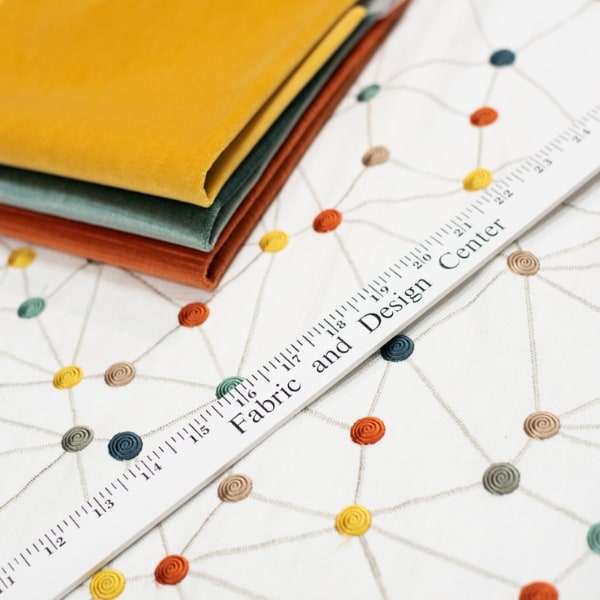
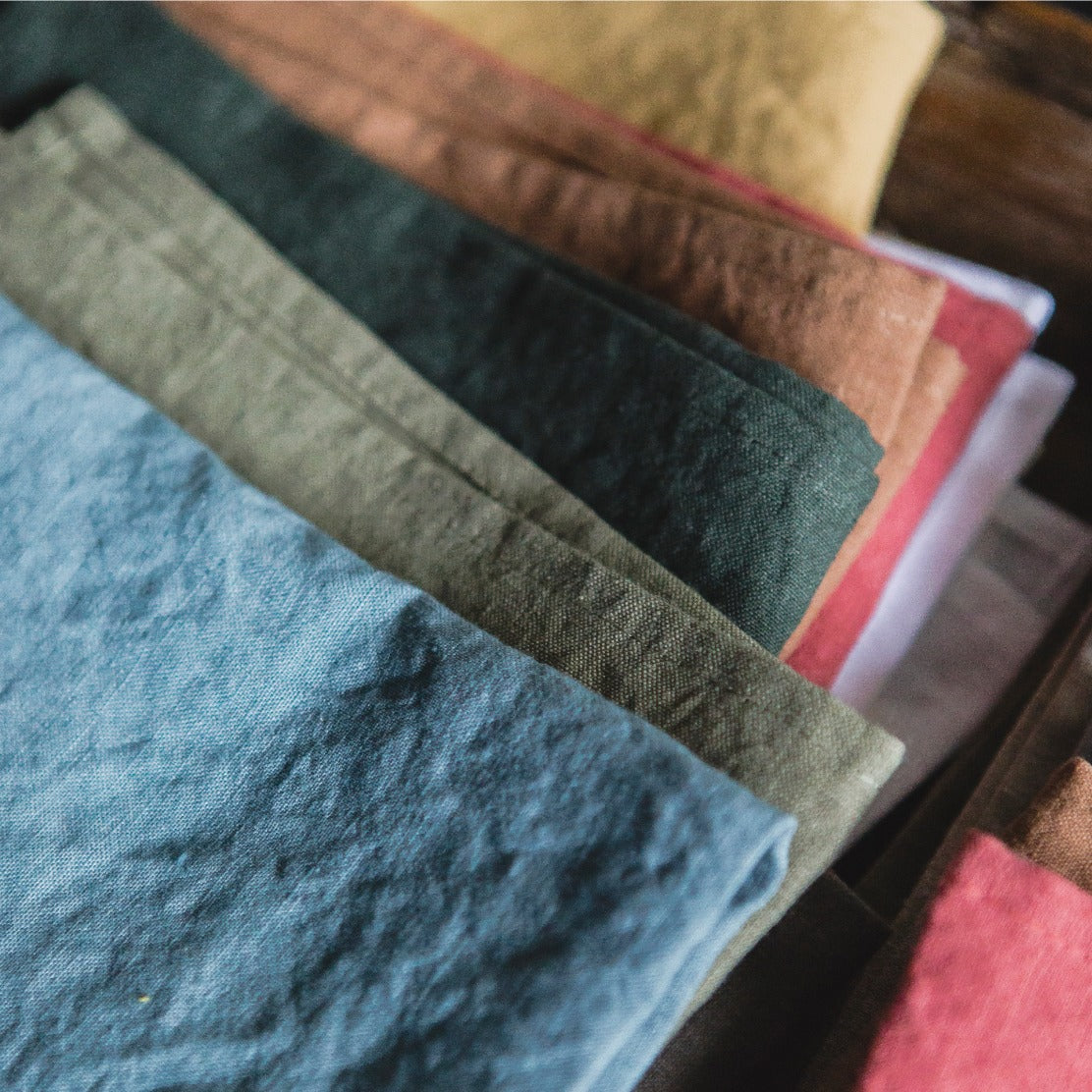
A basic cotton is forgiving, easy to press, and friendly for a first project. But a room with custom upholstered furniture, well-appointed rugs, and substantial wood or metal hardware often needs a fabric with more depth. Linen blends, Belgian linen, and other premium decorative fabrics carry themselves differently. They crease differently, filter light differently, and hold a hem with more character.
A useful way to choose:
| Fabric quality to check | What it affects in the room |
|---|---|
| Body and drape | Whether the panel falls in soft columns or collapses flat |
| Surface texture | Whether the curtain reads crisp, casual, rustic, or formal |
| Light filtration | How the room feels through the day |
| Durability | How well the edges, hems, and leading edge hold up over time |
Where easy patterns succeed and where they fail
Easy curtain sewing patterns work beautifully when the geometry is clear and the fabric cooperates. They struggle when people choose stiff fabric for a loose drape, slippery fabric for a first attempt, or bargain material that can't support a clean hem.
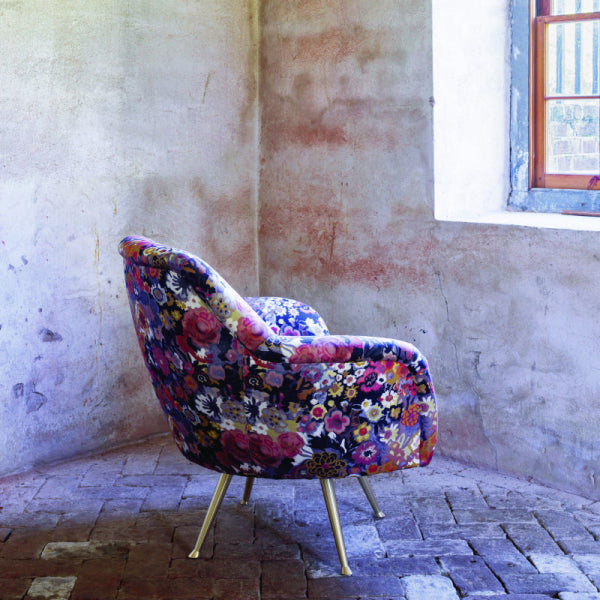
That's why designer drapery and designer furniture often feel related. In both, the frame matters, but the covering determines the result. A premium sectional upholstered in a poor textile won't look luxurious for long. A curtain sewn from weak or unsuitable fabric won't either.
Your First Project The Simple Rod Pocket Curtain
Late afternoon sun hits the window, and a bare panel can make even a well-furnished room feel unfinished. A rod pocket curtain is a smart first project because it teaches control at full scale. You are not just sewing a rectangle. You are learning how fabric behaves once it hangs in a real room.

The cleanest way to build it
Rod pockets reward patience. If the folds are accurate and the stitching stays parallel, the finished panel looks calm and balanced. If they are off, even by a little, the top gathers unevenly and the hemline advertises every shortcut.
Cut the panel square. Press each fold before it goes under the needle. Sew the side hems first so the panel has a clean frame. Then form the top pocket, making it large enough for the rod to pass through without forcing the fabric into a tight, puckered bunch. Finish the bottom hem last so the panel gains the weight it needs to hang straighter.
That order matters.
For a beginner, rod pocket construction is forgiving. For a designer eye, it also reveals quality fast. Uneven side hems, a shallow pocket, or a limp bottom edge will always read less polished than the fabric deserved. If you want a better sense of how style, fullness, and function work together before you cut, this guide on choosing the right window treatments for your room is worth reviewing.
What this project actually teaches
A first curtain should build habits, not just confidence. The rod pocket does that well because it asks you to repeat a few simple actions accurately across a long length of fabric.
- Keep fold depth consistent: The eye catches variation at the top edge immediately.
- Watch grain and squareness: A panel cut slightly off can twist once it hangs.
- Use pressing as construction: Crisp folds produce cleaner stitching and a sharper finish.
- Let the hem add weight: A proper bottom hem helps the panel fall in softer, more even columns.
I tell new sewists this often. Custom drapery looks luxurious long before trim or hardware enter the picture. The luxury starts in the discipline. Premium linen, cotton sateen, or a refined blend will show good workmanship beautifully, and they will also expose weak workmanship just as quickly.
If you are still getting comfortable with machine basics, this a comprehensive guide for new crafters can help reinforce the practical setup and sewing habits that keep early projects from going sideways.
Pressing is part of construction, not cleanup.
What to expect from the finished look
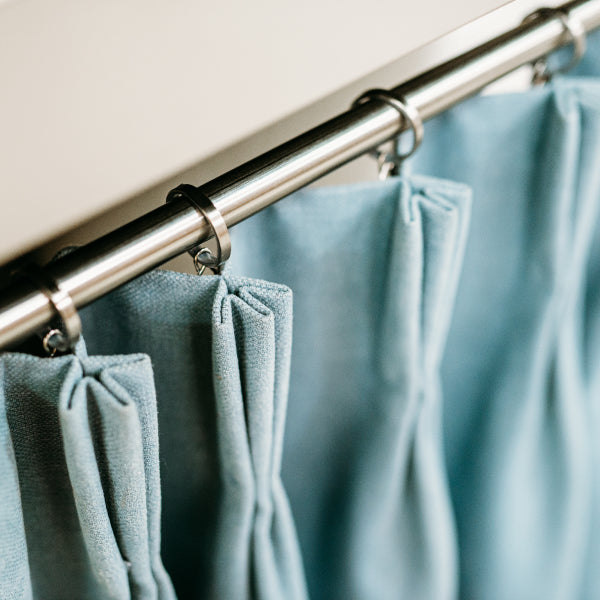
Rod pocket curtains create a softer header and a more gathered face. That suits guest rooms, bedrooms, breakfast areas, and other spaces where you want warmth instead of a formal architectural line.
They are less practical for wide windows that open and close every day because the fabric slides directly on the rod. They also do not give the crisp top structure you get from more advanced headings. Still, for a first project, they offer the right lesson. You finish with a usable window treatment, and you start to see the difference between a simple DIY panel and the kind of precision that makes custom drapery a lasting investment.
Easy Pattern Variations Tab Top and Grommet Styles
A panel can be neatly sewn and still feel wrong for the room. That usually happens at the header. Change the top treatment, and you change how the curtain stacks, how it moves, and how much structure the window carries.

Tab top for softness and visibility
Tab tops put the construction in view. The tabs become part of the design, which gives the window a relaxed, decorative character that works well with linen, cotton, and other fabrics that have visible texture.
The trade-off is function. Tabs are slower to make, they need careful measuring to look balanced, and they do not slide across the rod with much ease. For a guest room, sitting room, or a window you dress once and leave alone, that may be perfectly fine. For a family room slider, it usually is not.
Keep the spacing consistent from end to end. Uneven tabs show immediately, especially on a plain fabric where there is nowhere for mistakes to hide. I also recommend giving real thought to the tab fabric itself. A crisp cotton blend holds shape better than a loose open-weave linen, while a softer cloth gives a more casual drape but can twist at the rod over time.
Tab top curtains work well when:
- You want a softer presentation: The header feels less formal and less engineered.
- You chose attractive hardware: The rod and finials stay visible.
- The panel is mostly stationary: Tabs are better for display than daily traffic.
Grommet for a cleaner line
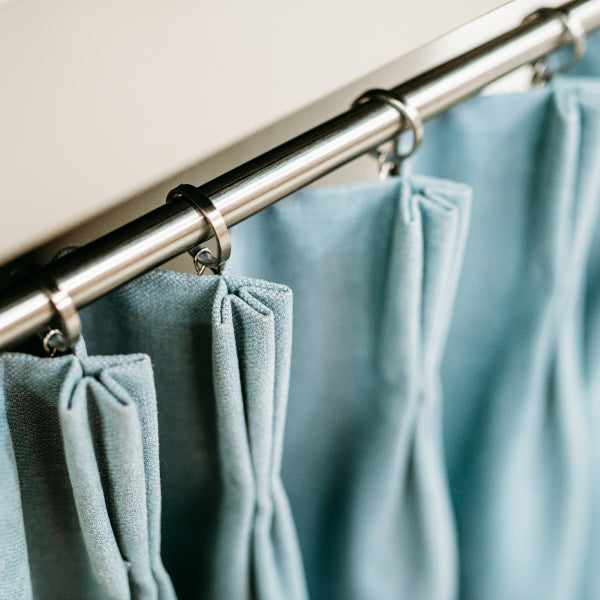
Grommet panels read sharper and more architectural. They form even, repeated folds, and they travel more smoothly because the hardware does the work instead of the fabric rubbing directly on the rod.
They are also less forgiving to sew. Grommets require accurate placement, enough header depth to support the rings, and a fabric weight that will not collapse around the opening. On inexpensive cloth, the top edge can pucker or stretch. On a better fabric, backed properly, the result looks far more disciplined.
Here is the practical comparison:
| Style | Best visual effect | Best use case | Main caution |
|---|---|---|---|
| Tab top | Relaxed and decorative | Casual rooms, visible rods | Less smooth movement |
| Grommet | Crisp and contemporary | High-use windows, modern interiors | Requires accurate hardware placement |
For DIY sewists, material quality begins to matter in a very visible way. A simple header in a premium fabric often looks better than a more ambitious style in a weak base cloth. That is one reason custom drapery earns its price. The design, fabric, lining, and hardware are chosen as a system, not as separate parts.
If you are weighing style against function for a specific room, this guide on how to choose window treatments for different spaces gives useful context before you commit to a header style.
Choose the heading based on how the window will be used, how much structure the room needs, and whether your fabric can support the result you want.
Professional Finishing Touches for a High End Look
You finish sewing, hang the panels, and the room tells the truth fast. A curtain can be cut from beautiful fabric and still read as homemade if the hems ripple, the header looks soft, or the panel breaks awkwardly at the floor.
Luxury comes from control. Clean pressing, balanced proportions, and enough structure in the right places give even a simple pattern a more refined outcome. In workrooms, the difference often shows up in the finishing details: wider hems, careful turn-backs, and fabric prepared to hang straight over time, not just look good for one afternoon.
The strongest easy curtain sewing patterns are only a starting point. What makes a panel look expensive is the line of the side hems, the weight at the bottom, and the way the fabric falls without twisting. Many basic tutorials keep the construction light. A more polished panel usually benefits from deeper hems and more deliberate pressing because those choices add stability.

The details that separate homemade from hand-crafted
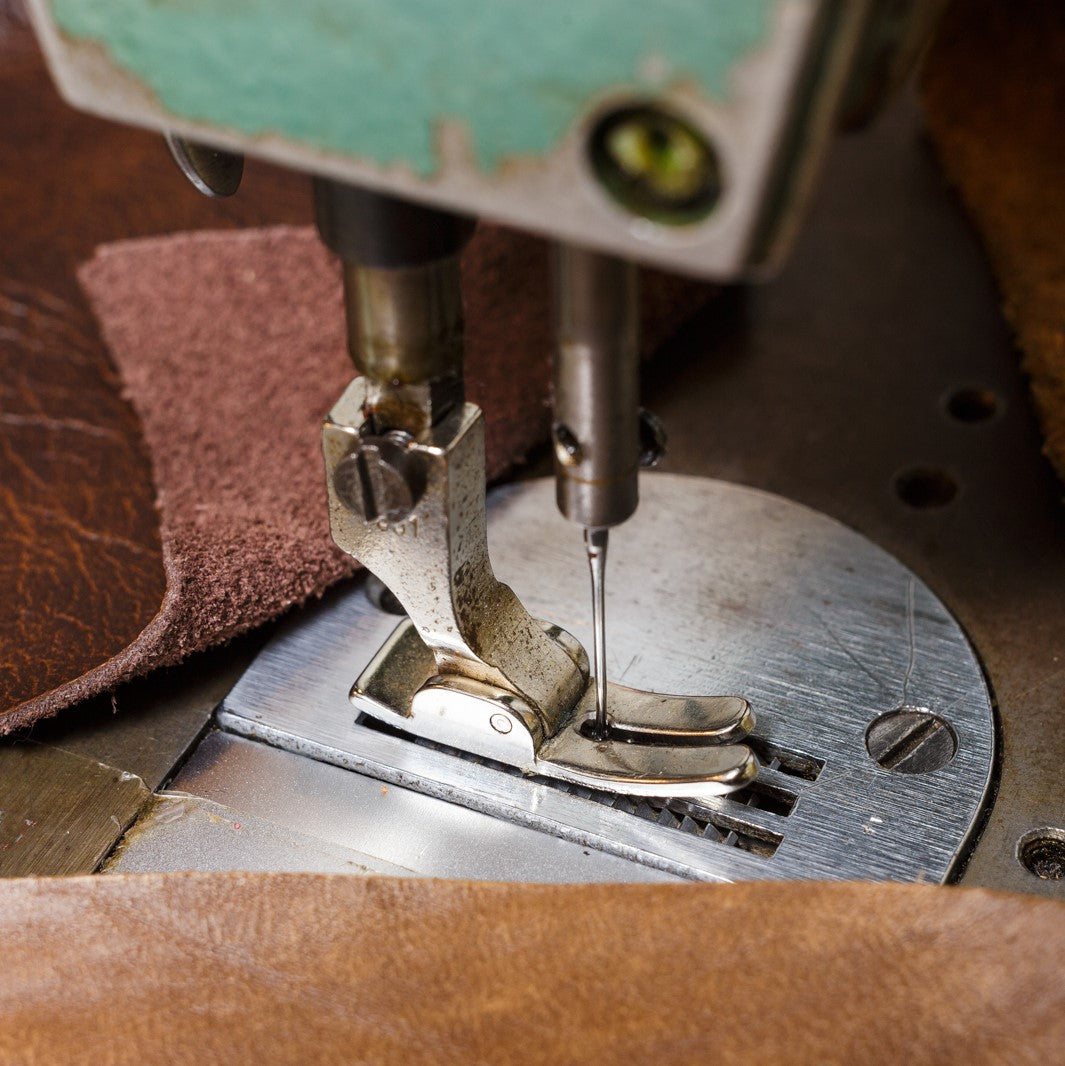
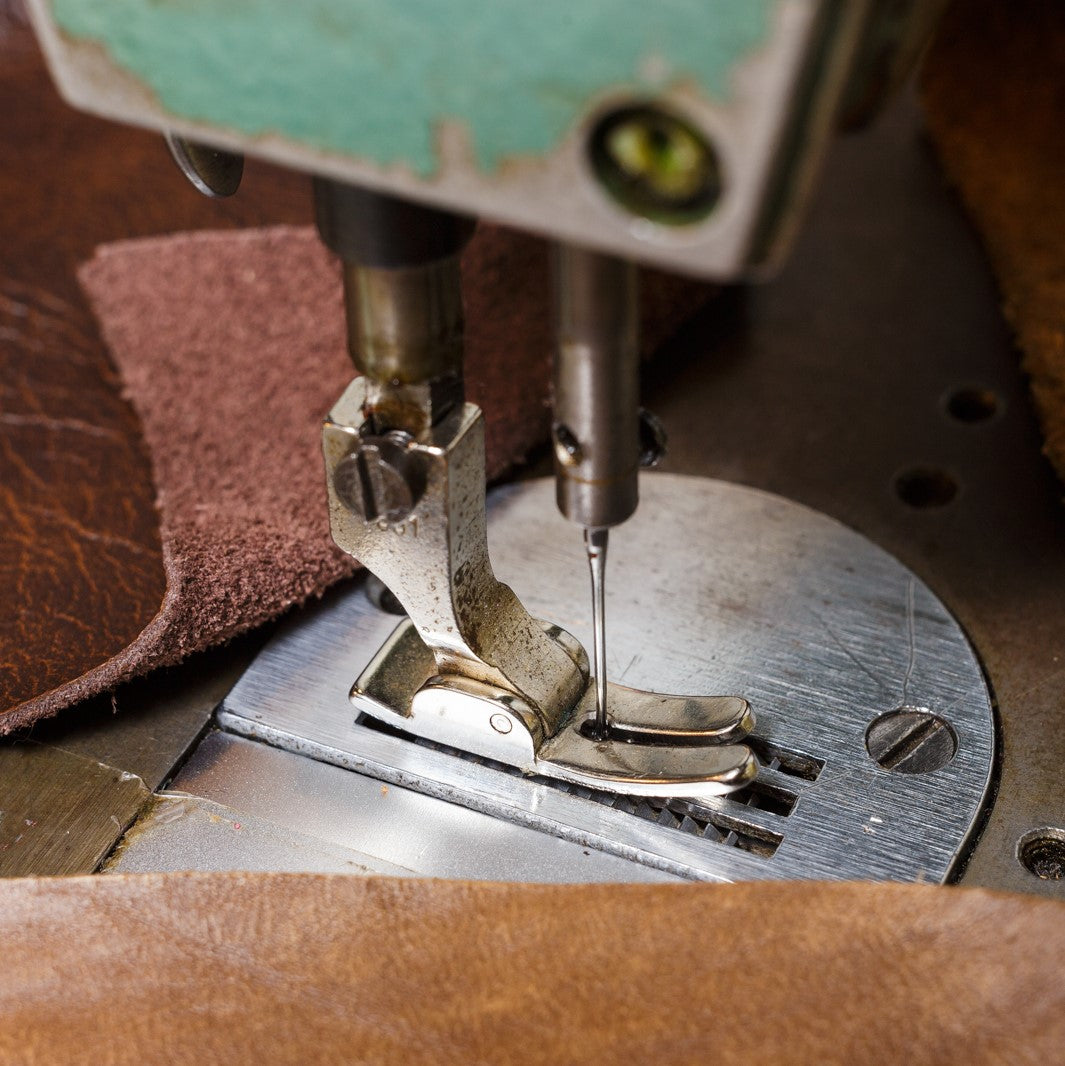
A home machine can absolutely produce refined drapery. The result depends less on the machine and more on discipline.
Focus on these finishing habits:
- Press every fold before stitching: Fabric shifts less, and the finished line stays straighter.
- Keep seam allowances consistent: Small variations become obvious once the panel is hanging at full length.
- Use a deeper bottom hem where the fabric allows it: Extra depth gives the panel better weight and a calmer break.
- Check the panel on a flat surface before final stitching: A few minutes here can prevent a twisted hem later.
- Measure from the top header to the hem on both sides: Equal finished length matters more than speed.
The mistakes that read cheapest are usually visual, not dramatic. One side hem is slightly fuller. The top edge sits out of level. The return does not fold back evenly. Those are the details custom workrooms correct as a matter of routine, and they are exactly what DIY sewists should watch if the goal is a designer finish.
Lining, trim, and visual weight
Lining changes the performance of the panel. It adds body, protects the face fabric, softens light, and helps the curtain hold its shape. If you are deciding whether to line your panels, this guide to the role of drapery lining in custom drapes explains why professionals treat lining as part of the build, not an optional extra.
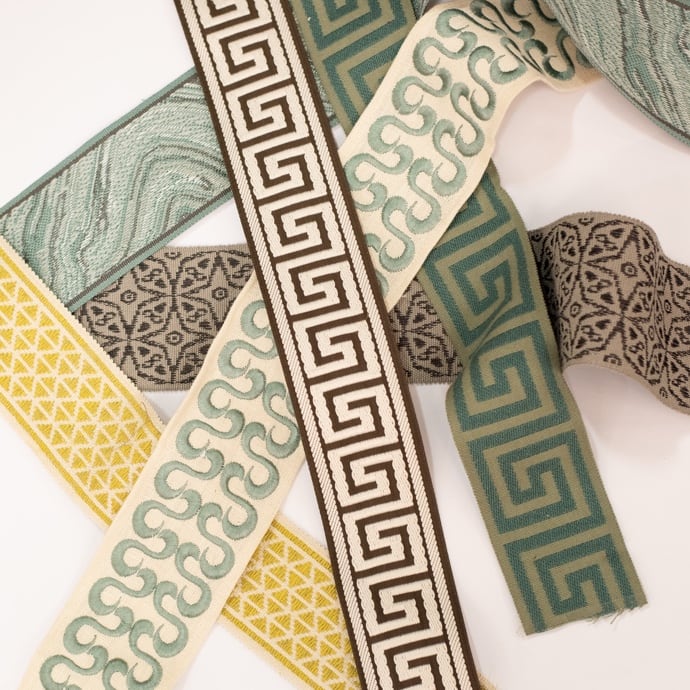
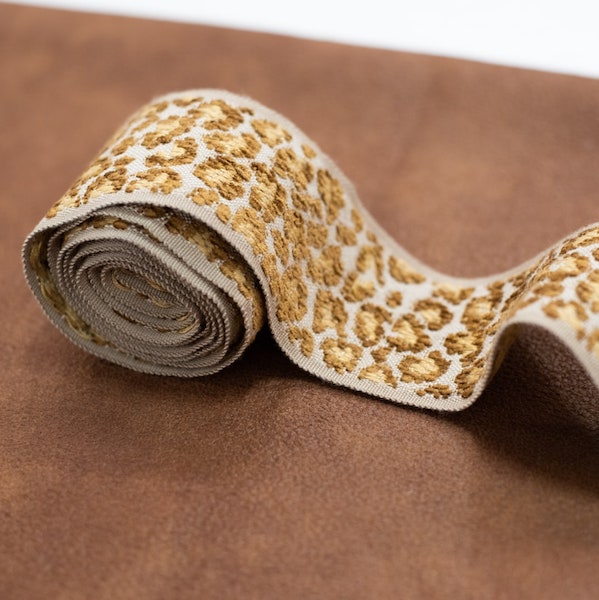
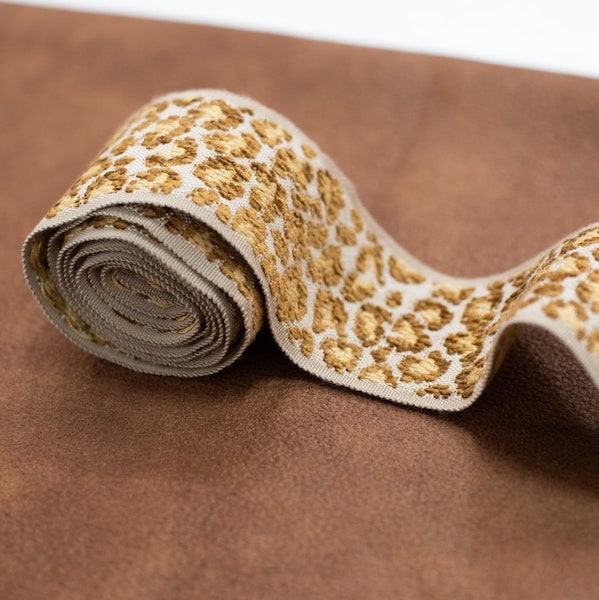
Trim deserves the same level of intention. A leading-edge tape, inset band, or contrast border can sharpen a plain panel, but trim also adds another place for inaccuracies to show. If the banding wavers or the corners do not meet cleanly, the eye goes straight to it. On high-end drapery, detail work succeeds because the base panel is already square, stable, and properly weighted.
Lewis and Sheron Textiles is one Atlanta source for decorative fabric, trim, and drapery materials for sewists who want more than basic craft-store options. Better inputs do not replace skill, but they do make good workmanship easier to see.
The eye forgives a simple pattern. It notices a crooked hem immediately.
Common mistakes worth avoiding
A few problems come up again and again:
- Uneven side hems: The panel can torque or hang off balance.
- Lining cut to the same visual priority as the face fabric: The edges may peek or pull.
- Corners turned without careful alignment: The hem looks bulky or drifts out of square.
- Long hems sewn without enough pinning or checking: The stitch line wanders, and the panel shows it.
This marks the key distinction between a satisfying DIY project and a luxury finish. The pattern may be simple. The execution cannot be casual.
DIY Project vs Professional Custom Drapery
A standard window with cooperative fabric is a fair DIY project. A complicated opening in a design-driven home often isn't.
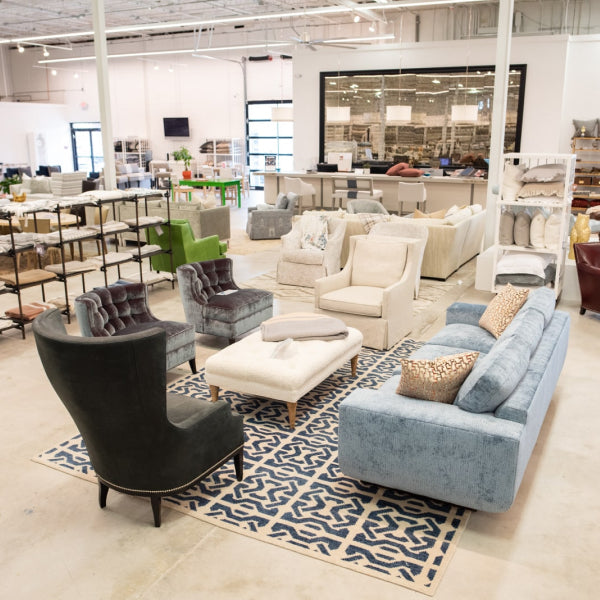
This decision matters more in North Atlanta than many people realize. Homes in Buckhead, Roswell, Sandy Springs, and older parts of Atlanta often mix tall ceilings, narrow openings, bay shapes, and rooms where the windows need to relate to premium sectionals, designer furniture, and custom upholstered pieces already carrying the room. At that point, the drapery has to perform at the same level as the rest of the interior.
When DIY makes sense
DIY is a smart choice when the project is straightforward and the process itself is part of the appeal.
Good candidates include:
- Standard rectangular windows: Easier to measure, easier to balance visually.
- Simple top treatments: Rod pocket, tab top, and uncomplicated panels are manageable.
- Stable fabrics: Cottons, linens, and other materials that press and feed well.
- Rooms with lower stakes: Guest rooms, casual spaces, and secondary windows.
There's real value in making something yourself. You learn how textile weight works, how a hem changes hang, and why one fabric looks more luxurious than another.
When custom drapery is the wiser investment
Some windows punish guesswork. That's especially true when the material is premium, the room is highly visible, or the architecture is irregular.
One practical challenge is fabric optimization on unusual openings. A cited source notes that 32% of DIY curtain queries involve “odd-sized” windows, yet tutorials rarely offer width-specific cutting guidance for those situations, which often leads to wasted fabric on non-standard windows, as referenced in this discussion of odd-sized window questions.
That's the dividing line. If a mistake wastes ordinary fabric, it's frustrating. If it wastes premium linen, matched repeats, or specialty materials selected to coordinate with luxury home furnishings, it becomes expensive and hard to correct.
A professional workroom is often the better choice when you need:
| Project condition | DIY risk | Professional advantage |
|---|---|---|
| Narrow or unusual windows | Awkward proportions and waste | Better planning and fit |
| Delicate or expensive fabric | Cutting mistakes are costly | More controlled fabrication |
| Formal lined drapery | Bulk and alignment issues | Cleaner structure and hang |
| Whole-room coordination | Window treatment may feel separate | Fabric, trim, furniture, and scale can be integrated |
The luxury difference
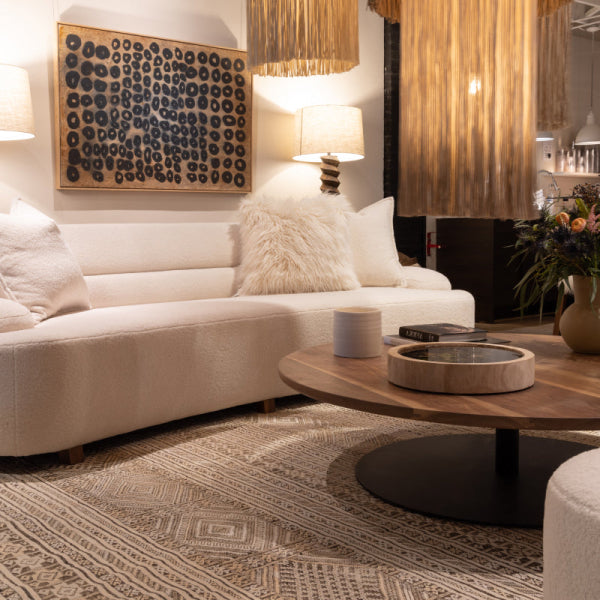
Custom drapery belongs in the same conversation as custom furniture Atlanta buyers seek when they want quality over convenience. It's about fit, proportion, and longevity. A luxury sofa isn't valuable because it's merely larger or softer. It's valuable because the frame, fill, tailoring, and upholstery all align.
Drapery works the same way. The more visible the room, the more that difference shows.
Your Partner in Creating a Beautiful Home
A good DIY curtain project teaches you a lot about interiors. It sharpens your eye for proportion, fabric hand, trim scale, and workmanship. That education tends to change how you shop for the rest of the room too, from high-quality couches and premium sectionals to custom chairs and statement furniture pieces.
Atlanta homeowners who care about designer quality usually end up wanting one of two things. They either want access to better materials so their own work looks more refined, or they want experienced help coordinating fabrics, upholstery, rugs, and window treatments so the room feels complete instead of assembled.
Quality carries across the whole room
Curtains shouldn't be chosen in isolation. They sit beside sofas, case goods, wall color, rugs, and lighting. Even finishing the walls matters. If you're refreshing a room all at once, practical details like art placement affect the final balance, and this guide on how to hang pictures is a useful companion for getting the visual rhythm right after the textiles are in place.
The same principle applies whether you're sewing one panel or specifying an entire interior. Better rooms come from connected decisions.
What discerning homeowners usually learn
The first lesson is that simple projects can look beautiful when the fabric is right and the execution is patient.
The second is that designer quality has a threshold. Once your home includes custom upholstered furniture, heirloom-quality furniture, or rooms built around premium materials, every soft furnishing has to keep up. That's why some projects are enjoyable DIY undertakings, while others deserve custom fabrication from the start.
For homeowners, decorators, and design-conscious buyers across Atlanta, Buckhead, Alpharetta, Roswell, Sandy Springs, and greater Fulton County, that distinction is useful. It helps you invest where the return is visible every day.
If you're sourcing fabric for your own curtain project or planning a more complete interior with custom furnishings and drapery, Lewis and Sheron Textiles is a practical place to start. You can explore premium home fabrics, trims, upholstery options, and design services in one setting, then decide whether your next step is DIY, custom, or a mix of both.