


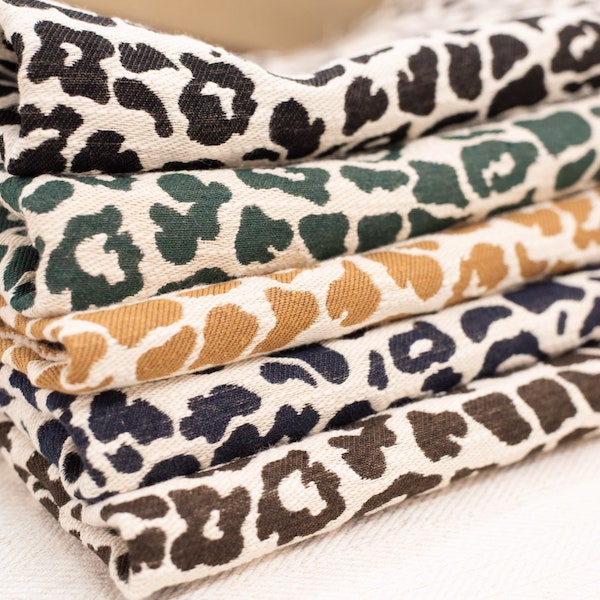
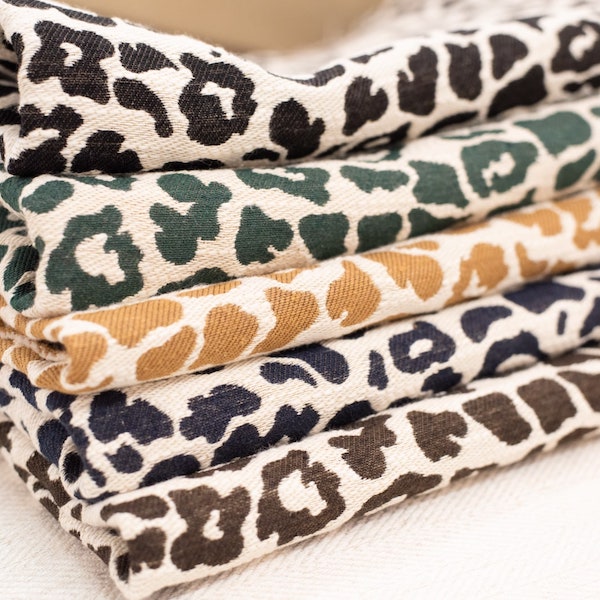
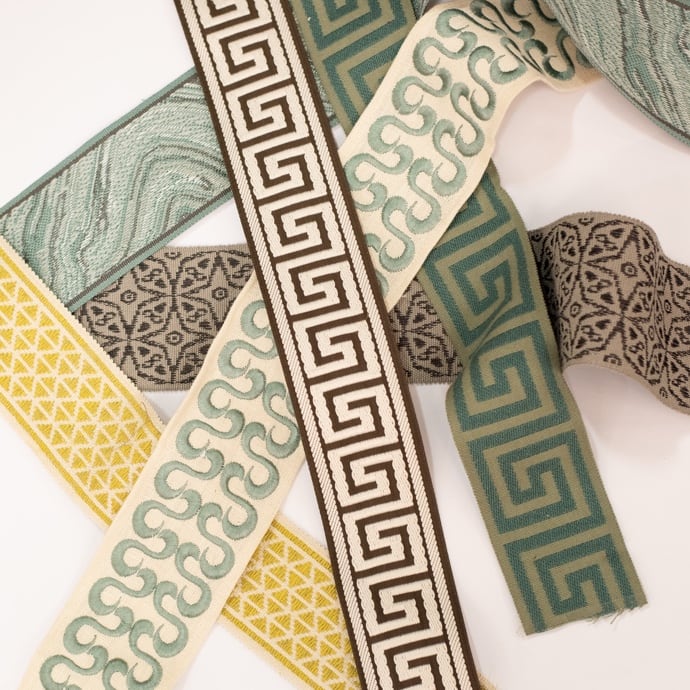

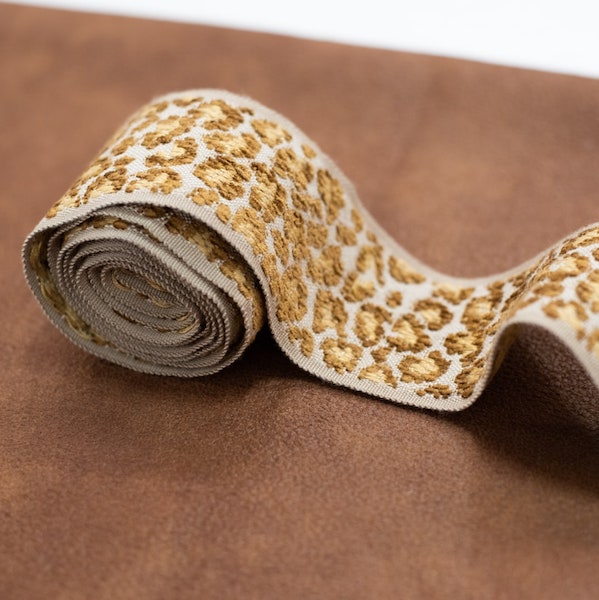
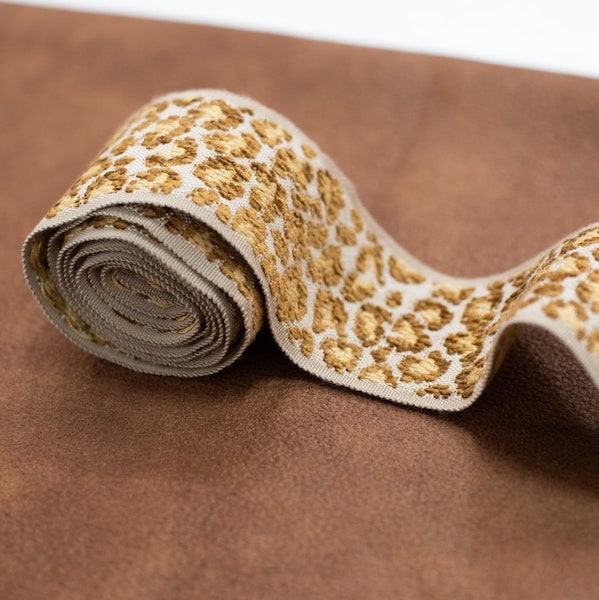
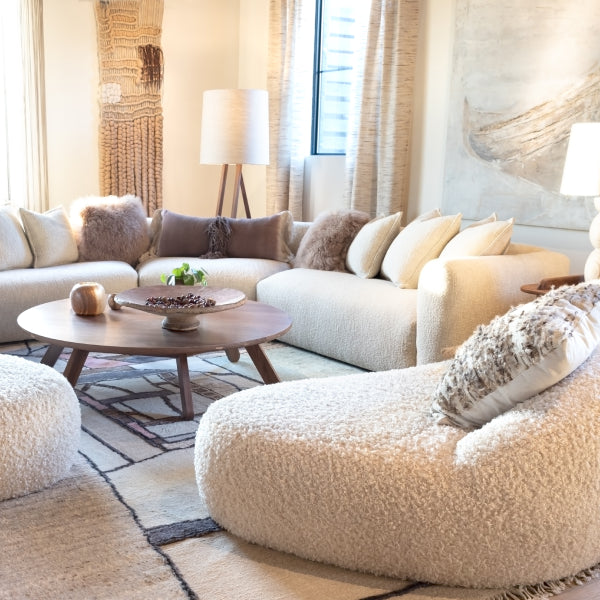
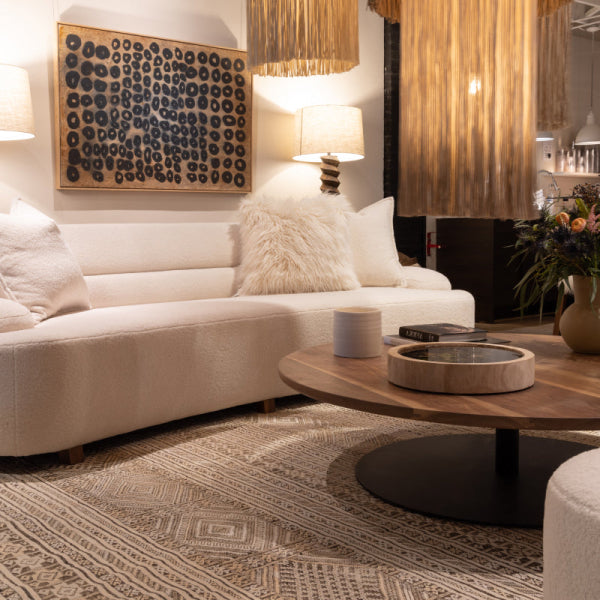
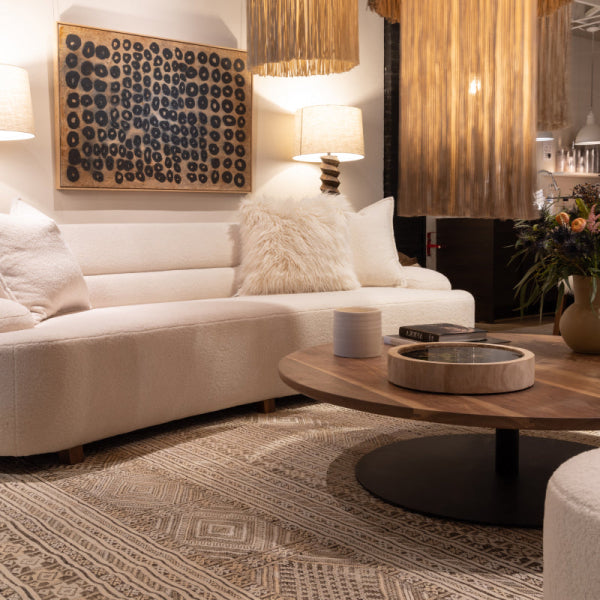
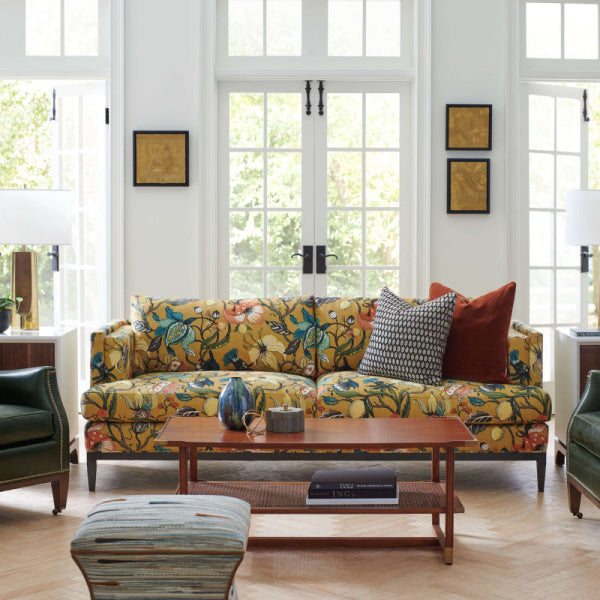
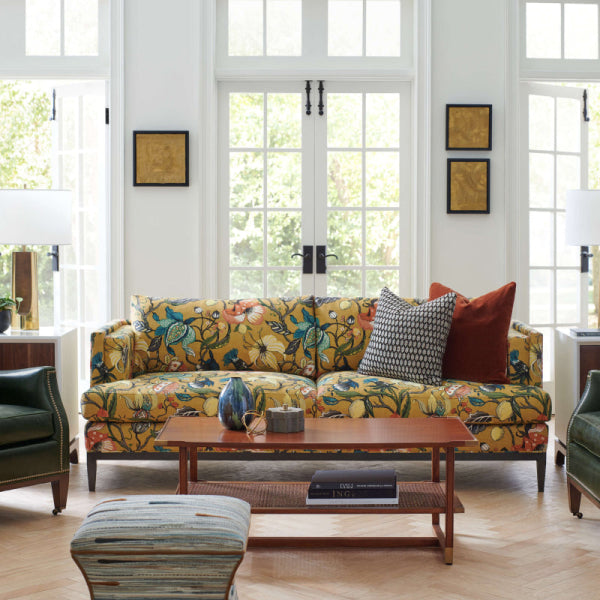
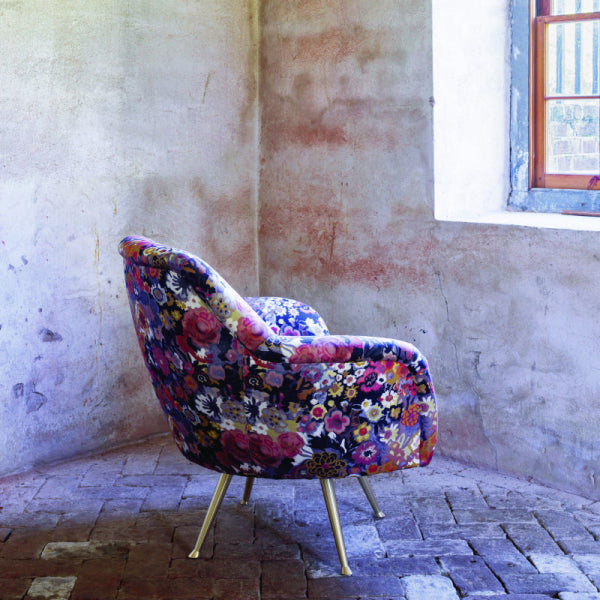













Choosing window treatments is about so much more than covering glass. It's about orchestrating light, framing a view, and making a design statement that feels intentional and complete. It's the final detail that pulls a room together, taking it from simply furnished to thoughtfully designed.
Where do you start? Simple. Figure out what the room needs—privacy, light control, insulation. Then, dive into the fun part: selecting a style and fabric that speaks to your home's unique character.
Think of it as the secret weapon of Atlanta’s most exquisite interiors.
Choosing Window Treatments Like an Atlanta Designer
For designers sourcing for a client in Milton or a homeowner in Buckhead, the right choice elevates everything. It's like finding the perfect accessory for a bespoke suit; it has to be just right. This is where you move beyond the generic advice from big-box stores. Atlanta’s finest homes demand more than a one-size-fits-all solution.
This guide cuts through the noise. We'll walk you through the process of thinking like a designer, balancing practical must-haves with the sophisticated aesthetic that defines Atlanta style. Consider this your roadmap to making confident decisions that blend timeless form with flawless function.
More Than Just a Pretty Fabric
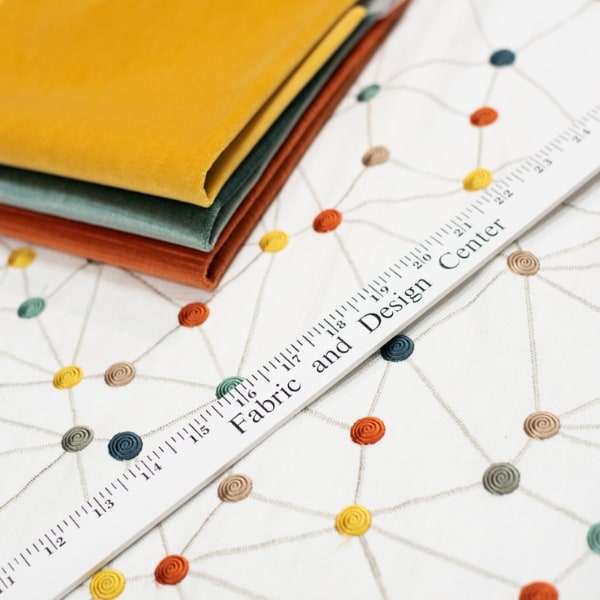
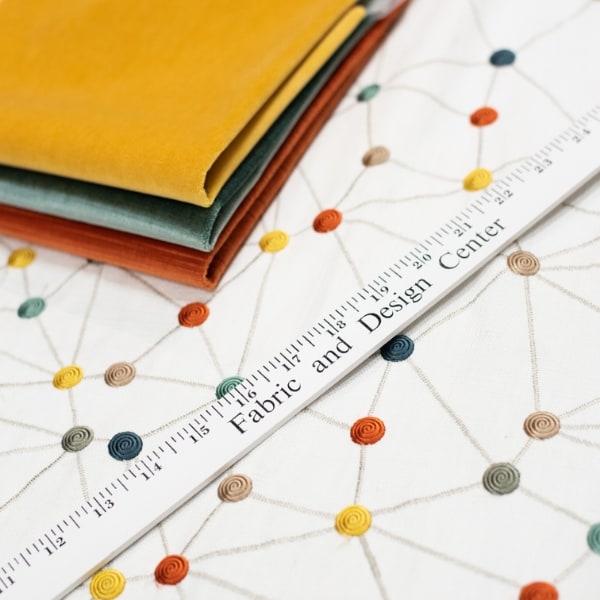
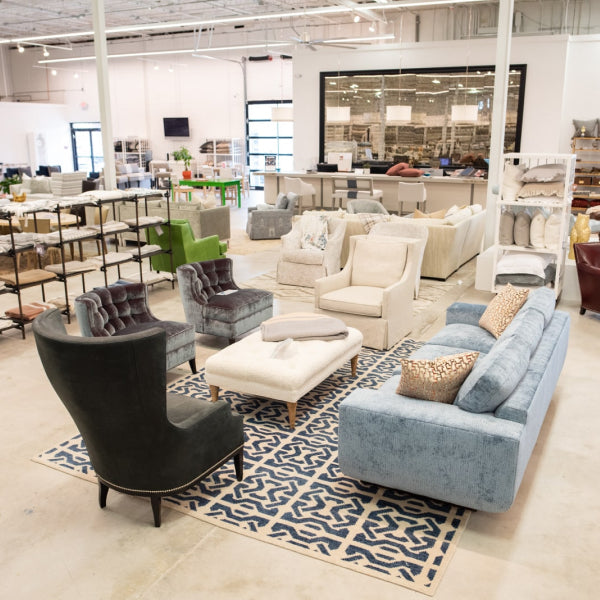
The process starts long before you find yourself falling for a stunning bolt of Belgian linen in our Atlanta fabric showroom. It begins with a powerful realization: window treatments are architectural elements. They have the power to completely transform a space.
For instance, they can:
- Alter perception: The right treatment can make a ceiling feel higher or a small room feel more expansive.
- Protect your investments: They shield your beautiful furniture and art from the harsh Southern sun, whether it's a handcrafted Wesley Hall sofa in Roswell or a Verellen masterpiece on West Paces Ferry.
- Set the mood: Filter light to create a serene, ethereal glow for a lazy afternoon or block it out completely for the perfect movie night.
Window treatments are the unsung heroes of interior design. They don't just dress a window; they manage light, ensure privacy, and add a layer of texture and color that ties an entire room together. It's where function and high fashion meet.
A Nod to Atlanta’s Design Sensibility
In communities from Marietta to Alpharetta, there's a deep appreciation for craftsmanship that stands the test of time. That means looking beyond fleeting trends and investing in quality that lasts. Your window treatments should feel as considered as the Ambella Home furniture in your foyer or the custom upholstery on your favorite Lee Industries chairs.
Throughout this guide, we’ll share the same framework used by professional designers who visit our Collier Rd showroom every day. We'll explore how to choose materials that speak to quality, hardware that acts like jewelry for your walls, and layering techniques that offer both versatility and incredible visual depth. This is how you create rooms that feel curated, comfortable, and complete. It's the Lewis & Sheron way.
Start with Function, Not Fabric
We’ve seen it a thousand times. Someone walks into our Buckhead showroom, spots a breathtaking bolt of Libeco linen or a dynamic Kravet print, and their imagination just takes off. And we get it. But we always suggest they hold that thought for a moment.
The real secret to choosing window treatments you’ll love for years isn’t found in the pattern first. It’s found in pure, unglamorous function.
Before you even think about aesthetics, ask a simple question: what job does this window treatment need to do? The answer changes dramatically from room to room, and getting this part right is the foundation for every decision that follows. It's the difference between a pretty room and a perfectly designed one.
This little decision tree illustrates the core idea perfectly: start by defining your practical needs, and the ideal form will naturally follow.
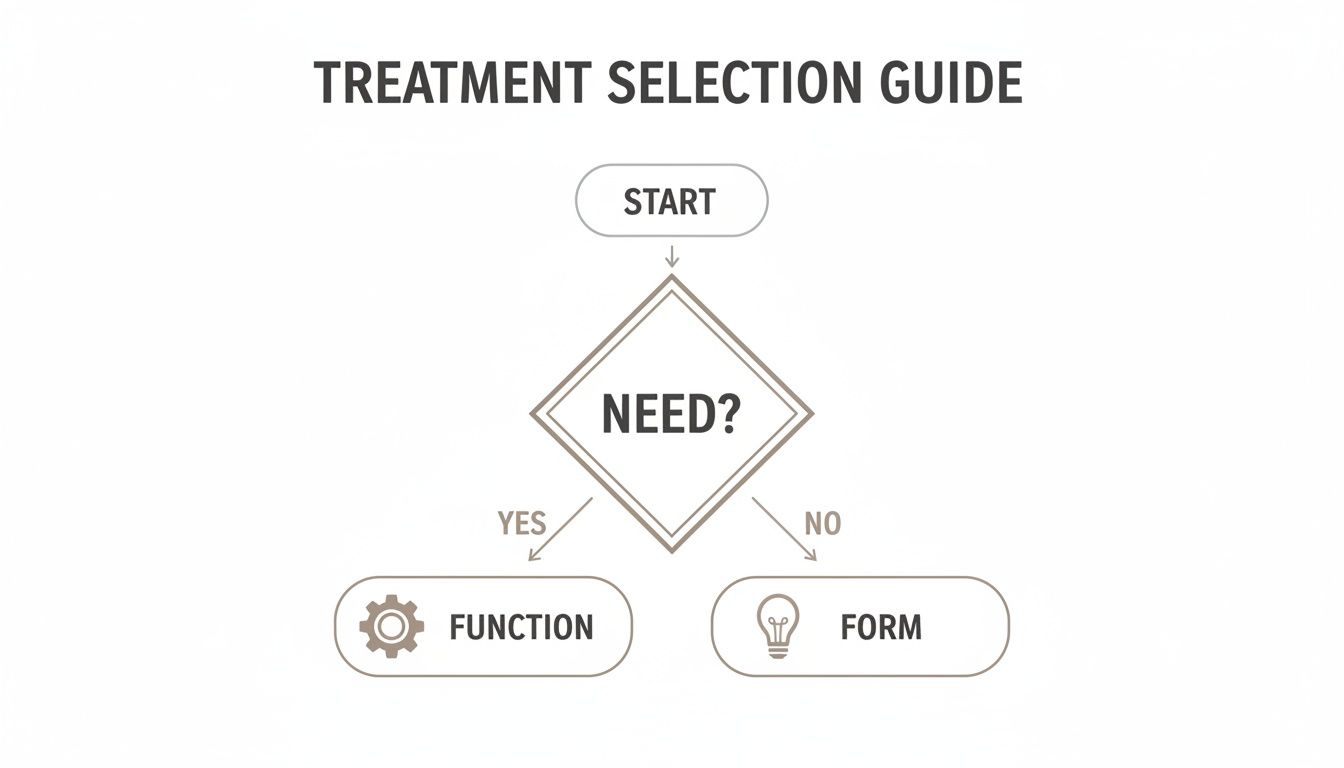
As you can see, identifying a practical need (Function) is the clearest path to a successful outcome. It simplifies all your choices down the road.
Decoding Your Room’s Demands
Take a moment. Think about the unique challenges and opportunities each of your spaces presents. A sun-drenched living room in Roswell with a cherished Verellen furniture piece has entirely different requirements than a street-facing bedroom in East Cobb.
Let’s break down the primary functions to consider.
Light Control: From Sun-Kissed to Blackout
How much natural light do you really want, and when? Light control isn't a simple on/off switch; it’s a spectrum.
- Diffusing Harsh Light: For rooms that get blasted with intense afternoon sun, the goal is to soften the glare without plunging the space into darkness. Sheer draperies act like a beautiful, soft-focus filter for the light. It's the perfect way to protect that exquisite Wesley Hall sofa from fading over time.
- Room Darkening: A media room or bedroom, on the other hand, needs the option to block out nearly all light. Lined draperies or Roman shades with a proper blackout lining are essential for creating that kind of restful, private sanctuary.
- Strategic Brightness: Some spaces have multiple needs. A home office in Alpharetta might need bright, energizing light during the day but complete privacy at night. Layering treatments—like pairing natural woven shades with classic drapery panels—offers the ultimate flexibility.
Privacy: Your Personal Retreat
Your need for privacy changes dramatically based on a window's location. A ground-floor window in a bustling Buckhead neighborhood obviously demands more coverage than a second-story window overlooking a private backyard in Milton.
A common oversight is forgetting about nighttime privacy. A beautiful sheer fabric that offers great coverage during the day might become completely transparent once you turn the lights on inside. Layering is the easiest way to solve this problem.
Beyond Light and Privacy
While light and privacy are the big two, a few other functional details can dramatically improve your home's comfort. These are the thoughtful touches that elevate a window treatment from just "good" to "great."
Insulation and Energy Efficiency
Atlanta summers are no joke. The right window treatments act as a powerful thermal barrier, keeping your home cooler in the summer and warmer in the winter. Cellular shades are famous for this, but even a high-quality, lined drapery can reduce heat gain by up to 33%. This not only makes your space more comfortable but can also lead to real savings on your energy bills.
Noise Reduction
Live on a busy street? The right window treatments can help muffle the constant hum of the outside world. Heavier materials like velvets, wools, and other tightly woven fabrics are excellent at absorbing sound. When you combine them with a thick lining, custom drapery can create a surprisingly quiet and serene indoor environment. It's a small luxury that makes a huge difference in daily life.
By mapping out these functional needs room by room, you’re not just buying curtains—you’re creating a strategic plan. This blueprint makes the next steps, like exploring our Atlanta fabric showroom, infinitely more focused and successful. You'll walk in knowing exactly what you're looking for, ensuring your final choice is as smart as it is stylish.
A Curated Guide to Styles and Materials
Okay, you’ve mapped out your practical needs. Now comes the best part: diving into the world of styles and fabrics where your home's personality truly comes to life. This is where we shift from function to feeling, choosing the elements that will define the character of your space.
The style you land on is a direct reflection of your home's architecture and your personal taste. It sets the tone before a single piece of furniture does. To make sure your window treatments feel like a natural extension of your home, it's a great idea to first explore various interior design styles. Knowing your overall aesthetic makes it so much easier to choose a window treatment that feels intentional, not like an afterthought.
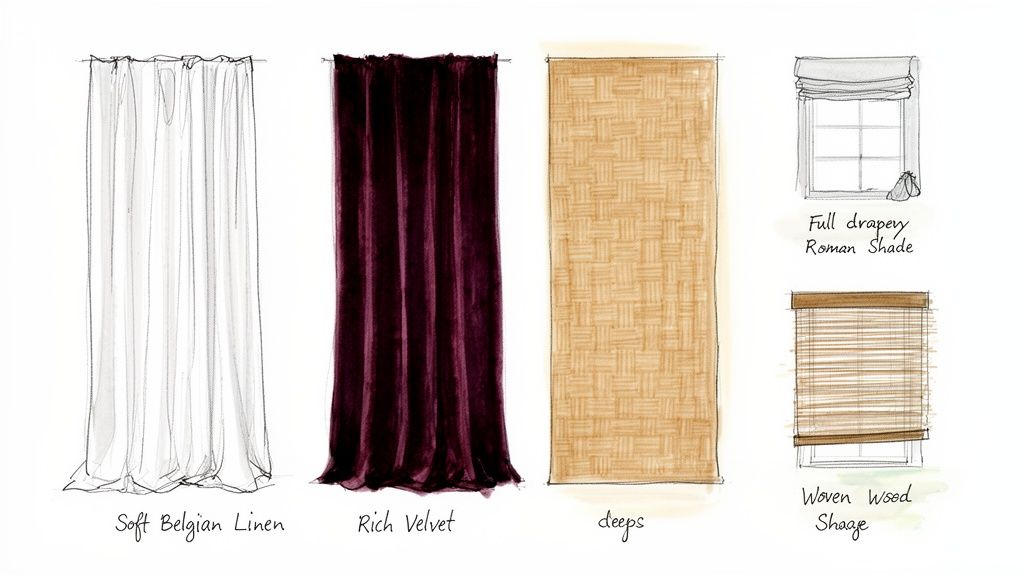
From Timeless Drapery to Modern Shades
Let’s talk about some of the most sought-after styles we help clients with in our Atlanta showroom. Each one brings a completely different energy to a room.
- Custom Drapery: The undisputed classic for a reason. Floor-to-ceiling drapery adds a layer of softness, elegance, and drama that nothing else can quite replicate. It’s the perfect move for making ceilings feel higher or adding a touch of luxury to a primary bedroom in a Buckhead high-rise.
- Roman Shades: Clean, structured, and incredibly versatile. Roman shades give you a tailored look that’s less formal than drapery but much softer than a hard blind. They work beautifully in kitchens, home offices, and anywhere you want a crisp, polished finish.
- Woven Wood Shades: For anyone craving texture and warmth, this is it. Made from natural materials like bamboo, grasses, and reeds, these shades bring an organic, earthy element inside. They're a fantastic way to add dimension to a sunroom in Forsyth County or a casual living area.
Here's a quick-reference guide to help you match the best window treatment style to your primary functional needs, from privacy to light control.
Window Treatment Style and Function Matrix
| Treatment Style | Best for Light Control | Best for Privacy | Ideal Aesthetic | Pairs Well With |
|---|---|---|---|---|
| Custom Drapery | Excellent (with blackout lining) | Excellent | Elegant, Traditional, Formal | Layered over shades or sheers |
| Roman Shades | Very Good (depends on fabric) | Very Good | Tailored, Transitional, Clean | Kitchens, Bathrooms, Offices |
| Woven Woods | Good (light-filtering) | Good (privacy liner needed) | Organic, Casual, Textural | Sunrooms, Coastal or Boho homes |
| Sheer Curtains | Fair (diffuses light) | Poor (provides minimal privacy) | Airy, Ethereal, Soft | Layered under drapes, Living Rooms |
This table should give you a solid starting point, but remember, the style only sets the stage. The fabric you choose is the real star of the show.
The Magic Is in the Material
The material dictates everything—how the light filters through, the way the treatment hangs, and how it feels to the touch. This is where the quality you’ll find in our Atlanta fabric showroom truly makes a difference.
The right fabric doesn't just cover a window; it interacts with the light. A heavyweight velvet absorbs it, creating intimacy, while a lightweight linen diffuses it, creating an ethereal glow.
Choosing a fabric is a sensory experience. Here’s a look at the materials that Atlanta’s top designers and discerning homeowners consistently ask for:
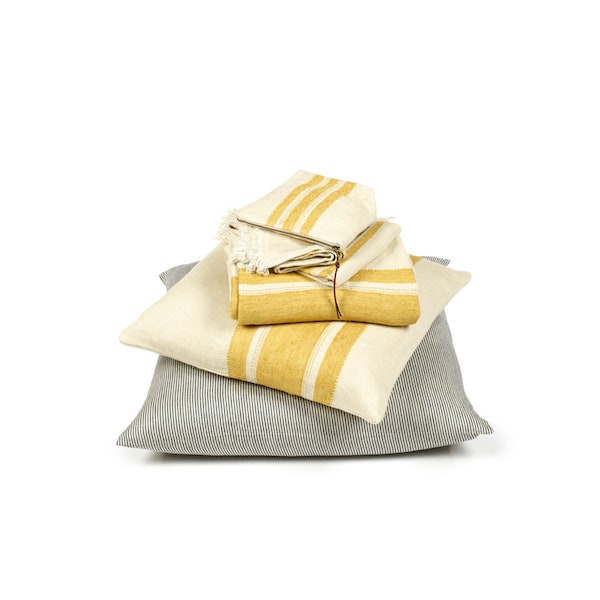
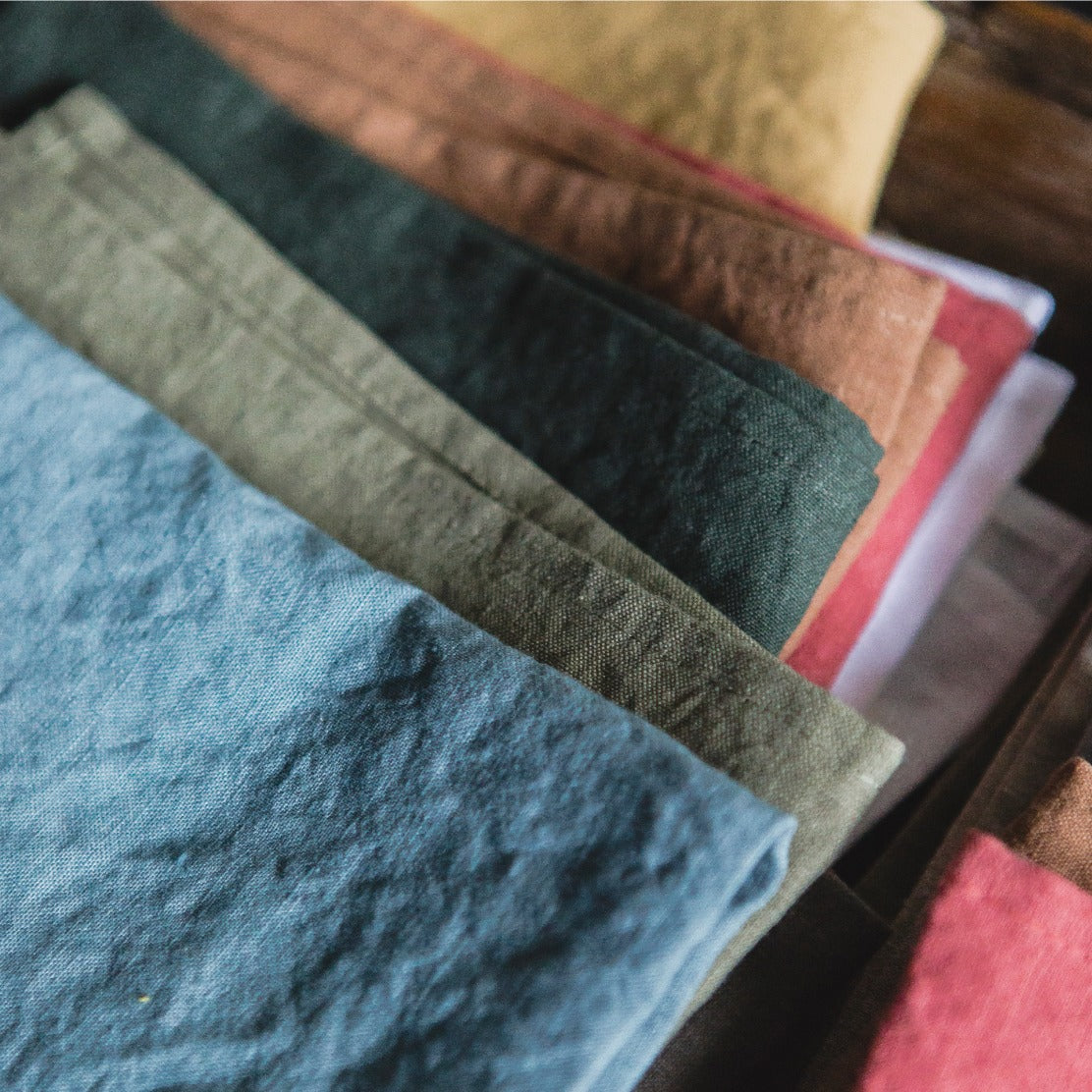
- Belgian Linens: The absolute epitome of relaxed luxury. Linens from renowned mills like Libeco offer a beautiful, soft drape and a subtle texture that feels both casual and incredibly high-end. They are perfect for creating that light, airy vibe in a Cumming family room.
- Rich Velvets: Nothing adds drama and depth quite like velvet. Its plush pile absorbs sound and light, making it ideal for creating a cozy, enveloping atmosphere in a media room or formal sitting area. It’s a bold choice that signals confidence and sophistication.
- Sheer Fabrics: Sheers are the ultimate tool for managing light without sacrificing it. They soften harsh glare while keeping your view and a sense of openness. To get a better feel for your options, you can discover more about the different sheer fabric types and see how they can transform a space.
- Performance Fabrics: For busy households, performance fabrics are a game-changer. Brands like Crypton offer textiles that are stain-resistant, durable, and easy to clean without sacrificing an ounce of style. They’re the perfect, worry-free solution for a breakfast nook in Alpharetta where life—and spills—happen.
Your fabric choice is what makes your window treatments truly custom. At Lewis & Sheron, our collection of designer fabrics includes thousands of options from celebrated mills like Fabricut and P. Kaufmann, ensuring you find the perfect material to tell your story.
Mastering the Details: Hardware, Operation, and Layering
It’s the little things that take a window treatment from nice to knockout. You can fall in love with the most incredible designer fabric in our Buckhead showroom, but if it’s hanging on the wrong hardware or is a hassle to operate, the magic is lost.
These finishing touches are what separate a good-enough window treatment from a truly exceptional one. Let’s dive into the details that make all the difference.
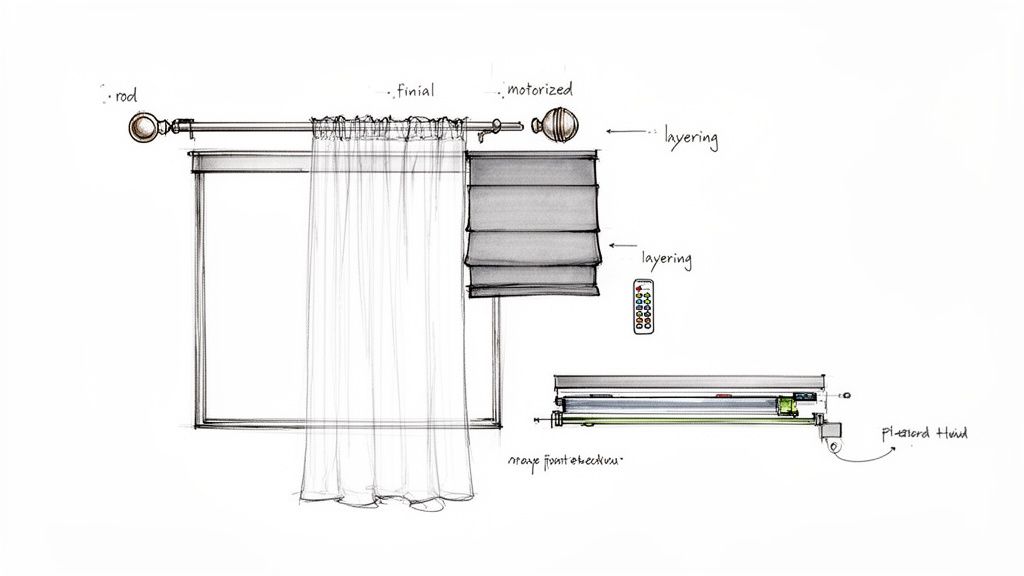
Hardware: The Jewelry for Your Windows
Think of drapery hardware as the essential accessory that completes the outfit. A flimsy rod or an out-of-place finial can instantly cheapen the look of even the most stunning custom drapery. The secret is to choose hardware that feels like a natural extension of your room's style.
- For Modern Spaces: Lean into clean lines and simple finishes. Sleek metal rods in matte black, brushed nickel, or warm brass with minimalist endcaps are a perfect fit. The whole vibe should be uncluttered and architectural.
- For Traditional Homes: This is where you can have some fun with ornate details. Consider classic fluted wood rods, decorative finials, and elegant rings that echo the timeless character of your home.
No matter the style, your hardware needs to feel substantial. It has to support the weight of your fabric without bowing and extend far enough beyond the window frame so your drapes can stack back neatly, maximizing that beautiful view.
Effortless Function: Manual vs. Motorized Operation
How you operate your window treatments matters just as much as how they look, especially in those grand Buckhead homes with soaring ceilings or a bank of hard-to-reach windows.
A classic cord or wand is a reliable choice for most standard windows. But for those high-up foyer windows or a long wall of shades in the living room, motorization is an absolute game-changer. With the push of a button, you can adjust every shade in perfect unison.
This isn't just a cool convenience anymore; it’s becoming a key part of modern home design. Energy efficiency is a huge driver, as automated systems can be programmed to close during the hottest parts of the day. In North America, over 45% of newly built homes now incorporate some form of smart or motorized window installation. It’s a clear sign that homeowners see their window treatments as an integral part of home automation.
The Designer’s Secret Weapon: Layering
Want to know a secret that Atlanta’s best interior designers use to create rooms with incredible depth and versatility? They layer.
Layering window treatments isn't about adding bulk; it's about adding options. It’s the ultimate solution for windows that need to do it all—provide privacy, filter light, and look absolutely stunning.
Layering isn’t just a style choice; it’s a functional powerhouse. It gives you precise control over your environment, allowing you to adapt to changing light and privacy needs throughout the day with elegance and ease.
Imagine pairing ethereal, light-filtering sheers with a tailored blackout Roman shade. During the day, the sheers diffuse that harsh Georgia sun into a soft, ambient glow while still letting you see outside. At night, the Roman shade provides complete privacy and darkness.
Another classic combination we love is decorative drapery panels over woven wood shades. The organic texture of the shades adds warmth and character, while the drapery frames the window, adds softness, and introduces a splash of color or pattern. This approach also lets you bring in another functional element: a high-quality lining. As you plan, understanding the crucial role of drapery lining can help protect your face fabric while boosting insulation.
This thoughtful combination of hardware, operation, and layering is where true custom design really comes to life. It’s how you create a window that is not only beautiful but perfectly in tune with the way you live.
Getting the Details Right: Measurement, Budget, and Expert Help
This is where your vision takes shape. You’ve settled on the function, found a style you love, and picked the perfect fabric. Now, it’s time for the practical steps—measurement and budgeting—that make the difference between a project you love and one you regret.
There’s an old saying: measure twice, cut once. For window treatments, we live by a similar rule: measure twice, order once. Being off by even an inch can throw off the entire look, turning a custom design into a costly, ill-fitting mistake.
You can certainly measure for standard windows yourself. If you're going that route, our guide on how to measure your windows for curtains is a great place to start. It’s packed with the same details our own professionals use every day.
Budgeting for Quality That Lasts
Let's talk about the investment. Think of high-quality window treatments the same way you’d think about fine Verellen furniture or a custom Wesley Hall sofa—they are foundational pieces designed to elevate your home for years to come. Understanding what goes into the final cost helps you plan your budget effectively.
So, what are the main cost drivers?
- The Fabric Itself: A beautiful, high-quality cotton will have a different price point than, say, a hand-embroidered silk or a heavy Belgian linen. Our Atlanta fabric showroom offers an incredible spectrum of designer fabrics to fit various budgets.
- Scale and Complexity: It’s one thing to create a simple Roman shade for a powder room. It’s another to dress a wall of soaring, two-story windows that require significant yardage and heavy-duty hardware.
- Craftsmanship and Labor: The real magic is in the details. The skill it takes to create a perfect pinch pleat or construct a flawless shade is what ensures your treatments hang beautifully and stand the test of time.
- Hardware and Operation: A simple decorative rod is a relatively small part of the budget. A sophisticated, motorized track system for a wide bay window, on the other hand, is a more significant line item.
As you plan, it can also be helpful to look at a detailed window tint price guide. While tinting is a separate product, it gives you a good sense of how different features and window sizes can influence the overall cost of a project.
When to Call in the Pros
While we’re always here to help, some situations really benefit from a professional’s touch. An expert eye isn't just a convenience—it's essential for getting complex jobs done right the first time.
You should seriously consider professional guidance when dealing with:
- Tricky Window Shapes: Arched, angled, or oversized windows require custom templates and specialized hardware that are nearly impossible to manage without deep experience.
- Complex Layouts: Bay windows, corner windows, and even French doors require clever solutions that look great without getting in the way of function.
- Motorization: Integrating automated systems requires real technical know-how to ensure they operate smoothly and reliably for years.
- A Whole-Home Vision: If you’re trying to create a cohesive feel across multiple rooms in your Marietta or Milton home, a designer can ensure the final look is harmonious and intentional.
It's no surprise that the residential window treatment market is projected to hit USD 4.65 billion by 2025. Homeowners are making smarter, more lasting investments in their interiors, and they're increasingly turning to professionals to guide them. This isn't just about buying a product; it's about getting the execution right.
An Invitation to Atlanta’s Design Community
For interior designers working on projects from East Cobb to Forsyth County, we know that precision and reliable partnership are non-negotiable. That’s why we created the Lewis and Sheron Trade Program—to be your single, trusted resource for sourcing luxury furniture Atlanta and the finest fabrics around.
Our trade furniture program gives you direct access to premier lines like Lee Industries and Ambella furniture, making your job easier. But more than that, when you partner with our in-house experts, you gain a dedicated team to handle the technical side of things, from on-site measurements to coordinating fabrication and installation.
Whether you're a homeowner crafting your dream space or a designer orchestrating a full-scale renovation, our team is here to make sure the result is perfect. We invite you to visit our high-end furniture Buckhead showroom to see the possibilities firsthand.
A Few Common Questions We Hear in the Showroom
Even with the best plan, you're bound to have a few last-minute questions. It’s totally normal. After decades in our Buckhead showroom, we’ve heard just about every question you can imagine, and honestly, we love getting into the nitty-gritty details.
Let’s tackle some of the most common things homeowners and designers ask us when they're putting the finishing touches on their window treatment plans.
How Do I Pick a Fabric That Won’t Fade?
This is a huge concern, especially here in sunny Atlanta where the light can be intense. Watching a beautiful fabric fade is heartbreaking, but it's also completely preventable.
The first step is looking for materials with high lightfastness ratings. But the real secret weapon, the thing we consider non-negotiable, is a quality drapery lining. Think of it as sunscreen for your fabric. It blocks the harshest UV rays, which not only prevents fading but also gives the drape more body and a richer, more luxurious hang. It even adds a bit of extra insulation. When clients are worried about a particularly sunny spot, we often point them toward high-performance fabrics from brands like Crypton or show them designer textiles specifically engineered to stand up to the sun.
Should All the Window Treatments in My House Match?
Absolutely not. The goal is a cohesive feel, not a carbon copy in every room. A really polished, designer-level approach is to create a uniform look from the outside. By using the same neutral-colored lining on all street-facing windows, you give your home a clean, intentional curb appeal.
But inside? That's where you let each room’s personality shine. Your formal dining room might need elegant, floor-to-ceiling silk drapes to go with that stunning Ambella furniture piece. At the same time, the family room in your Alpharetta home might be better served by durable, easy-to-use Roman shades. The trick is to connect the spaces with a complementary color palette or a similar textural feel, creating a story that flows through the house without being boring.
What’s the Real Difference Between Ready-Made and Custom?
It’s the difference between buying a suit off the rack and having one tailored just for you. One is a quick fix; the other is a perfect fit.
- Ready-made treatments are mass-produced in a few standard sizes. The fabric and style choices are incredibly limited, and they almost never fit your windows just right.
- Custom window treatments, which are our specialty here at Lewis & Sheron, are built from the ground up specifically for your windows, using your exact choice of designer fabrics. The length is perfect, the construction is impeccable, and the material options are practically unlimited.
Choosing custom is an investment in getting it right. It’s the only way to ensure your window treatments have the same integrity and thoughtful design as your beautiful Lee Industries chairs or Verellen furniture.
How High Should I Hang My Drapery Rod?
This is one of our favorite tricks for elevating an entire room. Forget what you’ve seen in most homes—mounting the rod just an inch or two above the window frame is a missed opportunity.
For that high-end, architectural feel, we almost always recommend mounting the rod about halfway between the top of the window frame and the ceiling (or crown molding, if you have it). This one simple change instantly draws the eye upward and creates an illusion of a much taller, grander space.
And don't forget about width! Extend the rod 3 to 6 inches past the window frame on each side. This allows the drapery panels to stack back onto the wall when they're open, which keeps them from covering the glass. You'll get more natural light and make the window itself feel much larger. It’s a small detail with a massive impact.
Ready to bring your vision to life with exquisite fabrics and expert guidance? The design team at Lewis & Sheron Textiles is here to help you navigate every step, from initial inspiration to flawless installation. Explore our collections and services at https://lsfabrics.com.