











You can stand in a Buckhead showroom, see a sofa catch the light, and immediately understand why crushed velvet upholstery wins attention so fast. One angle looks deep and saturated, the next flashes with a softer glow, and the whole surface seems to move as you walk past it. That drama is exactly why designers keep reaching for it, but it's also why buyers have to ask better questions before they bring it home.
The right choice isn't just whether the fabric looks expensive. It's whether the finish fits the room, the frame, the light, and the way people live on the piece. In Atlanta, where sunlight, pets, family traffic, and custom furniture decisions all collide, crushed velvet can be a smart statement or a mistake, depending on the construction and the use case.
The Showroom Moment That Makes You Pause
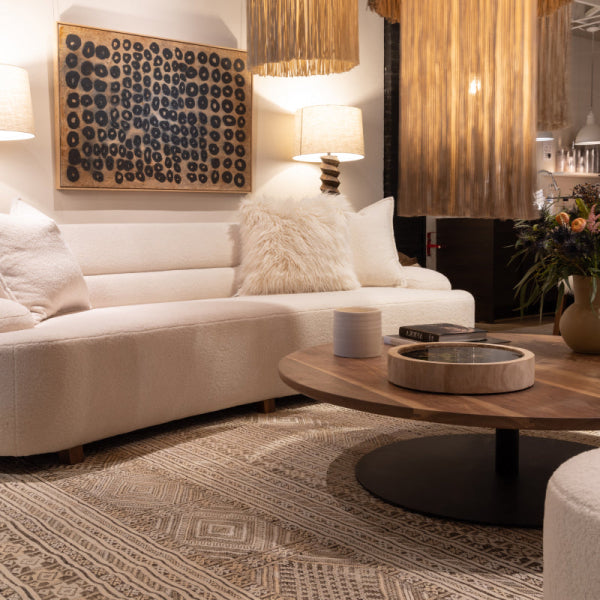
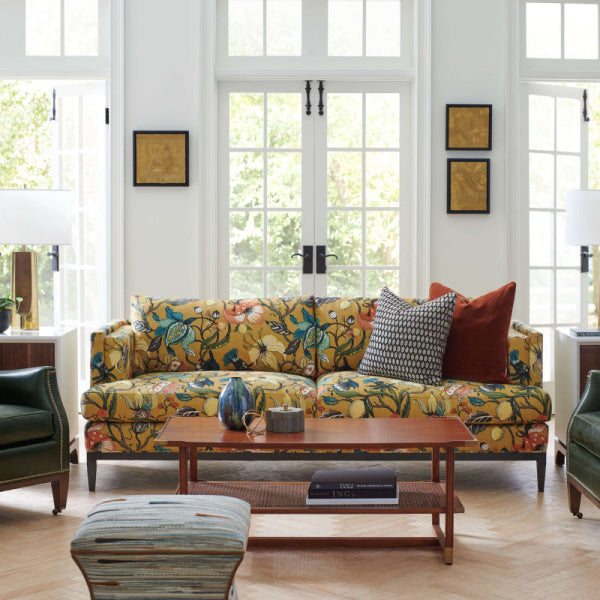
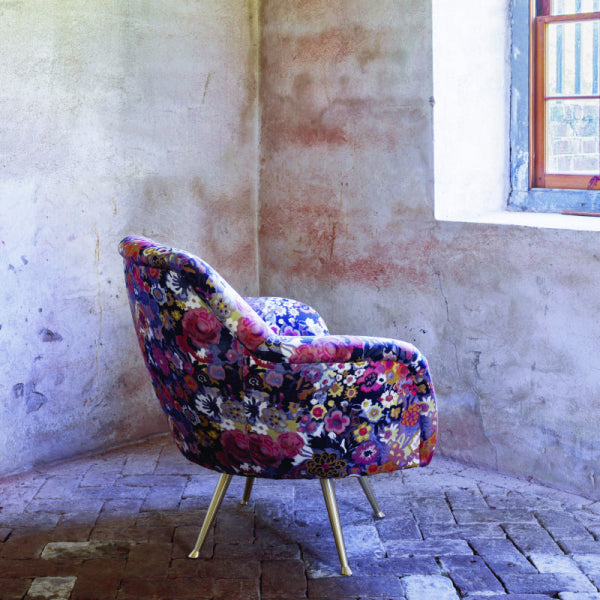
A client walks into a luxury furniture showroom in Buckhead, starts comparing high-end furniture finishes, and stops in front of a sofa that seems to change color as she shifts her stance. It reads as emerald from one side, then jade from another, with a surface that feels almost like frozen ripples. That's the appeal of crushed velvet upholstery, it pulls the eye before anyone has even sat down.
The first reaction is usually pure admiration. The second is the design question, whether this is a fabric for looking at or a fabric for living with. That's where many buyers in Atlanta, Buckhead, Alpharetta, Roswell, and Sandy Springs need a more grounded answer, especially when they're choosing between designer furniture near me options, custom upholstered furniture, or premium sectionals for daily use.
The decision behind the drama
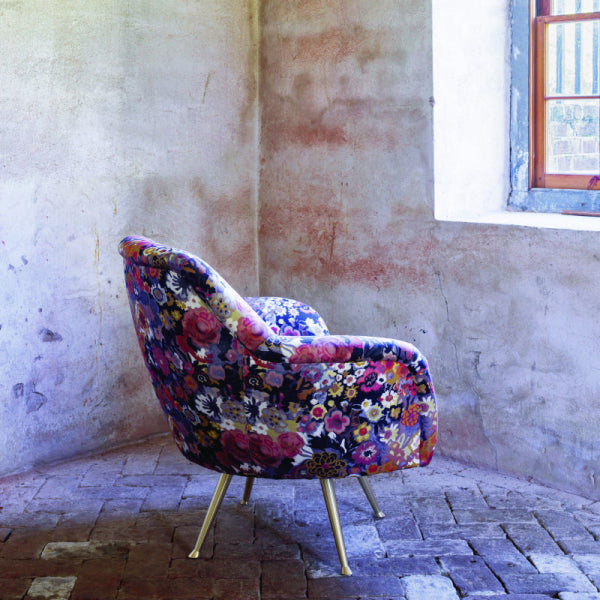
Crushed velvet is never just about shine. Its appeal comes from how the surface responds to light, and that makes it especially effective on statement furniture pieces and accent seating where people want a room to feel curated instead of generic.
Practical rule: if the piece has to carry a room visually, crushed velvet can do that work. If it has to survive constant sliding, climbing, and lounging, the fabric choice needs a harder look.
That tension is exactly why the material deserves a careful read, not a quick yes. Buyers looking for custom furniture Atlanta often want luxury that still feels usable, and that's the standard this fabric has to meet.
What Crushed Velvet Actually Is
A sofa in crushed velvet can catch the light like water, but the effect starts long before the piece reaches a showroom floor. The fabric begins as velvet pile, then the surface is deliberately worked after weaving or knitting, while the pile is still receptive, so the fibers settle in different directions what crushed velvet is and how velvet production developed. That directional variation changes the way light breaks across the cloth, which is why the finish reads as rippled rather than even.
A fabric with a long lineage
Velvet itself has a long history, and crushed velvet borrows that visual heritage even though the finishing method is more recent. Pile fabrics with a velvet-like feel have been traced to about 2000 BCE in Egypt, and related uncut pile weaves were documented in China by around 400 BCE. Velvet later became strongly associated with medieval and Renaissance Europe, especially Italy historic velvet lineage and Renaissance production, historic velvet production scale.
That background helps explain why crushed velvet still reads as a luxury textile, even when the upholstery is built for everyday use. The look carries the prestige of historic velvet, while the construction used for modern furniture often relies on engineered base cloths, especially polyester, so the material can be specified with real rooms and real wear in mind.

What the finish actually does
The crushed effect comes from the pile being disturbed on purpose, so the nap no longer sits in one uniform direction how the finish creates the crushed effect. Instead of reflecting light in a single clean plane, it catches light from several angles at once, which gives the surface that multidirectional shimmer. On a chair or sofa, that can make a plain silhouette look richer without changing the furniture form itself.
The important question is what that finish means in daily use. The irregular nap can hide some shallow impressions better than a perfectly smooth velvet, but it does not make the fabric immune to wear. If the pile is brushed or compressed repeatedly in the same spots, the sheen can shift and the surface may start to look less even. In other words, the finish disguises some handling marks, but it does not erase the effects of use.
The beauty comes from the pile direction, not just the color. If the base cloth and pile construction are weak, the surface will not hold the look for long.
Crushed Velvet Versus Other Velvet Types
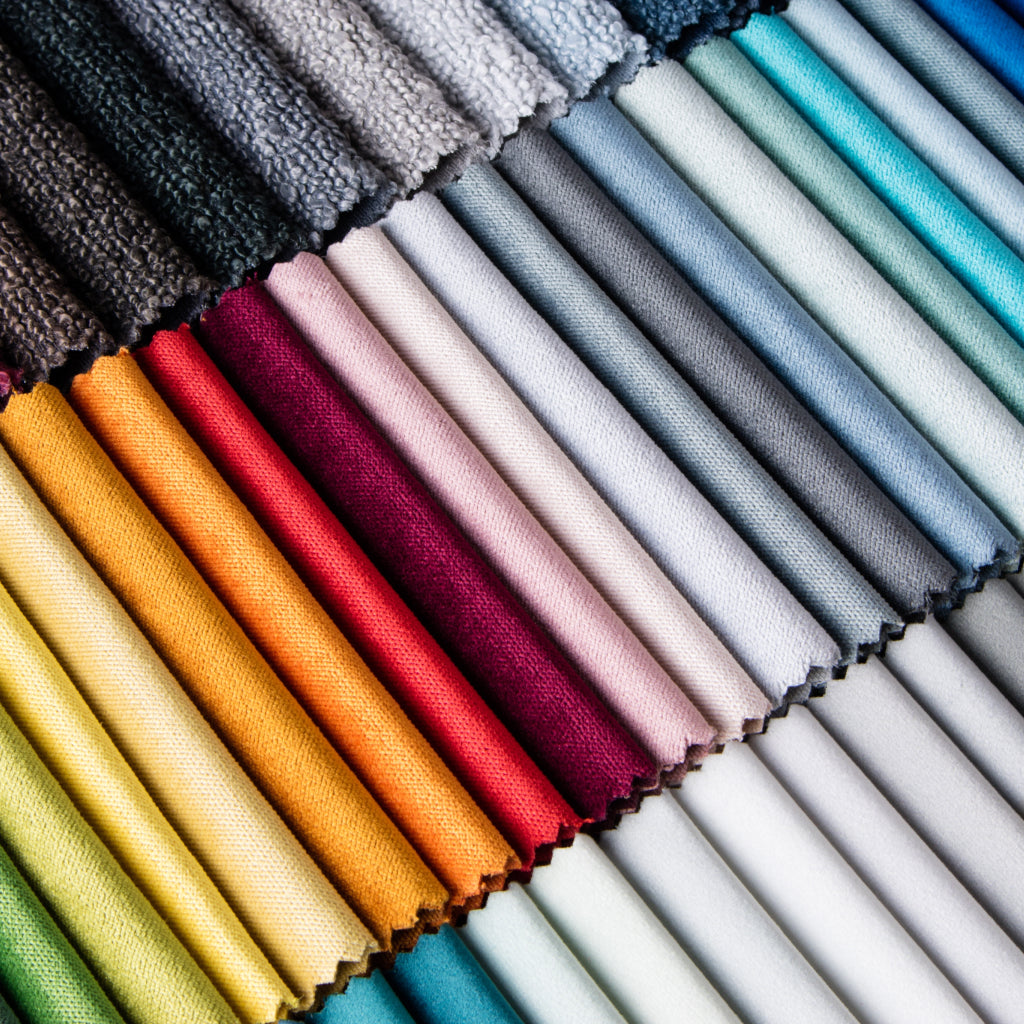
Buyers often say “velvet” when they mean several different things, and that's where expensive mistakes start. Flat velvet, performance velvet, and crushed velvet all sit in the same family, but they behave differently on furniture and in daily use.
The practical comparison
Flat velvet has an even pile and a uniform sheen. It looks calm, polished, and formal, but it also shows impressions and seating marks more easily than a crushed surface. Performance velvet is engineered for stronger abrasion resistance, with published benchmarks placing high-performance velvet around 40,000 to 60,000 Martindale cycles, and commercial-grade velvet at 80,000+ cycles published Martindale benchmarks for velvet upholstery.
Crushed velvet sits in between. It can be visually more forgiving than flat velvet because its irregular nap masks light impressions, but it gives up some structural forgiveness in the process. Technical guidance notes that the crushed finish reduces pile recovery by about 15%, which is why it's better suited to carefully chosen pieces than to every seat in a busy room how crushed velvet affects recovery and use case.
Here's the simplest way to think about the trade-off.
| Fabric type | Visual effect | Best use |
|---|---|---|
| Flat velvet | Smooth, uniform sheen | Formal, tailored pieces |
| Crushed velvet | Rippling, directional shine | Accent seating, statement pieces |
| Performance velvet | Subtler look, stronger wear profile | Daily-use sofas and premium sectionals |
| Chenille | Soft, textured surface | Comfort-focused upholstery |
Why the comparison matters
Crushed velvet is often chosen for the look of luxury, but it shouldn't be used as a stand-in for durability engineering. If a room needs a designer sofa that will take heavy family use, performance velvet is often the more responsible spec. If the room needs a dramatic accent chair, crushed velvet can give you the visual lift without the formal stiffness of flat velvet.
The overlooked question is not whether the fabric is beautiful. It's whether the piece's job matches the fabric's behavior.
Durability, Sheen, and Lifestyle Fit
The durability story starts with construction, not with the crushed look. Upholstery-grade crushed velvet is typically a high-abrasion polyester construction, and one upholstery example was tested at 45,000+ Martindale rubs, 450 gsm, and 100% polyester, while also passing BS5852 ignition tests and showing no change at 5,000 Martindale pilling cycles tested upholstery-grade crushed velvet profile. That kind of profile is a very different proposition from fashion velvet.
Where it performs well
On the right frame, crushed velvet can make sense for high-end furniture that isn't taking nonstop abuse. Accent chairs, formal dining chairs, bedroom benches, and headboards are all natural fits. The fabric's irregular nap helps hide minor flattening, so a chair that gets occasional use can stay visually lively longer than a flat, even-pile velvet might.
The catch is repeated contact. Because the finish is created by mechanically changing the pile, the surface is less forgiving over time than flat velvet in heavy-use seating technical guidance on reduced recovery and heavy-use fit. That's why crushed velvet works better on low-to-moderate wear seating than on large family sectionals or reception seating.
Design truth: a fabric can hide wear and still not be the right answer for wear.
Light, pets, and real rooms
Sheen is part of the appeal, but it's also part of the maintenance equation. The surface changes as the pile direction changes, so a sofa can look noticeably different from one side of the room to the other, especially in strong natural light. That's helpful in a sunlit Atlanta living room if you want movement and depth, but it can feel overly theatrical if the room already has a lot happening.
For pets, the texture can disguise some visual scuffs better than smoother velvets, though claws can still catch on loose fibers. The right call is less about avoiding the fabric entirely and more about placing it where the usage pattern is realistic.
For buyers comparing options for custom upholstered furniture, a useful benchmark is this, crushed velvet is a style choice first, a durability choice second, and a compromise between the two third.
A useful reference for adjacent performance options is the detailed performance velvet upholstery fabric guide.
Design Ideas and Room Placement
Crushed velvet works best when the room gives it a clear job. It's strongest where light can move across it, where the silhouette is refined, and where the furniture piece is meant to read as intentional rather than purely functional. That's why it shows up so well in designer furniture near me searches for statement chairs, small sofas, and custom chairs.
Pairing it with the right room
In sunlit living rooms, the surface can feel almost animated, which is a feature if the room needs depth. In direct afternoon light, though, the same sheen can become visually busy. Softer light, or a room with controlled exposure, usually gives the fabric more elegance and less glare.
That's why crushed velvet tends to shine in rooms like these:
- Accent chairs in living rooms, where the piece anchors the eye without overwhelming the seating plan.
- Bedroom seating, especially benches and small chairs that benefit from softness and formality.
- Formal dining chairs, where the fabric can feel refined without needing to endure constant lounging.
- Headboards, where tactile richness matters more than abrasion stress.
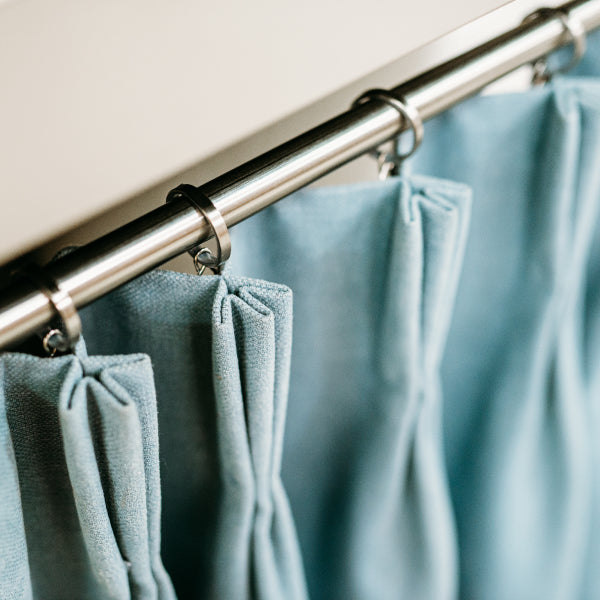
Color matters too. Deep jewel tones intensify the fabric's ripple effect, while neutrals can make the finish feel quieter and more architectural. Pairing it with brass hardware, natural wood, and linen drapery keeps it from reading as costume-like.
Frame and style compatibility
Crushed velvet fits cleanly with mid-century modern silhouettes, Art Deco-inspired chairs, and traditional tailoring. Those frame types give the upholstery structure, which keeps the fabric from drifting into visual excess. On looser pieces, the sheen and movement can start to compete with the silhouette.
If you're designing for luxury home furnishings in Fulton County or North Atlanta, the safest play is usually a single statement piece rather than a full room of it. One chair or loveseat can add richness. Three or four large pieces can quickly turn the room into a lighting problem.
Care and Maintenance Guide
Care matters more here than many buyers expect, because crushed velvet keeps its character only if the pile stays intentional. The right routine depends on the fabric's cleaning code, but the basic habits are consistent, gentle vacuuming, careful blotting, and no rough treatment of the nap.
The daily and weekly routine
Use a vacuum with a brush attachment on low suction, and move in the direction of the pile rather than against it. That keeps the finish from looking artificially flattened in one area while the rest of the surface stays raised. For small spills, blot with a damp cloth instead of rubbing, because rubbing can push moisture into the backing and distort the texture.
A few habits make a real difference:
- Vacuum lightly and regularly, especially on seat tops and armrests.
- Blot spills immediately, don't scrub them into the pile.
- Rotate cushions, so one area doesn't take all the compression.
- Avoid aggressive brushing, which can rough up the finish.
- Test steam carefully, because some blends tolerate it and others don't.
What to avoid
Steam is the most common mistake. Some velvet blends respond well to light steaming, but others can develop permanent shine spots or water marks, and over-steaming can change the surface in ways that aren't reversible. The safest approach is to test a hidden area first and to avoid making steam the default solution.
If you're comparing the maintenance of premium upholstery fabrics, a broader care resource like the benefits of professional carpet care can help frame why expert cleaning matters for delicate pile surfaces. For a more furniture-specific reference, the high-end upholstery care guide is a practical companion.
Clean the pile the way it was made, with patience and direction. Rough handling flattens the very texture you paid for.
Reupholstering with Crushed Velvet
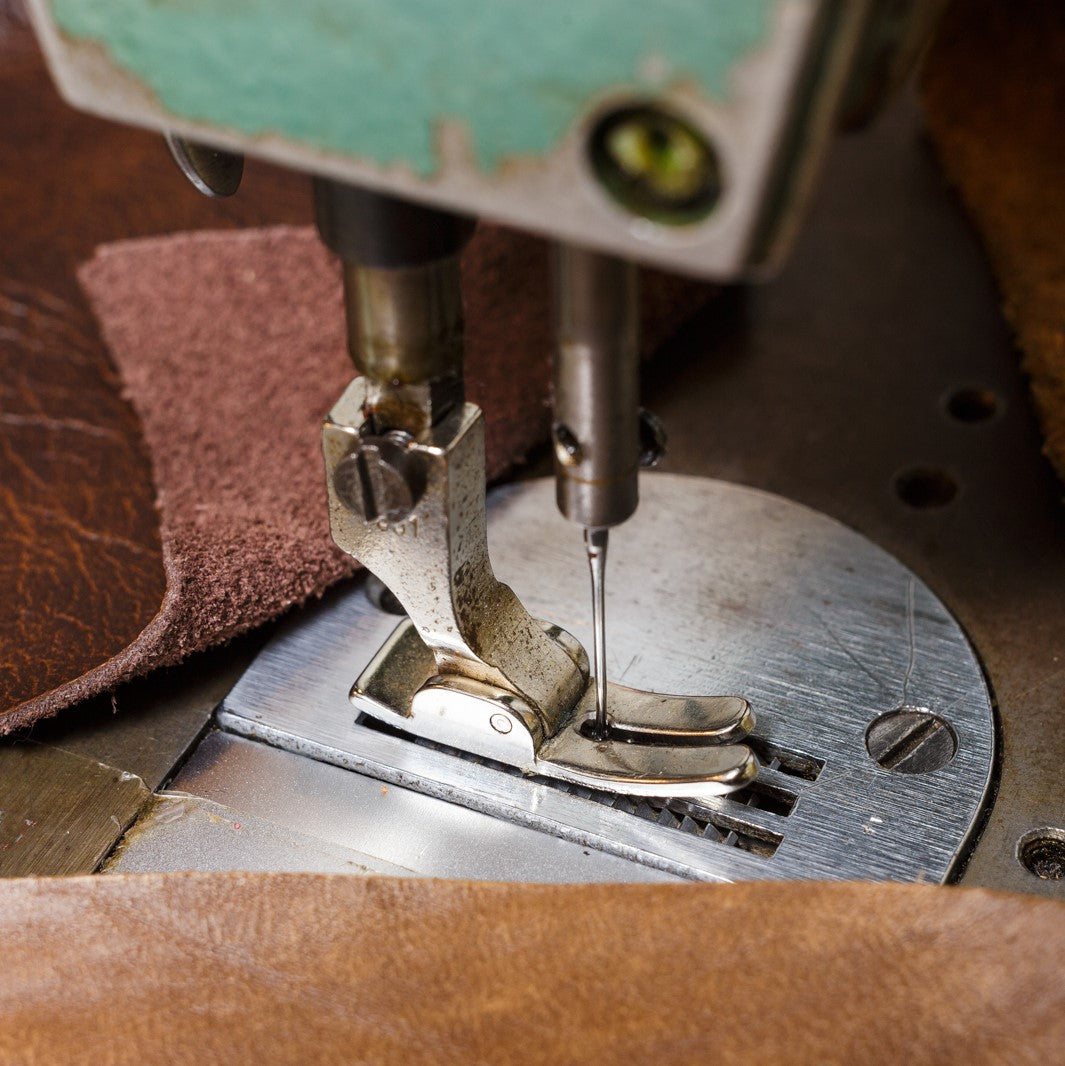
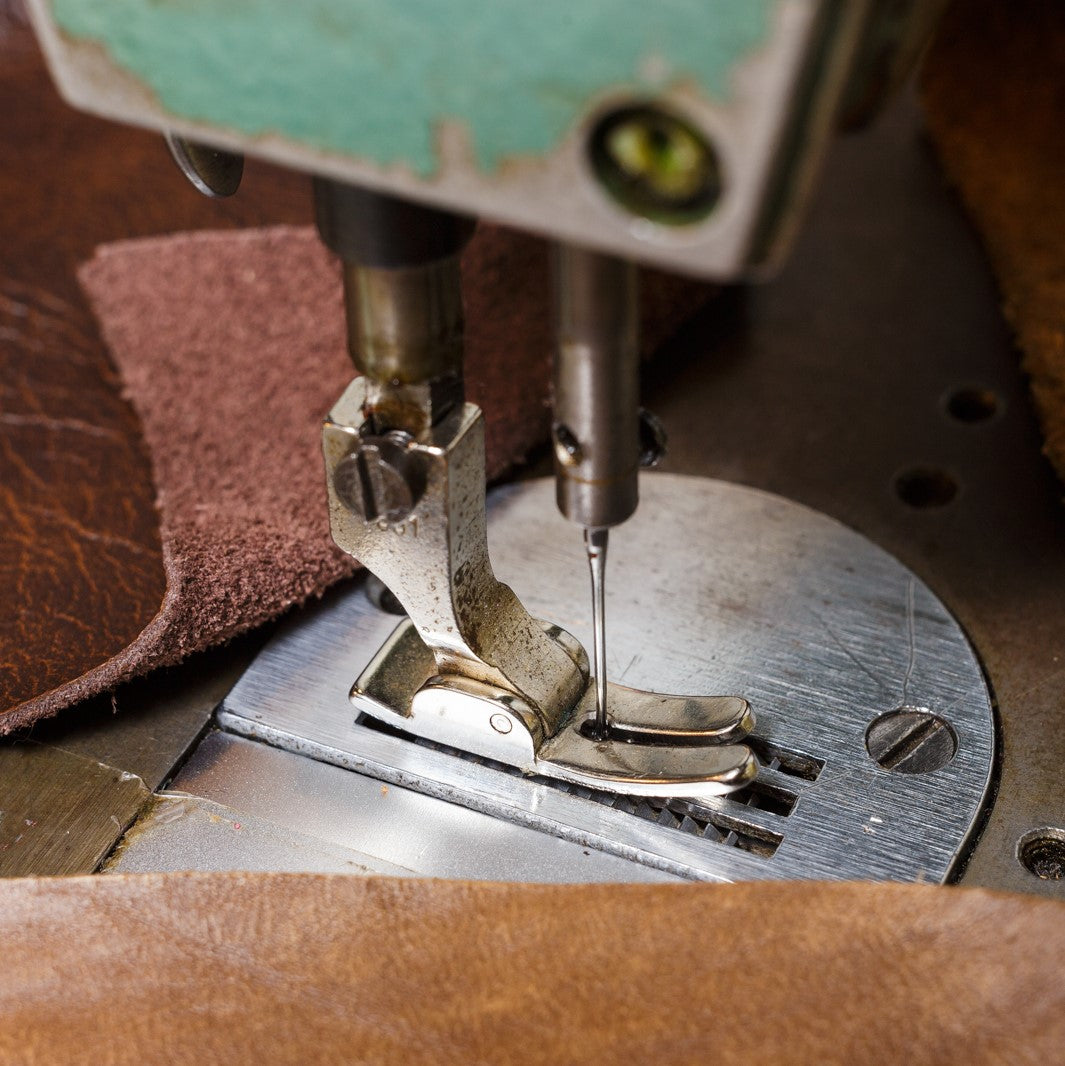
Reupholstering a cherished frame in crushed velvet asks more from the upholsterer than a flat woven fabric does. The reason is simple, the nap has to stay consistent from panel to panel, or the finished piece will read as mismatched under natural light. On a well-crafted armchair, that can make a luxury job look like a rushed one.
Why direction matters so much
Every pattern piece should be marked for pile direction before cutting. If one seat rail runs against the nap and the cushion face runs with it, the surface will shade differently from each angle, and the mismatch will stand out even more on a polished frame. Good craftsmen check the fabric under showroom lighting before final installation, because crushed velvet can look acceptable on the worktable and wrong in a bright room.
The structure of the frame matters too. Because crushed velvet has reduced drape and recovery, it usually looks strongest on tight upholstery rather than on loose slip-style builds. That's one reason it pairs so well with refined classic frames and heirloom-quality furniture.
What a good reupholstery project looks like
A precision reupholstery job doesn't fight the fabric. It uses the fabric's sheen to sharpen the outline of the piece. That makes it especially effective on chairs and sofas with crisp arms, clean seams, and a disciplined silhouette.
For homeowners restoring a piece with real history, expert handling matters as much as fabric selection. A poor installation can make the surface look patchy from every angle. A careful one can turn an old frame into a fresh statement piece without losing the original character.
For a practical overview of the process, the furniture reupholstery guide is worth reviewing before you commission the work.
Where to Source and Specify Crushed Velvet
The best sourcing decisions happen when the showroom, the fabric, and the furniture maker are aligned. In Atlanta, that often means working with a textile destination that understands both design intent and installation realities, especially when the project involves custom furniture Atlanta searches, heirloom restoration, or trade-level upholstery specifications.
What to look for in a source
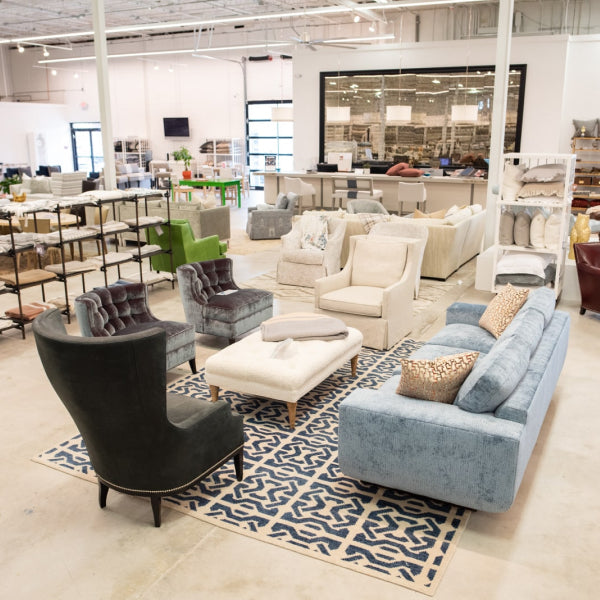
Lewis and Sheron Textiles has served Atlanta homeowners, designers, and decorators since 1944, and its Design Center carries over a thousand in-stock bolts along with thousands more cut-yardage options from mills including Kravet, Fabricut, and P. Kaufmann [publisher background and sourcing details]. It also offers made-to-order American-crafted upholstery from makers such as Verellen, Wesley Hall, LEE Industries, and Ambella, which matters when the fabric needs to be executed by an upholsterer who understands pile direction, seams, and finish quality.
That kind of setup is useful for buyers in Buckhead, Sandy Springs, Roswell, Alpharetta, and Fulton County who want more than a standard retail sofa. It gives you a way to compare fabric samples, talk through frame suitability, and specify the project with a clearer sense of how crushed velvet will behave on the finished piece.
Why the source matters as much as the fabric
Crushed velvet looks simple from across a room, but it rewards careful sourcing. You want a supplier that can help you decide whether the project belongs on a custom chair, a boutique sofa, or a restored family piece, and whether the finish belongs in a softly lit den or a formal living room.
For Atlanta homeowners who want to buy fabric by the yard or commission a reupholstery project, that combination of selection and craftsmanship is what turns a dramatic textile into a lasting piece of luxury home furnishings. It's the difference between a fabric choice and a finished room.

If you're planning a custom upholstered furniture project or looking for luxury furniture in Atlanta, visit Lewis and Sheron Textiles to explore upholstery fabrics, reupholstery services, and made-to-order options that suit the way your home works. Their Design Center can help you compare crushed velvet against other premium textiles, so you can choose a piece that feels considered, not trendy.