
















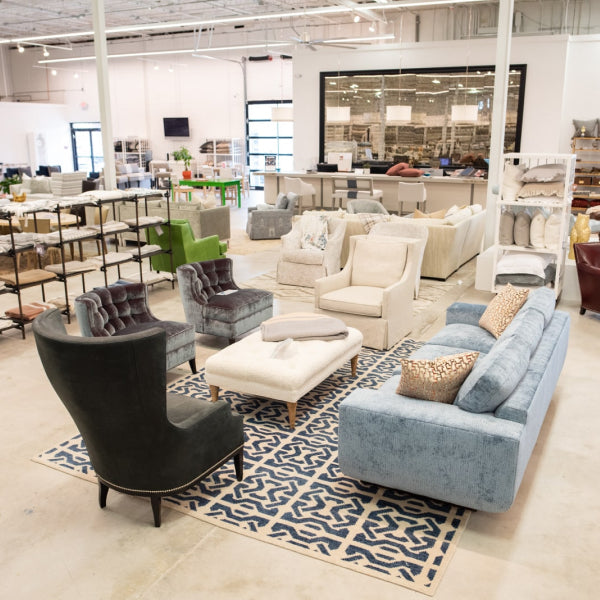


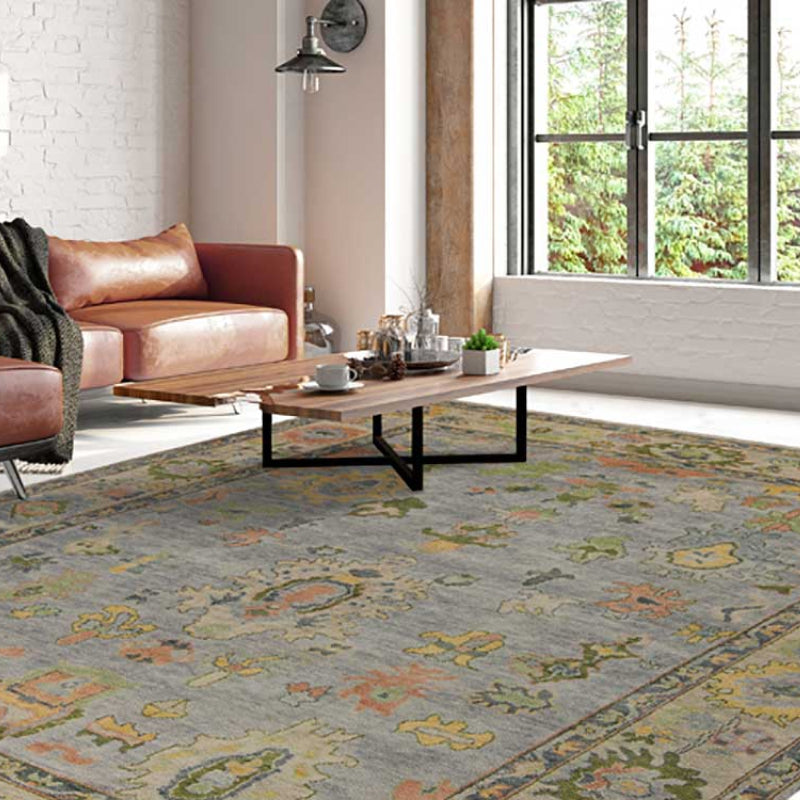
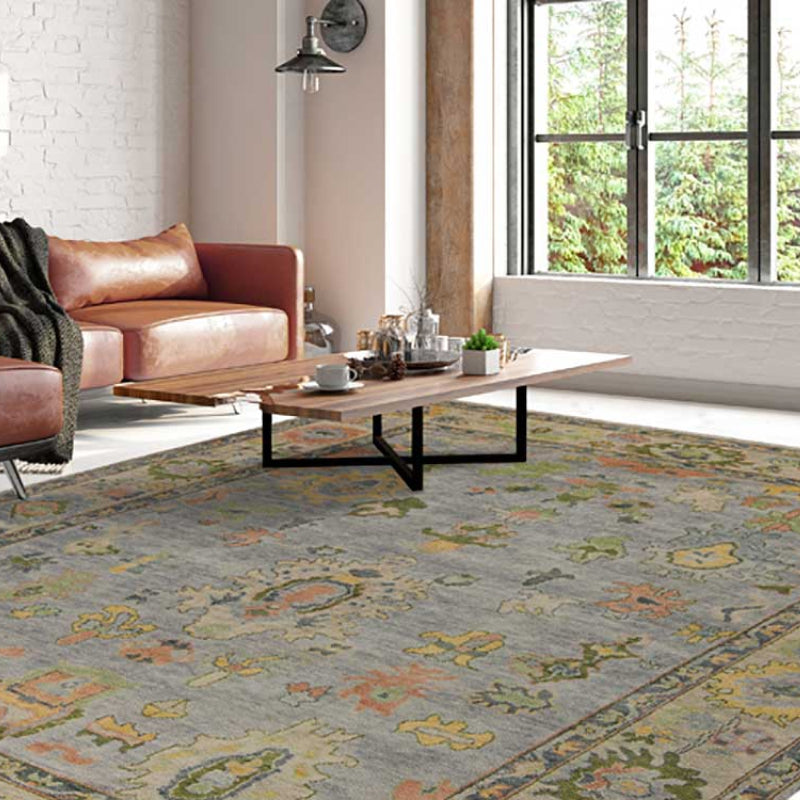
A new sofa arrives, the installers set it in place, and suddenly the whole room makes sense. The lines are right. The scale is right. The fabric catches light the way you hoped it would. Then the practical questions start almost immediately.
What happens when someone sits in the same corner every night? What do you do with a coffee drip on Belgian linen? Can a performance fabric really handle kids, pets, and busy Atlanta living without looking like a compromise?
Caring for High-End Upholstery isn’t the same as caring for a mass-market sofa. Luxury sofas, custom chairs, and premium sectionals are built with better materials, more nuanced textiles, and details that reward careful ownership. They also punish casual cleaning mistakes faster. The wrong spray, too much water, aggressive rubbing, or a store-bought gadget can do more harm than the original spill.
For homeowners in Atlanta, Buckhead, Alpharetta, Roswell, and Sandy Springs, the goal isn’t to keep furniture untouched. It’s to keep it beautiful, comfortable, and structurally sound while you live with it.
Protecting Your Investment in Luxury Furniture
The biggest mistake I see is treating high-end furniture like an interchangeable household item. It isn’t. A designer sofa or heirloom-quality chair is closer to a long-term interior asset than a disposable purchase.
That matters most in what you don’t see first. Cushion construction, fabric composition, finish integrity, and frame quality determine whether a piece still feels excellent years later or starts to collapse long before it should.

What separates bespoke upholstery from mass production
A sofa can look impressive on a showroom floor and still be built for a short life. One of the clearest examples is foam density.
Standard mass-produced sofas often use 1.8-density foam with an expected lifespan of about 5 years, while premium bespoke upholstery uses 2.5-density foam that can extend expected lifespan to 15 years, according to FCI London’s luxury sofa care guidance. That’s a substantial difference in comfort retention, support, and overall value.
If you’re shopping for custom upholstered furniture in Atlanta or comparing designer furniture near me searches, this is the kind of specification worth asking about. It’s less glamorous than fabric color, but it has more to do with whether your sofa still feels right a decade from now.
Practical rule: If a piece is meant to anchor your living room, ask about cushion density before you ask about decorative details.
Preservation is part of ownership
Once a high-quality couch or statement chair is in your home, care becomes part of the design decision. That doesn’t mean obsessing over every crease. It means understanding the trade-offs.
Some fabrics age beautifully but stain easily. Others clean well but show pressure marks or flattening. Some premium sectionals need nothing more than disciplined upkeep. Others need a more conservative approach because the textile itself is delicate.
The owners who get the longest, best-looking life from luxury home furnishings usually do three things well:
- They learn the fabric before there’s a spill.
- They stick to a maintenance rhythm instead of crisis cleaning.
- They call professionals before a small issue becomes permanent damage.
That’s how heirloom-quality furniture stays worthy of the room around it.
Decoding Upholstery Fabric Care Codes
Before you use any cleaner, towel, brush, or machine on upholstery, find the care code. It’s usually on a tag beneath a seat cushion, under the deck, or attached to the frame. That small label tells you more than most online cleaning tips ever will.
Ignoring it is how expensive fabrics get water rings, solvent damage, shrinkage, or color loss.

The care code table to keep in mind
| Code | Meaning | Recommended Cleaning Method |
|---|---|---|
| W | Water-based cleaners | Spot clean with distilled water and mild water-based upholstery products |
| S | Solvent-based cleaners only | Use water-free solvent products appropriate for upholstery |
| WS | Water or solvent | Either method may be suitable, depending on the stain and product |
| X | Vacuum only | No liquid cleaners. Professional care is the safer route for stains |
What each code really means in practice
W fabrics are often the least intimidating for owners, but that doesn’t mean you can saturate them. Even with water-safe textiles, too much moisture can leave rings, distort texture, or push a spill deeper into the cushion.
S fabrics require more restraint. Water can create its own damage on these textiles, especially if the weave, dye process, or finish reacts poorly. Many problems arise when people assume a little diluted soap is harmless.
WS sounds flexible, and it is, but you still need to choose the method that fits both the stain and the fabric. A code isn’t permission to improvise with every cleaner under the sink.
X means stop before you start. Vacuuming is the appropriate owner-level maintenance. For stains, professional upholstery care usually makes far more sense than trial and error.
Why expensive mistakes happen fast
High-end materials often have texture, hand, or dye depth that generic cleaning advice doesn’t account for. A hand-printed textile, a saturated woven fabric, or a natural-fiber blend may react unpredictably even when the stain itself seems minor.
Use this sequence every time:
- Find the tag first. Don’t rely on memory.
- Confirm the code. Similar-looking fabrics can have different care instructions.
- Test in a hidden area. Inside a skirt, beneath a cushion, or at the back edge.
- Use the gentlest valid method. More aggressive doesn’t mean more effective.
- Stop if the fabric changes. Texture shift, color lift, and darkening are warning signs.
If you’re selecting fabric for custom furniture Atlanta projects, it helps to choose with care requirements in mind. This guide on how to choose upholstery fabric is useful because it frames fabric choice around real-life use, not just appearance.
Always test first, even if the fabric seems durable and even if the cleaner says it’s safe.
Your Routine Maintenance Schedule for Lasting Beauty
The furniture that stays elegant the longest usually isn’t owned by the most cautious person. It’s owned by the most consistent one.
Routine maintenance does the quiet work. It removes the dust and grit that grind into fibers, helps cushions wear evenly, and preserves the finish of premium fabrics before visible soiling sets in.

The schedule that works in real homes
Vacuum every 1 to 2 weeks. Use a proper upholstery attachment, not a hard plastic edge scraping across the fabric. According to JLU Upholstery’s fabric care guide, vacuuming every 1 to 2 weeks and rotating loose cushions reduces soil accumulation by 40 to 60 percent and extends the efficacy of protective treatments.
That matters even more on light upholstery, textured weaves, and luxury sofas in sunny, active households.
Weekly habits that prevent long-term wear
A good weekly routine doesn’t need to be complicated:
- Vacuum creases and seams: Dust and grit settle where the seat meets the arm and back.
- Use the soft brush attachment: This helps avoid unnecessary abrasion.
- Fluff back cushions by hand: It keeps fill from compacting in one direction.
- Check arm fronts and head-rest areas: Body oils build up there first.
- Look for early stains: A fresh mark is easier to address correctly than an old one you didn’t notice.
If you have a premium sectional, make a habit of vacuuming under and between connected pieces too. Debris trapped there often migrates back onto the fabric.
Monthly adjustments that protect shape and finish
Monthly care is more about correction than cleaning.
Turn or rotate loose cushions if the construction allows it. Change who sits where if one seat has become the obvious favorite. Straighten skirts, smooth wrapped corners, and inspect for early pilling, snags, or seam stress.
Sun exposure deserves attention in Atlanta homes with large windows. Even beautiful designer furniture can fade unevenly if one arm or one back cushion gets direct light every afternoon. Window treatments, UV film, or adjusting the room layout can prevent that slow, one-sided aging.
A sofa rarely wears out evenly. Owners create patterns of wear, and good maintenance interrupts them.
Protecting performance fabrics without overcleaning
Performance upholstery has made luxury furniture more livable, but owners sometimes misunderstand what that means. Stain resistance is not a license to delay cleanup or use stronger products.
Protective treatments such as Alta or Fibreguard hold up best when routine care is gentle. Soil left on the fabric creates dullness and friction. Harsh spot products can interfere with the finish itself. Residue from over-the-counter cleaners can become its own problem, especially on lighter shades.
Use this practical rhythm:
| Timing | What to do | Why it helps |
|---|---|---|
| Weekly or every other week | Vacuum with upholstery attachment | Lifts abrasive dust before it settles in |
| Monthly | Rotate cushions and inspect wear zones | Prevents one-seat collapse and uneven fading |
| As needed | Blot spills immediately | Keeps the incident small |
| Periodically | Review care tags and finish condition | Helps you avoid using the wrong method later |
What doesn’t work
A few habits shorten the life of high-quality couches faster than people realize.
- Aggressive brushing: It can rough up delicate weaves.
- Oversaturating a spot: Water spreads the problem and may leave a ring.
- Using household glass or all-purpose cleaners: They’re not designed for upholstery finishes.
- Waiting until the sofa looks dirty: By then, the soil is usually embedded.
Regular care isn’t glamorous, but it’s what keeps luxury home furnishings looking intentional instead of tired.
Fabric-Specific Stain Removal and Cleaning Techniques
A red wine spill on performance fabric and a red wine spill on Belgian linen are not the same event. Treating them the same way is where costly damage starts.
The right response depends on the fiber, the finish, the dye stability, and the care code. The urgency is real, but speed without control is how people turn a spot into a permanent scar.

The emergency response that fits most upholstery
When a spill happens, start with restraint.
- Blot, don’t rub. Use a clean white cloth.
- Lift solids carefully. A spoon is safer than scraping with a fingernail.
- Work from the outside inward. That helps contain the stain.
- Use only the method allowed by the care code.
- Stop before the fabric gets overly wet.
This is also the moment to remember that not every fabric should be spot-cleaned at home. Some should be stabilized and handed off.
Belgian linen and other natural fibers
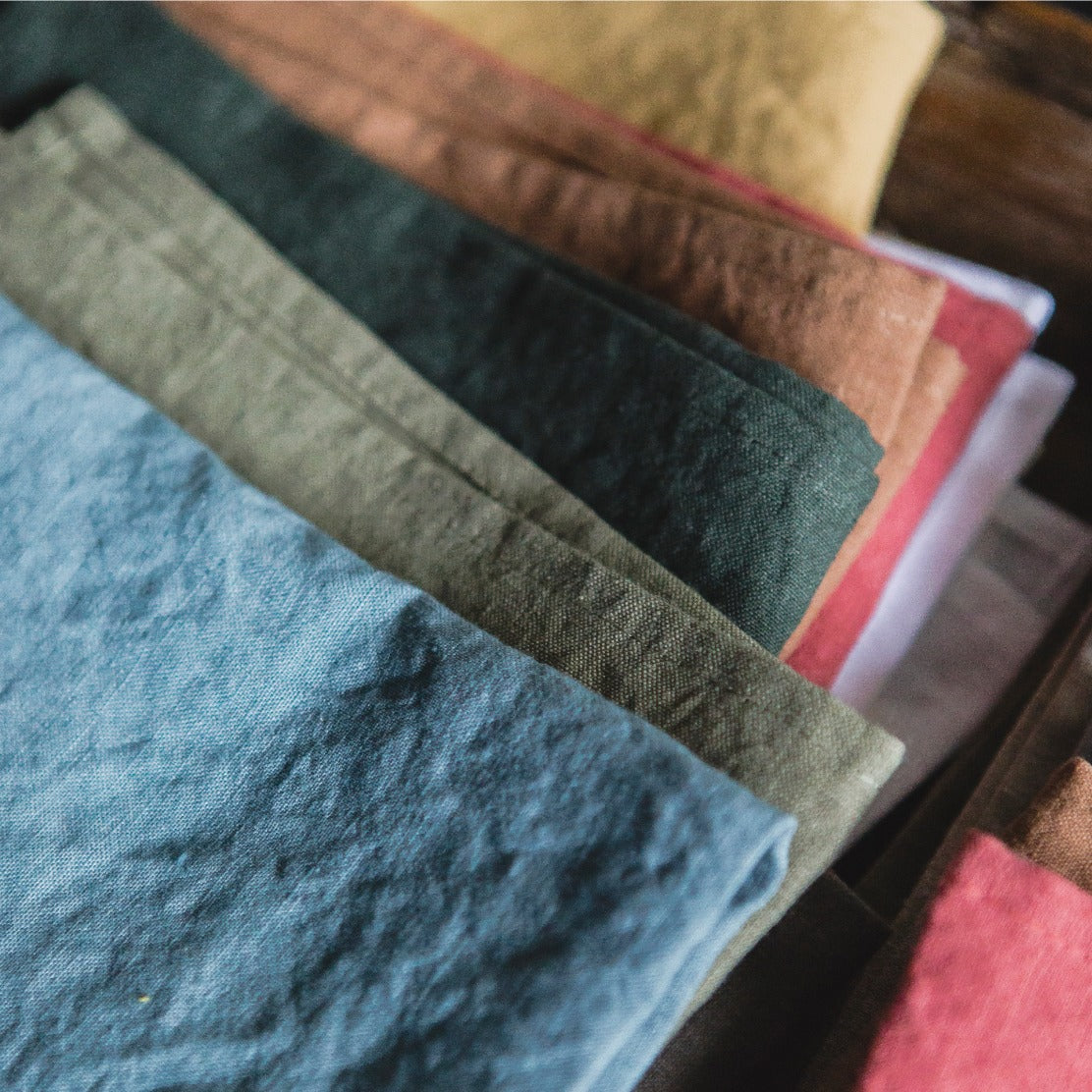
Natural fibers are where generic advice fails most often. Linen can look relaxed and forgiving, but cleaning it incorrectly can create browning, water marks, shrinkage, or texture distortion.
The International Institute of Cleaning and Restoration Certification notes that natural fibers like linen require professional protection reapplications after each cleaning to prevent embedded soil, and DIY fixes for browning are explicitly discouraged because they can worsen the damage in its upholstery tip sheet.
That’s a critical point for heirloom-quality pieces upholstered in Belgian linens or other natural-fiber textiles.
For linen, the safest owner response is usually limited to:
- Immediate blotting: Press, lift, repeat.
- Minimal moisture: Enough to assist removal if the care code allows it, but never enough to soak.
- No scrubbing: Friction can raise the surface and spread dye.
- No DIY browning correction: That’s a professional problem.
If linen darkens, rings, or stiffens after cleaning, stop. Trying to “fix” it with another round of product usually makes the repair harder.
Velvet, silk blends, and wool
These fabrics need a lighter hand and better judgment.
Velvet can crush, mark, or shift in pile direction. Even when a stain comes out, the surface may not look uniform if you’ve rubbed it too hard.
Silk blends can react dramatically to moisture and often show distortion quickly. This is one of the least forgiving upholstery categories in residential interiors.
Wool is durable in some constructions, but it can still felt or change texture if overworked.
Use owner-level spot treatment only when all of these are true:
- the care code supports it,
- the spill is fresh and limited,
- the fabric isn’t antique or unusually delicate,
- and the test area remains stable.
Otherwise, pause and call a specialist.
Performance fabrics and treated upholstery
Performance fabrics are more accommodating, but they still require discipline. Their advantage is that they’re engineered to resist penetration and release many common spills more easily than untreated textiles.
That doesn’t mean every cleaner is suitable. Protective finishes hold up better with pH-appropriate, water-based methods when allowed, gentle handling, and thorough residue removal by trained cleaners. Solvents or added products can interfere with those treatments.
For common spills on approved performance fabrics:
| Spill type | Best first move | What to avoid |
|---|---|---|
| Coffee | Blot immediately, then follow approved care-code method | Rubbing the stain deeper |
| Wine | Blot and contain the perimeter first | Flooding the fabric with water |
| Greasy food | Lift residue first, then use approved method | Smearing with a wet cloth |
| Ink or mystery stain | Minimal disturbance | Experimenting with multiple products |
Crocking, color transfer, and what owners miss
One issue luxury owners often underestimate is crocking, or color transfer from one surface to another. It shows up in saturated fabrics, dark denims, some natural fibers, and textiles with rich dye depth.
A few practical rules help:
- Don’t let wet cleaning spread dyed residue.
- Keep dark throws, denim, and damp garments off pale upholstery.
- Treat repeated transfer as a fabric-specific issue, not just a cleaning issue.
If your home includes leather seating as well, this expert guide to cleaning your white leather couch is a useful companion resource because leather has its own transfer and residue concerns that don’t respond well to upholstery-style cleaning methods.
What works versus what usually backfires
Some methods sound reasonable and still cause damage.
What works:
- Clean white cloths
- Distilled water when the code allows
- Immediate containment
- Testing in a hidden area
- Calling a professional before trying a second or third product
What backfires:
- Colored towels that transfer dye
- Hot water
- Foaming sprays with unknown ingredients
- Steam devices used without fabric-specific knowledge
- Internet “hacks” involving vinegar, dish soap, or baking blends on expensive textiles
The best stain response on custom upholstered furniture is often the least dramatic one. Quick blotting, very little chemistry, and knowing when to stop preserves more fabric than energetic DIY cleaning.
Childproofing and Pet-Proofing Your Luxury Furniture
A well-designed room has to survive real life. If it can’t handle family habits, it isn’t finished.
That doesn’t mean surrendering style. It means making a few smart decisions early so you’re not constantly reacting later.
Start with the right fabric, not the right excuse
Households with children or pets should choose upholstery with use in mind from the beginning. According to Nesco Upholstery’s guidance on residential furniture care, 65 percent of US households own pets, performance fabrics can reduce cleaning frequency by 40 percent, and rotating cushions bi-weekly on high-traffic custom pieces can extend life by an estimated 25 percent.
Those are meaningful advantages when you’re investing in custom chairs, high-quality couches, or statement furniture pieces meant to be used daily.
If you’re weighing fabric options, this overview of what is Crypton fabric is helpful because it explains why some performance textiles work well in rooms that need both elegance and resilience.
Practical protection that still looks refined
You don’t need to turn your living room into a covered waiting area. You do need a strategy.
- Use custom-fit throws in favorite spots: One corner for the dog or one arm for movie night wear is better than broad, unmanaged wear.
- Trim nails and address rough paws: Snags happen fast on textured weaves.
- Keep an upholstery-safe blot kit nearby: White cloths and your approved cleaner matter more than a cabinet full of products.
- Set household rules for food and drinks: Especially on pale linen, velvet, and silk-blend seating.
- Rotate cushions on schedule: In homes with kids and pets, favorite seats become obvious quickly.
Proactive protection always looks better than constant stain removal.
What owners often get wrong
Many people assume pet-friendly means indestructible. It doesn’t. Hair, oils, claws, and repeated pressure still change the fabric over time.
Children create a different kind of wear. Sticky hands, repeated bouncing on one cushion, and casual marker accidents don’t always look serious at first. But the cumulative effect is what ages upholstery.
The answer isn’t panic cleaning after every incident. It’s choosing durable textiles where needed, protecting the high-contact zones, and maintaining consistency before the furniture looks worn.
When to Call a Professional for Cleaning or Reupholstery
There’s a point where owner care stops being prudent and starts being risky. Good judgment matters more than determination here.
If the stain is unknown, the fabric is delicate, the soiling is widespread, or the piece has sentimental or financial value you can’t easily replace, professional service is usually the smarter move.
The signs that it’s time
Call a professional cleaner when you see any of these:
- Embedded overall dullness: The sofa doesn’t look stained, but it looks tired.
- Repeated spot-cleaning marks: Rings, uneven texture, or multiple treated patches.
- Delicate fibers or saturated colors: These need more control than household methods provide.
- Persistent odors: Especially after spills, pets, or long-term storage.
- Heavy-use furniture on schedule: Chrysties’ professional upholstery care guide notes that high-end upholstered furniture requires professional deep cleaning every 12 to 18 months for heavily used pieces, using a process of inspection, deep cleaning, extraction, and grooming to remove embedded soil without compromising fabric integrity or protective finishes.
That last point matters. Professional cleaning isn’t just “a deeper version” of home cleaning. The methodology is different.
What a qualified professional does
A proper upholstery cleaner doesn’t walk in and start spraying. They inspect the textile, assess color fastness, identify stain type when possible, choose an appropriate method, extract residue carefully, and groom the fibers during drying.
That process matters on premium fabrics because residue, over-wetting, and poor extraction can leave furniture looking worse even when the original stain is gone.
If pet hair is part of the issue before service, this guide on effective methods to remove pet hair from furniture can help you manage buildup between cleanings, especially on textured upholstery that traps hair around seams.
Cleaning versus reupholstery
Not every tired piece needs a cleaner. Some need a second life.
Consider reupholstery when the frame is strong, the proportions are worth keeping, and the fabric has reached the point where cleaning won’t restore the look or feel you want. That’s often the right move for heirloom seating, quality vintage frames, or custom furniture with good bones and dated coverings.
A resource like this overview of furniture reupholstery near me is useful if you’re deciding whether to refresh a meaningful piece rather than replace it.
For Atlanta homeowners and designers, Lewis and Sheron Textiles is one local option that provides reupholstery services alongside designer fabric sourcing, which makes it practical when the issue isn’t just cleaning but full material renewal.
Frequently Asked Questions on Upholstery Care
Can I use a handheld steam cleaner on my luxury sofa
Usually, that’s not where I’d start. Steam introduces heat and moisture at once, and that can be too aggressive for many high-end fabrics. Unless the manufacturer and care code clearly support that method, it’s safer to avoid it.
Is a custom slipcover better than reupholstery for protection
They solve different problems. A custom slipcover is useful when you want removable protection for everyday wear, seasonality, or family use. Reupholstery makes more sense when the original covering is worn out, dated, or damaged enough that the furniture itself needs restoration.
How do I deal with odors in upholstered furniture
Start by identifying the source. Surface odors sometimes improve with routine vacuuming and air circulation, but spill-related or pet-related odors often sit deeper in the cushion or fabric system. If the smell keeps returning, home deodorizing products usually mask it rather than solve it.
Are online DIY cleaning hacks safe for expensive fabrics
Most aren’t worth the risk. The problem isn’t only whether they remove the stain. It’s whether they leave residue, shift dye, flatten texture, or create a ring that’s harder to fix than the spill itself.
What should I keep on hand for emergencies
Keep it simple. Clean white cloths, the manufacturer-approved cleaner if one exists for your fabric, and the care information for the piece. A short, disciplined response is better than a cabinet full of random sprays.
How often should I clean a sofa that doesn’t get much use
Lightly used furniture still collects dust, airborne oils, and environmental residue, just more slowly. Keep up with vacuuming and inspections, and use professional service when the fabric starts to look dulled or uneven rather than waiting for obvious soil.
What’s the biggest mistake luxury furniture owners make
Using the wrong product with too much confidence. Most upholstery damage at home comes from overcleaning, oversaturating, and trying too many remedies in a row.
If you’re investing in custom furniture, premium upholstery fabric, or reupholstery for a meaningful piece, Lewis and Sheron Textiles offers designer fabrics, custom furnishings, and restoration support for homeowners and interior designers in Atlanta and surrounding markets.