



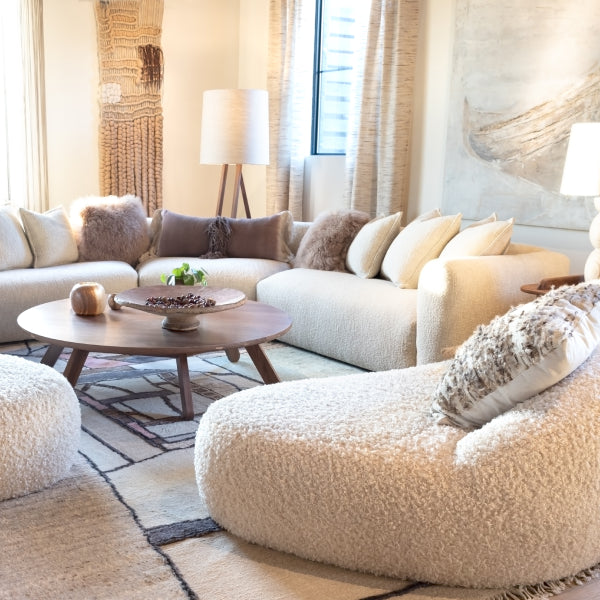








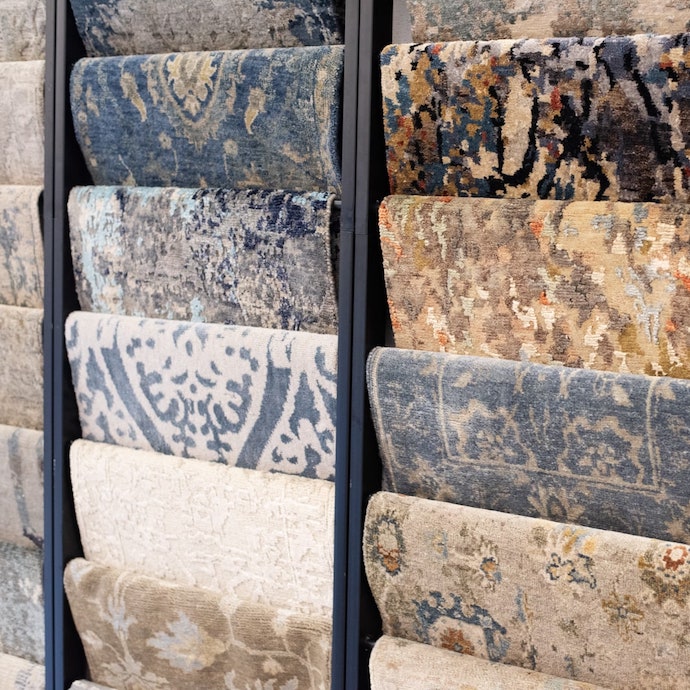
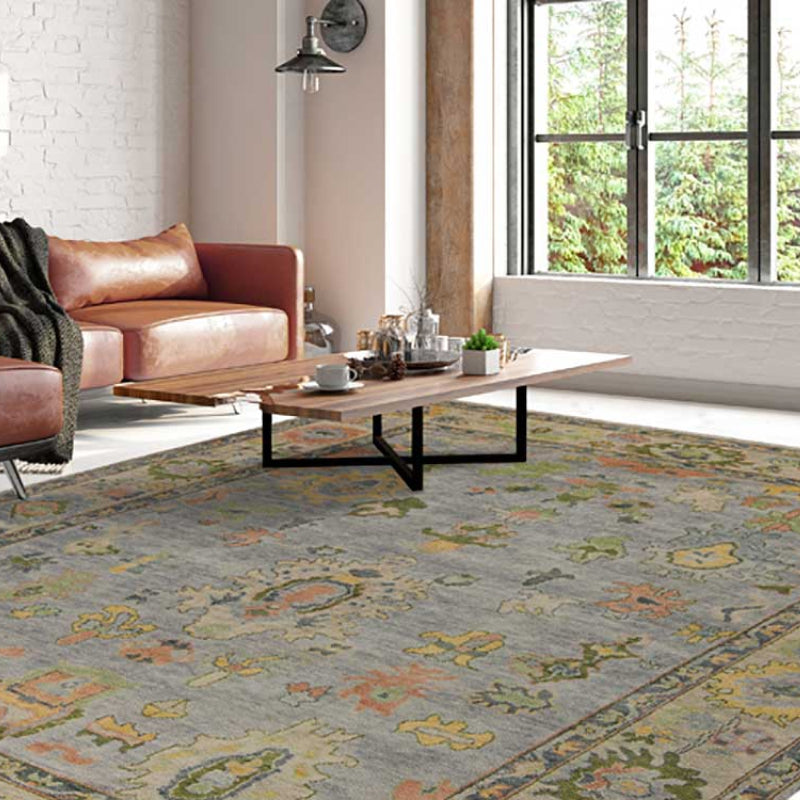
A luxury sofa purchase usually starts with a room that feels almost finished.
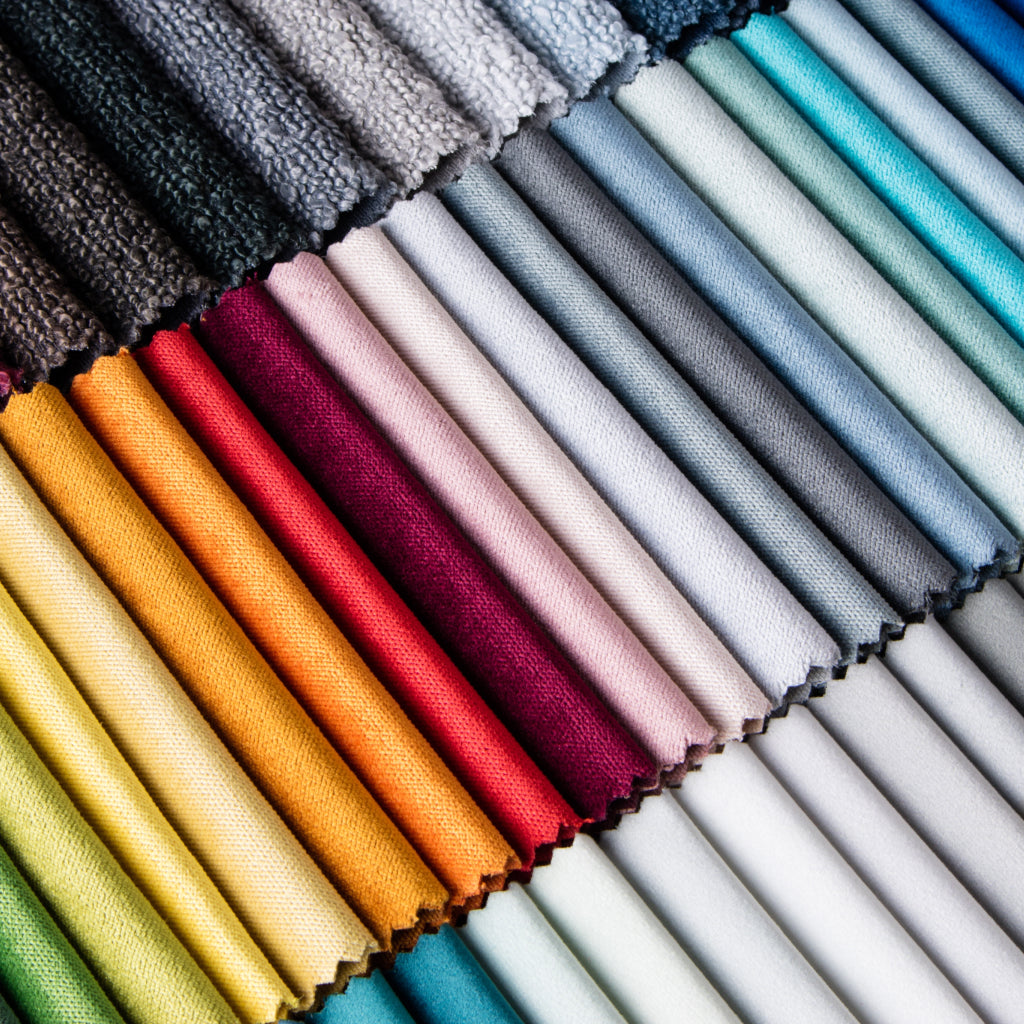
The walls are right. The rug is right. The lighting is right. Then the centerpiece becomes the hard decision. You know the sofa needs presence, comfort, and enough staying power to justify the investment. But when the swatches come out, the choice narrows fast to two very different personalities: velvet and linen.
For Atlanta homeowners, that choice is not only about taste. It affects how a room feels in August humidity, how a fabric responds to afternoon sun, how much maintenance you will tolerate, and whether the piece still feels right years from now. In Buckhead, Alpharetta, Roswell, Sandy Springs, and across North Atlanta, I see clients wrestle with the same question when they move from browsing to buying: which fabric belongs on an heirloom-quality sofa?
The Enduring Choice for Your Luxury Sofa
A client standing in a nearly completed living room can usually describe the feeling they want before they can name the fabric. They want a sofa that appears well-fitted, not stiff. Luxurious, not flashy. Comfortable enough for daily life, but refined enough to anchor the whole house.
That is where velvet and linen split the room.
Velvet brings depth, drama, and a sense of finish that can make even a simple frame look more architectural. Linen does almost the opposite. It softens a room, relaxes the edges, and gives expensive interiors an ease that never looks overworked.

This is not a new debate. The sofa itself has moved through centuries of reinvention, from ceremonial seating to the center of domestic life. If you enjoy design history, the rich history of the sofa offers useful context for why upholstery still carries so much visual and cultural weight.
Why this choice matters more in luxury furniture
In mass-produced furniture, fabric often hides mediocre construction. In high-end furniture, fabric reveals everything. It changes the line of the arm, the crispness of the seat, the way light moves across the piece, and how the sofa ages in real use.
For custom upholstered furniture, the fabric decision also shapes long-term value. A poor match between material and lifestyle can make even a beautiful designer furniture investment feel frustrating. The right match makes the sofa feel smarter every year you own it.
A luxury sofa should not only look correct on install day. It should still feel like the right decision after guests, pets, sunlight, and daily use have tested it.
Understanding the Character of Velvet and Linen
A sofa can look flawless on a showroom floor and still be the wrong fabric choice for an Atlanta home. I see that mistake most often when buyers focus on the first impression. Velvet wins on drama. Linen wins on ease. Neither answer is correct until you factor in sun exposure, humidity, who uses the room, and how much maintenance you will tolerate over the next ten years.
Velvet and linen are both premium upholstery materials, but they are built differently and they age differently. That difference affects how the sofa holds its shape, how the color reads through the day, and how the fabric responds to real household use.
Velvet as a luxury fabric with real staying power
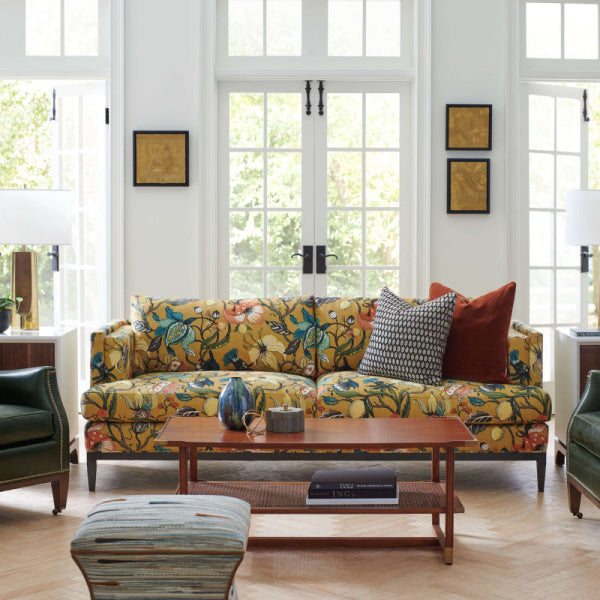
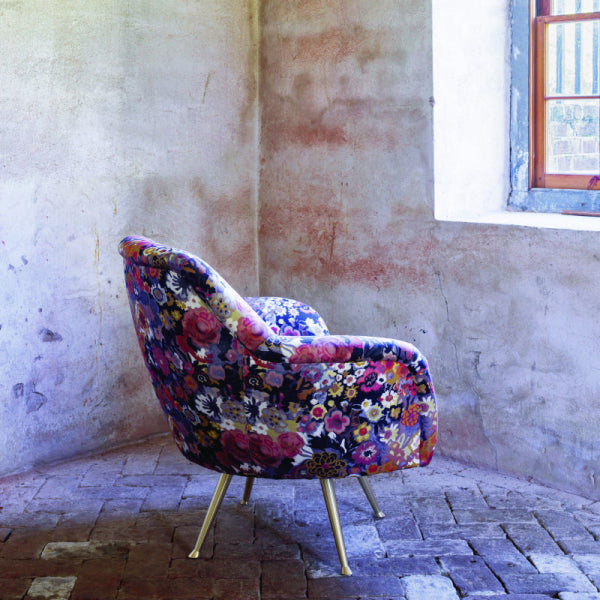
Velvet has long been associated with formal interiors. Its history reaches back to Renaissance Europe, where cut-pile weaving gave the fabric its depth, softness, and shifting light. On a luxury sofa, that pile creates visual movement that flat weaves cannot produce.
Modern velvet is far more practical than many buyers expect. Performance velvets and tightly woven cotton, mohair, or synthetic blends can handle serious residential use when the fabric is specified well and applied to a properly built frame. In Atlanta, that matters. Clients often want the richness of velvet without signing up for a fragile, special-occasion sofa. Today, that is a realistic request.
The trade-off is visible wear. Velvet shows pressure marks, pile shading, and directional changes, especially on large seat decks and low, loungey cushions. I do not treat that as a flaw. It is part of the fabric’s character. For some homeowners, that living finish feels elegant and dimensional. For others, it reads as high-maintenance.
Velvet also responds strongly to room conditions. In spaces with intense afternoon sun, deep jewel tones can shift over time if the fabric is not protected. In humid Southern interiors, the fabric itself usually performs well, but the room still needs good climate control to protect the upholstery package as a whole.
Linen as relaxed luxury with a stricter lifestyle fit
Linen offers a different kind of sophistication. It has a dry hand, a matte surface, and a distinct irregularity that keeps a room from feeling too polished. On the right frame, linen makes expensive furniture feel settled rather than staged.
That is why linen remains a favorite in refined but livable interiors. It softens with use, develops a broken-in look, and works especially well in rooms where the architecture and craftsmanship should lead the conversation.
Its trade-offs are straightforward. Linen wrinkles. It can absorb spills quickly. It will show wear differently than velvet, especially on cushion edges, skirts, and relaxed silhouettes. In sunny Atlanta rooms, pale linens often read beautifully, but direct UV exposure can still cause fading and fiber stress over time. Homes with large window walls need to plan for that from day one.
Many high-end buyers now land somewhere between pure linen and a more forgiving blend. Belgian linen hybrids, in particular, offer the visual ease clients want with better resilience for daily use. For buyers comparing that category, this guide to a Verellen Belgian linen sofa gives a useful reference point.
Where each fabric earns its place
Velvet suits:
- Architectural silhouettes such as tuxedo sofas, curved backs, channeling, and tighter upholstery
- Rooms that need depth from color, sheen, or a stronger focal point
- Clients who value presence and do not mind some visible nap movement in daily use
Linen suits:
- Relaxed forms with softer cushions, looser upholstery, and a more casual line
- Light, neutral palettes where texture matters more than sheen
- Clients who want quiet luxury and accept creasing as part of the look
Velvet brings richness, shape, and light play. Linen brings air, texture, and restraint. The better choice depends less on trend and more on how you live, how your room performs, and what kind of aging you will still appreciate years after installation.
A Detailed Comparison for High-End Sofas
Buyers comparing Velvet vs Linen for Luxury Sofas usually need more than a style opinion. They need a practical framework. The right choice depends on how you value appearance, wear, maintenance, and what the sofa needs to do every day.
Here is the fastest side-by-side view.
| Criteria | Velvet | Linen |
|---|---|---|
| Visual impression | Rich, reflective, dramatic | Matte, airy, understated |
| Hand feel | Plush and smooth | Crisp, textured, breathable |
| Best room mood | Formal, moody, sculptural | Casual, defined, relaxed |
| Wear pattern | Pressure marks and pile shading | Creasing, wrinkling, edge softening |
| Spill behavior | Buys you a short reaction window | Absorbs quickly |
| Typical fit | Statement sofas, custom chairs, curved forms | Slip-like silhouettes, casual sectionals, relaxed sofas |
| General value profile | Higher initial luxury expression | Often lower entry cost, but lifestyle fit matters more than sticker price |

Appearance and hand
Velvet changes through the day because it interacts with light. Morning light can make it read luminous. Evening lamplight makes it feel deeper and more saturated. On a high-quality couch or premium sectional, that movement gives the piece presence without requiring a busy shape.
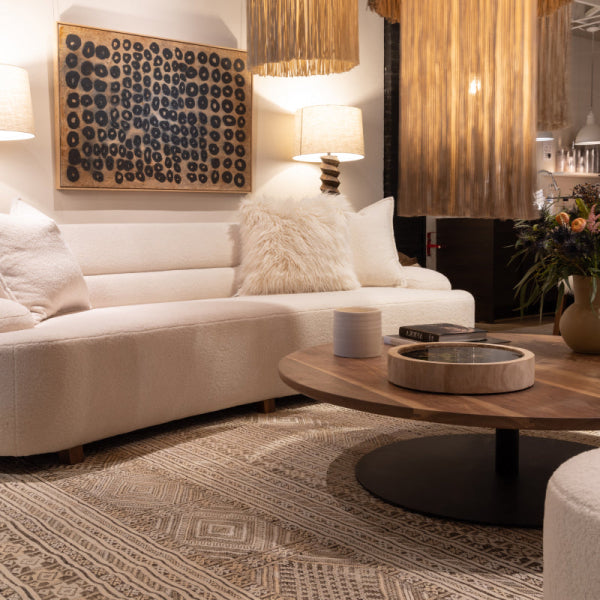
Linen is steadier. It reads flatter and quieter, which can be exactly what a room needs. On a large sofa, especially in warm neutrals, linen often feels more architectural because it does not compete with the rest of the space.
For buyers trying to understand the texture family around velvet, including lookalikes and common confusion in showrooms, this explanation of the difference between velour and velvet helps separate the categories.
Durability and longevity
Durability gets oversimplified in online advice. Linen has real fiber strength, but that does not mean every linen-upholstered sofa is ideal for hard family use. Linen upholstery for luxury sofas is resilient as a natural material and softens over time while retaining strength, yet it scores only “fair” in durability comparisons and wrinkles easily, making it better suited to low-traffic formal or casual spaces than high-use family rooms (Fabritual).
Velvet’s wear pattern is different. It does not wrinkle like linen. Instead, it shows pressure, pile movement, and shading. Some owners love that visual variation. Others read it as fussiness.
That is why I separate two questions for clients:
- Will the fabric survive use?
- Will you like how it looks while it ages?
Those are not the same thing.
Linen often ages by loosening. Velvet often ages by changing direction and light response. Neither is wrong. You have to prefer the kind of evidence of living each one shows.
Stain resistance and maintenance reality
Maintenance is where many expensive mistakes happen. Buyers often assume linen is easier because it looks casual. In practice, casual-looking is not the same as forgiving.
Velvet’s dense pile can give spills a brief pause before they penetrate, which creates a short reaction window. Linen does not offer that same advantage. Linen’s weave tends to absorb quickly, so delayed cleanup creates more risk.
That said, velvet asks for grooming. Linen asks for vigilance. They are different workloads.
Velvet maintenance tends to involve
- Routine vacuuming to keep dust and debris from sitting in the pile
- Pile restoration with brushing or steaming when shading becomes noticeable
- Careful blotting instead of aggressive rubbing during spills
Linen maintenance tends to involve
- Immediate spot response because liquids absorb fast
- Tolerance for creasing or a willingness to maintain a neater look
- Thoughtful room placement away from the roughest daily use
If you want a broad primer on how different upholstery materials behave across comfort, look, and upkeep, that resource is useful for cross-checking expectations before you commit to a custom order.
Cost and investment value
Linen usually enters at a lower price tier than velvet. The manufacturing story explains part of that. Linen’s flat weave is simpler than velvet’s multi-step pile construction, and that often shows up in the final cost. But pure upfront price is the wrong lens for luxury home furnishings.
A better lens is total cost of ownership.
Velvet can be the smarter investment when
- You want visual drama from a simpler frame
- The room is low to moderate traffic
- You are prepared to maintain the pile
- You want a sofa that feels unmistakably upscale
Linen can be the smarter investment when
- You want natural authenticity more than sheen
- The room needs breathability and softness of mood
- You accept creasing as part of the look
- The piece lives in a formal or lighter-use setting
What works and what does not
Some combinations succeed quickly.
A sculptural sofa with a tight back, refined arm, and jewel-toned velvet often looks more expensive than the same frame in linen. A relaxed bench-seat sofa with soft linen can look effortless in a way velvet cannot imitate.
Some combinations fight themselves. Linen on an aggressively formal silhouette can feel conceptually mismatched. Velvet on an overly slouchy casual frame can feel heavy unless the color and room are handled carefully.
The most expensive mistake is not choosing the wrong “good” fabric. It is choosing the wrong fabric for the sofa’s shape, the room’s mood, and the life happening around it.
Choosing the Right Fabric for Your Atlanta Lifestyle
Atlanta changes the velvet-versus-linen conversation. The region’s light, humidity, and indoor-outdoor rhythm matter. So does the way homes are used. A formal sitting room in Sandy Springs has different demands than a family sectional in Alpharetta or a polished living room in Buckhead that still sees frequent entertaining.

Sunlight and humidity in real rooms
Velvet is warmer and less breathable than linen. Linen naturally handles heat better and usually feels more comfortable in bright, hot rooms. That basic difference is easy to understand. The harder question is how modern upholstery options change the old assumptions.
According to a guide focused on this comparison, modern performance velvet in poly-cotton blends from mills such as Kravet now offers comparable direct-sun fade resistance to linen, and Belgian linen hybrids such as Libeco Palermo, a cotton-linen-viscose blend, have seen increased trade sales for custom upholstery, with improved crease resistance noted in that source (Swyft Home). That matters in Atlanta, where many buyers want the look of linen but less wrinkling, or the richness of velvet without old concerns about sun.
For readers narrowing upholstery options room by room, this guide on how to choose upholstery fabric is a practical companion.
What I would choose by room
A Buckhead formal living room
If the room is used for conversation, cocktails, and occasional entertaining, velvet often wins. It gives a luxury sofa more authority and better evening presence. In larger homes with layered lighting, velvet can make custom chairs and statement furniture pieces feel intentional rather than merely decorative.
Choose linen here only if the whole interior leans quiet, tonal, and restrained.
An Alpharetta family room
For a high-use sectional with kids, pets, and constant traffic, traditional linen is rarely my first recommendation. It can still be beautiful, but the owner must be comfortable with quick stain response and visible creasing.
A modern performance velvet or another performance-driven upholstery choice tends to fit busy use better if the client still wants a richer look.
A Roswell or Sandy Springs sunroom
Linen makes sense in rooms that want airflow, lightness, and a softer visual edge. If the room catches a lot of daylight, linen still feels right aesthetically. But I would be selective about color and weave, and I would discuss whether a hybrid linen offers a better balance.
Style direction matters as much as climate
Fabric decisions become easier when the room’s design language is honest.
Velvet aligns well with
- Collected traditional interiors
- Moody contemporary rooms
- Spaces built around art, antiques, or sculptural lighting
Linen aligns well with
- European relaxed interiors
- Organic modern rooms
- Homes that prioritize quiet texture over shine
In Atlanta, climate tells you part of the story. The rest comes from architecture, household rhythm, and your tolerance for visible wear.
The practical local takeaway
If you are shopping for designer furniture near me or custom furniture Atlanta and trying to narrow choices fast, use this filter:
- Choose velvet when the room wants presence, the upholstery shape is refined, and maintenance does not scare you.
- Choose linen when the room wants air, softness, and natural texture, and the household can support a more attentive cleaning routine.
- Choose modern hybrids or performance-oriented versions when you love one look but need a more forgiving material story.
That is where many luxury furniture decisions land today. Not in old either-or rules, but in better specifications.
Beyond the Bolt Customization and Craftsmanship
A client can choose a beautiful swatch and still end up with a disappointing sofa.
What determines the final result is the partnership between fabric, frame, cushion build, and the upholsterer’s discipline. In custom work, that relationship affects comfort, appearance, and how the piece ages in an Atlanta home where humidity, air conditioning, and strong daylight all put materials under steady pressure.
Why custom construction changes the result
Velvet and linen do not ask the same things of a workroom, and that matters more at the luxury level.
Velvet exposes every decision. Nap direction has to be consistent. Seams need to be straight. Panel matching cannot be casual, especially on tight backs, channeling, or tufting. On a well-built frame with precise upholstery work, velvet looks rich and controlled. On an average build, the same fabric can make flaws easier to see.
Linen creates a different set of demands. It has more visual softness, but that does not mean the work is easier. A skilled upholsterer has to judge where the fabric should sit precisely fitted and where a little ease gives the piece character. That line is narrow. On bench seats, skirts, and loose back cushions, poor judgment reads messy fast.

Details that should follow the fabric
I specify the upholstery first, then refine the shape and details around it. That order prevents expensive mismatches.
Velvet usually works best with
- Cleaner silhouettes that let the pile, sheen, and color saturation carry the visual weight
- Channeling or tufting when the goal is to sharpen the architecture of the piece
- Precisely scaled welting or no welting at all because edges read clearly in velvet
Linen usually works best with
- Softer profiles that suit its dry hand and natural movement
- Loose cushions or relaxed upholstery when comfort matters more than strict formality
- Restraint in trim and ornament so the weave remains the focal point
Performance upgrades and hybrids have expanded the options here. A performance velvet can give a formal frame more day-to-day tolerance. A Belgian linen blend can preserve that airy, natural character while improving recovery and reducing some of the unpredictability clients used to accept as part of the look.
Reupholstery can be the smarter luxury move
For many Atlanta homeowners, the better investment is not a new sofa. It is rebuilding a strong one they already own.
Older hardwood frames, inherited seating, and well-made custom pieces often justify reupholstery, especially when the proportions suit the room and the internal structure can be refreshed. That route also gives you tighter control over total cost of ownership. You keep the frame quality, upgrade the comfort, and specify a fabric that fits how the room is used.
The frame should guide the fabric choice. A camelback or English arm often gains ease in linen or a linen blend. A shelter sofa, a tight Parsons-inspired silhouette, or a fully upholstered club form often carries velvet with more authority.
Care burden is part of the specification
Fabric choice does not end at appearance. It sets the maintenance routine for years.
Velvet’s pile can buy you a little response time with a spill because liquid often sits on the surface briefly before working deeper into the fabric. Linen does not usually give you that pause. The trade-off is upkeep. Velvet shows pressure marks, nap shifts, and dust more readily, so it benefits from regular brushing or vacuuming with the right attachment. Linen can feel easier day to day, but it will show wrinkling, softening, and wear in a more visible way, especially on seat cushions and front rails.
That is why I treat craftsmanship and fabric specification as one decision. In a Southern climate, the right answer is rarely the prettiest bolt in the showroom. It is the fabric, cushion fill, upholstery style, and frame quality that will still make sense after years of sun, use, and seasonal humidity.
Luxury furniture holds its value when the structure, upholstery method, and fabric choice are aligned. If those elements pull in different directions, the piece never feels fully resolved.
Make Your Final Decision at Our Atlanta Design Center
No one should make a final fabric decision for a luxury sofa from a phone screen.
Velvet and linen are tactile materials. You need to see scale, sheen, weave, color shift, and hand in person. A swatch that looks perfect online can feel wrong the moment you touch it. The reverse is also true. Many clients dismiss a fabric digitally, then see it in natural light and immediately understand its appeal.
What to do before you commit
Bring room photos. Bring finish samples if you have them. Bring a short list of realities, not aspirations.
That means asking yourself:
- Who uses this sofa daily
- Whether food, pets, or kids are part of normal life
- How much sunlight reaches the upholstery
- Whether you prefer crisp lines or a softer lived-in look
What to test in person
Do not stop at color.
Check these details:
- Pile direction or weave character
- How the fabric reads in warm and cool light
- Whether the cushion style suits the textile
- How much visible texture you want at close range
A serious furniture investment deserves that level of scrutiny. This is especially true for custom furniture Atlanta buyers who want a one-time decision rather than a near miss they try to justify later.
For homeowners in Atlanta, Buckhead, Alpharetta, Roswell, Sandy Springs, and surrounding parts of Fulton County and North Atlanta, in-person comparison remains the clearest path to confidence. It is the difference between liking a swatch and knowing the sofa will belong in your home.
Frequently Asked Questions About Luxury Sofa Fabrics
Is performance velvet still luxurious
Yes, when it is specified well. The best versions preserve the depth and hand people want from velvet while reducing some of the maintenance anxiety that older assumptions bring with the category. For high-end furniture, that matters because you should not have to choose between beauty and practical use as rigidly as buyers once did.
Is authentic Belgian linen worth the investment
Often, yes. The appeal is not only origin. It is the quality of the fiber, the natural finish, and the way linen softens over time without losing its character. Buyers who love understated designer furniture often respond to Belgian linen because it feels honest, tactile, and mature rather than decorative.
Can velvet work in a home with pets
It can, but the answer depends on the pet, the room, and the owner’s expectations. Velvet does not have loops, which helps reduce snagging concerns compared with some textured fabrics. But pet hair, routine grooming, and the visibility of pile movement should all be part of the decision.
Which fabric is better for a statement sofa
Velvet usually creates more impact. It catches light, deepens color, and gives even a simple silhouette more presence. Linen can still be a statement, but it does so subtly through shape, proportion, and texture rather than sheen.
Which fabric feels more timeless
Both can. Velvet reads timeless when the room leans well-defined, layered, and formal. Linen reads timeless when the room values restraint, comfort, and natural materials. Timelessness comes from fit, not trend.
If you are weighing velvet against linen for a luxury sofa, the most useful next step is to compare both in person with expert guidance. Lewis and Sheron Textiles offers Atlanta homeowners and design professionals access to premium upholstery fabrics, custom furnishings, reupholstery services, and complimentary in-house design help when shopping. For clients in Buckhead, Alpharetta, Roswell, Sandy Springs, and across North Atlanta, it is a practical place to test swatches, review silhouettes, and choose a fabric that fits both the room and the way you live.