




If you've ever felt like you were fighting your sewing machine, I have a secret for you: it might be the presser foot’s fault, not yours. These small, swappable attachments are the true unsung heroes of any sewing project. They’re much more than just an accessory—they're specialized tools that can make the difference between a homemade-looking piece and a truly exquisite one.
This guide is your deep dive into the world of sewing machine presser foot types, covering everything from the standard foot that came with your machine to the specialty ones that make difficult tasks feel almost automatic.
The Secret to a Flawless Finish
The right presser foot is the key to achieving that polished, professional look you see on high-end Verellen furniture or in the perfect drape of a custom curtain in a Buckhead home. It’s one of those little details that quietly separates amateur work from master craftsmanship.
Think of it this way: you wouldn't drive a sports car on the winding, gravelly backroads of North Georgia and expect a smooth ride. Your sewing machine works on the same principle. Using a standard foot on a delicate sheer or a thick upholstery fabric is setting yourself up for puckered seams, skipped stitches, and a whole lot of frustration.
A presser foot does more than just hold the fabric in place. It’s an active partner in your sewing. The right foot guides, folds, gathers, and protects the material, allowing you to work with its unique properties instead of against them. This is absolutely critical when you're working with the beautiful designer fabrics we all love.
For the interior designers and serious home sewers I meet—from Roswell to Milton and all over East Cobb—learning to master these attachments is a game-changer. Whether you’re reupholstering a classic Wesley Hall sofa or stitching a set of pillows, the right foot ensures every stitch lays perfectly.
This guide will walk you through how to:
- Choose the perfect foot for any material, from heavy-duty canvas to whisper-thin linen.
- Avoid common sewing mistakes like stretched-out knits and uneven topstitching.
- Get those high-end results that make your home décor and design projects stand out.
Knowing your presser feet is just as fundamental as knowing your basic sewing notions. Let's get you set up to tackle that Lee Industries chair or Ambella Home accent piece with total confidence. It’s time to make your sewing machine work for you.
Your Workhorse: The All-Purpose Foot
When you unbox a new sewing machine, the presser foot already attached is the all-purpose foot. It's not there by accident—it’s your go-to, the starting point for almost any project you can dream up. Sometimes called the standard or zigzag foot, its simple design is what makes it so incredibly reliable.

This is the true jack-of-all-trades in your sewing kit. It’s built to handle the two most essential stitches—the straight stitch and the zigzag—with absolute consistency. Look at its design: the sole is perfectly flat to apply even pressure, while the wide, oval opening gives the needle room to swing from side to side for decorative stitches. That simple, brilliant balance is why it’s our default for so many tasks.
In professional workrooms across Atlanta, from Buckhead to Milton, this is the foot we grab first. It’s the right tool for seaming together medium-weight cottons, linens, and blends. These are the fabrics that become the custom pillows, drapery, and initial mockups that bring a design to life.
The Foundation of Precision Sewing
So, why has this one foot remained so essential for so long? It all comes down to its perfect teamwork with the machine’s feed dogs—those little teeth that grip and guide your fabric. The classic two-toe design of a standard presser foot has been the cornerstone of machine sewing since the very first industrial models. It’s engineered to work in sync with the feed dogs, ensuring your fabric moves smoothly and your seams stay straight.
It’s such a fundamental design that it’s still the most common foot in the world. In our own workroom at Lewis and Sheron, where we build the custom upholstery Atlanta clients love, this foot sees action every single day. In fact, professional surveys show that 85% of professional upholsterers depend on it for daily seaming because its even pressure helps prevent puckering on tricky fabrics like velvet. The experts at Workroom Tech share fantastic insights on how pros get the most out of this fundamental tool.
Knowing When to Switch
As versatile as the all-purpose foot is, it can't do everything. Its "one-size-fits-most" design is its biggest strength, but it's also its main limitation. That wide needle opening, great for zigzags, can become a problem with fabrics on either end of the weight spectrum.
Knowing when to swap it out for a specialty foot is the mark of a skilled sewer. Here’s when you should make a change:
- For fine fabrics: When working with delicate silks or sheers, the fabric can get pushed down into the wide opening of the throat plate, causing snags and skipped stitches. A straight stitch foot is a much safer bet.
- For heavy upholstery: Try to stitch multiple layers of thick fabric for a Wesley Hall sofa, and you'll see the layers shift and crawl. A walking foot is non-negotiable here; it feeds the top and bottom layers in unison.
- For sticky materials: A standard metal foot will drag and stick on vinyl or leather, creating a mess of uneven stitches. You’ll want a roller foot or a non-stick Teflon foot that glides right over the surface.
Learning what the all-purpose foot can’t do is just as critical as mastering what it can. It's the rock-solid foundation of your collection, but true craftsmanship is about choosing the right specialist to protect your luxury furniture Atlanta projects and deliver that flawless, high-end finish.
Mastering Edges and Closures
You can always tell the difference between a homemade project and a truly professional one by looking at the finishing touches. It's those perfectly straight seams and flawless closures that elevate a simple pillow into something you’d find in a high-end showroom. This is where a few specific presser feet go from being helpful accessories to absolute necessities.

If you're making anything that needs a zipper—from a throw pillow cover to a complex slipcover for a Wesley Hall sofa—you need a zipper foot. This isn't a suggestion; it's a fundamental rule of good sewing. Its clever, slim design allows the needle to get right up against the zipper teeth without breaking, giving you that clean, tight stitch line that screams quality.
The Zipper Foot Family
Once you start looking, you'll realize there's a whole family of zipper feet. Knowing which one to use is key, especially when you're working with the beautiful, and often expensive, fabrics from our Atlanta fabric showroom.
- Standard Zipper Foot: This is the workhorse. It features a narrow "toe" on one side, and most are adjustable, letting you snap them on either the left or right side of the needle. This flexibility is what allows you to sew down both sides of a zipper tape with perfect precision. It's also my secret weapon for attaching custom piping and welting—a detail you’ll see on much of the luxury furniture Atlanta designers adore.
- Invisible Zipper Foot: This one is a different beast altogether. Flip it over, and you’ll see two tiny grooves on the bottom. As you sew, these grooves guide the coiled teeth of an invisible zipper, holding them open just enough for the needle to stitch perfectly in the crease behind them. The result is a closure that vanishes into the seam, a must-have for high-end cushions and apparel.
The invention of the zipper presser foot completely changed garment and upholstery construction in the 20th century. Today, specialized versions for invisible zippers are used in about 70% of custom upholstery projects worldwide to create those seamless finishes we've come to expect. They can cut installation time by as much as 40%—a huge efficiency boost in any professional workroom. For our custom drapery and upholstery services, this tool is simply indispensable. You can learn more about the evolution of these feet from the experts at BERNINA.
To help you keep these essential tools straight, here’s a quick-glance table.
Essential Finishing Feet At a Glance
| Presser Foot Type | Primary Use | Best For Fabrics Like |
|---|---|---|
| Standard Zipper Foot | Installing standard zippers, cording, and piping. | Medium to heavy-weight wovens like cotton duck, canvas, upholstery-grade velvet, and denim. |
| Invisible Zipper Foot | Installing invisible zippers for a seamless finish. | Lighter-weight fabrics like silk, satin, linen, and fine cotton where a hidden closure is desired. |
| Buttonhole Foot | Creating consistent, perfectly sized buttonholes. | Any fabric that requires a button closure, from sheer blouse fabrics to heavy wool coatings. |
| Overcasting Foot | Finishing raw edges to prevent fraying. | Fray-prone fabrics like linen, tweed, rayon, and loose-weave cottons. |
This table covers the feet you'll reach for again and again to give your projects that polished, durable finish.
The Buttonhole Foot for Perfect Closures
There’s no worse feeling than spending hours on a project only to mangle the buttonholes at the very end. The buttonhole foot was invented to prevent that exact kind of heartbreak. It's designed to hold the fabric taut and guide it perfectly, delivering consistent, beautifully stitched buttonholes every single time.
Most modern machines even come with a one-step automatic buttonhole foot. You just pop a button into a small compartment at the back of the foot, and the machine uses it as a guide to sew a perfectly sized buttonhole in one go. It’s pure magic. Even if your machine has an older four-step process, the foot provides the stability you need for a flawless result.
A clean, well-made buttonhole is a small but powerful signal of quality. It tells a story of attention to detail, a key element whether you're working on a custom shirt or a decorative closure for an Ambella furniture piece.
The Overcasting Foot for Durable Seams
Finally, let's tackle the arch-nemesis of any sewing project: fraying. Raw fabric edges can quickly unravel, compromising the longevity of your work, especially on items that get a lot of wear. The overcasting foot (sometimes called an overedge foot) is your best defense.
This foot works in tandem with your machine's overcasting stitch, which wraps thread around the raw edge to seal it. It has a tiny pin or a set of brushes that the thread forms over, which brilliantly prevents the fabric edge from curling up as you sew. The result is a neat, flat seam allowance that looks like it came from a professional workshop and will keep your reupholstered LEE Industries chair or custom-sewn linens looking great for years to come.
Sewing Heavy Fabrics for Upholstery
When you're working with the kind of substantial, beautiful fabrics used in high-end furniture, you're doing more than just sewing—it's a form of small-scale engineering. Your standard presser foot just won't cut it when your project involves heavy canvas, rich velvet, or supple leather. This is where your machine needs a serious upgrade with a few specific sewing machine presser foot types built to handle the toughest materials.

Taming these fabrics is all about control. Without the right foot, your layers will inevitably shift, stitches will skip, and you'll risk ruining expensive fabric. The right foot is the difference between a frustrating mess and a piece that looks like it belongs in our Buckhead showroom.
The Mighty Walking Foot
If you plan on sewing anything thicker than a couple of sheets of paper, you absolutely need a walking foot. It’s a complete game-changer and the number one tool for anyone serious about upholstery work. Unlike a standard foot that just glides over the top, the walking foot has its own set of feed dogs that actively grip and pull the top layer of fabric in perfect time with the machine's feed dogs below.
Think of it as all-wheel drive for your sewing machine. It’s the secret behind perfectly matched stripes on a LEE Industries chair or the flawlessly smooth seams you see on a custom velvet headboard.
A walking foot is a must-have for:
- Preventing layers from shifting: This is absolutely critical for thick upholstery fabrics, quilts, and getting patterns to line up just right.
- Sewing on slippery fabrics: Velvets and certain synthetics that tend to "creep" as you sew are managed with ease.
- Topstitching through bulk: It guarantees even stitches when you’re sewing through multiple thick layers, like when attaching welting to a cushion.
Using a walking foot can make your sewing up to 20% faster and dramatically more accurate on heavy projects. It frees up your hands from fighting the fabric, letting you guide the piece with precision instead of force.
This single attachment is what stops the puckering and twisting that can plague so many upholstery projects. For designers and homeowners creating custom upholstery Atlanta style, this foot isn’t just an option; it's a necessity.
Gliding Over Sticky Surfaces
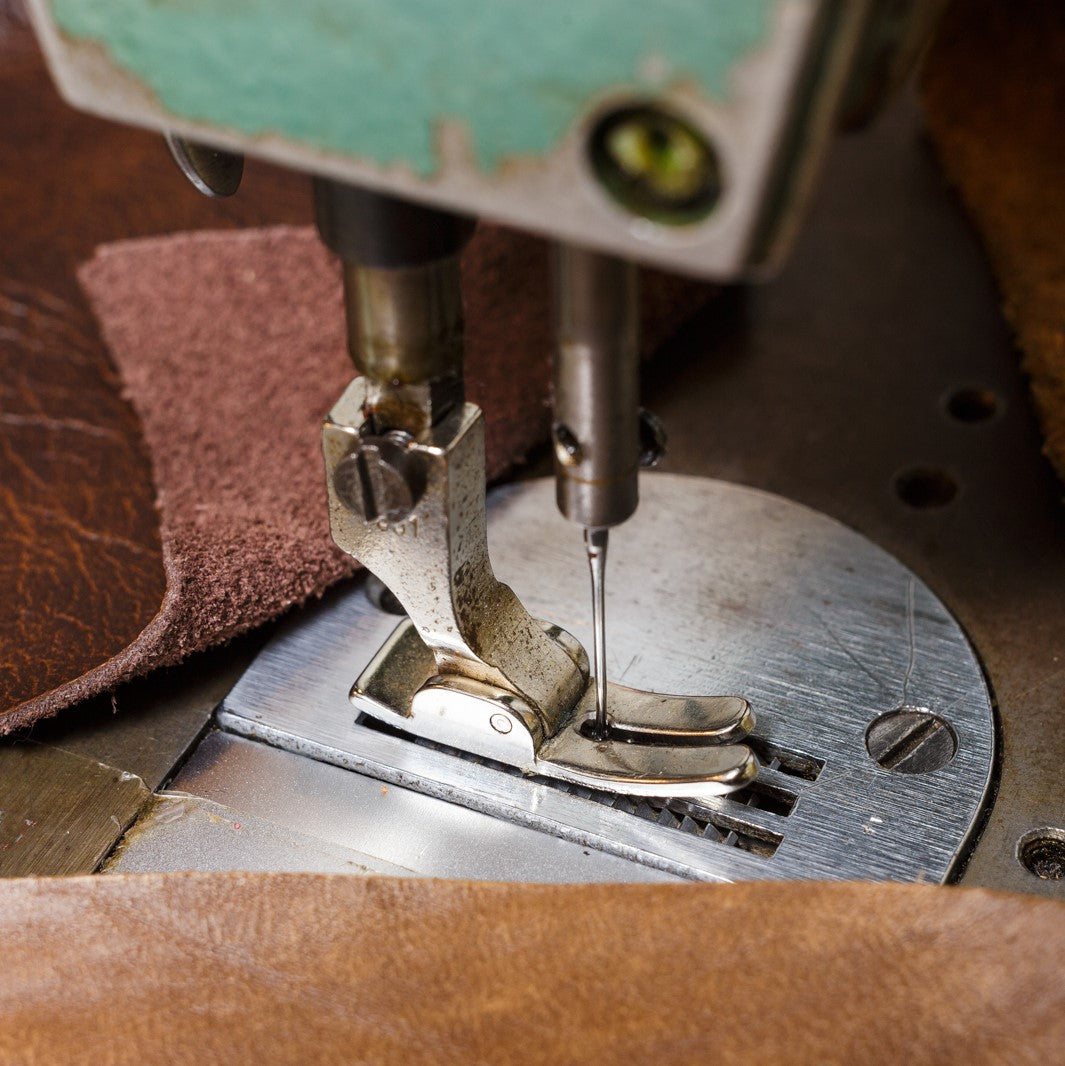
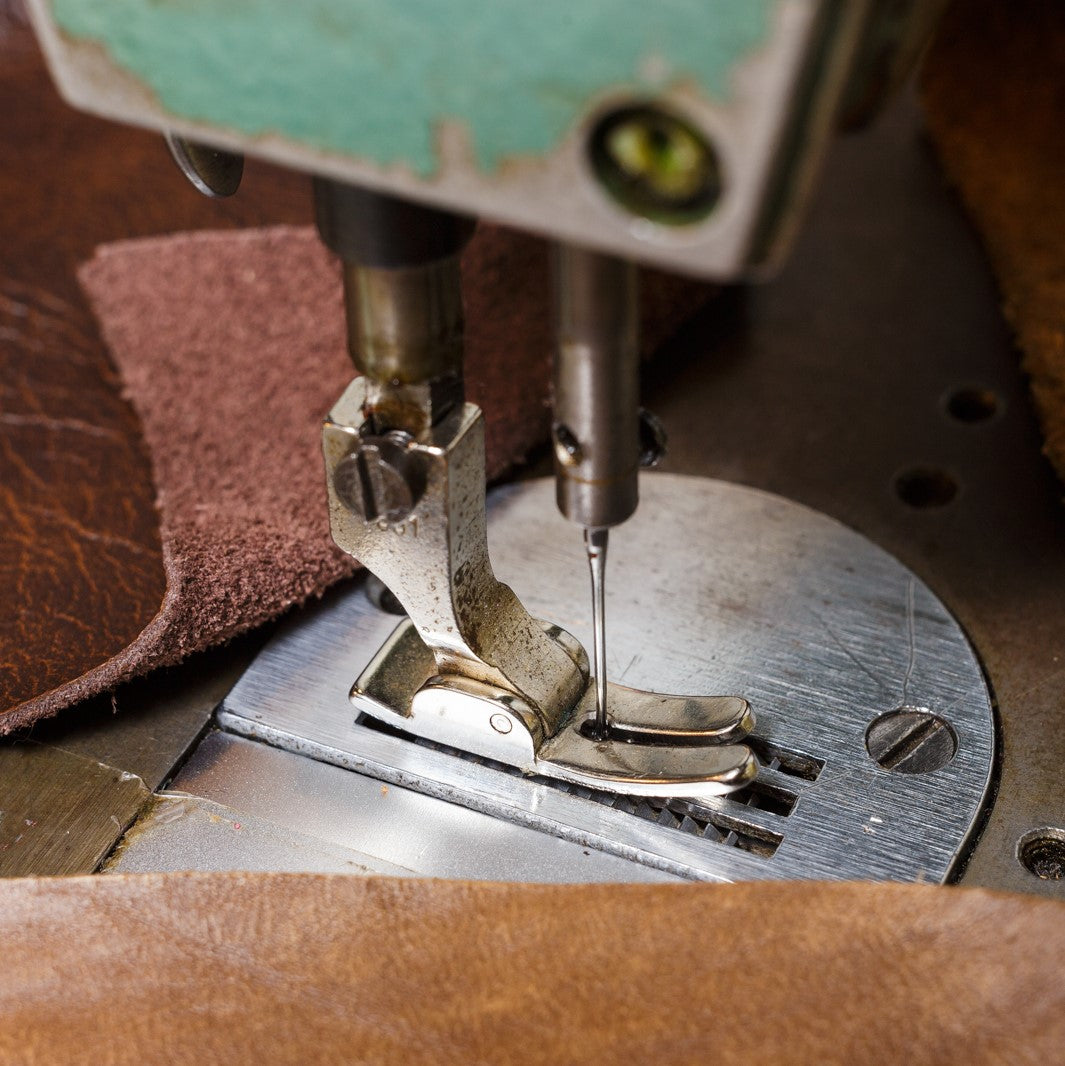
Some of the most durable and stylish materials also happen to be the most difficult to sew. Leather, vinyl, suede, and even some performance fabrics can stick or drag against a standard metal presser foot. The result is a mess of uneven, skipped stitches, and you can even scratch the fabric's surface.
To get around this, you need a foot that glides.
The Teflon (Non-Stick) Foot: Just like your favorite non-stick pan, this foot has a super-slick coating (PTFE) that lets it slide effortlessly over those tacky surfaces. It’s the perfect choice for sewing the faux leather on a modern sofa or creating vinyl cushions for an outdoor space in Milton or Roswell.
The Roller Foot: This clever foot features one or more small rollers that literally roll across the fabric instead of sliding. It’s brilliant for heavily textured or uneven surfaces like thick canvas, denim, or even embossed leather, where a Teflon foot might still get hung up.
Deciding between them often comes down to the specific material you're using. For projects with these types of fabrics, it helps to learn more about what is upholstery fabric and how to choose it to really nail the final result.
Essential Heavy-Duty Foot Comparison
| Presser Foot Type | Primary Job | Best For These Projects |
|---|---|---|
| Walking Foot | Evenly feeds multiple thick or slippery layers. | Upholstering a Verellen sofa, quilting, matching plaids on a Wesley Hall chair. |
| Teflon Foot | Glides smoothly over sticky or tacky surfaces. | Sewing leather, vinyl, oilcloth, and patent leather for custom furniture pieces. |
| Roller Foot | Rolls over uneven or textured heavy fabrics. | Working with heavy canvas, denim, embossed vinyl, or thick suede. |
Whether you're reviving an heirloom piece with fine fabrics from Alpharetta or crafting something brand new, these feet are your key to a professional finish. They are the tools that give you the confidence to work with the robust, beautiful materials that define luxury furniture Atlanta.
Handling Fine Fabrics With Precision
While brute force works for upholstery, sewing with delicate, whisper-thin fabrics is a completely different ballgame. One wrong move with a sheer curtain, a beautiful Belgian linen from Libeco, or fine silk can stretch, snag, or pucker the material. A dream project can quickly turn into a nightmare.
This is where you need finesse, not force. The right specialty feet give you that gentle, precise control needed to tame these beautiful fabrics. For designers in Roswell and Alpharetta whose clients demand perfection, mastering these tools isn't optional—it’s how you deliver that flawless, high-end finish.
The Magic of the Rolled Hem Foot
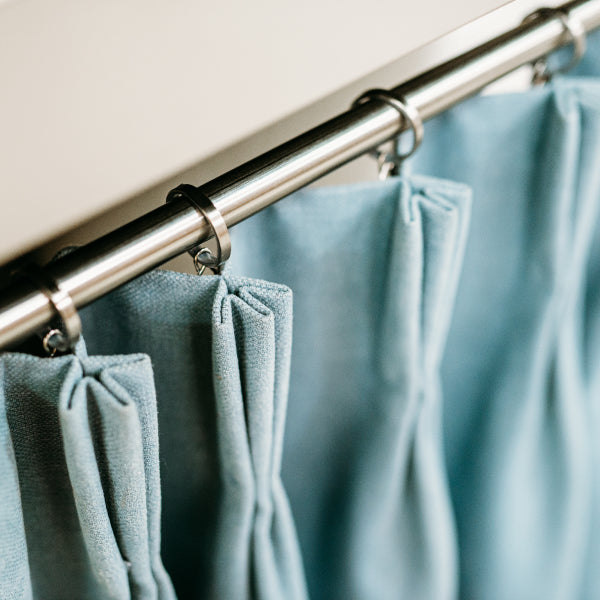
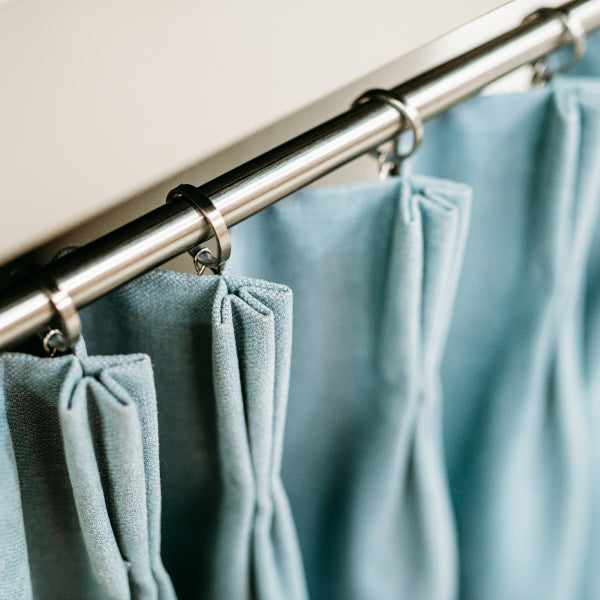
Ever tried to create a tiny, perfect hem on a sheer curtain or a silk scarf? It can feel downright impossible by hand. This is exactly where the rolled hem foot (sometimes called a narrow hemmer) works its magic. The foot has a unique, scroll-shaped funnel right at the front that automatically curls the raw edge of the fabric under twice as you sew.
As you guide the material through, the foot creates a perfectly consistent, narrow, double-folded hem. It’s the kind of detail that would be incredibly tedious to get right by hand, and it’s the secret behind those ethereal, floating edges on high-end drapery and delicate garments. It’s one of those sewing machine presser foot types that, once you use it, you'll wonder how you ever managed without it.
The Satin Stitch Foot for Flawless Embellishments
When you're adding decorative flair with dense zigzag or satin stitches, your standard all-purpose foot will often let you down. The sheer volume of thread can get bunched up, creating a tangled mess under a flat-soled foot. The satin stitch foot was designed specifically to solve this problem.
Its secret is a shallow groove, or channel, carved into its underside. This little groove makes just enough room for those dense, raised stitches to pass through smoothly, preventing them from getting crushed or distorted.
The result is a perfectly smooth, beautiful decorative stitch that glides over the fabric. This foot is essential for monogramming, appliqué, and adding elegant embellishments to pillows and linens—details that elevate a project from simple to bespoke.
You'll often find that satin stitch feet are made of clear plastic, which is a huge bonus. It gives you an unobstructed view of your work so you can place every stitch with total precision. It's a must-have tool for any designer working with our extensive collection of designer fabrics at our Atlanta showroom.
The Straight Stitch Foot for Ultimate Support
It might sound strange to switch away from your all-purpose foot for a simple straight stitch, but for fine fabrics, it's a game-changer. The wide opening on a standard foot is a trap for delicate materials like chiffon, organza, or fine linen. The needle can easily push the fabric down into the machine's throat plate, causing skipped stitches, puckering, and even snags.
The straight stitch foot prevents this with its single, small, round needle hole. This design provides maximum support to the fabric right around the needle as it forms the stitch. By keeping the fabric completely stable and flat, it guarantees perfectly straight, pucker-free seams every single time. For more tips on matching the right tool to the job, check out our comprehensive guide to sewing machine needle sizes.
It’s an absolutely indispensable foot for any project involving the premium fine fabrics Alpharetta and Buckhead designers rely on for their most discerning clients. This small tool gives you the confidence and control to sew even the most delicate materials, ensuring a result that reflects true craftsmanship.
Building Your Presser Foot Collection
Every sewer eventually gets that itch to expand beyond the basics. You start eyeing those specialty presser feet, wondering which ones are actually worth the investment and which will just collect dust. Building a solid collection is one of the best things you can do for your craft, but where do you even begin?
Before you buy a single foot, you have to figure out your machine's shank type. It’s the single most important compatibility check. Think of it like buying new tires for your car—they have to be the right size to fit. Most home sewing machines today are low-shank, but if you're working on an older or more industrial model, you might have a high-shank or even a slant-shank. Your machine’s manual is your best friend here; a quick look will save you a lot of guesswork and purchasing headaches.
Start with a Core Collection
You absolutely don't need every foot ever made. The goal is to build a small, powerful kit that can handle the vast majority of projects you'll throw at it, whether it's simple hemming or reupholstering a custom Ambella furniture piece.
Here are the non-negotiables I believe every serious sewer should own:
- The Walking Foot: If you plan to work with upholstery-weight fabrics, vinyl, or multiple layers, this is your MVP. It’s the secret to keeping plaid lines matched perfectly on a Wesley Hall sofa without the fabric creeping and shifting on you.
- The Zipper Foot: I can't imagine making pillows, cushions, or slipcovers without one. It's essential. Its narrow design lets you stitch right up against the teeth of a zipper or get a clean, tight finish when you're adding cording.
- The Buttonhole Foot: This little wonder takes all the stress out of making buttonholes. It gives you consistent, perfectly sized results every single time—a small detail that screams professional quality.
- The Straight Stitch Foot: When you're working with delicate sheers or fine linens, like the ones Alpharetta designers use for high-end drapery, this foot is a must. It prevents the fabric from getting sucked down into the machine, a truly heartbreaking mishap.
This decision guide is a handy reference for those delicate fabric projects that often come up in home decor.

It’s a quick way to see whether a rolled hem, a decorative stitch, or a simple straight stitch foot will give you the beautiful finish you're looking for.
Caring for Your Investment
Your presser feet are precision tools. Just like a good pair of shears, they need a little care to stay in top shape. A foot that's caked with lint or has a burr on it can easily snag an expensive fabric from our Atlanta fabric showroom or, worse, damage your machine.
Protect your tools, and they will protect your work. A simple cleaning and storage routine is the best insurance policy against ruined projects and costly machine repairs.
After you wrap up a project, give your feet a quick wipe-down with a soft cloth to get rid of any fuzz. If you've got some stubborn lint packed in there, an old toothbrush or a small, stiff brush works perfectly. This simple habit prevents gunk from building up and causing problems down the line.
How you store them matters, too. Tossing them all together in a junk drawer is asking for scratches and nicks. A compartmentalized organizer is the way to go. For more great ideas on getting your space in order, check out our guide on organizing your sewing supplies. Keeping your feet safe and organized means they'll be ready to go the moment inspiration strikes.
Your Presser Foot Questions Answered
Even with the right tools in your sewing kit, questions are bound to pop up. I get asked these all the time by designers and dedicated home sewers across Atlanta, so let's walk through the most common ones and clear up any confusion.
What Is the Most Versatile Presser Foot Besides the Standard One?
Oh, that's an easy one. The walking foot, hands down. A lot of people think it's just for quilting, but its real magic is in how it handles multiple layers of fabric. It has its own set of feed dogs built right in, so it actively grips and pulls the top layer of fabric through at the exact same pace as the machine's feed dogs are pulling the bottom layer.
This completely solves that all-too-common headache of fabric shifting, twisting, or puckering. If you only buy one specialty foot, make it this one. It's a total game-changer for tough jobs, like sewing the heavy canvas for custom upholstery Atlanta clients love, or perfectly matching the stripes on a Wesley Hall sofa.
How Do I Know if a Presser Foot Will Fit My Sewing Machine?
This all comes down to your machine's "shank" height. Most modern home sewing machines are "low-shank," which makes finding compatible feet incredibly simple. However, if you're working on a vintage machine or a more industrial model, you might have a "high-shank" or even a "slant-shank."
The absolute fastest way to know for sure is to check your sewing machine's manual. It will tell you the shank type, taking all the guesswork out of buying new feet. Keep in mind that most modern feet are also "snap-on," meaning they click onto a universal adapter that's made for your specific shank type.
Can I Use a Zipper Foot for More Than Just Zippers?
Absolutely! The zipper foot is one of the most underrated multitaskers you can own. Its narrow design is perfect for sewing right up against any raised edge. That’s exactly why it's my go-to tool for creating and attaching custom piping and welting.
You can usually adjust the needle to either the left or right side of the foot, giving you amazing control. This is perfect for getting a crisp topstitch in a tight corner or sewing neatly alongside thick trims. It's essential for achieving those clean, professional details you see on high-end furniture from brands like LEE Industries.
When Should I Use a Straight Stitch Foot Instead of My All-Purpose Foot?
You’ll want to reach for the straight stitch foot any time you’re working with very fine or lightweight fabrics. I’m talking about sheer linens for drapery, delicate silks, or organza—the kind of beautiful fine fabrics Alpharetta designers often use for luxury projects.
Your standard all-purpose foot has a wide, oval opening to allow for zigzag stitches. The problem is, that wide opening can let delicate fabric get pushed down and "swallowed" by the feed dogs. The straight stitch foot has just one tiny, round hole for the needle, which provides maximum support to the fabric and prevents any puckering for a flawless stitch.
Ready to find the perfect tools and fabrics for your next project? At Lewis and Sheron Textiles, we offer a fantastic collection of designer fabrics, expert advice, and the resources you need to bring your vision to life. Visit our Buckhead showroom or explore our offerings online.